Llano Estacado Winery
Llano Estacado Winery sits at 3426 E FM 1585 on the high plains east of Lubbock, making a serious case for the Texas High Plains as a wine-growing region in its own right. For visitors approaching from Lubbock, it represents a direct encounter with what extreme elevation and continental climate can do to a grape.
Pearl is the En Primeur Club membership app — saves, bookings, and concierge access live there. Same editors, same standards.
- Address
- 3426 E FM 1585, Lubbock, TX 79404
- Phone
- +1 806-745-2258
- Website
- llanowine.com
- Directions
- Get directions
 Saves & bookings on Pearl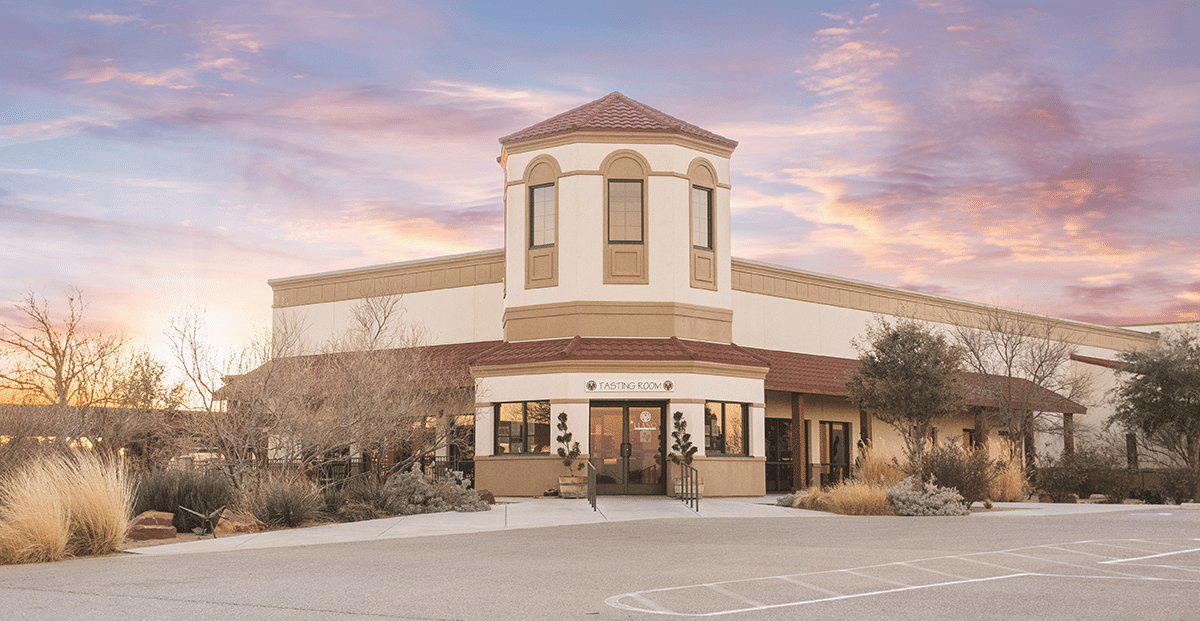
West Texas Elevation and the Wine It Produces
The Texas High Plains appellation sits at roughly 3,600 feet above sea level, a detail that separates it climatically from every other wine-growing region in the American South. At that altitude, summer heat is offset by dramatic diurnal swings, with temperatures dropping sharply at night to preserve the acidity that defines structured wine. The result is a growing environment that has more in common with high-altitude zones in Mendoza or the Rhône's upper reaches than with the humid flatlands of the Gulf Coast. Llano Estacado Winery, positioned on the eastern edge of Lubbock at 3426 E FM 1585, sits within that appellation and its wines carry the signatures of that terrain: a tautness in the acid structure, concentration without heaviness, and phenolic ripeness that the long, dry summers accelerate without baking the fruit.
The High Plains is not a region that announces itself through scenery the way Napa or Willamette Valley do. Arriving via FM 1585, the land is flat, wind-scoured, and agricultural in utilitarian sense. There are no coastal fog banks or dramatic hillside drops. What the region offers instead is geological honesty: calcareous soils, low humidity, and unbroken sun exposure across a growing season that consistently produces ripe fruit at elevations where cool nights do the work that sea breezes handle elsewhere.
Where Llano Estacado Sits in the Texas Wine Picture
Texas wine has spent two decades working to be taken seriously outside its home state, and the High Plains appellation has been central to that argument. The region supplies fruit to producers across Texas, functioning as a kind of inland growing anchor while the Hill Country handles much of the visitor traffic and brand storytelling. Llano Estacado is among the producers who have operated within the High Plains for long enough to have a track record that spans multiple growing seasons and vintage variations. That tenure matters in a region where single-season results can be misleading; the High Plains throws hail, late frost, and drought with enough regularity that longevity in the appellation is its own form of evidence.
Compared against producers at a similar prestige tier, Llano Estacado functions differently from California-anchored wineries like Accendo Cellars in St. Helena or Aubert Wines in Calistoga, where Napa Valley's established identity provides an immediate frame of reference. On the Texas High Plains, producers are still defining the regional conversation rather than inheriting one.
Wineries working at comparable elevation and with similarly continental climates, such as Adelaida Vineyards in Paso Robles or Adelsheim Vineyard in Newberg, operate within appellations where the terroir argument has already been made to a broad audience. Llano Estacado is making that argument in real time, which is part of what gives visits to the property a different weight than a trip to an appellation with decades of critical consensus behind it.
The Grape Varieties the Terroir Favors
High Plains viticulture has historically leaned toward varieties that handle heat and wind without sacrificing aromatics. Tempranillo has shown particular affinity for the calcareous soils and dry conditions, as has Cabernet Sauvignon, which benefits from the long hang time the High Plains growing season allows. Viognier has emerged as a white that performs with more precision here than in many warmer California contexts, partly because the diurnal swings hold its aromatic volatility in check. Producers working the region, including those on the Rhône-influenced end of the spectrum like Alban Vineyards in Arroyo Grande or Andrew Murray Vineyards in Los Olivos, have demonstrated what these varieties can do in technically similar growing conditions, offering a useful comparative lens for understanding what the High Plains does differently.
Llano Estacado's location within the appellation means its wines draw from some of the more established vineyard blocks in the region. The soil composition, predominantly sandy loam over calcium carbonate, drains well and keeps vine stress at a level that concentrates flavor without producing the over-extracted character that poorly managed heat stress can generate. For a wine drinker familiar with Old World terroir arguments, the High Plains presents a variant on the same theme: place expressing itself through the glass, not in spite of intervention but alongside it.
Visiting the Winery
The winery sits east of central Lubbock on FM 1585, a drive that takes visitors away from the urban core and into the agricultural character that defines the High Plains. Within the wine-specific tier, McPherson Cellars operates in Lubbock proper and offers a useful point of comparison for visitors interested in how different producers in the same city handle High Plains fruit.
For those building a broader American wine itinerary, producers like Alexander Valley Vineyards in Geyserville, Alpha Omega Winery in Rutherford, Artesa Vineyards and Winery in Napa, Au Bon Climat in Santa Barbara, and B.R. Cohn Winery in Glen Ellen represent established California reference points that highlight, by contrast, how different the Texas High Plains production model is. Llano Estacado is not trying to replicate those appellations; it is working with a distinct set of conditions and arriving at results that have earned external recognition.
For international context, producers operating in historically rooted European appellations like Aberlour or Achaia Clauss in Patras illustrate how long-established place identity shapes wine production. The Texas High Plains is at an earlier stage of that identity formation, which makes producers like Llano Estacado.
Visitors should plan for a drive that is purely functional rather than scenic; the appeal here is in the winery itself and the wines it produces, not the route taken to reach it. Lubbock's regional airport connects the city to major Texas hubs, making day-trip visits from Dallas or Austin logistically feasible.
Comparable Venues
Comparable venues nearby, for context on price, style, and recognition.
| Venue | Cuisine | Price | Notes |
|---|---|---|---|
| Llano Estacado WineryThis venue — the venue you are viewing | Cabernet Sauvignon, Riesling | $$ | Not listed |
| McPherson Cellars | Sangiovese, Albarino | $$ | downtown |
| Viña Leyda | Pinot Noir, Sauvignon Blanc | $$ | San Antonio |
| Narrow Path Winery | Cabernet Sauvignon, Cabernet Franc | $$ | Stonewall |
| Texas Hills Vineyard | Chardonnay, Tempranillo | $$ | Pedernales River Valley |
| Real Spirits Distilling Co. | Winery | $$ | Blanco |
Continue exploring
More in Lubbock
Wineries in Lubbock
Browse all →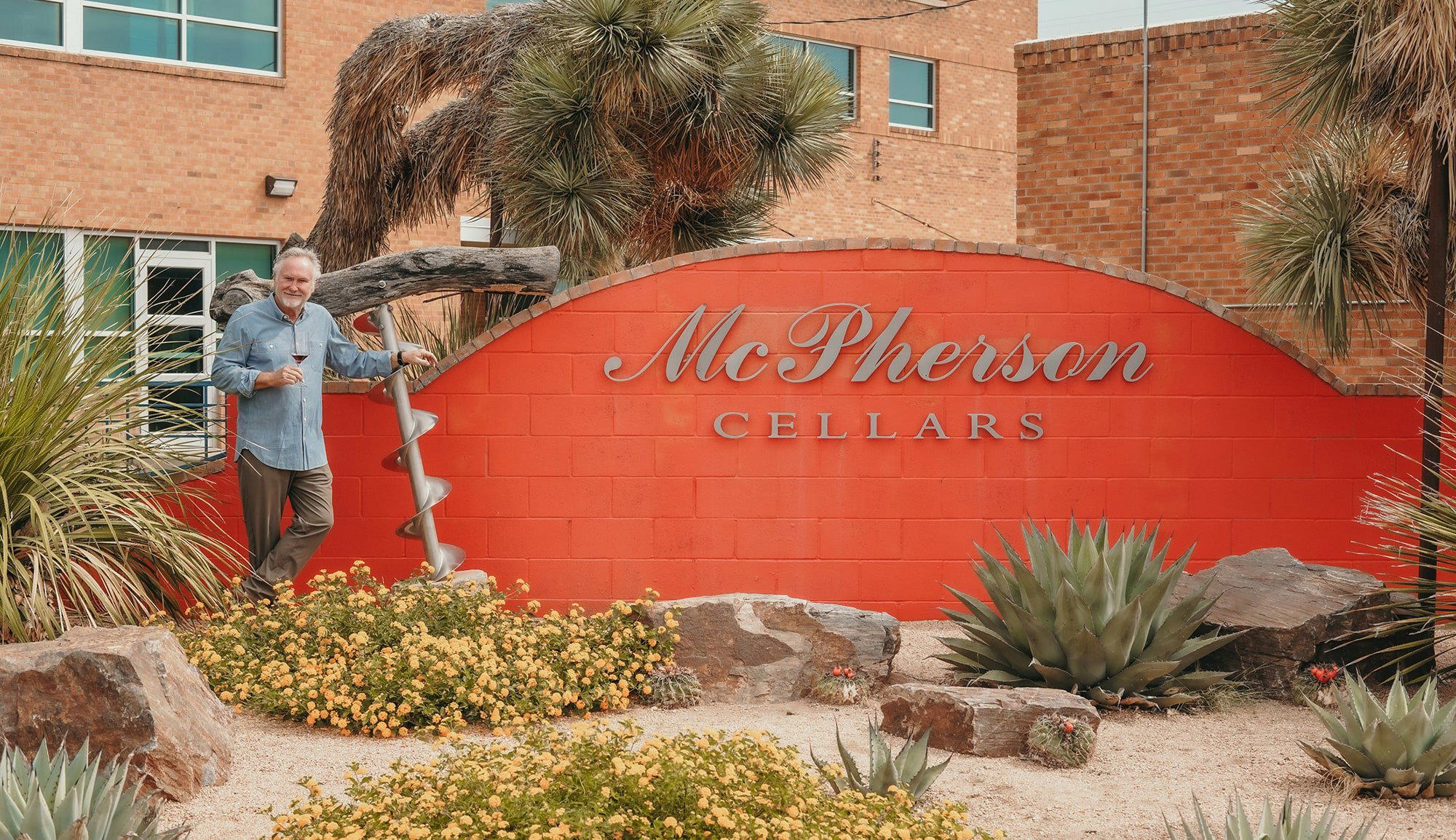
Bars in Lubbock
Browse all →

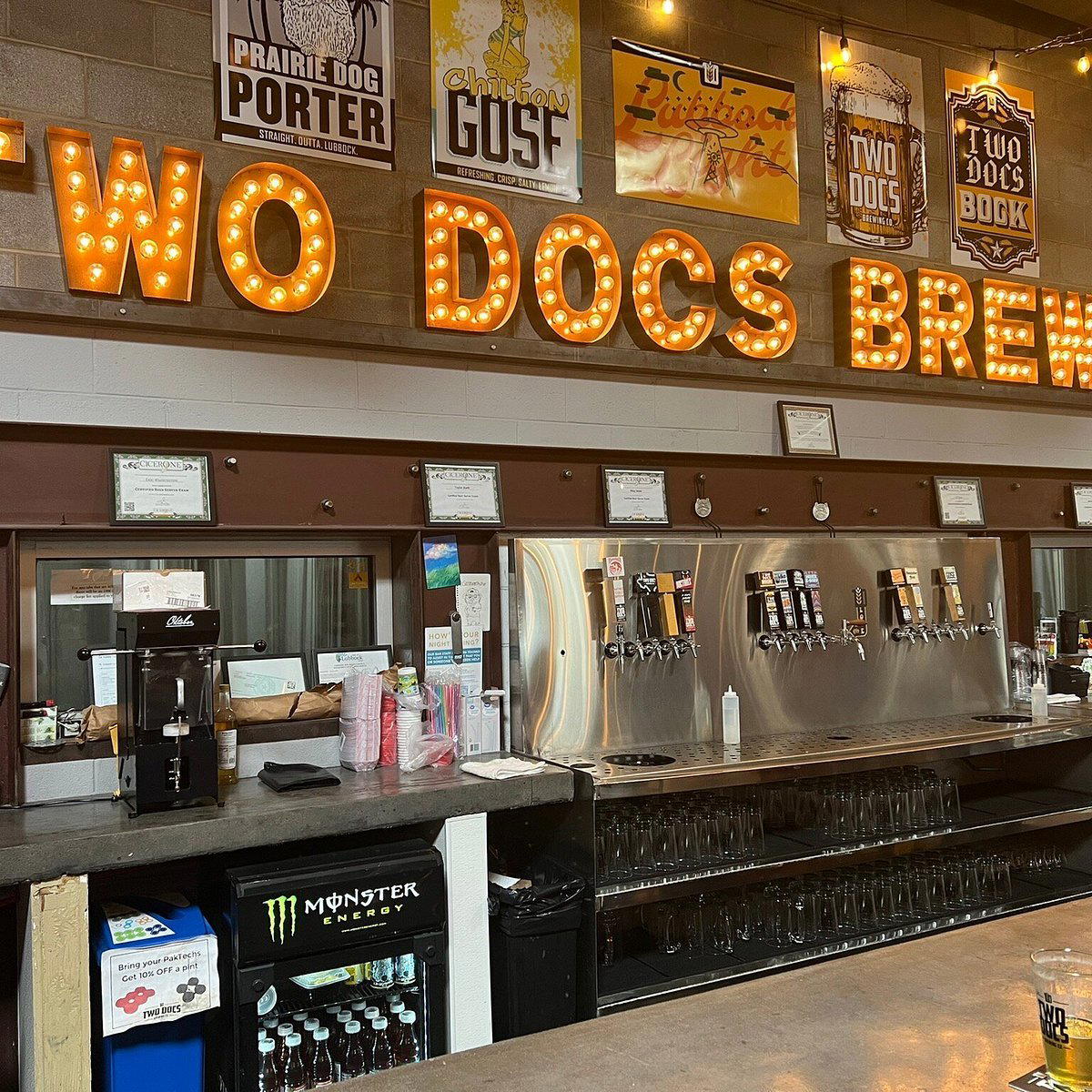
Restaurants in Lubbock
Browse all →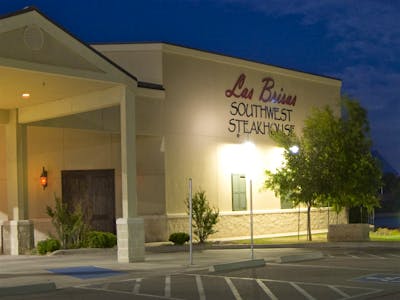
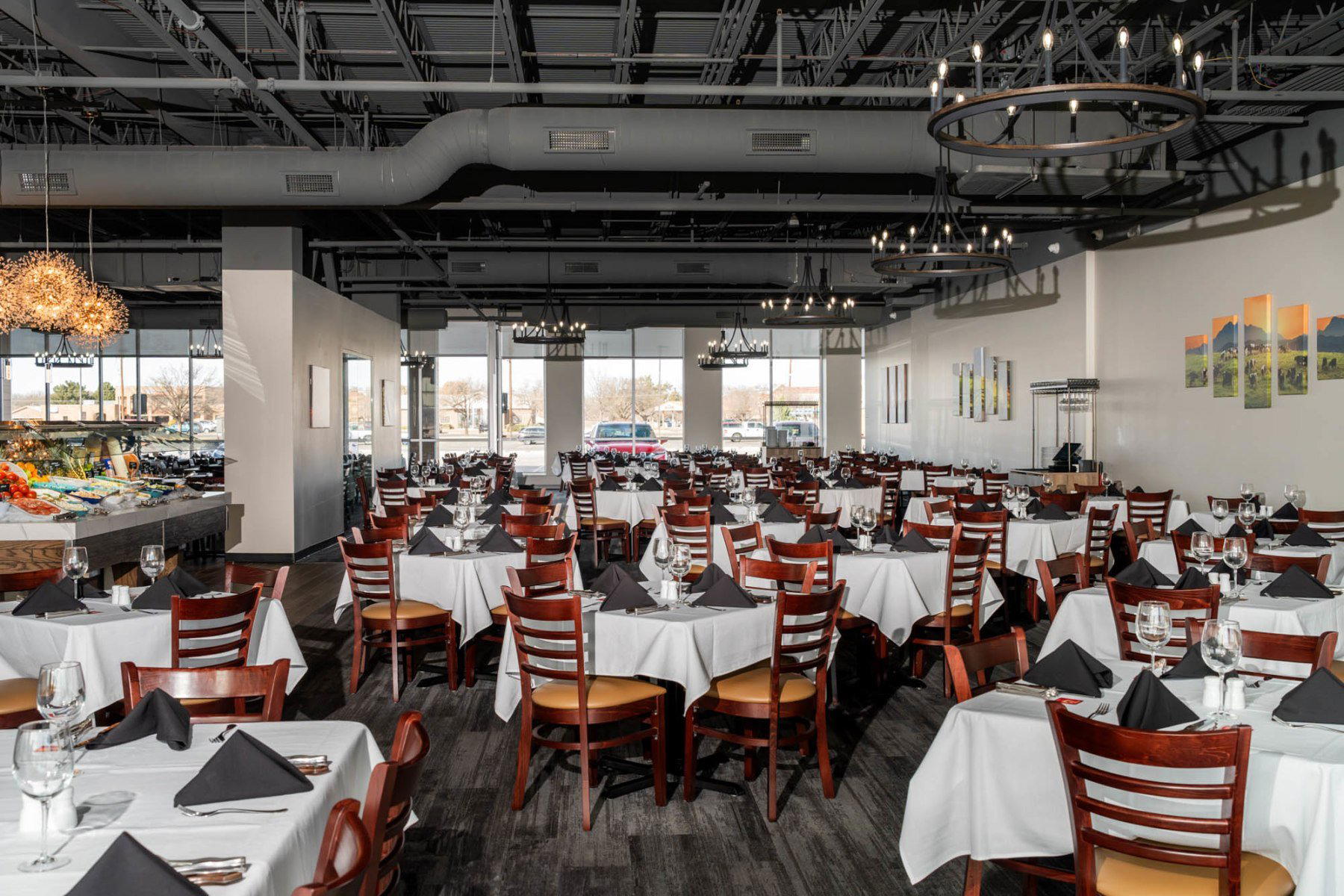
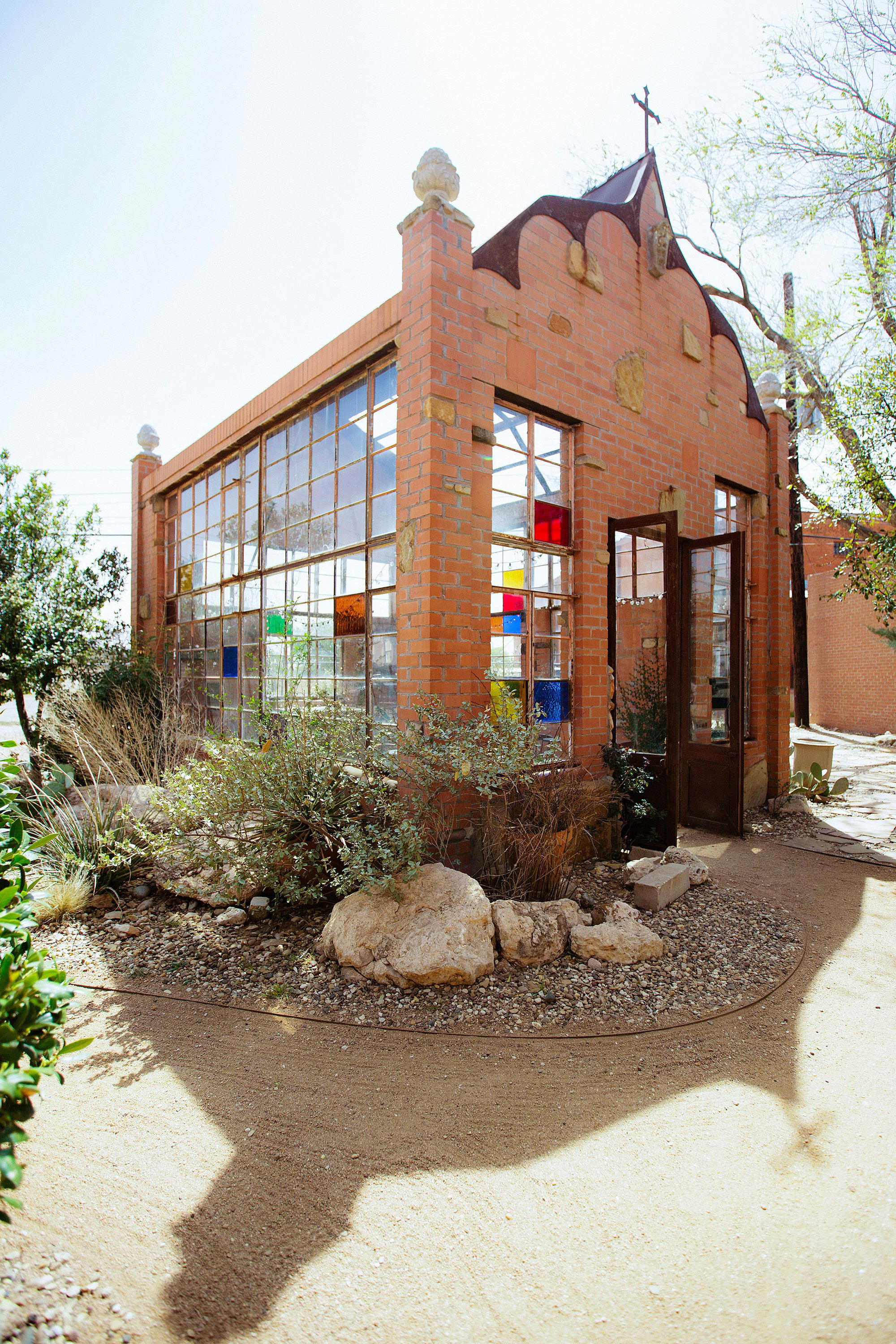
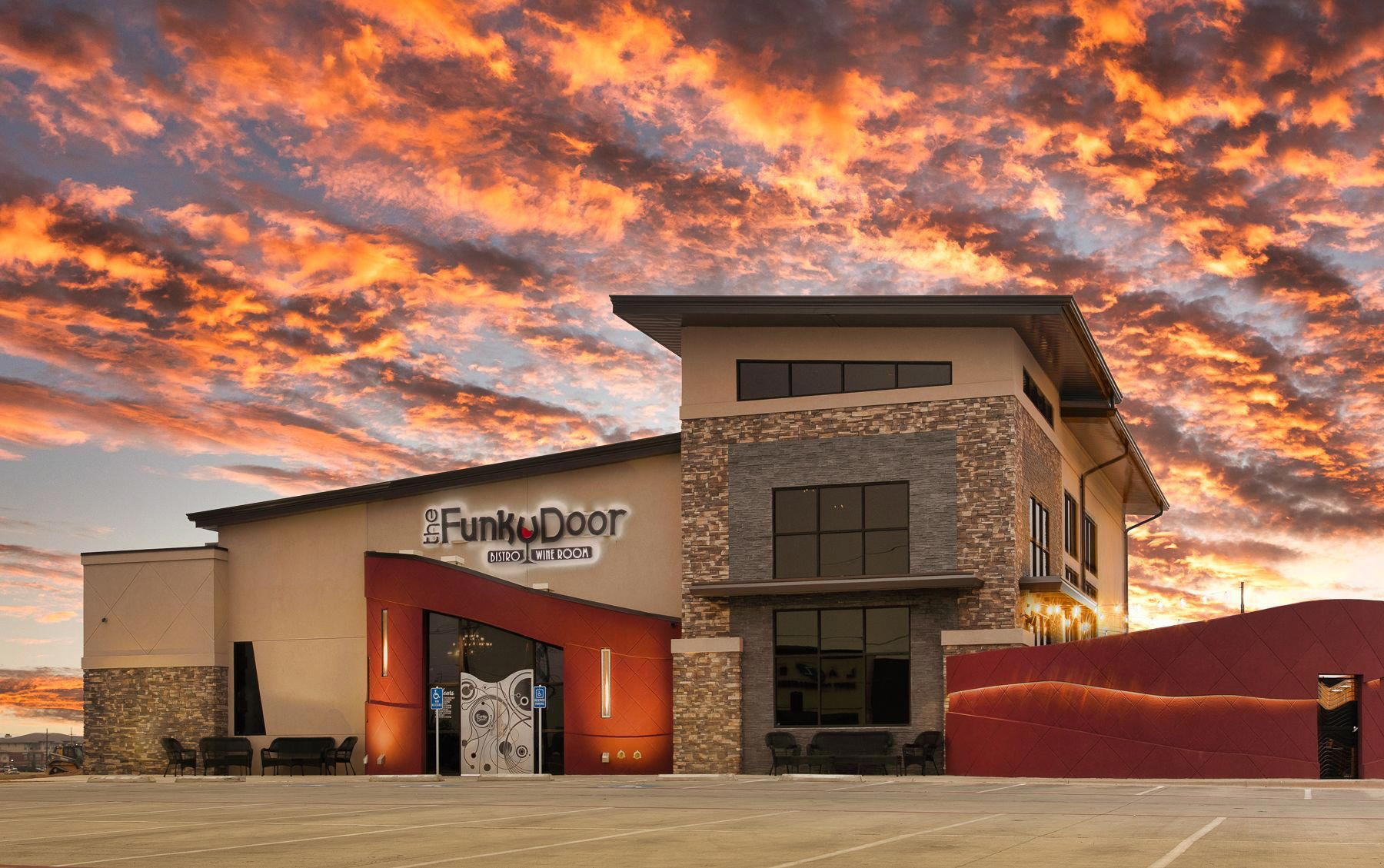
Hotels in Lubbock
Browse all →
At a Glance
- Elegant
- Scenic
- Rustic
- Group Outing
- Celebration
- Wine Education
- Vineyard Tour
- Estate Grounds
- Vineyard
- Texas High Plains
- Cabernet Sauvignon
- Riesling
- Pinot Grigio
- Sauvignon Blanc
- Roussanne
- Gewürztraminer
- Merlot
- Syrah
- Cabernet Franc
- Still Red
- Still White
- Tasting Flight
- Founded: official source · checked
Beautiful architecturally designed tasting room with a welcoming atmosphere, neutral aesthetic with regal dark wood accents, and scenic outdoor spaces.