Lewis Cellars
Lewis Cellars sits on Silverado Trail in the Stags Leap District, one of Napa Valley's most distinguished appellations for Cabernet Sauvignon..

Pearl is the En Primeur Club membership app — saves, bookings, and concierge access live there. Same editors, same standards.
- Address
- 6320 Silverado Trail, Napa, CA 94558
- Phone
- (707) 255-3400
- Website
- lewiscellars.com
- Directions
- Get directions
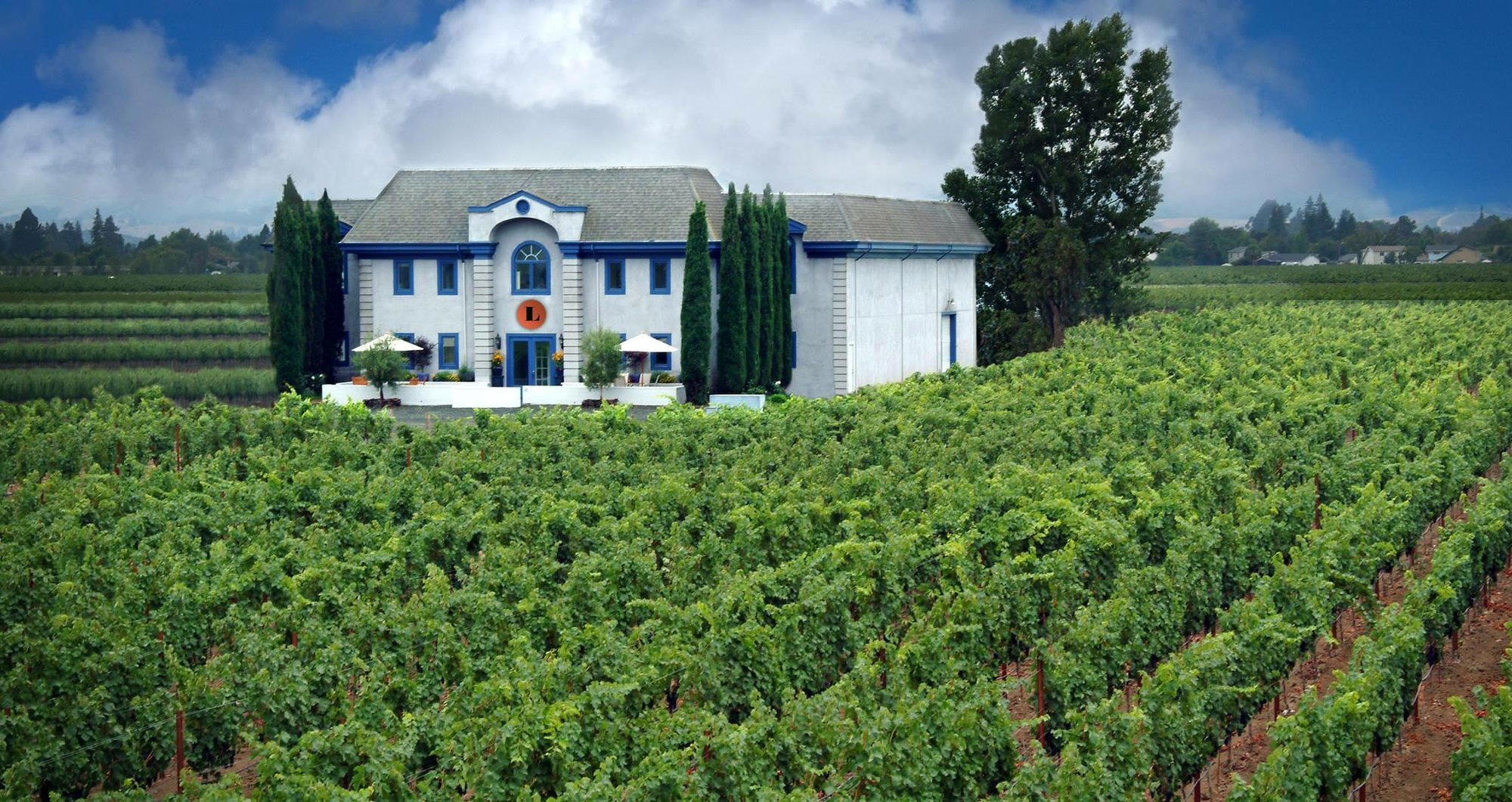
Silverado Trail and the Stags Leap Terroir
The Silverado Trail runs the length of Napa Valley along its eastern edge, and the stretch through Stags Leap District is where the road feels most purposeful. The Vaca Range rises to the east, the valley floor stretches west, and the afternoon light hits the volcanic palisades in a way that makes the appellation's reputation feel earned rather than marketed. Lewis Cellars sits at 6320 Silverado Trail in this corridor, physically embedded in one of California's most studied Cabernet Sauvignon terroirs. Approaching from either direction, the sense of place arrives before you do.
The Stags Leap District earned its AVA designation in 1989, built on a geological argument: volcanic and alluvial soils over a rocky subfloor, moderated by afternoon breezes funnelled through the gap in the hills to the south. That combination produces Cabernet Sauvignon with a particular profile, one that California critics and Burgundy-trained palates alike have found interesting. The 1976 Paris Tasting placed a Stags Leap Wine Cellars Cabernet at the top of its category, and the appellation has carried that reference point ever since. Lewis Cellars operates within that historical context, on an address that carries weight in any serious conversation about Napa Cabernet.
Stags Leap District is compact, roughly 2,700 acres of planted vineyard, but its producer concentration is high relative to its size. Within a few miles of Lewis Cellars on Silverado Trail sit some of the most-discussed addresses in American wine. Chimney Rock Winery occupies a Cape Dutch-styled estate to the north. Pine Ridge Vineyards works several distinct blocks across the appellation. Silverado Vineyards holds a commanding hillside position. Quixote Winery, with its Friedensreich Hundertwasser-designed building, occupies a different visual register entirely. And Clos du Val, one of the original estates in the appellation, continues to produce across multiple varietals with a French-inflected restraint.
The rating does not stand in isolation; it places the producer in a peer conversation with the most recognised names in a very competitive appellation. For a wine traveller building a focused Stags Leap itinerary, that credential is a useful sorting signal.
The Physical Experience: Landscape as Context
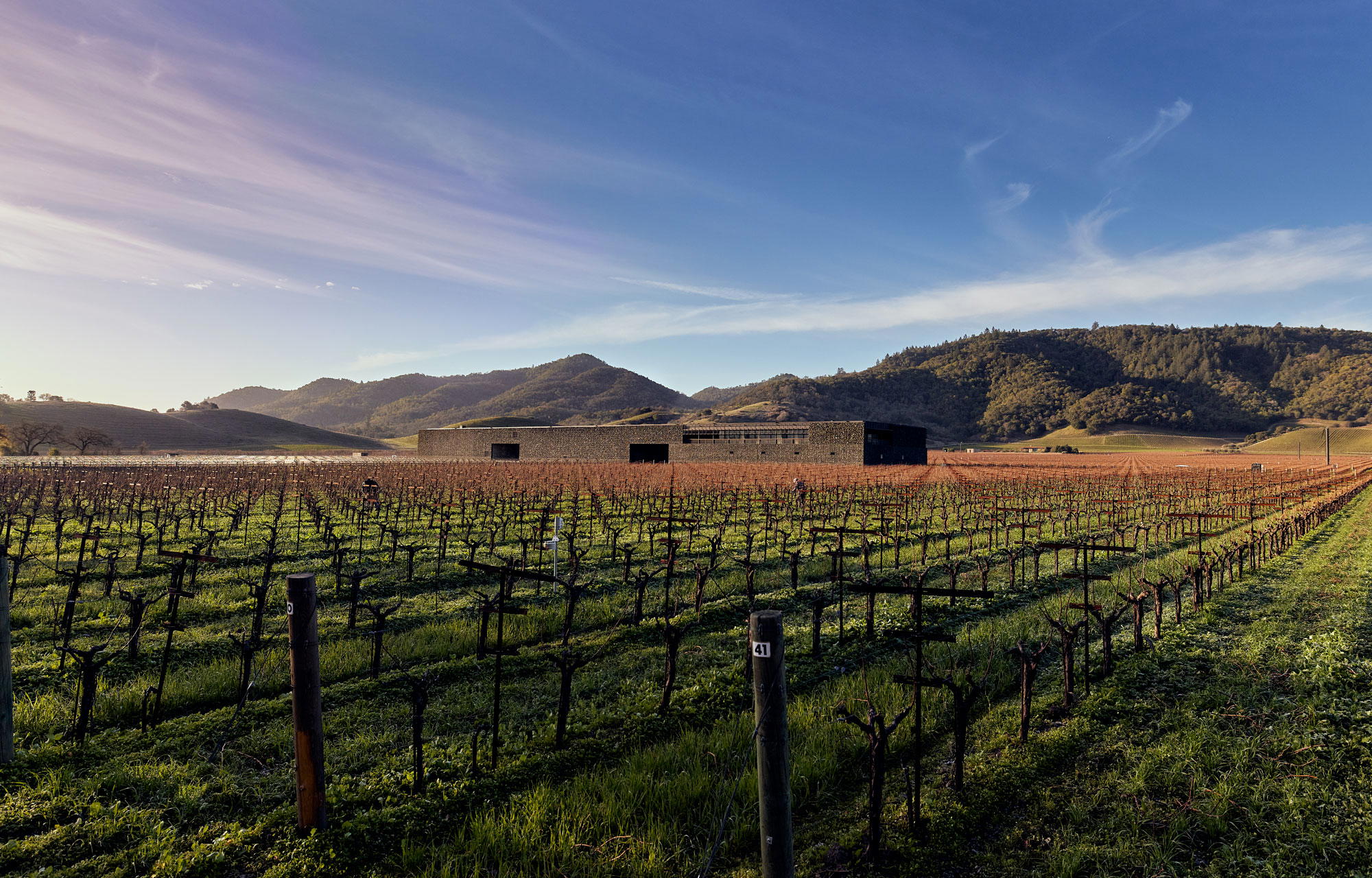
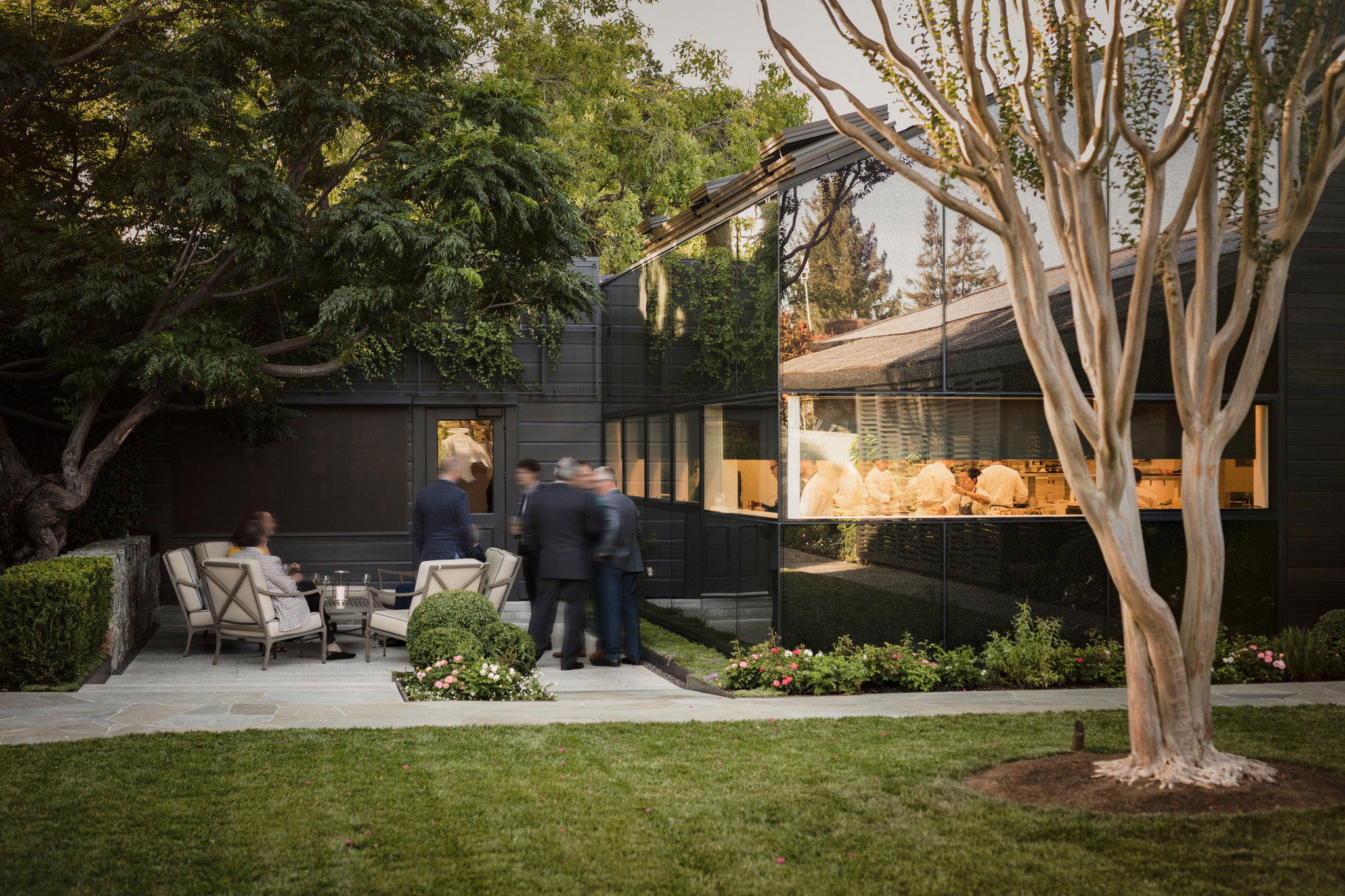
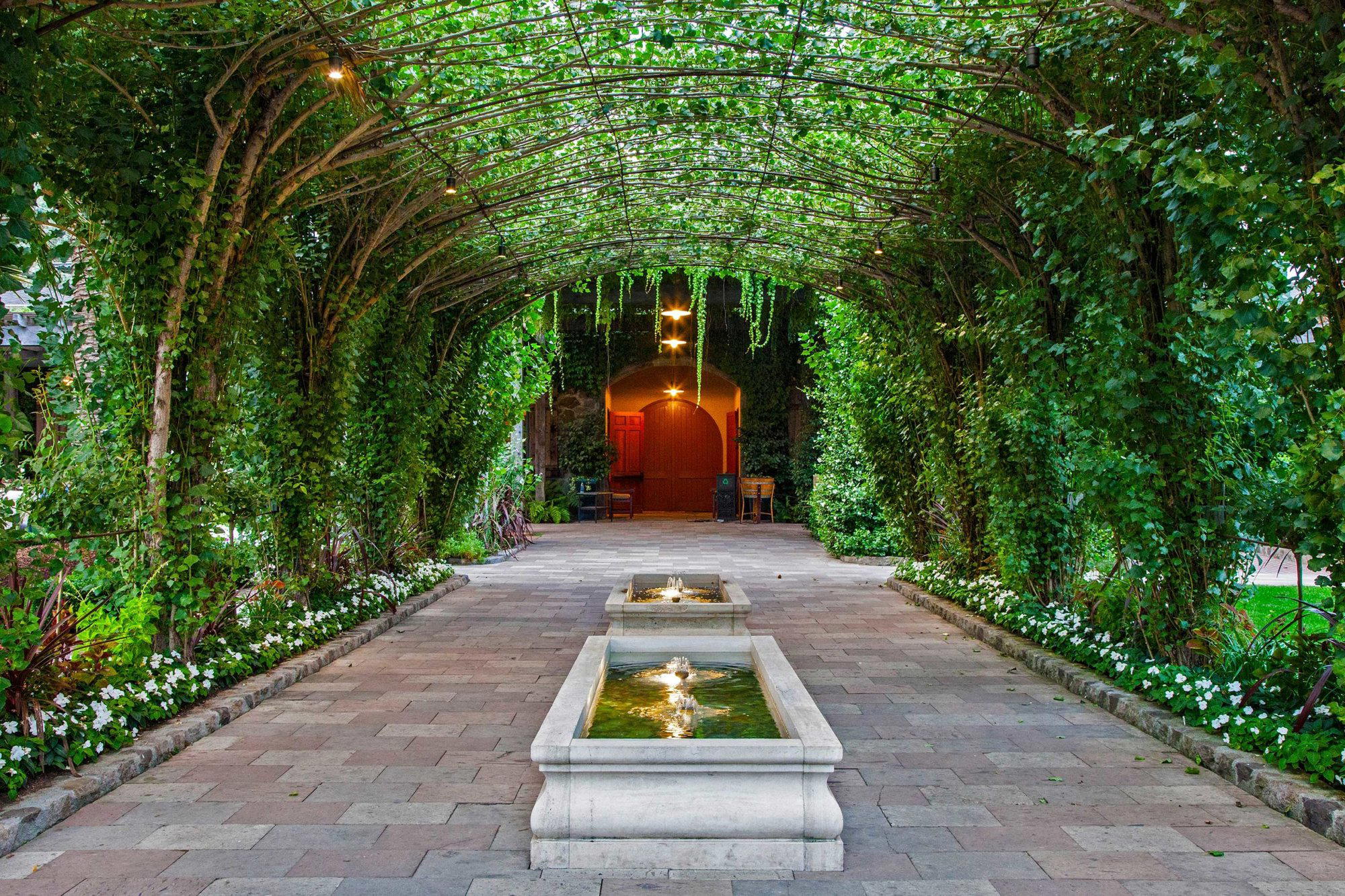
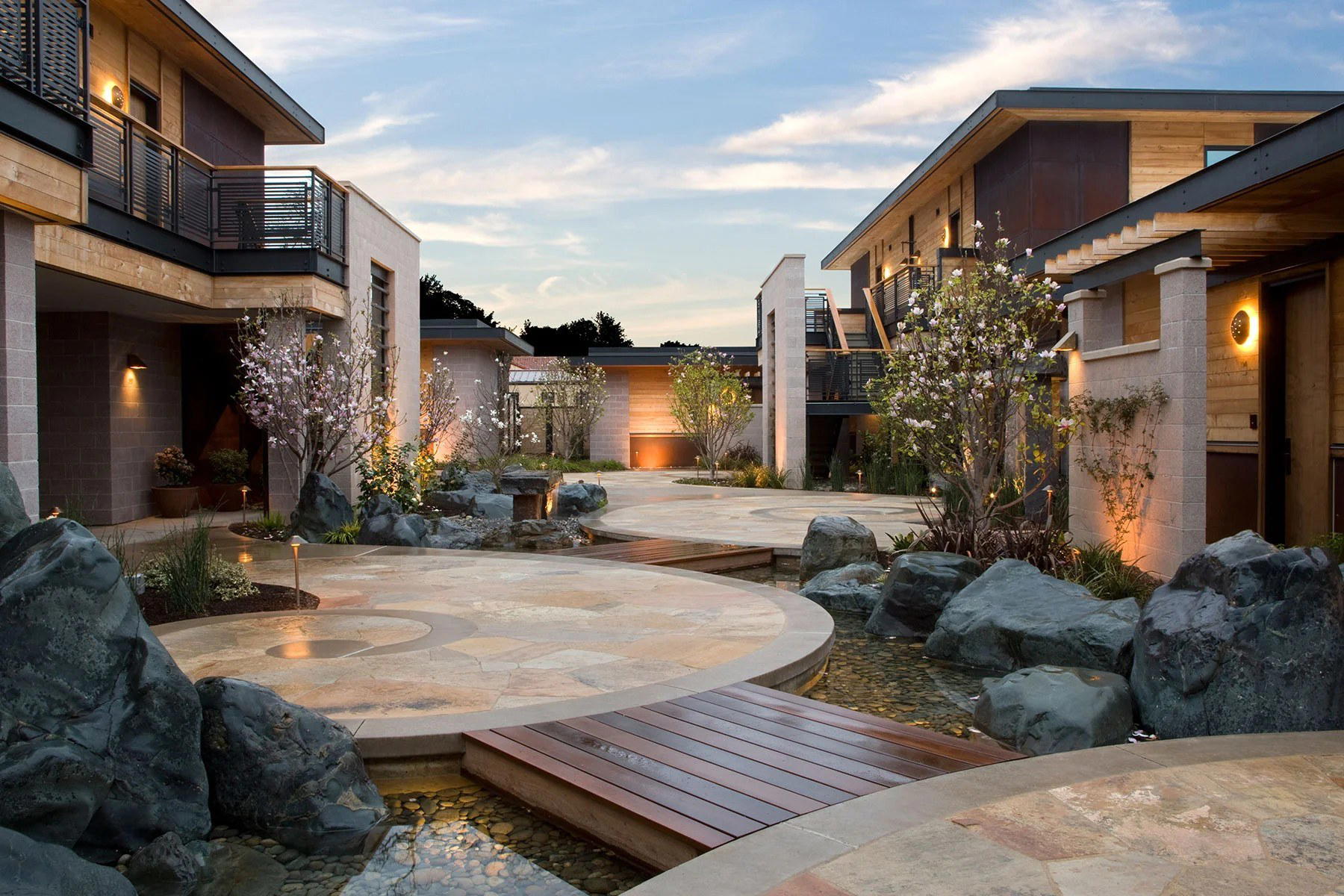
Wine tasting in Stags Leap is not a uniform experience across producers. Some estates prioritise architectural drama. Others keep the focus on the wine itself, with minimal visual distraction. The Silverado Trail corridor tends to reward visitors who pay attention to the land rather than the amenities, because the geological character of the appellation is visible in the outcroppings, the vine spacing, and the way the canopy behaves in the afternoon wind.
Lewis Cellars at 6320 Silverado Trail is positioned within this physical argument. The address places it in the heart of the appellation's most active section, where the palisades are closest and the terroir signals are strongest. For visitors coming specifically to understand what Stags Leap District means as a place, this location is instructive in a way that a tasting room in a more commercially developed part of Napa might not be.
Visitors planning a visit to Lewis Cellars should contact the winery directly to arrange appointments, as is standard practice across the district's upper-tier producers. The Silverado Trail is easily accessible from downtown Napa, roughly a fifteen-minute drive north along the eastern side of the valley. Most serious itineraries in the district run along the Trail itself, making it direct to pair a Lewis Cellars visit with stops at neighbouring estates on the same day. Our full Stags Leap District guide maps the appellation's producers by tier and style.
Cabernet Sauvignon and the District's Identity
Stags Leap built its reputation on Cabernet Sauvignon, and the appellation's producers have largely remained anchored to that identity. The volcanic soils and the moderating afternoon airflow produce a style that tends toward softer tannins and aromatic complexity at the higher end, rather than the more structured, age-demanding profile associated with hillside Howell Mountain or the mountain AVAs to the west. That character has made the district's leading Cabernets accessible in their youth while still holding depth for extended cellaring.
Within California, the Stags Leap District occupies a specific position in the Cabernet conversation: less austere than the mountain appellations, more site-specific than broader Napa Valley designations. Producers working single-vineyard blocks in this corridor are making an argument about place that is legible in the glass, which is why the appellation attracts the kind of collector attention that generates allocation lists and secondary market activity.
For visitors interested in understanding the range of Stags Leap District expression, comparisons with other Napa appellations are useful. Accendo Cellars in St. Helena works a different Napa sub-appellation context. Beyond Napa, Adelaida Vineyards in Paso Robles and Alban Vineyards in Arroyo Grande show how California's coastal ranges produce distinct red wine profiles. Adelsheim Vineyard in Newberg shifts the frame entirely to Oregon Pinot. Alpha Omega Winery in Rutherford works from a neighbouring Napa appellation with its own soil and climate argument. Alexander Valley Vineyards in Geyserville and Andrew Murray Vineyards in Los Olivos extend the California red wine map further north and south respectively.
For those whose wine interests extend beyond California altogether, Aberlour in Aberlour and Achaia Clauss in Patras represent the kind of Old World producers that serious collectors often hold alongside their Napa allocations, for the perspective that contrast provides.
Planning a Visit
The Stags Leap District is leading approached with a focused plan. The appellation is small enough to cover meaningfully in a full day, but the top-tier producers generally require advance appointments, and the experience is more substantive when visits are spaced rather than stacked. Lewis Cellars is at the southern end of the district's most active cluster, which makes it a logical first or last stop on a Trail-based itinerary. Spring and autumn are the most active visitor seasons; harvest, which typically runs from late August through October depending on vintage conditions, brings the most atmospheric version of the appellation but also the most logistical complexity for producers.
Compact Comparison
Comparable venues nearby, for context on price, style, and recognition.
| Venue | Cuisine | Price | Awards | Notes |
|---|---|---|---|---|
| Lewis CellarsThis venue — the venue you are viewing | Not listed | $100–150 | Not listed | Not listed |
| Lail Vineyards | Not listed | Not listed | Not listed | Yountville, Cabernet Sauvignon, Sauvignon Blanc |
| Schrader Cellars | Napa Valley, Cabernet Sauvignon | Not listed | Falstaff Winery - Listed | Not listed |
| Realm Cellars | Not listed | $100–150 | Falstaff Winery - Listed | Stags Leap District, Cabernet Sauvignon, Merlot |
| Seven Stones Estate | Not listed | Not listed | Not listed | St. Helena, Cabernet Sauvignon, Cabernet Franc |
| Arietta | Not listed | Not listed | Not listed | Carneros, Cabernet Sauvignon, Cabernet Franc |
Continue exploring
More in Napa
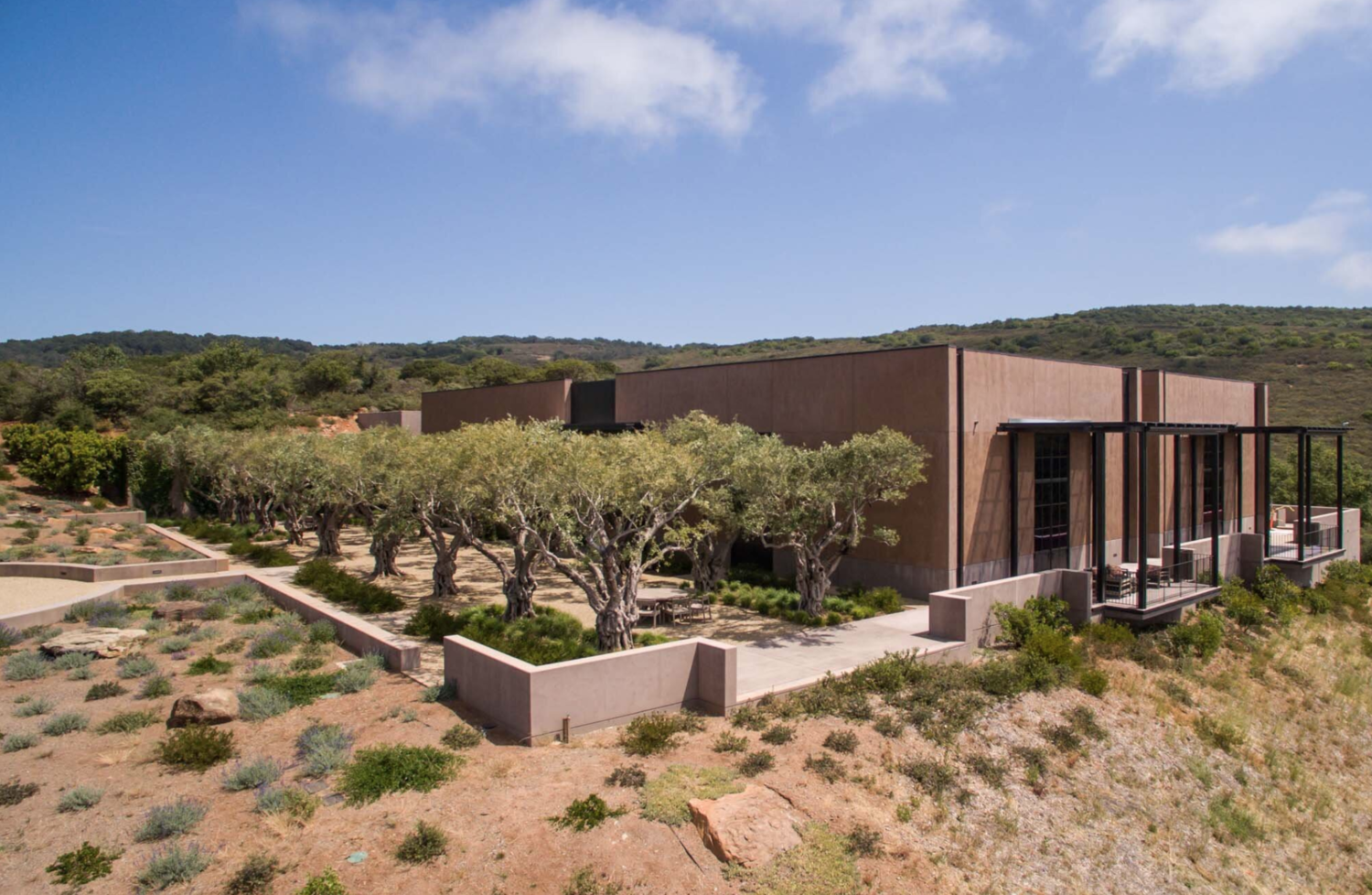
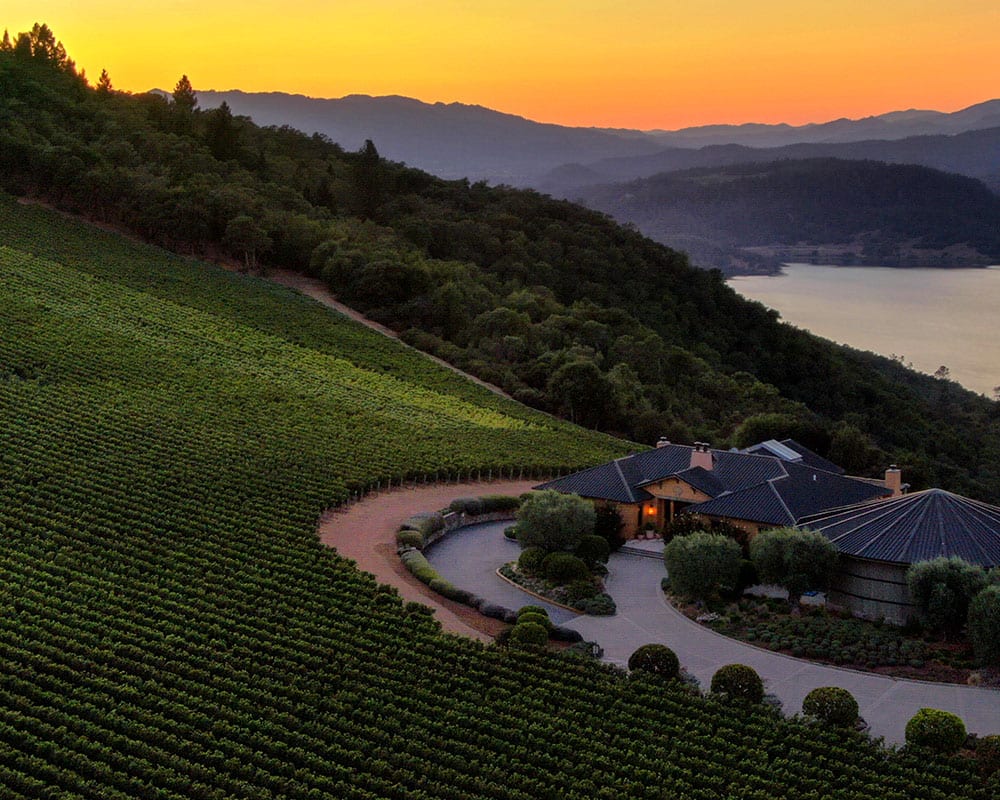
Wineries in Napa
Browse all →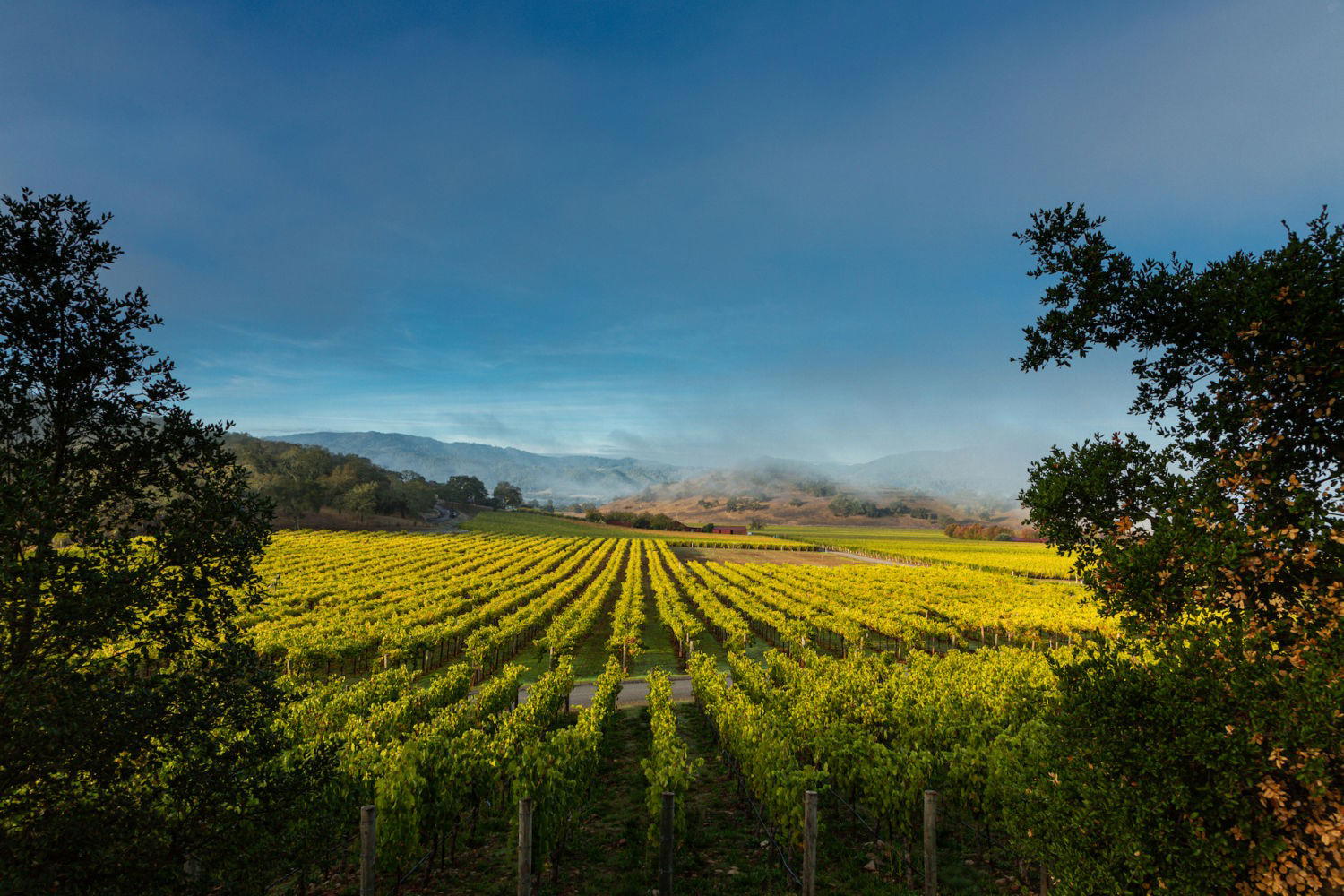
Bars in Napa
Browse all →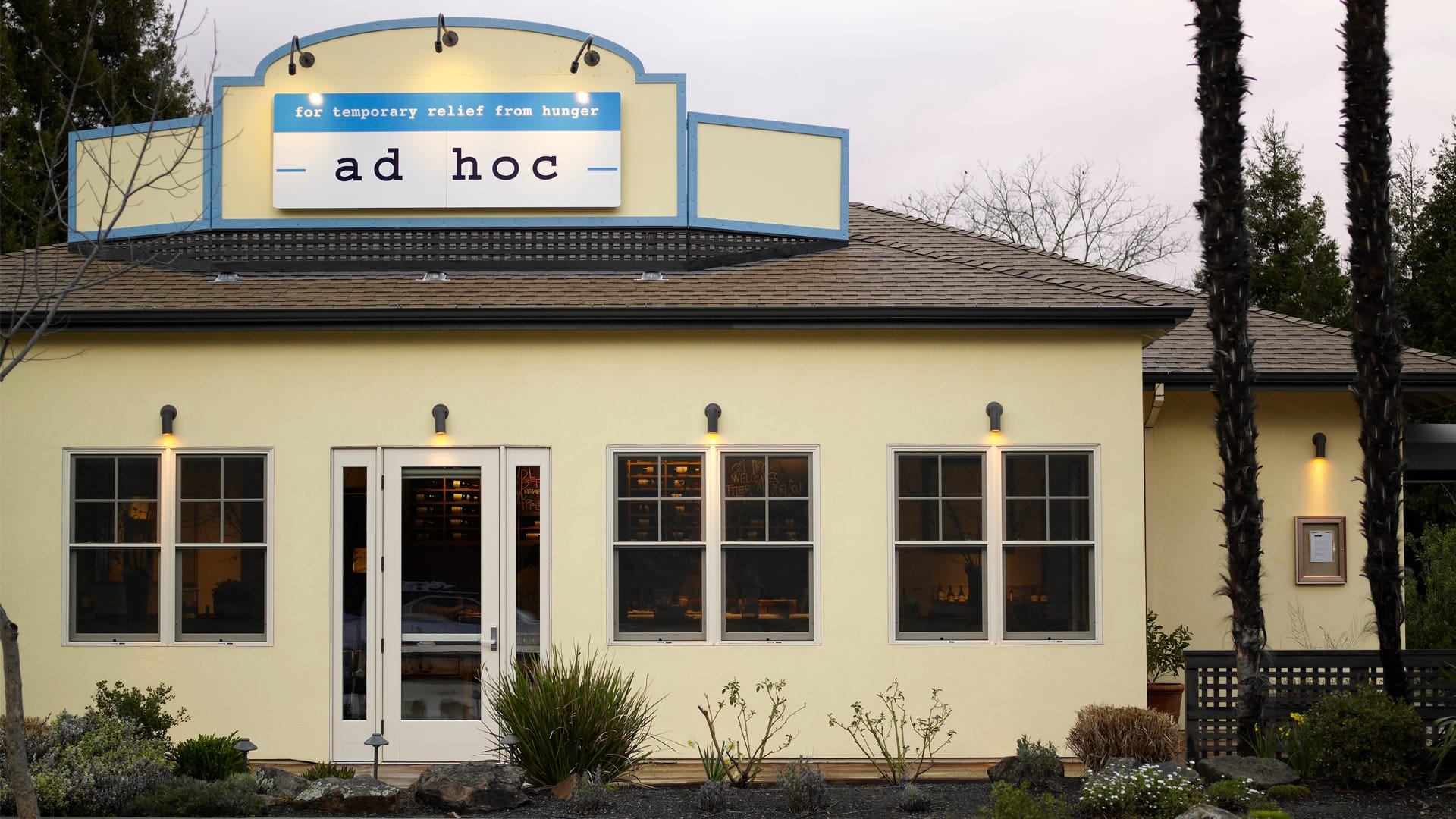
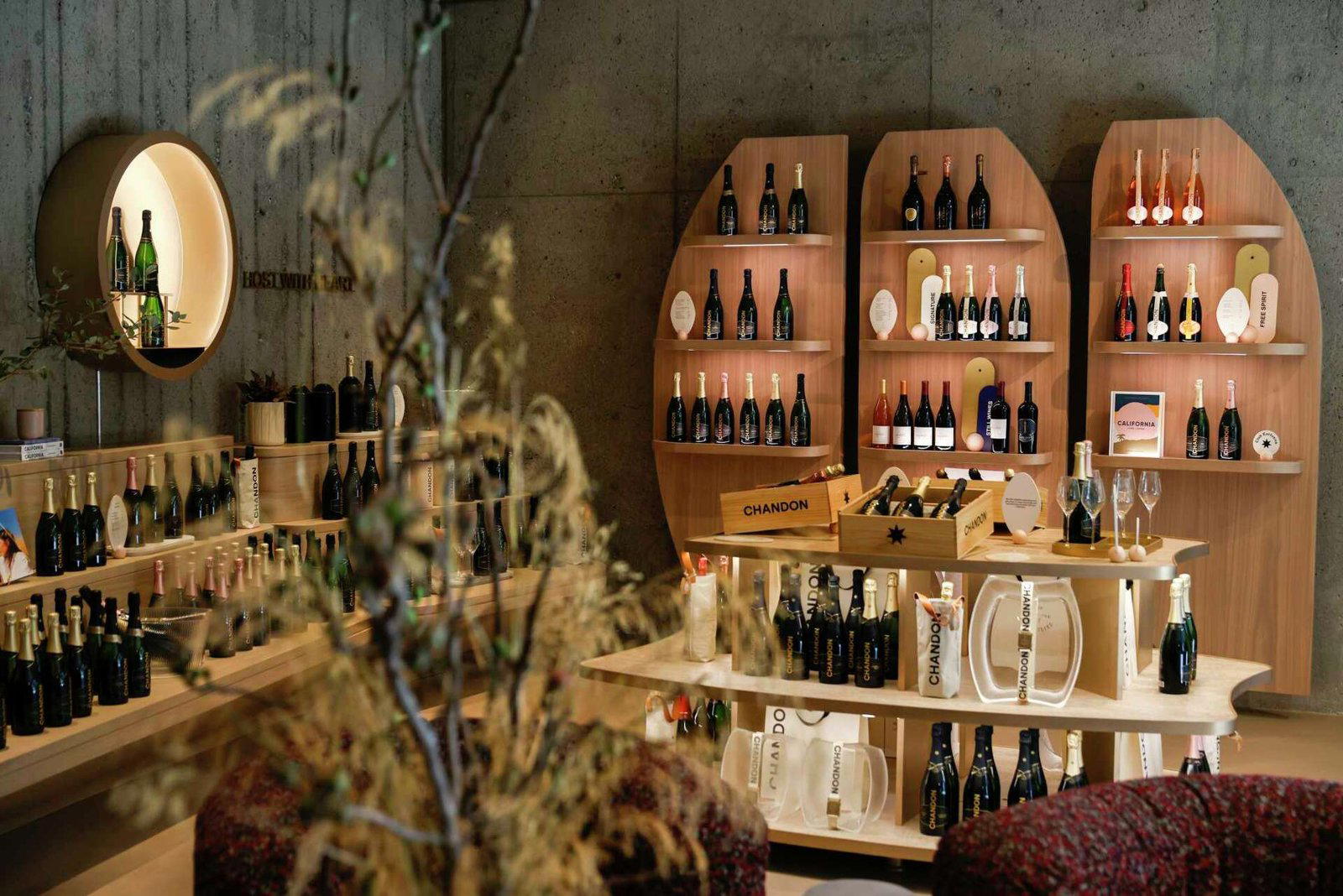
Restaurants in Napa
Browse all →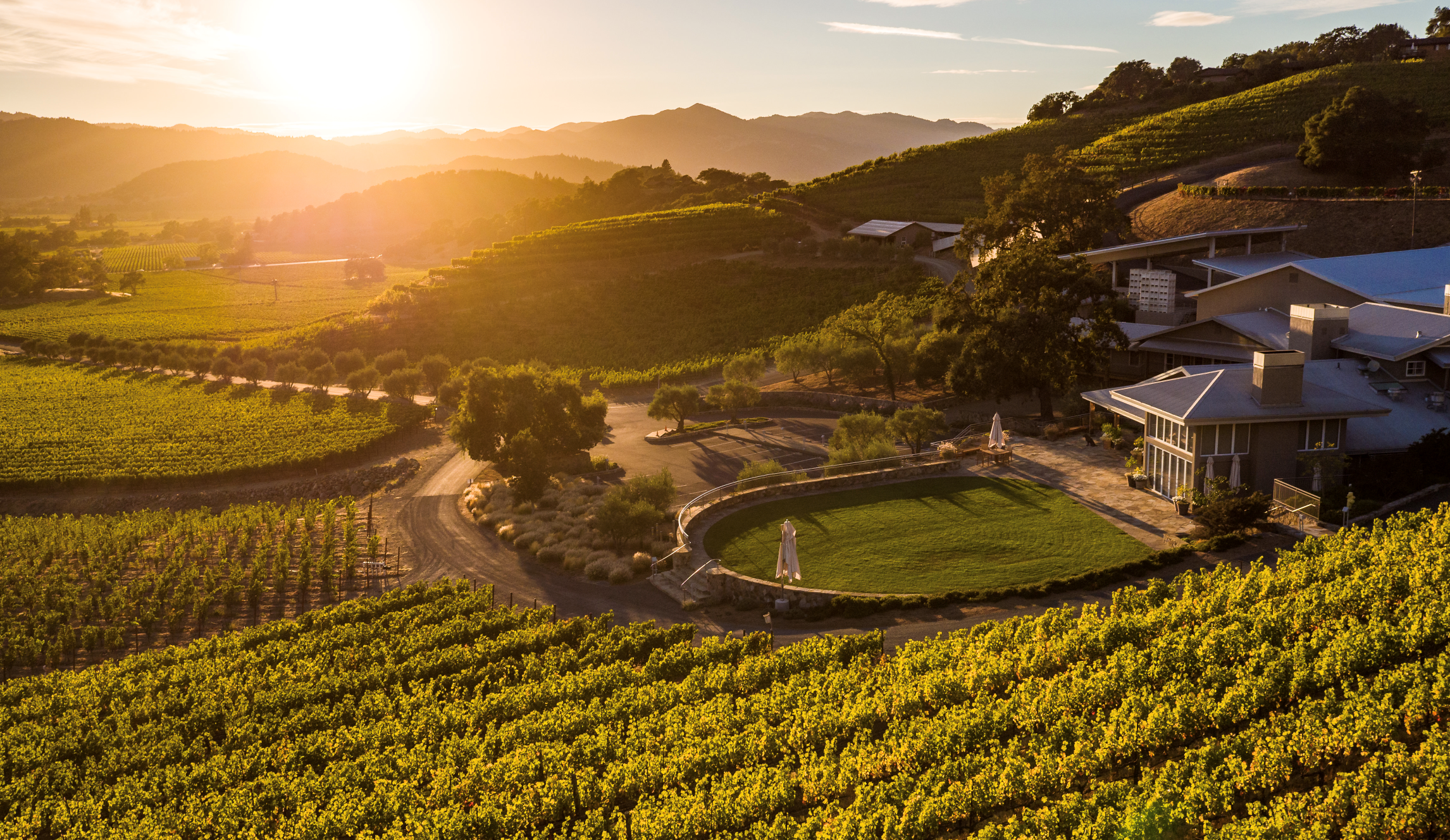


Details
- Elegant
- Sophisticated
- Ornate
- Intimate
- Special Occasion
- Wine Education
- Private Tasting
- Estate Grounds
- Panoramic View
- Sustainable
- Mountain
- Vineyard
- Cabernet Sauvignon
- Chardonnay
- Syrah
- Merlot
- Petite Sirah
- Cabernet Franc
- Still Red
- Still White
- Seated Tasting
- Food Paired Tasting
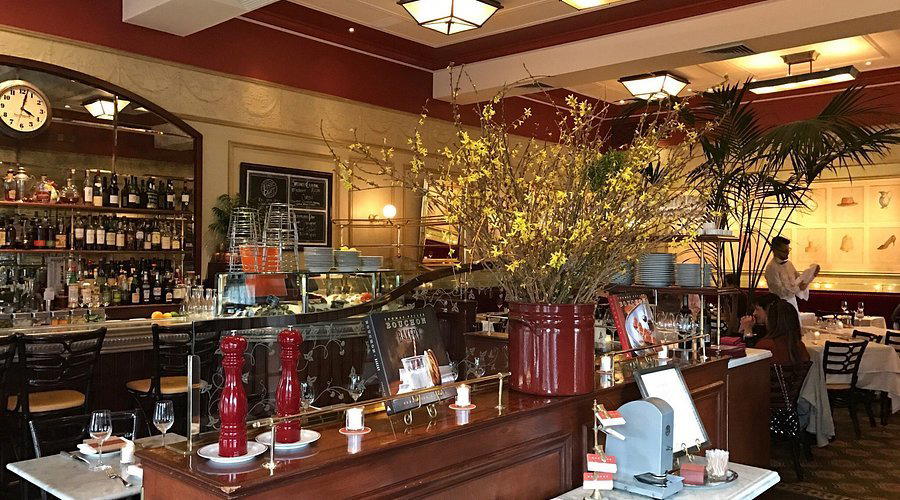
Unapologetically rich with distinctive design elements providing an unusual sensory experience through lighting, art, and lavish hospitality.