Melville Vineyards and Winery
Melville Vineyards and Winery operates from a State Street address in downtown Santa Barbara, placing serious Pinot Noir and Chardonnay production within a city-centre tasting context.
Pearl is the En Primeur Club membership app — saves, bookings, and concierge access live there. Same editors, same standards.
- Address
- 120 State St suite c, Santa Barbara, CA 93101
- Phone
- +1 805-770-7952
- Website
- melvillewinery.com
- Directions
- Get directions
 Saves & bookings on Pearl
Santa Barbara's Urban Winery Format and Where Melville Fits
California's urban tasting room circuit has expanded considerably over the past decade, and Santa Barbara's State Street corridor now functions as a condensed showcase for what the surrounding Santa Ynez Valley and Santa Rita Hills can produce. The format separates the agricultural reality of farming from the hospitality act of tasting: visitors engage with finished wine in a controlled, city-facing environment rather than among the vines themselves. Within that model, the question is always whether the wine earns the urban presentation or whether the setting is doing most of the work.
Melville Vineyards and Winery, operating from its suite on State Street, answers that question with a track record that begins in 1999. A first vintage that predates the Sideways-era surge in Santa Barbara County's profile matters here: the program was already defining its approach to cool-climate varieties before regional tourism accelerated. That longevity places it in a different tier from the newer urban tasting operations that opened in the county's subsequent boom years.
The Cool-Climate Argument and What It Means at the Table
Santa Barbara County's reputation for Pinot Noir and Chardonnay rests on a geography that is genuinely unusual in California terms. The east-west orientation of the transverse ranges channels Pacific fog and wind inland with unusual force, producing growing conditions that push maturity timelines far later than most California appellations and preserve the kind of acidity that makes food pairing coherent rather than accidental. Wineries working seriously in this environment are making a structural argument with every bottle: that the wine has the architecture to sit alongside food, not just precede or follow it.
For a winery with an editorial angle rooted in food pairing and hospitality programming, that structural characteristic is the foundation. Pinot Noir with genuine acidity and restrained extraction behaves differently at the table than the richer, warmer-climate expressions that dominated California's export identity for much of the 1990s and 2000s. It can move across courses, sustain itself next to proteins with some fat content, and hold up against earthy preparations without collapsing. Chardonnay from the same cool zones, handled with attention to tension rather than texture, performs a similar function. These are wines that reward the pairing context rather than simply tolerating it.
Winemaker Chad Melville has been the constant across the project's production history, which means the stylistic continuity from vintage to vintage is not a marketing claim but a practical reality. In a county where winemaking turnover at smaller operations can disrupt the coherence of a program, a single winemaker across more than two decades represents a form of institutional knowledge that tends to show in the bottle.
Placing Melville in the Santa Barbara comparable set
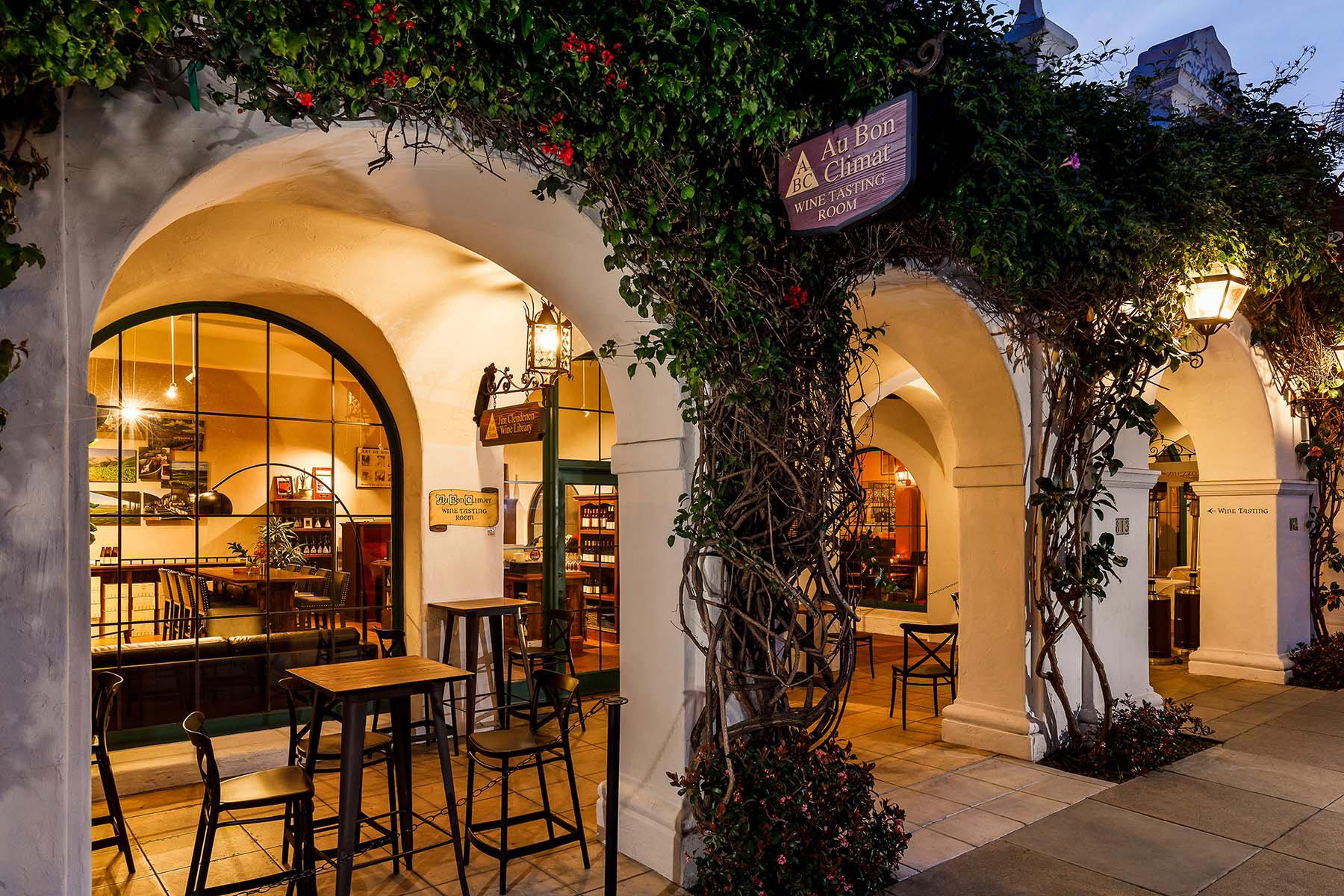
Santa Barbara's downtown tasting circuit includes operations with different production philosophies and scale. Au Bon Climat has long anchored the county's Burgundian reference point, building an international reputation for Pinot and Chardonnay that predates most of the region's current recognition. Santa Barbara Winery operates at higher volume and broader varietal range, functioning as an accessible entry point for visitors who want category breadth. Sanguis Winery and Carr Vineyards and Winery represent the more experimental end of the urban tasting room spectrum, with smaller production and more adventurous blending programs.
Melville occupies a middle position that is increasingly defined by its award recognition. For visitors planning a tasting itinerary in Santa Barbara, that credential suggests this is a stop that rewards the kind of engagement that comes from understanding what the county's cool-climate zones are capable of at their most considered.
Beyond the immediate urban circuit, the broader California context is useful. Operations like Accendo Cellars in St. Helena or Alpha Omega Winery in Rutherford compete in the Napa premium tier, where Cabernet anchors the value proposition. Adelsheim Vineyard in Newberg offers the Oregon Pinot comparison point. What distinguishes the Santa Barbara County argument, and Melville within it, is the combination of cool-climate intensity and a city-facing hospitality format that makes the wines accessible without reducing them to approachable simplicity.
Hospitality Format and the Pairing Logic
The food pairing argument for Santa Barbara County wine is not abstract. The city itself has developed a restaurant culture that runs from focused tasting menus to serious casual dining, all within reasonable proximity of the State Street tasting corridor. The structural acidity in the county's Pinot and Chardonnay production means that visitors who pair a tasting room visit with a dinner reservation are working with wines that have already been shaped for that context.
Wineries in this format that take hospitality seriously tend to design their tasting experiences with that dinner-table trajectory in mind. The progression through a flight of cool-climate whites and reds is, at its most intentional, a kind of menu planning exercise: which wine belongs next to the fish course, which one has the structure to sit alongside duck or lamb, which one finishes with enough freshness to bridge to a cheese plate without overwhelming it. That is the conversation that a winemaker with two and a half decades in a single cool-climate program is equipped to have in depth.
For visitors assembling a Santa Barbara itinerary, the dining options that sit alongside the tasting room circuit are close at hand. Other producers worth building into the same day include Cutler's Artisan Spirits for a different production category, or, for a longer regional drive, Andrew Murray Vineyards in Los Olivos and Adelaida Vineyards in Paso Robles for the contrast between Santa Barbara's cool-climate character and the warmer expressions further north.
Further afield, the comparison with Alban Vineyards in Arroyo Grande is instructive: Alban's Rhône focus represents a different approach to California's coastal growing zones. Alexander Valley Vineyards in Geyserville anchors the Sonoma end of the California premium spectrum.
Planning Your Visit
Melville Vineyards and Winery is located at 120 State Street, Suite C, Santa Barbara, placing it within the main commercial corridor and accessible without a vehicle from the city's hotel district. The State Street address makes it a logical anchor for a half-day tasting itinerary that combines multiple urban producers with a meal in the surrounding neighbourhood.
How It Stacks Up
Comparable venues nearby, for context on price, style, and recognition.
| Venue | Cuisine | Price | Notes |
|---|---|---|---|
| Melville Vineyards and WineryThis venue — the venue you are viewing | Pinot Noir, Chardonnay | $$ | Not listed |
| The Valley Project | Pinot Noir, Chardonnay | $$ | Funk Zone |
| Municipal Winemakers | Winery | Not listed | Santa Barbara |
| Santa Barbara Winery | Chardonnay, Pinot Noir | $$ | Santa Barbara |
| Whitcraft Winery | Pinot Noir, Chardonnay | $$$ | Downtown Santa Barbara |
| Jaffurs Wine Cellars | Syrah, Grenache | $$ | Midtown |
Continue exploring
More in Santa Barbara
Wineries in Santa Barbara
Browse all →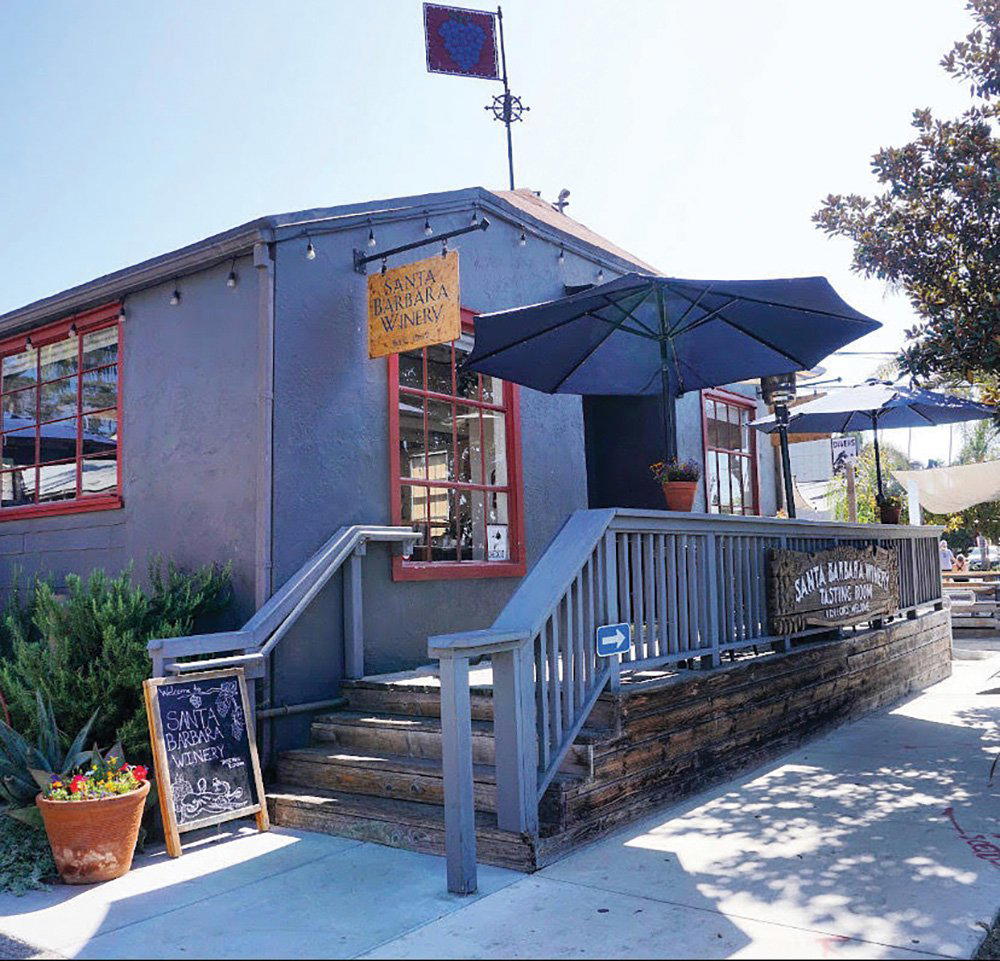
Bars in Santa Barbara
Browse all →
Restaurants in Santa Barbara
Browse all →
At a Glance
- Scenic
- Rustic
- Elegant
- Intimate
- Wine Education
- Solo Exploration
- Romantic Getaway
- Vineyard Tour
- Estate Grounds
- Panoramic View
- Organic
- Sustainable
- Vineyard
- Mountain
- Sta. Rita Hills AVA
- Pinot Noir
- Chardonnay
- Syrah
- Still Red
- Still White
- Estate Tasting
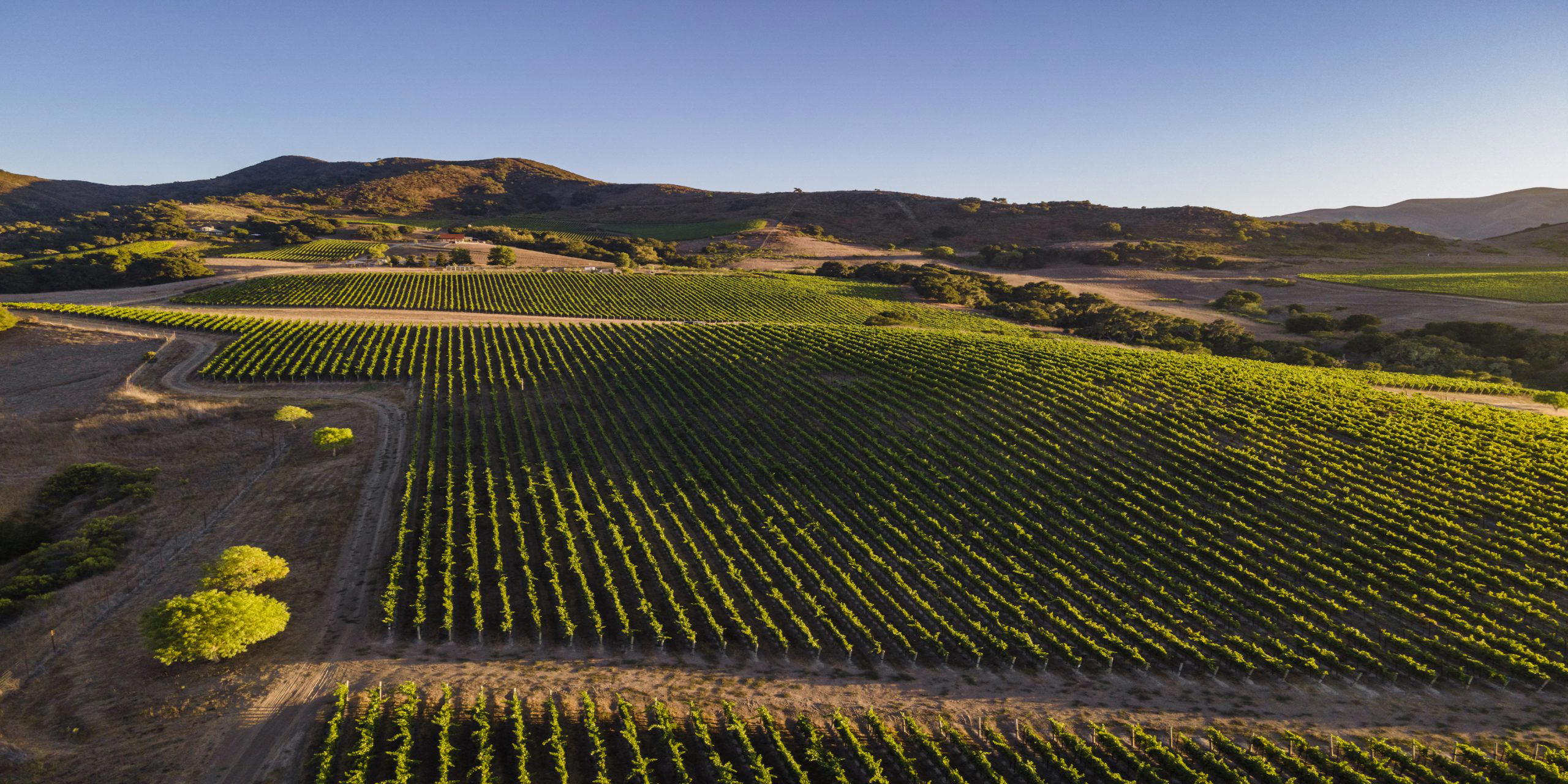
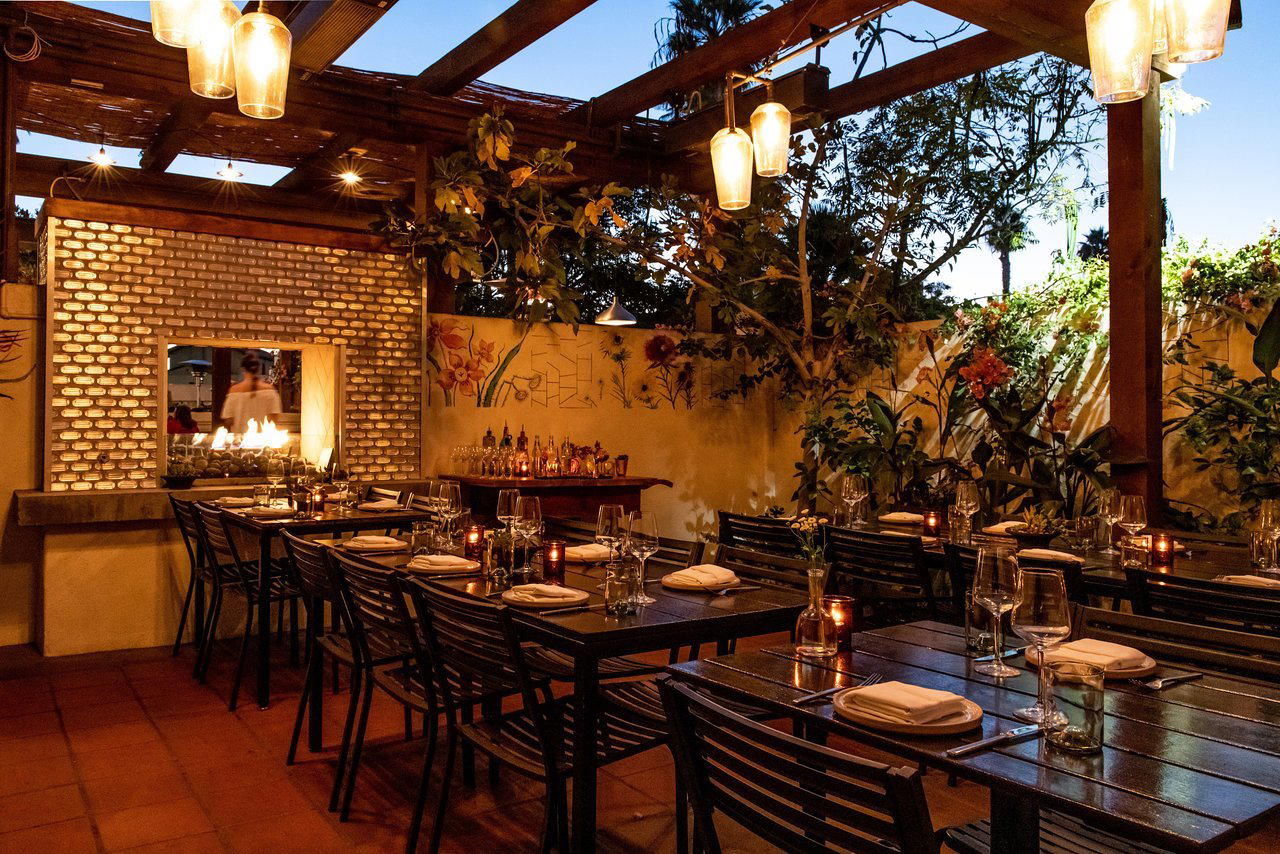
Picturesque vineyard setting with beautiful grounds, covered patio, and scenic views, offering a serene and elegant tasting experience amid rolling hills.