Lazy Creek Vineyards
For visitors, the road to Lazy Creek is as much of the experience as the wine itself.

Pearl is the En Primeur Club membership app — saves, bookings, and concierge access live there. Same editors, same standards.
- Address
- 5501 CA-128, Philo, CA 95466
- Phone
- (707) 895-3623
- Website
- lazycreekvineyards.com
- Directions
- Get directions
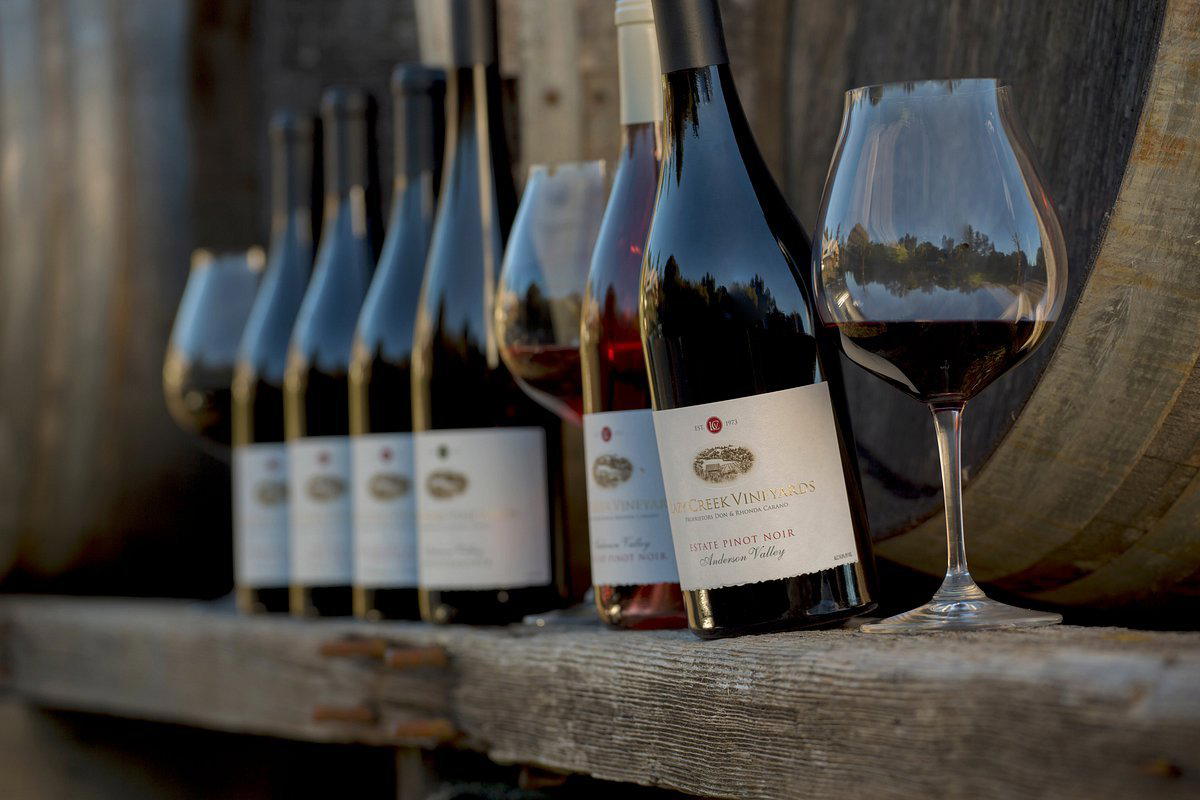
The Road Into Anderson Valley Sets the Terms
Highway 128 through Anderson Valley does not ease you in. Lazy Creek Vineyards sits along this corridor at 5501 CA-128, in a stretch of the appellation where the Pacific influence is felt most directly and where the growing season runs coolest. That climatic reality is not incidental to what's in the bottle. Anderson Valley built its reputation on Burgundian varieties precisely because this part of Mendocino County offered something Napa and Sonoma couldn't: genuine cold-climate tension in Pinot Noir and Chardonnay, and the low-alcohol, high-acid structure in Gewurztraminer that made the appellation's Alsatian-inflected wines a recognized category in their own right.
The valley's premium tier has grown considerably over the past decade. Estates like Context matters here. California wine criticism spent decades fixated on warmer appellations, where extracted, high-Brix Cabernet Sauvignon set the critical agenda. Anderson Valley operated at a remove from that conversation, producing wines that prioritized structure and aromatic precision over weight. That positioning, once a commercial liability, has become a critical asset as palate preferences across the American fine wine market have moved toward lower-alcohol, food-compatible styles.What Anderson Valley's Cold-Climate Advantage Means for the Glass
Pinot Noir in Anderson Valley typically shows more acidity and a tighter fruit profile than its counterparts from the Sonoma Coast or Carneros. Chardonnay, when handled with restraint, can carry a minerality that reads closer to Burgundy's cooler villages than to the richer, barrel-forward style that dominated California's export reputation. Gewurztraminer is the valley's most distinctive signature: a variety largely abandoned elsewhere in California that finds genuine expressive range here, from dry and floral to off-dry with enough spice and texture to hold against food. These are not theoretical observations about terroir; they are the market logic that drives visitors to make the two-hour drive from San Francisco when Napa Valley is closer and better-resourced for wine tourism infrastructure.
Properties at the prestige end of the Anderson Valley spectrum, including Lazy Creek, operate within this framework. For comparison, similar recognition-level estates in other California appellations, such as Accendo Cellars in St. Helena or Alpha Omega Winery in Rutherford, operate in appellations with far heavier visitor infrastructure. Anderson Valley's relative quietness is part of its value proposition for the wines and for the visit.
Pairing Logic and the Case for Planning Ahead
The editorial angle for any prestige Anderson Valley visit runs through food compatibility, and that's not accidental. Anderson Valley Pinot Noir, Chardonnay, and Gewurztraminer are among California's most directly food-friendly wine styles. The structural characteristics that define them, higher acidity, restrained alcohol, aromatic lift rather than weight, map cleanly onto a pairing logic that rewards planning. Gewurztraminer against cured salmon, Alsatian-inflected cheese plates, or anything with ginger or lychee is not a casual suggestion; it reflects the variety's documented pairing range across its European reference points in Alsace.
This matters practically. Helena are. Visitors who treat an Anderson Valley wine day as a spontaneous road trip often find the food side underprovided. Those who prepare, whether by packing provisions, booking ahead at the limited dining options along Highway 128, or treating the visit as a morning-through-early-afternoon circuit before returning south for dinner, get substantially more from the experience.enprimeurclub.
The pairing events and hospitality formats that prestige-tier Anderson Valley properties occasionally host, seasonal releases, library tastings, harvest-period events, tend to be lower-capacity and more focused than the larger tasting-room programming found in higher-traffic appellations. This creates a different kind of visit: less curated spectacle, more direct engagement with the wines and the property. The tradeoff is that these formats require more advance planning and, in some cases, mailing list or allocation access to enter.
Placing Lazy Creek in the Broader California Fine Wine Picture
Anderson Valley's prestige tier represents one of several cold-climate niches in California that sit adjacent to the state's dominant Cabernet-centered identity. The Pinot-focused conversation in California runs through the Sonoma Coast, the Santa Rita Hills, the Santa Lucia Highlands, and the Santa Maria Valley as well as Anderson Valley. Each appellation makes a different structural argument. Producers like Alban Vineyards in Arroyo Grande, operating in a warmer Rhône-varietal register, and Andrew Murray Vineyards in Los Olivos, point to how differently California's non-Cabernet fine wine geography is organized. Adelaida Vineyards in Paso Robles works the calcareous-soil, high-elevation argument for a completely different varietal range. Adelsheim Vineyard in Newberg anchors the Oregon Pinot comparison that Anderson Valley producers often invite.
Recognition at this tier, in a relatively quieter appellation, implies a wine program that has maintained a consistent standard without the amplification of major tourism infrastructure or a high-profile winemaking name attached. For comparison points outside California wine entirely, estates like Alexander Valley Vineyards in Geyserville operate with more market visibility but in a warmer, more Cabernet-oriented register that reads differently to the Burgundian-style argument Anderson Valley makes. The journey through Highway 128's redwood corridor from the coast is the more atmospheric approach, though it adds time. Anderson Valley's fog season runs from late spring through mid-summer, and the coastal influence means mornings can be cool even in August. The valley floor typically clears by mid-morning, which makes mid-morning arrival for tasting appointments a reasonable structure for a day visit.
For those building a broader California wine itinerary, properties at the recognition level of Lazy Creek are worth treating as appointment-first destinations. Walk-in availability at prestige-tier Anderson Valley wineries is not guaranteed, and the valley's limited accommodation and dining supply means spontaneous multi-day itineraries require more advance logistics than equivalent trips to Napa or Sonoma. The Aberlour and Achaia Clauss in Patras offers a broader sense of how site-specific prestige operates across different wine geographies.
A Quick Peer Check
Comparable venues nearby, for context on price, style, and recognition.
| Venue | Cuisine | Price | Notes |
|---|---|---|---|
| Lazy Creek VineyardsThis venue — the venue you are viewing | Pinot Noir, Gewürztraminer | $1–10 | Not listed |
| Lula Cellars | Pinot Noir, Chardonnay | Not listed | Philo |
| Navarro Vineyards | Gewürztraminer, Pinot Noir | Not listed | Philo |
| Edmeades Winery | Zinfandel, Pinot Noir | Not listed | Philo |
| Maggy Hawk | Pinot Noir, Chardonnay | Not listed | Philo |
| Claudia Springs Winery | Winery | Not listed | Philo |

Details
- Rustic
- Scenic
- Quiet
- Intimate
- Cozy
- Solo Exploration
- Wine Education
- Romantic Getaway
- Estate Grounds
- Organic
- Sustainable
- Vineyard
- Pinot Noir
- Gewürztraminer
- Chardonnay
- Riesling
- Syrah
- Still Red
- Still White
- Still Rosé
- Estate Tasting
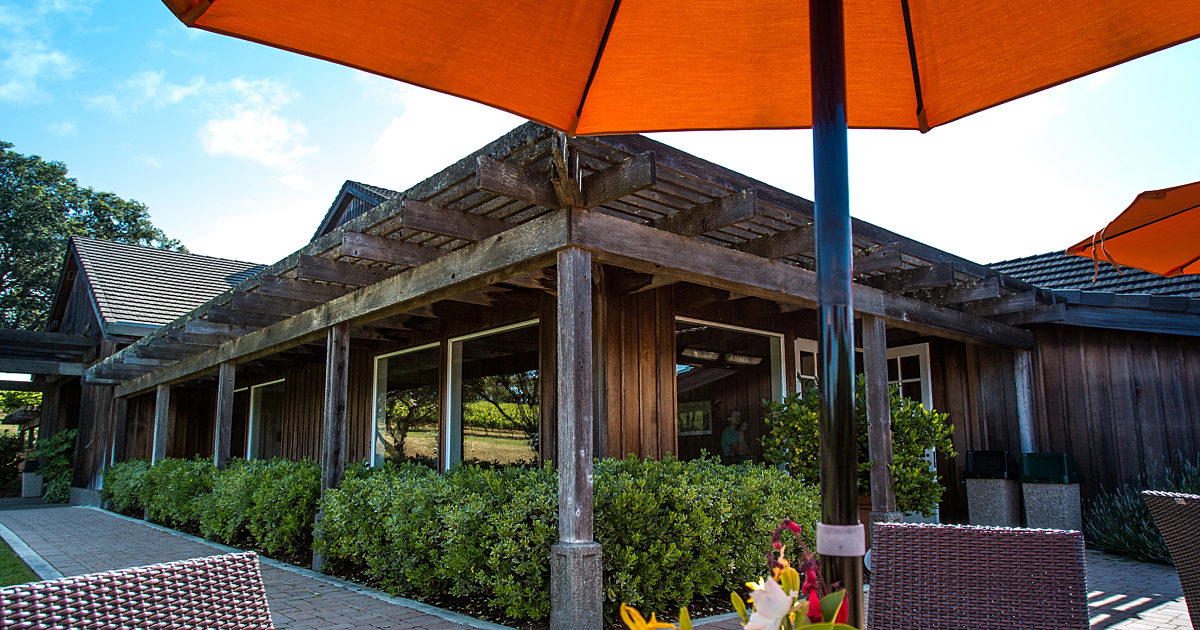
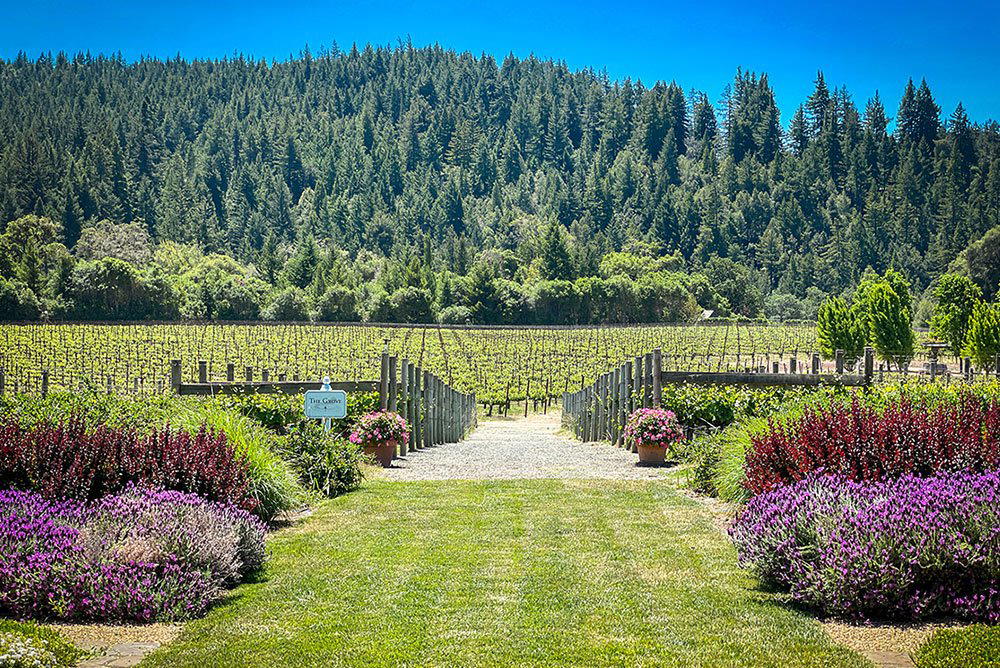
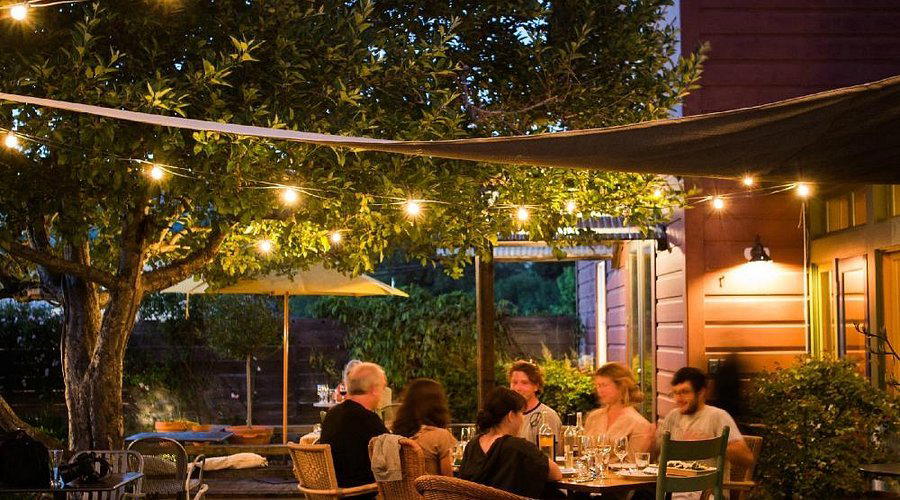
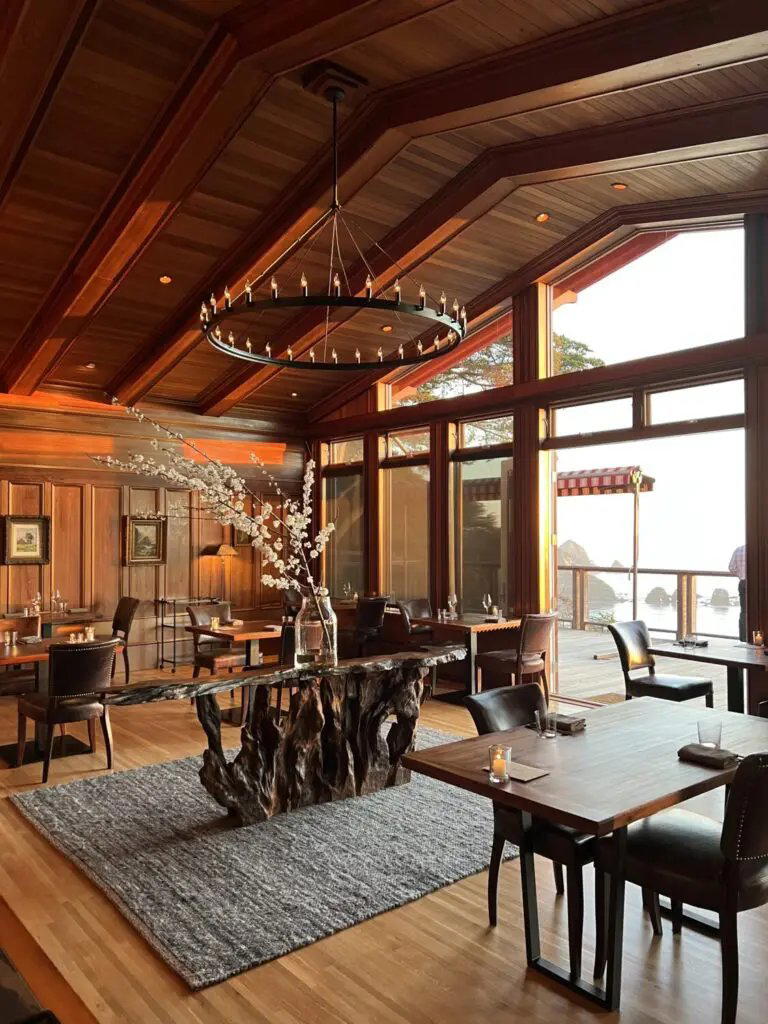
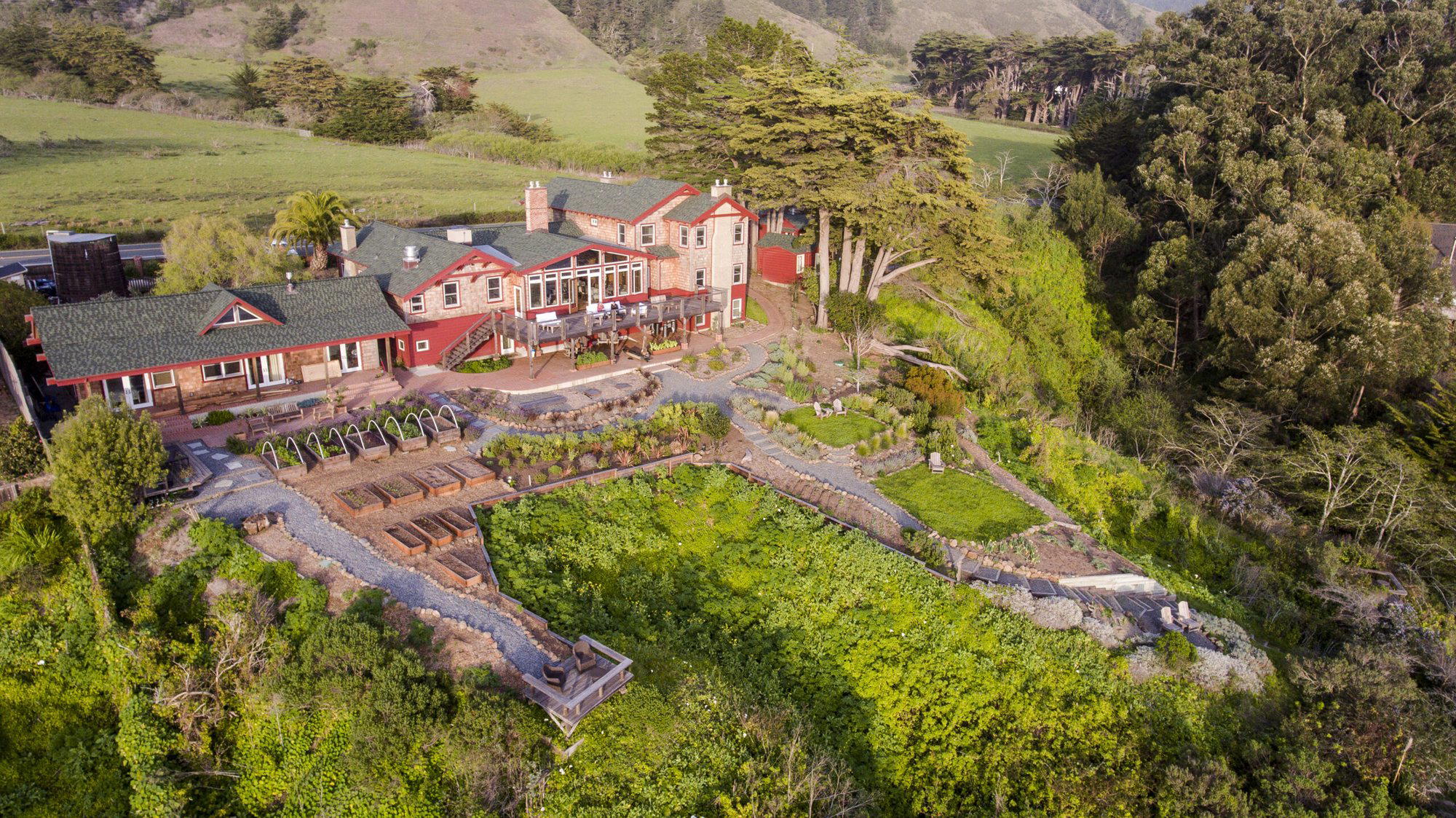
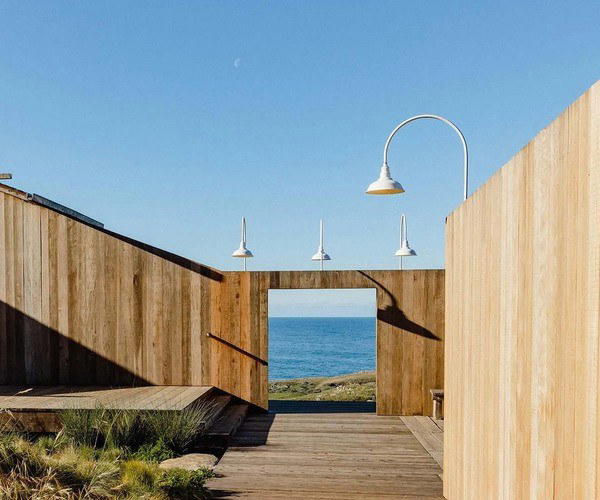
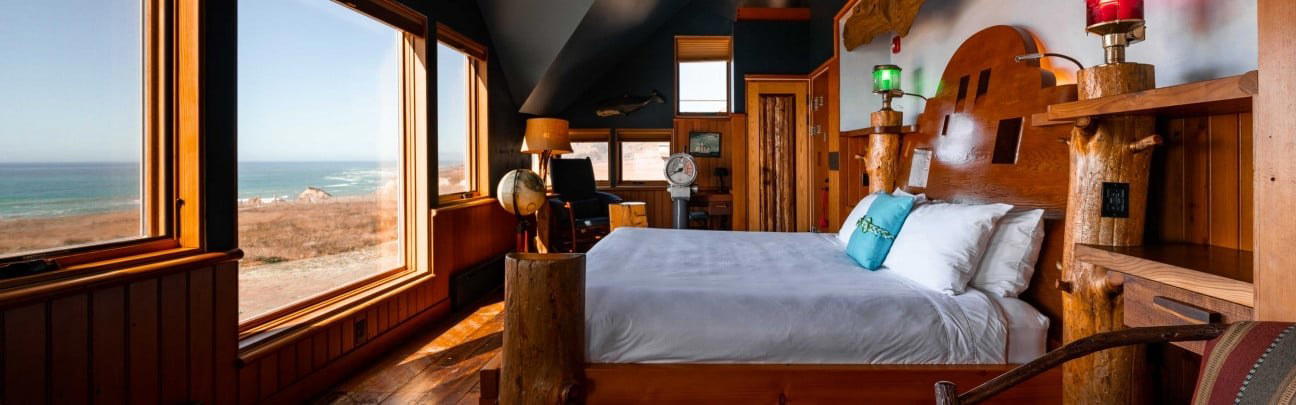
Low-key, relaxed atmosphere in a rustic tasting room set like a private residence amidst primitive woods, with unhurried, personal service.