
1
Madrid, Spain

Sa Brisa
Sa Brisa serves Balearic Mediterranean with Latin American and Asian fusion on Av. de Menéndez Pelayo, with craft cocktails, a garden view, and leisurely lunch or dinner pacing.
Results
Madrid, Spain
Sa Brisa serves Balearic Mediterranean with Latin American and Asian fusion on Av. de Menéndez Pelayo, with craft cocktails, a garden view, and leisurely lunch or dinner pacing.

Capoterra, Italy
Operating since 1967 on the Sardinian coast near Capoterra, Sa Cardiga e Su Schironi has held consecutive Michelin Plate recognition in 2024 and 2025 for a seafood-focused menu that runs from mullet and tuna bottarga through grilled fish and eel to lobster. The fish display cabinet at the entrance sets the terms clearly: what arrived that morning is what you will eat tonight. Priced at the €€ tier, it represents the accessible end of serious Sardinian seafood dining.

Oliena, Italy
Sa Corte sits on the edge of Oliena in the Barbagia heartland, where Michelin Plate recognition (2024 and 2025) reflects a commitment to Nuoro's mountain cooking traditions rather than any modernising impulse. Pasta is made in-house, ingredients drawn from the surrounding territory, and the price point stays accessible at €€. For anyone tracing Sardinian country cooking to its source, this is where that trail leads.

Cagliari, Italy
Sa Domu Sarda on Via Sassari puts Cagliari's most grounded Sardinian cooking under one roof, earning a Michelin Plate in 2025 for a menu built around island staples: malloreddus, culurgiones, sitzigorrus cun bagna, and the fried cheese dessert sebadas. The dining rooms are deliberately simple, the décor locally rooted, and the price point sits firmly in the accessible mid-range for the city.
Portoscuso, Italy
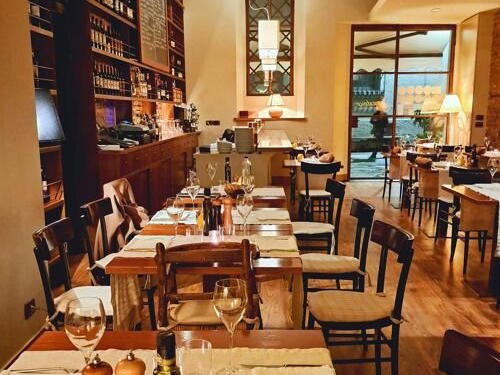
Sa Musciara sits on Portoscuso's waterfront, a few steps from the town hall, with a dining room that looks directly onto the sea. Two consecutive Michelin Plate recognitions (2024 and 2025) place it inside a selective tier of Sardinian seafood restaurants where daily catch and careful preparation matter more than spectacle. The price point sits at €€, making it one of the more accessible Michelin-recognised tables on the island's southwestern coast.

Tihany, Hungary
SHO TIHANY holds consecutive Michelin Plate recognition (2024 and 2025) for traditional Hungarian cuisine on the Tihany Peninsula, one of Lake Balaton's most culturally layered addresses. Priced at the accessible €€ tier, it represents the kind of regionally rooted cooking that has quietly anchored Hungary's provincial dining circuit for decades.

Tokyo, Japan
Kabukicho’s burger ritual is fast, compact, and late-shift friendly: counter seats, English menu support, take-out, and a Tabelog Hamburger 100 selection in 2026. SHOGUN BURGER Shinjuku ten sits in Tokyo’s serious casual tier, where a sub-¥2,000 burger can carry award-list credibility without asking diners to treat dinner like a formal reservation project.
Calgary, Canada
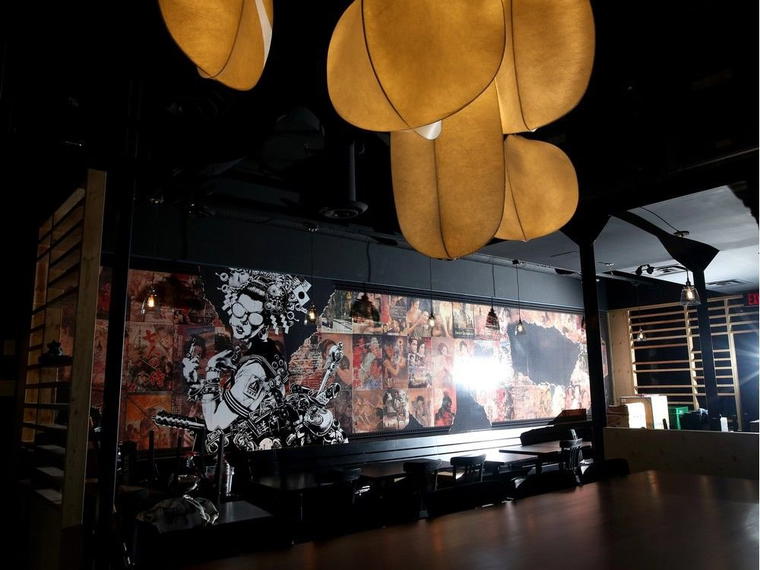
Since opening on 4th Street SW in 2015, Shokunin has operated as one of Calgary's most committed izakaya-format restaurants, where seasonal Canadian ingredients meet exacting Japanese technique in a 50-seat room that rewards both regulars and first-timers. Chef Darren MacLean's sake list and cocktail program give the venue its own distinct character within Calgary's broader dining scene.

Kaunas, Lithuania
Chef Rokas Vasiliauskas and his partner Greta run this Michelin-recognised restaurant that reinterprets Lithuanian heritage through hyper-local ingredients. The pale-green dining room on Nepriklausomybės Square holds jars of preserves along the walls, and the menu avoids citrus, pepper, and olive oil entirely—sourcing stays inside Lithuania's borders.
Urayasu, Japan
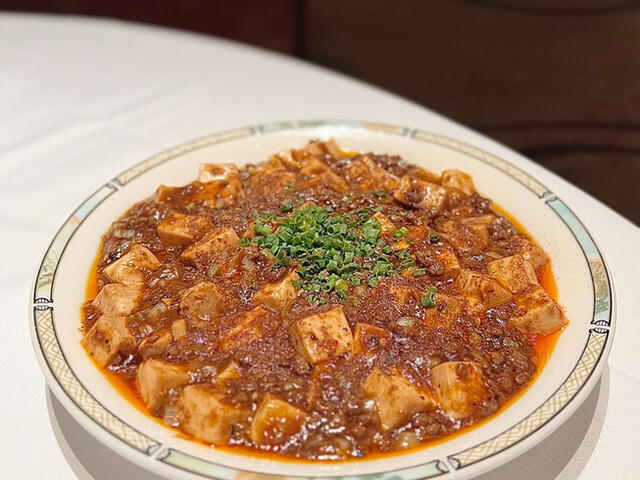
SILKROAD GARDEN places Chinese cooking inside Urayasu’s resort-hotel dining tier, with dumplings, wine service, private rooms, and a scale rarely found at small city counters. Its Tabelog 100 Chinese cuisine EAST 2026 selection gives it a credible marker beyond the theme-park setting, especially for travelers weighing comfort, family access, and a polished hotel room.
Mitoyo, Japan
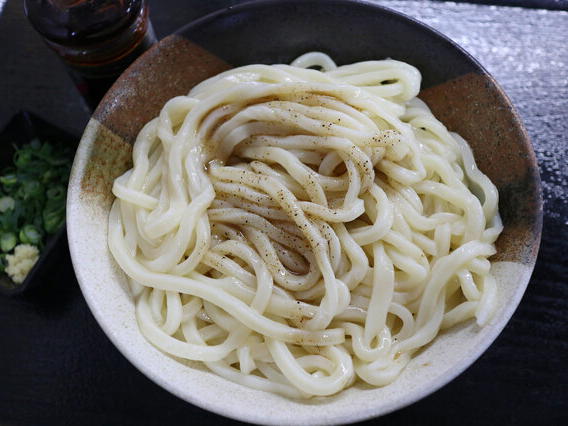
SIRAKAWA belongs to Kagawa’s serious udon circuit, where craft is judged by noodle texture, broth clarity, and the discipline of a small counter format rather than ceremony. Its Tabelog 100 Udon Kagawa 2024 selection, counter-only setup, and low-cost positioning make it a sharp Mitoyo stop for travelers reading the region through wheat, water, and local routine.

Tokyo, Japan
Akasaka’s cake-and-kissa culture rewards restraint: small rooms, regulars, takeaway boxes, and sweets that sit closer to daily ritual than spectacle. SIROTAE belongs to that Tokyo tradition, with Tabelog Sweets TOKYO “Tabelog 100” selections in 2018, 2019, 2020, 2022, and 2023, an 18-seat café format, and a price band that keeps it grounded in repeatable celebration rather than grand-occasion dining.

Tokyo, Japan
SITAARA Aoyama ten gives Omotesando a polished Indian-curry address with Tabelog 100 recognition and pricing that keeps lunch in a relatively accessible bracket for Minamiaoyama. The appeal is less about spectacle than value: a 43-seat, non-smoking room, vegetarian options, wine and cocktails, and dinner pricing that sits below many destination-format restaurants in the neighbourhood.

Brisbane, Australia
SK Steak & Oyster, situated within The Calile Hotel on James Street, represents Brisbane's most considered take on the contemporary Australian steakhouse. The kitchen pairs wood-fired Australian beef with oysters and coastal seafood, producing a menu where restraint and produce quality do the work. Simon Gloftis's operation has drawn early recognition as a sharp new entrant to the city's upper dining tier.

Oslo, Norway
At Olaf Ryes Plass in Grünerløkka, SKAAL Matbar occupies the neighbourhood-bar tier of Oslo's dining scene, where the emphasis falls on food-friendly drinking and small-plate formats rather than the tasting-menu formality of the city's Michelin circuit. It sits closer in spirit to the convivial mat-og-drikke tradition than to the precision kitchens of Maaemo or Kontrast, making it a reference point for how Oslo's casual-end dining has matured.
Yokohama, Japan
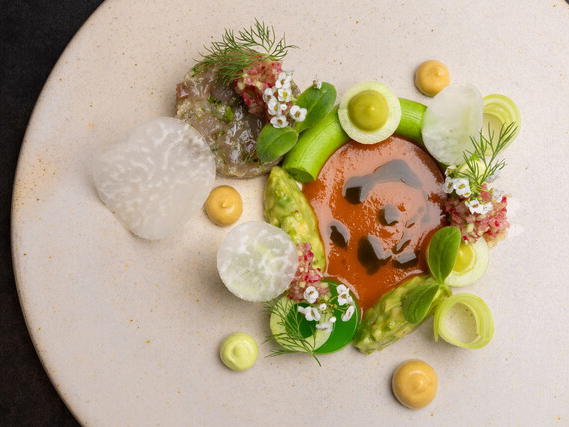
SMAAK brings Yokohama’s port-city openness into the innovative dining category, pairing fish-led cooking, wine service, and a high-floor Kitanakadori setting. Its selection for Tabelog 100 Innovative / Creative Cuisine 2025 places it in a serious national conversation rather than a purely local dining tier.

Doha, Qatar
On the second floor of the Orient Pearl building along Doha's Corniche, SMAT holds a 2025 Michelin Plate for its authentic Qatari and Gulf State cooking. Generous portions of refined lamb dishes, crisp samboussa, and traditional Qatari desserts are served inside a room decorated with bold colours and comfortable sofa seating. It sits in the mid-range price tier for the Corniche dining strip.

Tokyo, Japan
SOBA-Shiro Kuro belongs to Tokyo’s small-counter ramen culture rather than the city’s louder destination-dining circuit. Its six-seat counter, repeated Tabelog Ramen TOKYO “Tabelog 100” selections from 2020 through 2025, and Hachimanyama setting make it a precise example of how serious ramen has moved beyond central wards without losing its specialist edge.
Sapporo, Japan
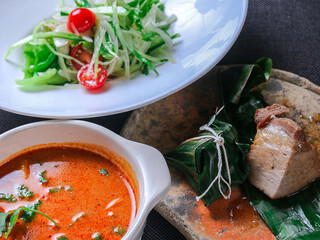
SOI maruyama places Thai cooking inside Sapporo’s Maruyama dining culture, where spice, curry, hot pot and Hokkaido produce meet a neighbourhood that often rewards smaller, specialist rooms. Its Tabelog 100 Asian cuisine / Ethnic cuisine EAST 2024 selection gives it a clear signal in a city better known to visitors for sushi, ramen and soup curry.
Zagreb, Croatia
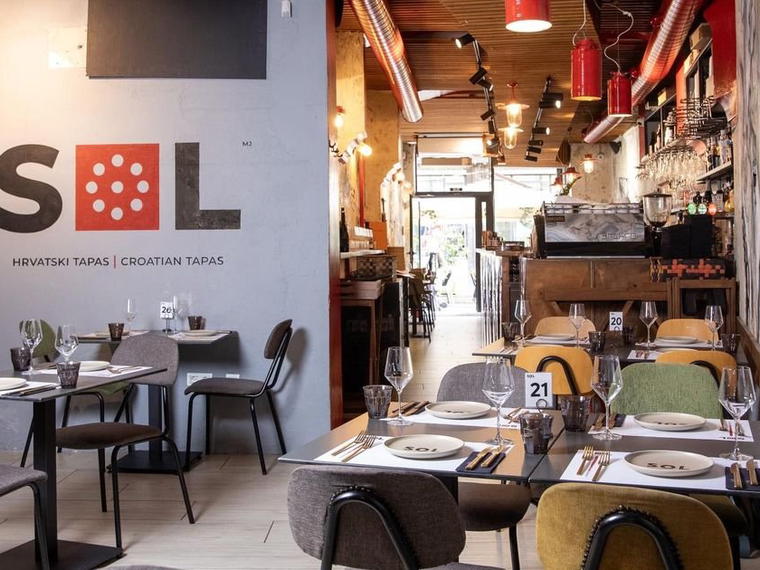
SOL tapas na hrvatski brings a Spanish small-plates format to Zagreb's Petrinjska street, translating it through Croatian produce and the particular rhythms of the city's dining culture. The result sits in an interesting middle tier: casual enough for repeat visits, considered enough to hold its own against the capital's more formal dining rooms. A reliable address for those mapping the city's evolving restaurant scene.

Nagoya, Japan
SOLAMENT'UNO gives Nagoya’s Italian scene a compact, fish-led counterpoint to heavier luxury dining. Its Tabelog Italian EAST 100 selections in 2021, 2023, and 2025 place it in a serious regional bracket, while the format stays intimate: Italian cooking, wine focus, and a scale that rewards diners looking beyond the city’s better-known Japanese dining lanes.

Tokyo, Japan
SOLEIL puts Tokyo’s European-style curry tradition into a compact Kojimachi dining-room format, with bistro and dining-bar edges rather than a pure quick-lunch model. Its Tabelog Curry TOKYO 100 selection in 2023 and 2024 gives it a clear credibility signal in a city where curry ranges from office-counter comfort to destination specialist cooking.

Osaka, Japan
SOMA gives Osaka’s spice-curry culture a compact, lunch-focused expression in Nakatsu, where vegetable-led cooking and small-room pacing matter more than ceremony. Its repeated selection for Tabelog Curry WEST 100, including 2024, puts it in the city’s serious curry conversation without pushing the experience into luxury-restaurant territory.

Pescara, Italy
Operating out of a historic mutual aid society building in Pescara's pedestrian seaside zone, SOMS brings Abruzzese land-and-sea cooking into a setting that balances heritage and contemporary ease. The kitchen works with regional traditions rather than departing from them, producing food that reads as both grounded and considered. A Michelin Plate in 2024 and 2025 signals consistent execution at an accessible price point for the city.
Cardiff, United Kingdom
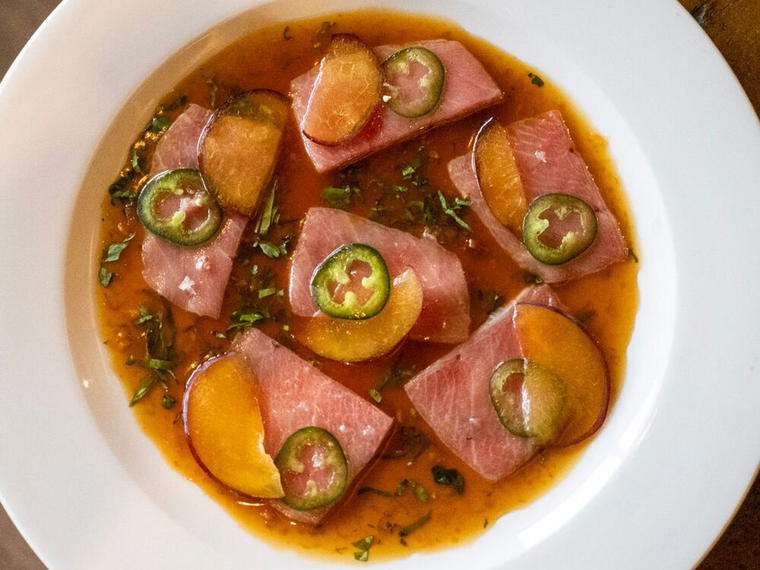
SONDER puts Cardiff’s Pontcanna dining conversation in a useful frame: smaller rooms, local sourcing, and a neighbourhood audience that reads menus with more care than ceremony. The draw is less about spectacle than precision, with its Pontcanna Laundry setting placing it near one of the city’s stronger independent restaurant clusters.
Tokyo, Japan
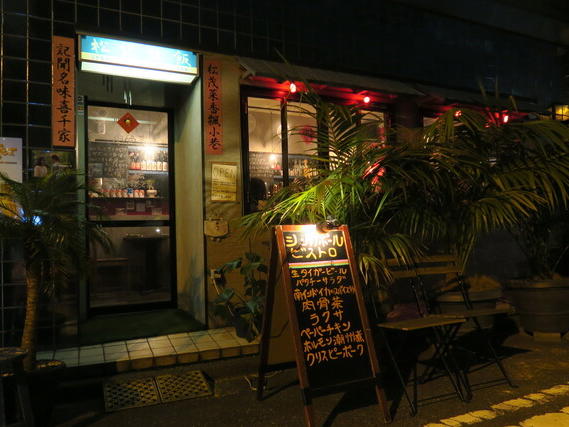
In Kanda Tsukasamachi, SONG KEE JEE FAN places Singaporean cooking inside Tokyo’s small but serious Asian and ethnic dining circuit. Its Tabelog 100 selection for Asian and ethnic cuisine in Tokyo in 2024, 3.68 score, 26-seat table-only room, and Singaporean-bistro-wine-bar framing make it a useful read on how hawker-rooted food translates into a Tokyo restaurant format.

Yokohama, Japan
SONJIN is a Yokohama cafe with Tabelog Cafe EAST “Tabelog 100” recognition in 2025 and earlier Cafe “Tabelog 100” selection in 2022. The appeal sits in a precise Japanese cafe lane: pancakes, omurice and a room built for slower daytime eating rather than fast turnover, with prices in the JPY 1,000–2,999 range.
Ichinomiya, Japan
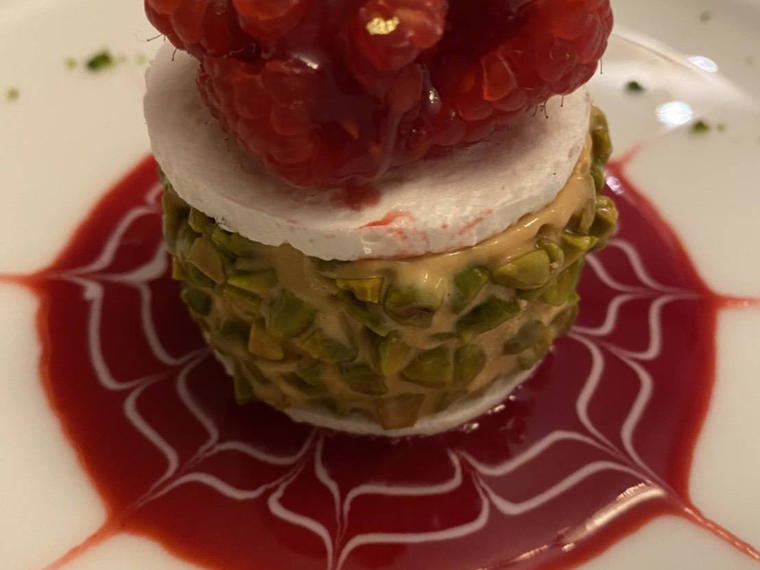
SORCIERE puts French, bistro and wine-bar cooking into Ichinomiya’s small-format dining conversation, with Tabelog French EAST 100 selection in 2025 giving it a credential beyond neighbourhood loyalty. The appeal is less about spectacle than sourcing discipline, a compact 10-seat room and a dinner format that belongs in the city’s higher-spend tier.
Cesme, Turkey
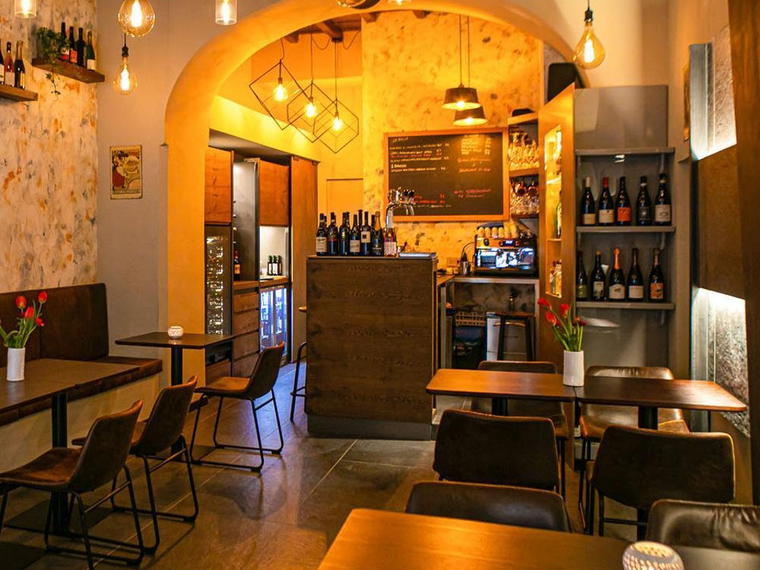
A Michelin Plate recipient in both 2024 and 2025, SOTA ALAÇATI brings focused seafood cooking to the cobblestone lanes of Alaçatı, one of the Aegean coast's most concentrated dining addresses. Priced in the mid-range tier (₺₺) for the area, it holds a 4..

Toyama, Japan
SOTO occupies a quiet address in Toyama's Izumicho district, placing it within one of Japan's most underappreciated dining cities — a prefecture whose cold Sea of Japan waters produce yellowtail, white shrimp, and crab that few coastal prefectures can match on volume or quality. The restaurant draws visitors who arrive specifically for Toyama's seafood-driven dining culture, where the distance from Tokyo and Osaka keeps crowds thin and reservations relatively accessible.

Sapporo, Japan
SOUL STORE places Sapporo soup curry in a central, small-room register rather than a tourist spectacle.
Sapporo, Japan
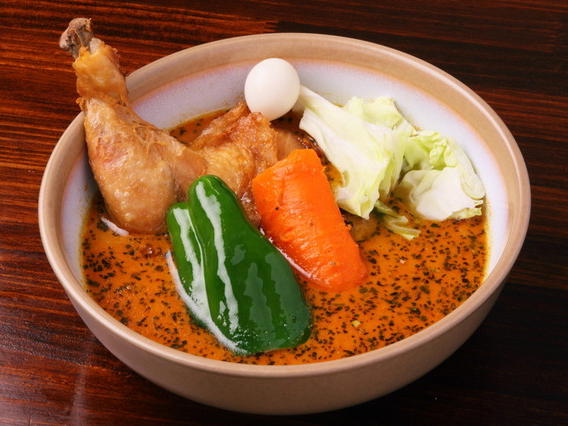
Sapporo’s soup curry culture sits apart from Japanese curry-rice: thinner broth, spice layering, and a format built for Hokkaido appetites. SOUP CURRY KING Honten belongs to that local canon, with Tabelog Curry EAST 100 selections in 2019, 2020, 2023, and 2024, and a casual Hiragishi setting that keeps the focus on the bowl rather than ceremony.

Sapporo, Japan
Sapporo’s soup curry ritual is casual, highly personal, and more structured than it first appears: broth choice, spice level, rice, toppings, then the slow alternation between spoon and plate. SOUP CURRY KING Sentoraru sits in that tradition with Tabelog Curry EAST “Tabelog 100” selections in 2020, 2023, and 2024, placing a basement Tanukikoji counter in the city’s serious curry conversation.

Akita, Japan
SOUPHOLIC puts Akita’s quieter daytime dining culture into focus: soup and cafe cooking treated as a deliberate meal rather than a stopgap. Its selection for Tabelog 100 - Yoshoku - EAST - 2025 gives the small-format room a broader signal beyond the city, while the appeal remains rooted in breakfast, lunch, vegetables, and an easy solo or family rhythm.

Nagahama, Japan
SOWER in Nagahama's Nishiazai district brings innovative cooking to one of Shiga Prefecture's quieter corners, with Chef Coleman Griffin earning consecutive Opinionated About Dining rankings in Japan's top 300 for 2024 and 2025. A 4.. For context on the broader Nagahama scene, see our full restaurant guide.

Bodrum, Turkey
SPAGO Bodrum brings the Wolfgang Puck brand to Turkey's Aegean coast, where the peninsula's summer dining scene plays out against marina views and salt air. Accredited with two stars by the World of Fine Wine & Lifestyle Awards, it occupies a tier above most local options and draws an international crowd that follows the Bodrum season from late June through early September.

Kusatsu, Japan
SPANISH BAR PLOMO gives Kusatsu a compact Spanish-bar counter rather than a grand dining room: tapas, ajillo, paella, Iberico ham and a drinks list that reaches from Spanish beer to sherry and txakoli. Its selection for Tabelog 100 Spanish cuisine in 2024 and 2026 puts this small Shiga bar in a national conversation usually dominated by larger cities.

Tokyo, Japan
SPICE Cafe places Tokyo’s curry and Asian-ethnic dining conversation in a small Sumida room rather than a central-city luxury frame. Its menu architecture moves between casual lunch pricing and a dinner course format, with Tabelog 100 recognition across curry and Asian-ethnic categories giving it a clear critical signal.
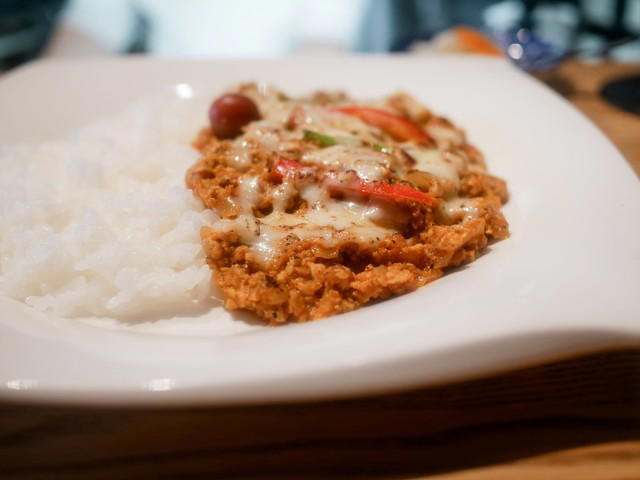
Kyoto, Japan
SPICE CHAMBER places Kyoto’s curry culture in a compact Shijo-Karasuma format: counter seats, table seats, take-out, and a price band that keeps it closer to everyday lunch than destination tasting-menu dining. Its repeated selection for Tabelog Curry WEST 100 in 2019, 2020, 2023, and 2024 gives the small room a serious signal in a category often judged by regulars rather than ceremony.
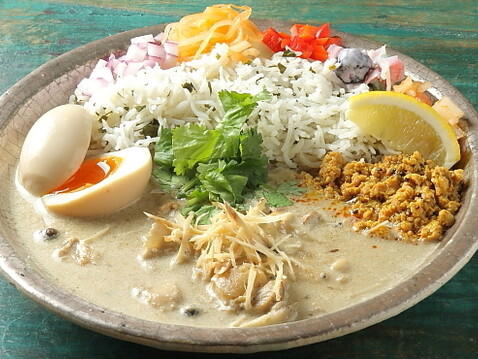
Kyoto, Japan
SPICE GATE puts Kyoto’s newer curry culture into a compact Kawaramachi setting, with cafe and Asian-ethnic framing rather than the city’s temple-dining formality. Its selection for Tabelog Curry WEST “Tabelog 100” 2024 gives it a clear credential in a category where local reputation matters as much as ceremony.
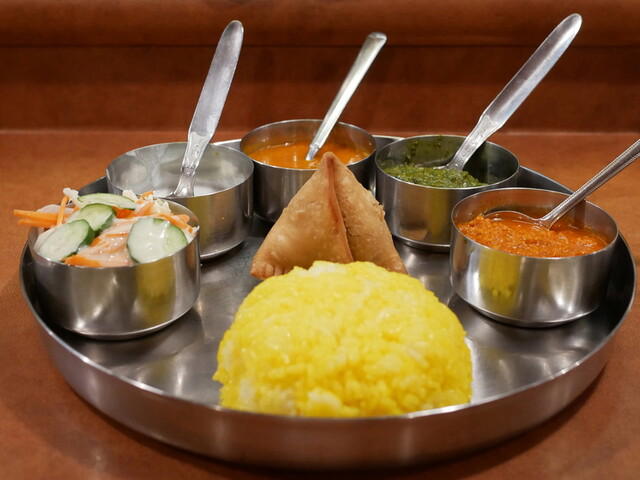
Kanazawa, Japan
SPICEBOX brings Indian, Indian curry and Sri Lankan cooking into Kanazawa’s Katamachi dining mix, a city better known to travellers for sushi counters, kaiseki rooms and wagashi. Its Tabelog 100 Asian cuisine / Ethnic cuisine WEST selections in 2022, 2023 and 2024 place it in a serious regional conversation, while the low dinner spend keeps the experience grounded and casual.

Tokyo, Japan
Opened in June 2023, SPICY CURRY Roka operates from a basement counter in Hyakunincho, Shinjuku, with six seats, a reservation-only format, and a Tabelog score of 3.94 that placed it among the Tabelog Curry Tokyo Top 100 in 2024 and earned a Tabelog Award Bronze in 2026. The curry here crosses South Asian spice logic with Taiwanese culinary influence, all at a price point under JPY 2,000 per head.

Elk Grove, United States
SR Prime Steakhouse occupies a prominent address at 1 Sky River Pkwy in Elk Grove, California, positioning itself as a serious dining destination within the Sacramento region's growing steakhouse tier. The format follows the American prime steakhouse tradition, where the quality of the cut and the discipline of the kitchen carry the experience. It sits alongside Elk Grove's broader dining scene as the area's appetite for polished, destination-level dining continues to expand.

Vitacura, Chile
Oggi sono 3 le pizzerie di St. Giovanni’s presenti a Santiago, la sede situata in Alonso de Córdova, si trova in una delle strade più eleganti e prestigiose di Vitacura. L’ambiente è accogliente e curato, e il personale si distingue per precisione, gentilezza e attenzione alle richieste dei clienti. La posizione è molto apprezzata grazie alla vicinanza a uffici e negozi, che rende il locale comodo e frequentato durante tutta la giornata. Il punto di forza in tutti e tre i locali è la pizza, a cui viene dedicata molta attenzione. Si potranno trovare anche piatti di pasta alcune insalate e degli antipasti tradizionali. La pizza si presenta bene, con una cottura corretta e un buon equilibrio nei sapori. L’impasto risulta leggero, digeribile e piacevole da masticare. Tanti i prodotti italiani utilizzati. Buoni i drink. Today there are 3 St. Giovanni's pizzerias in Santiago, with the branch located on Alonso de Córdova being situated in among the more elegant and prestigious streets in Vitacura. The atmosphere is welcoming and well-kept, and the staff is distinctive for their precision, kindness, and attention to customer requests. The location is highly appreciated due to its proximity to offices and shops, making the restaurant convenient and popular throughout the day. The highlight in all three locations is the pizza, which receives a lot of attention. You can also find pasta dishes, salads, and traditional appetizers. The pizza is well presented, with a correct cooking and a good balance of flavors. The dough is light, digestible, and pleasant to chew. Many Italian products are used. The drinks are also good.

Osaka, Japan
STAND AFRO belongs to Osaka’s tachinomi culture, where tight rooms, short stays, and serious drinking lists carry more weight than ceremony. Its 2025 Tabelog 100 Tachinomi selection, compact stand-up format, English menu, and sake, shochu, wine, and cocktail range make it a sharp Sakaisuji Hommachi stop for drink-led dining rather than a conventional seated restaurant.

Tokorozawa, Japan
STEAK HOUSE BRASE Tokorozawa ten brings the Japanese steakhouse and hamburger-steak idiom into Tokorozawa’s neighbourhood dining circuit, with Tabelog 100 Steak / Teppanyaki EAST 2025 selection giving it a clear quality signal beyond local convenience. The appeal is less ceremony than focus: beef-led cooking, a compact room, and a price tier that keeps it closer to everyday special-occasion dining than Tokyo luxury steak counters.

Osaka, Japan
Osaka’s steak and teppanyaki tier is not only about luxury beef; it is about menu control, counter pacing, and how much room a restaurant gives itself to move between Japanese meat cookery and Western technique. STEAK HOUSE NARIKIYO sits in that narrower bracket, with Tabelog 100 Steak / Teppanyaki WEST 2025 recognition and a small-room format that makes the meal feel closer to a specialist counter than a hotel steakhouse.

Kyoto, Japan
Steak Otsuka operates in Arashiyama, Kyoto's western district where bamboo groves and temple precincts set a quieter register than the city's central dining corridors. In a city dominated by kaiseki traditions, a dedicated steak counter represents a deliberate counterpoint, drawing on Japan's premium beef culture within a setting shaped by Kyoto's particular sense of restraint. Seek it out as an alternative to the kaiseki circuit when the format calls for something more direct.

Olomouc, Czech Republic
A meat-focused address in Olomouc's Hodolany district where generous cuts, a wood-fire barbecue open kitchen, and attentive service define the format. The kitchen's reputation rests on premium steaks cooked with precision, accompanied by sauces and sides that hold their own. Portions run large, making this a natural choice for groups who want to share across the table.
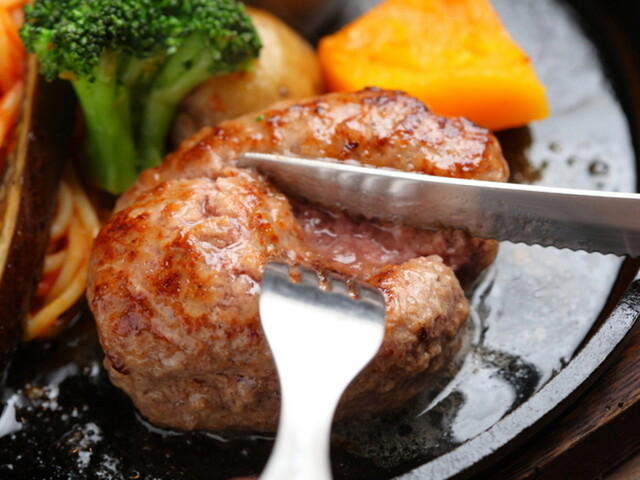
Sapporo, Japan
An eight-seat counter in Susukino frames Sapporo’s yoshoku appetite at close range: hamburger steak, steak and teppanyaki served in a compact room where the grill is part of the point. STEAK&HAMBURG HIGE Sapporo minami 5 jou honten carries Tabelog 100 Yoshoku EAST 2025 recognition, placing it among Japan’s notable Japanese-style Western rooms rather than ordinary late-night steak counters.
Las Vegas, United States
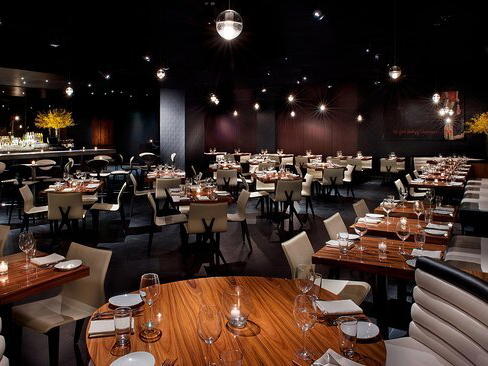
STK at 3708 Las Vegas Blvd brings the brand's nightlife-inflected steakhouse format to the Strip, operating daily from brunch through late-night. Ranked #813 on Opinionated About Dining's 2024 Casual North America list and holding a 4.,800 reviews, it occupies a different tier from the Strip's white-tablecloth beef houses, drawing a crowd that treats dinner and the room itself as a single experience.
Boston, United States
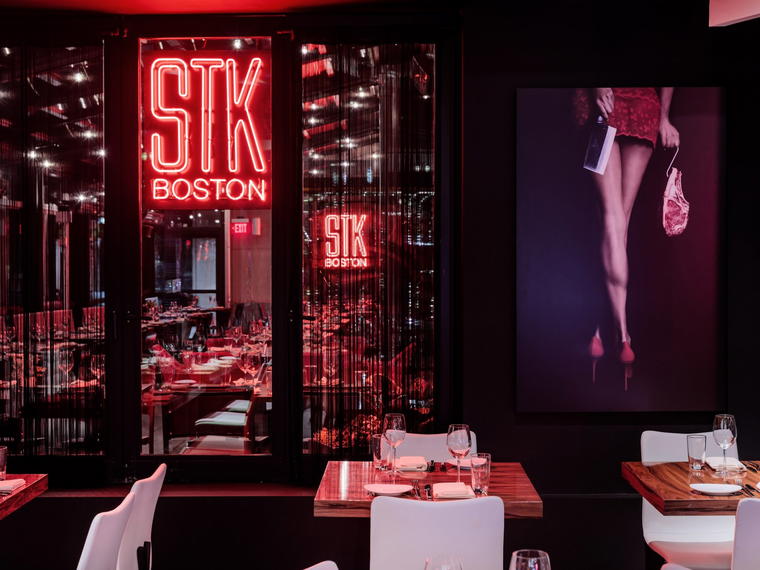
STK Boston occupies a prominent Back Bay address on Berkeley Street, bringing the brand's upscale steakhouse format to a city with strong existing competition in the red-meat tier. The room pitches toward energy over formality, with a bar program and music policy that set it apart from the white-tablecloth steak traditionalists nearby. For Boston's broader steakhouse scene, it represents the brand-led, nightlife-adjacent end of the market.
Dallas, United States
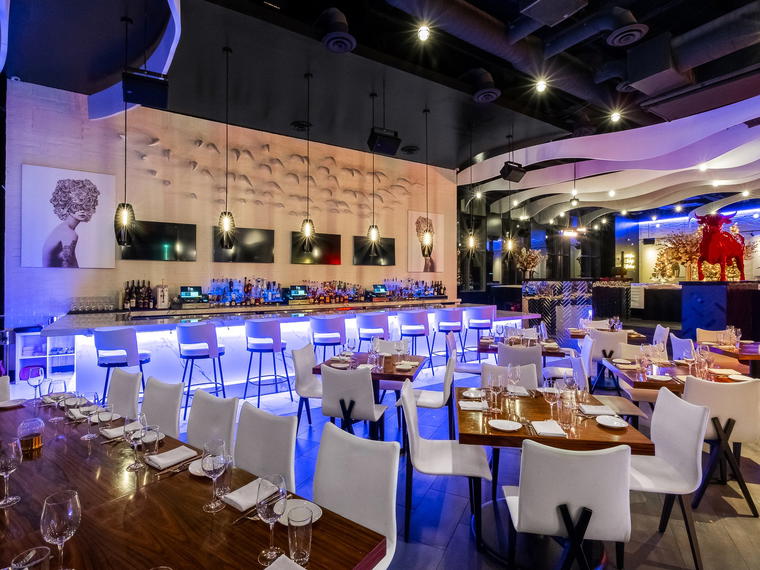
STK Dallas occupies a high-profile address on McKinney Avenue, positioning itself in the upper tier of Dallas steakhouse dining where the room's energy is as deliberate as the menu. The format splits between serious beef cookery and a nightlife-adjacent atmosphere, making it a natural anchor for celebrations that want both substance and spectacle. For milestone occasions in a city that takes steakhouses seriously, it competes on a different register than the traditional Texas chop-house model.

Washington DC, United States
STK DC occupies 901 Massachusetts Ave NW, placing it at the intersection of Penn Quarter's political energy and the city's increasingly sophisticated steakhouse tier. The format follows the broader STK model — modern steakhouse with a late-night pulse — set against a Washington dining scene that now holds its own against any major American city. For visitors calibrating between neighborhood bistros and full-scale destination dining, it anchors the mid-to-upper steakhouse bracket.
Lake Buena Vista, United States
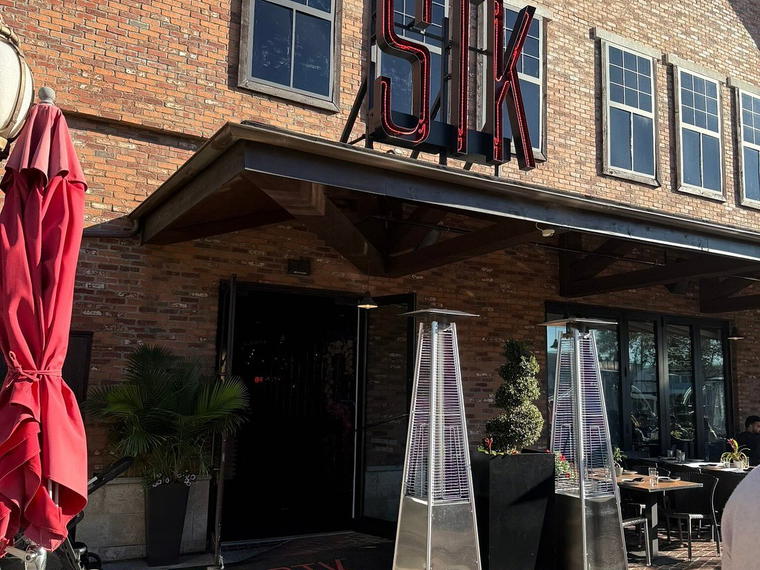
STK Orlando sits at Disney Springs, placing a New York-rooted steakhouse concept inside among the more commercially dense dining corridors in the American South. The format pairs a lounge-forward atmosphere with a direct beef-centered menu, positioning it as the higher-energy alternative to the more regionally specific restaurants that share the same lakeside district.
Denver, United States
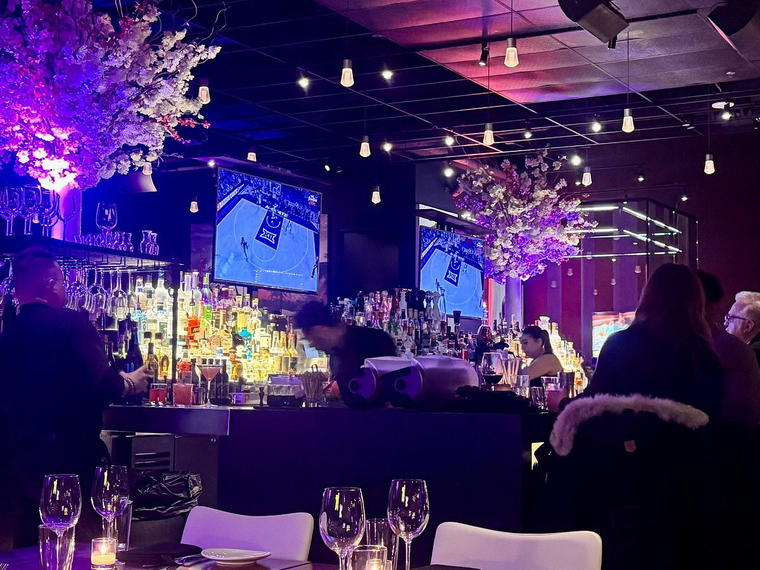
STK – Denver pairs modern steakhouse cooking with craft cocktails and an extensive wine list at 1550 Market St, with Wine Spectator’s 2026 Award of Excellence.
Aventura, United States
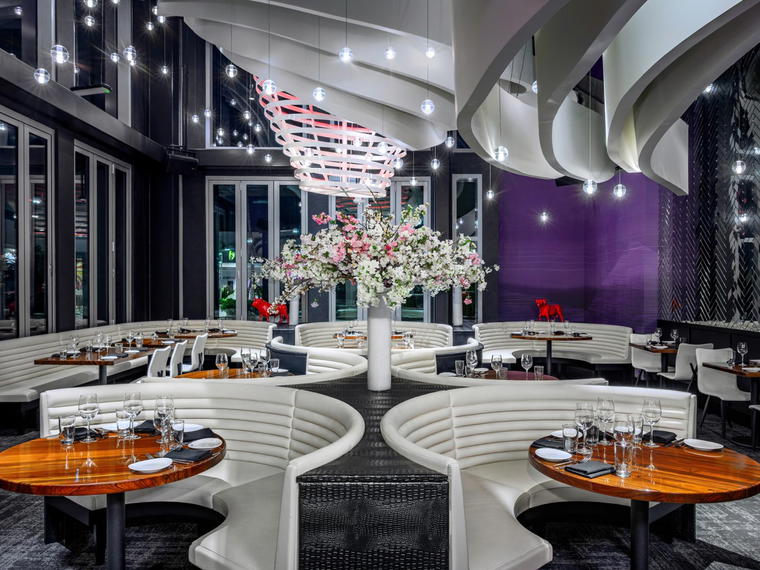
STK Aventura plants the brand's high-energy steakhouse format along Biscayne Boulevard, where South Florida's appetite for theatrical dining and quality cuts converge. The Aventura address puts it within reach of both the Aventura Mall corridor and the broader Miami metro, competing in a tier where room energy and the plate carry equal weight.

Chicago, United States
STK Chicago occupies a confident position in River North's steakhouse tier, where the format blends upscale beef programs with a social dining atmosphere that separates it from the white-tablecloth-only bracket. Located at 9 W Kinzie St, it draws a reservation-forward crowd that treats the room as part of the evening rather than a backdrop to it. Plan ahead: walk-ins at peak hours are an optimistic strategy at best.
New York City, United States
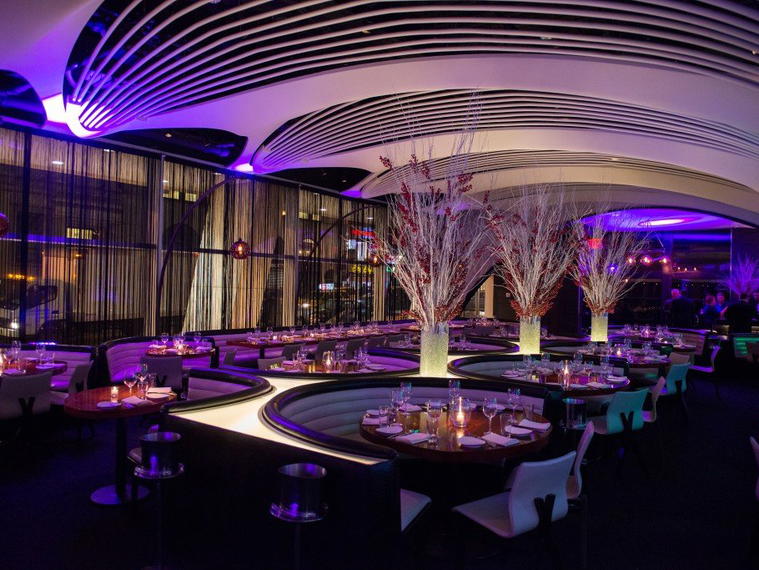
STK Steakhouse on Little West 12th Street has occupied the Meatpacking District since the mid-2000s, when the neighbourhood was transitioning from its industrial past into a nightlife and dining hub. The venue operates at the intersection of steakhouse tradition and contemporary dining-room energy, drawing a crowd that treats dinner as occasion rather than transaction. It sits in a different competitive register from the tasting-menu tier that dominates New York's fine-dining conversation.

Prague, Czech Republic
STŮL in Prague delivers a seasonal, contemporary international tasting menu in an intimate 12-seat setting. Must-try dishes include fig with pecorino, tartare with marrow and the technical showpiece known as the caramel egg. The young kitchen, led by Chef Jan Punčochář, serves a 5- or 10-course surprise menu family-style, with each plate arriving to-share from the open kitchen. Located just outside the city centre beside sister venue U Matěje and surrounded by greenery, STŮL pairs attentive, charming service with a sommelier-curated selection from an 800+ bottle cellar. Drivers can park in front of the building; a parking app is recommended.
Osaka, Japan
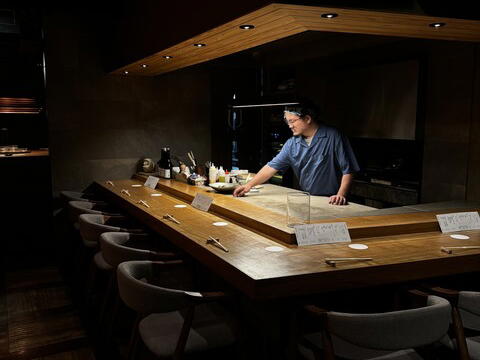
STUN.S belongs to Osaka’s compact creative-dining tier, where room design, counter proximity, and a flexible drinks culture matter as much as category labels. Its selection for Tabelog 100 Innovative / Creative Cuisine 2025 gives it a useful external signal, while the Kyobashi setting places it outside the city’s more predictable luxury dining circuits.

Simon, Romania
In the village of Bran, at the foot of the Carpathian mountains, STUP occupies a distinct position in Transylvania's emerging dining scene: a French fusion kitchen earning recognition for creative cooking in a region better known for hearty peasant fare. With a 4., it draws visitors making the trip from Brasov and beyond for something genuinely unexpected in this corner of Romania.

Tokyo, Japan
Tokyo’s serious sweets culture is not confined to hotel patisseries or Ginza counters. STYLE'S CAKES & CO. sits in Jimbocho’s cake category with Tabelog Sweets TOKYO 100 selections in 2020, 2022, and 2023, a compact take-out format, and a JPY 1,000–1,999 spend that makes planning matter more than ceremony.

Kyoto, Japan
SUGITORA belongs to Kyoto’s compact, craft-led sweets circuit rather than the city’s formal kaiseki conversation. Its Tabelog Cafe WEST “Tabelog 100” 2025 selection, eight-seat scale, gelato-and-parfait focus, and take-out option make it a sharp stop for travelers reading Kyoto through patisserie technique as much as temples and tea.
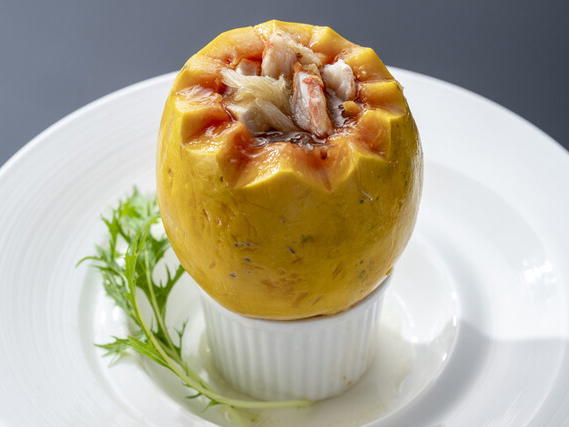
Yokohama, Japan
SUIRINKAKU is a Chinese restaurant in Bashamichi serving Nouvelle Chinoise, with dim sum on current lunch and dinner menus. Private rooms, seasonal courses, Chinese tea, Shaoxing wine and sommelier-selected wines make it suited to planned meals.

Bisalpur, India
SUJÁN JAWAI sits in the Rajasthan steppe where leopards move through granite outcrops at dusk and the Rabari herdsmen have managed this terrain for centuries. The camp's Indian Fusion kitchen draws on the spice traditions of Marwar, translating whole-spice tempering and slow-cooked techniques into a format that matches the scale and mood of the landscape.

Chandan, India
On a 100-acre private estate outside Jaisalmer, SUJÁN The Serai draws on the region's royal caravan heritage to frame one of Rajasthan's most considered desert hospitality experiences. The kitchen, led by Chef Rawal Singh Bhati, works within a spice tradition rooted in the Thar's arid pantry.
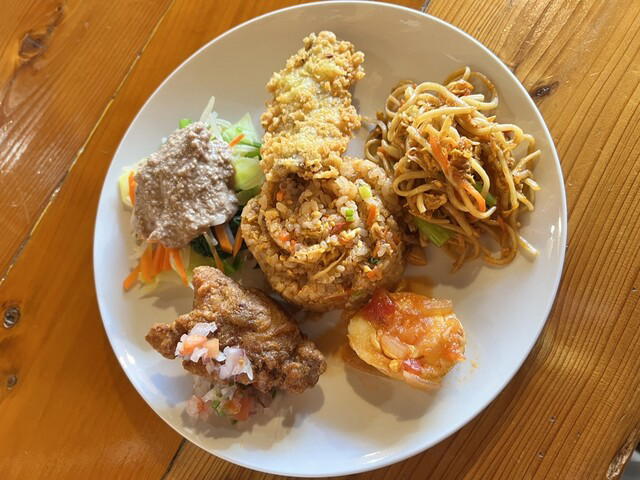
Suzuka, Japan
SUKA-SUKA brings Indonesian cooking into Suzuka’s small but varied restaurant conversation, a city better known to travellers for motorsport than regional dining depth. Its 2024 Tabelog 100 selection for Asian and ethnic cuisine in WEST Japan gives it a useful external marker, while its moderate lunch and dinner budgets keep the experience grounded rather than ceremonial.
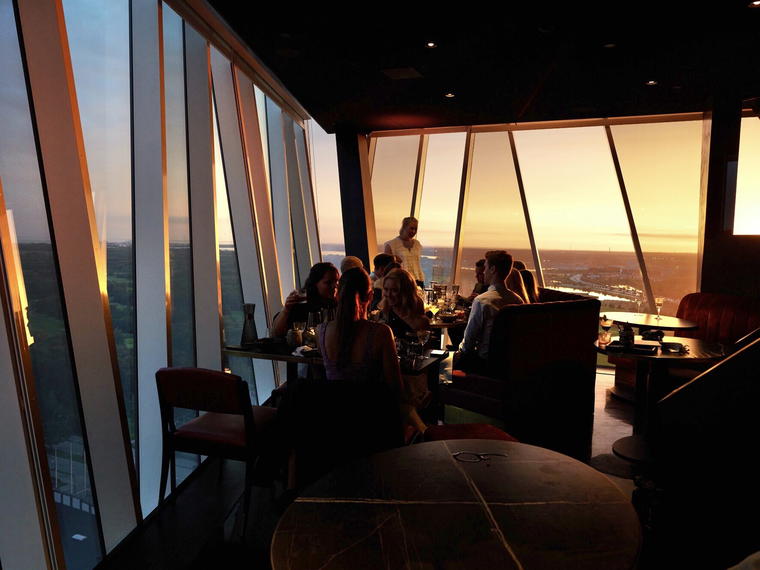
Copenhagen, Denmark
Located on Martha Christensens Vej in Copenhagen's Amager district, SUKAIBA operates within a city where ingredient provenance has become as scrutinised as technique. Copenhagen's New Nordic generation reframed what Danish kitchens owe to their surrounding land and sea, and SUKAIBA sits inside that broader conversation. For visitors moving through the city's serious dining tier, it represents a point of reference worth understanding before booking.

Tokyo, Japan
A Michelin Plate-recognized counter in Toranomon where sukiyaki is prepared tableside with beef sourced from a distinguished Shiga Prefecture butcher. The format is intimate and precise: alternating slices of beef and vegetables cooked to order, finished with shirataki noodles stir-fried in warishita sauce. Signature dipping preparations include meringue-like beaten egg and egg yolk with Tosa vinegar.

Cascais, Portugal
SULT Cascais brings chef Nelson Soares's Brazilian-Portuguese-Italian fusion from Rio de Janeiro to a simple terrace near the beach. The hand-rolled pasta—tortellini, cappelletti—arrives with chili heat and soft mascarpone sauces, finished tableside on a rolling cart. Cascais's casual Italian tier now includes South American inflection.
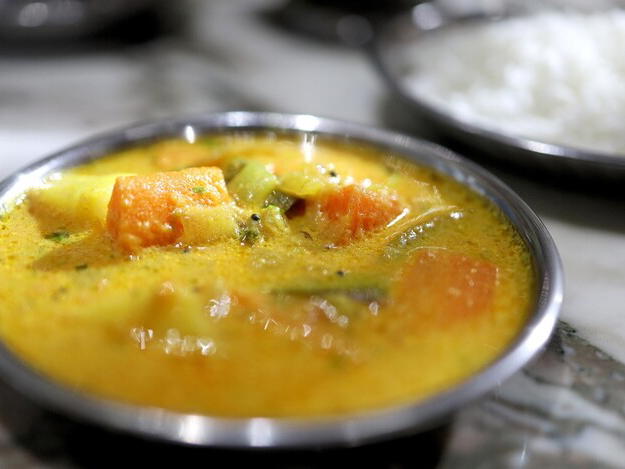
Tokyo, Japan
SUNVALLEY HOTEL puts Tokyo’s Indian curry conversation in a small Setagaya room rather than a central dining district. Its repeated Tabelog 100 selections for curry and Asian or ethnic cuisine place it among the city’s more closely watched specialist counters, with a format that rewards planning over impulse dining.

Tokyo, Japan
SUPER FRUTTO puts Tokyo’s gelato culture in a Koishikawa register: small-scale, low-cost, and built for a short stop rather than a long dining ritual. Its selection for Tabelog 100 Ice Cream / Gelato 2023 gives it a clear trust signal in a category where serious craft often hides behind casual formats.

Nagoya, Japan
SURIPU brings Nagoya’s serious bread culture into a compact Tsurumai format: bread and sandwiches, take-out service, modest pricing, and repeated Tabelog Bread 100 selection. The draw is not ceremony but bakery rhythm, with a counter-service cadence that rewards early planning and a clear idea of what travels well.
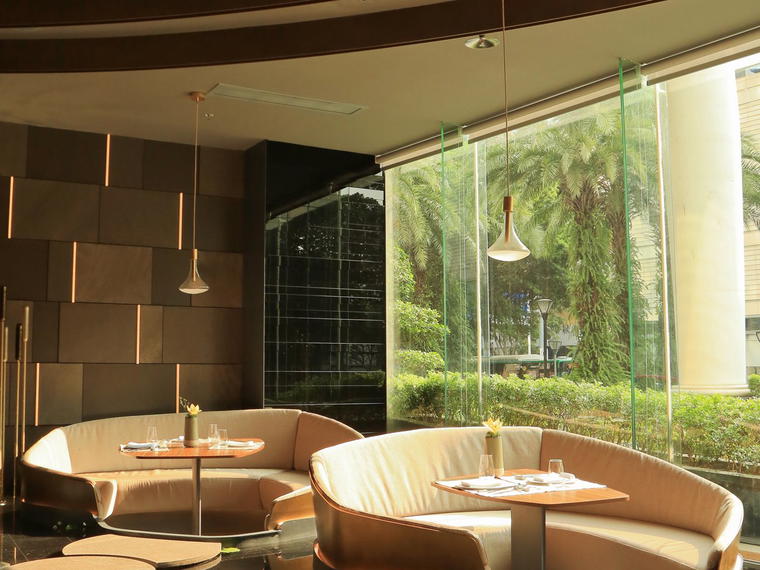
Shenzhen, China
SUSHI SHIZUKA (SHENZHEN) belongs to Shenzhen’s small, serious tier of Japanese counters, where ingredient provenance matters more than theatrical dining-room narrative. Its Black Pearl Restaurant Guide 2026 one-diamond recognition gives it a clear trust signal in a city where premium dining increasingly splits between Cantonese heritage rooms, international tasting formats, and tightly controlled Japanese menus.
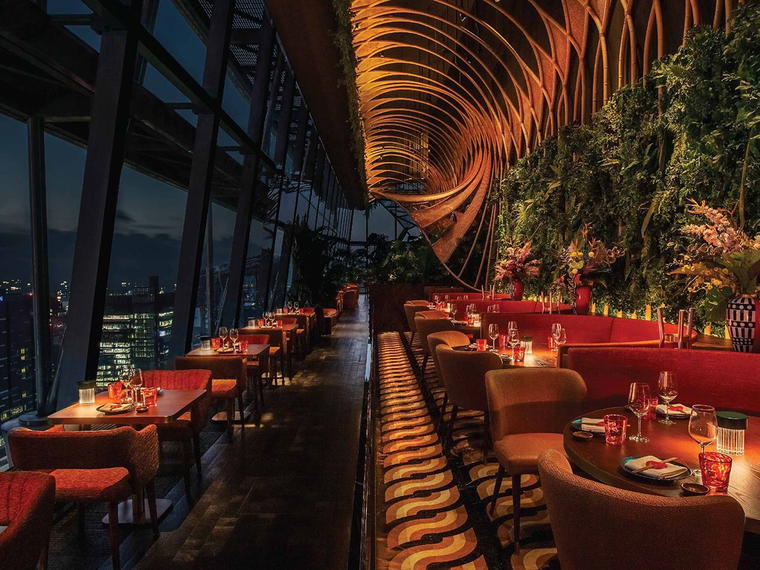
Singapore, Singapore
At Level 52 of Capital Tower, SUSHISAMBA Singapore fuses Japanese, Brazilian, and Peruvian cooking traditions in one of the city's most dramatically positioned dining rooms. Recognised with a White Star on Star Wine List in April 2025, the restaurant's menu architecture draws on the same cross-cultural framework that defines the SUSHISAMBA brand globally. For Singapore's high-altitude dining circuit, it occupies a distinct niche.

Versoix, Switzerland
A compact sushi counter on Route de Suisse, SUSHO draws consistent crowds to Versoix with high-precision nigiri work, standout rolls, and a Shoyu Ramen that holds its own alongside the raw programme. Two chefs run a tight, technically focused operation where the spicy Crispy Shrimp Roll and lemony hamachi have built a loyal following just outside Geneva.
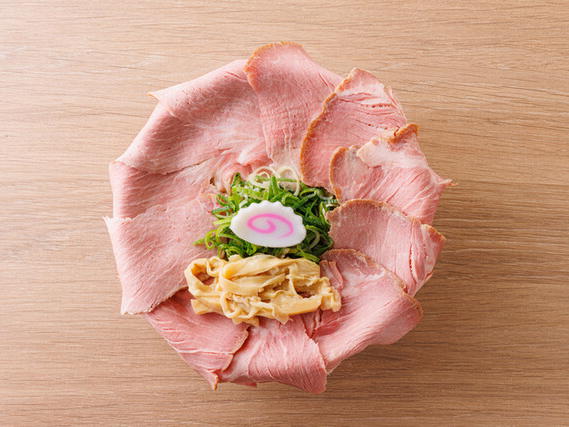
Nagoya, Japan
A basement ramen stop in Fushimi with counter-and-table seating, a Tabelog Ramen AICHI 100 selection for 2025, and a notably accessible price band for central Nagoya. The draw is not ceremony but value: a focused noodle format, multilingual menus, and the kind of solo-friendly rhythm that suits business-district eating as much as a casual dinner.

Seoul, South Korea
On the 37th floor of a Yeouido tower, SUT. The Butcher's Edge occupies a tier of Seoul dining where the wine list is as carefully considered as the protein on the plate. Recognised by Star Wine List with a White Star designation in January 2025, it draws a crowd that treats the cellar selection as seriously as the cut. For Seoul's broader dining scene, see our full restaurant guide.

Copenhagen, Denmark
SWITCH occupies a corner of Studiestræde in Copenhagen's Latin Quarter, operating within a city that has spent two decades redefining what Nordic cooking means to the wider world. With no published awards or price tier, it sits outside the Michelin-tracked tier of Copenhagen's most discussed restaurants — which is, in itself, a reason to pay attention to what it represents in the city's broader dining conversation.


