
SOTO occupies a quiet address in Toyama's Izumicho district, placing it within one of Japan's most underappreciated dining cities, a prefecture whose cold Sea of Japan waters produce yellowtail, white shrimp, and crab that few coastal prefectures can match on volume or quality. The restaurant draws visitors who arrive specifically for Toyama's seafood-driven dining culture, where the distance from Tokyo and Osaka keeps crowds thin and reservations relatively accessible.
Pearl is the En Primeur Club membership app — saves, bookings, and concierge access live there. Same editors, same standards.
- Address
- 2 Chome-8-21 Izumicho, Toyama, 930-0042, Japan
- Phone
- +81764228899
- Website
- soto-toyama.com
- Directions
- Get directions
 Saves & bookings on Pearl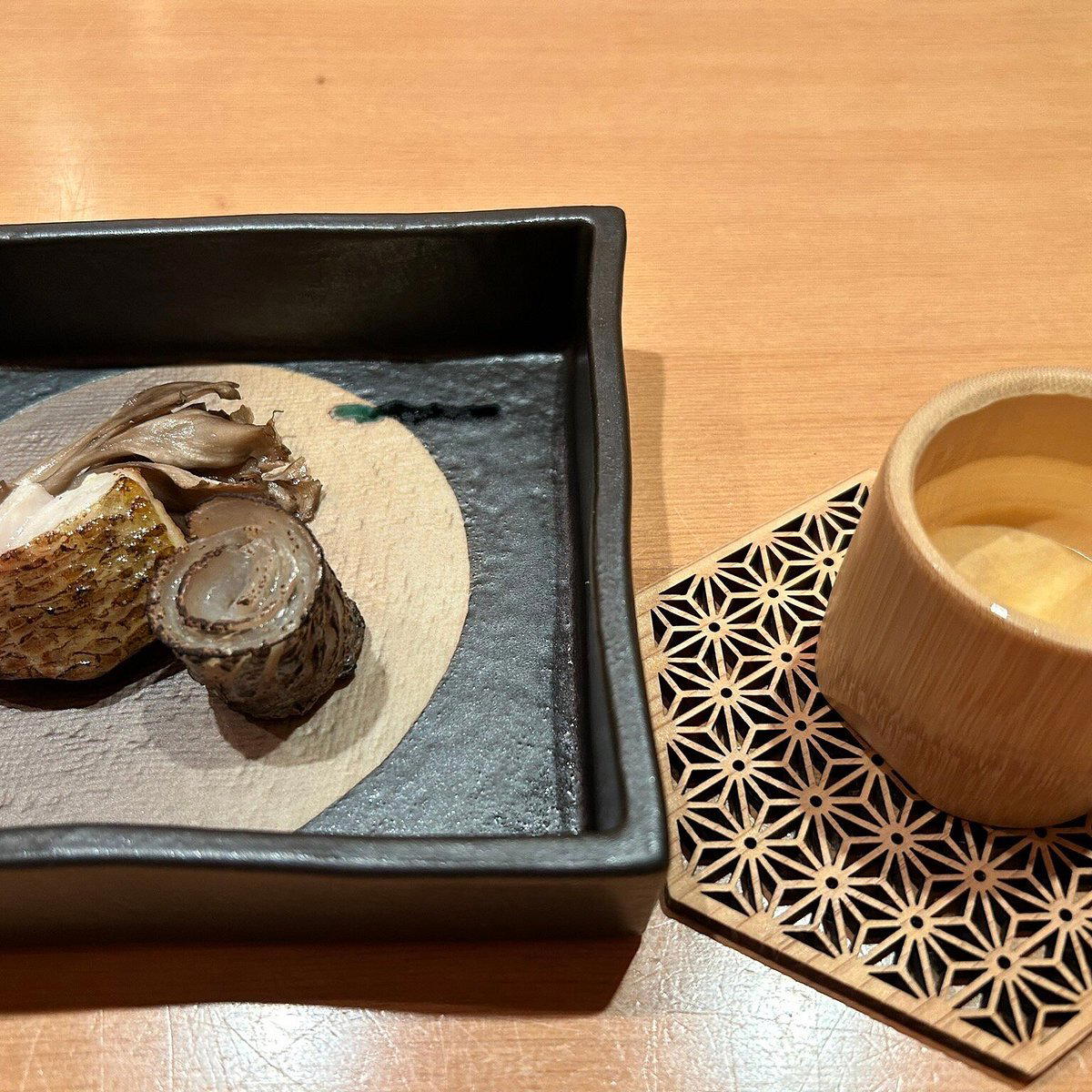
Izumicho After Dark: What Toyama's Dining Quarter Feels Like
Approach Toyama's Izumicho on a weekday evening and the atmosphere is nothing like the compressed energy of a Ginza side street or a Nishiki Market alley. The neighbourhood operates at a different register: quieter storefronts, the low sound of distant tram lines, the particular cold that rolls in off the Sea of Japan between autumn and early spring. Restaurants here tend to be small, owner-operated, and oriented around the prefecture's own produce rather than imported prestige ingredients. SOTO, at 2 Chome-8-21 Izumicho, sits inside that neighbourhood logic, a Toyama address in a city that rewards visitors who come specifically to eat rather than those passing through on a broader itinerary.
The Toyama Seafood Context That Makes This City Worth the Trip
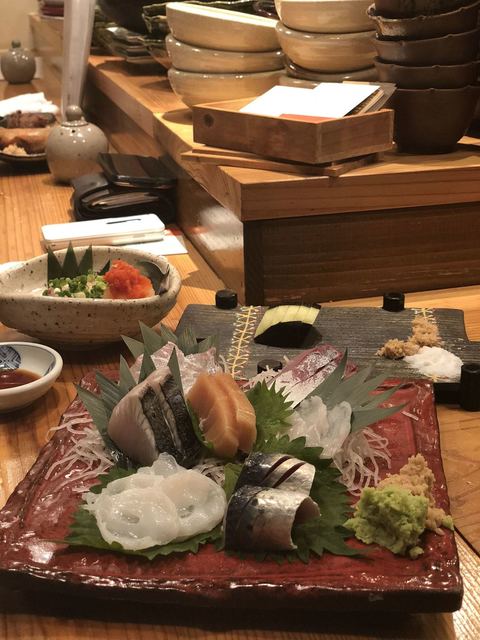
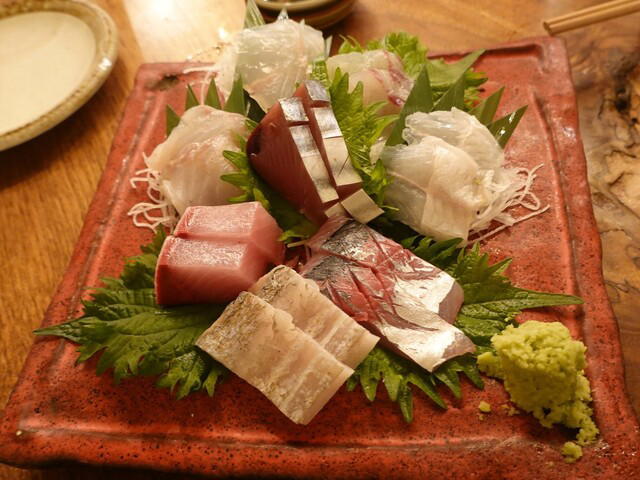
To understand what any serious restaurant in this city is working with, it helps to know what Toyama Bay actually produces. The bay is unusually deep for its proximity to shore, dropping sharply from the coast, which creates cold-water conditions that sustain white shrimp (shiro-ebi), firefly squid (hotaru-ika) in spring, and Buri yellowtail through the winter months. Toyama's white shrimp has a protected geographical status in Japanese culinary circles; the prefecture produces the overwhelming majority of the national supply. Firefly squid season runs roughly from March through May, when the Toyama coast draws visitors who would otherwise never leave the major cities. Restaurants operating in this environment are pricing and presenting against that raw material quality, not against what a comparable room in Tokyo might serve. The comparison point for Toyama dining is less the counters of Harutaka in Tokyo or the technical ambition of HAJIME in Osaka and more the question of what proximity to notable primary ingredients, handled without excess ceremony, actually tastes like.
Where SOTO Sits in the Local comparable set
Toyama's restaurant scene is smaller than its ingredient quality would suggest, which makes positioning relatively legible. At the formal end, kaiseki in the traditional sense is represented by Oryori Fujii and the more established operators. Within that same city, Ebitei Bekkan occupies a well-regarded position for seafood-forward dining, while Himawari Shokudo 2 demonstrates how the city's Italian-inflected dining has developed its own identity at the JPY 20,000 to 29,999 price tier. Hagiwara, Daimon, and Boteyan fill out a mid-tier that keeps the city's dining accessible without sacrificing seriousness. SOTO operates within this structure as a neighbourhood-scale destination, not a destination restaurant in the Tokyo omakase sense, but a place that reflects the city's characteristic relationship between tight geography, notable local produce, and cooking that doesn't feel compelled to perform for an outside audience.
For comparison, restaurants operating in Japan's secondary cities with comparable access to premium regional seafood, like Goh in Fukuoka for Kyushu's coastal produce, or Gion Sasaki in Kyoto for Kansai's formal dining tradition, tend to occupy a different competitive tier. Toyama's scene is quieter, less internationally profiled, and by that measure more accessible to a reader willing to move beyond the standard Japan fine dining circuit. The same pattern appears in cities like Nara, where akordu has built serious credentials outside the Tokyo-Osaka-Kyoto triangle. Toyama follows a comparable logic.
Sensory Register: What Dining in Izumicho Actually Produces
The sensory experience of eating in this part of Toyama is shaped as much by what is absent as by what is present. There are no crowds pressing past the entrance, no social-media queue, no ambient noise from an adjacent bar district. The cold season, which runs from November through March in this part of Honshu's Sea of Japan coast, intensifies both the local ingredient profile and the interior atmosphere of the city's small restaurants: the contrast between the temperature outside and the warmth inside a small dining room becomes part of the meal's texture in a way that doesn't register in climate-controlled city dining. This is the part of Japan where the gap between season and plate is minimal, crab arrives when it arrives, yellowtail runs when conditions produce it, and the menu shifts accordingly rather than maintaining a year-round identity. Comparable regional specificity appears at places like a restaurant in Nanao on the Noto Peninsula, where the Noto coastline's own seafood culture operates on similar seasonal logic, and at a restaurant in Nishikawa Machi, where mountain-adjacent dining produces a different but equally seasonal cadence.
Reservations are essential, and the restaurant is open Monday 5 to 8:30 PM, Tuesday 5:30 to 8:30 PM, Thursday through Saturday 5:30 to 8:30 PM.
Comparable Spots
Comparable venues nearby, for context on price, style, and recognition.
| Venue | Cuisine | Price | Notes |
|---|---|---|---|
| SOTOThis venue — the venue you are viewing | High-End Omakase Sushi | $$$$ | Not listed |
| 鮨し人 | Edomae Sushi Omakase | $$$$ | Nishinakanomachi |
| Boteyan Tanaka | Okonomiyaki & Yakisoba | $$ | Shintomicho |
| Boteyan (ぼてやん多奈加) | Square Okonomiyaki Specialist | $$ | Toyama Station area |
| Oryori Fujii | Toyama Kaiseki | $$$$ | Iwase |
| 美乃鮨 | Toyama Omakase Sushi | $$$ | central Toyama |
Recognition history
Dated appearances from independent guides and award organizations, with the underlying list record or original source where available.
Tabelog 100 #9 · No. 9
Tabelog · Tabelog 100 - Sushi - WEST - 2025
Continue exploring
More in Toyama
Restaurants in Toyama
Browse all →
Hotels in Toyama
Browse all →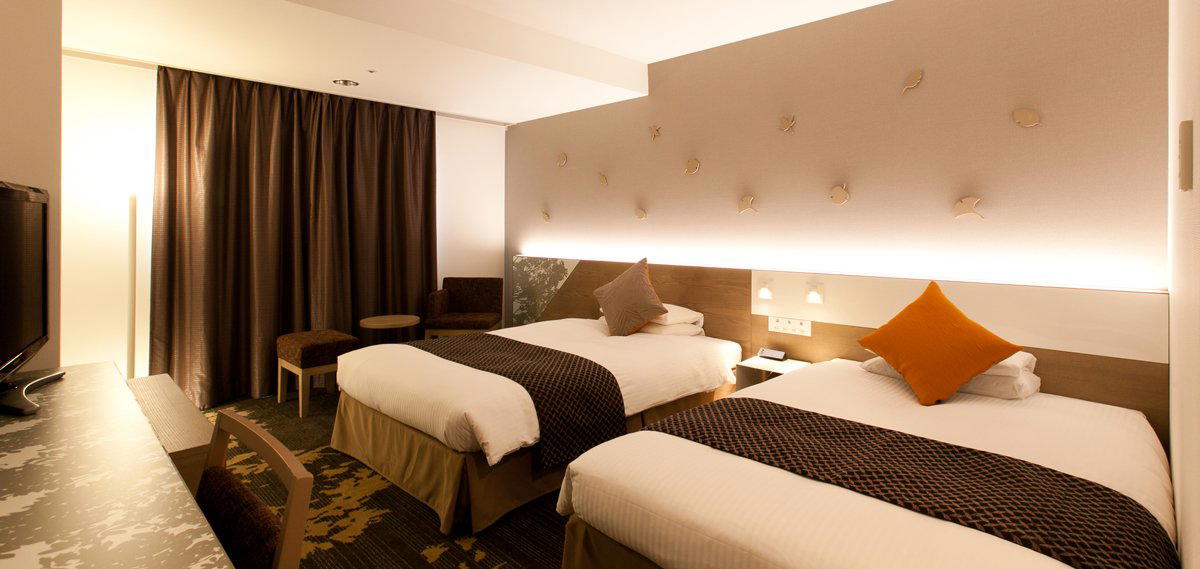
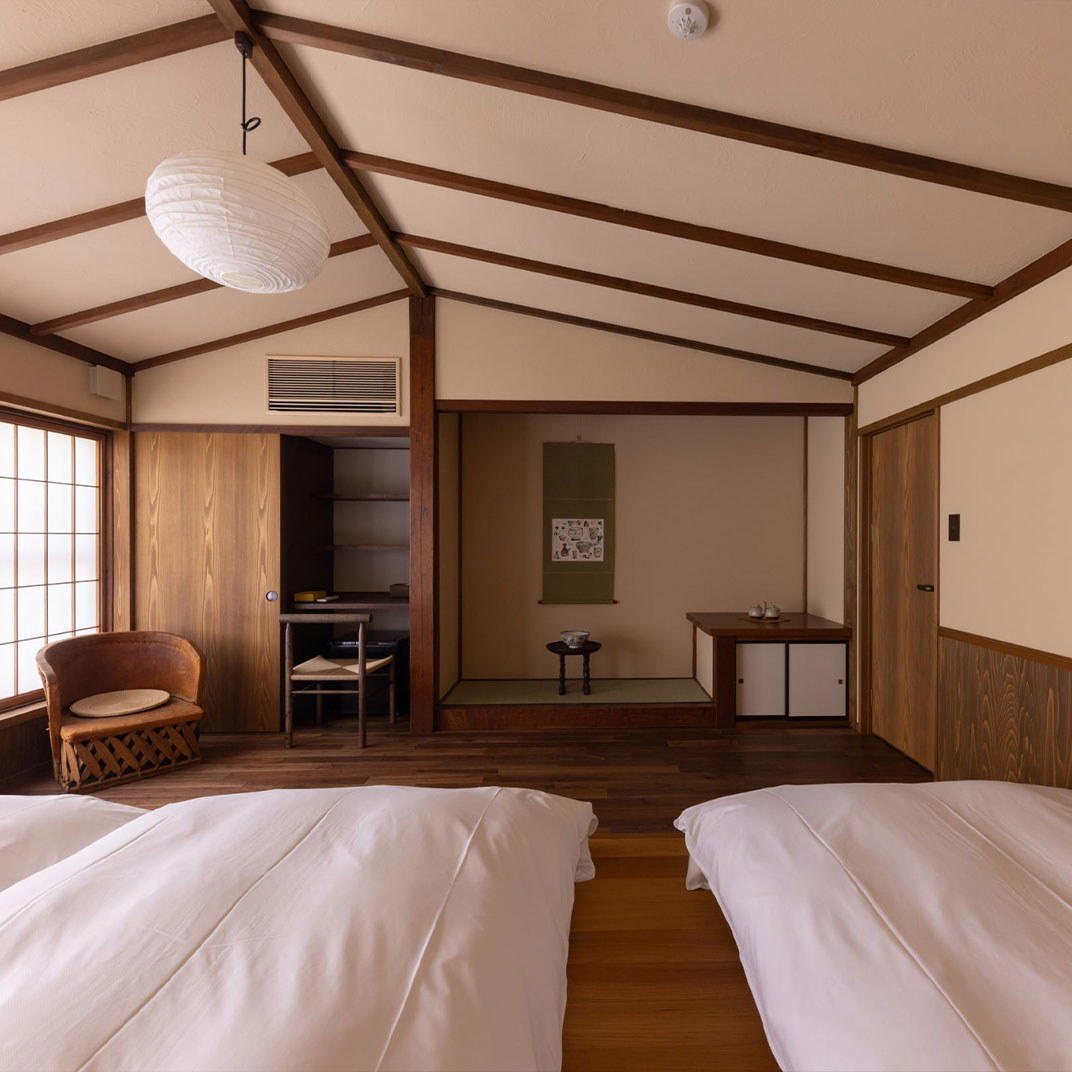
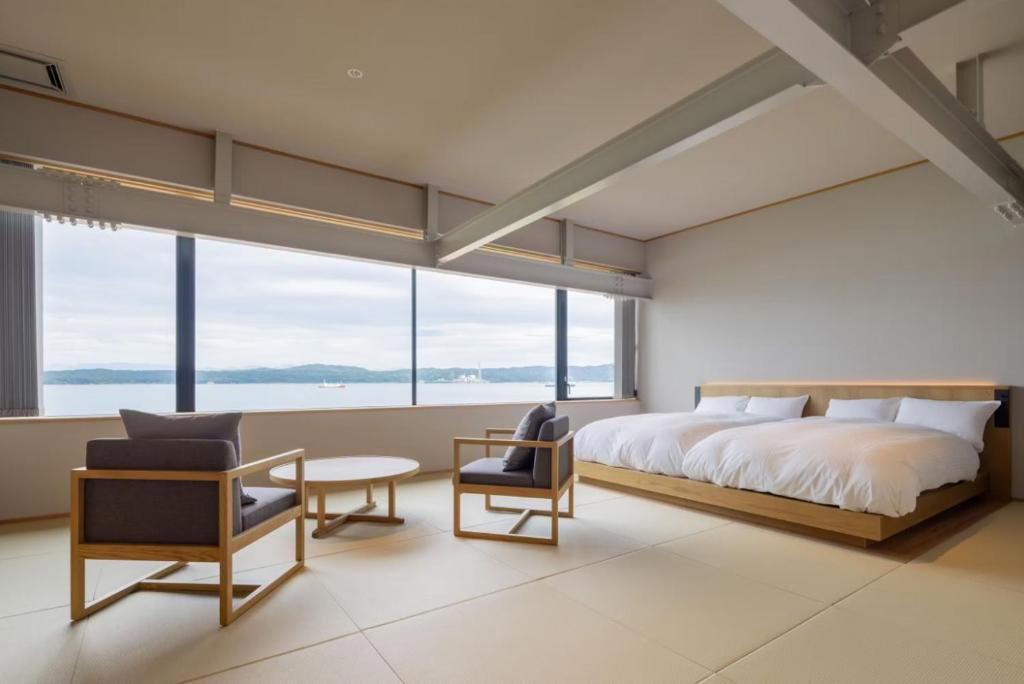
Wineries in Toyama
Browse all →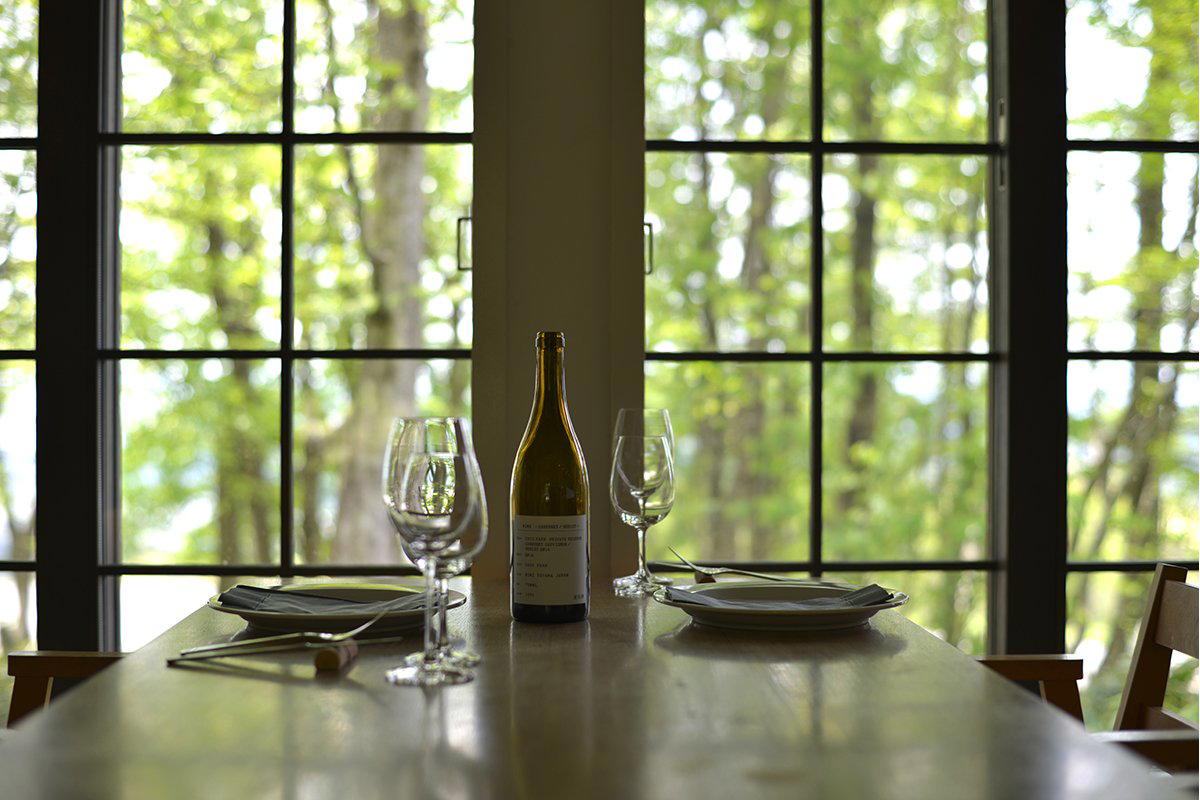
At a Glance
- Modern
- Elegant
- Intimate
- Minimalist
- Special Occasion
- Date Night
- Chefs Counter
- Sake Program
- Local Sourcing
- Sustainable Seafood
Current opening hours
- Monday
- 5–8:30 PM
- Tuesday
- 5:30–8:30 PM
- Wednesday
- Closed
- Thursday
- 5:30–8:30 PM
- Friday
- 5:30–8:30 PM
- Saturday
- 5:30–8:30 PM
- Sunday
- Closed
Hours can change for holidays and private events. Last verified .
Simple, clean lines of modern Japanese decor creating a relaxing and intimate atmosphere.