
A Michelin Plate-recognized counter in Toranomon where sukiyaki is prepared tableside with beef sourced from a distinguished Shiga Prefecture butcher. The format is intimate and precise: alternating slices of beef and vegetables cooked to order, finished with shirataki noodles stir-fried in warishita sauce. Signature dipping preparations include meringue-like beaten egg and egg yolk with Tosa vinegar.
Pearl is the En Primeur Club membership app — saves, bookings, and concierge access live there. Same editors, same standards.
- Address
- Japan, 〒105-0001 Tokyo, Minato City, Toranomon, 3 Chome−11−15 SVAX TT, 1階
- Phone
- +81 3-6452-9995
- Website
- sukiyaki-asai.com
- Directions
- Get directions
 Saves & bookings on Pearl
The dipping egg is where Sukiyaki Asai signals its intent. Rather than the standard raw egg swirl common across Tokyo sukiyaki counters, the preparation here splits into two: a meringue-like beaten egg and a rich yolk blended with Tosa vinegar. That level of specification, applied to what most restaurants treat as an afterthought, tells you something about how seriously this Toranomon address approaches a format that can easily become routine.
What Sukiyaki Counter Dining Means in Tokyo
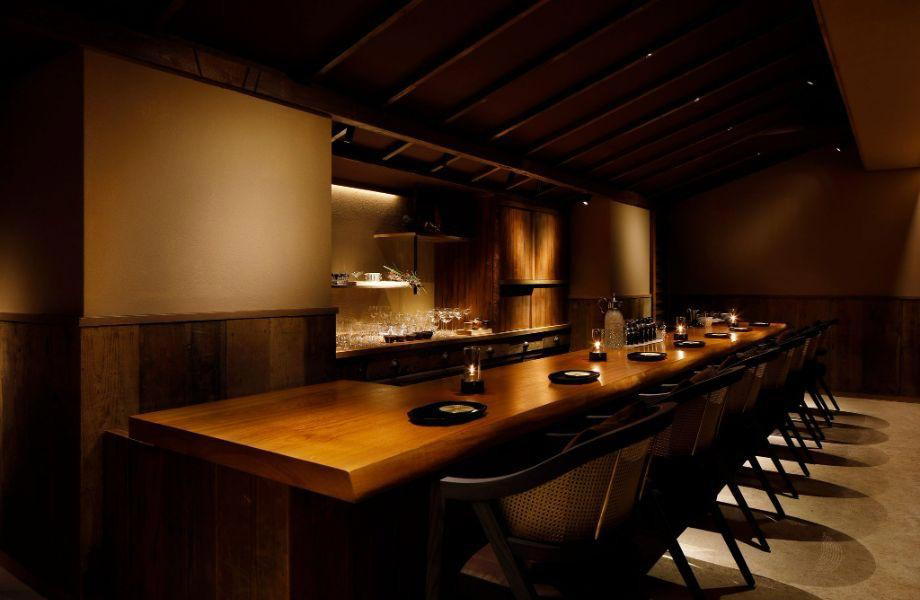
Sukiyaki occupies a specific register in Tokyo's dining hierarchy. It sits below the austere minimalism of high-end kaiseki and above the casual shabu-shabu chain, in a middle tier where the quality of the beef and the confidence of the cook define the experience more than the decor or the concept. At its most deliberate, it is a counter format: the server or cook works directly across from the diner, managing heat, sequencing cuts, and controlling the warishita reduction in real time. That proximity is the point. It converts what is essentially a hot-pot into something closer to a performance, where the diner watches every decision being made.
Tokyo has several serious sukiyaki addresses. Imahan, which traces its history back to the Meiji era, represents the long-established institutional approach. Hiyama and Imafuku each occupy their own position in that comparable set. Sukiyaki Asai sits within this group as a counter-focused operation with a sourcing specification that distinguishes it from restaurants that rely on Matsusaka or Kobe branding alone.
The Beef and the Sequence
The beef at Sukiyaki Asai comes from a butcher in Shiga Prefecture, a sourcing decision that places it within the Omi beef tradition, one of Japan's three major wagyu lineages alongside Matsusaka and Kobe. Omi beef tends toward a slightly firmer texture than particularly intensely marbled Kobe cuts, which some diners find better suited to sukiyaki's cooking method, where extended heat can turn highly marbled beef overly rich. The kitchen offers the beef in a range of thicknesses, which matters more than it might seem: a thicker slice absorbs more warishita and carries a different texture than a paper-thin cut that cooks almost on contact with the pan.
The sequencing follows the counter format: alternating slices of beef and vegetables, managed by the server working directly across from the diner. This alternation is not arbitrary. It regulates the flavor accumulation in the pan, prevents the warishita from over-reducing, and ensures that each element is served at the right moment rather than arriving all at once. The meal closes with shirataki noodles stir-fried in the residual warishita and beef fat, a final course that uses the concentrated cooking liquid as its primary seasoning. It is a structurally complete meal with a defined arc, not a buffet-style accumulation of ingredients.
Lunch vs. Dinner at a Counter Like This
Tokyo's sukiyaki counters generally run a more compressed format at lunch, with shorter menus and faster table turns that suit the Toranomon business crowd. Evening service tends to allow the meal to breathe, with more time between courses and the full dipping-sauce preparation given proper attention. The counter format at the restaurant makes this distinction feel more pronounced than at larger dining rooms: at a counter, the server's pace sets the meal's rhythm, and a lunch sitting moving toward a deadline feels different from an evening where the sequence can extend naturally through the shirataki finish.
From a value standpoint, Tokyo's mid-tier sukiyaki counters tend to offer their most accessible price points at lunch, where the core beef course appears without the full evening supplement. For the restaurant's ¥¥¥¥ pricing tier, lunch likely represents the lower end of that range, while evening service with additional cuts and extended preparation will push toward the upper end. In context: the ¥¥¥¥ tier occupied by Tokyo addresses like Harutaka and L'Effervescence places the restaurant a tier below, which for a format where the beef is the entire point rather than one element in a longer tasting menu, represents a considered price-to-focus ratio.
Toranomon as a Dining Address
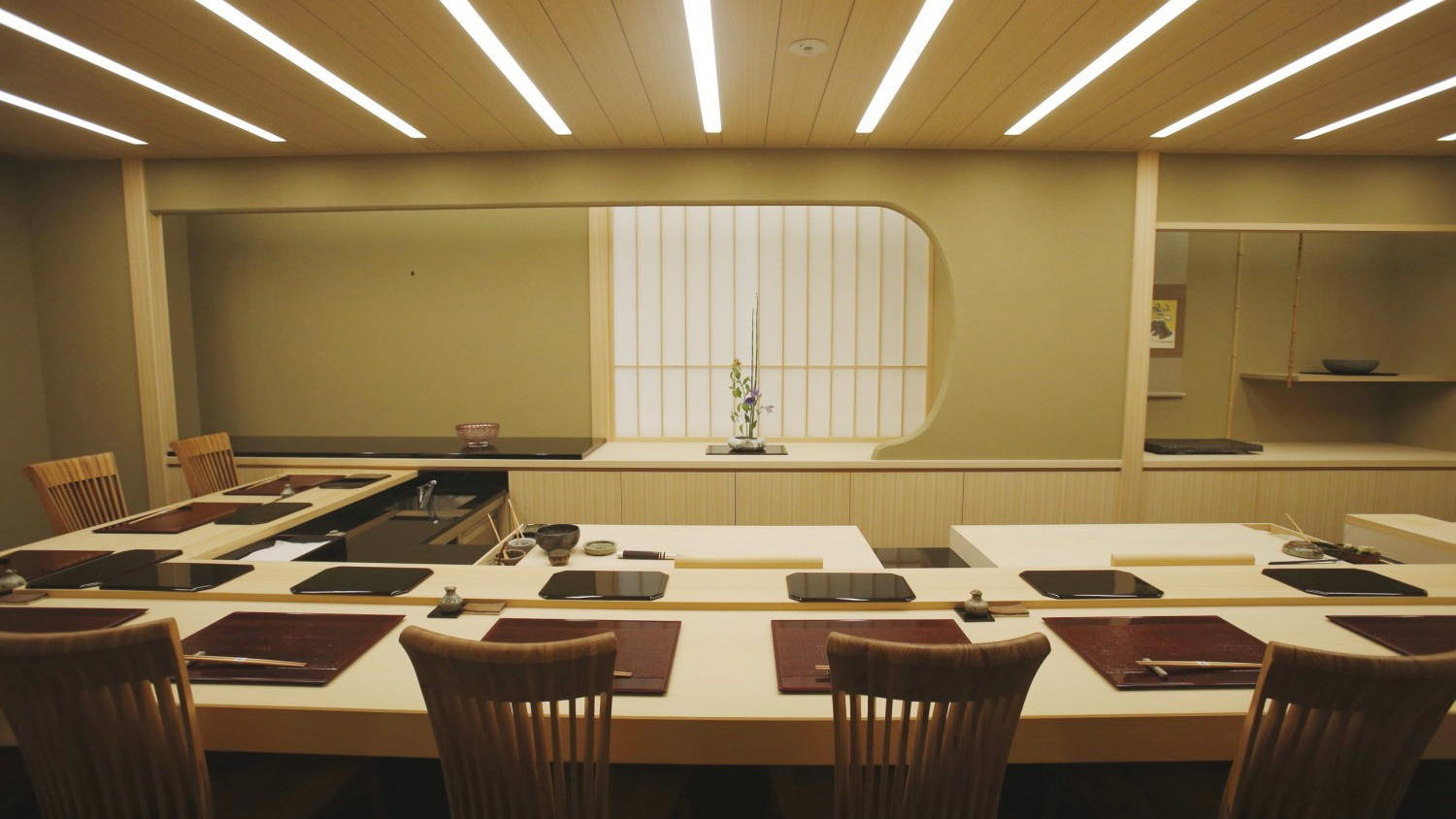
Toranomon has shifted over the past decade from a functional business district into a more mixed dining and hotel environment, partly driven by infrastructure investment around the Toranomon Hills development. The neighborhood runs at a different register than Ginza or Minami-Aoyama: fewer destination restaurants built around theatrical presentations, more counters and specialist formats that serve a local professional clientele who eat there regularly. The restaurant at 3 Chome-11-15 SVAX TT sits within that character, in a ground-floor address without the visual spectacle of a high-floor Ginza room. The format suits the location.
For visitors combining Tokyo dining with travel elsewhere in Japan, the sukiyaki tradition has strong regional expressions worth noting. Wadakin in Mie represents a different beef sourcing lineage and regional cooking approach. Further afield, HAJIME in Osaka, Gion Sasaki in Kyoto, akordu in Nara, Goh in Fukuoka, 1000 in Yokohama, and 6 in Okinawa offer reference points for the broader range of Japan's serious dining formats, none of which overlap with what a sukiyaki counter does. For context on what focused single-format dining at a high level looks like in other culinary traditions, Le Bernardin in New York applies comparable ingredient-led discipline to seafood.
Explore more through our full guides: Tokyo restaurants, Tokyo hotels, Tokyo bars, Tokyo wineries, and Tokyo experiences.
Planning Your Visit
Location: 3 Chome-11-15 SVAX TT, Toranomon, Minato City, Tokyo 105-0001, ground floor. Price tier: ¥¥¥, placing it below the ¥¥¥¥ tier of Tokyo's flagship tasting-menu restaurants. Recognition: Michelin Plate 2024 and 2025.7 from 39 reviews. Reservations: Contact the restaurant directly or check current booking platforms for Tokyo; advance reservations are advisable given the counter format and limited capacity typical of this style of operation. When to go: Lunch for a more condensed experience at likely lower price points; evening for the full counter sequence at the server's pace.
Category Peers
Comparable venues nearby, for context on price, style, and recognition.
| Venue | Cuisine | Price | Awards | Notes |
|---|---|---|---|---|
| SUKIYAKI ASAIThis venue — the venue you are viewing | Traditional Omi Beef Sukiyaki | $$$$ | Michelin Plate | Not listed |
| Akasaka Watanabe | Modern Japanese Kaiseki Omakase | $$$$ | Michelin Plate | Minato |
| Ginza Yondaime TAKAHASHIYA | Traditional Japanese Unagi Kappo | $$$$ | Michelin Plate | Chūō |
| Shirokane Shin | Modern Japanese Omakase with A La Carte | $$$$ | Michelin Plate | Minato |
| Uisane | Modern Ehime Kaiseki | $$$$ | Michelin Plate | Shinjuku |
| Takiya | Premium Seasonal Tempura | $$$$ | Not listed | Minato |
Recognition history
Dated appearances from independent guides and award organizations, with the underlying list record or original source where available.
Michelin Plate
Michelin
Michelin Plate
Michelin
Michelin Plate
Michelin







At a Glance
- Cozy
- Elegant
- Intimate
- Sophisticated
- Relaxed
- Business Dinner
- Date Night
- Special Occasion
- Chefs Counter
- Private Dining
- Sake Program
Current opening hours
- Monday
- 11:30 AM–3 PM, 5:30–11 PM
- Tuesday
- 11:30 AM–3 PM, 5:30–11 PM
- Wednesday
- Closed
- Thursday
- 11:30 AM–3 PM, 5:30–11 PM
- Friday
- 11:30 AM–3 PM, 5:30–11 PM
- Saturday
- 11:30 AM–3 PM, 5:30–11 PM
- Sunday
- Closed
Hours can change for holidays and private events. Last verified .
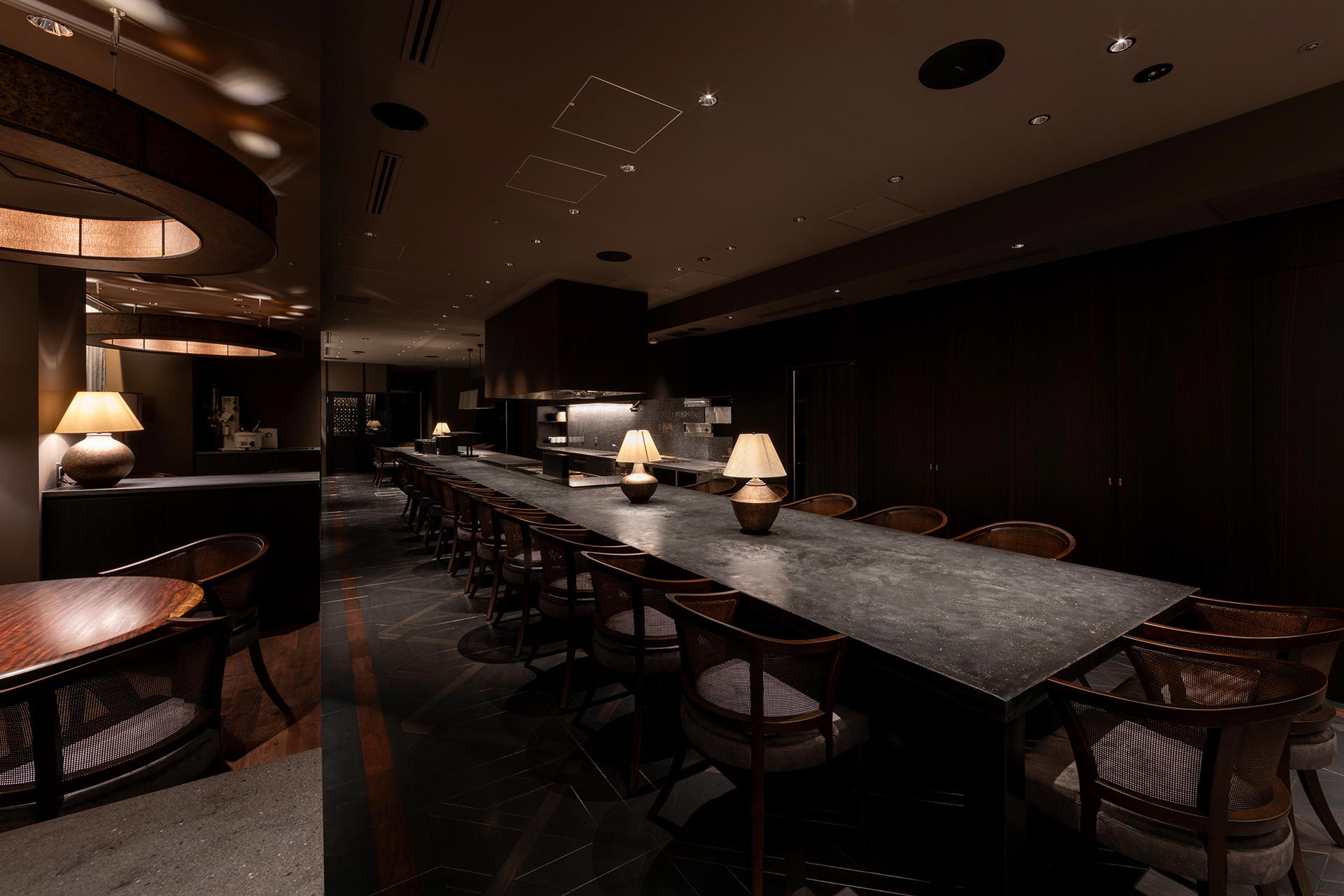
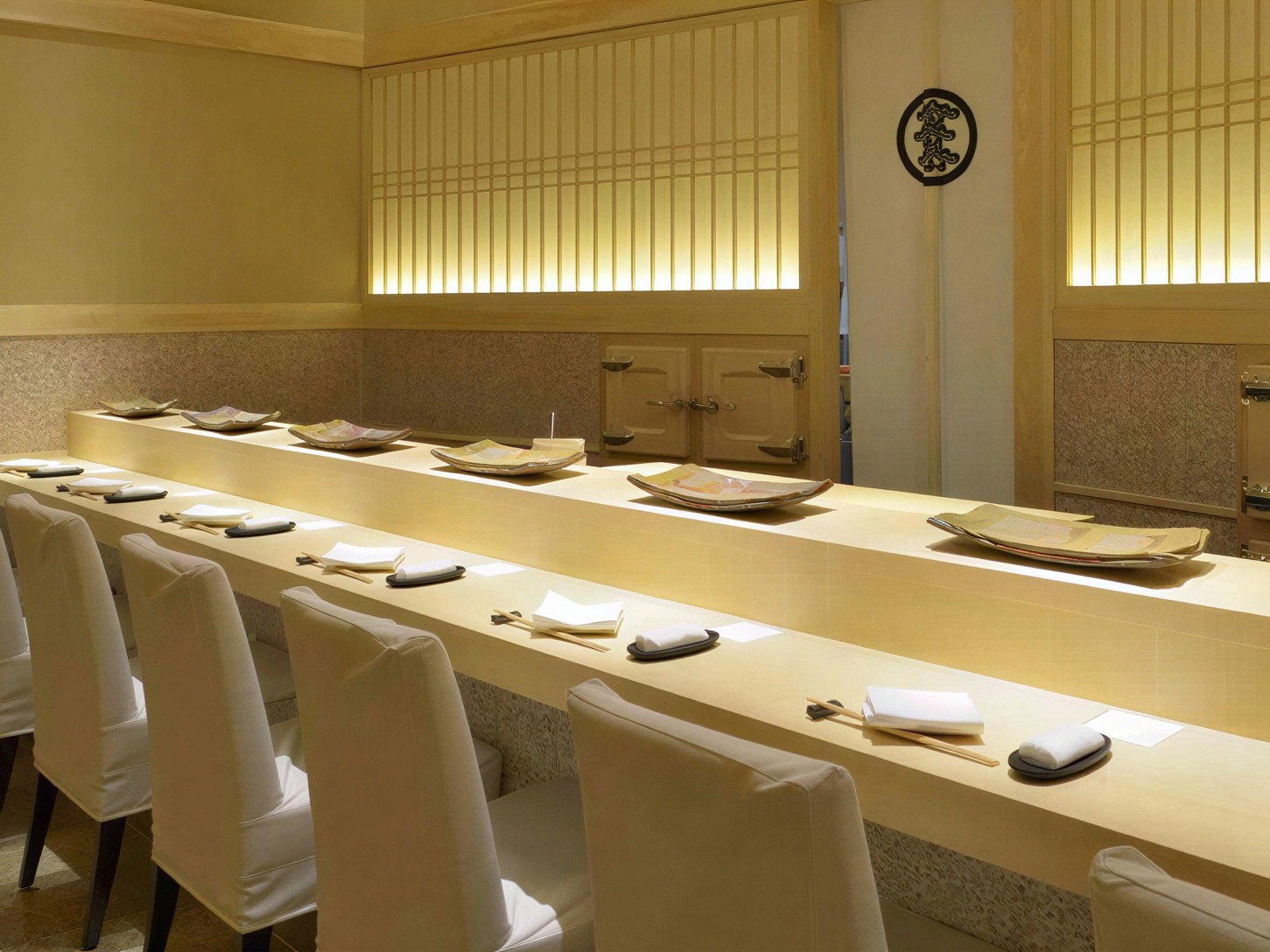
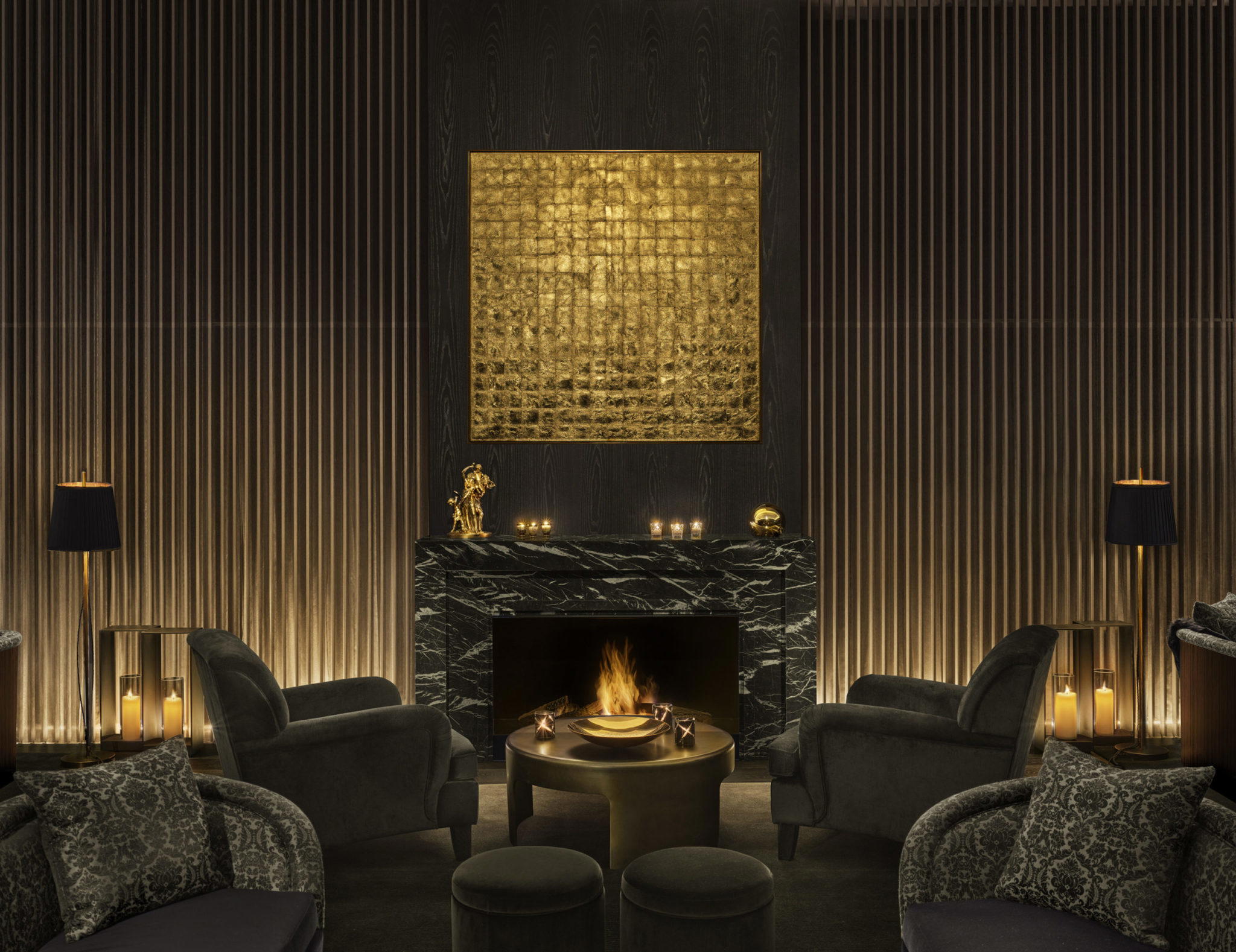
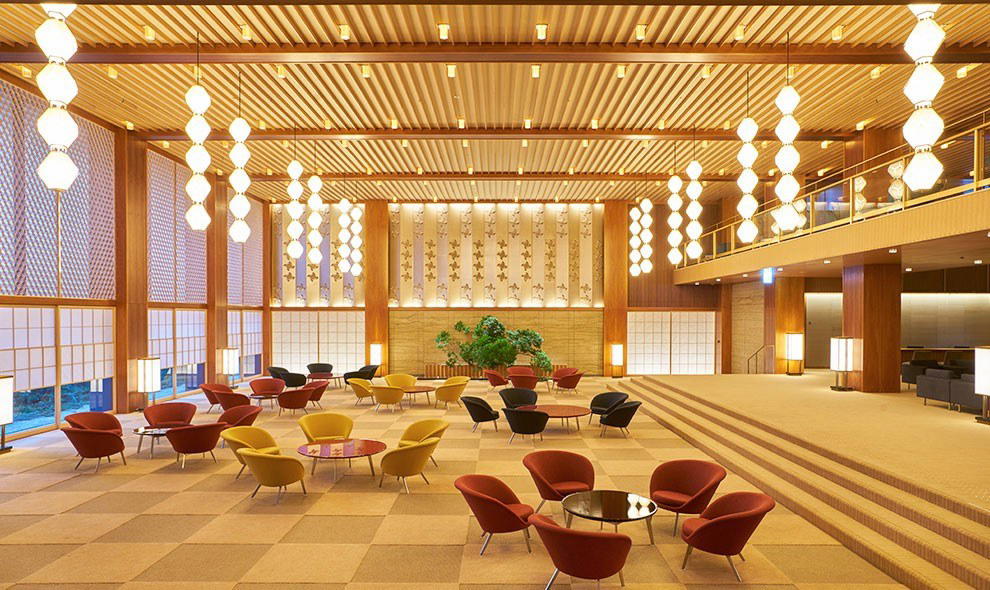
Cozy and refined wooden interior with a warm, welcoming atmosphere, blending traditional Japanese elements and modern design.