STŮL

Michelin Plate
Our verdict
STŮL in Prague delivers a seasonal, contemporary international tasting menu in an intimate 12-seat setting. Must-try dishes include fig with pecorino, tartare with marrow and the technical showpiece known as the caramel egg. The young kitchen, led by Chef Jan Punčochář, serves a 5- or 10-course surprise menu family-style, with each plate arriving to-share from the open kitchen. Located just outside the city centre beside sister venue U Matěje and surrounded by greenery, STŮL pairs attentive, charming service with a sommelier-curated selection from an 800+ bottle cellar. Drivers can park in front of the building; a parking app is recommended.

Pearl is the En Primeur Club membership app — saves, bookings, and concierge access live there. Same editors, same standards.
- Address
- U Matěje 152/1, 160 00 Praha 6-Dejvice, Czechia
- Phone
- +420 602 757 459
- Website
- stuljp.cz
- Directions
- Get directions
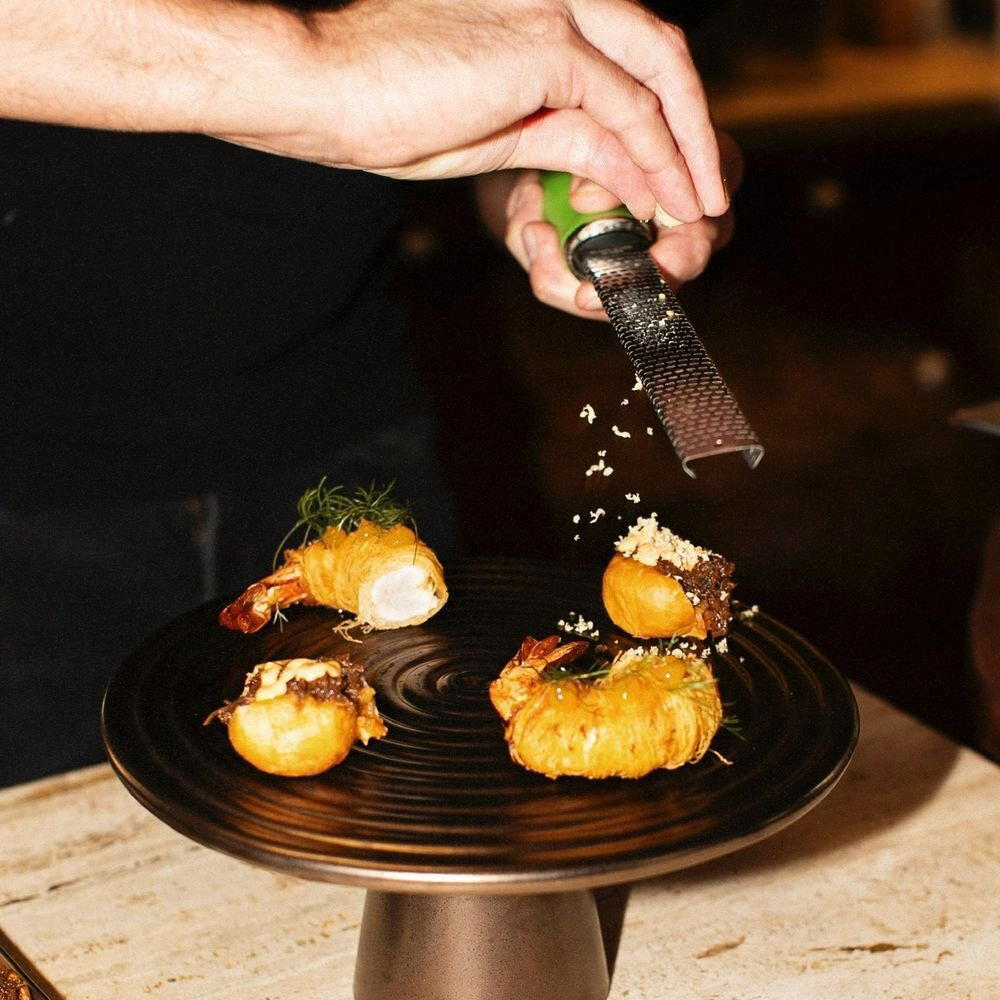
A Restaurant Hiding in Plain Sight, in Prague 6
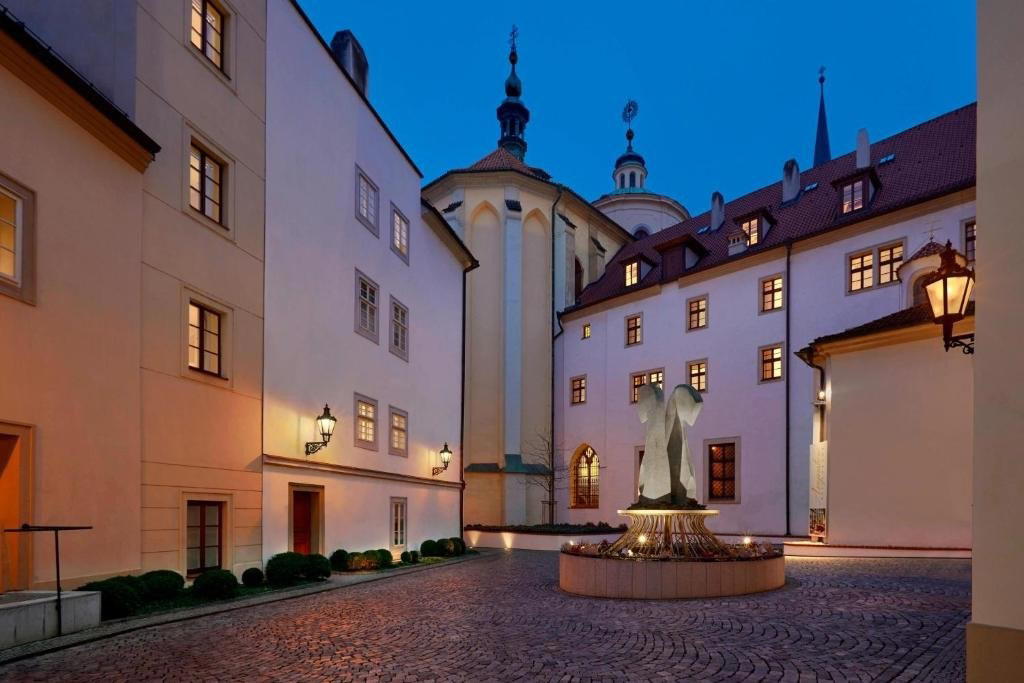
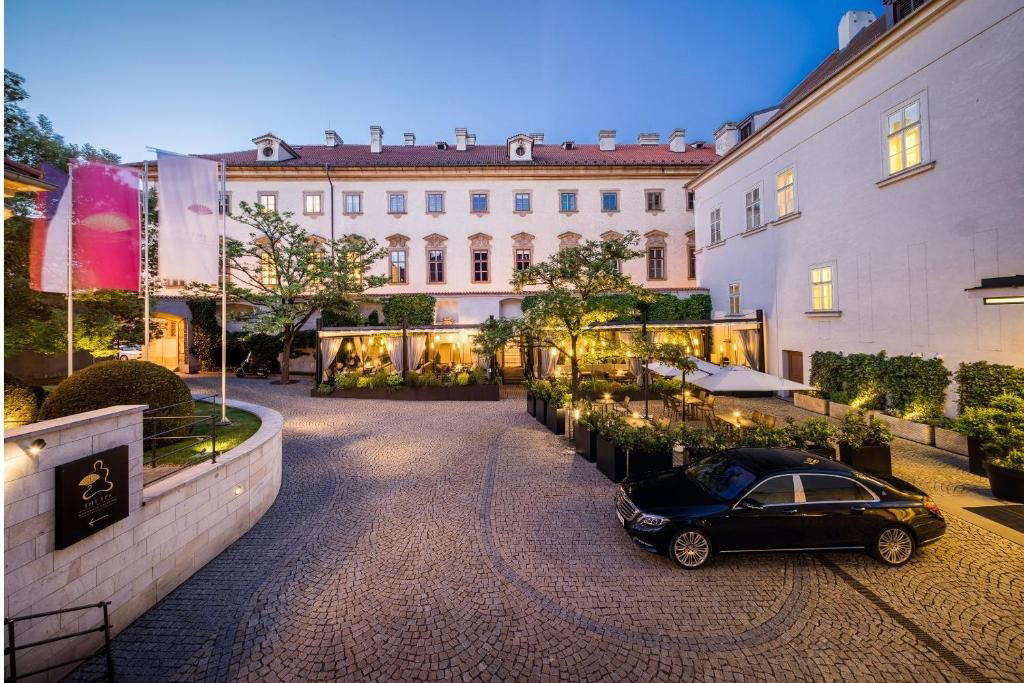
Arriving at U Matěje 1 in Dejvice requires a deliberate choice to be there. The address sits in a residential quarter of Prague 6, surrounded by greenery and well clear of the tourist circuits that concentrate attention on Malá Strana and Staré Město. The building shares its plot with sister restaurant U Matěje, and the approach feels more like visiting a private house than entering a dining destination. That displacement from the centre is, in part, the point: it filters the room before anyone has eaten a bite.
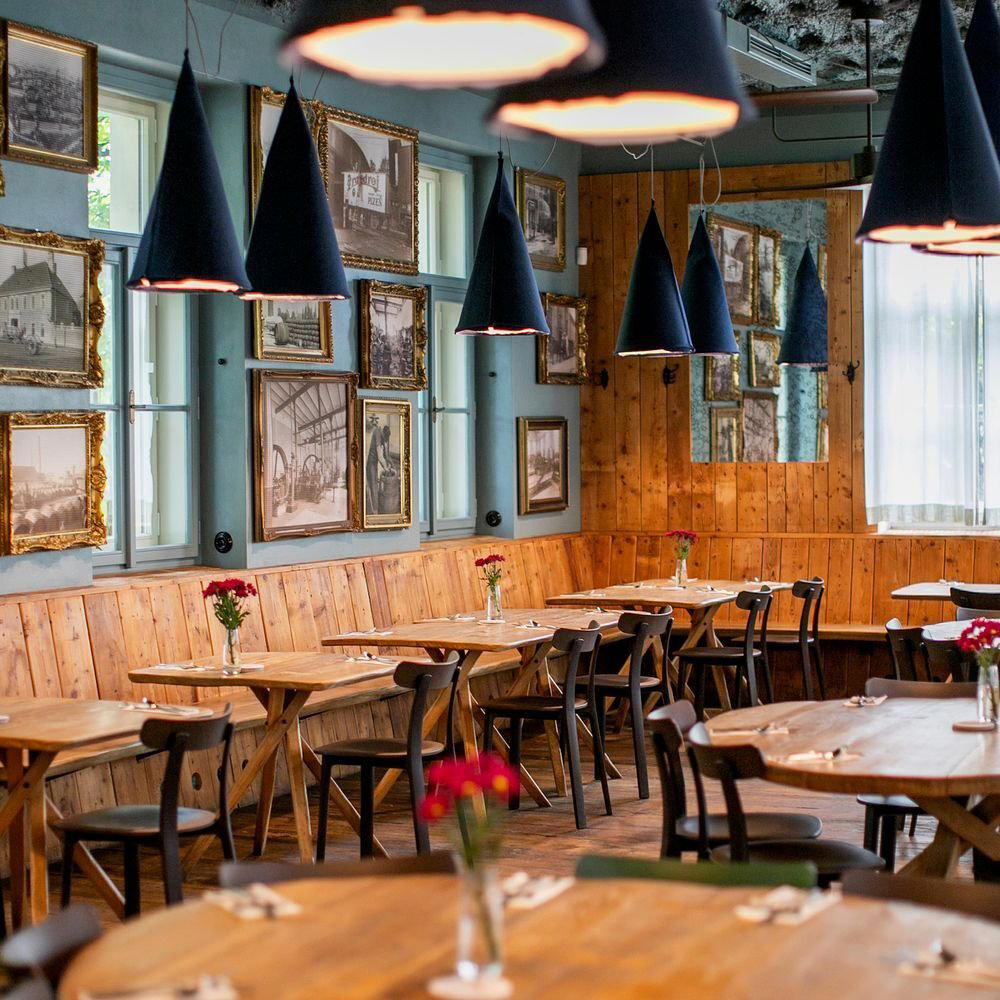
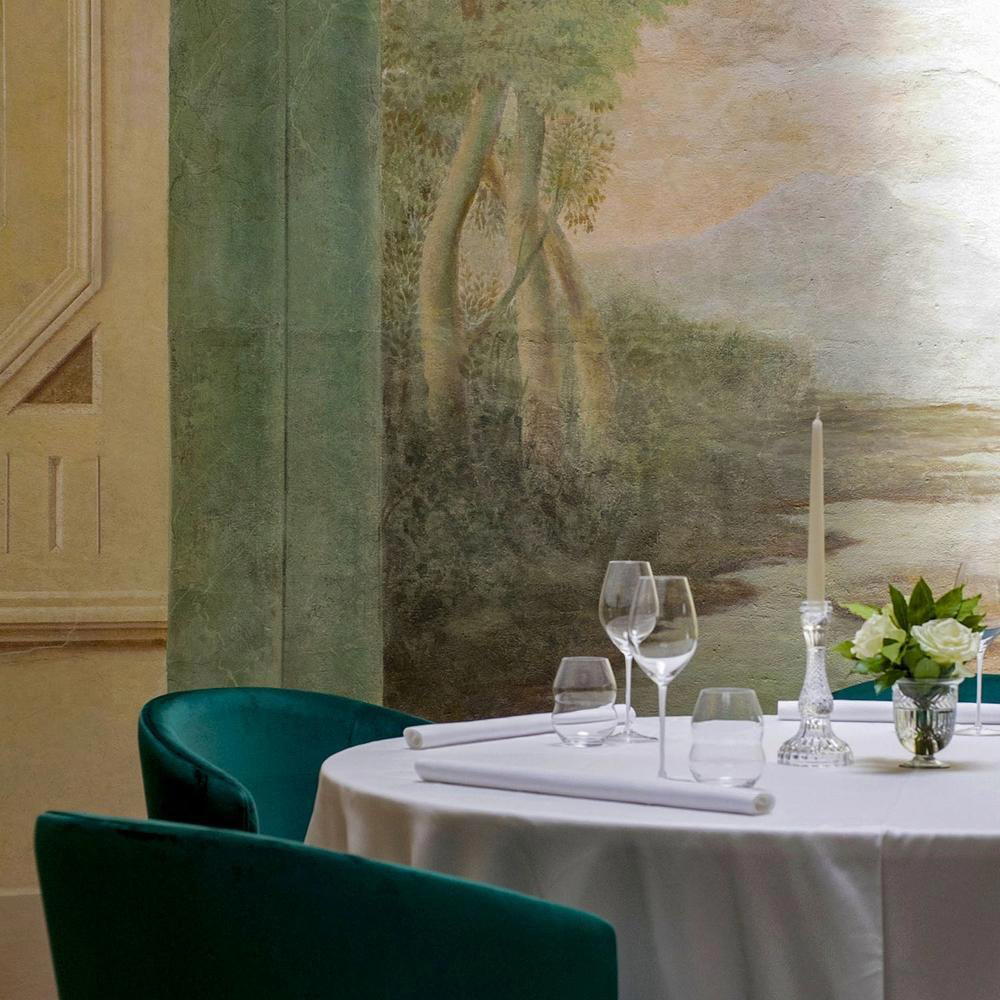
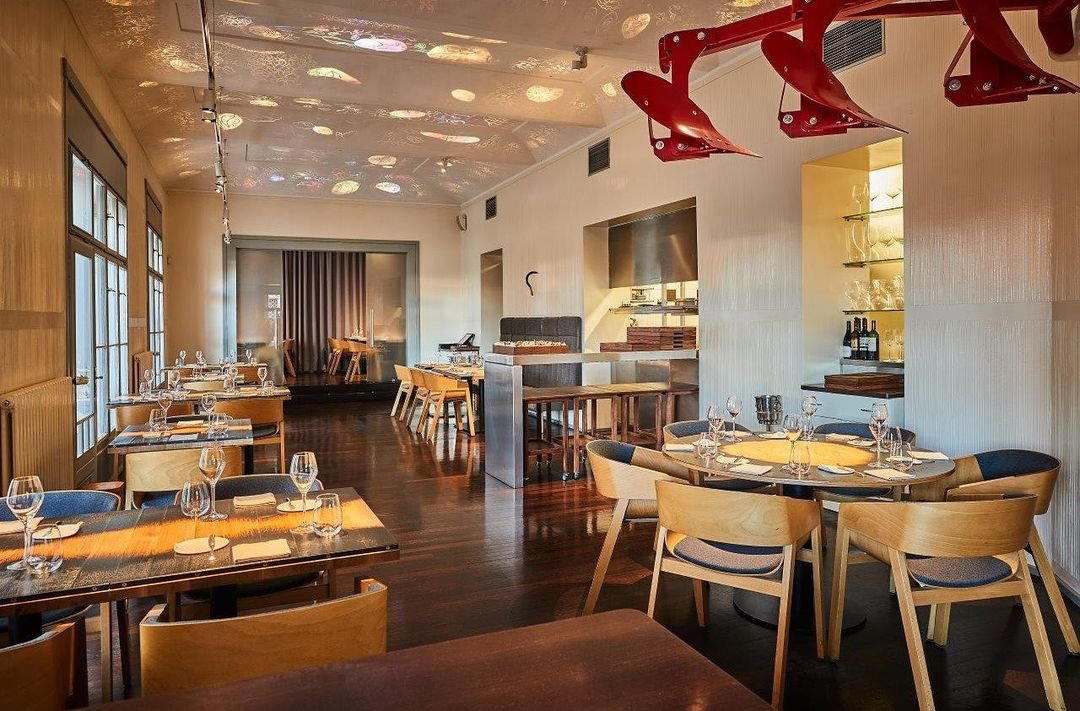
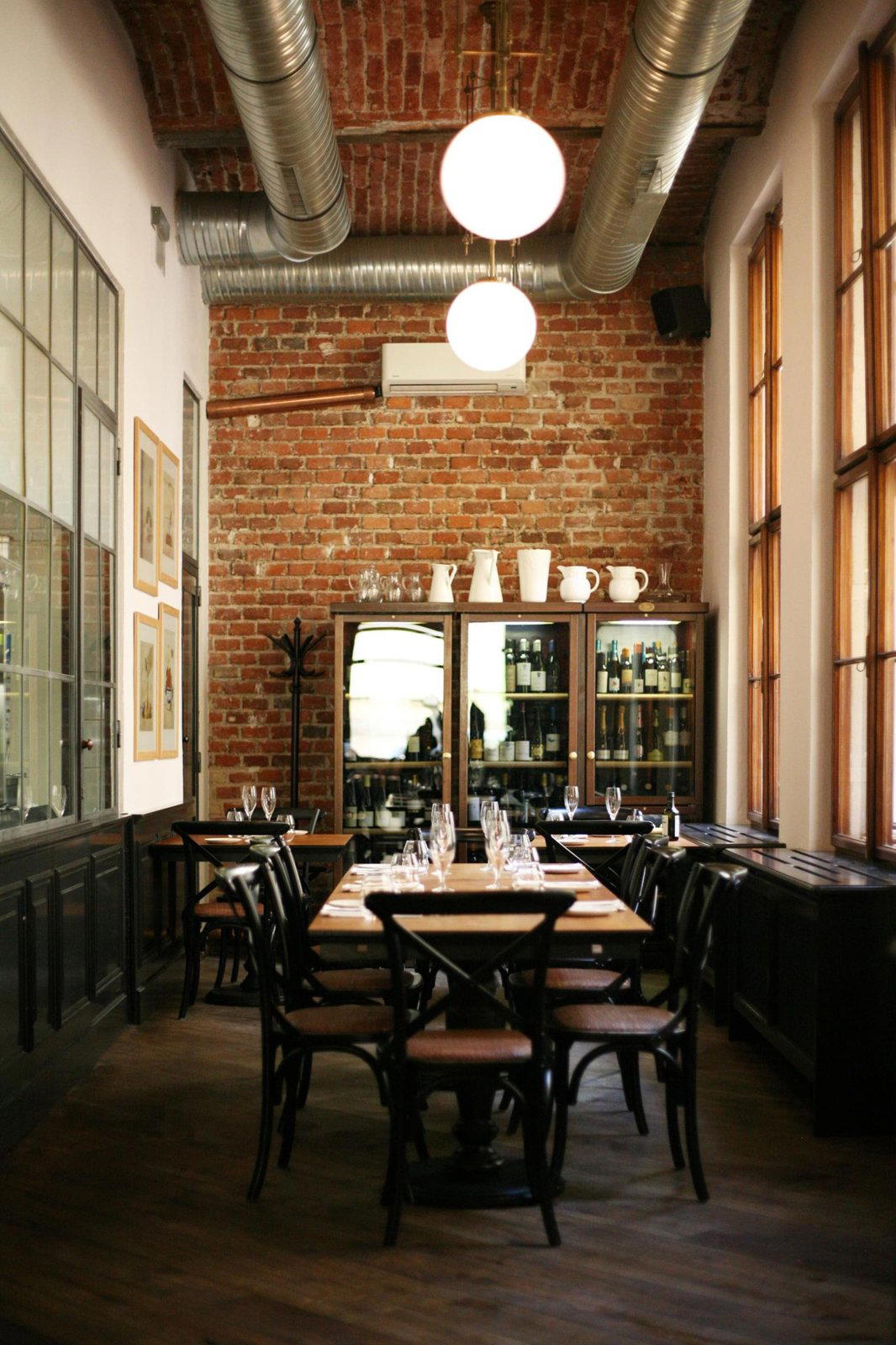
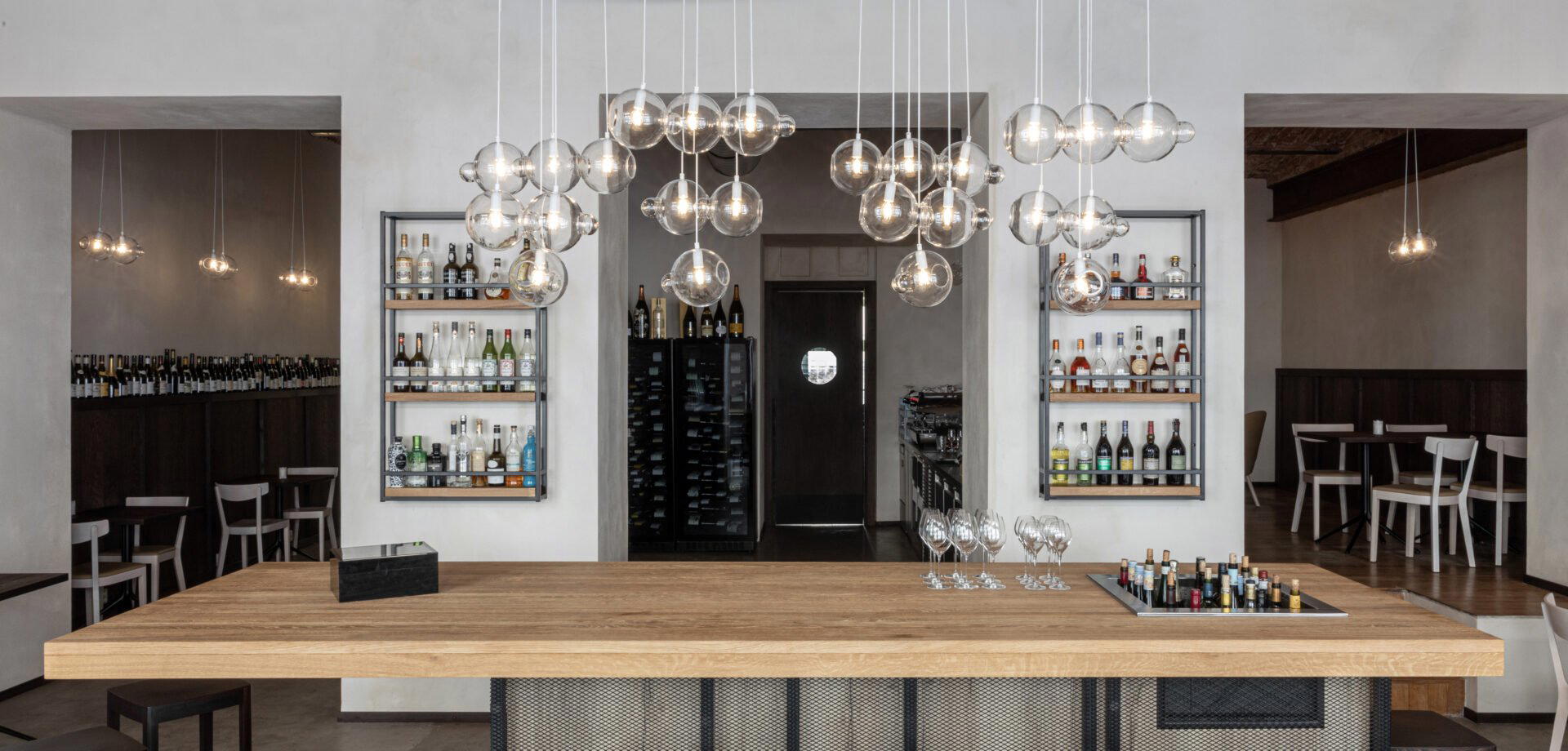
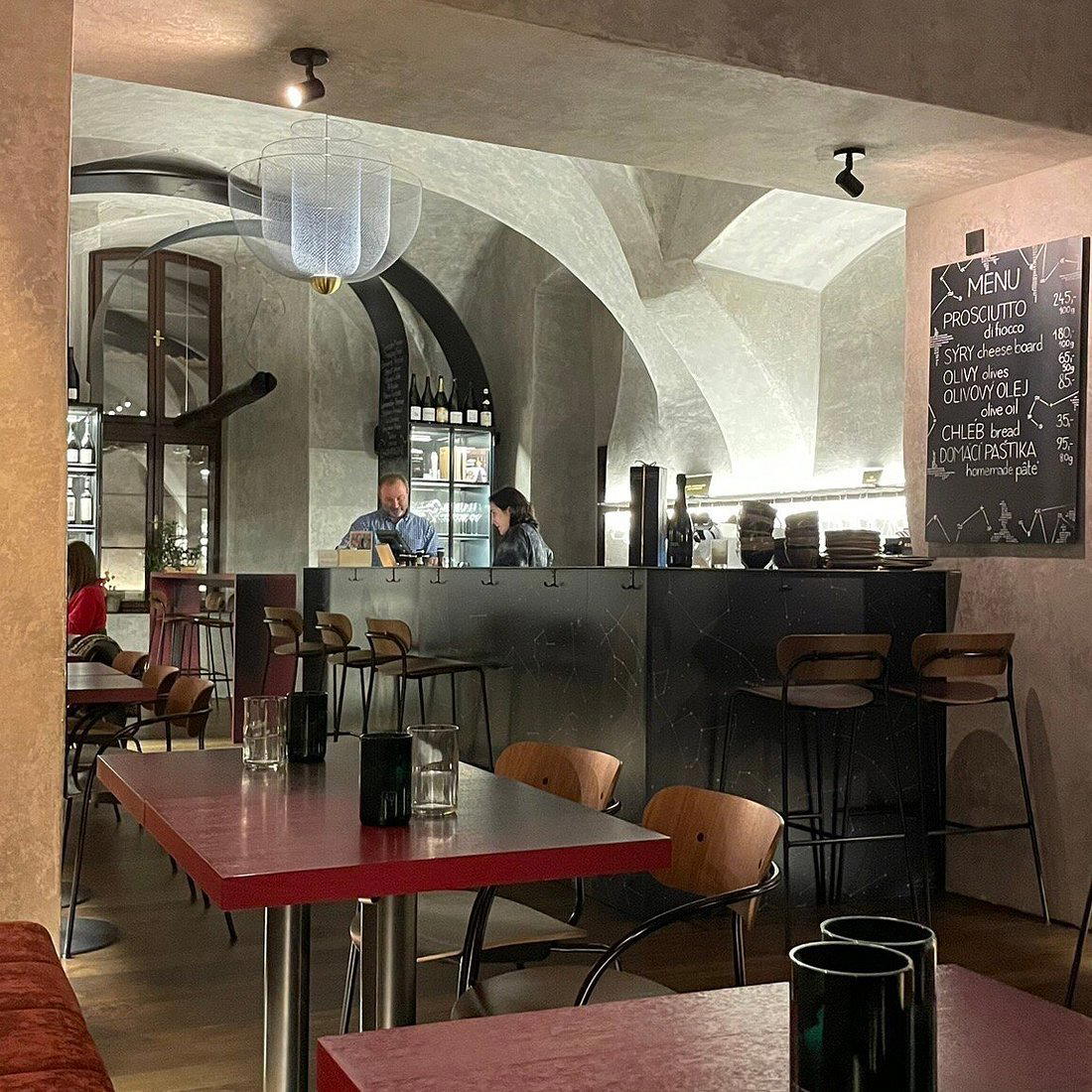
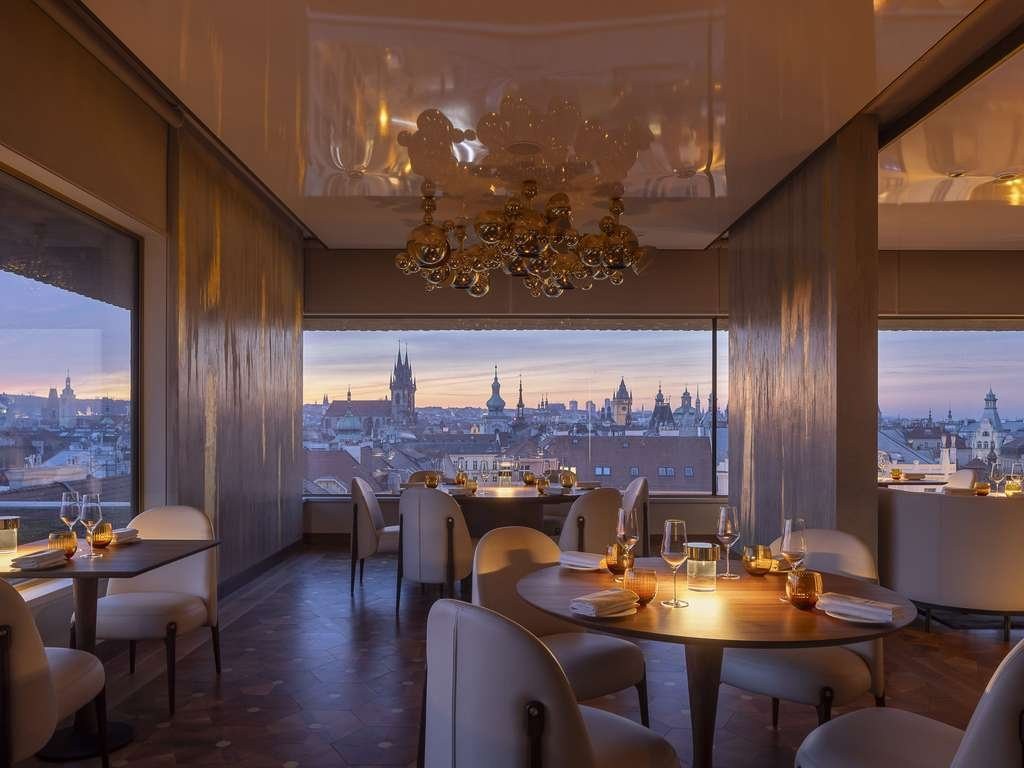
Inside, the space reads as modern and spare, with a rustic grain to the materials that keeps it from feeling clinical. The most consequential design decision is the open kitchen, visible from every table in a room that holds only a handful of covers. That configuration is not incidental. In Prague's emerging fine-dining tier, the relationship between a small, watchable kitchen and a short tasting menu has become a coherent format — one that places culinary process, rather than room theatrics, at the centre of the experience. STŮL operates squarely within that format.
What the Surprise Menu Format Actually Means
Prague's more ambitious restaurants have moved steadily toward fixed tasting menus over the last decade, a shift visible at properties like La Degustation Bohême Bourgeoise, which has long anchored the city's high end with a structured, multi-course format drawing on Czech culinary heritage. What STŮL adds to that conversation is the surprise element: guests choose between a five-course or ten-course menu, but the content is not disclosed in advance. That structure puts the kitchen's sourcing decisions and the seasonality of supply at the front of the meal's logic. You are, in effect, eating what is available and what the team judges to be at its finest on a given day.
That approach places real demands on ingredient sourcing. A kitchen that discloses nothing to the guest in advance cannot hedge with safe, year-round staples. The surprise menu format works only when the produce coming into the kitchen changes regularly and warrants the change. Among the more interesting developments in Czech fine dining over recent years has been the expansion of supplier networks reaching into regional producers: Bohemian and Moravian farms, foragers working the forests of central Bohemia, and small artisan producers whose output is limited enough that menus built around them shift by necessity. Restaurants operating on this model, whether in Prague or in the Czech countryside at places like Babiččina zahrada in Průhonice or Cattaleya in Čeladná, are implicitly making a claim about their sourcing relationships. The menu cannot stay surprising for long if the sourcing stays static.
The young team in STŮL's open kitchen is, by the venue's own framing, ambitious. That word carries weight in a small-covers format: ambition here means technical reach within tight constraints, not scale. Comparable kitchens elsewhere in Europe that have pursued this combination of small format and daily sourcing discipline, such as Le Bernardin in New York City or, at a very different price point, Atomix in New York City, demonstrate that the format can carry serious culinary weight when the sourcing relationships are genuine and the kitchen has the skill to respond to what arrives each morning.
The Dejvice Context
Dejvice has an identity distinct from Prague's centre. It is the city's diplomatic and academic quarter, home to embassies, university faculties, and a residential density that gives its restaurant scene a local-first character. The neighbourhood's dining options tend toward neighbourhood reliability rather than destination ambition, which makes STŮL's tasting-menu format a genuine departure from the surrounding context rather than a logical extension of it. That contrast works in the restaurant's favour: the room is quieter than a comparable venue in Vinohrady or Žižkov would likely be, and the clientele skews toward deliberate visitors rather than walk-ins.
For comparison, Prague's centre-facing fine dining, including Alcron and the more accessibly priced contemporary offer at 420 Restaurant, operates under the weight of tourist footfall that Dejvice simply does not have. That footfall can sustain a room but it can also dilute it. A restaurant with a handful of tables in a residential quarter needs a different kind of reputation to fill those covers — one built on word of mouth and repeat visitors rather than trip-planning searches. Across the Czech Republic, a similar dynamic plays out at Bohém in Litomyšl and Chapelle in Písek, where geographic remove from Prague concentrates a local audience and produces a distinct room character.
Service and Room Character
The waitstaff at STŮL are described as charming and attentive, which in a small, open-kitchen room is less a courtesy note than a structural fact. When the room holds only a few tables and the kitchen is fully visible, the service team operates in close proximity to the cooking at all times. That configuration eliminates the buffer that larger restaurants use to smooth over timing and communication gaps. The result, when it works, is a meal that feels coherent rather than episodic: kitchen pace and table pace aligned because neither can easily drift from the other.
Guests arriving by car should note that parking is available directly in front of the building, with a parking app recommended for payment. That detail matters in Dejvice, where street parking in residential zones operates under zone restrictions that catch unfamiliar visitors. The sister restaurant U Matěje shares the address and the plot, so the two venues are visible from each other; arriving guests should confirm which entrance corresponds to their reservation. For broader orientation in Prague's dining scene, our full Prague restaurants guide maps the city's tasting-menu tier alongside more casual options, and Alma and Amano represent points of comparison for contemporary cooking at different price positions in the city. If you are planning a wider Czech Republic itinerary, ARRIGŌ in Děčín and ATELIER bar and bistro in Brno extend the map beyond the capital. For accommodation and further Prague planning, our full Prague hotels guide, bars guide, wineries guide, and experiences guide cover the full city picture.
Practical Notes for Planning
STŮL operates with limited covers by design. A room of this size, offering a surprise tasting menu in a residential neighbourhood, typically books ahead rather than absorbing walk-in traffic. Given those constraints, planning at least several weeks in advance is advisable, particularly for weekend evenings. The choice between the five- and ten-course formats is worth considering before booking rather than at the table: the ten-course menu is a meaningful time commitment in a room that moves at kitchen pace, while the five-course option gives a complete reading of the kitchen's current direction in a shorter sitting. Neither is a lighter version of the other; they are different formats rather than different portions of the same one.
Frequently Asked Questions
- What is the signature dish at STŮL?
- STŮL operates a surprise menu format, meaning no dishes are disclosed in advance and the kitchen's output changes with sourcing and season. There is no fixed signature dish in the conventional sense; the kitchen's identity is expressed through the menu as a whole rather than any single preparation. Guests who have eaten at restaurants with similar formats, including La Degustation Bohême Bourgeoise in Prague, will find that framing familiar.
- How far ahead should I plan for STŮL?
- Given the small number of covers and the restaurant's location in a residential quarter that filters out walk-in traffic, booking ahead is advisable. For weekend evenings or when travelling to Prague on a fixed itinerary, several weeks' notice is a reasonable minimum. The restaurant sits in a different planning category from larger Prague venues: capacity constraints, not popularity alone, determine availability.
- What is STŮL leading at?
- The kitchen's strength, as the format implies, is in responding to available produce and building a coherent menu around what is seasonal and sourced well on a given day. That discipline is most visible in the ten-course format, where the kitchen has more room to develop ideas across a longer sequence. Guests primarily interested in Czech fine dining's current direction, rather than its classical expressions, will find STŮL a useful reference point alongside La Degustation and Alcron.
Comparable Spots, Quickly
Comparable venues nearby, for context on price, style, and recognition.
| Venue | Cuisine | Price | Awards | Notes |
|---|---|---|---|---|
| STŮLThis venue — the venue you are viewing | International Seasonal Fine Dining | $50–100 | Michelin Plate | Not listed |
| Apelace21 | Contemporary Czech Fine Dining | $50–100 | Michelin Plate | Praha 2 |
| QQ Asian Kitchen | Modern Asian Fusion | $30–50 | Michelin Plate · Falstaff Restaurant - 94 Falstaff Points | Nove Mesto |
| Antricote Steakhouse | Premium European Steakhouse | $50–100 | Michelin Plate | Josefov |
| CottoCrudo | Modern Italian | $50–100 | Michelin Plate · Wine Spectator Award of Excellence | Josefov |
| Eska | Modern Czech with Neo-Nordic Influences | $30–50 | Not listed | Karlin |
Recognition history
Dated appearances from independent guides and award organizations, with the underlying list record or original source where available.
Michelin Plate
Michelin
Details
- Modern
- Rustic
- Intimate
- Minimalist
- Special Occasion
- Date Night
- Open Kitchen
- Chefs Counter
- Sommelier Led
- Tasting Menu
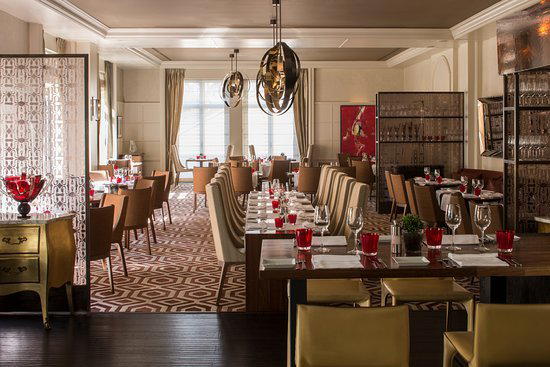
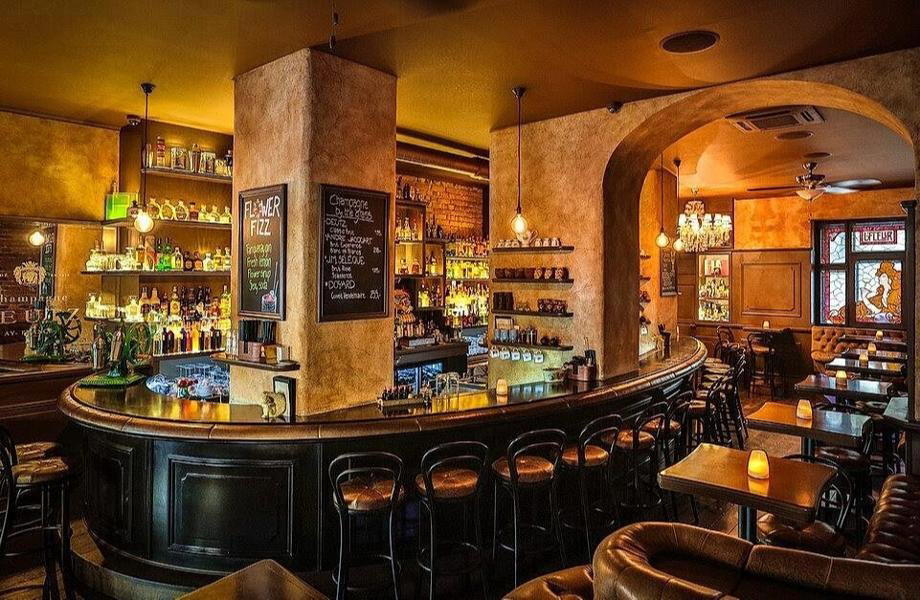
Modern yet rustic dining space with a handful of tables and attentive, charming service.