
Our verdict
SOWER in Nagahama's Nishiazai district brings innovative cooking to one of Shiga Prefecture's quieter corners, with Chef Coleman Griffin earning consecutive Opinionated About Dining rankings in Japan's top 300 for 2024 and 2025.. For context on the broader Nagahama scene, see our full restaurant guide.

Pearl is the En Primeur Club membership app — saves, bookings, and concierge access live there. Same editors, same standards.
- Address
- 2064 Nishiazaicho Oura, Nagahama, Shiga 529-0721, Japan, Nagahama, Kansai, Japan
- Phone
- +81 749-89-1888
- Website
- restaurantsower.com/
- Directions
- Get directions
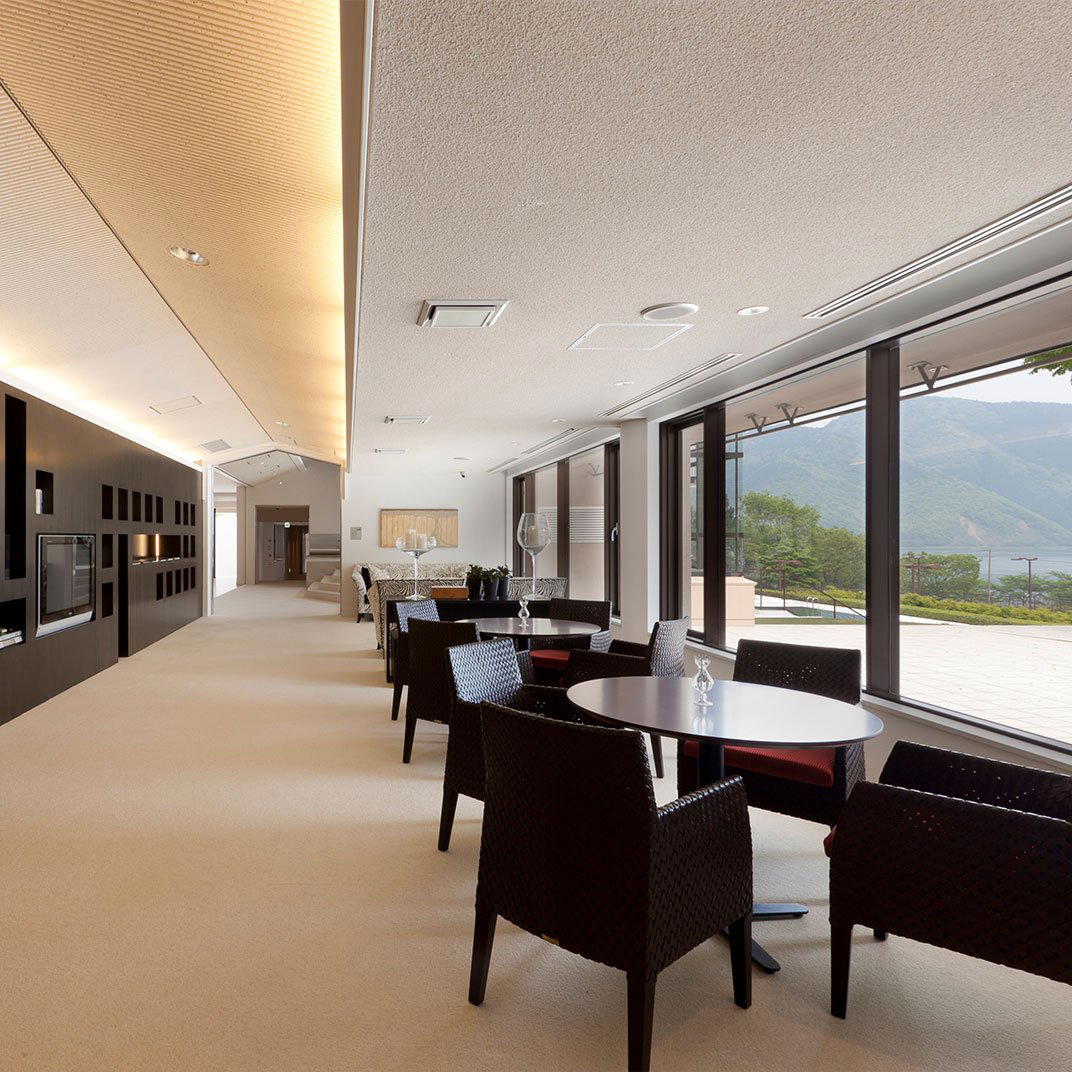
A Remote Address With a Measurable Reputation
Lake Biwa's northern shore is not where most travellers expect to find a restaurant with two consecutive entries in Opinionated About Dining's annual ranking of Japan's leading restaurants. Nishiazai, the sub-district of Nagahama where SOWER operates, sits well beyond the tourist radius of Kyoto or Osaka, on a stretch of Shiga Prefecture where rice fields and the lake's grey-green water dominate the view. That geographical remove is not incidental to what SOWER does — it is the structural condition that defines the restaurant's sourcing logic and, by extension, its cooking.
In Japan's premium innovative dining tier, a category that includes places like HAJIME in Osaka and MAZ in Tokyo, the gap between urban flagship and rural outlier used to be stark. Recognition flowed almost exclusively to addresses in Tokyo, Kyoto, or the major Kansai hubs. SOWER's consecutive OAD placements — ranked 285th in Japan for 2024 and climbing to 298th in 2025 within the list's broader rankings context, indicate that critical recognition is now finding restaurants at greater geographic distance from those centres. That is a meaningful shift in how Japan's food culture is being mapped by the people who track it most closely.
Ingredient Sourcing as the Central Argument
Shiga Prefecture holds a specific agricultural identity that any kitchen operating here has direct access to. Omi beef, one of Japan's three canonical wagyu strains alongside Matsusaka and Kobe, is raised in this prefecture. Lake Biwa, Japan's largest freshwater lake and the immediate geographical context for Nishiazai, produces hon-moroko (a native smelt), nigorobuna (the carp used in the fermented funazushi preparation), and freshwater shrimp that rarely appear outside the region. These are not exotic imports. They are the produce of SOWER's immediate surroundings, and a kitchen that treats ingredient provenance as its organising principle has the kind of raw material access here that urban restaurants have to work significantly harder to obtain.
The broader pattern in Japan's innovative dining category has moved toward direct sourcing relationships and hyper-local specificity. Restaurants like Gion Sasaki in Kyoto and akordu in Nara have built critical credibility partly on their ability to articulate where ingredients come from and why that provenance shapes flavour. SOWER's Nishiazai address puts it at the source rather than at the end of a supply chain. That positioning is harder to replicate than technique.
Chef Coleman Griffin helms the kitchen, an anglophone name in a Japanese regional setting, which carries its own implications about the international circulation of culinary talent that has reshaped Japan's innovative tier over the past decade. alla prima in Seoul represents a comparable pattern in the broader regional context: innovative cooking in a location that requires the diner to come to the food rather than the food coming to the diner.
What the Ratings Signal
For comparison, restaurants in Japan's rural and semi-rural regions that achieve OAD placement typically maintain strong local loyalty alongside critical recognition, these are not restaurants coasting on destination-dining novelty. The consistency implied by a 4.9 rating, sustained across multiple visits by different reviewers, suggests that SOWER is performing reliably rather than intermittently. That matters for a restaurant this far from major transport hubs, where a disappointing visit cannot be quickly remedied by trying again next week.
OAD's methodology weights the votes of prolific, well-travelled diners more heavily than casual reviewers, which means SOWER's consecutive placements reflect repeat engagement from experienced eaters rather than first-impression enthusiasm. Ranking 285th nationally in 2024 and 298th in 2025 places SOWER in a tier where it sits alongside restaurants in cities with far greater infrastructure for attracting that kind of diner. The climb down the numerical list between years does not necessarily signal decline, OAD rankings shift with the volume and composition of votes each cycle, but the presence across two consecutive years confirms the restaurant has passed the threshold of a single-year anomaly.
The Nagahama Context
Nagahama's dining scene is narrow by the standards of Japan's major cities, but it is not without serious eating. Kyogokuzushi and Tokuyamazushi represent Shiga's kaiseki and traditional sushi orientations respectively, and the prefecture's culinary identity leans toward quiet precision rather than the high-profile showmanship of Osaka or the ceremony of Kyoto. SOWER's innovative classification puts it in a different register from those traditional formats, closer in spirit to the cross-referencing of Japanese ingredient culture with contemporary technique that characterises restaurants like Goh in Fukuoka or affetto akita in Akita, both of which operate outside Japan's primary culinary capitals while maintaining national critical standing.
For travellers constructing a Kansai itinerary that extends beyond the Kyoto-Osaka-Nara triangle, Nagahama adds a full day's worth of content: the Kurokabe glass district, Nagahama Castle, and the lake itself. SOWER functions within that extended itinerary as the anchor dining experience, the reason to arrive the night before rather than transit through. See our full Nagahama restaurants guide for the complete picture of what the city offers at table, and consult our Nagahama hotels guide for accommodation options if you are staying overnight. Guides to bars, wineries, and experiences in the area round out the planning resources.
Planning a Visit
SOWER is located at 2064 Nishiazaicho Oura, Nagahama, Shiga, a specific address in the Nishiazai area north of Nagahama city centre, rather than within easy walking distance of the main station. Visitors arriving by rail will need onward transport from Nagahama Station. Given the restaurant's remote position relative to Japan's major dining cities and its growing critical profile, advance reservation is advisable; the OAD community that votes for restaurants of this standing tends to plan visits deliberately rather than walk in. Comparison restaurants operating at a similar innovative tier in secondary Japanese cities, such as 1000 in Yokohama or 6 in Okinawa, typically require bookings several weeks to months in advance. SOWER's Shiga address makes it a natural pairing with a broader Lake Biwa circuit rather than a standalone urban day trip.
What Should I Eat at SOWER?
What the awards and sourcing context do confirm is that the kitchen operates in an innovative register, drawing on the agricultural and aquatic produce of Shiga Prefecture, Omi beef, Lake Biwa freshwater fish, and the region's rice and vegetable culture, and treating ingredient provenance as the foundation of its cooking rather than as a garnish to technique. The OAD placements indicate that the approach has earned sustained approval from experienced diners across consecutive years. For the most current menu information, contacting the restaurant directly before visiting is the most reliable route.
Frequently asked questions
Has SOWER won any awards?
SOWER has received recognition including: Opinionated About Dining Top Restaurants in Japan Ranked #298 (2025); Opinionated About Dining Top Restaurants in Japan Ranked #285 (2024).
Who is the chef connected to SOWER?
The chef associated with SOWER is Coleman Griffin.
What should I eat at SOWER?
Chef Coleman Griffin's innovative approach suggests the menu changes with sourcing, so arriving with an open tasting mindset rather than fixed expectations is the practical stance. Confirming current offerings directly with the restaurant before visiting is advisable.
Where is SOWER located?
SOWER is located at 2064 Nishiazaicho Oura, Nagahama, Shiga 529-0721, Japan, Nagahama, Kansai, Japan, Nagahama.
A Pricing-First Comparison
| Venue | Cuisine | Price | Awards | Notes |
|---|---|---|---|---|
| SOWERThis venue — the venue you are viewing | Modern Japanese Farm-to-Table | $100–150 | Not listed | Not listed |
| Harutaka | Sushi | Not listed | Michelin 3 Star | Not listed |
| RyuGin | Modern Kaiseki | $500+ | 3 Michelin Stars · World's 50 Best #41 | Kaiseki, Japanese |
| HAJIME | French, Innovative | Not listed | Michelin 3 Star | Not listed |
| L'Effervescence | French | Not listed | Michelin 3 Star | Not listed |
| HOMMAGE | Innovtive French, French | Not listed | Michelin 2 Star | Not listed |
Recognition history
Dated appearances from independent guides and award organizations, with the underlying list record or original source where available.
Opinionated About Dining Top Restaurants in Japan Recommended
Opinionated About Dining
Full recognition history (3 entries)
Opinionated About Dining Top Restaurants in Japan Ranked #298
Opinionated About Dining
Opinionated About Dining Top Restaurants in Japan Ranked #285
Opinionated About Dining
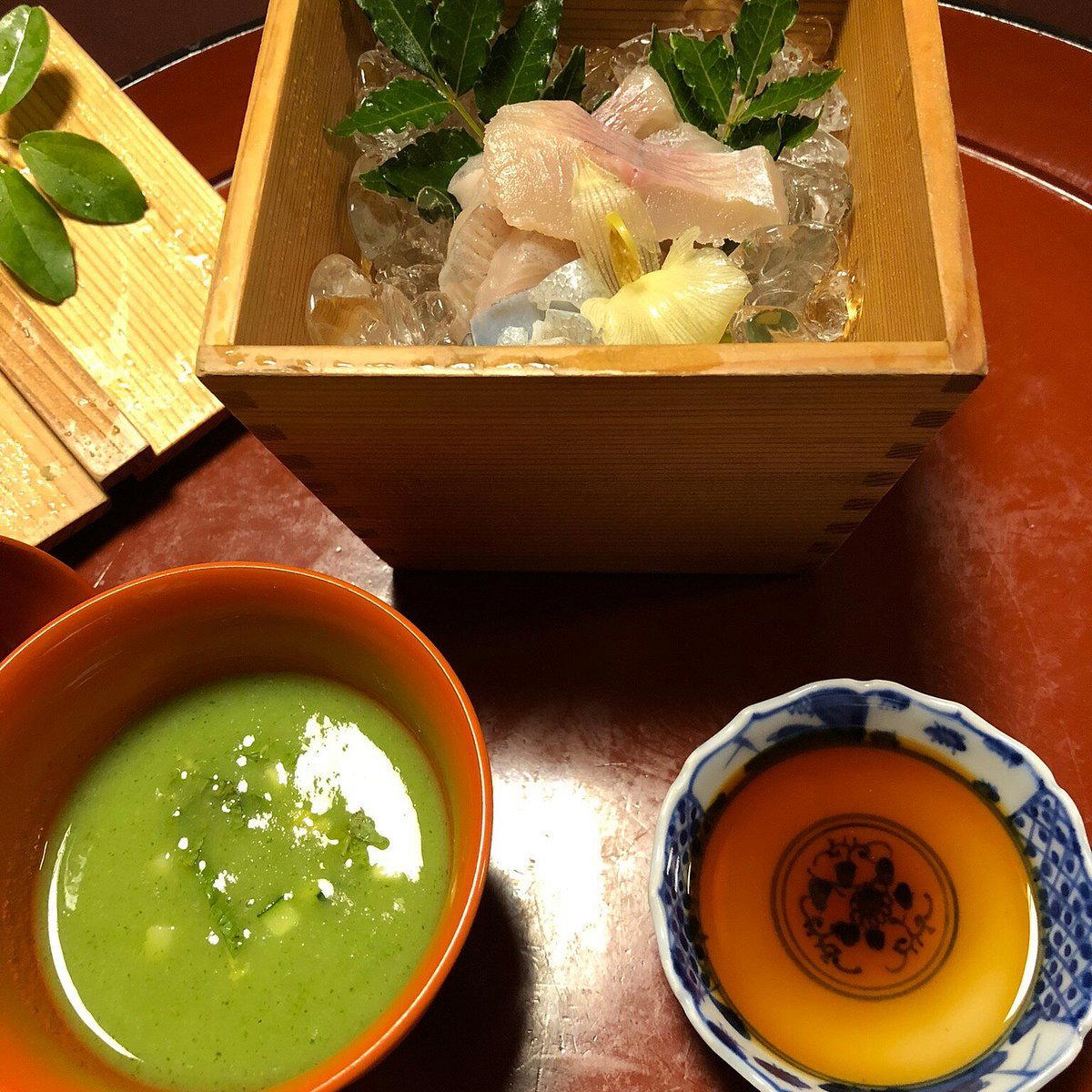
SOWER
The wine
- Wine program
- Curated wine list
- Extensive wine list
- Sake program
- Craft cocktails
Details
- Scenic
- Elegant
- Sophisticated
- Modern
- Special Occasion
- Date Night
- Waterfront
- Private Dining
- Hotel Restaurant
- Sake Program
- Extensive Wine List
- Craft Cocktails
- Farm To Table
- Local Sourcing
- Waterfront
- Tasting Menu
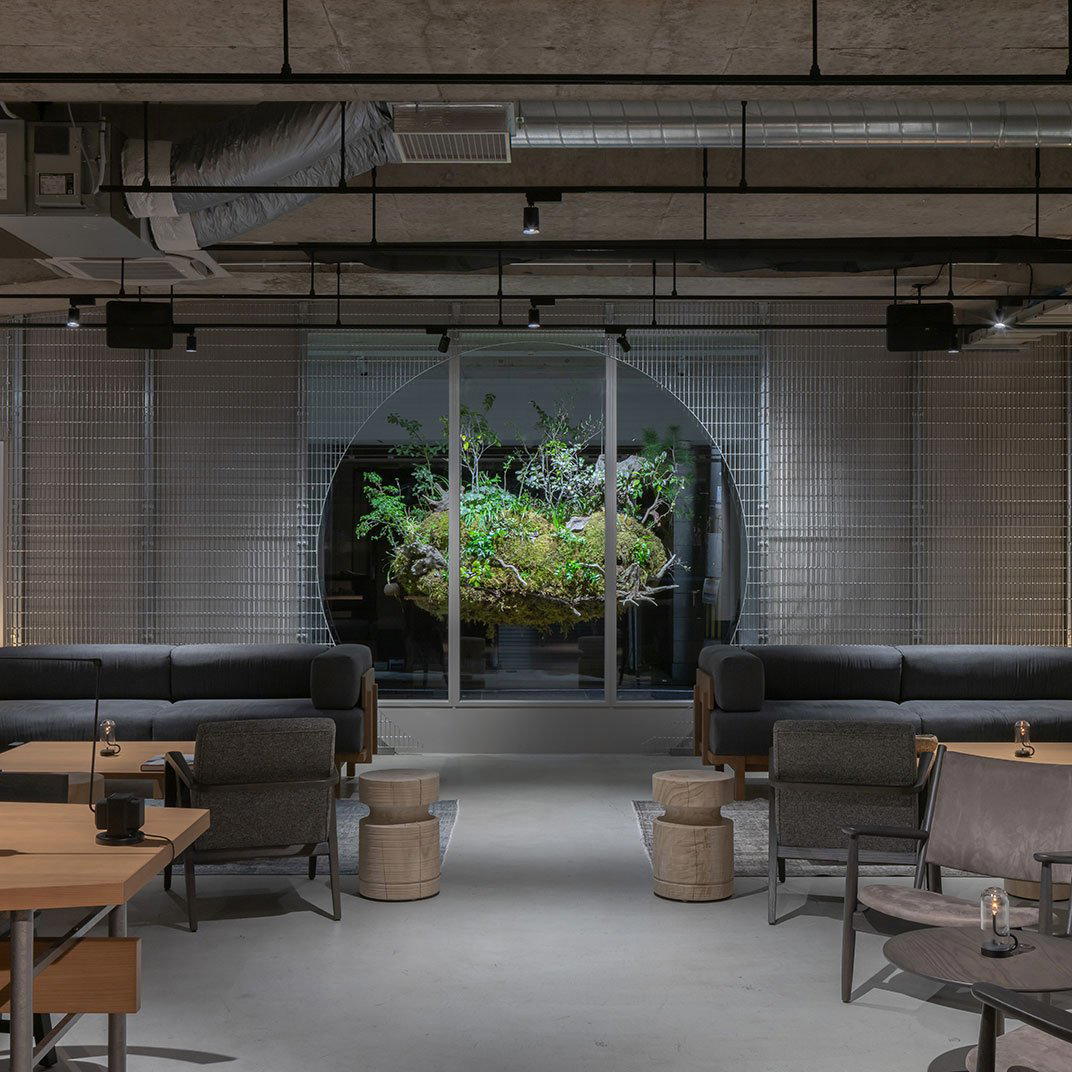
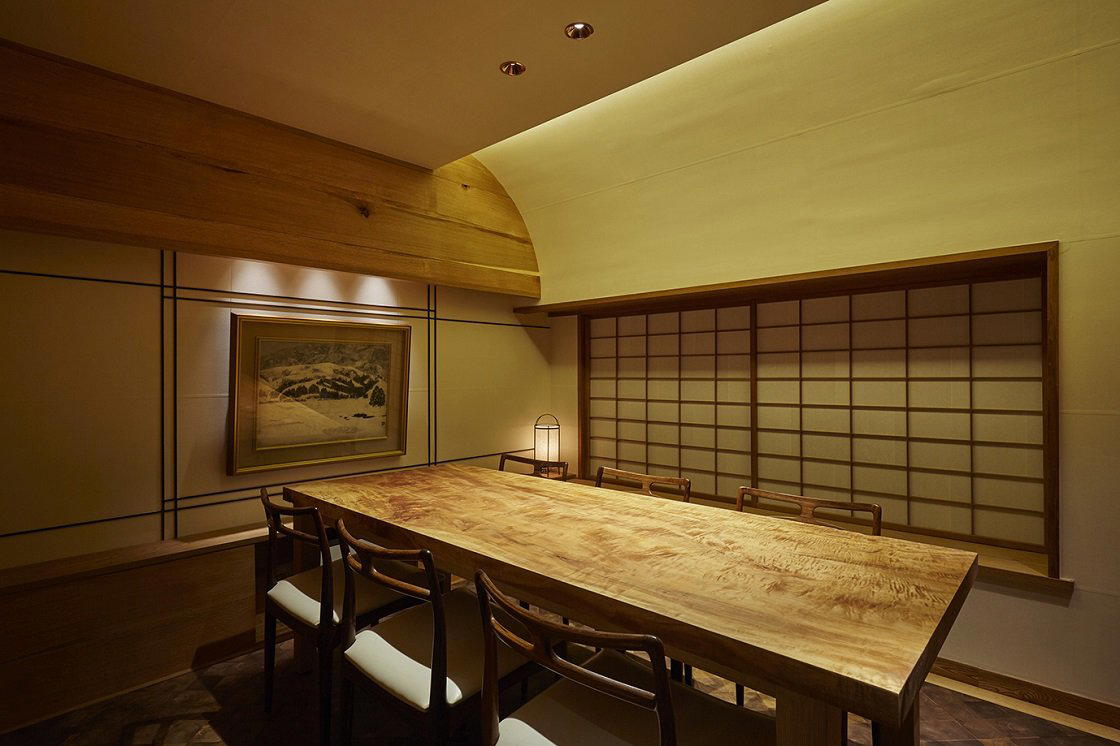
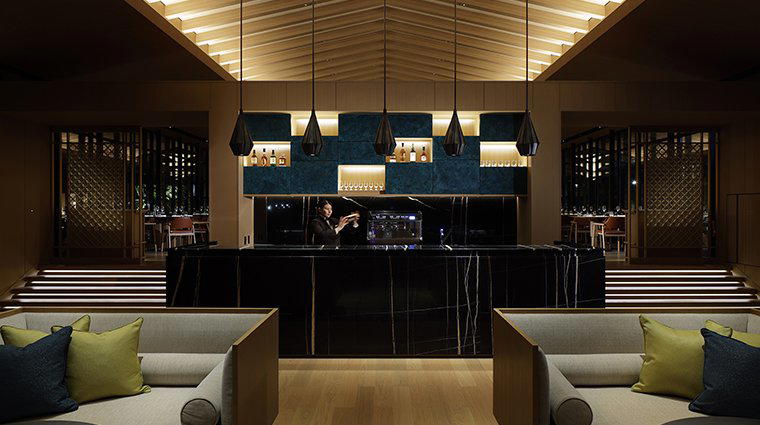
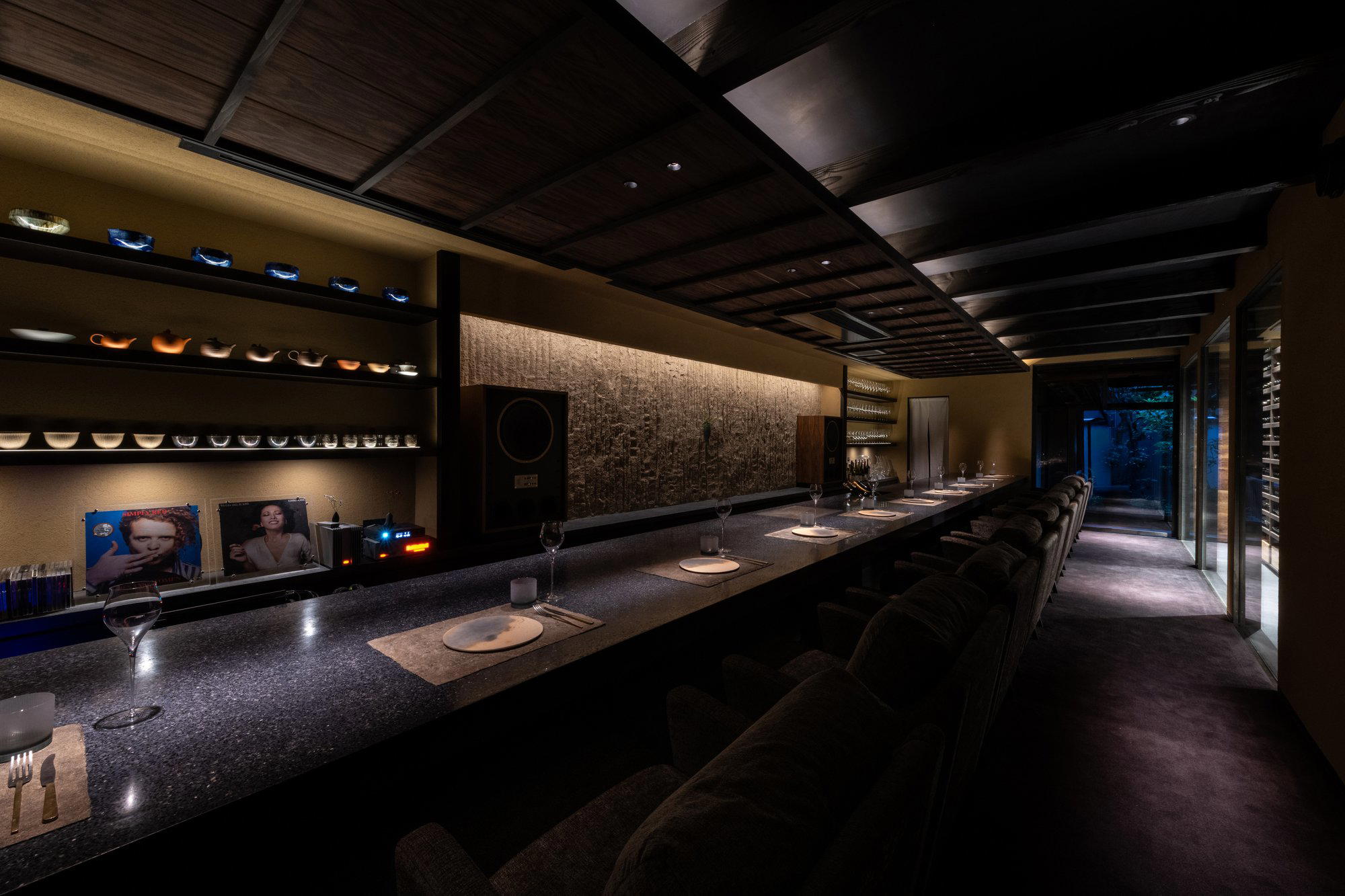
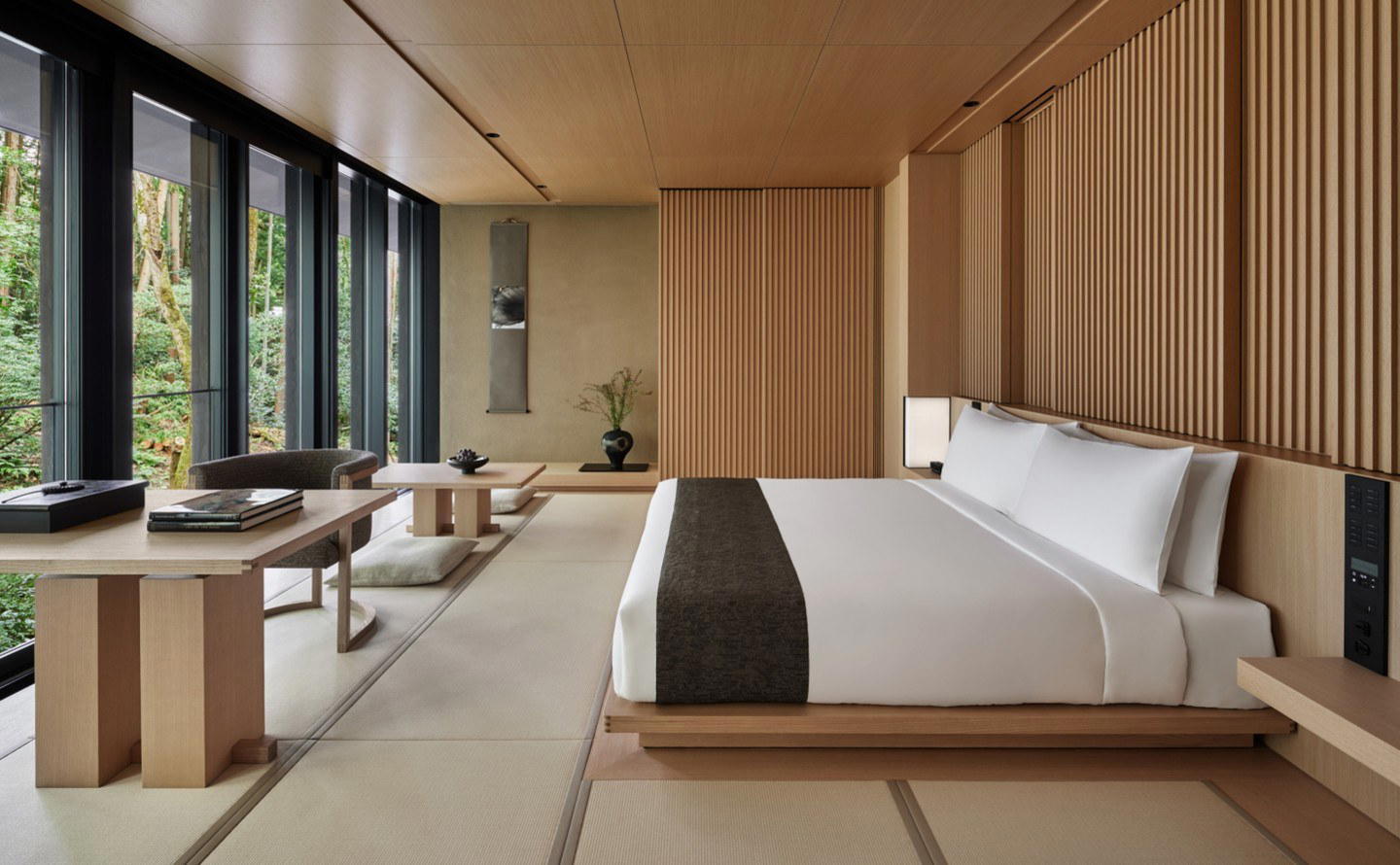
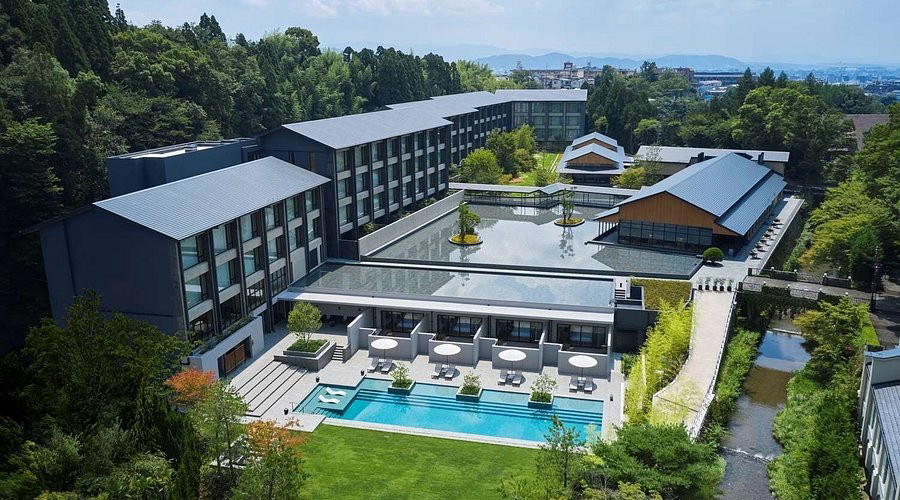
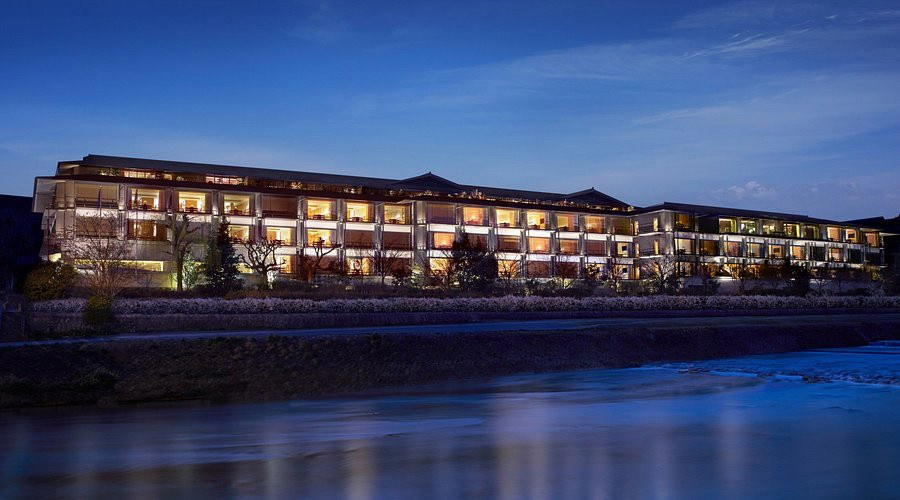
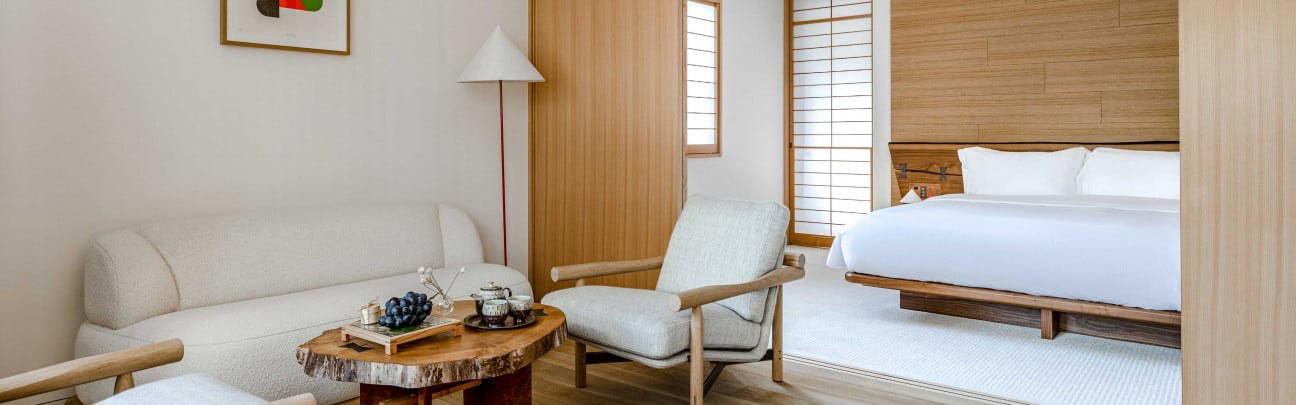
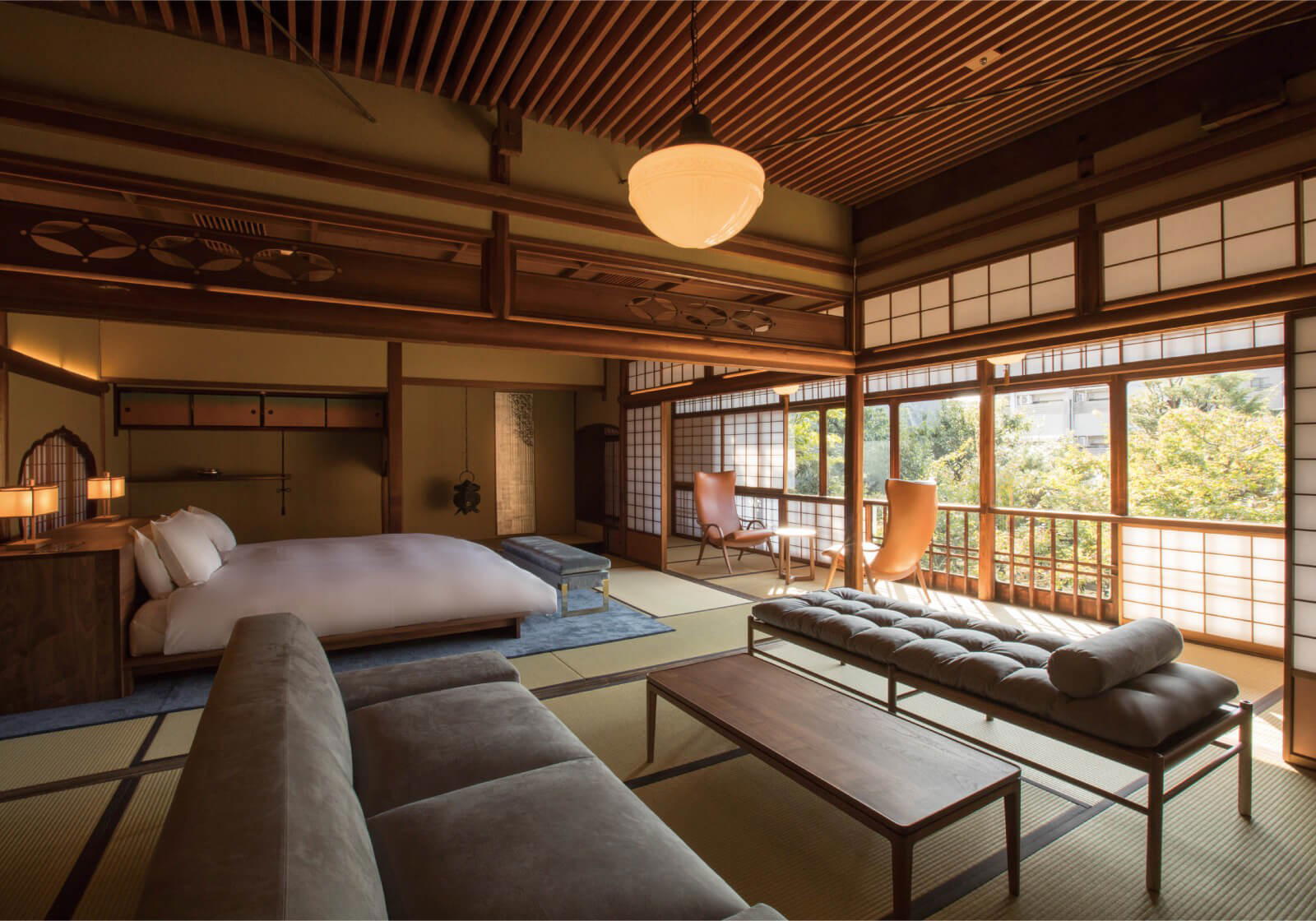
Relaxing stylish space with natural materials, soft lighting, and serene atmosphere overlooking Lake Biwa.