
SUJÁN JAWAI sits in the Rajasthan steppe where leopards move through granite outcrops at dusk and the Rabari herdsmen have managed this terrain for centuries. The camp's Indian Fusion kitchen draws on the spice traditions of Marwar, translating whole-spice tempering and slow-cooked techniques into a format that matches the scale and mood of the landscape. Rated 4.8/5 by EP Club members and 4.9 on Google Reviews, it belongs to a small tier of wilderness experiences where the dining is inseparable from the setting.
 Discover on Pearl
Pearl is the En Primeur Club membership app — saves, bookings, and concierge access live there. Same editors, same standards.
- Address
- JAWAI DAM DISTRICT, Pali Marwar, RAJASTHAN, Rajasthan 306126, India
- Phone
- +91 11 4617 2700
- Website
- thesujanlife.com
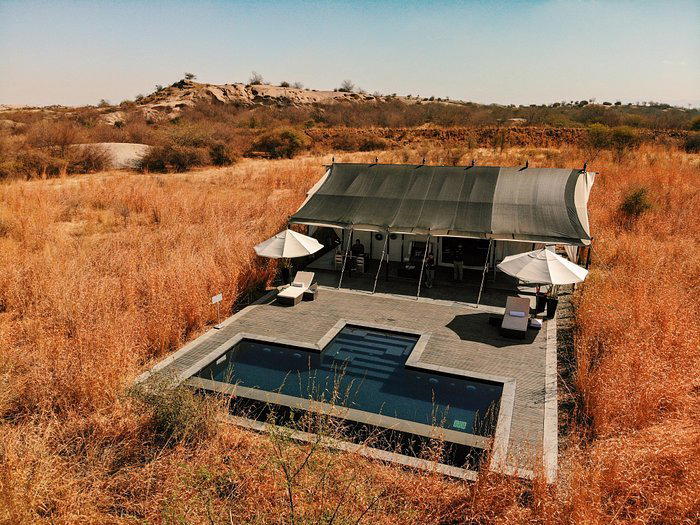
Where the Steppe Sets the Table
The Rajasthan steppe around Jawai Dam is a place where leopards and pastoral communities share the same rock-scattered terrain. The Rabari herdsmen who move cattle and camels through this district have done so for generations, and the granite hills above the dam hold leopard dens that have been used, reportedly, for decades. SUJÁN JAWAI is positioned inside that ecology, not beside it, which shapes everything about the experience, including what and how you eat. For context on the wider region, see our full Bisalpur, District Pali-Marwar restaurants guide.
The Spice Logic of Marwar
Marwari cooking carries a particular spice architecture shaped by geography. The region sits at the edge of the Thar Desert, where water is scarce and dairy, pulses, and dried ingredients historically dominated. The spice tradition here relies heavily on whole-spice tempering: mustard seeds crackling in hot ghee, dried red chillies releasing their fat-soluble heat, cumin blooming before any liquid enters the pan. This is not the wet-masala approach of coastal or Mughal-influenced kitchens. It is drier, more direct, and tuned to ingredients that hold up in heat.
SUJÁN JAWAI's kitchen works within an Indian Fusion framework, which at this tier of wilderness hospitality typically means the spice structure of regional tradition is retained while sourcing and presentation are calibrated for an international guest. The result sits in the same broad conversation as places like Adaa at Falaknuma Palace in Hyderabad or Jamavar Delhi, where the vocabulary is recognisably Indian but the grammar has been adjusted for context. Here, that context is a camp where guests have spent the morning on foot or in a vehicle watching leopards, and the meals need to restore without overwhelming.
Whole spices used in their unground form, left in a dish or strained before service, are characteristic of this regional style: cardamom pods in a rice preparation, a cinnamon stick slow-cooked into a dal. The blooming technique, where spices hit clarified butter or oil at high heat before other ingredients are added, extracts fat-soluble compounds that water-based cooking cannot reach. This is the technical foundation behind what guests at a camp like SUJÁN JAWAI taste, even when the plating suggests something more refined than a village kitchen. For those who want to place this within India's wider cooking traditions, Dum Pukht in New Delhi shows how the dum slow-cooking tradition operates at the other end of the spice-and-patience spectrum.
Intimate Scale and What It Implies
SUJÁN JAWAI operates as an intimate camp, and that scale has direct consequences for dining. Smaller guest counts mean the kitchen can respond to who is actually in residence rather than running a fixed large-format service. In this respect, it differs structurally from resort-scale operations. The intimacy noted in the property's highlights is not incidental; it is the format. Dining in a camp of this type tends to be communal by default, timed around wildlife activity rather than conventional meal hours, and calibrated to the temperature and light of the steppe evening.
This positions SUJÁN JAWAI in a different comparable set than urban Indian Fusion restaurants. The comparison is less with city addresses like The Table in Mumbai or Farmlore in Bangalore and more with the small cohort of Indian wilderness properties where hospitality depth is measured by how completely a guest is absorbed into the environment. For a sense of how Indian Fusion operates across different city contexts, Americano in Mumbai and Le Cirque Signature at The Leela Palace in Bangalore offer useful points of contrast.
The Rabari Dimension
The camp's engagement with the local Rabari community is listed as one of its headline features, and this is worth understanding in the context of what it adds to the food experience. The Rabari are semi-nomadic pastoralists whose diet has historically been shaped by what their herds produce: milk, buttermilk, ghee, and occasional meat. Dairy in Rajasthani cooking is not a garnish but a structural ingredient, and the spice combinations used to temper dairy-based dishes, particularly the use of ajwain and dried ginger in colder months, reflect centuries of practical knowledge. Exposure to that community context gives the camp's dining a referential layer that a city restaurant cannot replicate.
Other parts of Rajasthan offer parallel culinary encounters at different scales. Chandni in Udaipur operates within a more conventional dining format but draws on similar regional spice traditions. Dining Tent in Jaisalmer offers a comparable desert-setting experience in the western reaches of the state.
Getting There and Planning the Visit
Access to SUJÁN JAWAI requires some commitment. Udaipur Airport (UDR) is approximately 140 kilometres away, and Jodhpur Airport (JDH) approximately 160 kilometres, making either a reasonable fly-in option depending on wider travel plans. Jawai Bandh train station is 25 kilometres from the property, which is the most direct rail option if arriving from elsewhere in Rajasthan. Reservations and directions are handled through the camp's central reservations line at (+91) (11) 4617 2700. Given the distance from major airports and the leopard-watching schedule, arriving before dark is advisable; early morning game drives are typically the most productive, which means overnight stays are the base unit of visit.
SUJÁN JAWAI carries a Google rating of 4.7 from 676 reviews.
For those building a Rajasthan itinerary with additional dining reference points beyond the state, Naar in Kasauli shows how high-altitude Indian cooking can operate in a comparably immersive natural environment, while Bomras in Anjuna and Baan Thai in Kolkata represent the range of what regionally-grounded cooking looks like at the boutique end of the Indian hospitality spectrum. da Susy in Gurugram offers a counterpoint for those travelling north after Rajasthan.
Quick Comparison
Comparable venues nearby, for context on price, style, and recognition.
| Venue | Cuisine | Price | Awards | Notes |
|---|---|---|---|---|
| SUJÁN JAWAI | Modern Indian Grill | $$$$ | Bisalpur | |
| Chandni | Traditional Indian Fine Dining | $$$$ | , | Lake Pichola waterfront |
| Umaid Bhawan Palace | Royal Rajasthani & Continental Fine Dining | $$$$ | , | Jodhpur |
| Swirl | Indian Pure Vegetarian | $$ | , | Vrindavan |
| SUJÁN The Serai, Jaisalmer | Rajasthani Indian with Western options | $$$$ | Chandan | |
| Agashiye | Authentic Gujarati Thali | $$$$ | , | Lal Darwaja |
Continue exploring
More in Bisalpur
Hotels in Bisalpur
Browse all →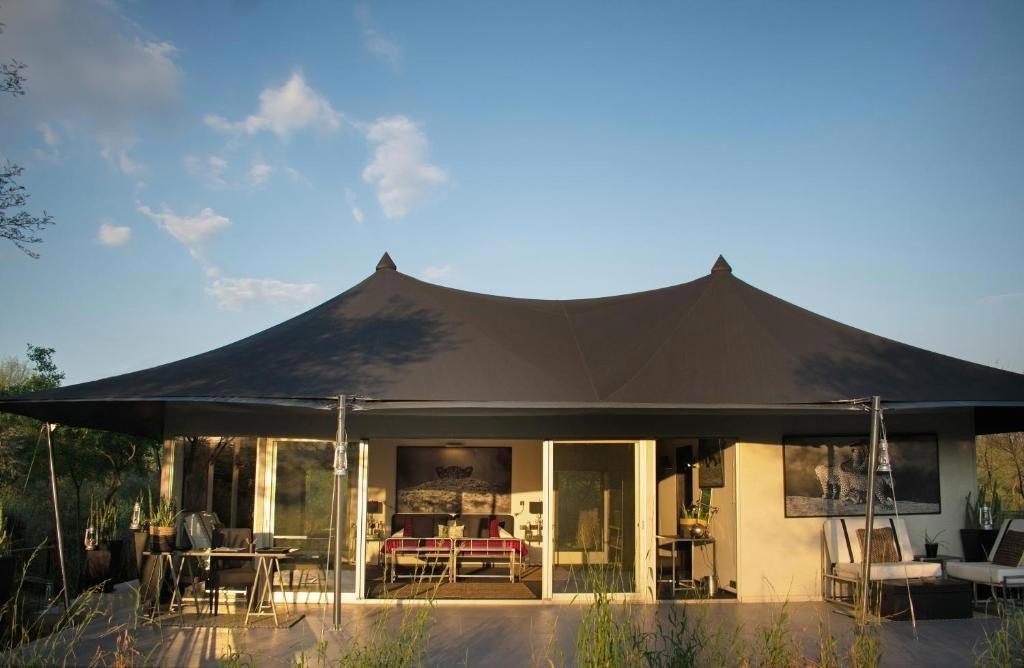
At a Glance
- Scenic
- Elegant
- Rustic
- Sophisticated
- Intimate
- Special Occasion
- Celebration
- Hotel Restaurant
- Panoramic View
- Extensive Wine List
- Local Sourcing
- Mountain
Sophisticated monochrome interiors with scarlet accents, atmospheric campfires lit by lanterns, and dramatic hill views from the stylish dining tent.