STK Steakhouse

STK Steakhouse on Little West 12th Street has occupied the Meatpacking District since the mid-2000s, when the neighbourhood was transitioning from its industrial past into a nightlife and dining hub. The venue operates at the intersection of steakhouse tradition and contemporary dining-room energy, drawing a crowd that treats dinner as occasion rather than transaction. It sits in a different competitive register from the tasting-menu tier that dominates New York's fine-dining conversation.
Pearl is the En Primeur Club membership app — saves, bookings, and concierge access live there. Same editors, same standards.
- Address
- 26 Little W 12th St, New York, NY 10014
- Phone
- +1 646 624 2444
- Website
- stksteakhouse.com
- Directions
- Get directions
 Saves & bookings on Pearl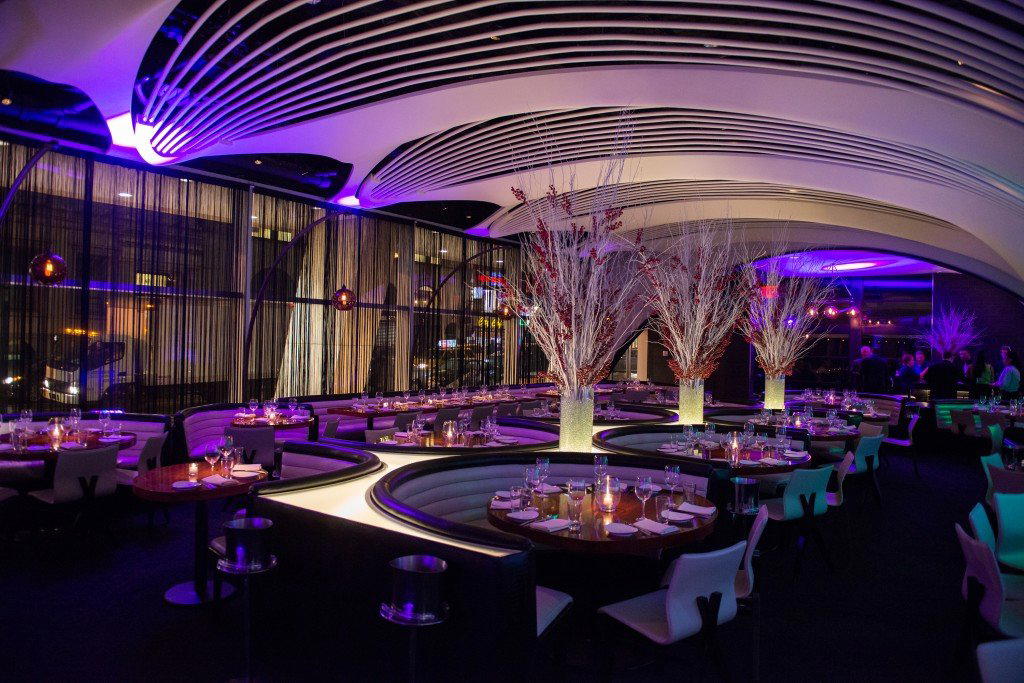
When the Meatpacking District Reinvented Its Own History
Few neighbourhoods in New York have undergone a more compressed identity shift than the Meatpacking District. Through the late nineteenth and most of the twentieth century, the blocks around Little West 12th Street were occupied by working slaughterhouses and wholesale meat operations, at its peak, the district housed more than 250 meatpacking plants. By the early 2000s, that number had collapsed to a handful, and the low-rise cobblestone blocks were absorbing a wave of nightclubs, boutique hotels, and restaurants drawn by cheap rents and the romantic textures of industrial architecture. STK Steakhouse arrived into that transition, staking its address at 26 Little West 12th Street during the period when the neighbourhood was actively deciding what it wanted to become.
The timing mattered. Steakhouses in New York have a long competitive history, from the old-guard chophouses of Midtown to the expense-account institutions that have anchored the city's power-dining culture for decades. STK's entry represented a different proposition: a steakhouse format recalibrated for a clientele more interested in atmosphere and social occasion than in the austere, mahogany-panelled tradition those older rooms embodied. That positioning has defined the venue's evolution and its place in a city where the steakhouse category itself has continued to fragment and specialise.
The Evolution of a Format
The steakhouse as a dining category has changed significantly in New York over the past two decades. The traditional model, large cuts, tableside service, a wine list heavy on domestic Cabernet, a room full of business suits, has not disappeared, but it now competes with formats that treat the steak as one element in a broader social environment rather than the sole justification for the meal. STK represents the latter approach, a model that has multiplied across cities internationally as operators recognised that younger, experience-oriented diners were less loyal to the conventions of the classic chophouse.
That evolution carries trade-offs. The atmosphere-forward format that distinguishes this tier of steakhouse from, say, the focused austerity of a single-protein tasting counter, also means that the dining room energy can tilt toward the theatrical. The Meatpacking location has always leaned into this: the neighbourhood's identity as a nightlife zone shaped what diners expected when they arrived, and the venue's format has consistently reflected that. Whether that tension between steakhouse tradition and club-adjacent energy reads as a feature or a friction point depends largely on what a diner is after.
For context, the broader New York dining scene has moved in multiple directions simultaneously. At the formal end, tasting-menu restaurants like Le Bernardin, Eleven Madison Park, Per Se, Atomix, and Masa occupy a tier where the experience is tightly controlled and the price reflects that discipline. STK operates in a different register entirely, one where the room is louder, the format is more flexible, and the social dimension of the evening carries as much weight as what arrives on the plate. These are not competing for the same diner on the same night.
The same divergence appears in other American cities. Venues like Lazy Bear in San Francisco, Smyth in Chicago, and Providence in Los Angeles occupy the focused, chef-driven end of the spectrum. At the other end, the hospitality-and-occasion model that STK represents has proven durable precisely because it serves a genuine demand: a dinner that functions as a social event without requiring the attentive, format-strict engagement that a tasting menu demands.
The Meatpacking Address and What It Signals
Location in New York is never neutral. The Meatpacking District address situates STK within a neighbourhood that has itself continued to evolve, the High Line opened above it in 2009, shifting foot traffic patterns and bringing a different visitor profile to the blocks immediately surrounding Little West 12th Street. The neighbourhood now draws a mix of hotel guests from the several design properties that have opened nearby, tourists using the High Line as an entry point to Chelsea and West Village dining, and a local crowd that has stayed loyal to the area through successive waves of change.
That layered visitor profile has implications for the dining room. Unlike destination restaurants anchored to a purely local regular clientele, or tightly curated experiences like Blue Hill at Stone Barns outside the city or Single Thread Farm in Healdsburg, a Meatpacking venue absorbs a genuinely mixed audience. That breadth is characteristic of the neighbourhood and of the steakhouse format at this tier, approachable enough to serve a visitor's one-night occasion, consistent enough to function as a regular's Thursday dinner.
Planning a Visit
The Meatpacking District is accessible from multiple subway lines, with the Eighth Avenue L train stop at 14th Street placing Little West 12th Street within a short walk. For visitors arriving from Midtown or the financial district, the area is direct to reach by taxi or rideshare, and the neighbourhood's density of hotels means many guests are already within walking distance. Reservations are advisable, particularly on weekend evenings when the Meatpacking District draws its highest foot traffic, the venue's format and location make it a natural choice for pre-theatre or pre-club dining, which concentrates demand at peak hours.
For diners exploring the broader range of what New York's steakhouse and premium dining tiers offer, the city provides significant range, from the focused precision of counter-format Japanese restaurants to the occasion-dining steakhouse tier that STK inhabits.
In Context: Similar Options
Comparable venues nearby, for context on price, style, and recognition.
| Venue | Cuisine | Price | Notes |
|---|---|---|---|
| STK SteakhouseThis venue — the venue you are viewing | Modern Steakhouse | $$$ | Not listed |
| Carversteak New York | Modern Vegas-style steakhouse | $$$$ | Theater District |
| MarkJoseph Steakhouse | Classic New York Steakhouse | $$$$ | Financial District-Battery Park City |
| Tudor City Steakhouse | Classic Steakhouse with International Flair | $$$ | Murray Hill-Kips Bay |
| Tuscany Steakhouse | Italian Steakhouse | $$$$ | Central Park |
| Yakar Steakhouse | Kosher Steakhouse | $$$$ | Midwood |
Recognition history
Dated appearances from independent guides and award organizations, with the underlying list record or original source where available.
Wine Spectator Award of Excellence
Wine Spectator
Continue exploring
More in New York City
Restaurants in New York City
Browse all →
Bars in New York City
Browse all →
Hotels in New York City
Browse all →






At a Glance
- Modern
- Lively
- Elegant
- Trendy
- Sophisticated
- Date Night
- Business Dinner
- Group Dining
- Celebration
- Special Occasion
- After Work
- Late Night
- Private Event
- Rooftop
- Private Dining
- Panoramic View
- Open Kitchen
- Design Destination
- Craft Cocktails
- Extensive Wine List
- Waterfront
- Skyline
Current opening hours
- Monday
- 3 PM–12 AM
- Tuesday
- 3 PM–12 AM
- Wednesday
- 3 PM–12 AM
- Thursday
- 3 PM–12 AM
- Friday
- 3 PM–12 AM
- Saturday
- 3 PM–12 AM
- Sunday
- 3 PM–1 AM
Hours can change for holidays and private events. Last verified .
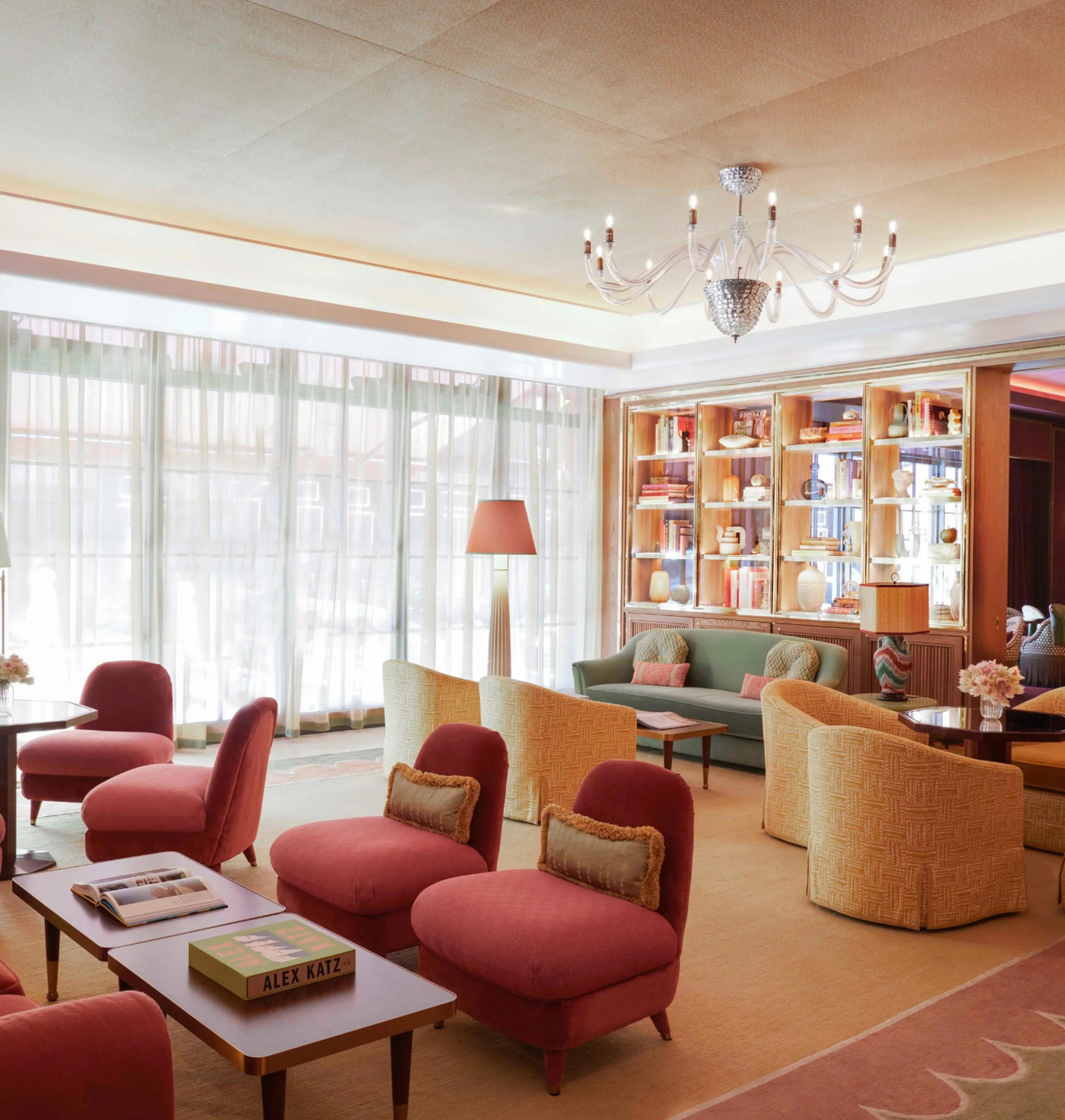
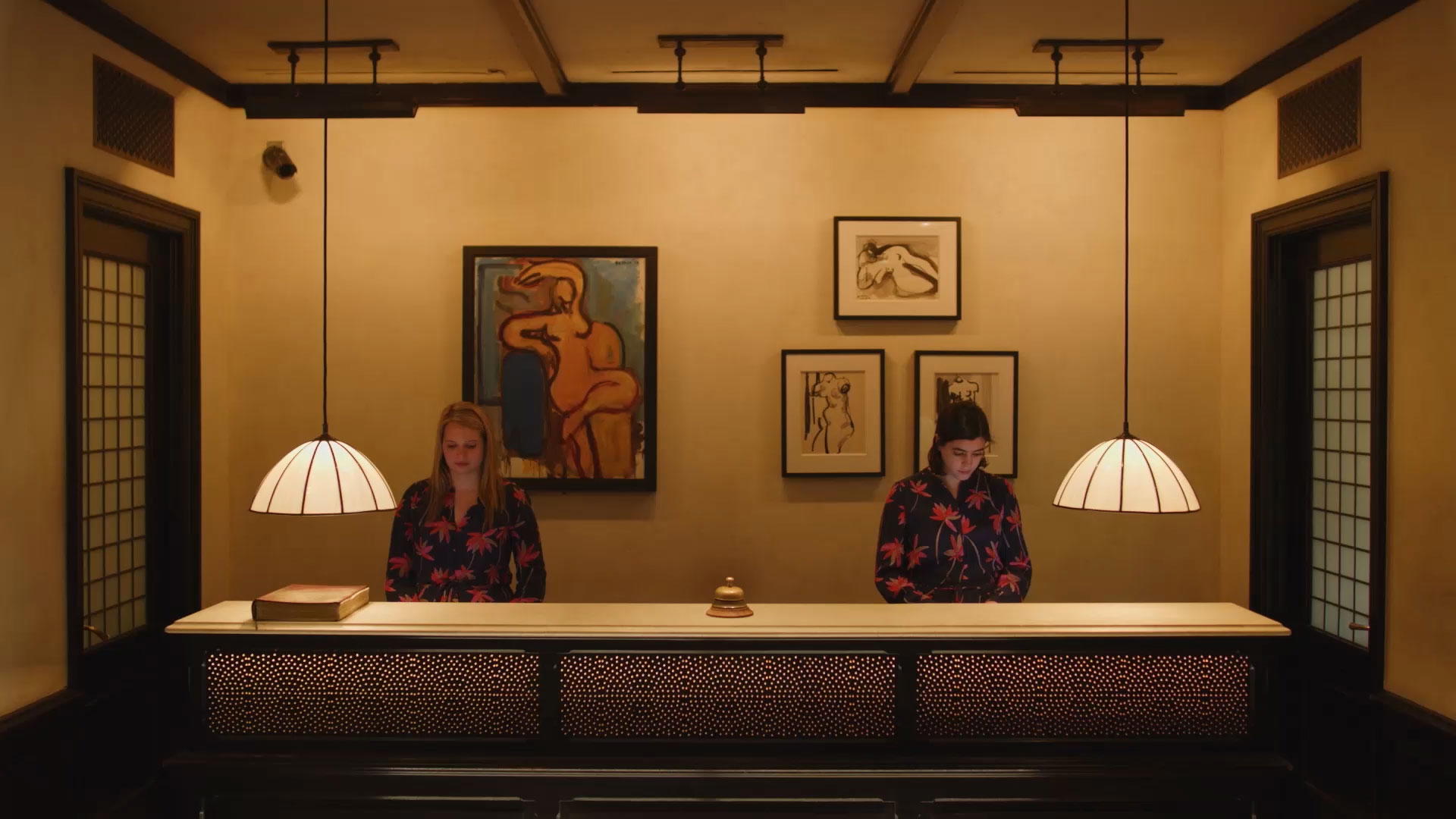
Upscale and contemporary with stylish lounge spaces, dynamic lighting, and a lively social atmosphere that transitions from sophisticated dining to energetic nightlife.