
Michelin Plate
Our verdict
Chef Rokas Vasiliauskas and his partner Greta run this Michelin-recognised restaurant that reinterprets Lithuanian heritage through hyper-local ingredients. The pale-green dining room on Nepriklausomybės Square holds jars of preserves along the walls, and the menu avoids citrus, pepper, and olive oil entirely—sourcing stays inside Lithuania's borders.

Pearl is the En Primeur Club membership app, where members save venues, book tables and use the concierge.
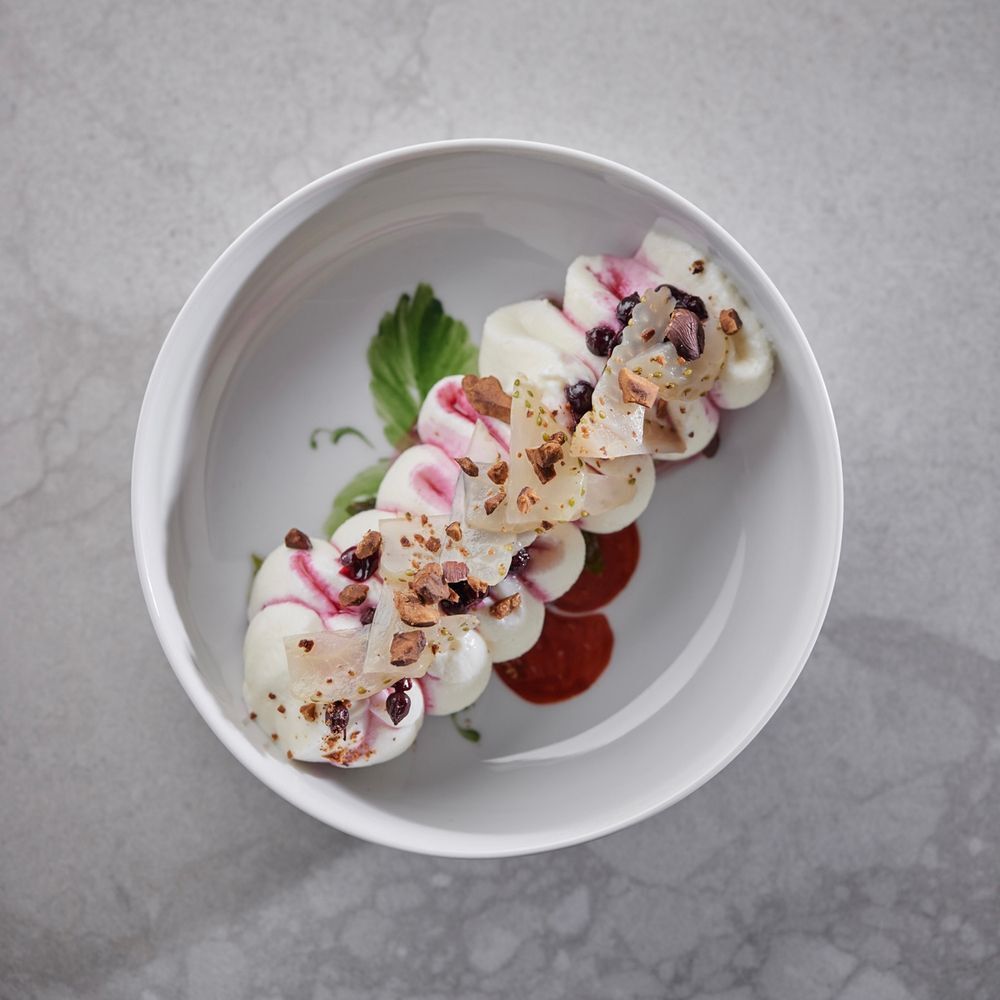
The dining room at Nepriklausomybės aikštė 5 announces its philosophy before you sit down. Pale green walls meet blonde wood, and shelves of preserving jars line the space, pickled berries, fermented roots, smoked mushrooms. Chef Rokas Vasiliauskas and his partner Greta returned to Kaunas after stints abroad and built a restaurant around a restrictive sourcing rule: Lithuanian ingredients only. No citrus, no olive oil, no black pepper. The constraint sharpens rather than limits the cooking, forcing invention within a tight ingredient radius that aligns with the broader Baltic movement toward terroir clarity and preservation technique.
Lithuania's fine-dining scene still clusters around Vilnius, where 14Horses and a few other ambitious kitchens compete for national attention. Kaunas holds a smaller, more idiosyncratic tier. Arrivée runs a French €€€ program, DIA pursues international reference points at €€, and Monte Pacis occupies a converted monastery with contemporary €€ plates. SIJA carves out differentiation through sourcing discipline and a menu that reads as nostalgic Lithuanian cooking rebuilt through technique. The Michelin Guide entry confirms the kitchen's standing within the region's leading programmes.
A Childhood-Memory Menu Built on Preservation
The menu draws from Vasiliauskas's childhood and Lithuanian culinary heritage, but execution complexity sits several steps above rustic tradition. Dishes arrive deceptively simple, root vegetables, lake fish, forest mushrooms, yet layered with fermentation, smoking, and preservation work that spans months. The preserving jars visible from every table signal how much of the menu depends on autumn's harvest and summer's smoking schedule. Fermented rye, dried herb powders, and house-made vinegars replace the imported pantry staples most European kitchens lean on. The approach mirrors what chefs in Klaipėda and Neringa pursue along the coast, regional clarity over imported convenience, but Vasiliauskas takes the sourcing boundary more literally.
Technique stays modern. Vegetables appear in multiple textures on the same plate, fish is cooked sous-vide then finished over birch wood, and desserts use foraged berries in forms that require centrifuges and dehydrators. The kitchen doesn't romanticise rusticity; it mines Lithuanian tradition for flavour memory and rebuilds it with precision. The result sits closer to New Nordic rigour than to folkloric nostalgia, though the flavour palette remains distinctly Baltic, sour, earthy, lightly smoked, rich with dairy fat and wild game.
Kaunas Context and
Kaunas lacks the tourism density of Vilnius or the coastal appeal of Palanga, so ambitious restaurants here serve a smaller, more local audience. Independence Square, where SIJA sits, anchors the Old Town and pulls weekend traffic, but midweek service skews toward Lithuanian regulars rather than international diners. That audience dynamic shapes the menu's willingness to lean into unfamiliar formats, dishes that require explanation, ingredient lists that omit the olive oil and lemon juice a broader tourist base expects. Nüman, another modern-cuisine entry in the city, pursues a more internationally legible format; SIJA trades accessibility for specificity.
The restaurant's recognition from Michelin positions it within a small group of Lithuanian kitchens operating at fine-dining ambition. Apvalaus Stalo Klubo in Trakai and Monist in Palanga share similar sourcing discipline and preservation technique, but none match SIJA's self-imposed import restrictions. The kitchen's refusal to work with citrus or olive oil creates a harder creative problem than most chefs accept, and the Michelin nod suggests the constraint succeeds as more than a gimmick.
Booking logistics remain direct compared to Vilnius's leading tables, though weekend slots fill quickly among local diners who follow the Lithuanian fine-dining calendar closely. The restaurant operates year-round, and the menu shifts seasonally in rhythm with preservation schedules, spring ramps give way to autumn mushrooms, lake fish rotate with game. If you're mapping a route through Lithuania's dining landscape, pair SIJA with a coastal visit to Fisheria or a Vilnius stop at 14Horses for comparative context on how Baltic kitchens interpret regional sourcing. Our full Kaunas restaurants guide places SIJA within the city's broader dining tier, and our Kaunas hotels guide covers lodging options within walking distance of Independence Square.
The dining room holds around 30 covers, blonde wood tables spaced for conversation without crowding. Service runs attentive but relaxed, Greta manages the front of house with visible pride in the project, and the kitchen's openness to explanation reflects the menu's educational intent. Wine lists at this tier in Lithuania lean European, with some Baltic producers appearing in supporting roles; expect a selection that prioritises natural and low-intervention bottles over blockbuster labels. The overall tone reads as earnest rather than austere, a couple rebuilding their home city's culinary identity one preserved jar at a time.
SIJA operates as a clear articulation of hyper-local Lithuanian cooking, disciplined enough to earn Michelin recognition and confident enough to ignore the imported pantry. The cooking avoids easy comparison, no citrus-bright ceviche, no olive-oil-rich vegetables, but delivers flavour depth through fermentation, preservation, and technique that justifies the constraints. For diners tracking the Baltic fine-dining conversation, it sits among the region's most committed expressions of terroir specificity. Kaunas offers fewer dining peaks than Vilnius, but SIJA anchors the city's top tier and merits the detour for anyone interested in how Lithuanian chefs rebuild tradition through modern method. Check our Kaunas bars guide, wineries guide, and experiences guide for context on the city's broader hospitality landscape.
Frequently asked questions
Is SIJA good for families?
SIJA's menu interprets childhood memories and Lithuanian heritage through complex technique, which may appeal more to adult diners than young children. The pale green and blonde wood interior creates a calm, nature-focused setting. Chef Rokas Vasiliauskas and partner Greta run the dining room with visible attention, so families comfortable in a refined environment should find it welcoming.
What's the overall feel of SIJA?
The exterior and furnishings lean into a back-to-nature palette of pale green and blonde wood, reinforcing the preservation-focused cooking. Jars of preserved ingredients line the walls, signaling the Lithuanian-sourced philosophy that excludes citrus, pepper, and olive oil. Chef Rokas Vasiliauskas and partner Greta's pride in the project is visible throughout service.
Does SIJA have a Michelin star or similar recognition?
SIJA has received recognition including: Having gained experience abroad, Chef Rokas Vasiliauskas returned to his home city to open this delightful restaurant with his partner Greta – and their pride is palpable. The exterior exudes a back-to-nature feel thanks to its pale green c….
What's the address for SIJA?
SIJA is located at Nepriklausomybės aikštė 5, Kaunas, Kaunas Region, 44320, LTU, Kaunas.
Is SIJA reservation-only?
Given Kaunas's smaller dining market and SIJA's preservation-focused approach, advance booking is advisable. The restaurant operates at Nepriklausomybės aikštė 5 in central Kaunas.
Comparable venues by cuisine and price in the same metro.
| Venue | Cuisine | Price | Awards |
|---|---|---|---|
| SIJAThis venue (the venue you are viewing) | Modern Lithuanian tasting menu | $50–100 | Michelin Plate |
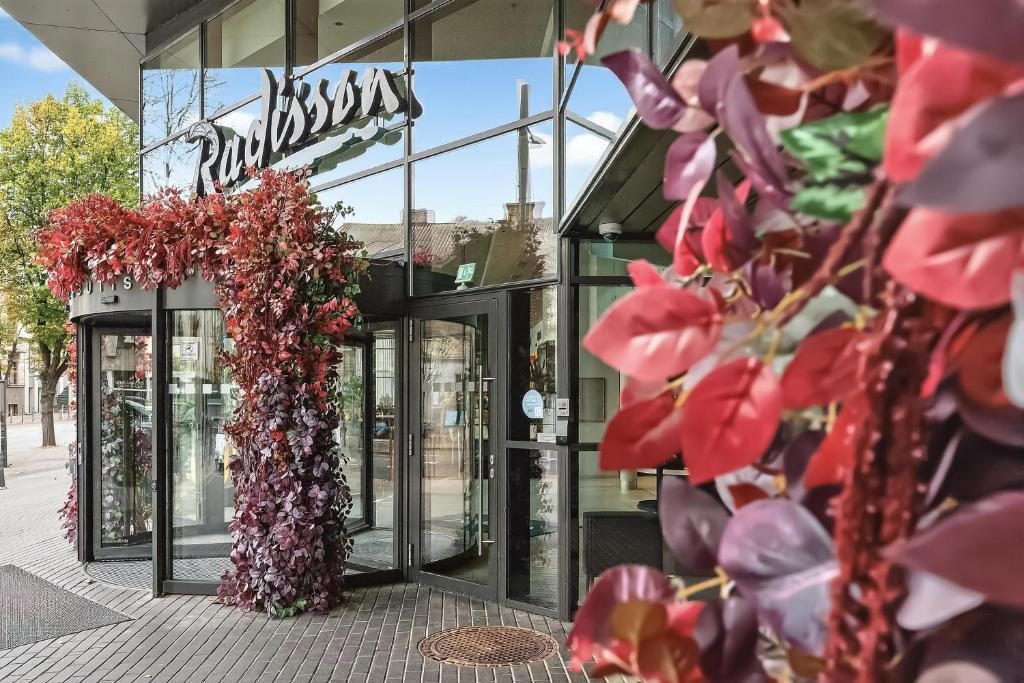
| Radisson Hotel Kaunas | Modern European with Lithuanian influences | $20–30 | Not listed |
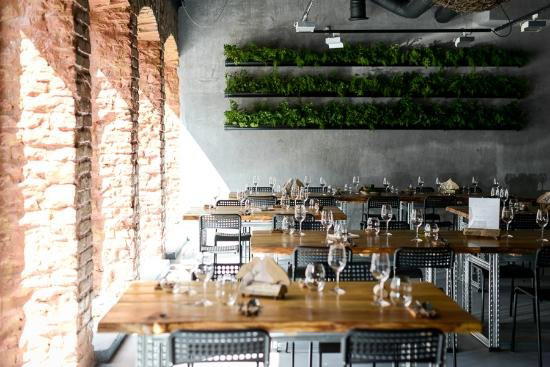
| Uoksas | Modern Lithuanian Cuisine | $50–100 | Michelin Plate |
| DIA | Modern French-Seafood Fine Dining | $30–50 | Michelin Plate |
| Arrivée | Modern French | $30–50 | Michelin Plate |
| Monte Pacis | Modern Lithuanian Fine Dining | $30–50 | Michelin Plate · Star Wine List |
Recognition history
Dated appearances from independent guides and award organizations, with the underlying list record or original source where available.
Michelin Plate
Michelin
Continue exploring
More in Kaunas


SIJA
The wine
- Extensive wine list
- Natural wine
- Craft cocktails
- Zero-proof drinks
Details
- Cozy
- Modern
- Intimate
- Elegant
- Rustic
- Date Night
- Special Occasion
- Celebration
- Business Dinner
- Group Dining
- Design Destination
- Standalone
- Private Dining
- Extensive Wine List
- Natural Wine
- Craft Cocktails
- Zero Proof
- Farm To Table
- Local Sourcing
- Sustainable Seafood
- Zero Waste
- Tasting Menu
- Wine
- Cocktails
- Zero Proof
- Vegetarian Friendly
- Pescatarian Friendly
- Organic Focus
- Allergy Accommodating
An intimate, contemporary dining room lined with jars of preserved ingredients, combining warm, home‑style touches with precise modern plating and a focus on nature and seasonality.