
Tabelog 100 #78
Our verdict
SUNVALLEY HOTEL puts Tokyo’s Indian curry conversation in a small Setagaya room rather than a central dining district. Its repeated Tabelog 100 selections for curry and Asian or ethnic cuisine place it among the city’s more closely watched specialist counters, with a format that rewards planning over impulse dining.

Pearl is the En Primeur Club membership app, where members save venues, book tables and use the concierge.
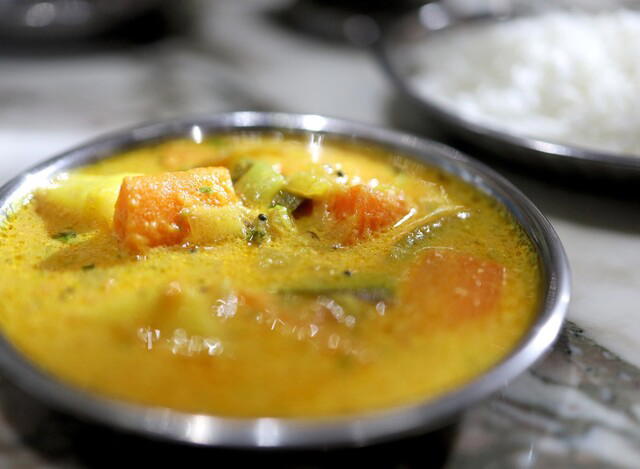
The menu
What to order
- Hyderabadi-style biryani
- Nahari
- Saag
- Dal makhani
Tokyo changes the tempo before the meal begins. Away from the city’s most obvious hotel lobbies and destination towers, dining culture often becomes more about focused rooms folded into everyday streets, with regulars moving between curry shops, yakitori counters, gyoza rooms and late bars as part of ordinary weekly life. SUNVALLEY HOTEL belongs to that specialist Tokyo, where the listed category, the planning required and the recognition tell the reader as much as any invented backstory could.
Tokyo’s Indian curry scene is not a single genre. It runs from canteen-style lunch plates to spice-focused independent kitchens, with a serious subculture around places that treat curry as a crafted, repeatable specialty rather than a generic comfort order. A Tabelog score of 3.67 and 2024 recognition through Tabelog Hyakumeiten put this address in that specialist bracket. The available listing identifies the category as Indian and Indian curry, which is the useful starting point for understanding its place in the city.
Tokyo curry culture, stripped down to a specialist format
The restaurant’s category is Indian and Indian curry, but the useful editorial context is Tokyo’s appetite for highly focused cooking outside the obvious central restaurant corridors. In Tokyo, the comparison set is unusually mixed: neighborhood bakeries, gyoza rooms, sake-led counters, yakitori and specialist restaurants share the same pedestrian rhythm. References in the wider city include Los Tacos Azules, Yakitori Tokoshima, Komugi to Kobo Hamada Ya Sangenjaya honten, Tokyo Gyoza Ro Sangenjaya ten and Akaoni, each pointing to a dining culture where specialist formats matter more than dining-room scale.
That matters because curry in Tokyo often rewards precision rather than luxury signals. The stronger addresses do not need a long menu, a formal tasting structure or a grand room to create demand. They need consistency, spice clarity and a service model that suits a concentrated following. SUNVALLEY HOTEL’s reputation places it in the city’s specialist tier, closer in spirit to sought-after curry and other single-minded Tokyo dining rooms than to conventional full-service restaurants.
The name can mislead first-time readers. The listing identifies SUNVALLEY HOTEL by its food category rather than by the grammar of grand hospitality, so it should be read first as a Tokyo dining address. Its relevance comes from a specialist identity and a category specific enough to be judged against Tokyo’s curry obsessives. In a city where a narrow category can support serious followings, that focus is a strength.
The planning is part of the editorial story
Tokyo has many restaurants where access is the first filter. Sushi counters use introduction networks, kappo rooms work through regulars, and specialist shops may use lists, queues or social channels to manage demand. This address sits within that broader compact-restaurant logic. The practical friction is not decorative; it is part of how this kind of experience often functions. A focused restaurant serving a narrow specialty is best approached as a planned meal rather than a loose stop between neighborhoods.
That format changes who the restaurant suits. Solo diners and pairs often fit focused Tokyo rooms more naturally than larger groups, and the experience tends to have a direct, concentrated rhythm. The strongest reason to pay attention is the specialist format itself: a clear category and a reputation strong enough to make planning worthwhile. The listed dinner budget is JPY 3,000 - JPY 3,999, which keeps the restaurant in a very different register from Tokyo’s luxury tasting-menu circuit.
There is also a seasonal-adjacent lesson here, though not in the usual produce-calendar sense. In Tokyo, changing schedules and social-channel updates are common among independent restaurants, especially those with concentrated demand. The reader who treats that as an annoyance will find the city harder than it needs to be. The reader who understands it as part of the specialist-restaurant economy will make better decisions, especially when looking beyond the most familiar international dining zones.
Where it fits in a Tokyo food itinerary
For a visitor building a serious Tokyo dining week, this is not the meal that replaces an omakase counter or a kaiseki room. It fills a different slot: the focused specialist that shows how deeply Tokyo diners reward category mastery. Pairing this kind of address with other formats gives a sharper picture of the city than stacking only formal tasting menus. For broader planning, Our full Tokyo restaurants guide is the natural starting point, while adjacent city planning sits in Our full Tokyo hotels guide, Our full Tokyo bars guide, Our full Tokyo wineries guide and Our full Tokyo experiences guide.
Within the restaurant map, the useful move is comparison by format rather than cuisine alone. Tokyo’s casual and specialist spectrum can run across unnamed curry rooms, yakitori counters, gyoza shops, bakeries, sake-led rooms and compact cafés. The wider casual-dining conversation does not require a list of far-flung names to make the point: SUNVALLEY HOTEL is best understood as part of a Tokyo pattern in which highly specific restaurants can build serious reputations without luxury staging.
The editorial case is clear: SUNVALLEY HOTEL is valuable because it shows Tokyo’s seriousness about category-specific restaurants away from the international luxury circuit. The 2024 Tabelog recognition gives it external credibility, the specialist format gives the meal its pressure, and the Tokyo setting places it in a city where dining culture is built through repetition rather than spectacle.
Frequently asked questions
Where is SUNVALLEY HOTEL located?
Tokyo.
What's the pricing like at SUNVALLEY HOTEL?
Pricing at SUNVALLEY HOTEL is listed as JPY 3,000 - JPY 3,999 JPY 1,000 - JPY 1,999 View spending breakdown.
When is SUNVALLEY HOTEL open?
Current opening hours for SUNVALLEY HOTEL should be confirmed directly before visiting.
What is SUNVALLEY HOTEL known for?
SUNVALLEY HOTEL is known in Tokyo for Indian and Indian curry, with a Tabelog score of 3.67 and 2024 Tabelog Hyakumeiten recognition.
Cuisine and Recognition
Side-by-side context: comparable cuisine and price.
| Venue | Cuisine | Price | Awards | Notes |
|---|---|---|---|---|
| SUNVALLEY HOTELThis venue (the venue you are viewing) | Traditional South & North Indian | $20–30 | Tabelog 100 #78 | Not listed |
| Spicy Curry House Ginza Hangetsu | Indian Curry House | $1–10 | Tabelog 100 #14 | Chūō |
| Calical Shimbashi honten | Indian Curry | $1–10 | Tabelog 100 #51 | Minato |
| GURGAON | Traditional North Indian Curry House | $20–30 | Tabelog 100 #3 | Chūō |
| Andhra Kitchen | Andhra / South Indian Indian | $10–20 | Tabelog 100 #66 | Taitō |
| Tandoor Bar Kamal 2 Go | Creative Indian curry & tandoor bar | $20–30 | Tabelog 100 #32 | Kōtō |
Recognition history
Dated appearances from independent guides and award organizations, with the underlying list record or original source where available.
Tabelog 100 #78 · No. 78
Tabelog · Tabelog 100 - Asian cuisine / Ethnic cuisine - TOKYO - 2024
Continue exploring
More in Tokyo
Restaurants in Tokyo
All restaurants in Tokyo →


Bars in Tokyo
All bars in Tokyo →





Details
- Cozy
- Intimate
- Solo
- Casual Hangout
- Date Night
- Standalone
- A La Carte
- Set Menu
- Soft Drinks
- Vegetarian Friendly
Current opening hours
- Monday
- 5–9 PM
- Tuesday
- Closed
- Wednesday
- Closed
- Thursday
- Closed
- Friday
- 5–9 PM
- Saturday
- 5–9 PM
- Sunday
- 5–9 PM
Hours can change for holidays and private events. Hours as of .
An intimate, 13-seat neighborhood spot with a serious, almost reverent focus on Indian cooking; no-frills, likely compact and cozy, with attention on aroma and flavor—reflected in policies like a perfume ban and same-day sign-in reservations rather than a casual drop‑in cafe vibe.