SUKAIBA

Located on Martha Christensens Vej in Copenhagen's Amager district, SUKAIBA operates within a city where ingredient provenance has become as scrutinised as technique. Copenhagen's New Nordic generation reframed what Danish kitchens owe to their surrounding land and sea, and SUKAIBA sits inside that broader conversation. For visitors moving through the city's serious dining tier, it represents a point of reference worth understanding before booking.
Pearl is the En Primeur Club membership app — saves, bookings, and concierge access live there. Same editors, same standards.
- Address
- Martha Christensens Vej 5, 2300 København, Denmark
- Phone
- +4561104472
- Website
- sukaiba.dk
- Directions
- Get directions
 Saves & bookings on Pearl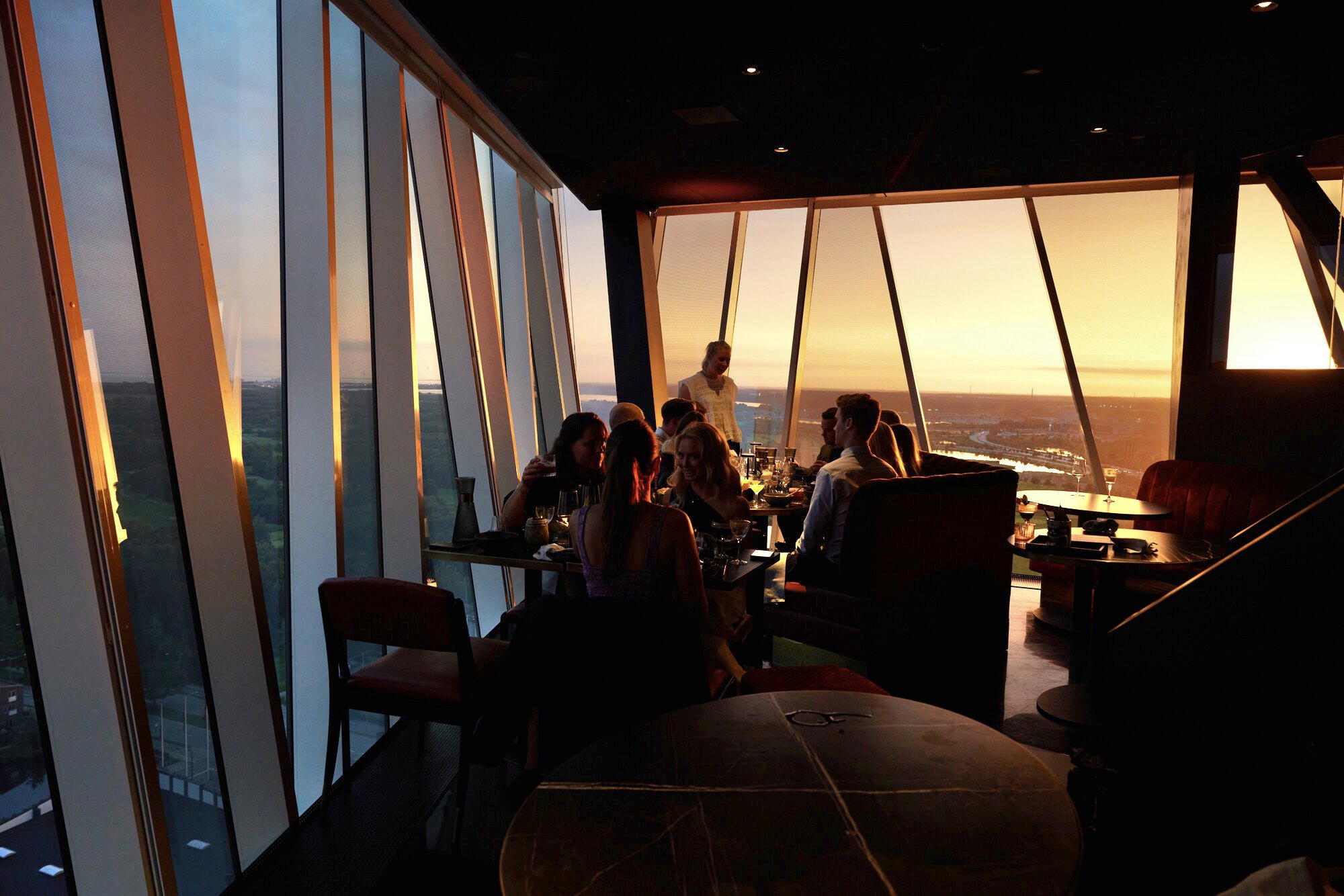
Where Copenhagen's Sourcing Conversation Gets Specific
Copenhagen's address on Martha Christensens Vej 5 places SUKAIBA in the 2300 postal district, a part of the city that sits south of the centre, away from the tourist-facing density of Nørreport and Strøget. Arriving here, you feel the deliberate remove from the flagship-restaurant corridor. That geographic positioning is itself a signal: serious kitchens in Copenhagen have increasingly migrated to neighbourhoods where rent pressure is lower and the clientele arrives with purpose rather than by accident. The approach to the building carries none of the dressed-up theatre that marks the city's most decorated addresses. What you find instead is a kitchen operating in a context defined by what surrounds it.
The Sourcing Logic Behind New Nordic Copenhagen
To understand any serious kitchen in Copenhagen today, you have to understand what the New Nordic movement actually changed at the supply level. When Noma began its most influential period, the shift was not primarily aesthetic, it was logistical. Kitchens started building direct relationships with farmers, foragers, and coastal suppliers rather than sourcing through conventional distribution chains. That created a different economy of ingredients: shorter distances, faster delivery from field or water to kitchen, and a pricing structure that prioritised quality of provenance over volume consistency.
That model has now spread deep into Copenhagen's restaurant tier. Geranium, operating at the city's highest price bracket, treats Danish coastal and agricultural sourcing as a statement of aesthetic philosophy. Kadeau built its entire identity around Bornholm island produce, treating geography as the menu's organising principle. Koan layers kaiseki discipline over Nordic ingredients, creating a sourcing conversation that runs across two culinary traditions simultaneously. Alchemist takes a more theatrical route, but the underlying material, Danish produce treated with technical precision, belongs to the same lineage.
SUKAIBA enters this environment. The address in the 2300 district suggests a kitchen that is not positioning itself at the apex of the city's award-stratosphere, but is instead working within a sourcing-led framework that Copenhagen's dining culture has made its dominant grammar. In a city where even mid-tier restaurants articulate their supplier relationships, kitchens that do not engage with provenance are quickly legible as outliers.
The Danish Ingredient Calendar and What It Demands
Sourcing in Denmark is a seasonal discipline, not a marketing preference. The country's agricultural and coastal rhythms are pronounced: spring delivers ramsons, new-season root vegetables, and the first coastal catches; summer brings berries, herbs, and peak seafood; autumn shifts toward game, mushrooms, and preserved preparations; winter compresses the menu into root cellars, ferments, and the deep-water fish that perform leading in cold months. Kitchens that take sourcing seriously have their menus rewritten by this calendar rather than the other way around.
This places Copenhagen's serious restaurants in direct conversation with Scandinavian counterparts operating outside the capital. Jordnær in Gentofte and Frederikshøj in Aarhus both treat the Danish seasonal calendar as structural. Henne Kirkeby Kro in Henne and Dragsholm Slot Gourmet in Hørve sit in rural contexts that make hyper-local sourcing a practical reality as much as a philosophical one. Even beyond Denmark's borders, the precision-sourcing model has shaped how kitchens like Le Bernardin in New York City articulate their relationship with primary producers, and how technique-first restaurants like Atomix in New York City have adopted the vocabulary of provenance to communicate their ingredient commitments.
For any kitchen in Copenhagen, the seasonal pressure is also a practical one: diners who move through this city regularly arrive with calibrated expectations. A table that has eaten at LYST in Vejle or Alimentum in Aalborg carries a reference frame shaped by Denmark's broader commitment to ingredient-first cooking. That context does not lower the bar for a Copenhagen kitchen, it raises it.
How SUKAIBA Fits the Copenhagen Dining Picture
| Venue | Style | Price Tier | Booking Lead Time |
|---|---|---|---|
| SUKAIBA | not confirmed | not confirmed | |
| Geranium | New Nordic, Creative | €€€€ | 3 to 6 months |
| Koan | New Nordic, Kaiseki, Creative | €€€€ | Several weeks |
| Kadeau | New Nordic | €€€€ | Several weeks |
| Alchemist | Progressive, Creative | €€€€ | 1 to 3 months |
Planning Your Visit
SUKAIBA is located at Martha Christensens Vej 5, 2300 København. Its opening hours are Mon: 5–11 PM; Tue: 5–11 PM; Wed: 5–11 PM; Thu: 5–11 PM; Fri: 11:30 AM–4 PM, 5 PM–12:30 AM; Sat: 11:30 AM–4 PM, 5 PM–12:30 AM; Sun: 11:30 AM–4 PM, 5–11 PM. Reservations are recommended. For a complete picture of Copenhagen's serious dining tier, the the guide Copenhagen restaurants guide covers the city's full range, from the Michelin-decorated apex to the neighbourhood kitchens operating at the sourcing frontier. Those planning a Denmark-wide itinerary should also consider Frederiksminde in Præstø, MOTA in Nykøbing Sjælland, ARO in Odense, and Domæne in Herning, all of which operate within the same sourcing-led framework that defines the country's current kitchen culture.
Comparable Spots
Comparable venues nearby, for context on price, style, and recognition.
| Venue | Cuisine | Price | Notes |
|---|---|---|---|
| SUKAIBAThis venue — the venue you are viewing | Nordic-Japanese Fusion | $$$$ | Not listed |
| Sticks'n'Sushi | Japanese Sushi and Yakitori with Nordic Fusion | $$$ | Vesterbro-Kongens Enghave |
| Posh Jah | Japanese Izakaya | $$$ | Indre By |
| Stedsans | Clean, Simple, Local Nordic Farm-to-Table | $$$$ | Østerbro |
| Damindra | Japanese Fusion Omakase | $$$$ | Indre By |
| Salon Copenhagen | Classic French-Danish Fine Dining | $$$$ | Indre By |
Recognition history
Dated appearances from independent guides and award organizations, with the underlying list record or original source where available.
World Culinary Awards Denmark's Best Hotel Restaurant 2025 #1
World Culinary Awards
Continue exploring
More in Copenhagen
Restaurants in Copenhagen
Browse all →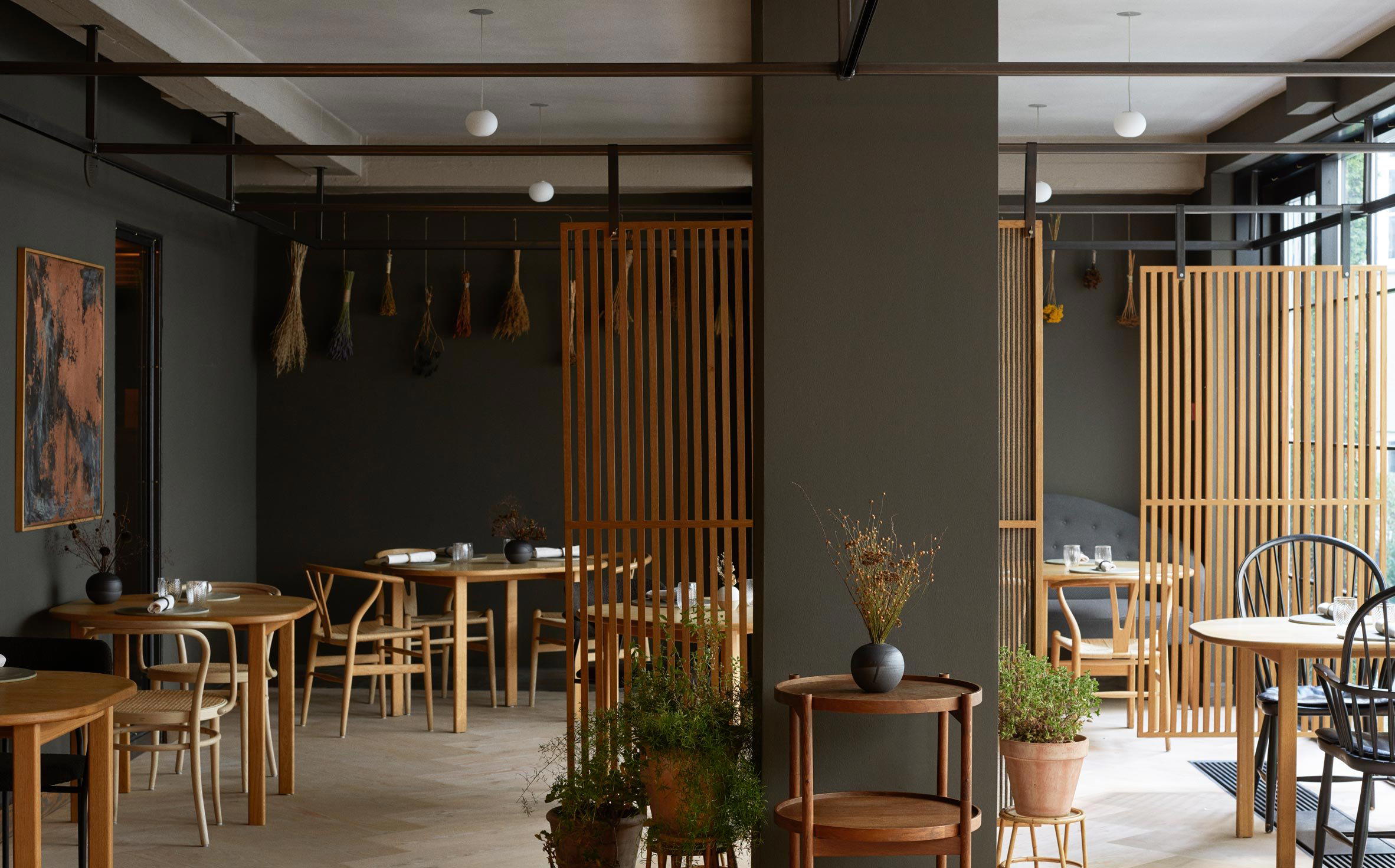
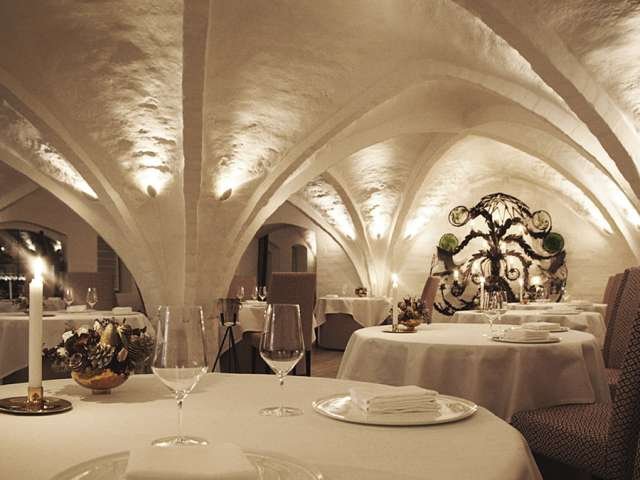
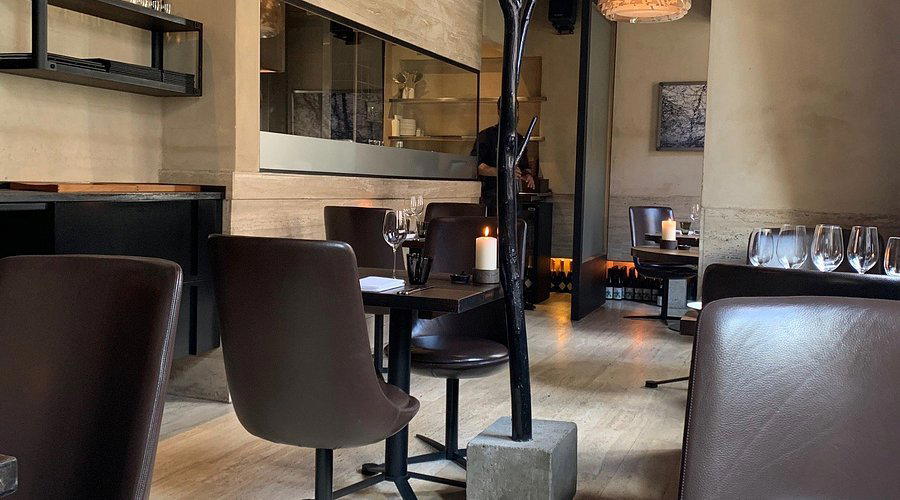
Bars in Copenhagen
Browse all →

At a Glance
- Elegant
- Sophisticated
- Modern
- Scenic
- Date Night
- Business Dinner
- Special Occasion
- Celebration
- Rooftop
- Panoramic View
- Hotel Restaurant
- Open Kitchen
- Design Destination
- Craft Cocktails
- Sake Program
- Sommelier Led
- Local Sourcing
- Sustainable Seafood
- Skyline
Current opening hours
- Monday
- 5–11 PM
- Tuesday
- 5–11 PM
- Wednesday
- 5–11 PM
- Thursday
- 5–11 PM
- Friday
- 11:30 AM–4 PM, 5 PM–12:30 AM
- Saturday
- 11:30 AM–4 PM, 5 PM–12:30 AM
- Sunday
- 11:30 AM–4 PM, 5–11 PM
Hours can change for holidays and private events. Last verified .
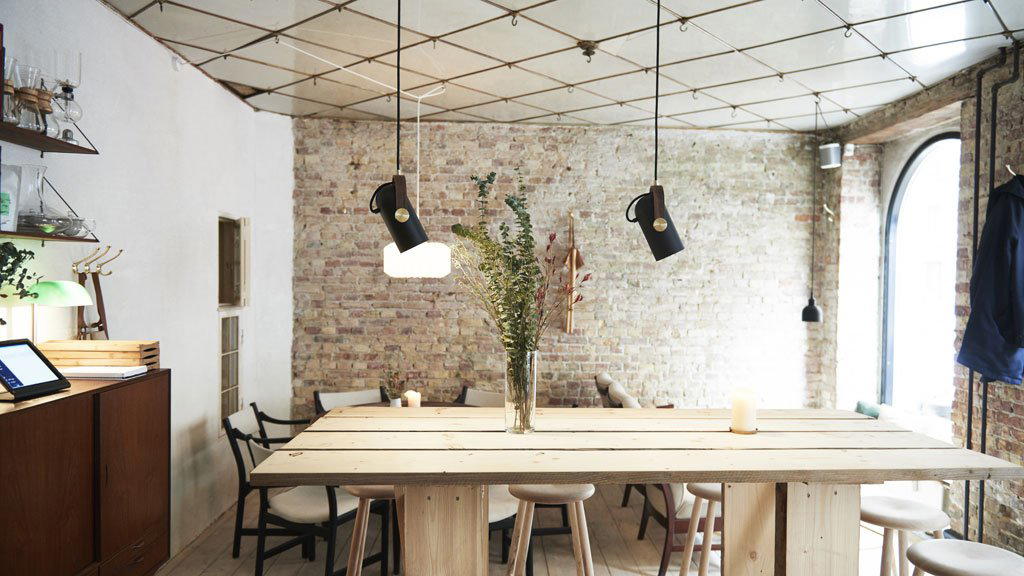
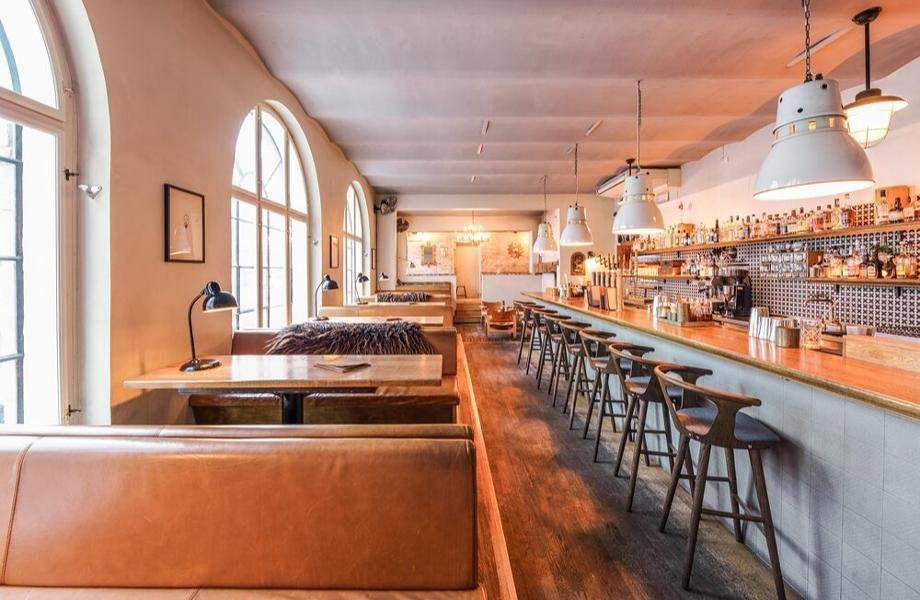
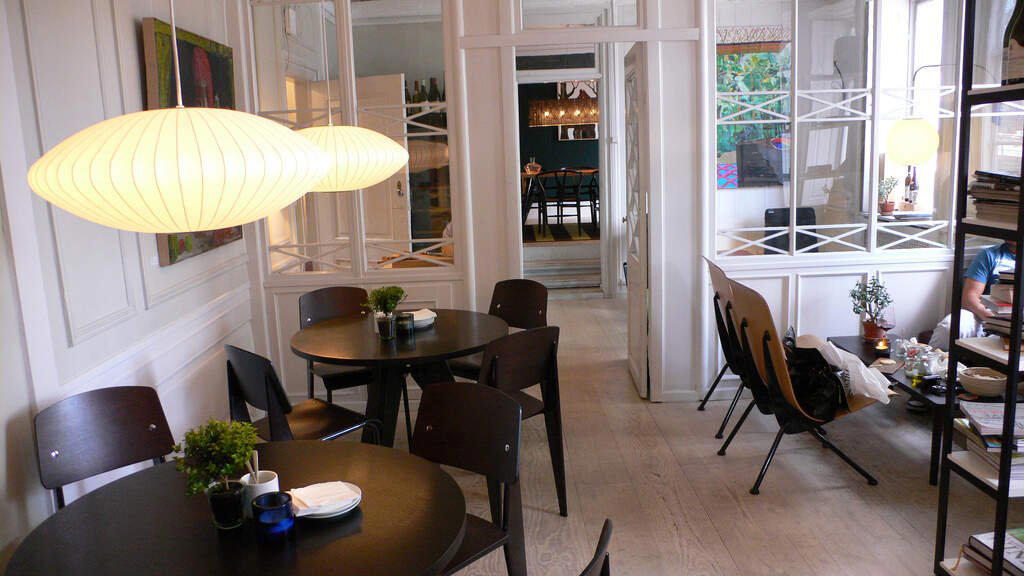
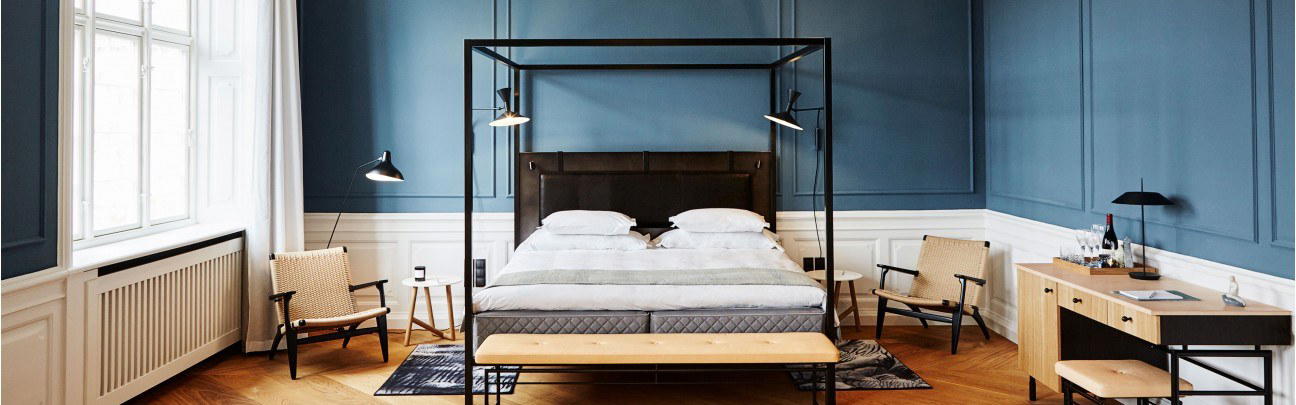
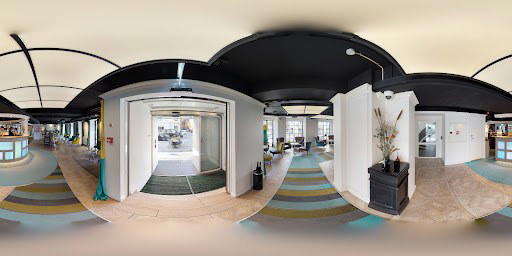
Modern minimalist Japanese design blended with warm Danish coziness, sophisticated and inviting with floor-to-ceiling windows showcasing sparkling city lights.