STK - DC

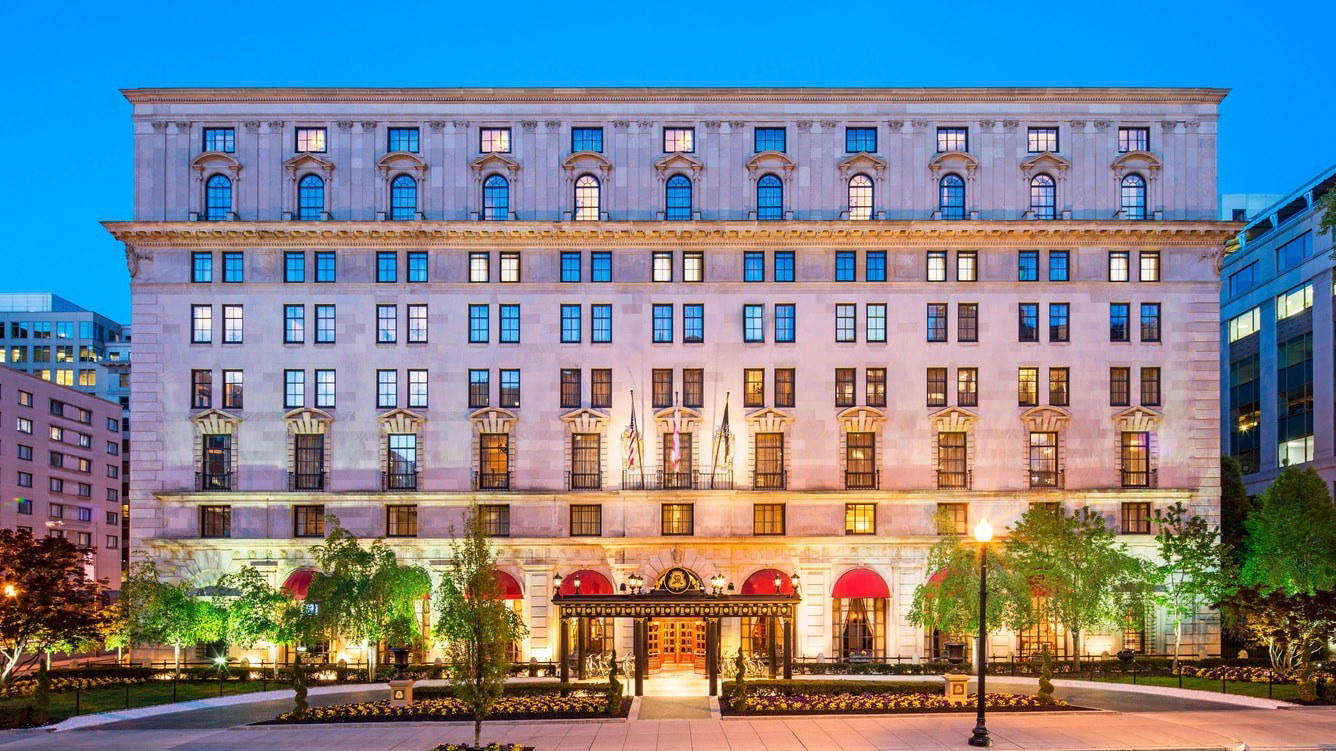
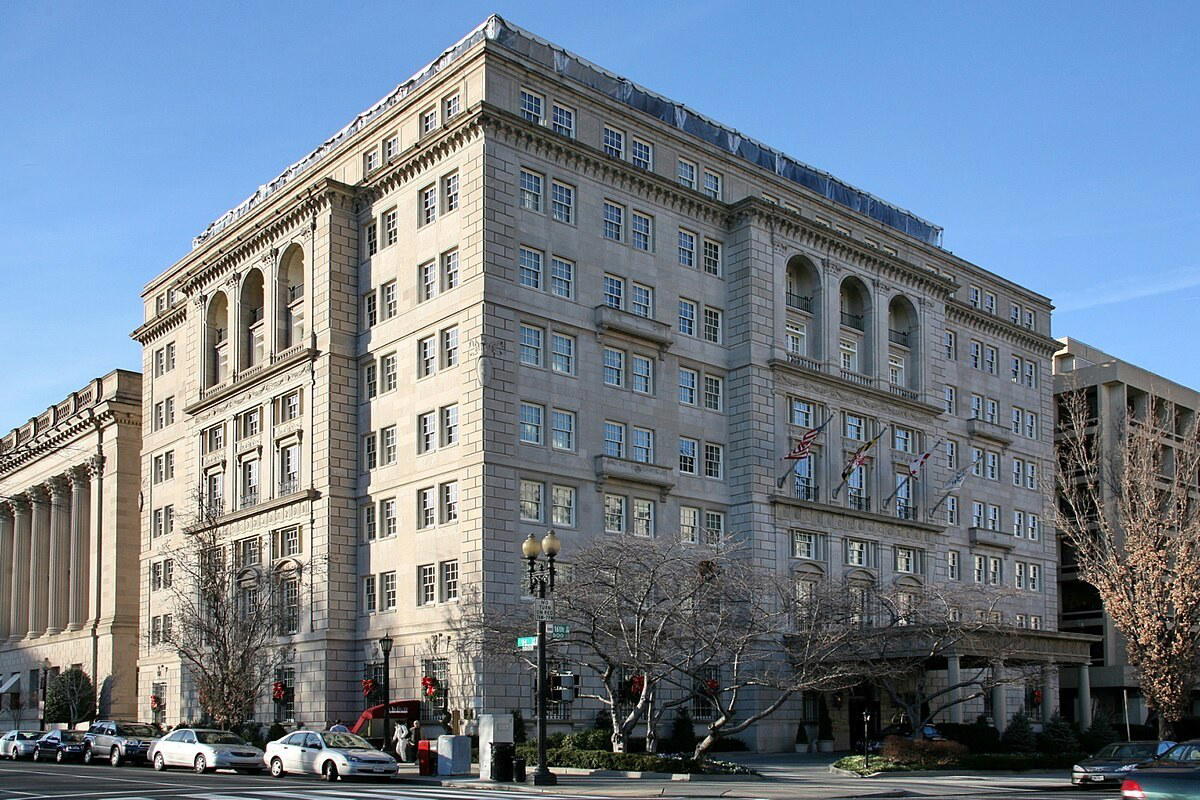
STK DC occupies 901 Massachusetts Ave NW, placing it at the intersection of Penn Quarter's political energy and the city's increasingly sophisticated steakhouse tier. The format follows the broader STK model, modern steakhouse with a late-night pulse, set against a Washington dining scene that now holds its own against any major American city. For visitors calibrating between neighborhood bistros and full-scale destination dining, it anchors the mid-to-upper steakhouse bracket.
Pearl is the En Primeur Club membership app — saves, bookings, and concierge access live there. Same editors, same standards.
- Address
- 901 Massachusetts Ave NW, Washington, DC 20001
- Phone
- +12023013791
- Website
- stksteakhouse.com
- Directions
- Get directions
 Saves & bookings on Pearl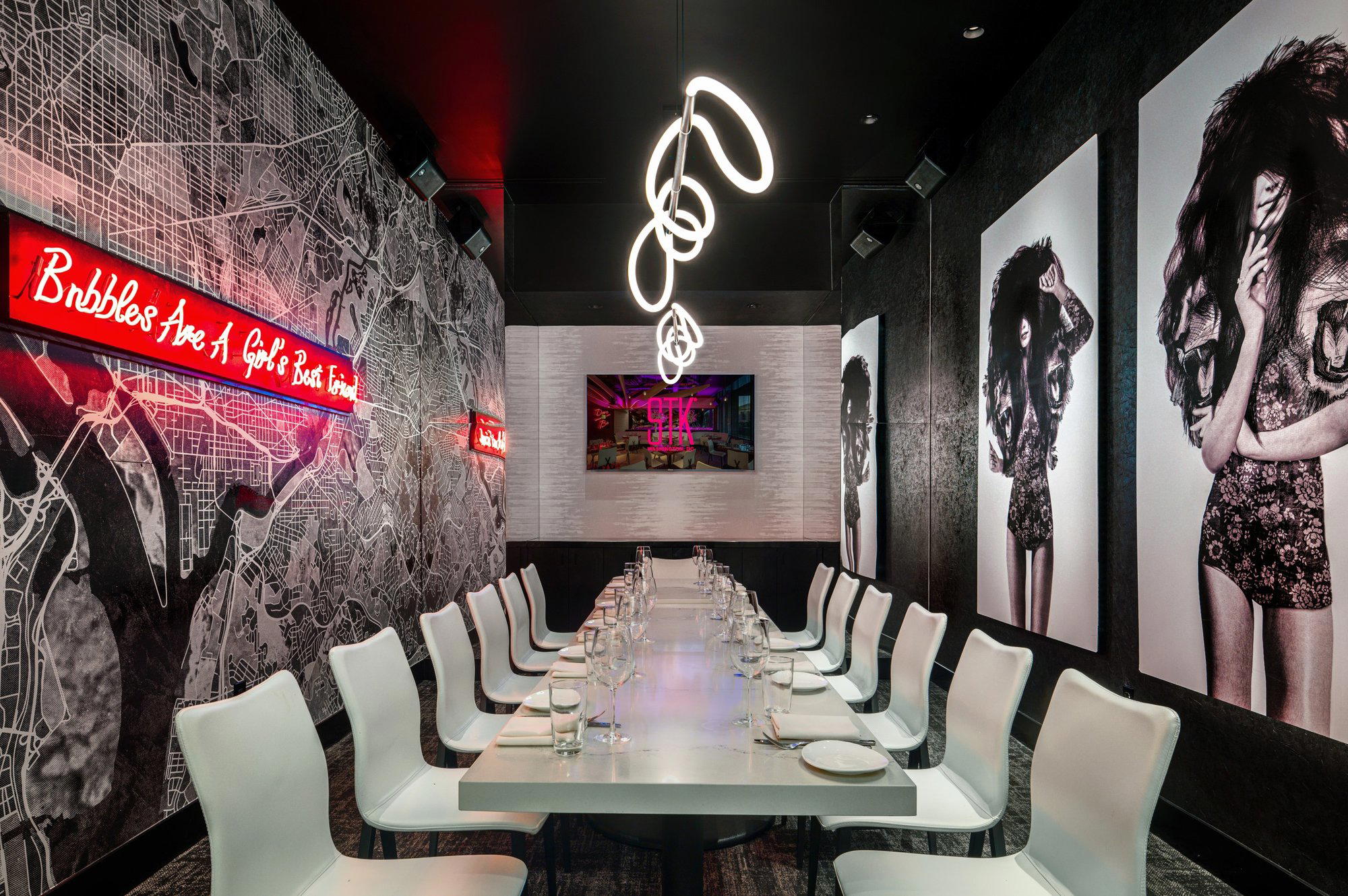
Penn Quarter's Steakhouse Register
Washington's dining scene has reorganized itself around a clearer set of tiers over the past decade. At one end sit the tasting-menu counters, Jônt and minibar represent that bracket, operating at the level of technical precision you find at Alinea in Chicago or The French Laundry in Napa. At the other end, the city's neighborhood restaurants have grown sharper, with places like Oyster Oyster building serious reputations around sourcing discipline and Albi reframing what Middle Eastern cooking looks like at a fine-dining price point. Between those poles, the premium steakhouse format has evolved in American cities from a conservative, wood-paneled category into something more deliberately social, with sound levels, lighting, and bar programming that compete as much as the plate does.
STK DC, at 901 Massachusetts Ave NW, sits inside that evolved format. The address places it in Penn Quarter, one of Washington's most commercially active dining corridors, where the audience skews toward expense-account lunches, pre-theater dinners, and the kind of mixed-use foot traffic that sustains a multi-room operation across a full service day. Penn Quarter has the density and visitor volume to support a concept that runs at scale.
The Global Steakhouse Template and What It Demands Locally
The modern upscale steakhouse chain, of which STK is among the more recognizable American examples, operates on a specific logic: standardize the protein sourcing and preparation technique across locations, then allow the local market to shape the social atmosphere. That model works well in cities where the dining audience is large enough to sustain a high-energy room most nights of the week. Washington, with its embassy circuit, Congressional calendar, and growing technology and lobbying economy, generates that audience reliably.
What distinguishes STK's format from the older American steakhouse tradition is the deliberate integration of a DJ-driven or curated music program, a cocktail operation that runs parallel to the food rather than subordinate to it, and a room design that prioritizes sightlines and energy over the hushed, leather-booth gravity of an earlier generation. That shift mirrors what happened at cocktail bars in New York over the same period, away from theatrical concealment and toward transparent, technically confident programming, as Lazy Bear in San Francisco demonstrated in its own way by making the kitchen itself the theater. STK's version of that move is social rather than culinary, but the underlying logic, make the room part of the offer, is the same.
Technique Over Territory: The Global-Local Steakhouse Question
The editorial angle that matters most for a steakhouse operating in Washington is the tension between imported format and local sourcing. American premium beef culture is itself a story of applied technique: specific breed selection, controlled aging protocols, and temperature-precision cooking that owes as much to modernist kitchen science as to tradition. That technical base is what allows a multi-city brand to maintain consistency, the methods travel even when the ingredients shift by region.
Washington's position on the East Coast means access to Mid-Atlantic protein and produce that a menu can draw on without abandoning the steakhouse core. The region's agricultural output includes quality beef from Virginia and Maryland farms, and the broader Mid-Atlantic pantry, Chesapeake seafood, regional produce, gives a kitchen options for supporting courses that read as locally grounded rather than generic. How deeply any individual location integrates those regional inputs depends on kitchen direction, but the structural opportunity is present in a way it isn't in some other STK markets. Comparable questions of local-meets-imported-technique play out at Blue Hill at Stone Barns in Tarrytown and Single Thread Farm in Healdsburg at the fine-dining end of the spectrum, though those properties foreground sourcing as their primary argument rather than their secondary one.
At the price tier STK occupies, positioned above casual chains and below the tasting-menu bracket, roughly comparable in spend to Causa and Albi in Washington's $$$$ category, the protein quality and cooking precision are the primary claims. A bone-in ribeye or New York strip is a direct, verifiable test: temperature control, resting time, and the quality of the cut read immediately on the plate. There is nowhere to obscure a failure of sourcing or execution at a counter that charges steakhouse prices.
Where STK DC Sits in the Washington comparable set
Washington now has enough range that a visitor can spend equivalent money at venues making different arguments. Causa builds its case on Peruvian technique applied to premium ingredients; Oyster Oyster argues that a vegetable-forward approach can hold the same price tier if the sourcing is serious enough. STK's argument is different: it offers a complete evening format, cocktails, protein-anchored dinner, late-night energy, in a single room. That completeness has value for a certain kind of booking, particularly for groups navigating a city where the premium-casual and fine-dining tiers are geographically dispersed.
For context beyond Washington, the steakhouse premium format is a national category with strong representation in cities that carry large corporate and political economies. Le Bernardin in New York City and Providence in Los Angeles represent the protein-focused fine-dining ceiling in their respective markets, though their idiom is seafood rather than beef. Emeril's in New Orleans and Addison in San Diego show how premium dining anchors to local culinary identity at different points on the formality spectrum. STK's position is deliberately more horizontal, it competes on atmosphere and format consistency across markets rather than on a specific culinary identity rooted in one city. That is a strategic choice, not a deficit, and it serves a specific demand.
Planning Your Visit
Practical Comparison
| Venue | Cuisine | Price Tier | Format |
|---|---|---|---|
| STK DC | Modern Steakhouse | $$$$ | À la carte, full bar, late-night |
| Causa | Peruvian | $$$$ | À la carte, tasting option |
| Albi | Middle Eastern | $$$$ | Sharing plates, wine-forward |
| Oyster Oyster | New American (Vegetarian) | $$$ | À la carte, sourcing-led |
| Jônt | Modern French / Contemporary | $$$$ | Counter tasting menu |
STK DC is located at 901 Massachusetts Ave NW, Washington, DC 20001. Reservations are recommended, and the dress code is smart casual.
Recognition Snapshot
Comparable venues nearby, for context on price, style, and recognition.
| Venue | Cuisine | Price | Notes |
|---|---|---|---|
| STK - DCThis venue — the venue you are viewing | Modern Steakhouse | $$$$ | Not listed |
| Bazaar Meat | Theatrical Spanish-American Steakhouse | $$$$ | Penn Quarter |
| Bobby Van's Grill | Classic American Steakhouse | $$$$ | East End |
| Nobu DC | Japanese-Peruvian Fusion | $$$$ | West End |
| The Willard Room | Classic French Brasserie | $$$$ | East End |
| THE GRILL | Modern American Steakhouse | $$$$ | Southwest Waterfront |
Recognition history
Dated appearances from independent guides and award organizations, with the underlying list record or original source where available.
Wine Spectator Award of Excellence
Wine Spectator
Continue exploring
More in Washington DC
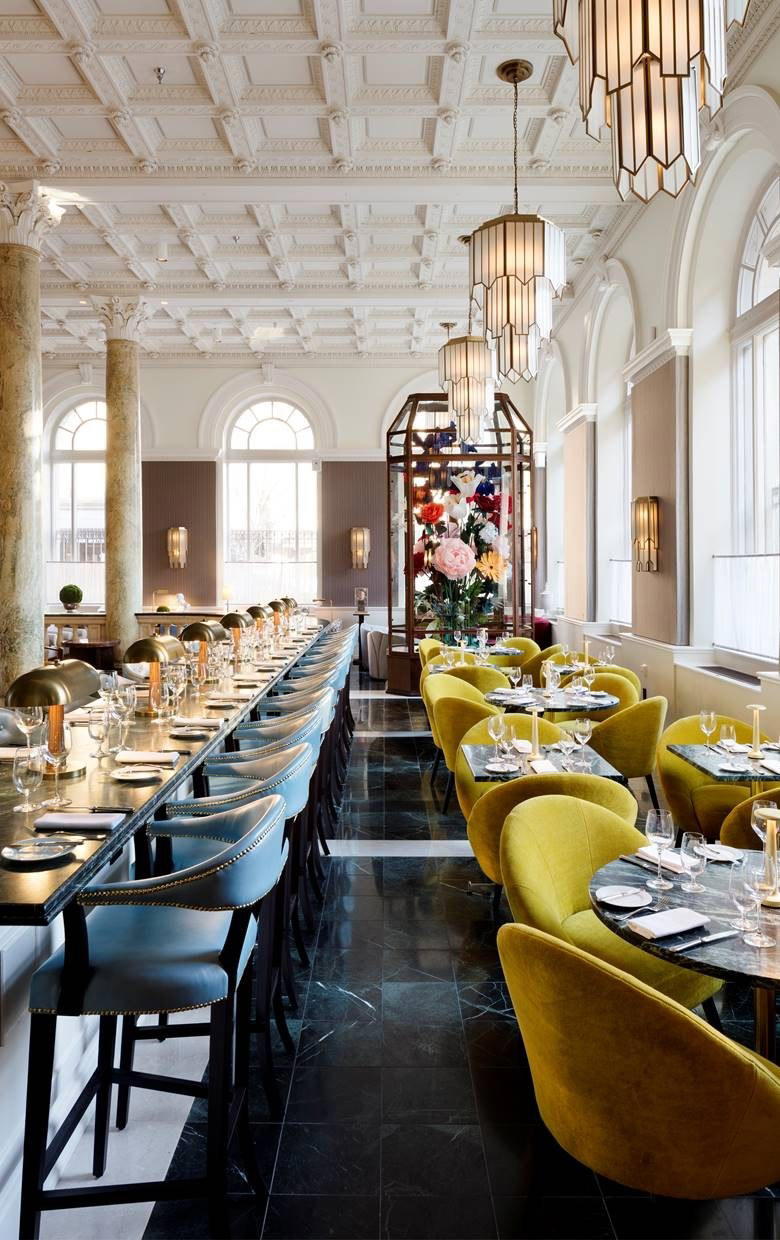
Restaurants in Washington DC
Browse all →
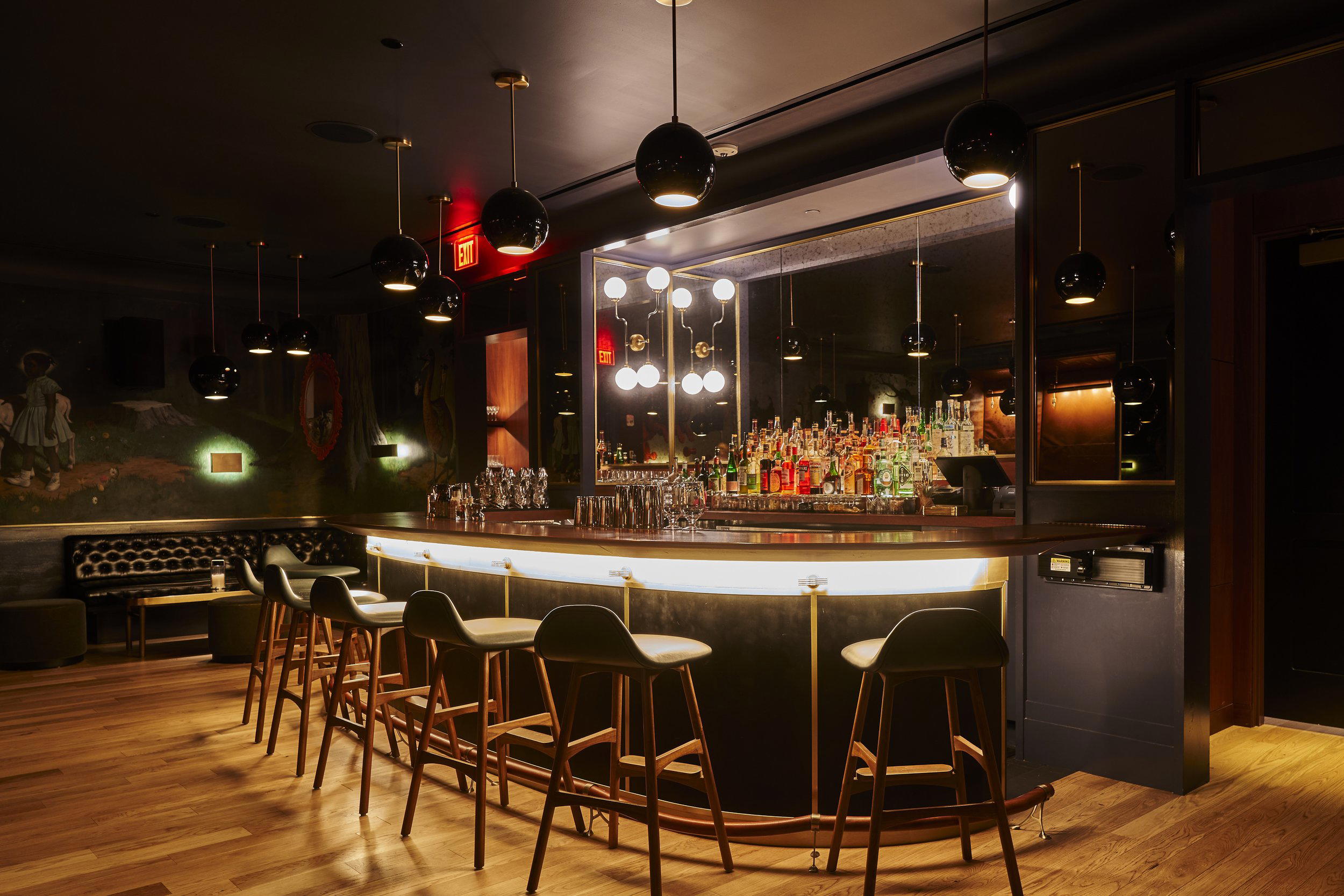
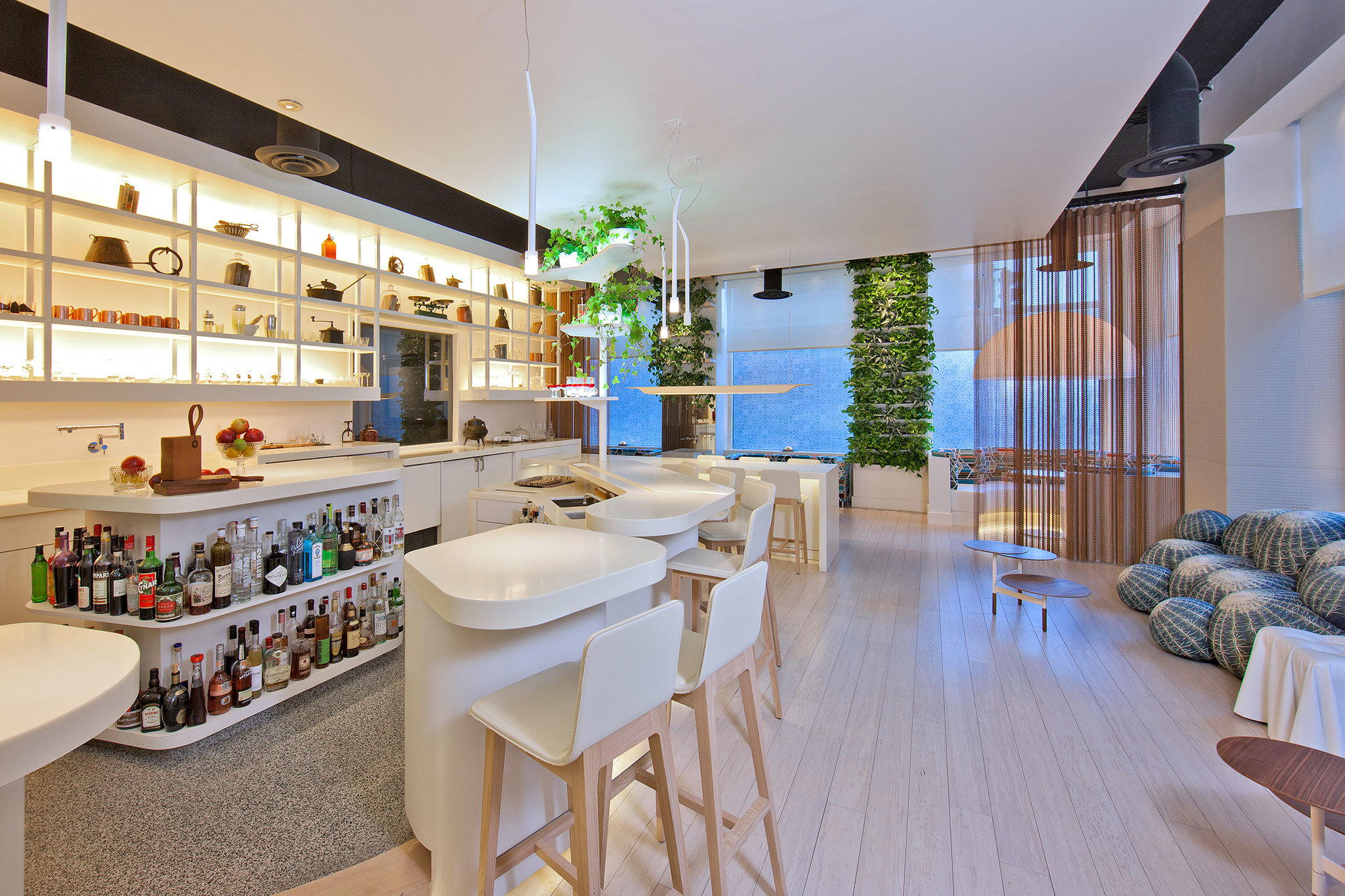
Bars in Washington DC
Browse all →
Hotels in Washington DC
Browse all →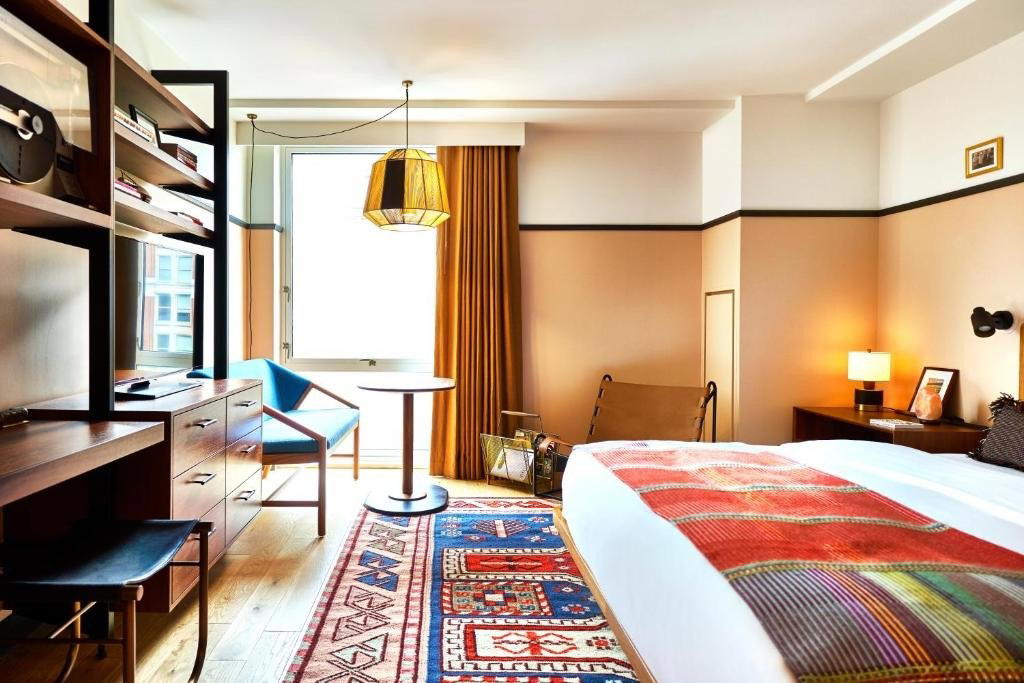
At a Glance
- Lively
- Trendy
- Modern
- Energetic
- Sophisticated
- Celebration
- Group Dining
- Date Night
- Late Night
- Live Music
- Rooftop
- Private Dining
- Hotel Restaurant
- Craft Cocktails
Current opening hours
- Monday
- 11 AM–12 AM
- Tuesday
- 11 AM–12 AM
- Wednesday
- 11 AM–12 AM
- Thursday
- 11 AM–12 AM
- Friday
- 11 AM–1 AM
- Saturday
- 11 AM–1 AM
- Sunday
- 10 AM–12 AM
Hours can change for holidays and private events. Last verified .
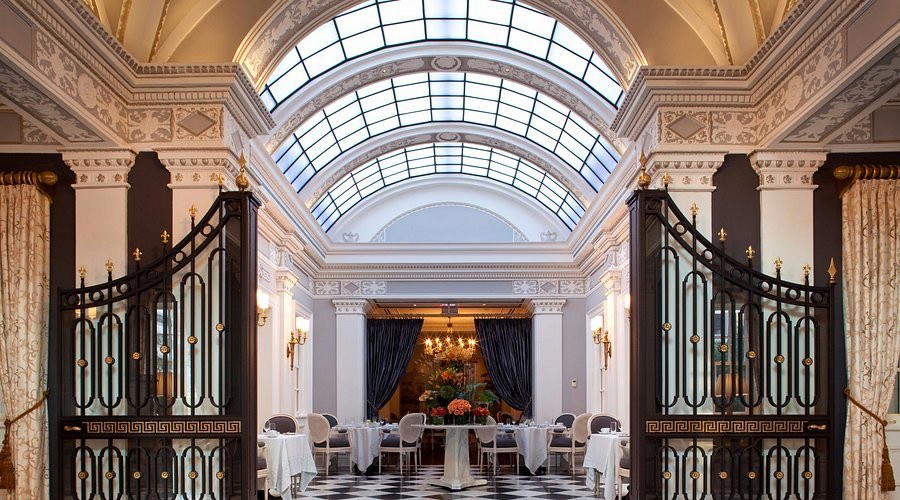
High-energy atmosphere with neon lights, dry ice effects, and loud dance music under stylish, lively lighting.