
Tabelog 100 #90
Our verdict
SONJIN is a Yokohama cafe with Tabelog Cafe EAST “Tabelog 100” recognition in 2025 and earlier Cafe “Tabelog 100” selection in 2022. The appeal sits in a precise Japanese cafe lane: pancakes, omurice and a room built for slower daytime eating rather than fast turnover, with prices in the JPY 1,000–2,999 range.

Pearl is the En Primeur Club membership app, where members save venues, book tables and use the concierge.
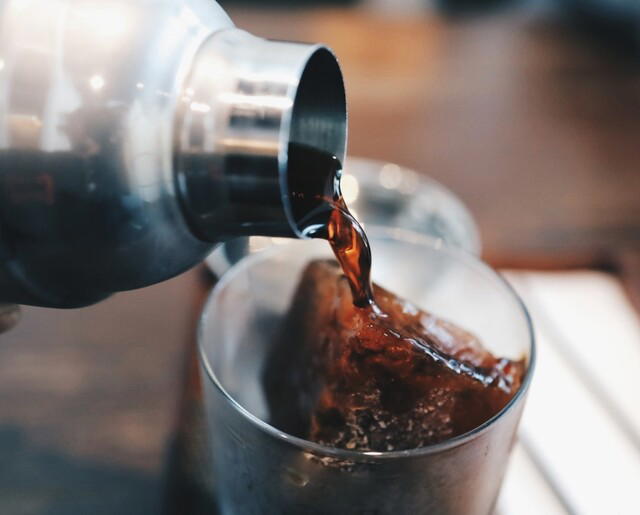
The menu
What to order
- Super fluffy hotcakes with fresh cream
- Omelette rice (omurice)
Yokohama gives SONJIN a cafe rhythm apart from the most obvious tourist circuit: local, ordered and quiet, with everyday city routines shaping the way people use the room. Here, the serious cafe is not a fallback between meals; it is the meal, paced around table seating and Japan’s habit of treating pancakes and omurice as dishes with their own grammar, not sweet or nostalgic afterthoughts.
That matters because Japanese cafe culture has split into lanes: old-style kissaten, patisserie-led rooms built around cake cases, chain cafes designed for quick turnover, and food-led salons where the kitchen carries the reputation. SONJIN belongs to the last group. Its Tabelog Hyakumeiten recognition in 2025 places it in a category judged less by spectacle than repeatable craft: batter, eggs, sauce, timing and the patience to make a daytime menu feel intentional.
A Yokohama cafe reputation built on pancakes and omurice, not trend theatre
The Japanese cafe canon rewards dishes that look simple until the margin for error narrows. Pancakes need lift without heaviness; omurice depends on rice, egg texture and sauce working as one plate, not three components. SONJIN’s listed categories, Cafe, Pancake and Omurice, explain why its reputation sits outside the dessert-only lane. This is not a pastry counter pretending to be a lunch room, nor a coffee bar with a token hot plate. The draw is the old Japanese cafe promise that a midday table can carry proper cooking.
Tabelog’s Hyakumeiten lists help separate category specialists from general popularity. A cafe selection in 2025 signals recognition within a crowded field. In Yokohama, where dining attention often clusters around the city’s better-known visitor routes, a cafe like SONJIN has to earn attention through narrower credibility. The appeal is not location glamour. It is category authority.
That puts the cafe in conversation with Yokohama specialists rather than luxury dining rooms. Ajowan occupies another comfort-food lane, while other Yokohama dining rooms show how the city rewards formats with a clear house identity. Local specialists point to the same citywide pattern: diners often follow specific cravings rather than broad “where should we eat” lists. SONJIN fits as a destination for award-backed cafe cooking with recognisable dishes.
The serious daytime table in a city better known for dinner itineraries
Yokohama’s international image often leans evening: harbor views, large dinners, polished lounges and post-sunset itineraries. Its daytime dining culture is quieter but revealing. Local cafes can act as social rooms, lunch anchors and afternoon refuges. SONJIN’s appeal sits in that context: a cafe where the listed categories are not incidental, and where the food itself gives the visit its reason.
The audience signal is equally specific without needing to overstate the setting. In practice, the room reads closer to an adult cafe salon than a casual snack stop. That is a useful filter for travellers. Yokohama has plenty of informal options; this address suits visitors wanting a calmer meal in the city, especially when the plan already leaves room for a focused cafe rather than another broad dining stop.
There is also a planning culture embedded in this tier of Japanese dining. Smaller independent rooms may not follow the card-first habits of hotels and department-store restaurants, and practical details can change. Those details do not need to make the experience difficult, but they reward diners who treat a cafe with the same planning respect as any compact, specialist Japanese dining room.
How to place it within Yokohama's wider food map
For travellers, the question is less “Is this worth crossing Japan for?” than “Does this fit the Yokohama day being built?” If the itinerary centers on the city’s most familiar visitor areas, a dedicated cafe stop needs a reason. Tabelog Hyakumeiten recognition supplies one for cafe-focused diners, especially those interested in Japan’s ability to turn Western-derived dishes into domestic comfort forms with their own standards. Pancakes and omurice are not side notes; they are part of how postwar cafe cooking became a genre.
Yokohama’s broader restaurant field sharpens the contrast. For a full city scan, Our full Yokohama restaurants guide gives the wider dining frame, while Our full Yokohama hotels guide, Our full Yokohama bars guide, Our full Yokohama wineries guide and Our full Yokohama experiences guide help turn a single meal into a coherent stay.
The useful comparison is Japan’s broader specialist network. Focused dining rooms, cafe-led addresses and compact casual formats all show how narrow categories can define a stop. The same applies beyond Yokohama: specificity travels better than breadth. SONJIN belongs in that logic because its appeal is not a generic “nice cafe” promise, but a defined set of dishes with enough recognition to make the detour legible.
SONJIN’s strength is not novelty. It is placement: a recognised Yokohama cafe built around dishes that reward repetition and judged within a specialist cafe field. For travellers who understand that Japan’s casual categories can be as disciplined as its formal ones, this address makes a Yokohama cafe stop feel less like filler and more like part of the city’s real dining structure.
Frequently asked questions
What's the pricing like at SONJIN?
Pricing at SONJIN is listed as Dinner: JPY 2,000 - JPY 2,999; Lunch: JPY 1,000 - JPY 1,999.
What are the opening hours for SONJIN?
Specific opening hours are not provided here. Check SONJIN’s official channels before visiting.
Where is SONJIN in Yokohama?
Yokohama.
What's SONJIN best at?
SONJIN's strongest draw is its cafe menu, especially pancakes and omurice, which sit alongside its Tabelog Hyakumeiten 2025 recognition.
How does SONJIN handle allergies?
Those details are not published here. Advance communication is the sensible move. Check the venue's official channels for the latest details.
Is SONJIN suitable for children?
Child policy details are not provided here. Check SONJIN’s official channels for the latest guidance before planning a visit with children.
Cost Snapshot
Comparable venues to anchor price and recognition.
| Venue | Cuisine | Price | Awards | Notes |
|---|---|---|---|---|
| SONJINThis venue (the venue you are viewing) | Cafe with specialty fluffy pancakes and omurice | $10–20 | Tabelog 100 #90 | Not listed |
| Chrysler | Classic Cocktail Bar | $20–30 | Tabelog 100 #88 | Naka, Classic Cocktail Bar |
| Hakuraku Bagel | Bagel shop & bakery-cafe | $1–10 | Tabelog 100 #39 | Kanagawa, Bagel shop & bakery-cafe |
| Kikuya Yogashi Ho Motomachi honten | Japanese Confectionery / Cake Shop | $1–10 | Tabelog 100 #77 | Naka, Japanese Confectionery / Cake Shop |
| Ice Kobo Meria | Ice Cream & Gelato | $1–10 | Tabelog 100 #63 | Totsuka, Ice Cream & Gelato |
| Italiano Jerato Ya | Italian-style gelato & ice cream shop | $1–10 | Tabelog 100 #15 | Nishi, Italian-style gelato & ice cream shop |
Recognition history
Dated appearances from independent guides and award organizations, with the underlying list record or original source where available.
Tabelog 100 #90 · No. 90
Tabelog · Tabelog 100 - Cafe - EAST - 2025
Continue exploring
More in Yokohama
Restaurants in Yokohama
All restaurants in Yokohama →


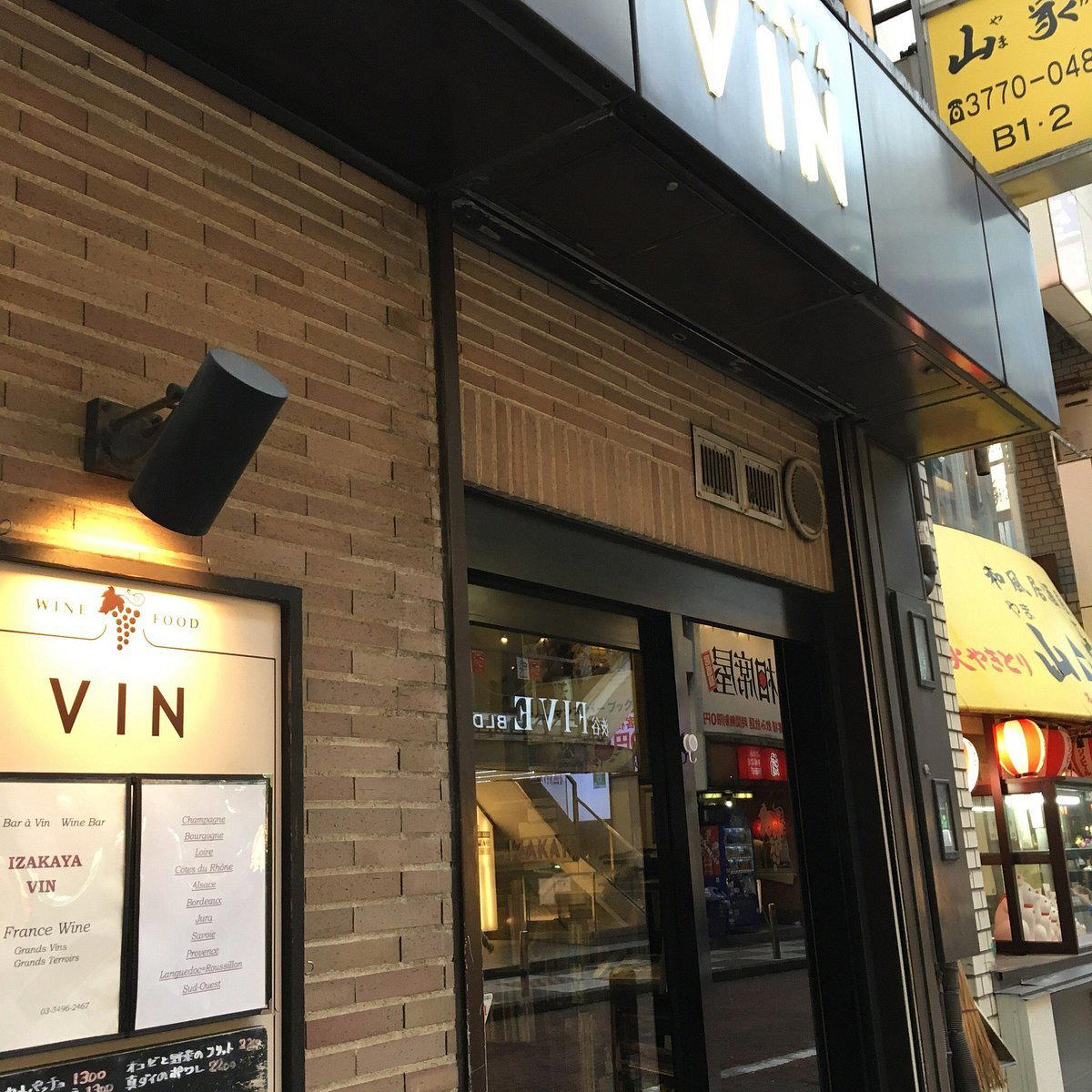
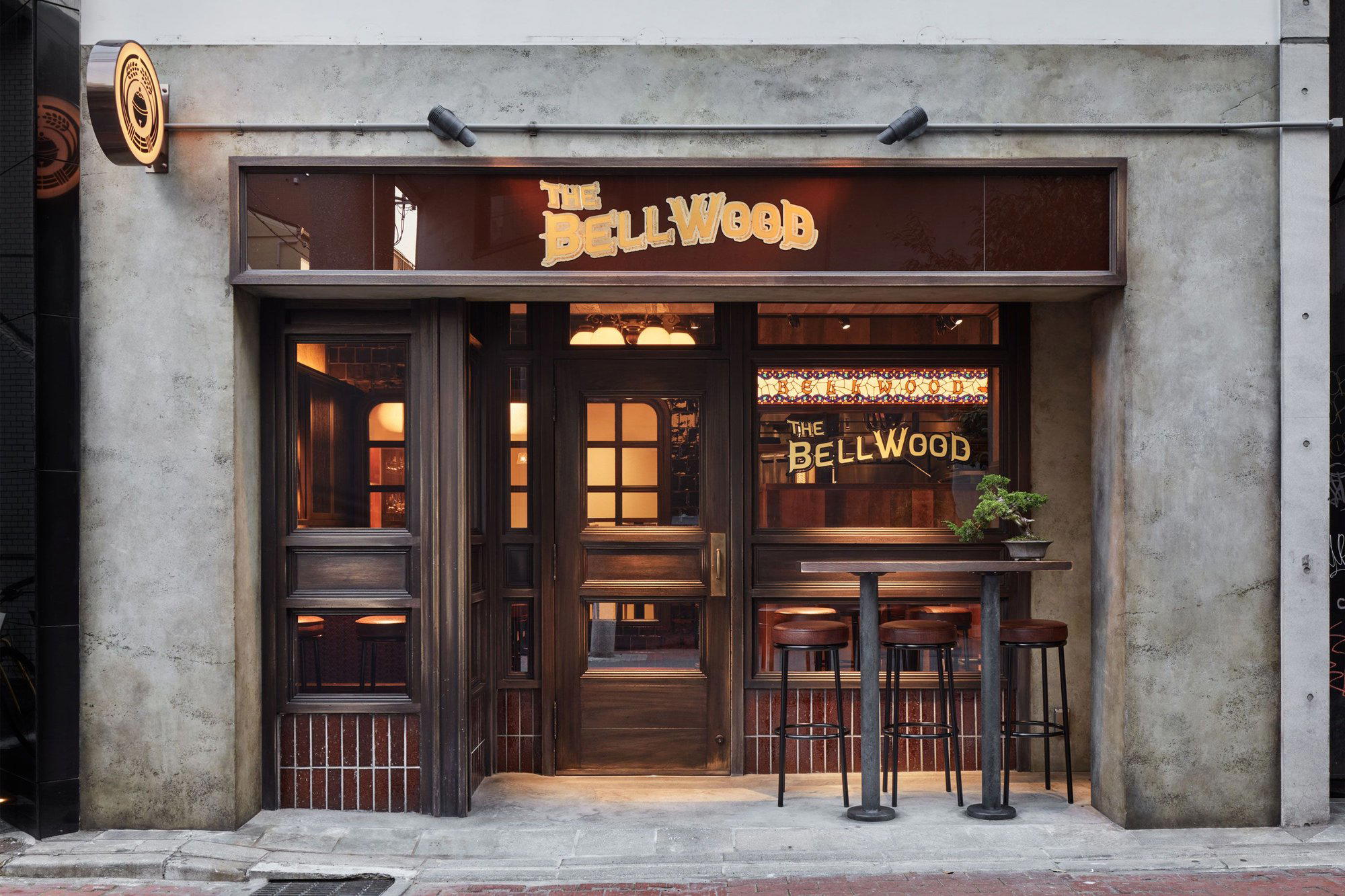
Bars in Yokohama
Browse all →

Hotels in Yokohama
All hotels in Yokohama →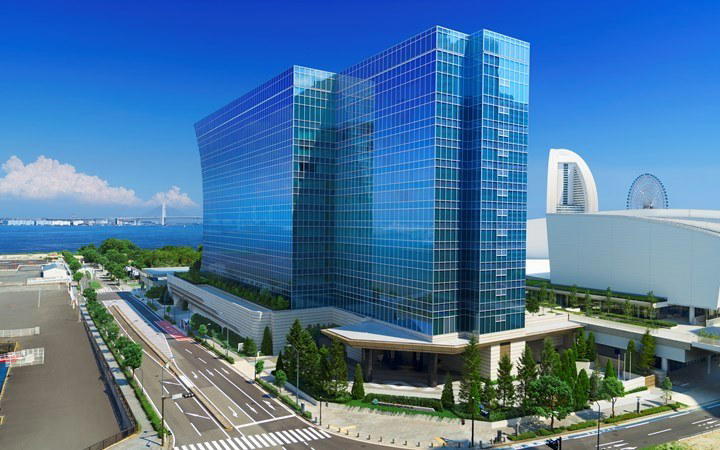
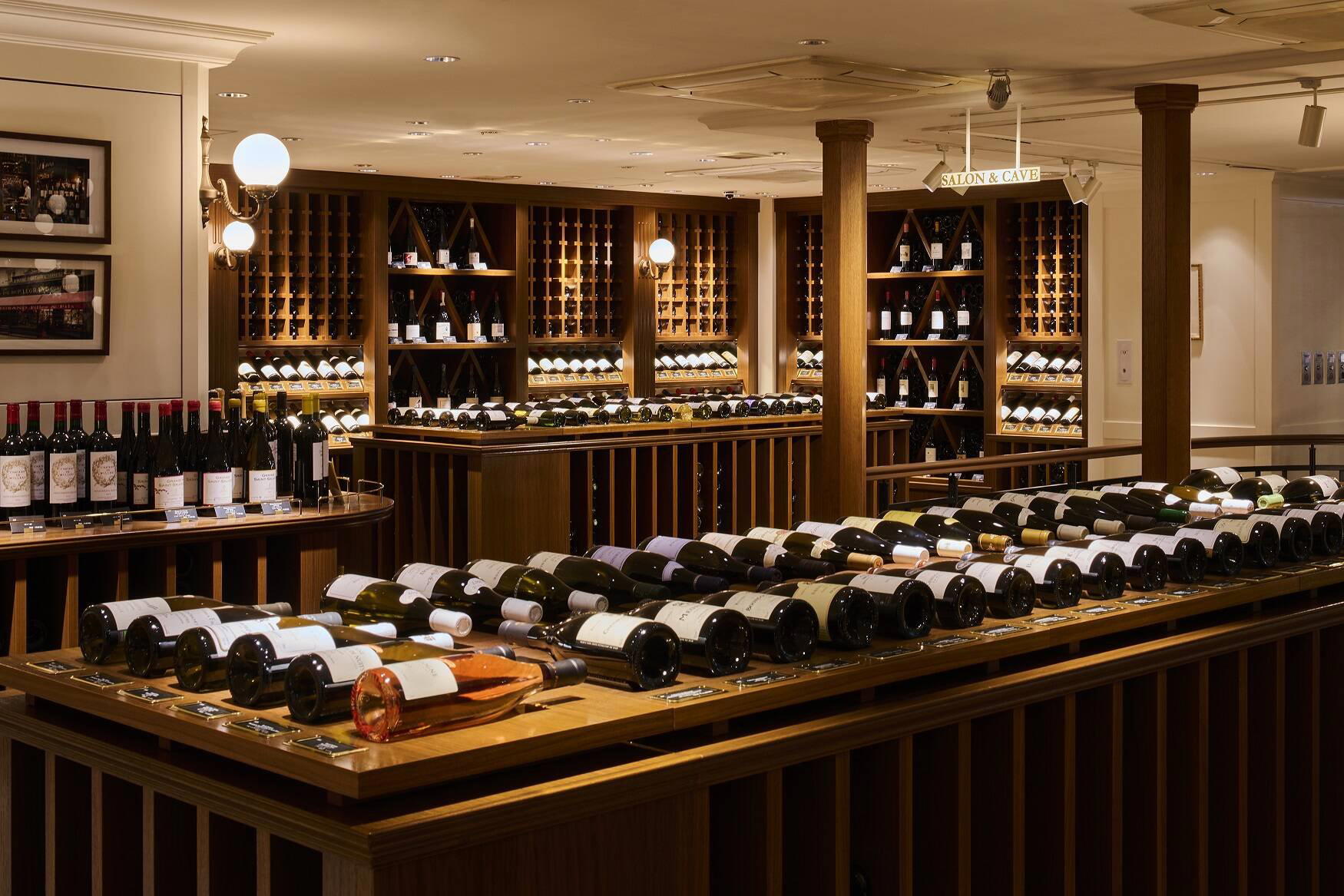
Wineries in Yokohama
Browse all →
Details
- Cozy
- Quiet
- Solo
- Casual Hangout
- After Work
- Date Night
- Standalone
- A La Carte
Current opening hours
- Monday
- Closed
- Tuesday
- Closed
- Wednesday
- 11:30 AM–5 PM
- Thursday
- 11:30 AM–5 PM
- Friday
- 11:30 AM–5 PM
- Saturday
- 11:30 AM–6 PM
- Sunday
- 11:30 AM–6 PM
Hours can change for holidays and private events. Hours as of .
Reviews describe a calm, relaxing cafe atmosphere ideal for quietly enjoying pancakes and coffee away from city noise, with a small, cozy interior focused on table seating.