
Our verdict
Steak Otsuka operates in Arashiyama, Kyoto's western district where bamboo groves and temple precincts set a quieter register than the city's central dining corridors. In a city dominated by kaiseki traditions, a dedicated steak counter represents a deliberate counterpoint, drawing on Japan's premium beef culture within a setting shaped by Kyoto's particular sense of restraint. Seek it out as an alternative to the kaiseki circuit when the format calls for something more direct.

Pearl is the En Primeur Club membership app — saves, bookings, and concierge access live there. Same editors, same standards.
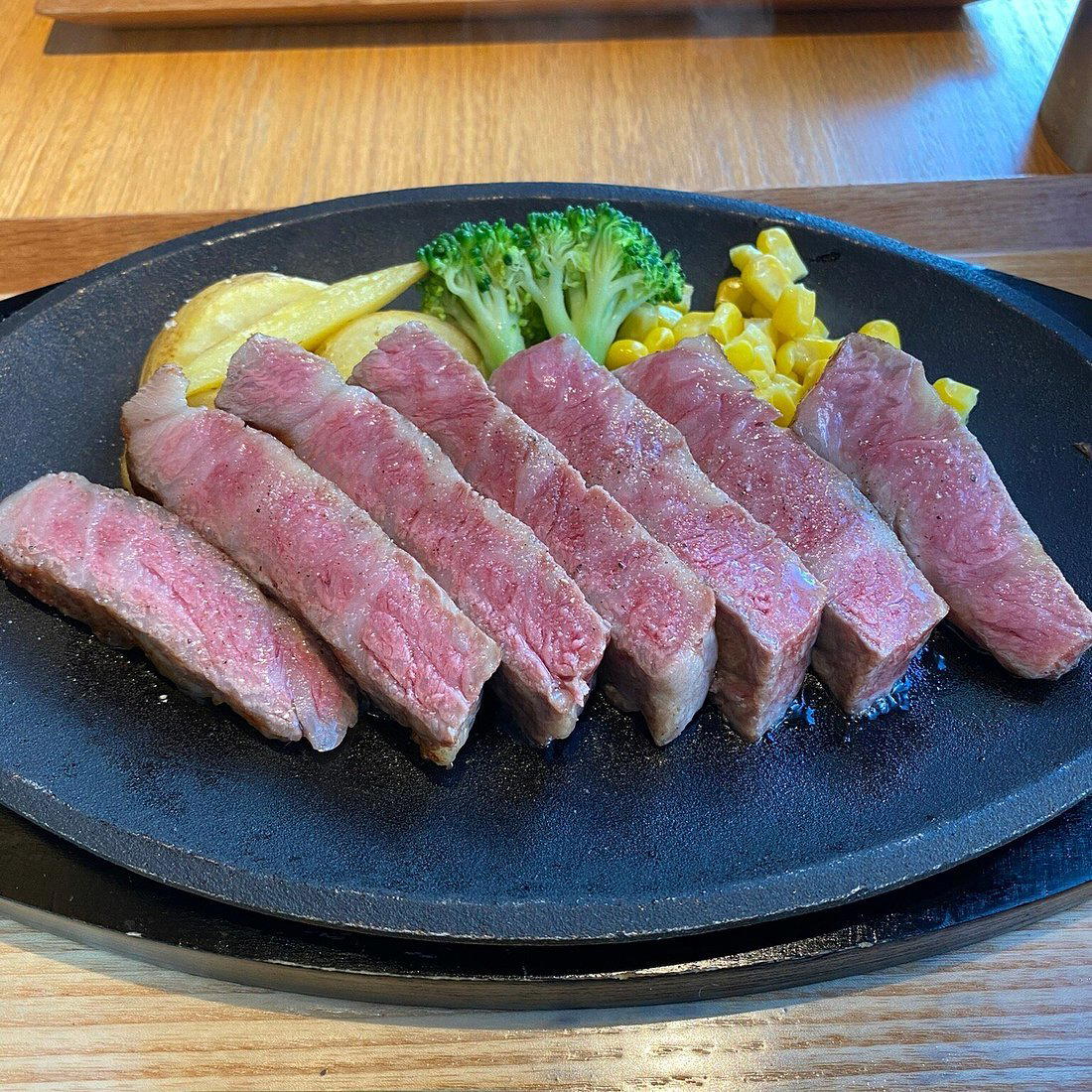
The menu
What to order
- Murasawa Sirloin Steak
- A5 Wagyu Sirloin
Arashiyama as a Dining District: Context Before the Counter
Kyoto's western fringe operates on a different rhythm from the geisha-district restaurants of Gion or the dense reservation circuit around Higashiyama. Arashiyama, anchored by Tenryuji temple and the Oi River, draws visitors for landscape and heritage, but its dining scene has developed a quieter gravity of its own. The address of Steak Otsuka, on Sagatenryuji Wakamiyacho, places it within this western enclave, a neighbourhood where the calibre of a room often goes unannounced by the kinds of signage and queues that mark destination restaurants elsewhere in the city.
That geography matters when thinking about Kyoto's premium dining map. The city's most decorated restaurants, from Gion Sasaki and Hyotei to Kikunoi Honten and Mizai, cluster in the central and eastern zones where foot traffic and critical attention tend to concentrate. A steak specialist in Arashiyama occupies a position away from that cluster, which shapes both who finds it and how it earns its reputation. In this part of the city, word of mouth carries further than media profiles, and returning guests tend to be the more reliable signal of quality than award counts.
Beef Culture in Japan: What a Steak Counter Actually Means
Japan's relationship with beef is younger than its cuisine would suggest. Wagyu as a category only opened fully to Western markets in the late twentieth century, and the domestic premium beef culture, centred on breeds from Hyogo, Kagoshima, Miyazaki, and surrounding regions, developed its own rigorous grading system and service traditions largely in the postwar decades. A dedicated steak counter in Japan is not simply a steakhouse in the Western sense. It tends to be a format where the chef works close to the guest, where the cut and grade of the beef are treated with the same specificity that a kaiseki kitchen might apply to a seasonal vegetable, and where the cooking method, typically teppan or charcoal, is understood as a craft decision rather than just a heat source.
Kyoto has its own relationship to this tradition. The city's dining identity is built around kaiseki, the formal multi-course progression tied to the tea ceremony and the agricultural calendar. Houses like Isshisoden Nakamura represent centuries of that practice. A steak counter sits outside that inheritance but is not indifferent to it. The Kyoto context tends to inflect even non-traditional formats with an expectation of quietness, precision, and material quality. That combination, premium beef handled with the seriousness of a kaiseki kitchen, is what positions a specialist like Steak Otsuka within the broader conversation about where Kyoto dining is heading.
The Wine Question: Cellars in a Sake City
Wine curation at a Japanese steak counter is a more considered challenge than it might appear at a European equivalent. Kyoto's dining culture has deep roots in sake and shochu pairings, and many of the city's formal restaurants treat wine as secondary, or orient their lists toward accessible French bottles that require little explanation. The premium steak format, by contrast, creates a natural argument for serious red wine: the fat structure of high-grade Wagyu, particularly cuts with heavy marbling, calls for wines with enough acidity or tannin to provide contrast rather than simply complement.
In practice, the leading Japanese steak counters have begun to build lists that take that argument seriously, sourcing from Bordeaux, Burgundy, and increasingly from domestic producers as the Japanese wine industry matures. Whether Steak Otsuka's cellar reflects this broader shift is not verifiable from available data, but the format itself places the venue within a category where wine selection is an active editorial decision, not an afterthought. Guests who approach the meal with that expectation, bringing the same attention to the pairing as they would at a destination counter elsewhere in Japan, are likely to find more on the list than a cursory glance would suggest.
For reference, the standard set by beverage programs at venues like HAJIME in Osaka or Harutaka in Tokyo demonstrates how seriously Japan's premium restaurant sector now treats the pairing conversation, even at counters where the food format might have once suggested a narrower beverage approach.
Placing Steak Otsuka in the Wider Japan Context
Japan's steak and yakiniku counter scene operates across a broad quality range, from neighbourhood lunch counters through to multi-Michelin establishments that charge prices comparable to the country's leading kaiseki rooms. A venue in Arashiyama, Kyoto's western heritage district, positions itself somewhere in the mid-to-upper tier of that range by virtue of location and local reputation alone. Kyoto's cost structure for dining reflects both ingredient quality and the expectations of a visitor base that includes significant numbers of high-spend travellers who have already worked through the kaiseki circuit.
Within the Kansai region, the comparison points extend beyond Kyoto itself. akordu in Nara represents a different approach to the same regional ingredient quality, with a European framework applied to local produce. Further afield, Goh in Fukuoka and venues across Japan's northern and rural prefectures, from Nanao to Sapporo, show how seriously Japan's regional dining scene takes beef and protein-led formats outside the capital. The common thread is a commitment to sourcing that treats the raw material as primary, which aligns with how Kyoto's leading non-kaiseki restaurants approach their menus.
Internationally, the same discipline applied to beef at the highest level is visible at counters from Le Bernardin in New York City to Atomix, both of which demonstrate how a specialist format, handled with rigour, can compete within the broadest conversation about serious dining rather than occupying a category ghetto.
What Draws Guests to This Part of Kyoto
The Arashiyama address is not incidental. Visitors who make it to this corner of Ukyo Ward are typically not passing through: the neighbourhood requires intention. That self-selecting quality tends to produce a certain kind of dining room atmosphere, quieter, more focused, less subject to the noise of drop-in tourism that affects restaurants closer to Kyoto Station or the central shopping corridors. For a restaurant format that rewards attention, whether to the cut, the cooking, or the pairing, that atmosphere is an asset.
Our full Kyoto restaurants guide maps the broader dining picture across all major neighbourhoods and formats, including how the kaiseki circuit compares to newer arrivals like specialist counters in Arashiyama and beyond.
Know Before You Go
- Address: 21-3 Sagatenryuji Wakamiyacho, Ukyo Ward, Kyoto, 616-8371, Japan
- Neighbourhood: Arashiyama, western Kyoto
- Nearest landmark: Tenryuji temple precinct
- Reservations: Contact details not publicly listed; approach via hotel concierge in Kyoto or local booking platforms
- Walk-ins: Not confirmed; given the format and location, advance booking is strongly advisable
- Price range: Not publicly listed; budget in line with upper-mid Kyoto dining (¥¥¥ range is reasonable as a planning assumption)
- Dietary requests: Vegetarian and dietary accommodation details unavailable; contact directly to confirm before visiting
Frequently asked questions
What part of town is STEAK OTSUKA in?
STEAK OTSUKA is located at 21-3 Sagatenryuji Wakamiyacho, Ukyo Ward, Kyoto, 616-8371, Japan, Kyoto.
Is Steak Otsuka in Arashiyama easy to reach from central Kyoto?
The restaurant sits at 21-3 Sagatenryuji Wakamiyacho in Ukyo Ward, the same district as Tenryuji temple and the bamboo grove, placing it roughly 30–40 minutes from central Kyoto by rail via the Sagano or Hankyu lines. Arashiyama is a destination in itself rather than a detour, so most guests combine the meal with a wider visit to the western hills. Arriving by taxi from Kyoto Station is a practical option if you're carrying luggage or visiting in the evening.
What's the signature dish at STEAK OTSUKA?
Given the venue sits in Arashiyama's Ukyo Ward and operates as a dedicated steak counter, the focus is almost certainly on Japanese beef preparations rather than a multi-concept menu. Contacting the venue directly before your visit is advisable.
Do they take walk-ins at STEAK OTSUKA?
No walk-in policy is confirmed in published sources for this Kyoto address. Arashiyama's counter-format restaurants typically operate on reservations, particularly during peak cherry blossom and autumn foliage seasons when the neighbourhood sees sustained visitor pressure. Planning ahead is strongly advised for any trip to Ukyo Ward.
What makes STEAK OTSUKA worth seeking out?
The address alone filters the audience: 21-3 Sagatenryuji Wakamiyacho in Ukyo Ward is not a passing location, and visitors arriving here have made a deliberate choice rather than stumbling in from a busy central street. That self-selection tends to produce a different dining atmosphere from Kyoto's more trafficked reservation corridors around Gion or Higashiyama. For beef-focused dining away from the central city circuit, this western district offers a distinct register.
Can STEAK OTSUKA handle vegetarian requests?
As a dedicated steak counter, Steak Otsuka's menu is built around beef. No vegetarian options are documented for this Kyoto venue. Guests with dietary restrictions should check the venue's official channels before booking to confirm what accommodation, if any, is possible.
At a Glance
Comparable venues nearby, for context on price, style, and recognition.
| Venue | Cuisine | Price | Awards | Notes |
|---|---|---|---|---|
| STEAK OTSUKAThis venue (the venue you are viewing) | Japanese Wagyu Steakhouse | $50–100 | Not listed | Not listed |
| Manbei | Traditional Kyoto Unagi Kabayaki | $50–100 | Michelin Plate · Tabelog 100 #30 | Nakagyō, Kyoto-Style Unagi Rice |
| 食堂おがわ | Modern Japanese Izakaya | $50–100 | Tabelog Silver #96 | 西木屋町, Japanese Izakaya-Style Counter Dining |
| Planca Ken | Kyoto Gion Teppanyaki | $50–100 | Not listed | Higashiyama, Kyoto Gion Teppanyaki |
| Sakaba Ikura Mokuzai | Japanese stand-up izakaya bar | $50–100 | Tabelog 100 #57 | Kamigyō, Japanese stand-up izakaya bar |
| 竹邑庵太郎敦盛 | Traditional Kyoto Soba | $10–20 | Michelin Bib Gourmand | Kamigyō, Traditional Kaiseki Omakase |
Recognition history
Dated appearances from independent guides and award organizations, with the underlying list record or original source where available.
Opinionated About Dining Top Restaurants in Japan Recommended
Opinionated About Dining
Continue exploring
More in Kyoto
Restaurants in Kyoto
All restaurants in Kyoto →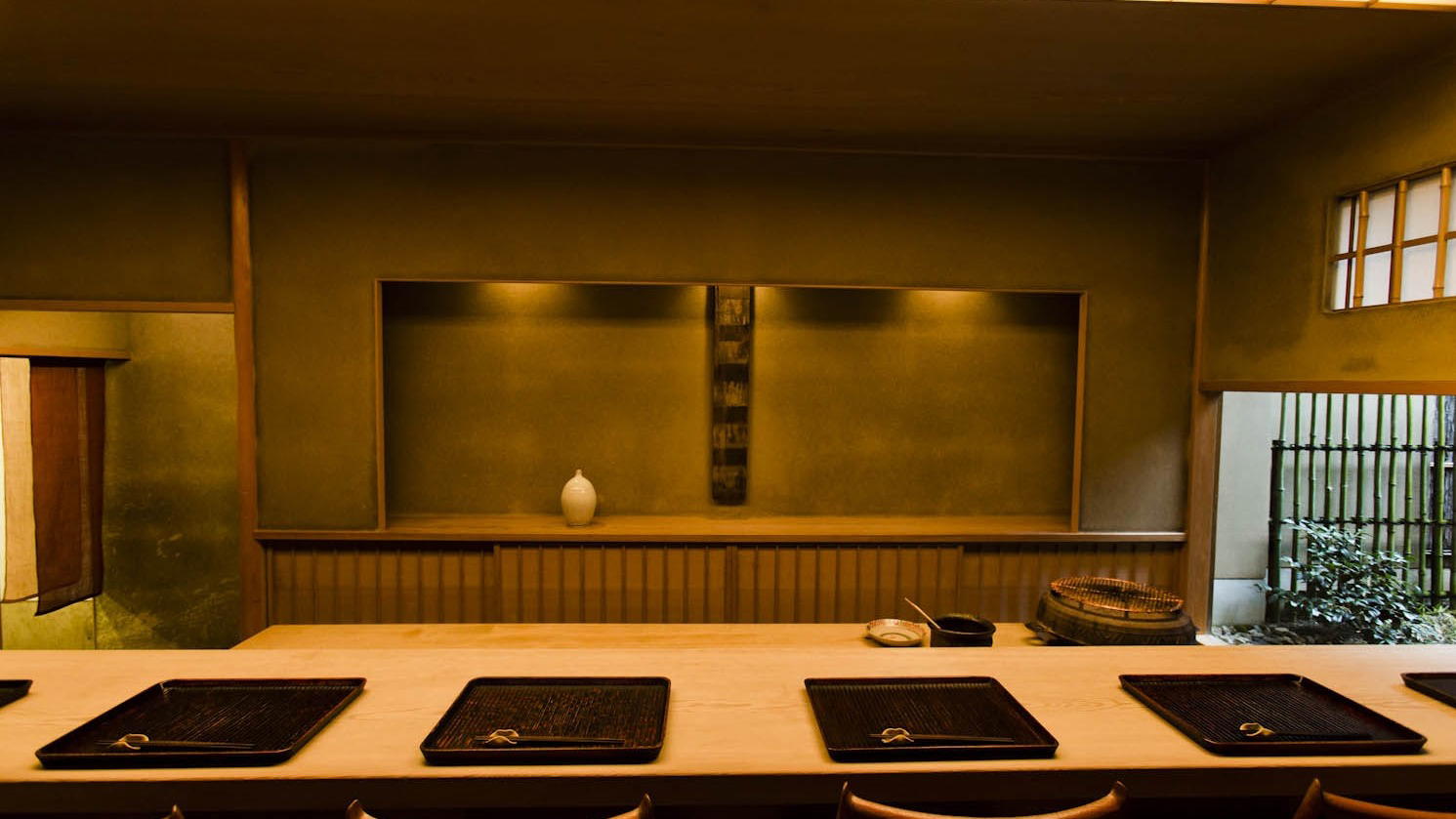
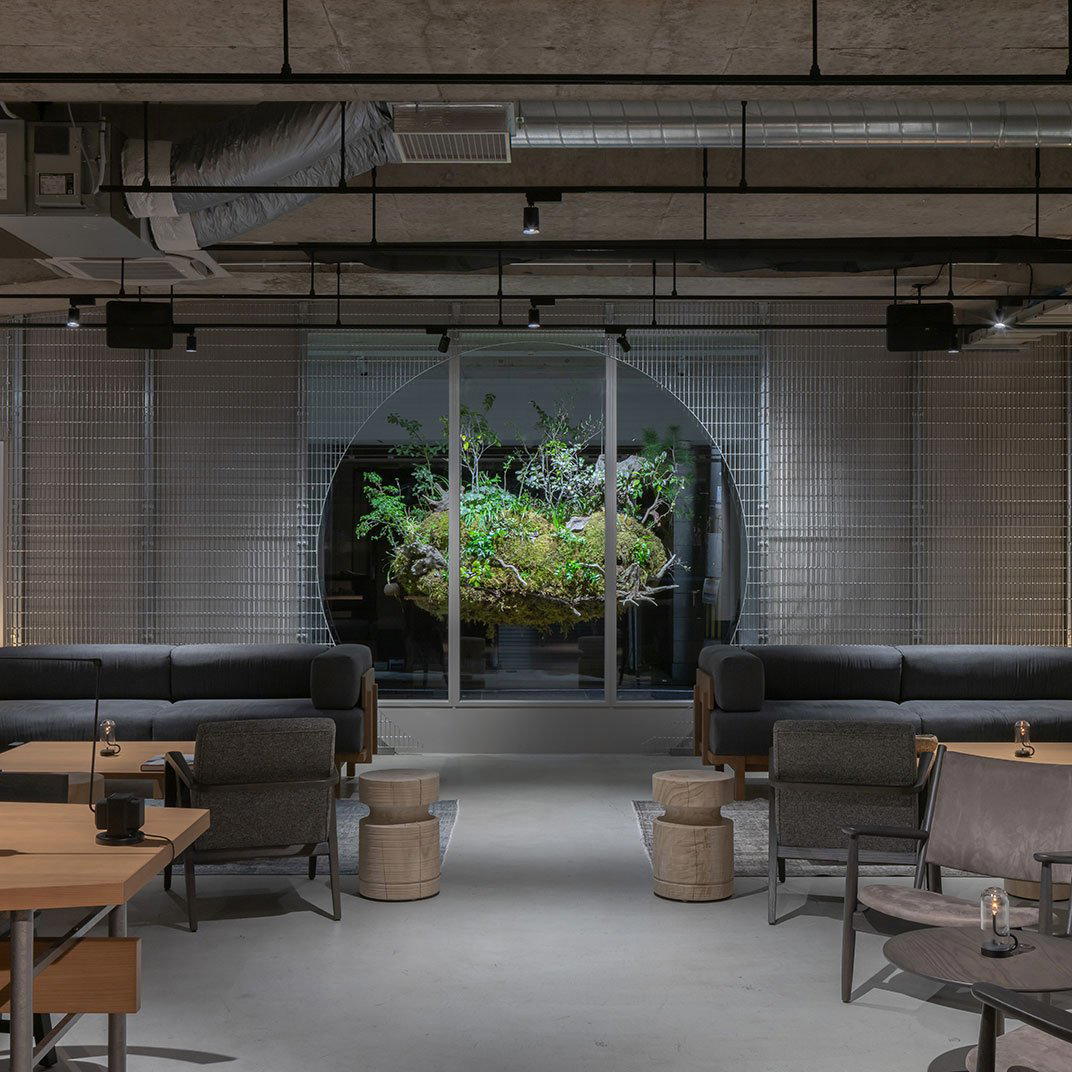
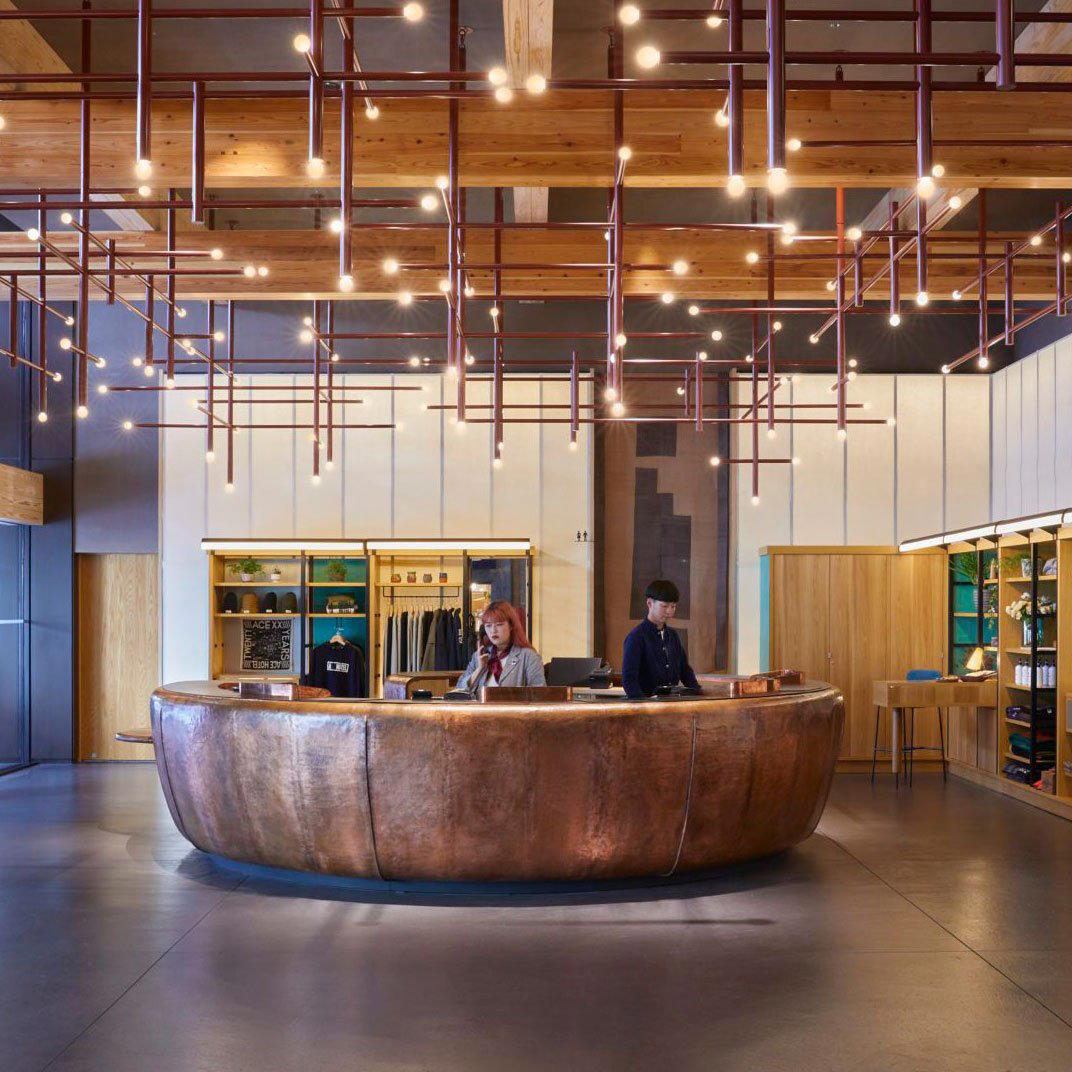
Bars in Kyoto
All bars in Kyoto →
Hotels in Kyoto
All hotels in Kyoto →
Wineries in Kyoto
Browse all →
Details
- Classic
- Cozy
- Intimate
- Special Occasion
- Standalone
- Sake Program
- A La Carte
- Sake
Current opening hours
- Monday
- 11 AM–2:30 PM
- Tuesday
- 11 AM–2:30 PM
- Wednesday
- 11 AM–2:30 PM
- Thursday
- 11 AM–2:30 PM
- Friday
- 11 AM–2:30 PM
- Saturday
- 11 AM–2:30 PM
- Sunday
- Closed
Hours can change for holidays and private events. Last verified .
Sleek, clean, and modern interior in a small, hole-in-the-wall setting focused on the steak experience.