1
Thunder Bay, Canada
Coco Bay Restaurant
Coco Bay Restaurant serves Vietnamese & Asian Fusion at 55 Cumberland St S in Thunder Bay, with waterfront views and signature dishes including Phở tái bò viên.
Results
Thunder Bay, Canada
Coco Bay Restaurant serves Vietnamese & Asian Fusion at 55 Cumberland St S in Thunder Bay, with waterfront views and signature dishes including Phở tái bò viên.

West Lombok Regency, Indonesia
On Senggigi's beachfront strip in West Lombok Regency, Coco Beach Restaurant sits where the Indian Ocean sets the pace for both the kitchen and the room. The setting positions it within a coastal dining tradition that draws on the strait's proximity to Bali while remaining distinctly Lombok in character — closer to the fishing boats than to the resort buffet circuit.

St Paul S, Antigua and Barbuda
Coco Beach Restaurant & Bar belongs to the Mamora Bay end of Antigua’s dining map, where the shoreline shapes expectations before the menu does. With little public detail on format or pricing, the useful lens is setting: a St Paul S address suited to readers comparing beach-adjacent restaurants, resort dining, and low-key local alternatives across the parish.

Chapel Hill, United States
Coco Bistro occupies a dining niche that Chapel Hill's restaurant scene has long supported: the neighborhood bistro that earns its following through consistency rather than spectacle. Its reputation rests on a dining ritual that the Triangle's food community has quietly come to rely on.

Badung, Indonesia
Coco Bistro Tanjung Benoa sits on Bali's quieter southern peninsula, where the pace of Tanjung Benoa's resort strip gives way to a more relaxed dining rhythm. The bistro format suits the neighbourhood: accessible, neighbourhood-scale, and positioned away from Seminyak's more competitive dining corridor. For visitors based in the Nusa Dua or Benoa area, it functions as a local dining anchor rather than a destination restaurant.

Calgary, Canada
Coco Cabana Club sits at 1235 17 Ave SW in Calgary's Mission district, occupying a stretch of 17th Avenue where neighbourhood bars and independent restaurants define the block's character. Details on cuisine, pricing, and format remain limited in public records, making it one of the quieter presences on a street that otherwise wears its identity loudly.

Akumal, Mexico
Coco Café fits the quieter side of Akumal dining, where the useful question is less about spectacle and more about how a casual café can anchor a day between beach time, cenote routes, and small-town errands. With no awards or chef-led tasting format attached, its value sits in informality, local pace, and the ingredient logic of the Riviera Maya rather than ceremony.
Playa del Carmen, Mexico
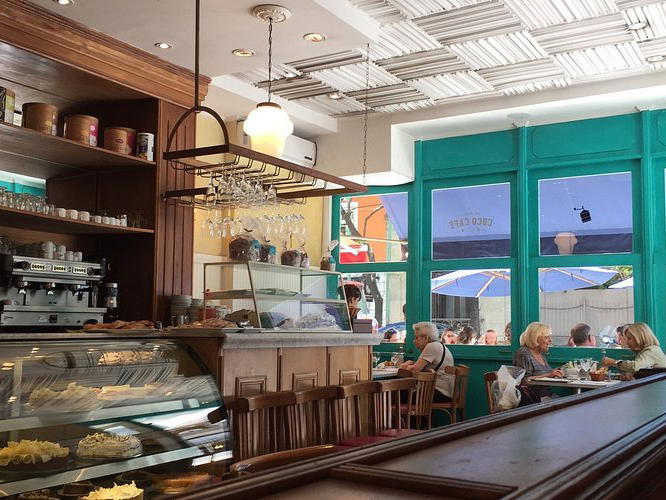
Coco Café belongs to Playa del Carmen’s casual daytime rhythm rather than its destination-dinner circuit. Its appeal is tied to place: a café stop in a city where beach traffic, condo corridors, resort edges, and quick-service dining often overlap within a few blocks.

Solidaridad, Mexico
Coco Café sits in Playa del Carmen’s resort corridor, where the café meal is less about ceremony than timing: breakfast before the coast starts moving, a pause between beach and town, or a low-commitment table when a tasting menu feels excessive. Treat it as part of Solidaridad’s daytime dining rhythm rather than an awards-chasing reservation.

Hoi An, Vietnam
Coco Corner belongs to Hoi An’s casual coastal dining orbit, where the value of a meal often depends less on ceremony than on produce, heat, herbs, and the rhythm of the beachside neighbourhoods. With no public awards or chef-led tasting-menu apparatus attached, it reads as a local-format stop for travellers comparing An Bang-side informality with the more polished dining rooms closer to the Ancient Town.

Lahaina, United States
Coco Deck Lahaina sits on Front Street in Lahaina, Maui, where the open-air deck format places it squarely in a West Maui dining tradition built around ocean views and casual-to-mid-range hospitality. It occupies a stretch of coastline that has defined Hawaiian beach dining for decades, drawing both local regulars and visitors working through the full range of Lahaina's waterfront options.

Kyoto, Japan
Coco Hana sits in Kyoto's Kita Ward, close to the temple precincts of Kinugasa, where the neighbourhood's quieter rhythms shape the dining experience as much as anything on the table.
New Orleans, United States
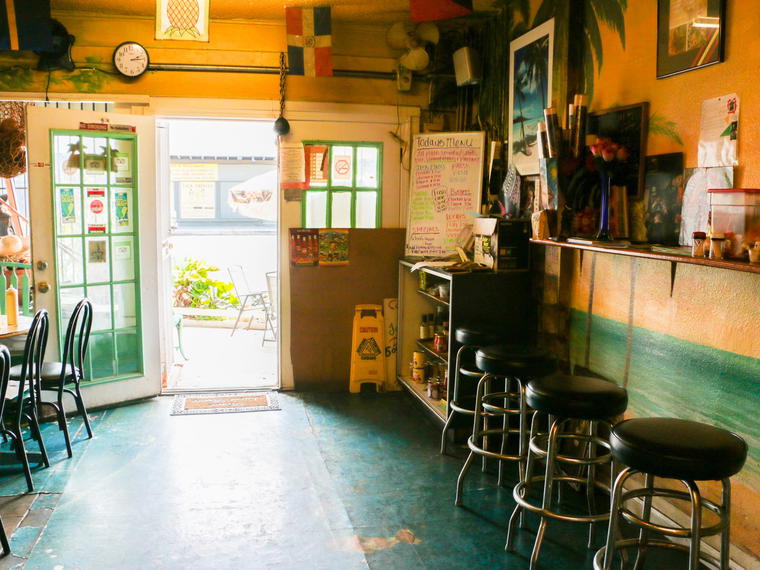
On Bayou Road, one of New Orleans' oldest corridors of Creole cottage life, Coco Hut occupies a position in the neighbourhood's lower-profile dining scene rather than the French Quarter circuit. Details on format, pricing, and current programming remain sparse, making direct contact a reliable way to plan a visit. For context on the broader New Orleans dining scene, EP Club's full city guide covers the range from Cajun institutions to contemporary tasting menus.
Clarens, Switzerland
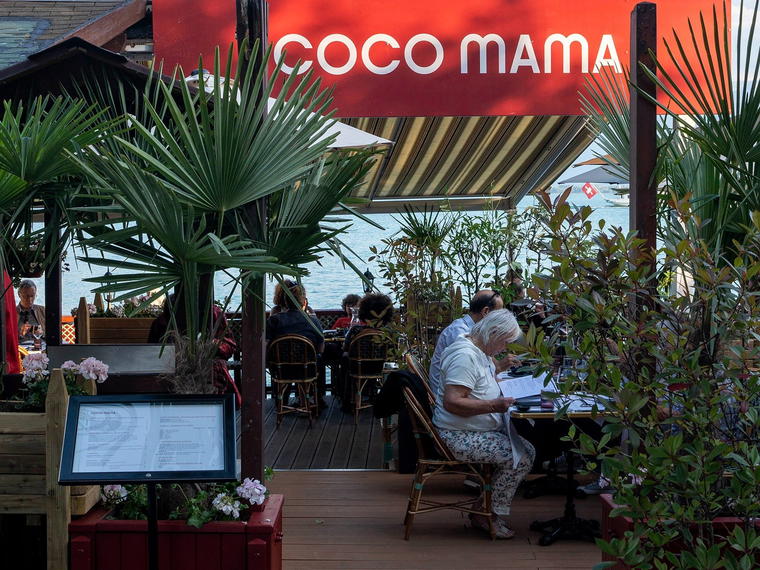
Coco Mama sits on Rue du Lac 40 in Clarens, the quietly residential stretch of the Swiss Riviera where Lake Geneva meets the lower Vaud foothills. In a canton that prizes provenance above spectacle, the address positions it within a dining culture shaped by proximity to notable local producers. For visitors working through the region's restaurant circuit, it represents a distinctly local counterpoint to the grand institutional tables further west.

Santos, Brazil
Coco Marine sits in Santos' Gonzaga neighbourhood, where proximity to the port and the Atlantic shapes how the city has always eaten. The address on Rua Dr. Assis Corrêa places it within walking distance of the seafront, situating it inside a dining tradition built on harbour-fresh product and the kind of unhurried meal pacing that port cities seem to preserve better than their inland counterparts.

Sydney, Australia
Coco Noir Bella Vista serves Modern Australian with Italian influences inside Quest Hotel in Bella Vista, with quiet, smart casual dining that suits breakfast through dinner.
Pomona, United States
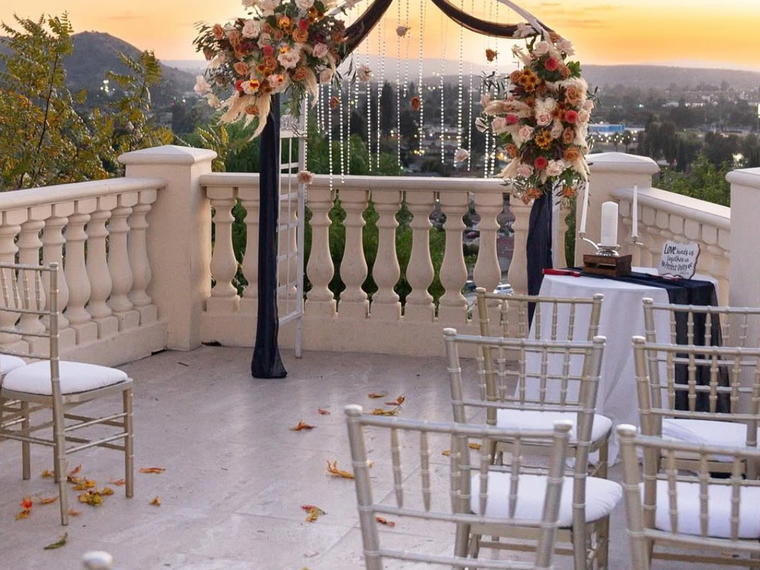
Coco Palm pairs Cuban & Spanish cuisine with skyline views, craft cocktails, and a leisurely pace, making it a fit for brunch or dinner in Pomona.

Sint-Truiden, Belgium
Coco Pazzo serves Authentic Sicilian Osteria cooking on Diesterstraat in Sint-Truiden, with an extensive wine list and a quiet, leisurely pace.

Denton, United States
A shrimp-focused spot on Denton's South Loop 288 commercial strip, Coco Shrimp sits in a category of American casual seafood that has found steady footing in landlocked North Texas. The format suits quick meals and family outings alike, with shrimp as the organizing principle of a menu built around familiar Gulf Coast preparation traditions.

Fort Worth, United States
Coco Shrimp occupies a spot on Bryan Avenue in Fort Worth's Southside, where the city's casual seafood tradition meets neighborhood dining culture. The address places it within reach of Fairmount and the Medical District, two areas that have quietly built a reputation for independent, no-ceremony eating. For visitors tracking Fort Worth's local dining circuit beyond the Stockyards, this is a reference point worth adding to the itinerary.

Jasper, Canada
It operates as a casual stop for visitors moving between the national park's trail heads and townsite, offering a grounded sense of what local hospitality looks like when a community rebuilds from scratch.

Pitman, United States
Tex-Mex in a South Jersey small town rarely fits a tidy narrative, but Coco's Cocina at 32 S Broadway plants itself squarely in Pitman's compact dining strip. The cooking draws on the chile-and-masa traditions that define the genre, served in a setting that reads as neighbourhood casual rather than chain-adjacent. For the surrounding dining options, see our full Pitman restaurants guide.

Nashville, United States
A West Nashville institution at 411 51st Ave N, Coco's Italian Market, Restaurant & Catering occupies the overlap between neighborhood grocery, sit-down dining room, and catering operation that few American cities sustain well. The format draws from the Italian-American tradition of the salumeria-restaurant hybrid, where the market shelves and the kitchen share the same pantry logic.

Niagara Falls, Canada
Coco's Terrace Steakhouse on Murray Street sits within Niagara Falls' mid-market dining corridor, where tourist-volume restaurants and neighbourhood steakhouses occupy the same block. The address places it close to the Falls district's core, making it a practical option for visitors after a traditional steakhouse format without committing to the higher price tiers found at the Fallsview properties above.
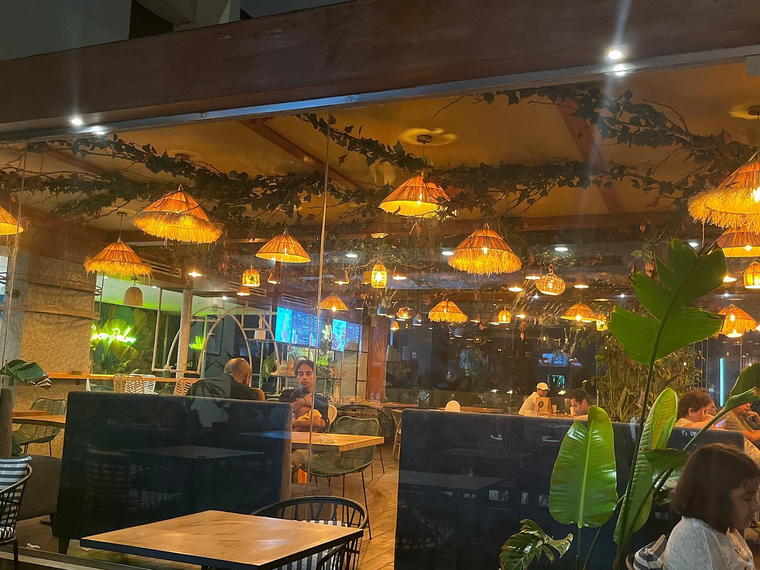
Casablanca, Morocco
Cocoa Café brings a Parisian café sensibility to Casablanca's morning and aperitif hours, occupying the quieter, more considered end of the city's daytime dining scene. The format — breakfast through early evening, with a European-inflected approach to sourcing and preparation — positions it as a counterpoint to Morocco's grander, more ceremony-heavy dining institutions. For visitors calibrating their time between the medina and the Corniche, it offers a reliable mid-register pause.
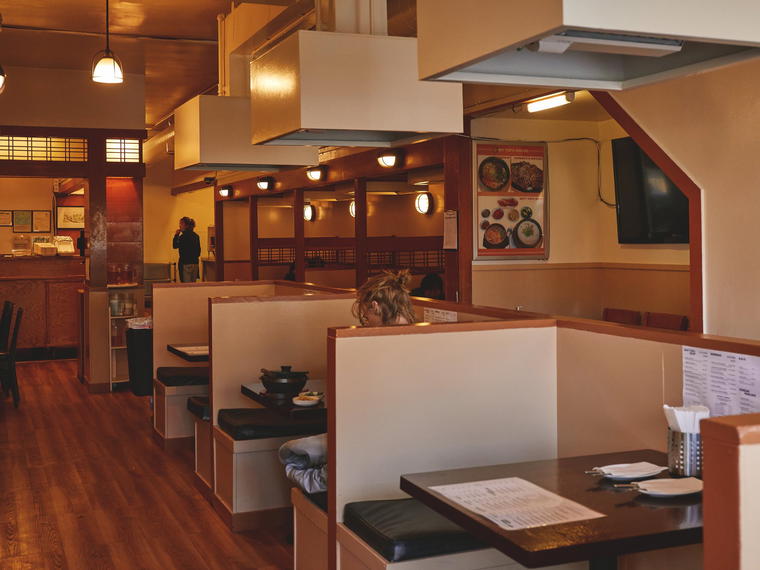
San Francisco, United States
Cocobang occupies a Taylor Street address in the Tenderloin-adjacent corridor where San Francisco's casual dining energy runs high and neighborhood loyalty runs higher. The venue draws a returning crowd that treats it as a local anchor rather than a destination event, placing it in a different register than the city's formal tasting-menu circuit. For visitors looking to step outside the $$$$ omakase bracket, it offers a grounded alternative.
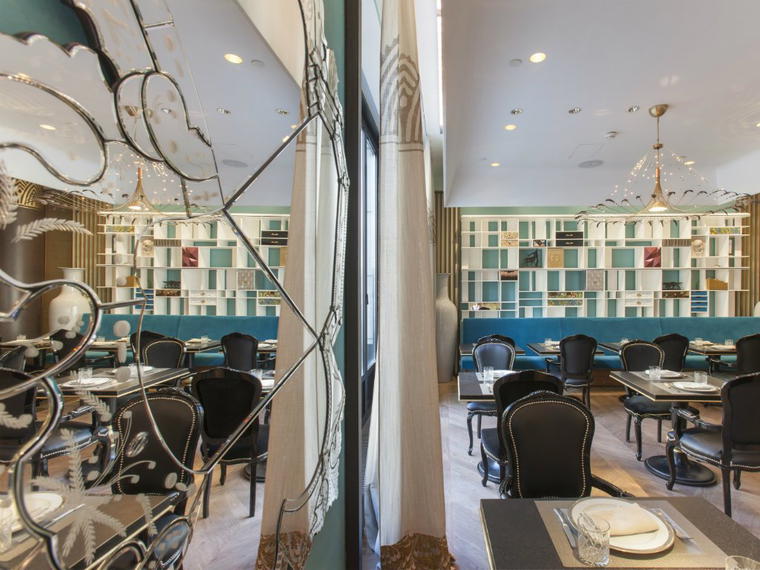
Saint Petersburg, Russia
Cococo occupies a considered address on Voznesensky Prospekt in St Petersburg, placing it within the city's upper tier of contemporary Russian cuisine. The space frames the food as much as the kitchen does, with an interior architecture that signals intent before a dish arrives. Among the city's more serious dining rooms, it draws a crowd that books ahead and comes with expectations.

Somerville, United States
Cocolee occupies a spot in Somerville's Assembly Row development, a corridor that has shifted from outlet retail toward a denser dining and residential mix. The restaurant sits within a broader neighborhood pattern of mid-to-upper casual dining that rewards repeat visits over single-occasion spectacle. For Somerville's evolving dining scene, it represents a neighborhood anchor worth understanding before booking.

Berlin, Germany
Cocolo Ramen on Gipsstraße sits inside Berlin's Mitte neighbourhood, where a compact, counter-forward format and focused bowl menu have made it a consistent draw among the city's ramen options. The kitchen operates within a tradition where pacing, broth discipline, and simplicity of service define the experience as much as the food itself.

St. Thomas, Virgin Islands (US)
Coconut Cove Restaurant belongs to the resort-side dining current around Great Bay, where the appeal is as much salt air and island tempo as formal culinary signalling. With no published awards, chef credit, or price tier, it reads as a setting-led St. Thomas table rather than a destination tasting-menu address.

Vienna, Austria
On Praterstraße in Vienna's 2nd district, Coconut Curry occupies a stretch of the city where affordable ethnic restaurants sit alongside wine bars and neighbourhood bistros. The name signals a kitchen oriented around South or Southeast Asian flavour profiles, placing it in a different tier from the €€€€ creative Austrian counters that dominate Vienna's fine-dining conversation. For visitors cross-referencing the city's curry options, it serves as a practical counterpoint to the formal tasting-menu circuit.

Folly Beach, United States
Coconut Joe's sits on Center Street in Folly Beach, South Carolina, where the barrier island's casual, salt-air character shapes everything from the crowd to what lands on the plate. It represents a category of coastal dining that prioritizes proximity to local waters and the rhythms of the Atlantic coast over formality or chef-driven spectacle. For visitors already on the island, it belongs on the shortlist.

Ottawa, Canada
Coconut Lagoon on St. Laurent Boulevard brings Kerala and South Indian coastal cooking to Ottawa's east end, operating in a city where regional Indian cuisine has long been underrepresented. The restaurant draws a loyal neighbourhood following for its spice-forward preparations and modest, unfussy setting — a counterpoint to Ottawa's more formal dining rooms.

Yau Tsim Mong, Hong Kong
On Poplar Street in Mong Kok, Coconut Soup occupies a corner of Yau Tsim Mong's densely layered dining scene where broth-centred cooking holds its own against the neighbourhood's noodle shops and hotpot houses. The name signals a specific register: a menu built around the logic of soup rather than stir-fry or grill. Practical to find by MTR, it sits within walking distance of several neighbourhood staples worth combining into a single evening.

Ngerekebesang, Palau
Where Palau's Waters Meet the Table Ngerekebesang sits on a small island connected to Koror by a short causeway, and the geography here is inseparable from what ends up on any plate worth ordering. The waters surrounding this part of Palau form...

Kihei, United States
Coconut's Fish Cafe occupies a strip-mall address in Kihei that belies its standing as one of South Maui's most consistently packed fish counters. The menu centers on fresh local catch prepared in the direct idiom of Hawaiian plate-lunch culture, with a casual, order-at-the-counter format that keeps the focus on the food. Walk-ins are the norm, and the crowd on most afternoons tells you everything about local loyalty.

Fort Lauderdale, United States
Coconuts sits on Seabreeze Boulevard in Fort Lauderdale's waterfront corridor, drawing a crowd that comes as much for the open-air setting as for the food. The venue occupies a well-worn space in the city's casual coastal dining scene, where proximity to the Intracoastal and Atlantic breezes define the experience as much as what arrives at the table.

Southampton, Bermuda
Coconuts sits on South Road in Southampton Parish, Bermuda, where the island's produce-driven dining tradition meets an address that places it firmly in the western parish circuit. With Bermuda's limited arable land and heavy reliance on local fish and imported goods, kitchens here must work harder to source with integrity — and that tension shapes what ends up on the plate.
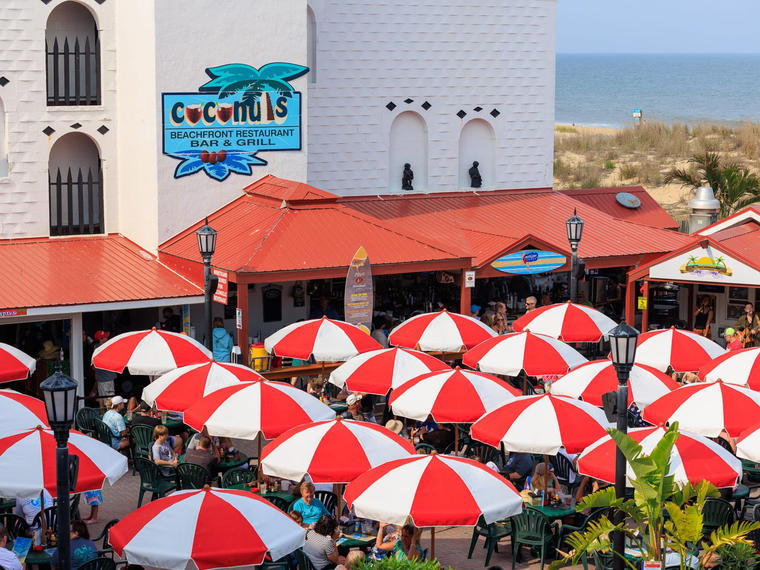
New Castle, St Kitts And Nevis
Coconuts Restaurant suits the New Castle end of Nevis dining: casual, poolside, and tied to the island’s easy traffic between beach bars, hotel dining rooms, and resort-adjacent restaurants. Its value is less about ceremony than setting, with a format that fits travellers choosing between a swim-day meal, a low-pressure dinner, and a broader circuit of nearby Caribbean tables.

Bali, Indonesia
Cocoon sits in Seminyak, where Bali’s restaurant culture is shaped by beach-club pacing, hotel dining, and produce-driven menus that borrow from the island’s markets as much as from international resort habits. Treat it as part of the area’s casual-premium circuit rather than a formal destination dining room.

Phuket, Thailand
Cocoon belongs to Phuket’s Layan-side resort dining circuit, where the meal is shaped as much by coastal quiet and hotel-level service as by the plate. With public details on cuisine, chef, pricing, and awards not listed, it reads less as a trophy-table play and more as a setting-led option for travellers already moving through the Anantara Layan Phuket Resort orbit.

Paris, France
At 31 Rue de Crussol in Paris's 11th arrondissement, Cocoön occupies a corner of the city where neighbourhood dining culture meets considered ambition. The address places it squarely in a part of the Right Bank that has quietly shifted over the past decade from local bistro territory toward a more internationally inflected restaurant scene — worth tracking for anyone building a serious Paris itinerary.

Phu Quoc, Vietnam
Cocoon Terrace belongs to Phu Quoc’s open-air dining culture, where the island’s produce, seafood supply, and resort-driven audience shape the table more than chef mythology. Its Dương Đông terrace setting places it in the island’s practical dining core rather than the sealed-off resort circuit, making it a useful reference point for visitors comparing Phu Quoc restaurants by atmosphere, sourcing logic, and location.

Paris, France
On Rue Saint-Marc in Paris's 2nd arrondissement, Cocoricains occupies a corner of the city where the old brasserie tradition and a newer, more relaxed Parisian dining sensibility meet. The address sits close to the Grands Boulevards, a neighbourhood that has quietly accumulated a range of serious casual tables alongside its theatre crowds. An address worth tracking for anyone building a considered Paris itinerary.

New York City, United States
Cocoron on Delancey Street has quietly held its place in the Lower East Side's Japanese dining conversation for years, drawing regulars with a focused soba menu that resists the embellishment common in Manhattan's more theatrical noodle houses. The room is compact, the format direct, and the cooking disciplined enough to warrant attention from anyone tracking where serious Japanese casual dining sits in New York.

Puerto Vallarta, Mexico
Cocos Kitchen occupies a modest address on Púlpito 122 in Puerto Vallarta's Zona Romántica, where the neighbourhood's appetite for low-key, ingredient-focused dining runs deeper than the resort strip suggests. The kitchen operates in a register that rewards visitors willing to step away from the malecón's busier corridor and engage with the residential side of the Old Town dining scene.

Puerto Rico, Puerto Rico
Cocoteros Grille belongs to Puerto Rico’s casual, open-air end of resort-adjacent dining, where the appeal is less ceremony than proximity to sun, sport, and local appetite. The setting beside a driving range in Río Grande puts it in a different lane from San Juan’s formal dining rooms: practical, relaxed, and better read through freshness, grill culture, and island sourcing than through awards language.
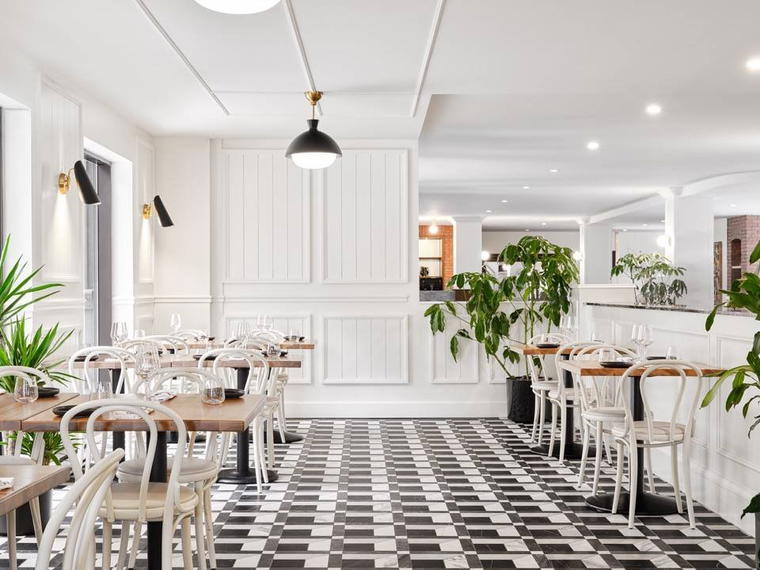
Ottawa, Canada
Cocotte Bistro on Metcalfe Street occupies a corner of Ottawa's mid-market dining scene where French bistro tradition and Canadian ingredient sensibility converge. Positioned alongside a generation of neighbourhood restaurants that have pushed Ottawa's culinary identity beyond its civil-servant-lunch reputation, it draws a room that reads as much local professional as tourist. The format is direct bistro, the ambition quietly serious.

La Varenne, France
A neighbourhood wine bar and kitchen in the riverside suburb of La Varenne, Cocotte et Vins sits at the quieter end of the Paris commuter belt where bistro culture runs closer to the original than anything you'll find inside the Périphérique. The format pairs market-led cooking with a considered wine list, the kind of address the area's residents return to rather than stumble upon.

Lyon, France
Cocozza occupies a narrow address on Cours d'Herbouville in Lyon's 4th arrondissement, a neighbourhood where the city's appetite for serious wine and unfussy cooking runs deep. The address places it within reach of the Croix-Rousse hill's market culture and the Rhône's broader cellar tradition, making it a reference point for those who read a wine list before a menu.

Floresti, Romania
Cocteleria Urban Garden serves craft cocktails in Florești, with terrace seating, garden views and a casual, conversational setup for dinner.

Nelson, New Zealand
Positioned along the Tāhunanui waterfront at The Sands Complex on Rocks Road, Cod and Lobster sits where Nelson's seafood-rich Tasman Bay sets the table before the kitchen does. The venue draws from one of New Zealand's most productive coastal fishing regions, where the proximity of sea to plate is measured in hours rather than days. For visitors working through our full Nelson restaurants guide, it represents a grounded entry point into the region's marine larder.

Prague, Czech Republic
A Thai tasting menu in the heart of Malá Strana, Coda brings a decade of Australian culinary experience to bear on regional Thai traditions. The kitchen works within a concise format, building menus around modern technique and layered seasoning inside an elegant, high-ceilinged dining room on Tržiště. For Prague, where the fine-dining conversation is largely Central European, this is a genuinely different point of reference.

Dublin, Ireland
Coda Eatery occupies a address in Point Square on Dublin's North Wall, a waterfront strip that has drawn a new generation of restaurants away from the city's traditional dining corridors. In a Dublin scene where booking logistics and neighbourhood positioning increasingly define a restaurant's identity, Coda operates in an area still finding its culinary footing — which shapes both the experience and the planning calculus for prospective diners.

London, United Kingdom
Situated within the Royal Albert Hall in South Kensington, Coda Restaurant occupies one of London's most architecturally commanding settings. The venue draws a loyal crowd for whom the Victorian concert hall's curved galleries and red-brick grandeur are as much the point as the food. For the South Kensington dining scene, it represents a particular kind of occasion eating, where address and atmosphere carry as much weight as the plate.

Noto, Italy
Codarossa belongs to the quieter side of Noto dining, where the conversation is less about theatre and more about the agricultural pull of southeastern Sicily. With no public award signal or listed price band, it reads as a countryside-leaning address to assess through sourcing, seasonality, and fit within a trip that may also include Noto’s more established town and resort tables.

Norfolk, United States
On Granby Street in downtown Norfolk, Codex occupies a position that the city's dining scene has been building toward for years: a serious, ingredient-focused restaurant where sourcing decisions drive the menu rather than decorate it. Norfolk's proximity to the Chesapeake Bay and the farms of the Virginia coastal plain gives a kitchen with this orientation real material to work with. For diners used to mid-Atlantic coastal dining at its most considered, Codex is worth understanding before you book.
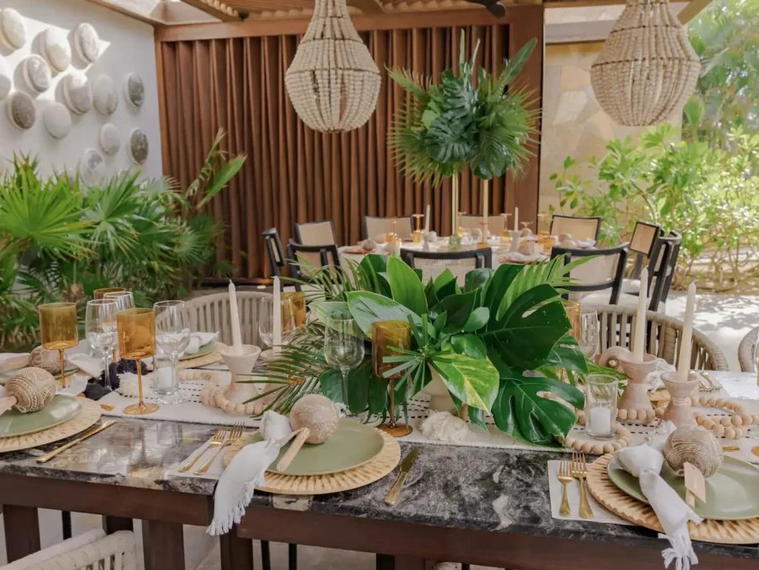
Riviera Nayarit, Mexico
Codex belongs to Riviera Nayarit’s beachside dining circuit, where coastal setting and ingredient proximity matter as much as formal restaurant signals. With few public-facing details on format, price, chef, or awards, the useful read is contextual: treat it as a place to assess through sourcing, setting, and fit within Punta Mita’s broader resort dining rhythm rather than through trophy markers.

Calgary, Canada
Codo Agave Social House occupies an airport-adjacent address on Calgary's northeast corridor, positioning itself inside the city's growing agave-forward bar and casual dining category. The social house format signals a deliberate pivot toward communal drinking culture built around mezcal and tequila, a direction that separates it from the fine-dining and New Canadian restaurants dominating Calgary's central neighbourhoods.
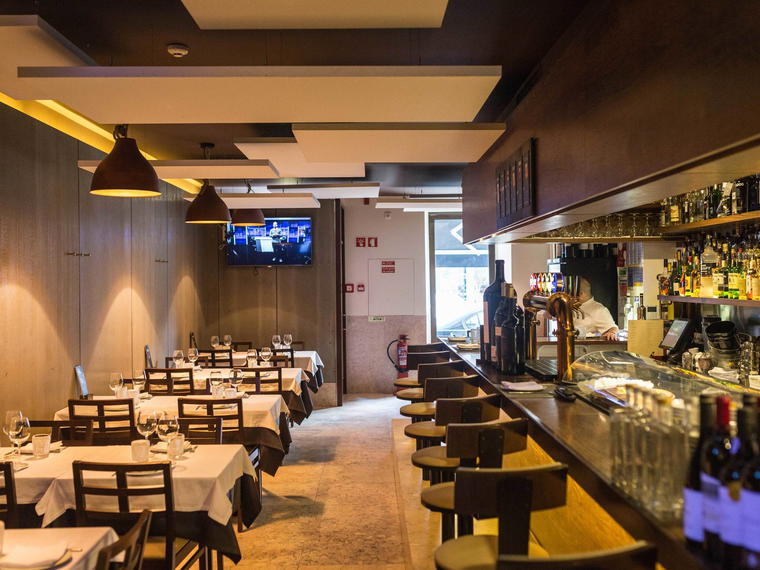
Lisbon, Portugal
On a quiet residential street in Campo de Ourique, Coelho da Rocha occupies a register that much of Lisbon's dining scene has moved away from: neighbourhood-anchored, unhurried, and rooted in the kind of Portuguese cooking that doesn't perform for tourists. For visitors who find the city's tasting-menu circuit exhausting, this is a more grounded alternative.

Berlin, Germany
Coelln sits on Friedrichstraße in central Berlin, a corridor where dining often reflects the city’s layered appetite for business lunches, theatre-adjacent dinners, and post-gallery evenings. With no public awards or price tier attached, it reads less as a trophy reservation than as a Mitte address to judge through setting, category, and fit within Berlin’s broad restaurant culture.

Veracruz, Mexico
Cofee Corner belongs to Veracruz’s coastal café culture rather than the formal dining circuit: an easygoing stop in Costa de Oro, close to the city’s hotel-and-beach corridor. Read it through the region’s coffee identity, where beans from the Veracruz highlands shape the local rhythm as much as seafood and late-afternoon heat do.
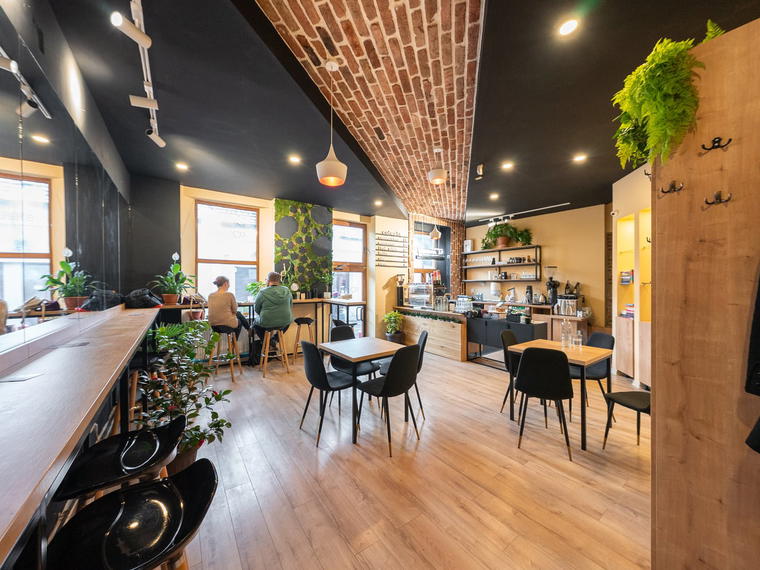
Cluj-Napoca, Romania
On Strada Gheorghe Șincai in central Cluj-Napoca, Cofeels occupies a quiet stretch of the city where independent cafes and casual dining spots have been displacing older, more formal establishments for most of the past decade. The address places it within walking distance of the historic core, though the format leans toward the relaxed, neighbourhood-facing end of the city's growing hospitality scene.
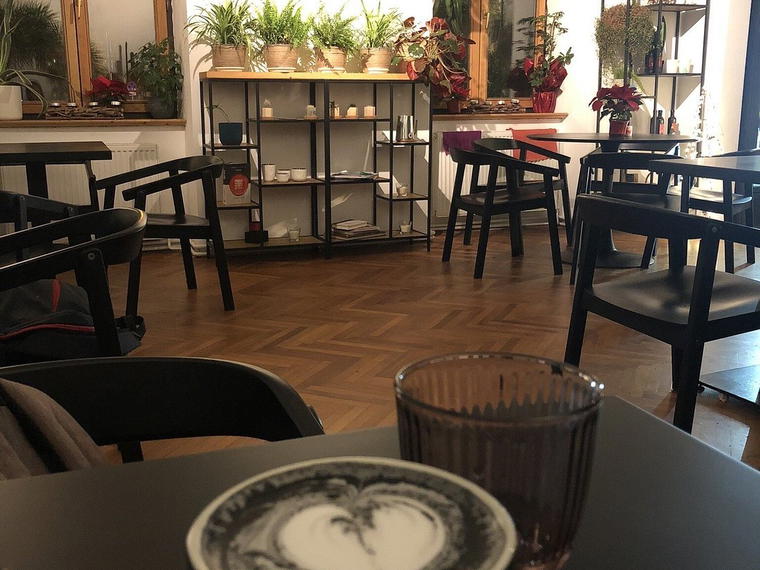
Timisoara, Romania
On Strada Mărăşeşti in Timişoara’s historically layered west district, Coffeerize Botanic operates within a specialty coffee tradition shaped by the city’s Central European proximity and a local audience that benchmarks against Vienna and Budapest as readily as Bucharest. The botanic-concept format signals a slow-hospitality approach that suits the neighbourhood’s residential character. Specific menu, pricing, and hours are not yet listed in EP Club’s verified data.

St Petersburg, United States
Downtown St. Petersburg After Dark: What the Address at 201 2nd Ave N Signals The corner of 2nd Avenue North in downtown St. Petersburg sits inside a dining district that has shifted considerably over the past decade. What was once a secondary...

Hull, United Kingdom
On Chanterlands Avenue in west Hull, Cognac Restaurant occupies a stretch of the city's most characterful independent dining street. The address places it among a neighbourhood scene that punches above its postcode, drawing locals who treat the avenue as Hull's answer to a proper restaurant row. Booking ahead is advisable, particularly on weekends.

Mapusa, India
Positioned along the Aguada-Siolim Road near Candolim, Cohiba sits within reach of the north Goa coastline and the layered hospitality scene that has grown around Aguada Fort. The setting places it in a category of Goa restaurants where location does much of the editorial work, drawing from both the fort area's visitor traffic and the resident crowd that has gravitated to this stretch over the past decade.

Sint Pieters Woluwe, Belgium
CoinCoin occupies a quiet address on Avenue Jules de Trooz in Sint Pieters Woluwe, one of Brussels' more residential eastern communes, where neighbourhood dining tends toward the considered rather than the conspicuous. The restaurant sits within a local dining scene that rewards those who look beyond the city centre, alongside addresses like Eclat Cacao and Les Deux Maisons. Details on cuisine type, pricing, and booking are best confirmed directly with the venue.

Paris, France
Coinstot Vino occupies a corner of the Galerie Montmartre in Paris's 2nd arrondissement, operating within one of the city's most storied covered passages. The address alone signals a particular kind of experience: wine-forward, neighbourhood-rooted, and a world away from the formal dining rooms that define much of the capital's restaurant culture. It belongs to a small cohort of Paris addresses where the glass matters as much as the plate.

Paris, France
Cojean at 10 Rue des Pyramides, 75001, sits in the first arrondissement's dense commercial corridor, where fast-lunch demand meets a city increasingly interested in ingredient transparency. The format positions it within a tier of Parisian counter-service addresses that treat sourcing and menu architecture as editorial decisions rather than afterthoughts. A practical reference point for the lunchtime scene around the Tuileries and Opéra quarters.

Ljubljana, Slovenia
Cojzla occupies a quiet address on Italijanska ulica in Ljubljana's city centre, placing it within easy reach of the Old Town's compact dining circuit. While detailed records remain sparse, the address alone positions it among Ljubljana's more considered restaurant options. Visitors planning a milestone meal in the Slovenian capital should note it alongside the city's broader scene before booking.

Sant'Agnello, Italy
On Corso Marion Crawford in Sant'Agnello, Coku sits within a stretch of the Sorrentine Peninsula where the produce arriving from the surrounding hills and coastline has long defined how kitchens operate. The restaurant draws on that regional supply chain in a town where the Gulf of Naples sets the culinary tempo. Cross-reference with nearby options before booking, as the local dining scene rewards deliberate choices.

Bastia, France
Col Tempo occupies a quiet address at 4 Rue Saint-Jean in Bastia's historic centre, where Corsican dining has long operated at the intersection of French technique and island tradition. The restaurant sits within a city that rewards those willing to look past the port-facing terraces and into the older streets behind them. For visitors building a serious Bastia itinerary, it belongs on the shortlist alongside the city's more documented addresses.

Glasgow, United Kingdom
Colbeh Restaurant sits in Kinning Park, south of the Clyde, bringing Persian cooking to a Glasgow neighbourhood that sits outside the city's main dining corridors. The address at 82 Centre Street places it in a quieter residential pocket, where the cuisine tradition it draws from — slow-cooked stews, aromatic rice dishes, and charcoal-grilled meat — carries its own distinct culinary logic.

Santa Barbara, United States
Cold Spring Tavern sits along Stagecoach Road in the Santa Ynez Mountains above Santa Barbara, occupying a former 19th-century stage stop that now draws riders, hikers, and locals for weekend gatherings. The setting shapes everything: outdoor fire pits, weathered wood, and a crowd that arrives by motorcycle or on foot from the adjacent trails. It occupies a category of its own in the Santa Barbara dining spectrum — more roadhouse ritual than restaurant experience.

Montpellier, France
Coldrip - Port Marianne sits in one of Montpellier's newer residential and commercial districts, positioned within a city whose dining scene spans formal gastronomic traditions and a growing wave of casual-serious formats. The Port Marianne address places it deliberately outside the old-town concentration of Montpellier's established restaurants, signalling a different kind of neighbourhood dining proposition.

Onverwacht, South Africa
Wellington's Quieter Corner: Dining in Onverwacht The road into Onverwacht runs past vineyards and smallholdings that supply much of the Western Cape's fruit and vegetable chain. It is farming country in the practical sense, not the boutique...

Chandler's Cross, United Kingdom
Colettes at The Grove occupies a country house hotel setting in Chandler's Cross, Hertfordshire, a short drive from northwest London. The restaurant draws on the estate's grounds and the surrounding Home Counties agricultural belt, positioning itself within a broader tradition of British hotel dining where sourcing proximity shapes the menu. It sits in the same regional conversation as other destination dining rooms that treat the countryside as larder rather than backdrop.

Barcelona, Spain
On the Barceloneta waterfront, Colibri Brunch & Tapa Paellas sits where the Passeig de Joan de Borbó meets the sea breeze and the slow rhythm of a Sunday on the coast. The format here follows the arc of paella-centred eating that defines this stretch of Barcelona: small plates to open, a rice at the centre, and time built into the meal. It is the kind of address the neighbourhood has always produced better than anywhere else in the city.

Riviera Nayarit, Mexico
Colibri Roasting Co. belongs to Riviera Nayarit’s quieter daytime circuit: coffee-led, ingredient-aware, and better read against the coast’s resort dining than against a formal restaurant template. Its Litibu setting puts it near Punta Mita’s polished hotel zone, but the editorial interest is simpler: how specialty coffee culture fits into a region better known for seafood, beach clubs, and destination dining.