Our verdict
Cocoon Terrace belongs to Phu Quoc’s open-air dining culture, where the island’s produce, seafood supply, and resort-driven audience shape the table more than chef mythology. Its Dương Đông terrace setting places it in the island’s practical dining core rather than the sealed-off resort circuit, making it a useful reference point for visitors comparing Phu Quoc restaurants by atmosphere, sourcing logic, and location.

Pearl is the En Primeur Club membership app — saves, bookings, and concierge access live there. Same editors, same standards.
- Address
- 01 Đường Võ Thị Sáu, Dương Đông, Phú Quốc, Kiên Giang 92500, Vietnam (terrace)
- Directions
- Get directions
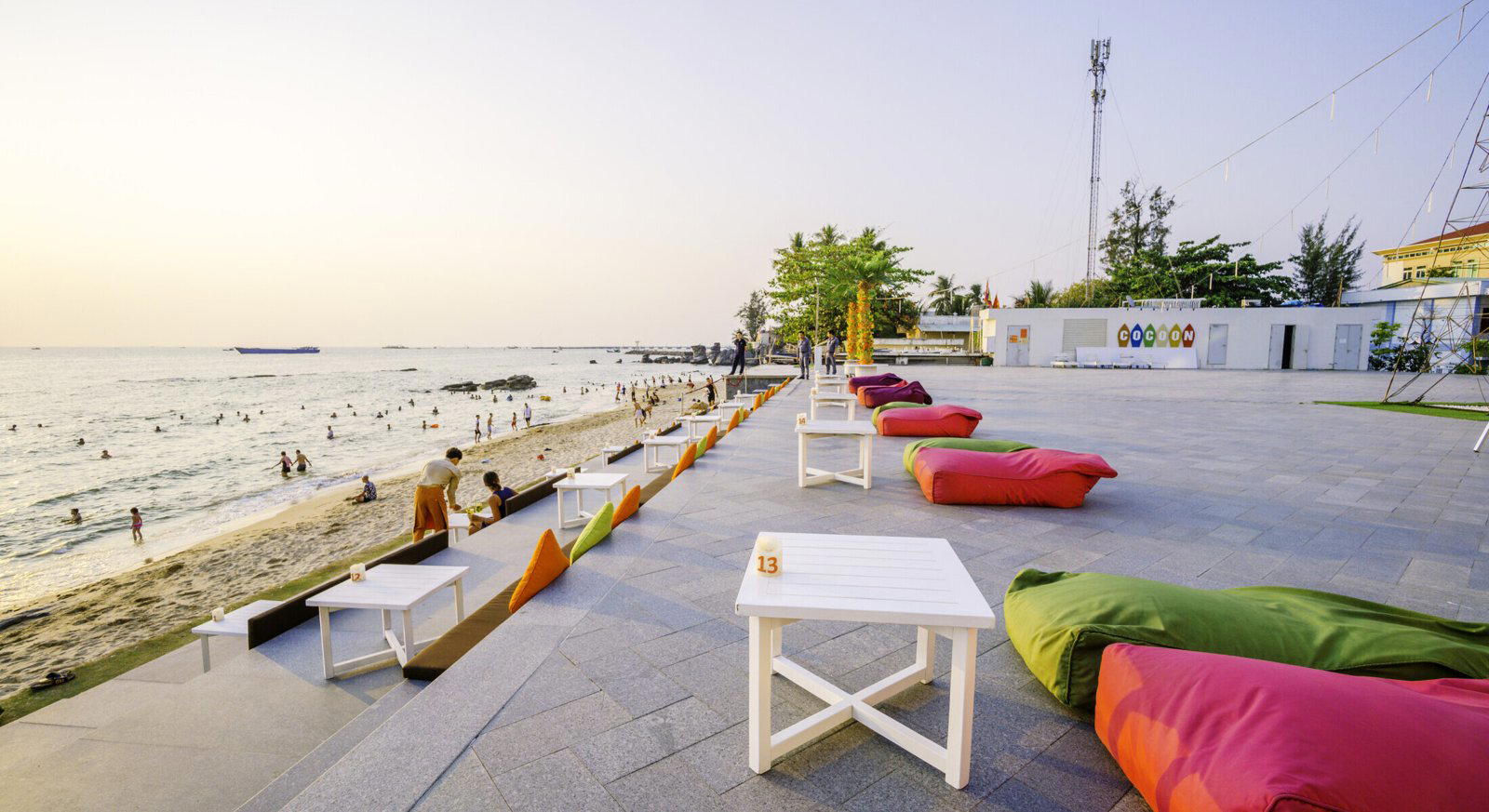
Approaching a terrace changes the rhythm of dinner in Phu Quoc. The island’s restaurant scene is not built only around formal dining rooms; it is shaped by open air, local movement, hotel guests moving between beaches, and a dining culture where island ingredients and relaxed service carry more meaning than imported luxury cues. Cocoon Terrace sits inside that open-air grammar: a terrace address in Phu Quoc rather than a venue defined by resort formality.
That context matters because Phu Quoc dining is often misunderstood as a single story. The stronger editorial read is fit: how a venue relates to the island, how naturally it handles holiday dining, and whether the setting lets the meal make sense. The better meals in this category are not judged by theatrical plating or chef biography. They are judged by whether the kitchen understands its setting, how much it tries to import an identity from elsewhere, and whether the room feels connected to Phu Quoc.
An open-air Phu Quoc format shaped by island supply
Cocoon Terrace is better read as part of Phu Quoc’s terrace-and-town dining pattern than as a destination restaurant in the metropolitan sense. Phu Quoc restaurants often serve a mixed audience: local families, Vietnamese travellers, resort guests leaving their property for dinner, and international visitors looking for a meal that feels connected to place without requiring a tasting-menu commitment.
Island context is the useful lens. Phu Quoc’s dining identity is shaped by local supply, visitor demand, and a tourism economy that has widened expectations around service style, drinks, breakfast formats, and international comfort. A terrace restaurant has to negotiate those pressures. It cannot rely solely on imported polish, and it cannot assume every guest wants a purely local canteen experience. The stronger version of this format respects the island setting while keeping the room casual enough for a holiday evening.
Within Phu Quoc, that puts Cocoon Terrace in conversation with addresses such as Coral Restaurant, where the resort-dining frame is more visible, and with broader island references including other hotel restaurants, international tables, casual dining rooms, and hybrid resort venues. Those comparisons are less about ranking than about format: town terrace, hotel restaurant, international table, casual room, and hybrid resort venue all answer different traveller needs.
Why Phu Quoc still matters for serious eating
The centre of gravity on Phu Quoc has shifted as large resorts have spread along the coast, but the island remains important because it keeps its food culture visible. Markets, local traffic, casual restaurants, and evening footfall all shape the way visitors eat here. For travellers, that means a meal away from a polished hotel dining room can often give a clearer read on Phu Quoc, even when the hotel kitchen has stronger service systems.
Cocoon Terrace benefits from that island position. The setting places it in the practical orbit of Phu Quoc rather than a self-contained resort script, so the experience is better suited to travellers who want atmosphere without surrendering the evening to a long transfer or a formal dining script. This is where Phu Quoc’s restaurant culture becomes legible: local supply close by, island habits shaping the room, familiar dishes sharing space with international expectations, and terraces functioning as social rooms rather than silent dining chambers.
In cities with dense award systems or critic-driven rankings, formal recognition can help sort the field quickly. Phu Quoc works differently. The more useful signals are location, format, relevance to the island, and whether the restaurant belongs naturally to local dining habits. Cocoon Terrace earns attention through that category fit, not through trophy language.
How to place it in a Phu Quoc itinerary
For travellers mapping several nights on the island, the smart move is to vary formats. Pair a town terrace dinner with a resort restaurant, a casual local meal, and at least one different style of Phu Quoc dining. That spread gives a more accurate picture of Phu Quoc than repeating the same beachfront template. Our full Phu Quoc restaurants guide is the place to compare those choices across the island, while our full Phu Quoc hotels guide, our full Phu Quoc bars guide, our full Phu Quoc wineries guide, and our full Phu Quoc experiences guide help frame the wider trip.
Vietnam’s dining map also rewards comparison beyond the island. The country’s restaurant culture changes sharply by region, from coastal cooking to northern street-side specialisation and southern city dining rooms. Travellers building a longer itinerary can compare Phu Quoc’s island supply logic with other dining rooms in Hoi An, Hanoi, Ho Chi Minh City, coastal Vietnam, and beyond. For a different lens on casual formats abroad, international examples show how sourcing, format, and audience shift when food traditions travel.
The editorial case for Cocoon Terrace is therefore specific rather than inflated. It is a Phu Quoc terrace address to consider when the goal is to eat in the island’s everyday rhythm, close to the habits that define the local table. For a visitor choosing between resort polish and a more grounded evening in Phu Quoc, that distinction is the point.
Frequently asked questions
Can I bring kids to Cocoon Terrace?
Cocoon Terrace is an open-air terrace in Phu Quoc, so it reads as a flexible stop for mixed-age groups rather than a formal dining room. Families will find the Phu Quoc setting more practical than a tightly structured tasting format.
How would you describe the vibe at Cocoon Terrace?
The mood is terrace-led and informal, shaped by Phu Quoc rather than a resort dining room. On the island, that usually means a looser evening pace and a strong sense of place.
Where is Cocoon Terrace in Phu Quoc?
Phu Quoc.
How far ahead should I plan for Cocoon Terrace?
Build it into a Phu Quoc itinerary as a terrace stop, especially if the evening also includes other plans on the island. The format makes it easy to slot into a flexible night rather than a fixed destination schedule.
What has Cocoon Terrace built its reputation on?
Its reputation rests on the terrace format and its position in Phu Quoc’s dining scene. That gives Cocoon Terrace a local, open-air profile distinct from the island’s larger resort addresses.
Can Cocoon Terrace handle vegetarian requests?
A terrace venue in Phu Quoc may be able to work around vegetarian preferences more easily than a rigid counter format, but those details are not published. At minimum, the Phu Quoc setting gives it the kind of flexible service profile that can suit request-led dining. Check the venue's official channels for the latest details.
Comparison Snapshot
Comparable venues by cuisine and price in the same metro.
| Venue | Cuisine | Price |
|---|---|---|
| Cocoon TerraceThis venue — the venue you are viewing | Hotel terrace dining by the sea | Not listed |
| Coral Restaurant | International & Vietnamese Seafood | $30–50 |
| Huong Bien Restaurant | Vietnamese Seafood | Not listed |
| The Peppertree | French-Vietnamese Fine Dining | Not listed |
| Le Jardin | Asian Fusion and International All-Day Dining | Not listed |
| Pakka Indian | Traditional North Indian | Not listed |


Details
- Romantic
- Scenic
- Modern
- Elegant
- Date Night
- Family
- Casual Hangout
- Celebration
- Brunch
- Waterfront
- Terrace
- Panoramic View
- Hotel Restaurant
- Waterfront
- A La Carte
- Set Menu
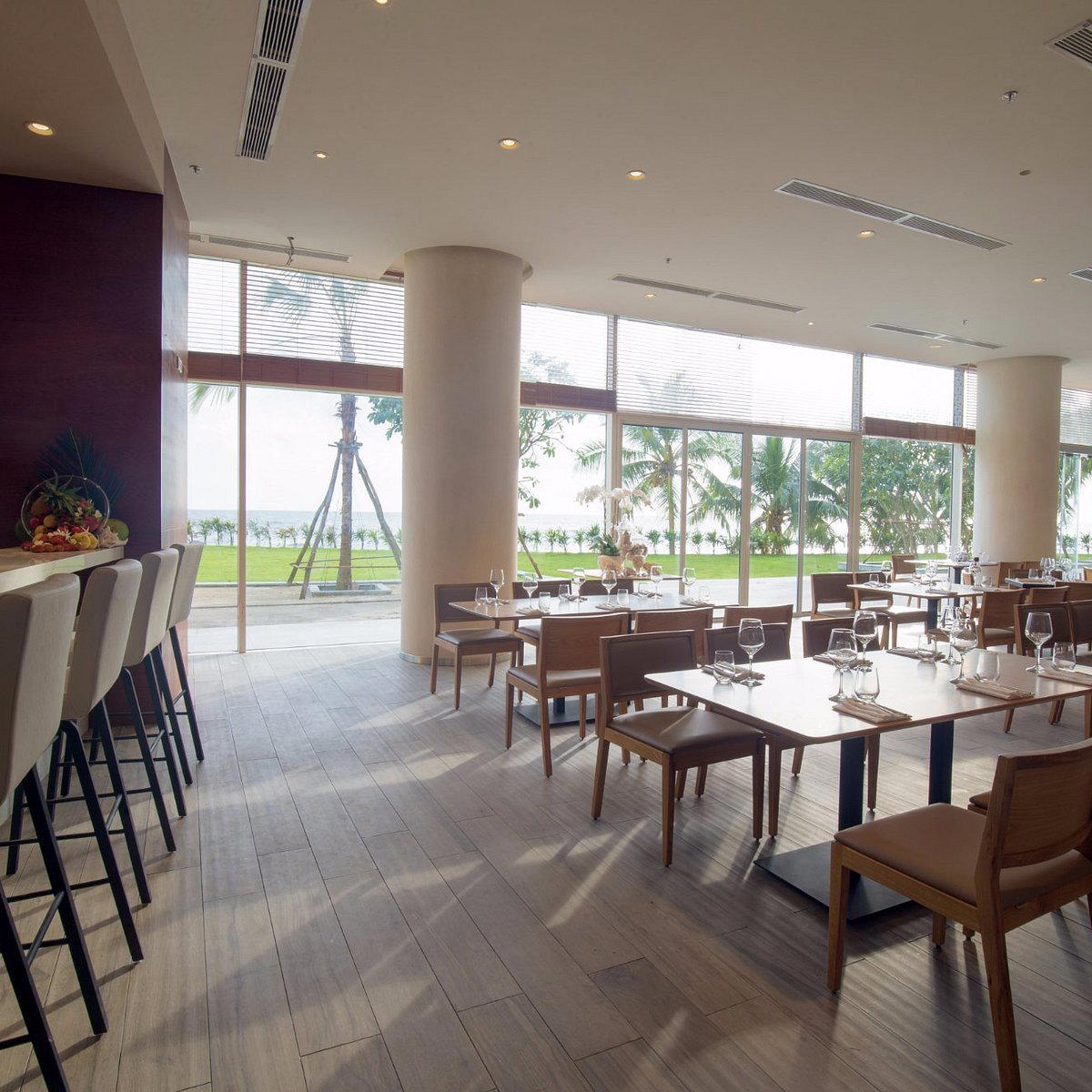
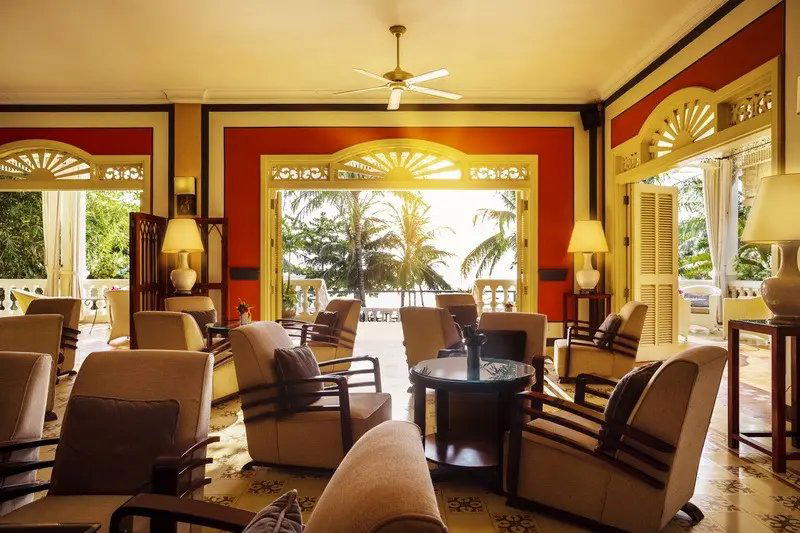
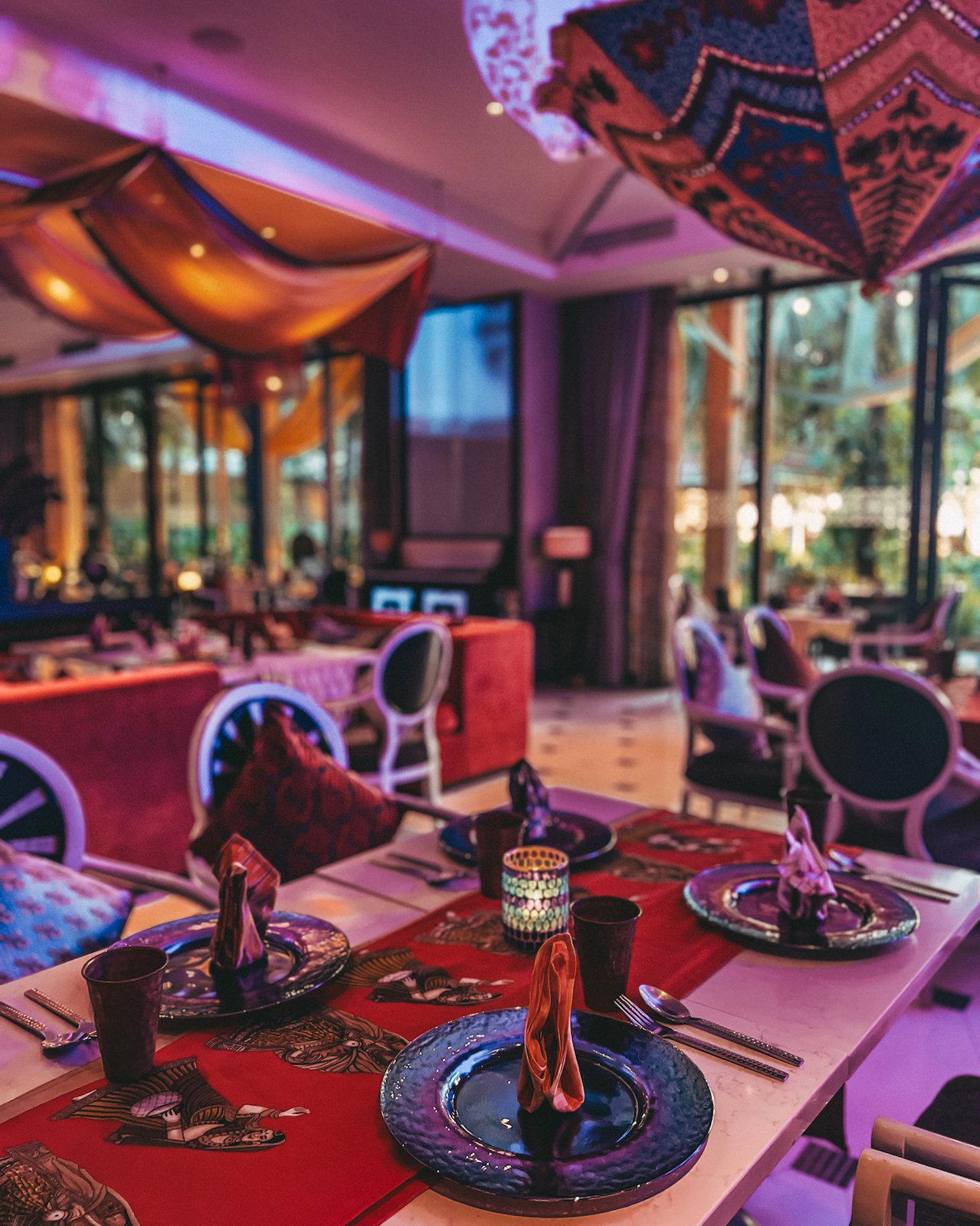
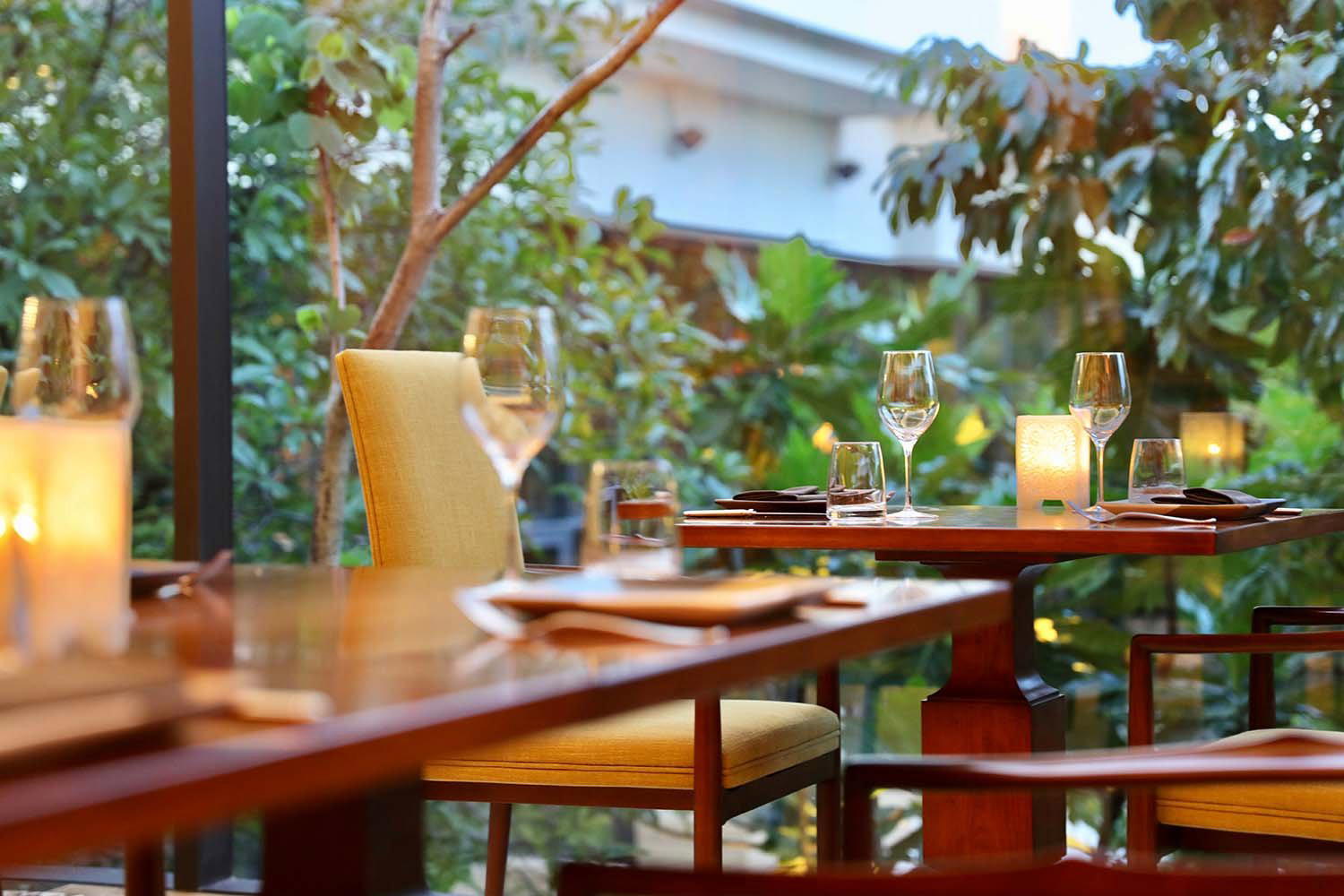
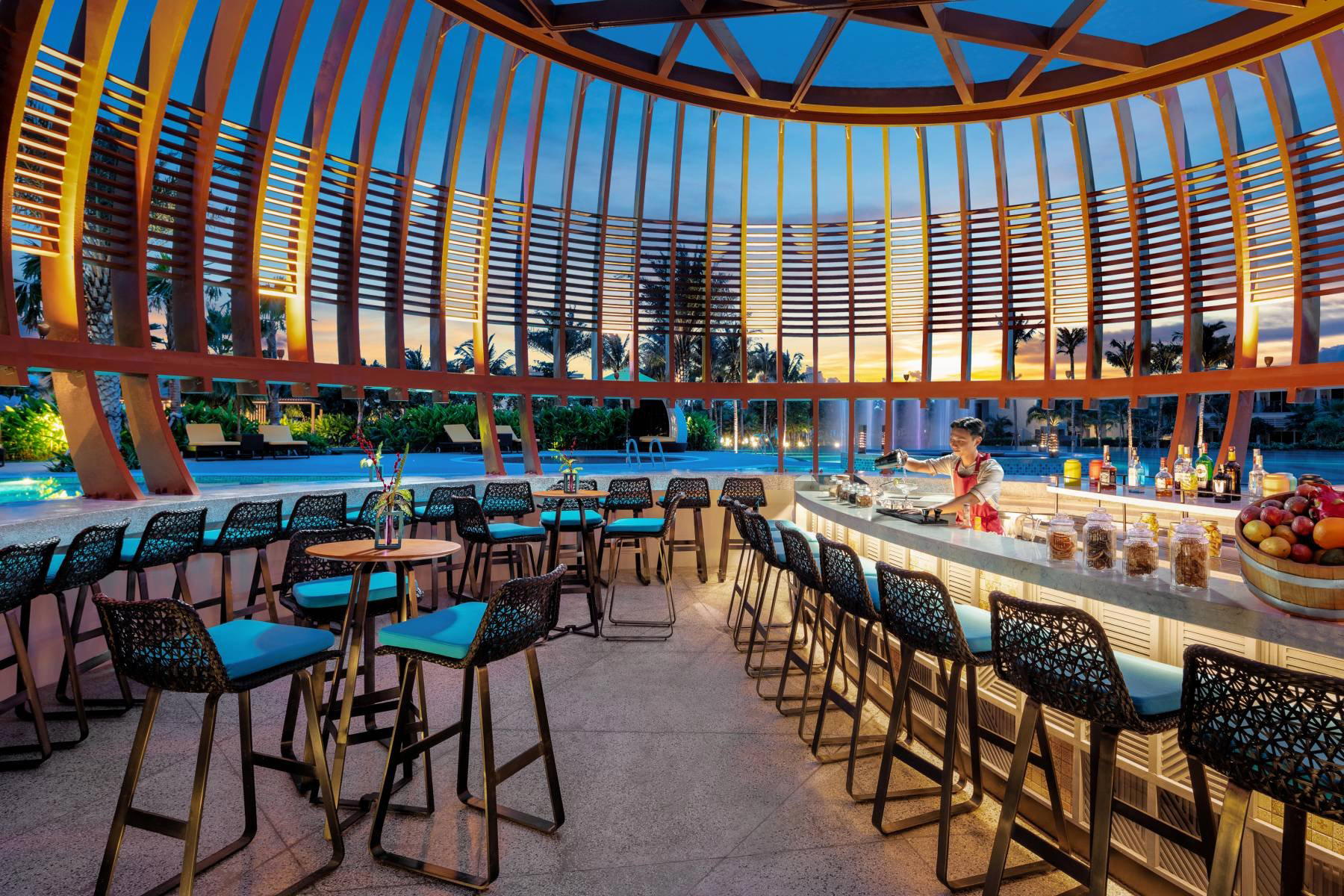
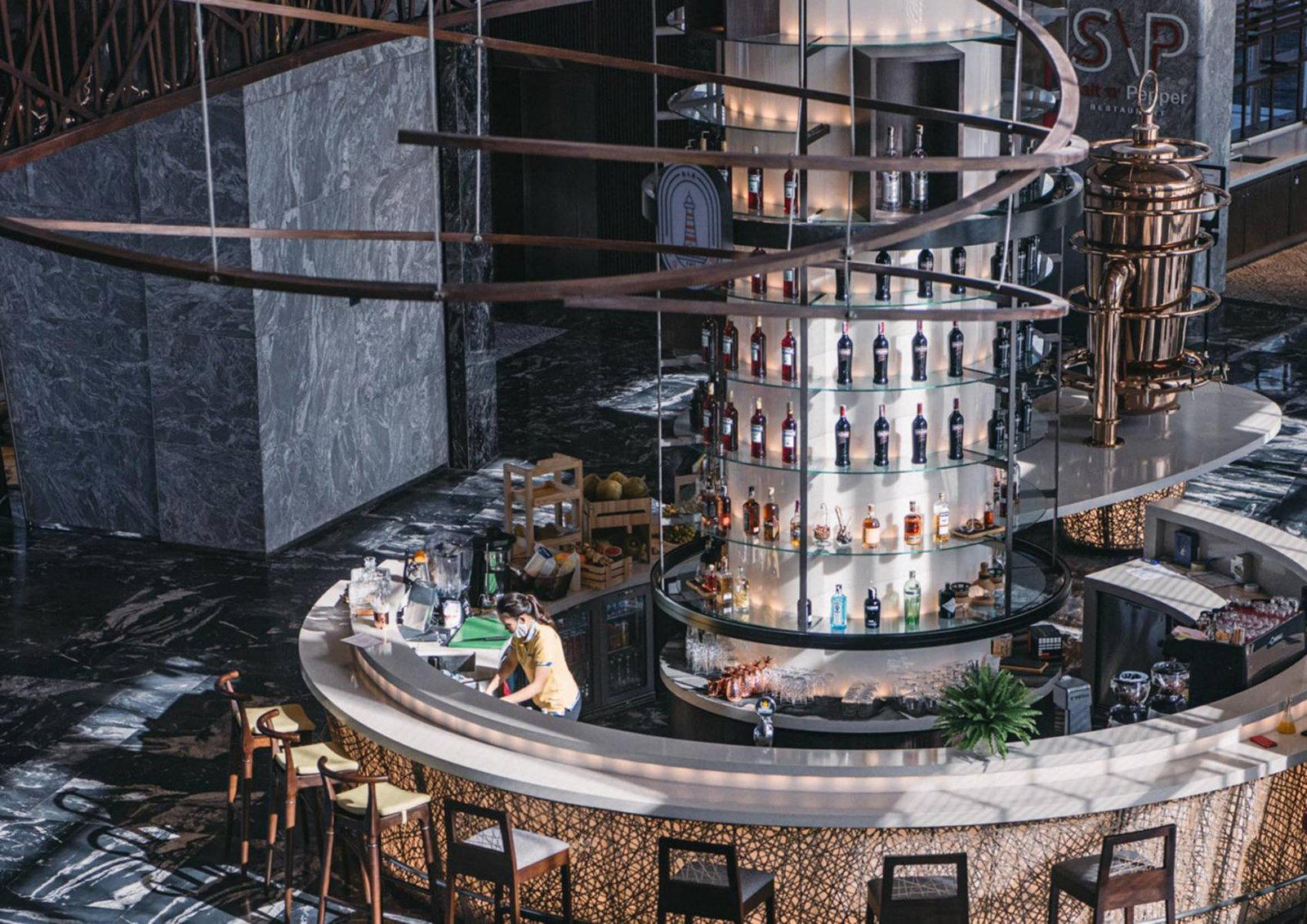
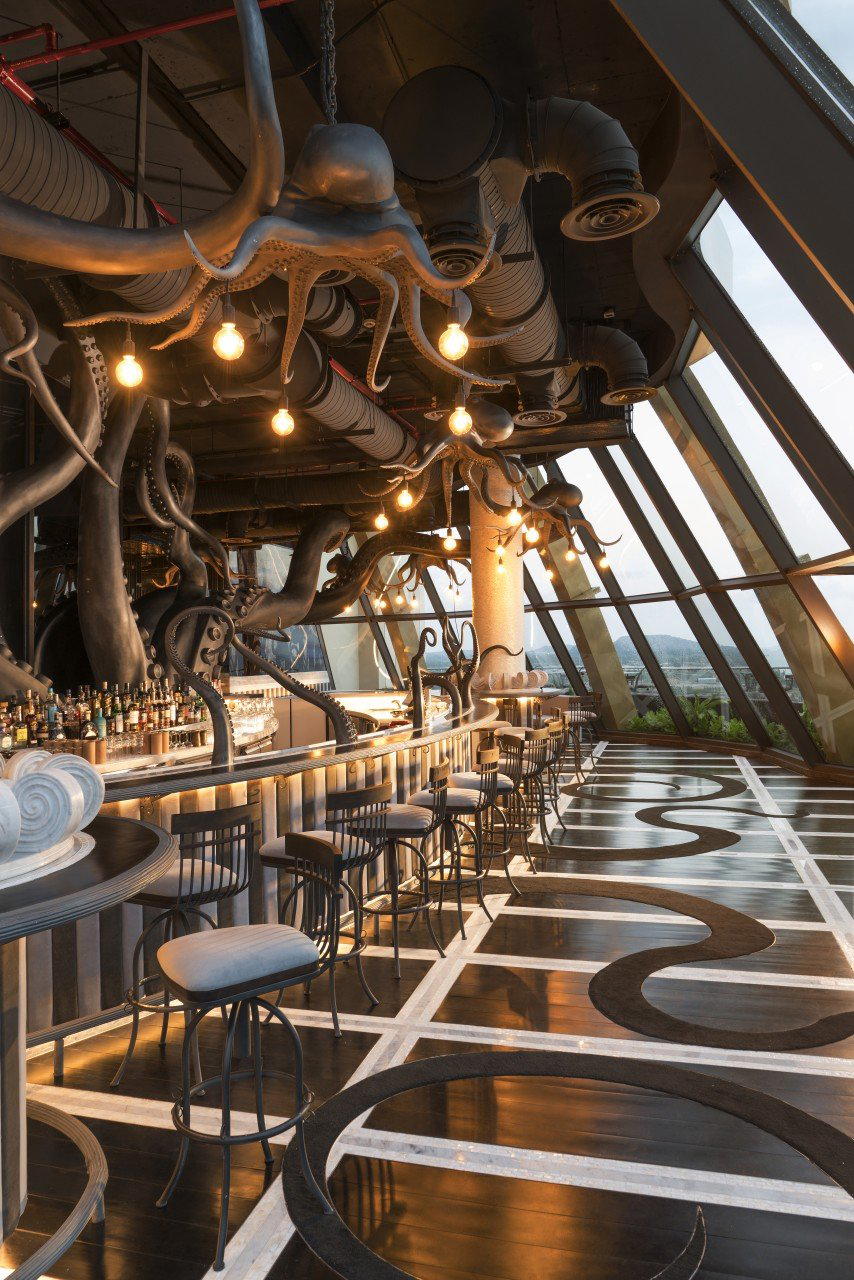
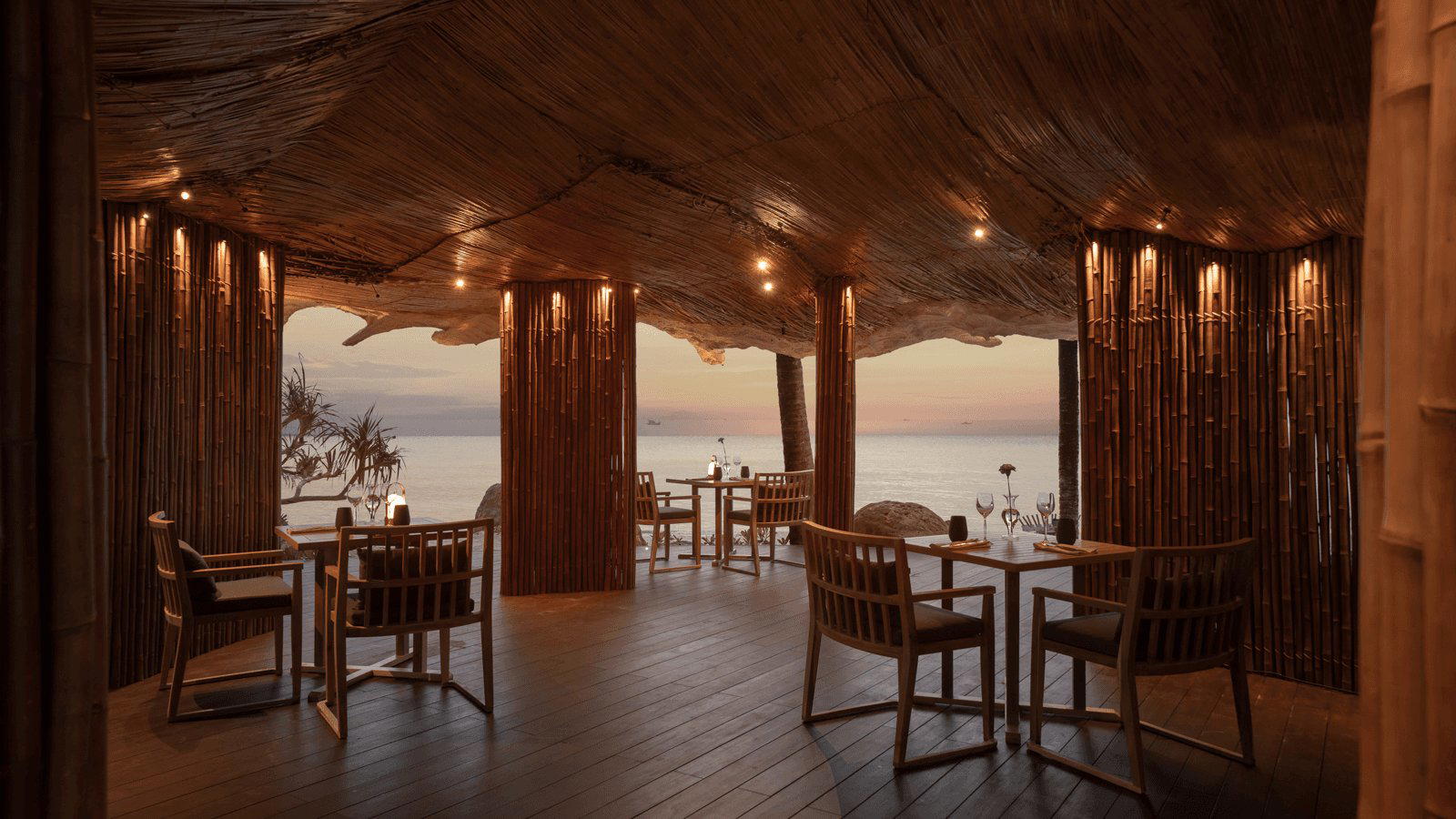
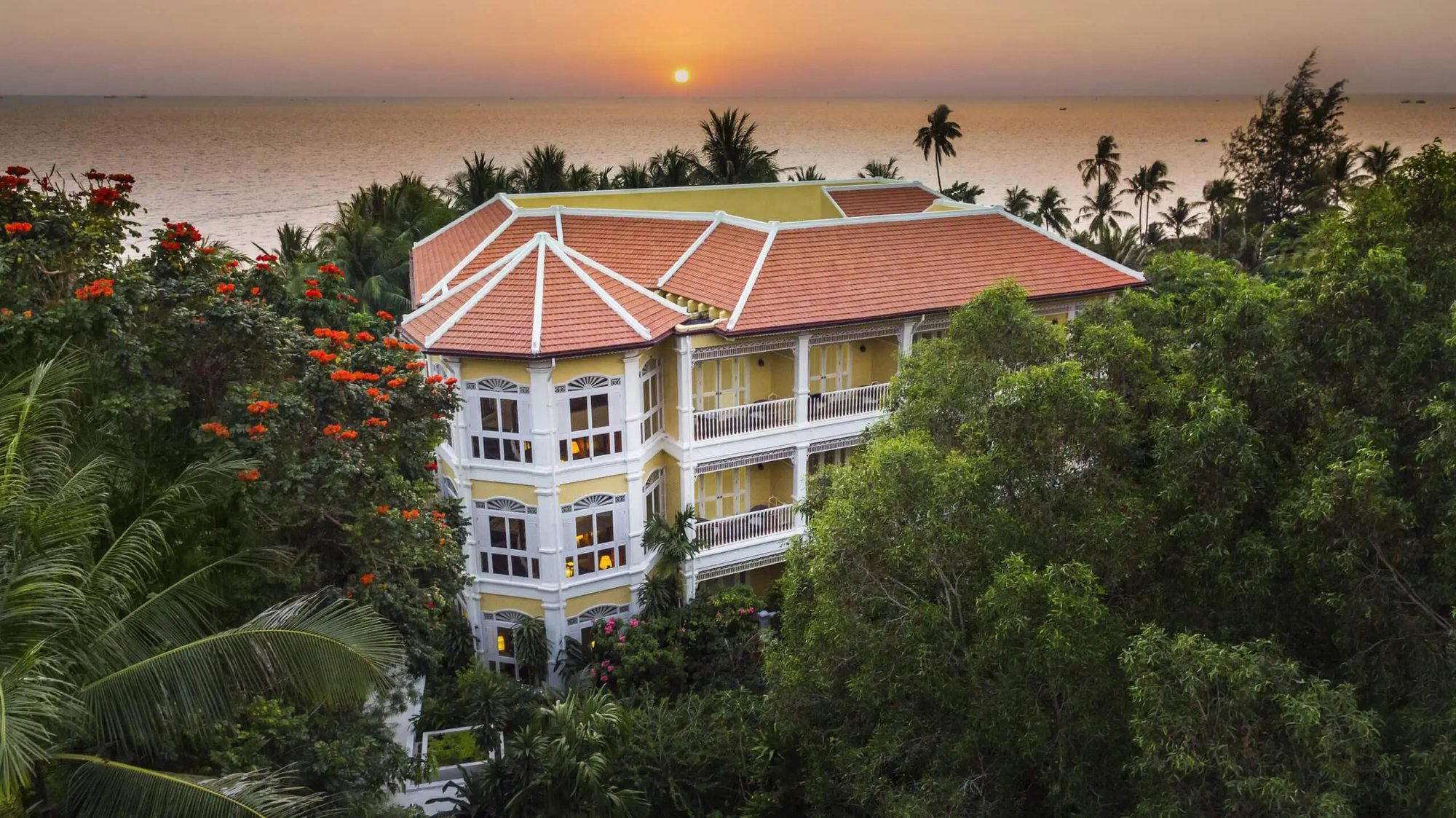
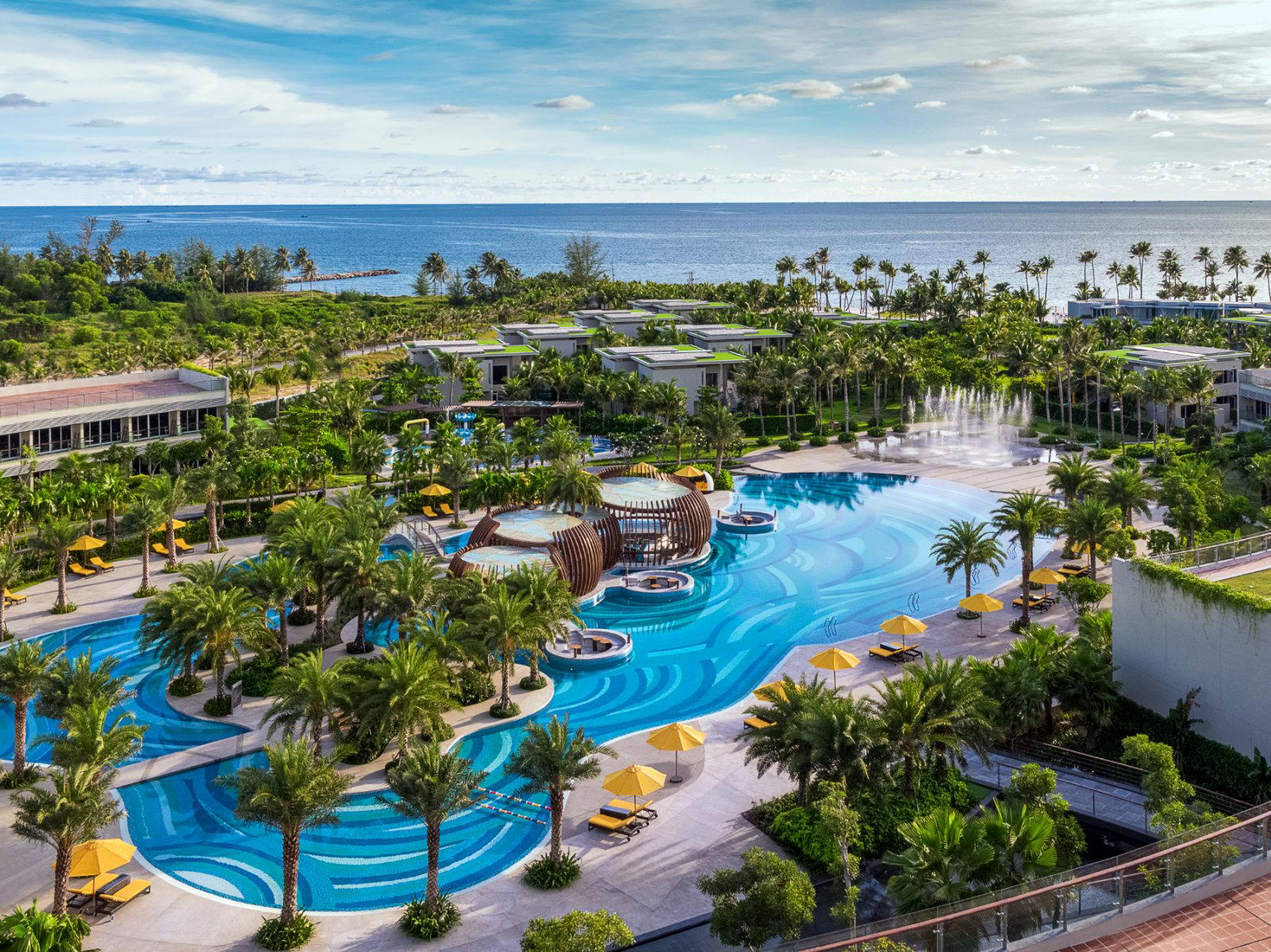
Open-air, sea-facing terrace with a relaxed yet elegant hotel setting; breezy and bright in the morning, then softer, more intimate lighting for sunset and candlelit dinners.