Our verdict
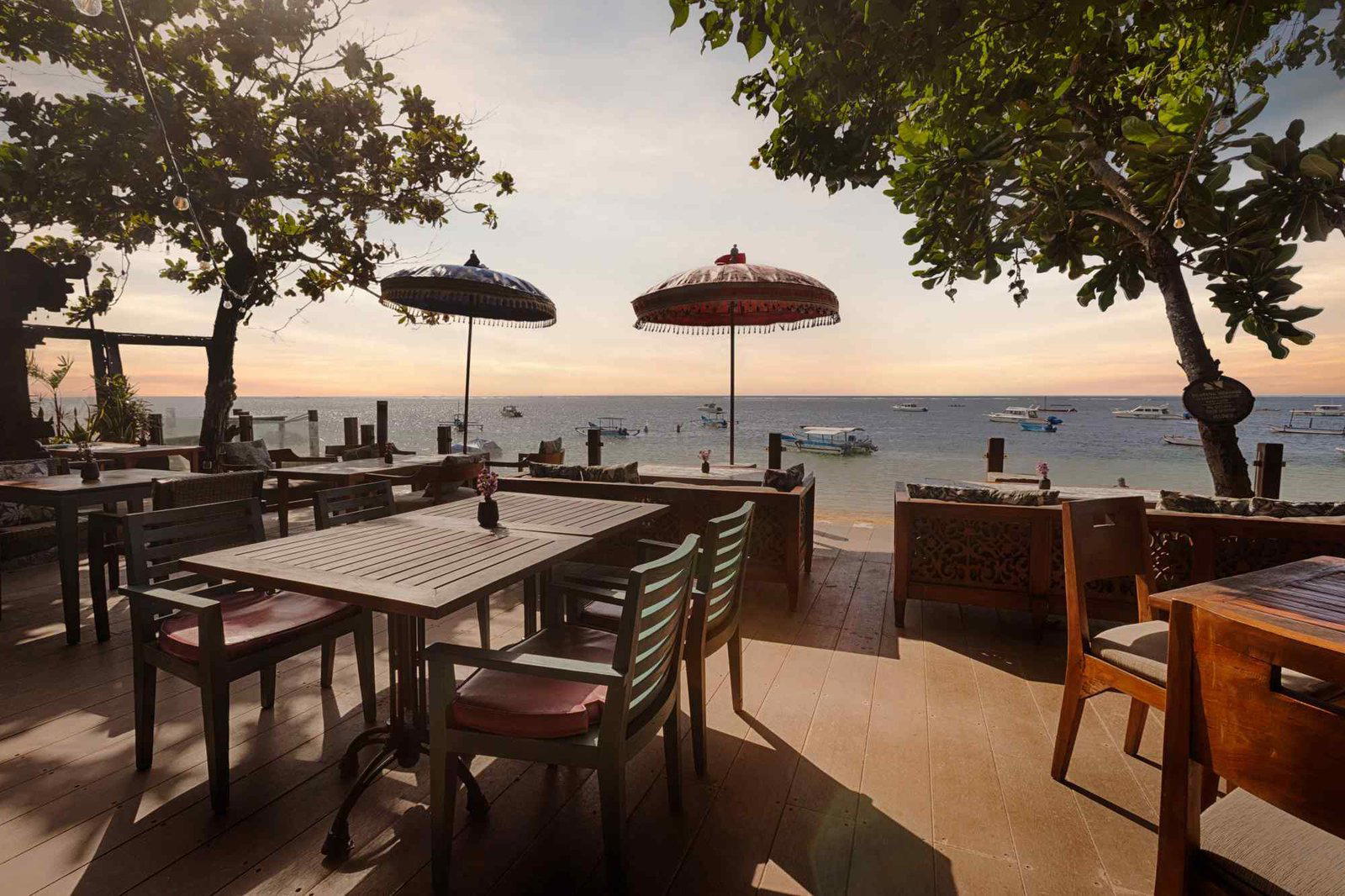
Coco Bistro Tanjung Benoa sits on Bali's quieter southern peninsula, where the pace of Tanjung Benoa's resort strip gives way to a more relaxed dining rhythm. The bistro format suits the neighbourhood: accessible, neighbourhood-scale, and positioned away from Seminyak's more competitive dining corridor. For visitors based in the Nusa Dua or Benoa area, it functions as a local dining anchor rather than a destination restaurant.

Pearl is the En Primeur Club membership app, where members save venues, book tables and use the concierge.
The menu
What to order
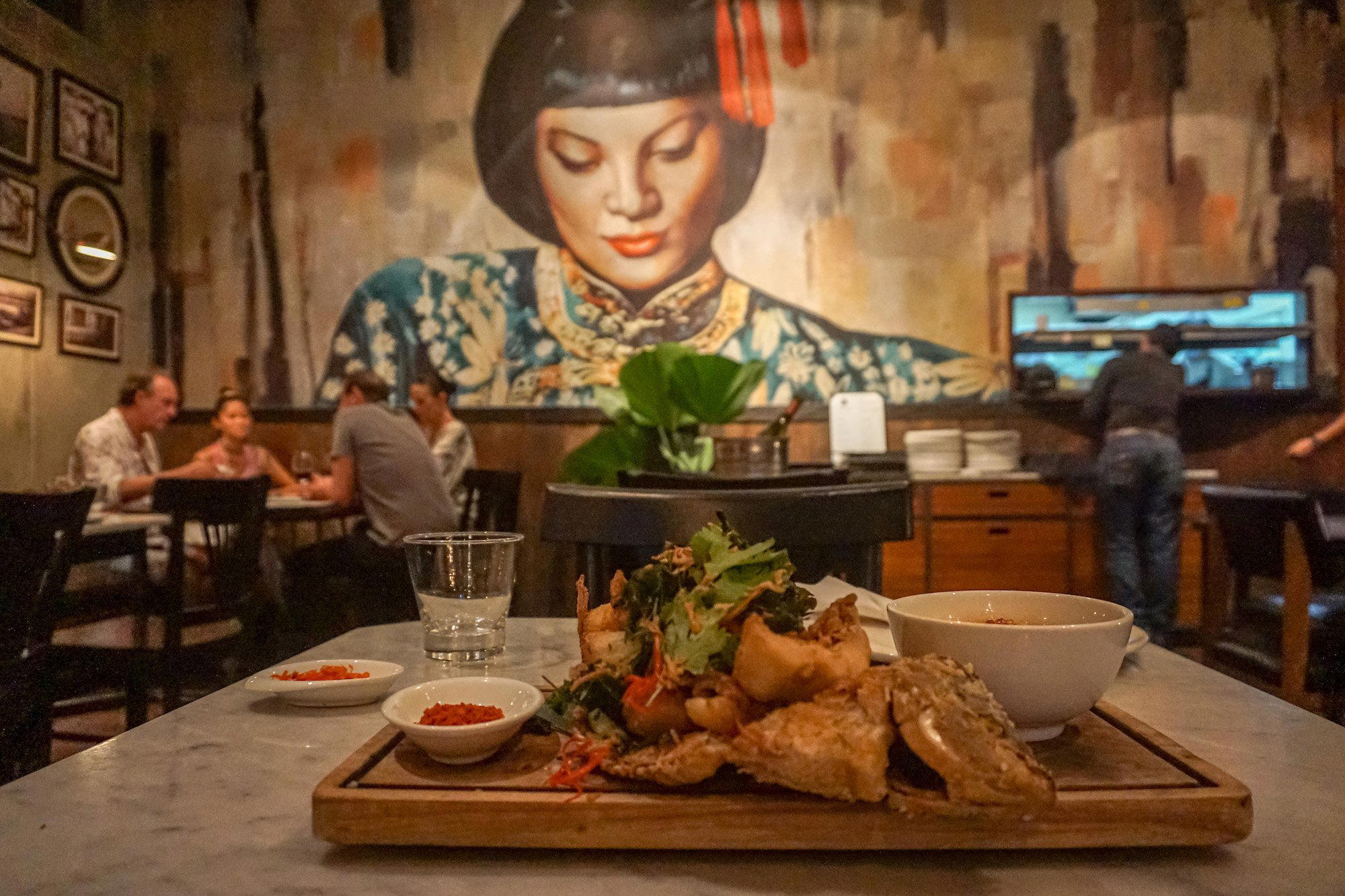
- Seafood Pizza
- Grilled Lobster
- Balinese Satay
Tanjung Benoa's Dining Register: What the Peninsula Does Differently
Bali's dining conversation tends to concentrate in Seminyak, Canggu, and Ubud, where restaurant density and international press coverage reinforce each other. Tanjung Benoa operates at a different frequency. The southern peninsula, which extends below Nusa Dua toward the Benoa harbour, has long been defined by its resort hotels and water sports operators rather than by destination restaurants. That context shapes what dining looks like here: the format skews toward the accessible bistro rather than the ticketed tasting counter, and the crowd is more likely to be hotel guests seeking a relaxed evening out than food-focused travellers who have flown in for a specific kitchen. Our full Badung restaurants guide maps how that divide plays out across the regency.
Coco Bistro Tanjung Benoa, on Jalan Pratama, sits inside that register. The address is telling: Jl. Pratama is the main artery running through Tanjung Benoa's resort spine, which means the bistro draws from a captive audience of nearby accommodation guests while remaining open to visitors making a deliberate trip south. In a neighbourhood where the alternative is often a hotel buffet or a tourist-facing seafood grill, a bistro format that holds itself to a consistent standard occupies a meaningful position, even without the awards infrastructure of a Seminyak or Jimbaran peer.
The Progression of a Meal in a Coastal Bistro Setting
The bistro format, when it works in a coastal Bali context, structures a meal around unhurried movement through courses rather than around spectacle. This is distinct from the high-production omakase or the fire-driven grill formats that have become shorthand for Bali's more photogenic dining moments. At venues in the Tanjung Benoa corridor, the logic is different: the environment does a share of the work that theatrics would otherwise perform, and the kitchen is expected to deliver consistency and clarity across a wider range of dishes rather than a single showpiece sequence.
That approach connects Coco Bistro to a broader pattern visible across Bali's mid-register dining tier. Places like Rumari in Jimbaran and Moksa in Bali demonstrate how the island's more considered bistro and café-scale venues tend to anchor themselves to either local ingredient sourcing or a specific cuisine reference point, then build a menu around those anchors course by course. The opening sequence typically handles lighter, produce-forward work; the middle courses carry the kitchen's main technical claims; and the close tends toward the familiar rather than the experimental. That arc, when executed with discipline, makes for a meal that reads well from first to last without demanding the kind of attention that a 12-course progression would require.
For the Tanjung Benoa setting specifically, this matters because the guest is often arriving from a day of activity on the water or a resort afternoon, which means appetite and mood are present but the desire for cognitive effort is low. A well-sequenced bistro meal meets that condition more reliably than either a casual warung or an ambitious tasting format.
Where Coco Bistro Sits in the Badung Dining Map
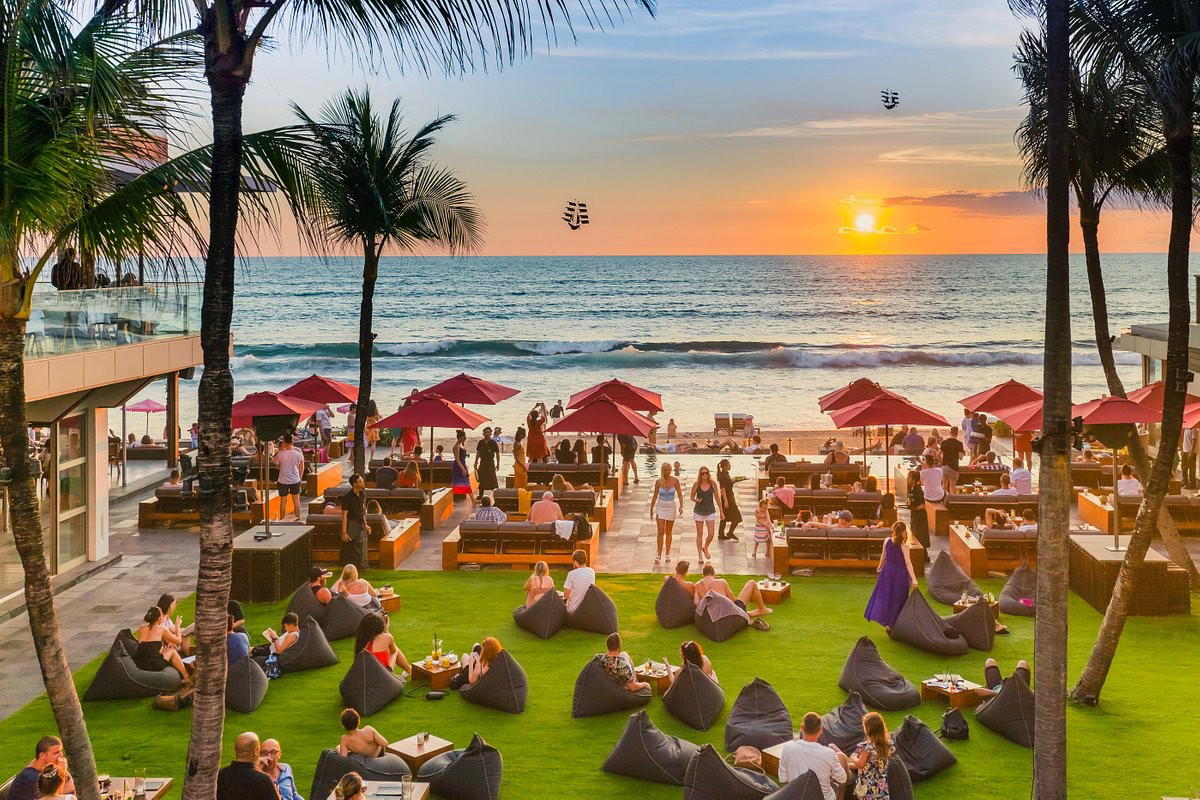
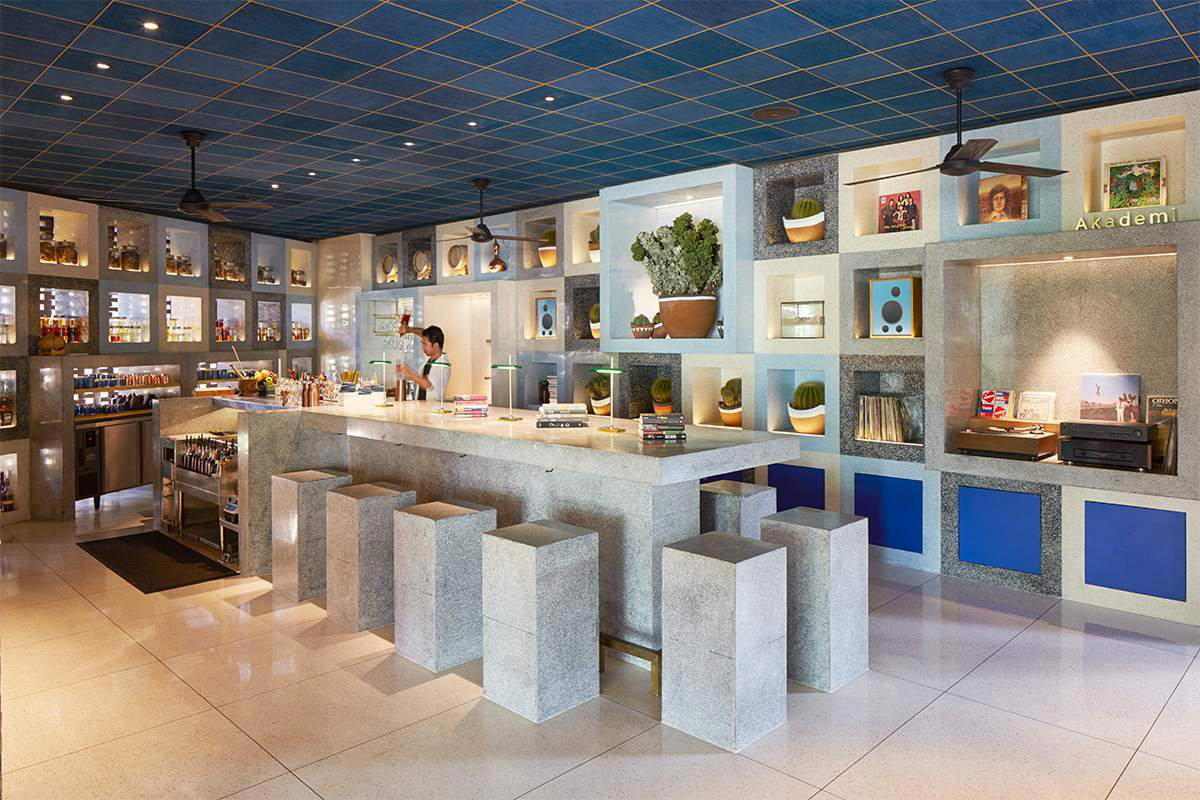
Within Badung's restaurant spectrum, the reference points at the higher end are well-documented. Cuca Restaurant has built a reputation around technique-led small plates and a bar program that draws specific attention. Akademi and Barbacoa occupy different corners of the accessible dining tier, while Bikini Restaurant Bali leans into the beach-club adjacency that defines a significant portion of Seminyak's daytime-into-evening offer. Ayam Betutu Khas Gilimanuk represents the local warung tradition that runs parallel to the resort dining tier entirely.
Coco Bistro's position is geographically and conceptually south of that cluster. The Tanjung Benoa location removes it from the immediate competitive pressure of the Seminyak strip, which is both a commercial reality and a kind of freedom: without needing to compete for the same press-chasing crowd, a bistro here can orient around its actual neighbourhood rather than around what is currently trending in the international food media cycle. That is a different value proposition, and for visitors staying in the Nusa Dua resort zone, it is arguably the more relevant one.
Across Indonesia more broadly, the pattern of neighbourhood-scale dining operating at a distance from the major food media hubs is well-established. Kahyangan in Gondangdia and CARANO Masakan Padang in Bekasi both demonstrate how venues outside the headline districts develop their own regulars and their own standards without requiring validation from the same circuits that govern coverage in Seminyak or Ubud.
Planning a Visit: Practical Orientation
Tanjung Benoa is a narrow peninsula that runs roughly north to south, and most visitors arriving from Seminyak or Canggu will be looking at a drive of 30 to 45 minutes depending on Bali's notoriously variable traffic conditions, with the southern bypass road generally the fastest route. From the Nusa Dua resort complex, Jl. Pratama is effectively walking distance for the northern section of the strip, though the bistro's specific address at No. 85A places it in the mid-peninsula zone where a short taxi or scooter ride is more practical than walking in heat.
Walk-in capacity at bistro-format venues in Tanjung Benoa tends to be more accessible than at the high-demand counters in Seminyak, but shoulder-season and peak-holiday periods between July and August and around the December-January break can tighten availability across the southern Bali dining tier.
For visitors who want to build a wider picture of Bali's dining range before or after a meal in Tanjung Benoa, the contrast with Locavore NXT in Ubud or August in Jakarta is instructive: those venues represent the upper tier of the region's tasting-format ambition, operating with full reservation systems and international press coverage, while the Tanjung Benoa bistro tier functions closer to the ground level of daily dining. Neither position is a hierarchy so much as a different relationship between the kitchen, the neighbourhood, and the guest. Venues like Cafe Organic Canggu in Banjar Badung, Jungle Fish Bali in Gianyar, The Legian in Seminyak, Sarong Bali in Canggu, Le Bernardin in New York City, and Lazy Bear in San Francisco each occupy their own tier within that wider spectrum, and understanding where Coco Bistro sits relative to that range helps calibrate expectations before arriving.
Frequently asked questions
What's the address for Coco Bistro Tanjung Benoa?
Coco Bistro Tanjung Benoa is located at Jl. Pratama No.85A, Tanjung, Benoa, Kec. Kuta Sel. Kabupaten Badung, Bali 80361, Indonesia, Badung.
How far is Coco Bistro Tanjung Benoa from the Nusa Dua resort area?
Coco Bistro sits on Jl. Pratama No.85A in the Tanjung Benoa district of Badung, which runs along the same narrow peninsula that borders the Nusa Dua resort enclave to the south. The two areas share a continuous road corridor, putting the bistro within a short drive for guests based in either Nusa Dua hotels or the Benoa village strip, a geographic convenience that shapes much of its local diner base.
What's the signature dish at Coco Bistro Tanjung Benoa?
Pratama No.85A address. Bistro-format operations in coastal Bali typically anchor their menus around grilled seafood and Indonesian-inflected Western plates, though this is a general observation about the format rather than a confirmed detail about this venue.
Do they take walk-ins at Coco Bistro Tanjung Benoa?
No booking policy data is held. Tanjung Benoa's restaurant tier, relative to Seminyak or Canggu, operates with lower covers and less advance demand, which generally means walk-in availability is more workable, particularly outside the July–August peak period. Checking directly at Jl. Pratama No.85A remains the reliable approach.
What's Coco Bistro Tanjung Benoa best at?
Coco Bistro's position on Jl. Pratama places it as one of the more accessible sit-down dining options for guests staying along the Tanjung Benoa peninsula and the adjacent Nusa Dua resort corridor in Badung. On a peninsula where restaurant density is low, a bistro-format venue fills the gap between hotel dining rooms and the more limited casual street options available locally.
What if I have allergies at Coco Bistro Tanjung Benoa?
No website, phone number, or allergen policy is currently held in EP Club's records. Given the absence of verified contact details, anyone with serious dietary allergies should visit the venue in person at Jl. Pratama No.85A, Tanjung Benoa, Badung, to speak with staff directly before committing to a booking or sitting down to order.
Is a meal at Coco Bistro Tanjung Benoa worth the investment?
No price range or awards data is currently recorded for Coco Bistro Tanjung Benoa, making a precise cost-value judgement impossible here. What is clear from its address on Jl. Pratama is that it serves a peninsula corridor where dining alternatives are sparse, context that tends to concentrate local repeat custom and can sustain consistent mid-market operations in Badung.
Credentials Lens
Comparable venues nearby, for context on price, style, and recognition.
| Venue | Cuisine | Price | Notes |
|---|---|---|---|
| Coco Bistro Tanjung BenoaThis venue (the venue you are viewing) | Seafood Fusion with Indonesian Influences | $20–30 | Not listed |
| Barbacoa | Latin American BBQ | $30–50 | Kerobokan |
| Shrimpis Restaurant | Fresh Seafood with Local Shrimp | $20–30 | Seminyak |
| LACALITA Canggu | Mexican Taqueria | $20–30 | Canggu |
| Ground Zero Kitchen | Fusion Italian-American-Indonesian | Not listed | Kuta |
Continue exploring
More in Badung
Restaurants in Badung
All restaurants in Badung →
Bars in Badung
All bars in Badung →
Details
- Lively
- Scenic
- Date Night
- Family
- Casual Hangout
- Live Music
- Waterfront
- Craft Cocktails
- Waterfront
- A La Carte
- Tropical Cocktails
- Vegetarian Friendly
- Vegan Options
- Gluten Free Options
Current opening hours
- Monday
- 12–11 PM
- Tuesday
- 12–11 PM
- Wednesday
- 12–11 PM
- Thursday
- 12–11 PM
- Friday
- 12–11 PM
- Saturday
- 12–11 PM
- Sunday
- 12–11 PM
Hours can change for holidays and private events. Last verified .
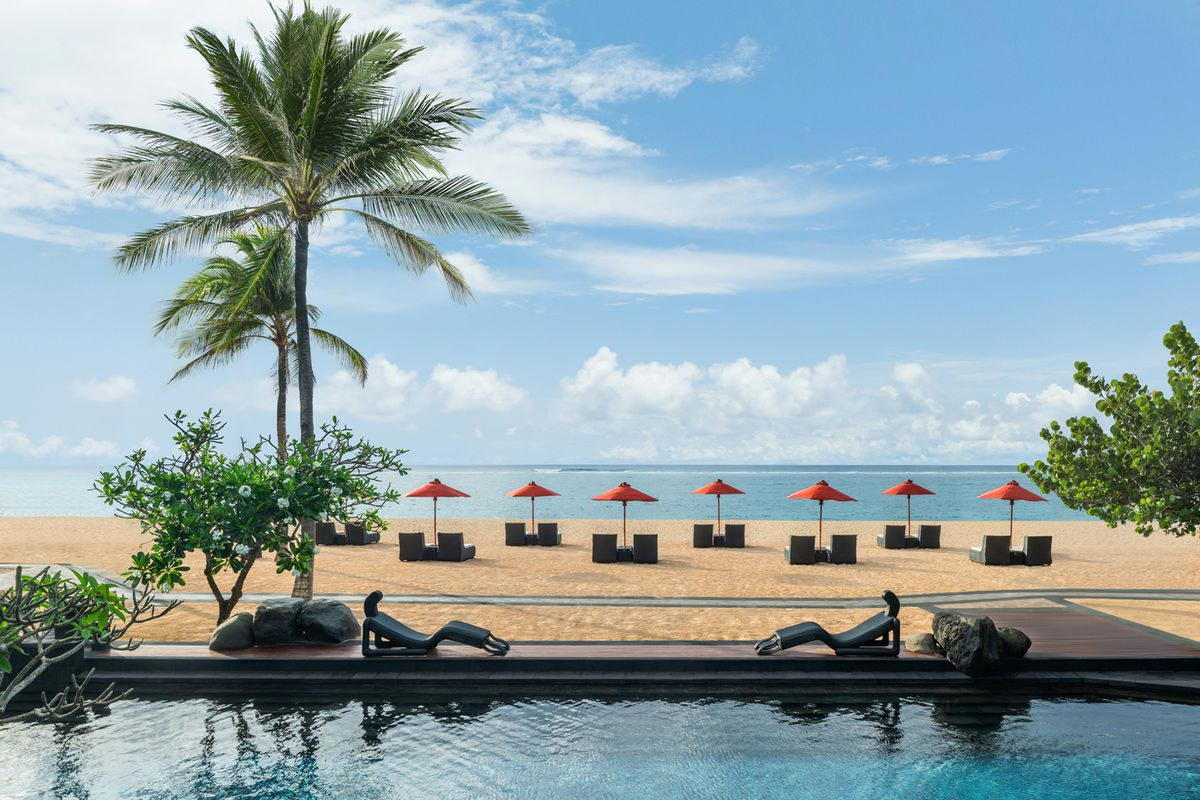
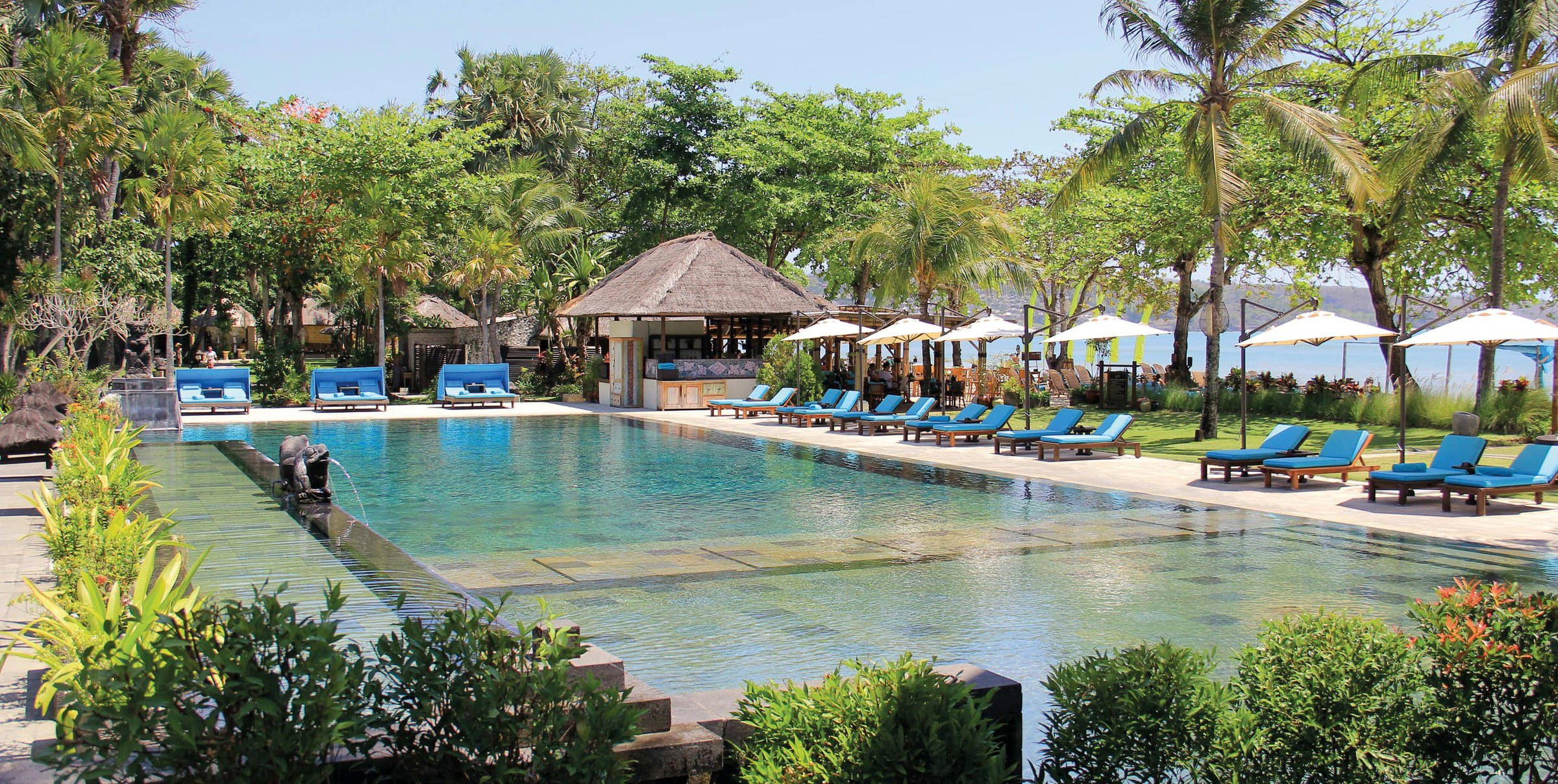
Lively and inviting beachfront atmosphere with friendly service and lively entertainment.