Our verdict
On a quiet residential street in Campo de Ourique, Coelho da Rocha occupies a register that much of Lisbon's dining scene has moved away from: neighbourhood-anchored, unhurried, and rooted in the kind of Portuguese cooking that doesn't perform for tourists. For visitors who find the city's tasting-menu circuit exhausting, this is a more grounded alternative.

Pearl is the En Primeur Club membership app — saves, bookings, and concierge access live there. Same editors, same standards.
- Address
- R. Coelho da Rocha 104, 1350-075 Lisboa, Portugal
- Phone
- +351213900855
- Hours
- Mon–Sat 12–3 PM, 7–11 PMSun Closed
- Website
- facebook.com
- Directions
- Get directions
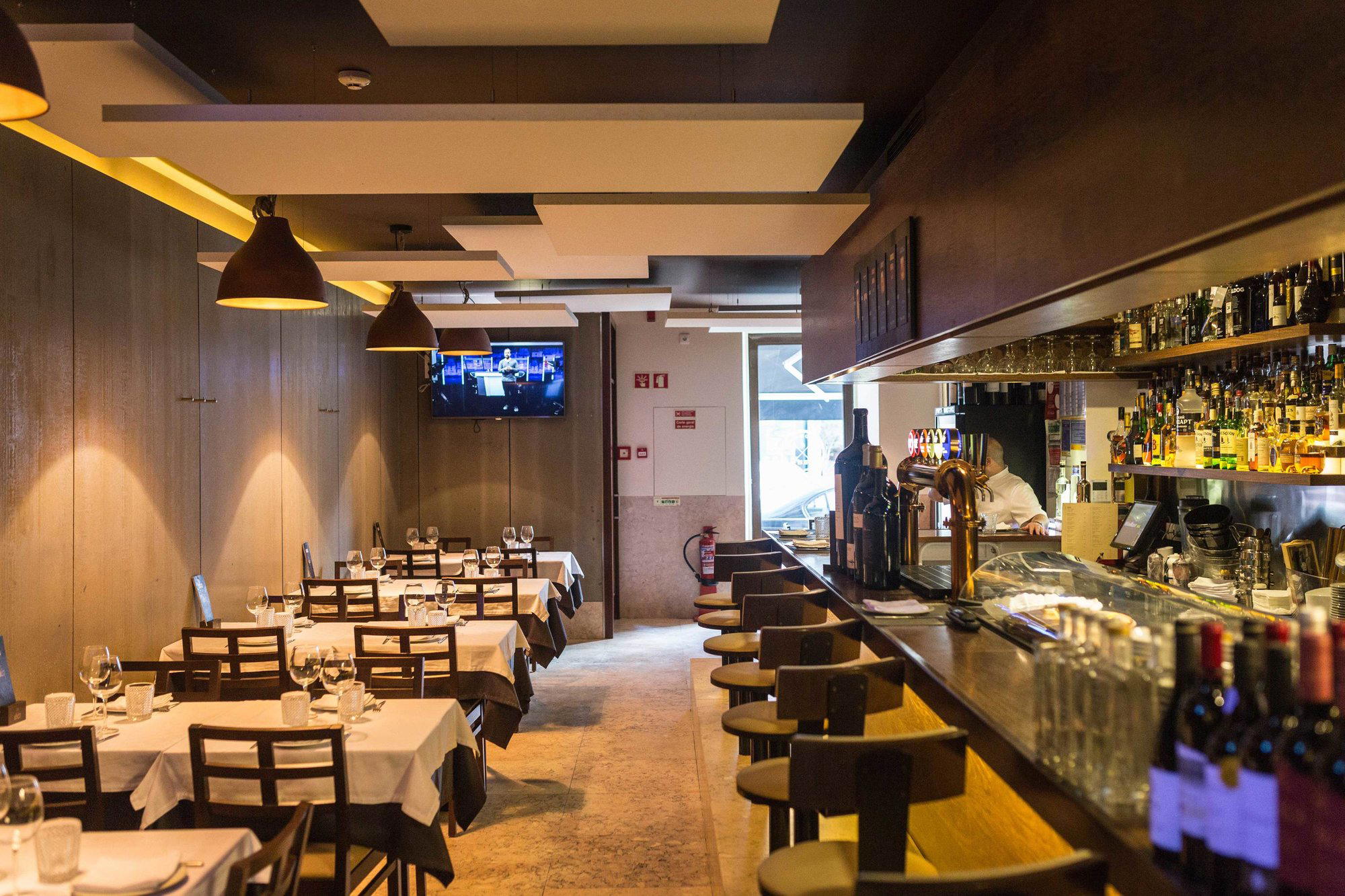
The menu
What to order
- Garlic Shrimp
- Grilled Octopus
- Stuffed Mushrooms
- T-Bone Steak
Campo de Ourique and the Case for the Neighbourhood Table
Lisbon's fine-dining conversation tends to concentrate along a predictable axis: the Michelin-starred rooms of Chiado and Belém, the tasting menus, the elaborate presentations. That conversation is worth having. Belcanto and CURA both earn their place in the €€€€ tier with serious cooking and credentialed kitchens. But Lisbon also has a parallel tradition, one that rarely gets written up in international press: the neighbourhood restaurant that functions as a social institution, where the wine list reflects a proprietor's genuine curiosity rather than a sommelier's CV ambition, and where the room's character comes from the people who return weekly rather than from an interior designer's brief.
Coelho da Rocha, at Rua Coelho da Rocha 104 in Campo de Ourique, belongs to that second category. Campo de Ourique is one of Lisbon's more residential quartiers, west of the historic centre, with a street grid that feels genuinely domestic. The neighbourhood's covered market, the Mercado de Campo de Ourique, anchors a food culture that leans toward the everyday rather than the ceremonial. Restaurants here are chosen by proximity and loyalty, not by reservation lead time or awards season buzz.
Approaching the Room
The address sits on a street that reads as residential before it reads as commercial. There is no marquee signage, no queuing infrastructure, no doorman. The frontage is modest in the way that many of Lisbon's enduring neighbourhood places are modest: the room announces itself through use rather than display. Inside, the atmosphere is set by the acoustics of a room that fills with conversation rather than curated sound design. Tiled walls, if present in this part of the city's vernacular, absorb noise in a particular way that newer, harder-surfaced restaurants cannot replicate. The physical environment at places like this tends to confirm rather than perform their character.
This kind of setting, common to the Campo de Ourique residential blocks, contrasts sharply with the calculated atmospherics of Lisbon's higher-profile rooms. Eleven, positioned on Parque Eduardo VII with panoramic design intent, and 50 Seconds from Martin Berasategui, with its tower-floor drama, are built around a different contract with the guest. Coelho da Rocha's contract is older and less legible to first-time visitors: it asks you to read the room on its own terms.
The Wine Dimension in a City with Serious Cellar Depth
Portugal's wine geography is one of the more complex in southern Europe, and Lisbon-area restaurants sit at an interesting intersection of regional influences. The Alentejo, the Douro, the Dão, the Bairrada, and the emerging Serra da Estrela sub-regions each produce styles that reward attention, and the city's better neighbourhood places have historically maintained lists that track Portuguese production with more nuance than their tourist-facing counterparts. Where the starred rooms, from Vila Joya in the Algarve to The Yeatman in Vila Nova de Gaia, build cellars as deliberate statements of national wine culture, the neighbourhood restaurant takes a different approach: curation by familiarity and taste, not by institutional ambition.
At a place like Coelho da Rocha, the wine list is unlikely to carry the depth of a dedicated wine restaurant, but in Campo de Ourique's dining tradition, that is not the relevant benchmark. The relevant question is whether the selection reflects genuine engagement with what is being poured. Portuguese dining at this register typically centres on regional producers, house pours that rotate with seasons or supplier relationships, and a preference for the practical over the encyclopaedic. The Alentejo's structured reds and the Vinho Verde sub-regions' lighter whites tend to anchor lists at this price point, with occasional forays into the Dão's more age-worthy Touriga Nacional expressions.
Comparison to Antiqvvm in Porto or Casa de Chá da Boa Nova, with its historically significant wine credentials, would be a category error. The neighbourhood restaurant's relationship with wine is conversational rather than scholarly, which suits a different kind of evening entirely.
Situating the Kitchen
Campo de Ourique's food culture runs on Portuguese domestic cooking, the kind that doesn't require a glossary: bacalhau in its many preparations, grilled fish and meat, seasonal vegetable sides, slow-cooked dishes that reflect both the Alentejano interior and the Atlantic coast. Restaurants in this quartier tend to cook in that register with varying degrees of refinement. The creative Portuguese cooking that defines the starred rooms, including the vegetable-forward precision of 2Monkeys or the tasting-menu structures at CURA, operates at a different distance from the source material.
Without specific menu data available, precise dish claims would be speculation. What the address and neighbourhood context do suggest is a kitchen oriented toward the quotidian rather than the theatrical. The Portuguese restaurant at this residential register tends to measure quality by the accuracy of its execution and the consistency across visits, not by the originality of its concept. Regulars at places like this return because the dish they had three months ago tastes the same tonight, and that consistency is itself a form of craft that the tasting-menu world frequently undervalues.
For readers whose Portugal dining has been anchored in the Algarve's resort circuit, places like Gusto by Heinz Beck in Almancil or Ocean in Porches, the Campo de Ourique neighbourhood table represents a genuinely different category of experience. It is not a downgrade; it is a different proposition entirely, one that requires less planning and more attention to what is actually in front of you.
How Coelho da Rocha Sits in the Broader Lisbon Picture
Lisbon's restaurant scene has expanded significantly in the past decade, adding internationally trained chefs, ambitious concepts, and a Michelin presence that now extends well beyond the city's obvious fine-dining corridors. Fortaleza do Guincho in Cascais and Il Gallo d'Oro in Funchal demonstrate how Portugal's broader dining geography has professionalised. Within Lisbon itself, the creative tier is well-documented. Ó Balcão in Santarém and Al Sud in Lagos represent how this ambition has spread geographically.
What this expansion has not displaced is the neighbourhood institution. Campo de Ourique has retained its residential character while the city's tourist infrastructure has grown around it, and restaurants like Coelho da Rocha occupy a position that the starred circuit cannot: genuinely local, genuinely consistent, oriented toward the person who lives nearby rather than the visitor who has a flight home on Sunday. Our full Lisbon restaurants guide maps the broader picture, including how the city's different neighbourhoods each sustain distinct dining registers.
For context on how neighbourhood-anchored restaurants compare to their counterparts in other cities, Lazy Bear in San Francisco and Le Bernardin in New York City represent the opposite end of the intentionality spectrum, formal, celebrated, and impossible to stumble into. Coelho da Rocha's appeal operates precisely where those rooms cannot reach.
Know Before You Go
- Address: R. Coelho da Rocha 104, 1350-075 Lisboa, Portugal
- Neighbourhood: Campo de Ourique, Lisbon
- Booking: Contact; walk-in may be viable for neighbourhood restaurants in this quartier, particularly at lunch or early dinner
- Price tier:; Campo de Ourique restaurants in this residential register typically sit below the city's starred-room bracket
- Getting there: Campo de Ourique is accessible by tram (line 28 passes nearby) and taxi; parking is limited on residential streets in this quartier
- Leading timing: Midweek lunch tends to reflect the neighbourhood character of Campo de Ourique restaurants most clearly; weekend evenings draw a broader mix
Frequently asked questions
Where do I go for Coelho da Rocha?
Coelho da Rocha is located at R. Coelho da Rocha 104, 1350-075 Lisboa, Portugal, Lisbon.
Is Coelho da Rocha a good option for exploring Portuguese regional wine alongside food?
Lisbon-area restaurants sit at a genuinely interesting intersection of Portugal's wine geography, with access to producers from the Tejo, Alentejo, Setúbal Peninsula, and the capital's own Vinho Regional Lisboa designation. A table in Campo de Ourique, grounded in domestic Portuguese cooking, is a logical setting to work through that range alongside the kind of food the wines were built around.
What do regulars order at Coelho da Rocha?
The kitchen sits within Campo de Ourique's food culture, which runs on Portuguese domestic staples: bacalhau in multiple preparations, grilled fish, and slow-cooked meat dishes that don't require a glossary to appreciate. The menu follows the logic of the neighbourhood — familiar, seasonal, and rooted in the domestic Portuguese repertoire rather than in tasting-menu ambition.
Should I book Coelho da Rocha in advance?
Coelho da Rocha is on a residential street in Campo de Ourique that draws a local crowd more than a tourist one, which means the dining room fills on a community rhythm rather than a reservation-app surge. Booking ahead is a reasonable precaution, particularly for evening meals later in the week, given the limited signage and walk-in infrastructure the address suggests.
What makes Coelho da Rocha worth seeking out?
In a Lisbon dining scene increasingly shaped by internationally trained chefs and Michelin-focused concepts concentrated in Chiado and Belém, Coelho da Rocha occupies a different position: a Campo de Ourique address where Portuguese cooking functions on neighbourhood terms rather than performance ones. The draw is the absence of the usual fine-dining apparatus, not despite it.
Just the Basics
A compact comparison to help you place this venue among nearby peers.
| Venue | Cuisine | Price | Awards | Notes |
|---|---|---|---|---|
| Coelho da RochaThis venue — the venue you are viewing | Traditional Portuguese | $20–30 | Not listed | Not listed |
| Belcanto | Contemporary Portuguese Fine Dining | $200–300 | 2 Michelin Stars · World's 50 Best #42 | Modern Portugese, Creative |
| CURA | Modern Portuguese Fine Dining | $150–200 | 1 Michelin Star · La Liste Top Restaurants | Modern Portugese, Modern Cuisine |
| Eleven | Sophisticated Modern Mediterranean | $150–200 | 1 Michelin Star · Falstaff Restaurant - 93 Falstaff Points | Portugese, Creative |
| Feitoria | Modern Portuguese Fine Dining | $50–100 | 1 Michelin Star · La Liste Top Restaurants | Modern Cuisine |
| Grenache | Contemporary French Fine Dining | $150–200 | 1 Michelin Star | French Contemporary |
Continue exploring
More in Lisbon
Restaurants in Lisbon
Browse all →
Bars in Lisbon
Browse all →
Hotels in Lisbon
Browse all →

Details
- Cozy
- Intimate
- Family
- Casual Hangout
- Standalone
- A La Carte
Current opening hours
- Monday
- 12–3 PM, 7–11 PM
- Tuesday
- 12–3 PM, 7–11 PM
- Wednesday
- 12–3 PM, 7–11 PM
- Thursday
- 12–3 PM, 7–11 PM
- Friday
- 12–3 PM, 7–11 PM
- Saturday
- 12–3 PM, 7–11 PM
- Sunday
- Closed
Hours can change for holidays and private events. Last verified .
Cozy and welcoming atmosphere with friendly service, well-suited for an intimate dining experience.