Cole
Our verdict
Wellington's Quieter Corner: Dining in Onverwacht The road into Onverwacht runs past vineyards and smallholdings that supply much of the Western Cape's fruit and vegetable chain. It is farming country in the practical sense, not the boutique...

Pearl is the En Primeur Club membership app — saves, bookings, and concierge access live there. Same editors, same standards.
- Address
- 16 Addy Rd, Wellington, 7654, South Africa
- Phone
- +27647624804
- Hours
- Mon ClosedTue–Thu 7 AM–5 PMFri 7 AM–11 PMSat 8 AM–11 PMSun 8 AM–3 PM
- Website
- coletheeatery.co.za
- Directions
- Get directions
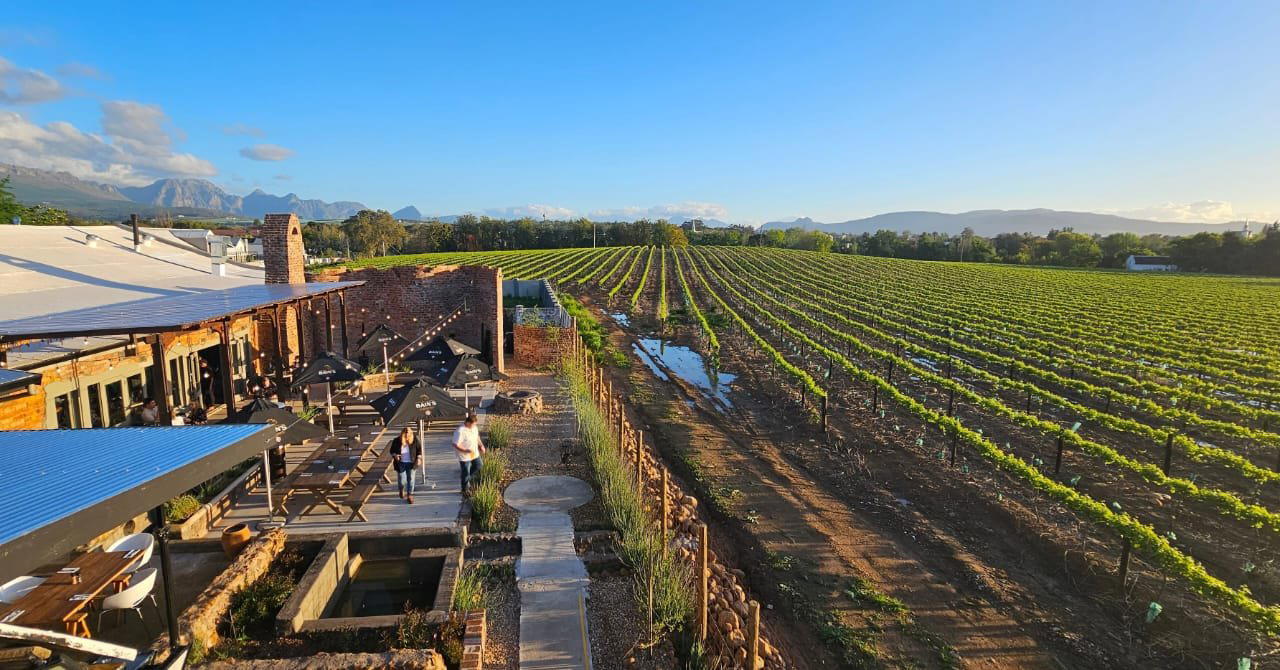
Wellington's Quieter Corner: Dining in Onverwacht
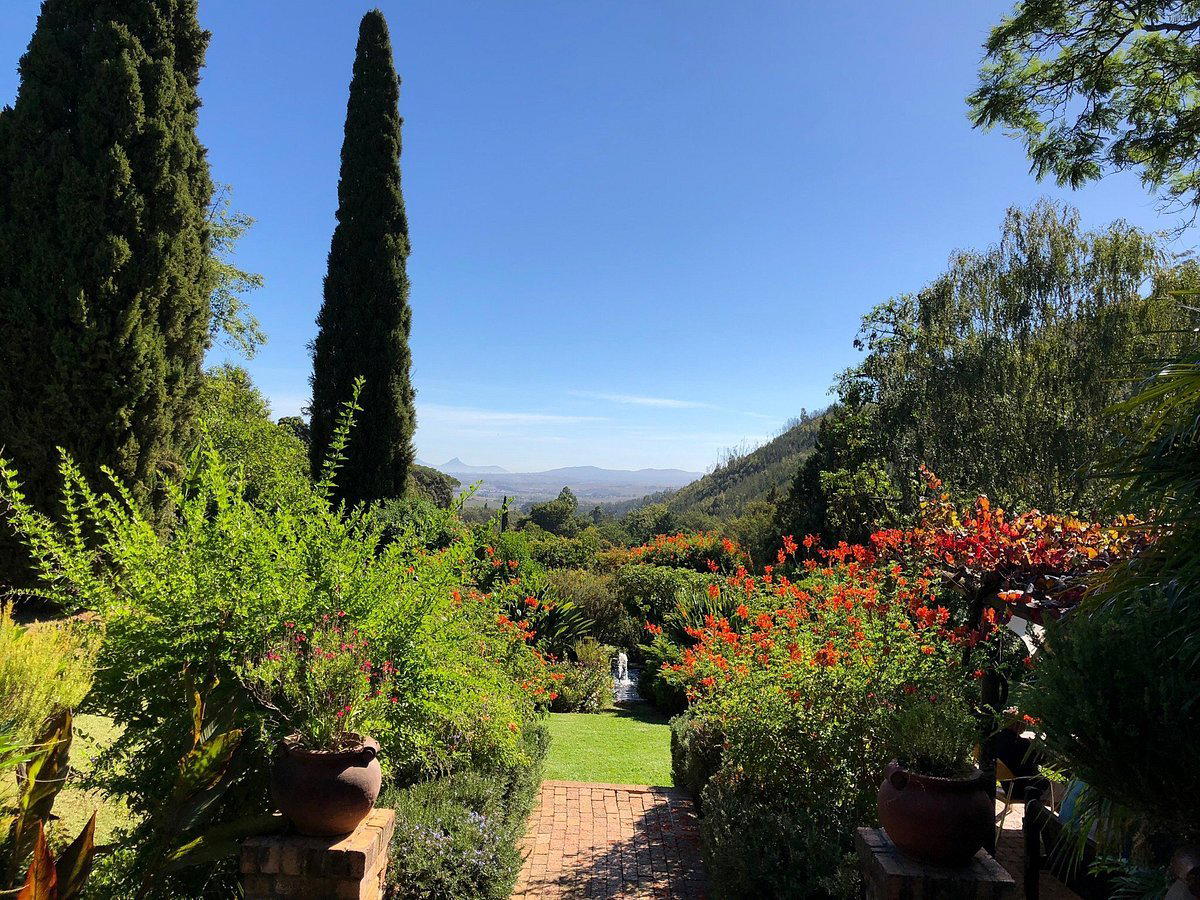
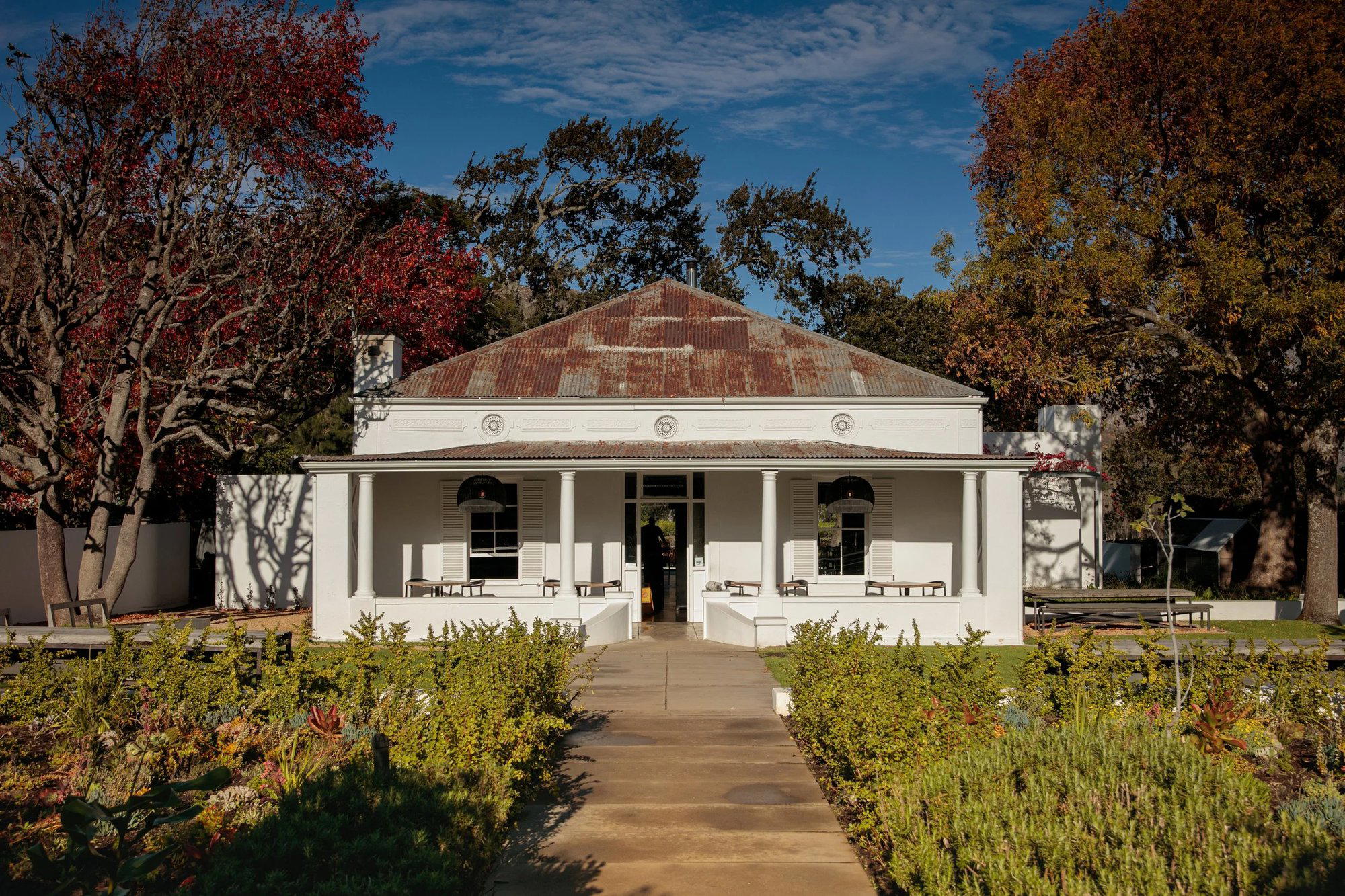
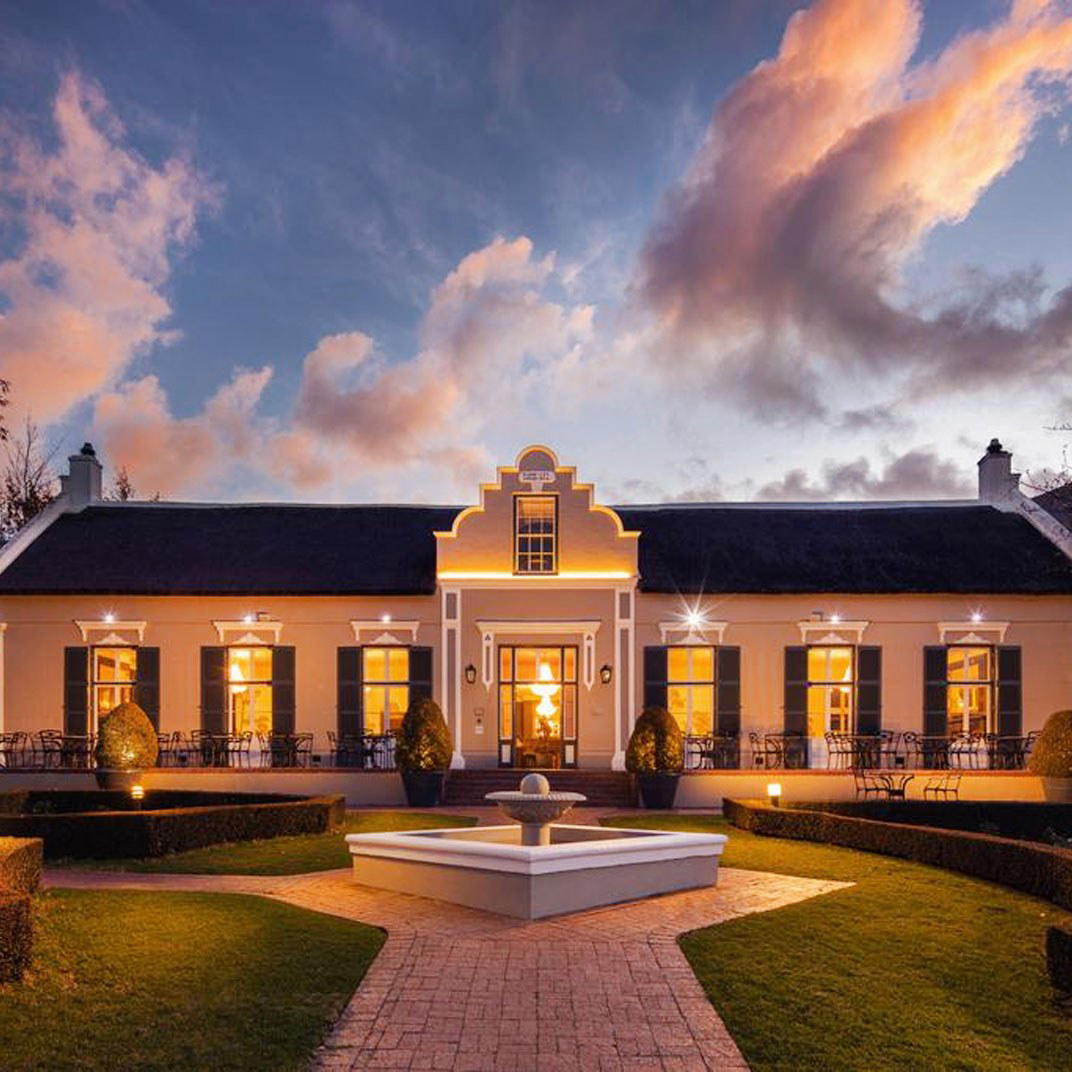
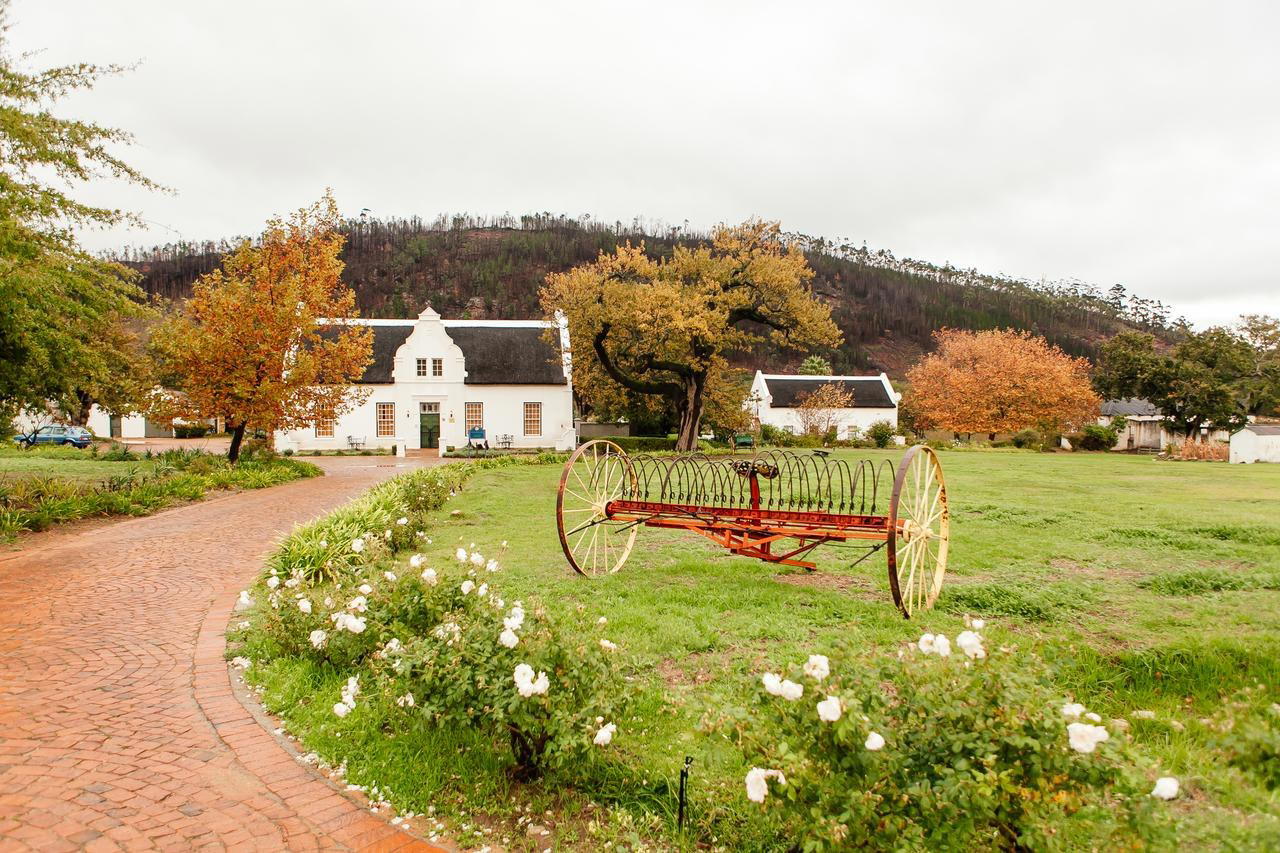
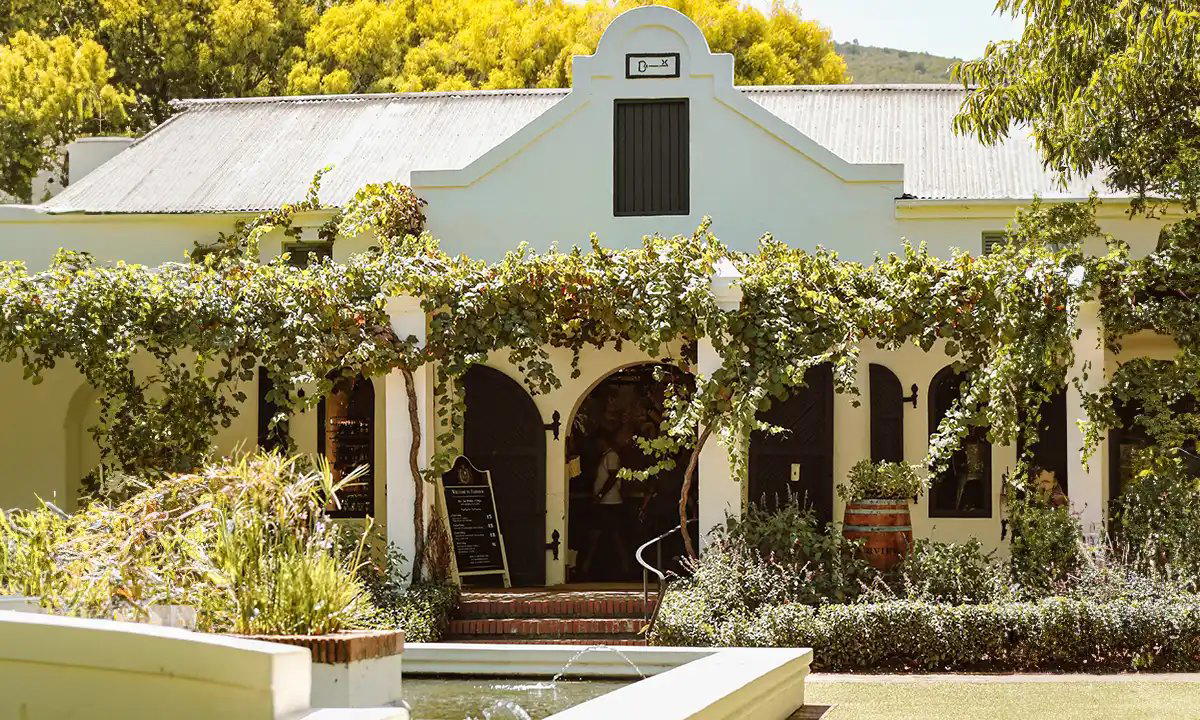
The road into Onverwacht runs past vineyards and smallholdings that supply much of the Western Cape's fruit and vegetable chain. It is farming country in the practical sense, not the boutique agritourism sense, and that distinction matters when you sit down to eat in this part of Wellington. The produce that reaches a table here often travels a shorter distance from soil to plate than anything served in the glossier restaurant corridors of Franschhoek or Stellenbosch. Cole, at 16 Addy Road, occupies this quieter register of the Boland dining scene. Its setting on a residential street in a working agricultural community positions it differently from the estate restaurants and wine-country destination venues that dominate the region's editorial coverage. For context on where it sits within the broader Onverwacht offering, see our full Onverwacht restaurants guide.
Where the Food Comes From: The Ingredient Logic of the Boland
The Western Cape's food sourcing geography is one of the more coherent in South Africa. The Hex River Valley, the Drakenstein Mountains, and the farms flanking the Berg River produce stone fruits, citrus, leafy vegetables, and stone-ground grains within a compact radius of Wellington. Restaurants that know this geography well can build menus around harvest rhythms rather than distributor schedules, and the cooking that results tends to carry a specificity that imported or centrally distributed produce cannot replicate. This is the sourcing argument that gives small Boland establishments their clearest competitive edge over urban counterparts, including places like Fyn in Cape Town, which operates with a different kind of precision but a longer supply chain for local ingredients. At the scale of a neighbourhood restaurant in Onverwacht, proximity to that agricultural base is the structural advantage. The question is always whether the kitchen uses it.
Comparison with estate-level operations elsewhere in the region is instructive. A venue like Le Quartier Français in Franschhoek operates within a hospitality infrastructure designed for destination travel. Onverwacht functions on a different logic: smaller catchment, lower visitor footfall, and a community that treats eating out as routine rather than event. Restaurants in that context tend to price against local spending habits and rely on repeat custom rather than once-a-year visitors. That commercial reality shapes menus in ways that often benefit the food. Shorter menus, higher turnover of fresh product, and a closer relationship with nearby suppliers are byproducts of running lean in a non-destination neighbourhood.
The Boland's Neighbourhood Restaurant Tier
South Africa's premium dining conversation concentrates on a handful of addresses. The names that circulate internationally, from Wolfgat in Paternoster to Klein Jan in the Kalahari, represent a specific tier of destination-led, concept-driven cooking that draws travellers from outside the country. Below that tier, and sometimes more interesting for it, sits a layer of neighbourhood and small-town restaurants that serve the actual local population. These are the places where sourcing decisions are made on Tuesday morning based on what arrived from the farm cooperative, not on a fixed tasting menu template. Comparisons with more formally recognised venues, such as The Chef's Table in Durban or Foundry in Sandton, illuminate the structural gap between South Africa's destination dining tier and its everyday neighbourhood tier. Cole occupies the latter, which in the Boland context means competing for a regular local audience rather than a travelling one. That is not a lesser position; it is a different discipline.
Within Wellington specifically, the restaurant scene remains thin relative to the wine estates that ring the town. The town is better known as a wine producing municipality than a dining destination, which means the few restaurants operating here draw from a smaller but more loyal base. For visitors, that also means lower wait times and more accessible booking than equivalent venues in Stellenbosch or Franschhoek.
Getting There and Planning Your Visit
For those building a broader Western Cape itinerary, Ellerman House in Bantry Bay and Wolfgat in Saldanha Bay cover the coastal end of a Boland-to-Atlantic circuit, while Onverwacht sits comfortably on the inland agricultural leg of the same journey.
Cole in the Wider South African Context
South Africa's restaurant scene continues to develop a more regionally specific identity. The global reach of venues like Le Bernardin in New York or Lazy Bear in San Francisco shows what happens when ingredient sourcing and chef philosophy align with strong local identity over time. South African cooking is in a similar, if earlier, process: venues like Sympathy's in Johannesburg, Capito in Pretoria, and Silver Orange in Hartbeespoort each occupy distinct regional niches within a national dining conversation that is still defining its terms. Cole in Onverwacht sits at the more local, embedded end of that spectrum. What it offers is direct proximity to one of the country's most productive agricultural belts, and that is not a minor credential.
Frequently asked questions
Can I bring kids to Cole?
Cole sits on Addy Road in Onverwacht, a farming neighbourhood with an unhurried pace that generally suits family visits. Nothing in the venue's profile signals a strict adults-only format. check the venue's official channels to confirm seating arrangements and any children's provisions before visiting.
Is Cole formal or casual?
Onverwacht's character as a smallholding and farming community on Wellington's edge points toward a relaxed register rather than a formal one. Cole's Addy Road address places it outside the town-centre circuit where dress codes tend to be enforced. Come as you would for a considered neighbourhood meal rather than a white-tablecloth occasion.
Is Cole worth visiting if you're based in Cape Town for the day?
Wellington sits approximately 65 kilometres northeast of Cape Town, making Onverwacht a feasible half-day or full-day excursion. Cole on Addy Road gives that drive a specific dining destination within a farming neighbourhood that operates well outside the Cape Winelands tourist circuit. Pair it with the Wellington wine route to justify the round trip.
What do regulars order at Cole?
Given its location within the Western Cape's Boland produce corridor, the kitchen is well-positioned to work with Hex River Valley fruit, Drakenstein-area vegetables, and local protein sources. Asking staff what's in season when you arrive is the most reliable approach.
What's Cole's location?
Cole is located at 16 Addy Rd, Wellington, 7654, South Africa, Onverwacht.
Do I need a reservation for Cole?
Booking ahead is advisable for any neighbourhood restaurant operating in a small community like Onverwacht, where covers are typically limited and walk-in capacity can be tight. Cole's address at 16 Addy Road, Wellington 7654, is the best starting point for reaching them to confirm. No online booking platform or phone number is currently listed publicly.
What's Cole best at?
Cole occupies a tier of South African dining that is regionally specific rather than internationally profiled, which means the value lies in proximity to source. Onverwacht's position within the Western Cape's produce supply chain gives restaurants here a sourcing advantage that urban venues in Cape Town or Johannesburg have to work harder to replicate. That farm-adjacent context is the clearest draw.
Comparison Snapshot
| Venue | Cuisine | Price | Awards | Notes |
|---|---|---|---|---|
| ColeThis venue — the venue you are viewing | Not listed | Not listed | Not listed | Not listed |
| Le Quartier Français | Modern South African Fusion Tasting Menu | $50–100 | World's 50 Best #36 | French Cuisine |
| Fyn | Modern Japanese-South African Fusion | $150–200 | World's 50 Best #82 · La Liste Top Restaurants | Japanese Fusion |
| La Colombe | Contemporary French-Asian Fine Dining | $200–300 | World's 50 Best #49 · La Liste Top Restaurants | South African |
| Salsify at the Roundhouse | Modern South African Fine Dining | $100–150 | World's 50 Best #88 · We're Smart World 1 Radish | South African |
| The Test Kitchen | Avant-Garde Fine Dining Fusion | Not listed | World's 50 Best #44 | South African |
Continue exploring
More in Onverwacht
Restaurants in Onverwacht
Browse all →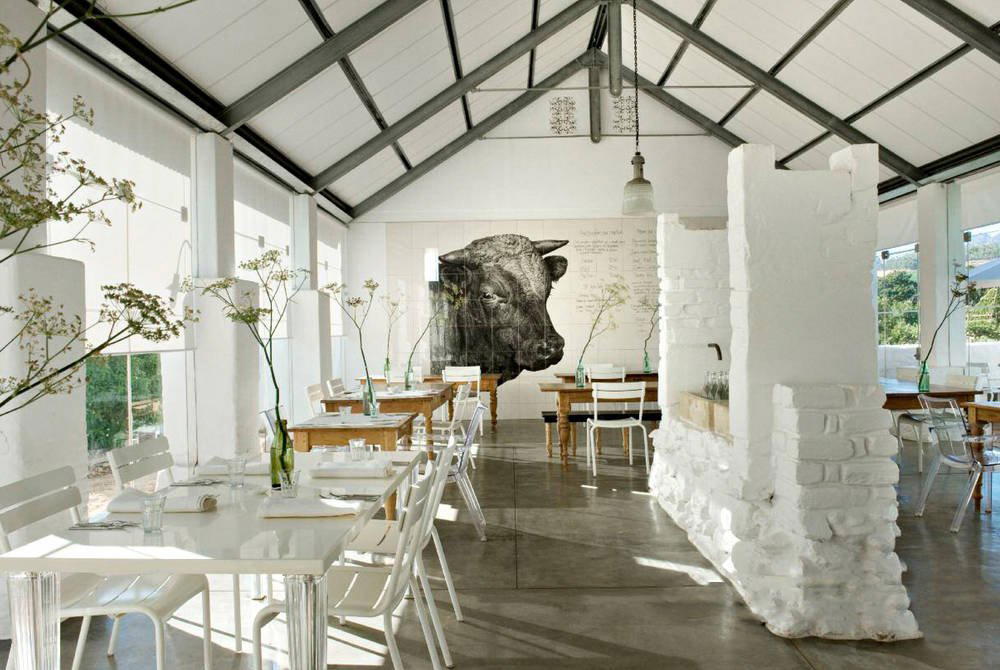
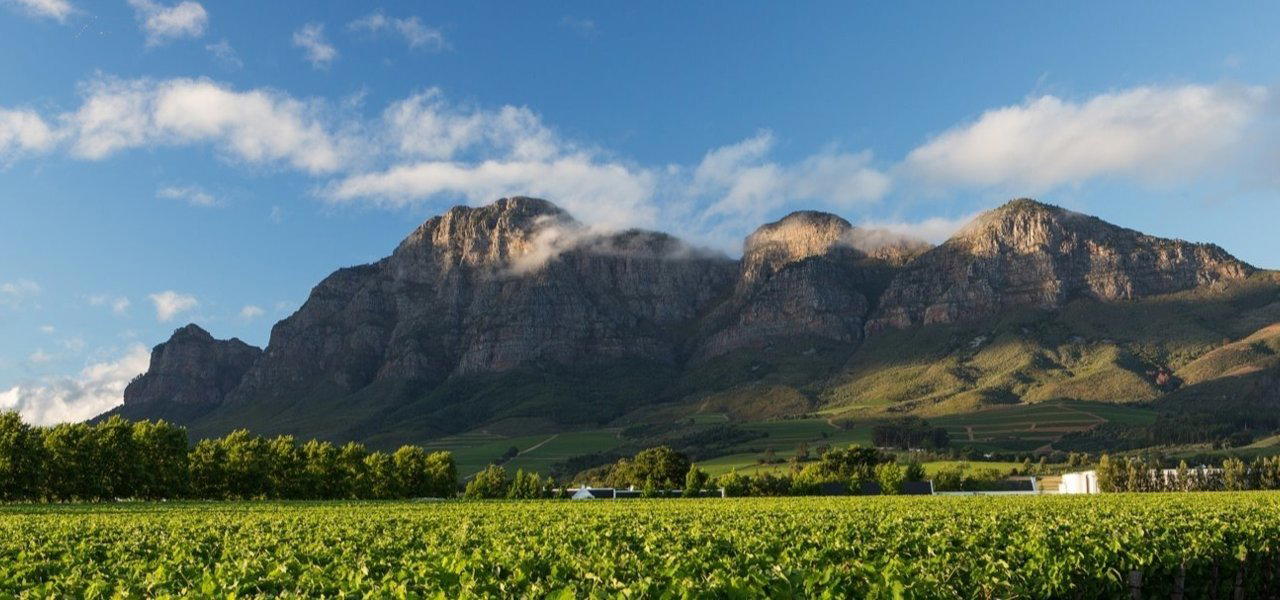
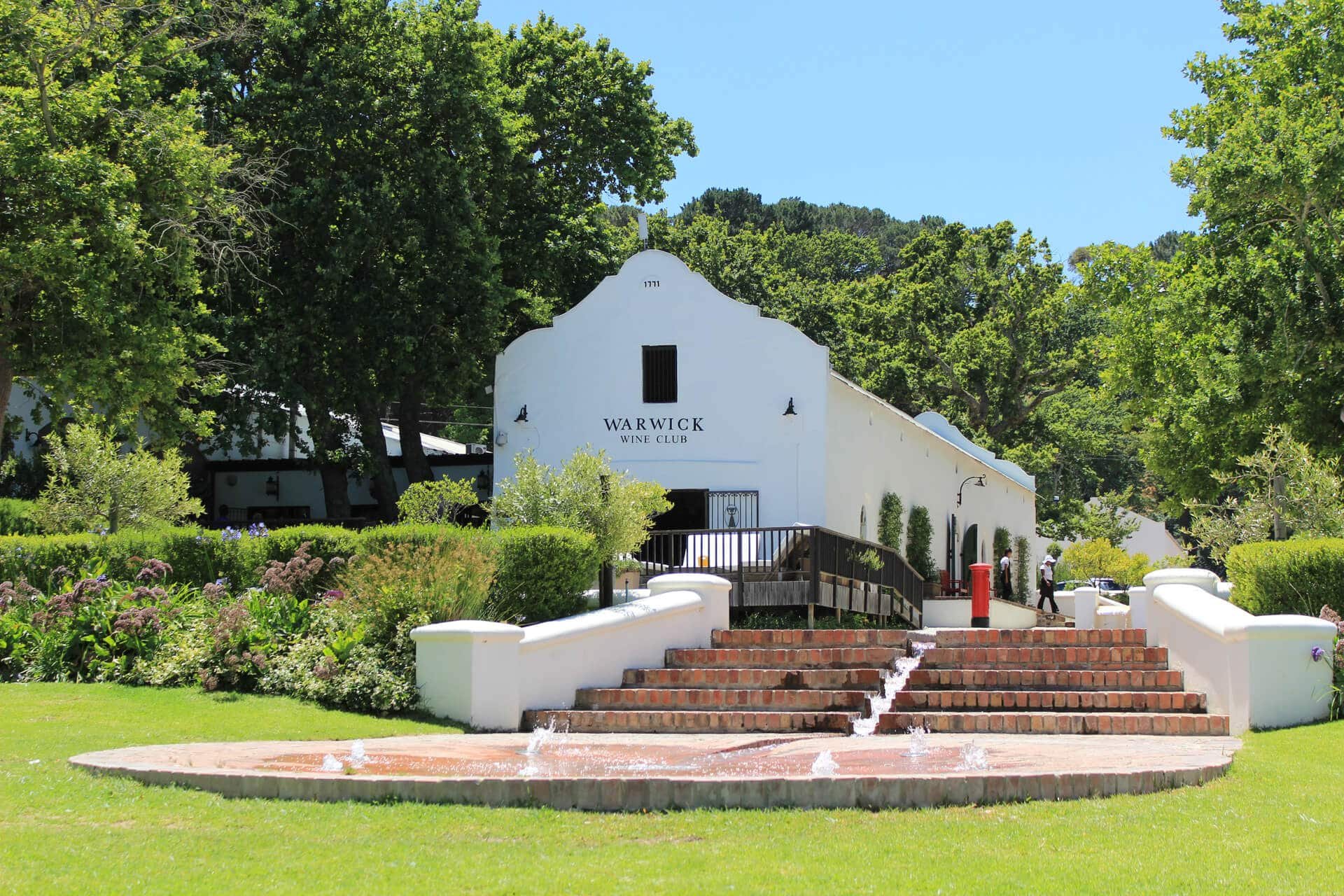
Bars in Onverwacht
Browse all →
Hotels in Onverwacht
Browse all →
Details
Current opening hours
- Monday
- Closed
- Tuesday
- 7 AM–5 PM
- Wednesday
- 7 AM–5 PM
- Thursday
- 7 AM–5 PM
- Friday
- 7 AM–11 PM
- Saturday
- 8 AM–11 PM
- Sunday
- 8 AM–3 PM
Hours can change for holidays and private events. Last verified .