Cojean at 10 Rue des Pyramides, 75001, sits in the first arrondissement's dense commercial corridor, where fast-lunch demand meets a city increasingly interested in ingredient transparency. The format positions it within a tier of Parisian counter-service addresses that treat sourcing and menu architecture as editorial decisions rather than afterthoughts. A practical reference point for the lunchtime scene around the Tuileries and Opéra quarters.
Pearl is the En Primeur Club membership app — saves, bookings, and concierge access live there. Same editors, same standards.
- Address
- 10 Rue des Pyramides, 75001 Paris, France
- Phone
- +33142960050
- Website
- cojean.fr
- Directions
- Get directions
 Saves & bookings on Pearl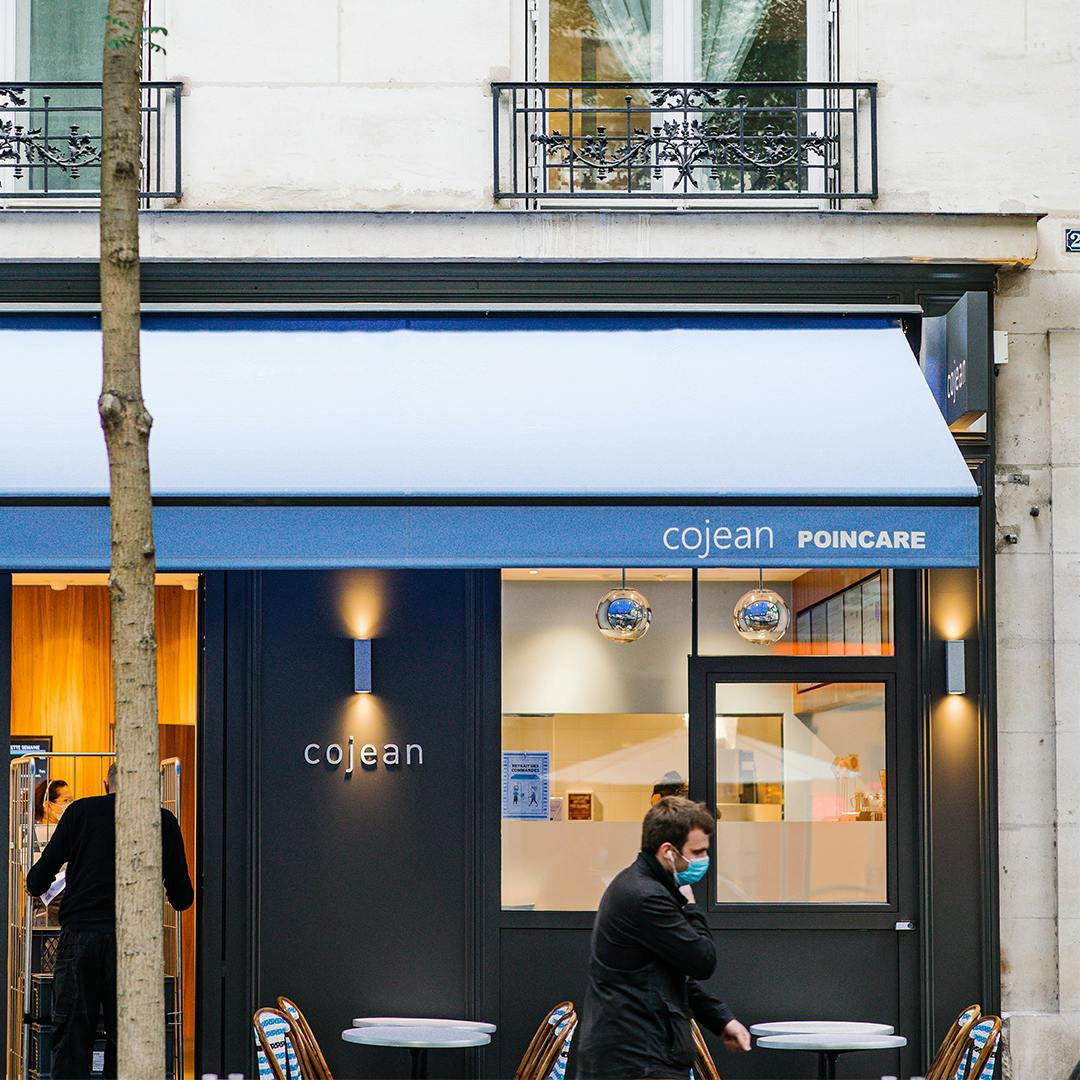
The First Arrondissement at Midday: What the Lunch Counter Reveals
Paris has never been particularly graceful about the midday meal on weekdays. The brasserie tradition built its rhythm around long two-hour lunches that the modern office corridor has steadily compressed. What replaced it, in the zone between the Tuileries and the Opéra, is a mixed tier of options: tourist-facing cafés charging twelve euros for an average croque-monsieur, grab-and-go chains operating on volume, and a smaller set of counter-service addresses that treat the lunch format as something worth taking seriously. Cojean is a French healthy fast food restaurant at 10 Rue des Pyramides, 75001 Paris, France, known for a casual, walk-in-friendly lunch format. The address alone signals something about its intended audience: this stretch connects the Tuileries metro hub to the retail axis of Rue de Rivoli, and at midday the foot traffic is relentless. The question the address poses is whether a lunch format can hold an editorial point of view under that kind of commercial pressure.
Menu Architecture as an Argument
The way a counter-service menu is structured tells you more about a venue's priorities than any mission statement. In much of Paris, fast-lunch menus default to sandwich-and-drink combinations priced for throughput, with sourcing treated as a footnote. The alternative model, which a number of Parisian chains and independents have tested over the past two decades, treats the menu as a series of deliberate ingredient decisions: where the grains come from, which vegetables are seasonal, how the proteins are prepared ahead of service. Cojean has operated within that second model, making it one of the longer-running examples of what is sometimes called the "healthy fast-casual" format in France.
What the menu architecture communicates, when it works, is restraint in the direction of clarity rather than simplicity for its own sake. Salad-and-grain bases, cold-pressed preparations, and composed plates with legible components each represent a choice about what information the kitchen wants to foreground. The contrast with the heavier, cream-led traditions of French institutional catering is deliberate. Addresses like L'Ambroisie in the Marais or Le Cinq at the Four Seasons George V represent the haute end of the French table, where richness is both technique and statement. The counter-service tier that Cojean occupies makes its argument from the opposite direction, positioning lightness and ingredient provenance as the premium signal rather than sauce complexity or tasting-menu length.
Where This Format Sits in the Paris Dining Tier
It is useful to place Cojean against its actual comparable set rather than against the full range of Paris dining, which runs from street crêpes to the multi-starred rooms of Arpège and Alléno Paris au Pavillon Ledoyen. The relevant comparison is within the fast-casual and counter-service tier, where the competitive variables are sourcing transparency, menu rotation frequency, price-to-ingredient ratio, and spatial comfort during peak service. On those terms, Cojean has maintained a position as a recognisable name in a category that has become considerably more crowded since it launched. Several imitators and international formats have entered the Paris market, particularly post-2015, making the original proposition feel less singular but also validating the underlying demand.
The Rue des Pyramides location is one of several Cojean addresses in Paris. Multi-location operation is itself an editorial signal in the Paris counter-service context: it implies standardisation of both sourcing and format, which cuts both ways. The consistency argument works in the customer's favour on a practical level. The scale argument works against it when the conversation turns to craft or provenance depth. French fast-casual addresses that have tried to hold that tension successfully include a handful of grain-focused and juice-forward operators in the 2nd and 9th arrondissements, though few have matched Cojean's longevity in a market that has cycled through several format trends.
The Tuileries Quarter and Its Lunch Habits
The 75001 around Rue des Pyramides is a particular kind of Paris neighbourhood at midday. It is not residential in any meaningful density. It serves a working population in financial services, retail management, and the significant administrative layer around the Louvre and Ministry corridors, alongside a heavy tourist flow from the Tuileries gardens and nearby museums. That combination creates demand for fast, reliable, mid-price lunch that does not require a reservation or a long wait for the check. Counter-service formats are structurally suited to this demographic, which is why the immediate area has attracted several iterations of the format over the past decade.
For the traveller building a Paris itinerary that moves between the first and second arrondissements, Cojean functions as a practical logistics answer on a museum or gallery day rather than as a dining destination in the destination-restaurant sense. The latter category in Paris runs from neighbourhood bistros in the 11th to the haute cuisine rooms anchored by Michelin recognition, including French regional landmarks like Mirazur in Menton, Flocons de Sel in Megève, or the historic continuity represented by Paul Bocuse's Auberge du Pont de Collonges and Troisgros in Ouches. Cojean does not compete in that frame. It competes on the question of where to eat well, quickly, on a weekday, within a five-minute walk of the Pyramides metro exit.
Practical Details
The address at 10 Rue des Pyramides, 75001 Paris, is directly accessible from the Pyramides metro station, served by lines 7 and 14. The area is also walkable from Tuileries on line 1 in under ten minutes. As a counter-service format, no reservation is required or typically possible. Other addresses worth knowing in this part of the city include Kei, the Japanese-French hybrid in the 1st with three Michelin stars, which represents a different price and format register but a similar first-arrondissement audience.
Booking and Cost Snapshot
Comparable venues nearby, for context on price, style, and recognition.
| Venue | Cuisine | Price | Notes |
|---|---|---|---|
| CojeanThis venue — the venue you are viewing | Not listed | $$ | Not listed |
| Canard et Champagne | Not listed | $$ | 2nd arrondissement, Classic French Duck & Champagne Bistro |
| La Grande Épicerie de Paris | Not listed | $$ | 7e Arr., French Bistro with Modern Mediterranean Touches |
| Moustache | Montparnasse, Franco-Fusion Bistro | $$ | Not listed |
| La Petite Périgourdine | Not listed | $$ | 5th Arrondissement, South-West French Bistro |
| Chez Gladines Saint Germain | Quartier Latin, Basque Bistro | $$ | Not listed |
Continue exploring
More in Paris
Restaurants in Paris
Browse all →
Bars in Paris
Browse all →
Hotels in Paris
Browse all →
Wineries in Paris
Browse all →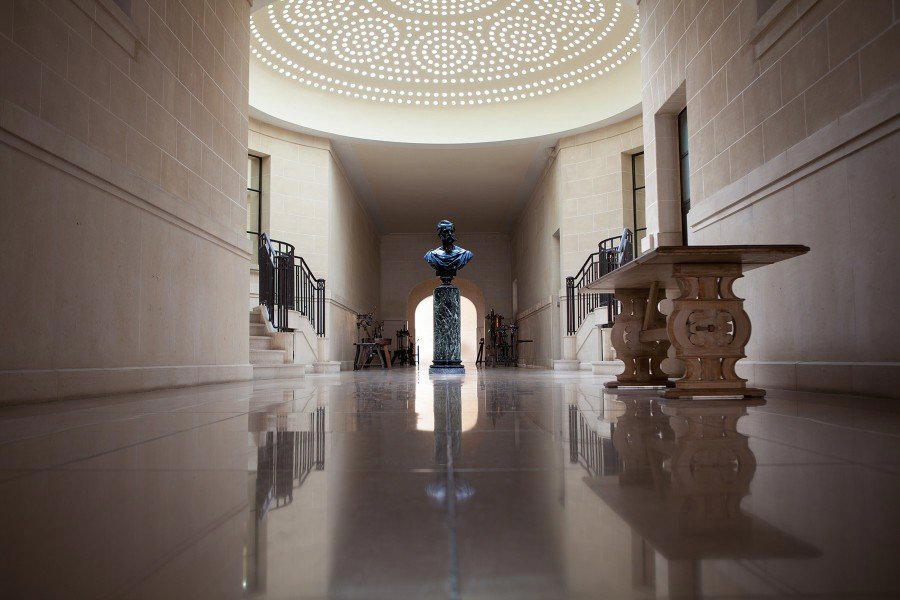
At a Glance
- Modern
- Trendy
- Minimalist
- Casual Hangout
- Brunch
- Open Kitchen
- Organic
- Local Sourcing
Current opening hours
- Monday
- 8 AM–6 PM
- Tuesday
- 8 AM–6 PM
- Wednesday
- 8 AM–6 PM
- Thursday
- 8 AM–6 PM
- Friday
- 8 AM–6 PM
- Saturday
- 9 AM–6 PM
- Sunday
- Closed
Hours can change for holidays and private events. Last verified .
Bright and elegant with a modern, minimalist design focused on fresh, colorful food displays.