Cofeels
On Strada Gheorghe Șincai in central Cluj-Napoca, Cofeels occupies a quiet stretch of the city where independent cafes and casual dining spots have been displacing older, more formal establishments for most of the past decade. The address places it within walking distance of the historic core, though the format leans toward the relaxed, neighbourhood-facing end of the city's growing hospitality scene.
Pearl is the En Primeur Club membership app — saves, bookings, and concierge access live there. Same editors, same standards.
- Address
- Strada Gheorghe Șincai 9, Cluj-Napoca 400004, Romania
- Phone
- +40749883350
- Website
- cofeels.ro
- Directions
- Get directions
 Saves & bookings on Pearl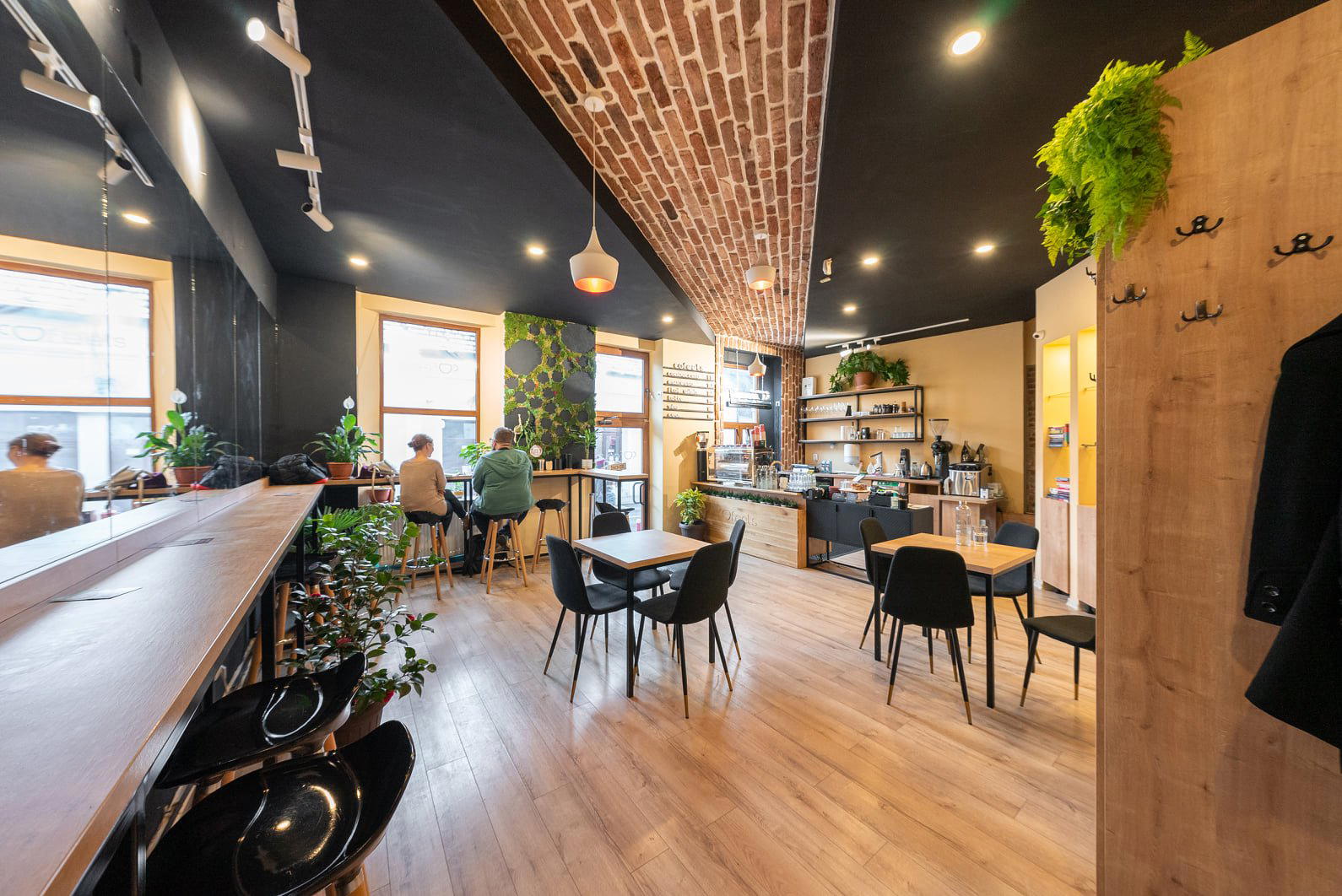
Cluj-Napoca's Café Culture and Where Cofeels Fits
Romania's second-largest city has undergone a quiet hospitality realignment over the past ten years. Cluj-Napoca, long associated with student life and a dense concentration of universities, has developed an eating and drinking culture that increasingly reflects the expectations of a younger, internationally minded population. The shift shows in the texture of the streets around the historic centre: independent coffee-led spaces have multiplied, filling the ground floors of older residential buildings and pulling foot traffic away from the more formal dining rooms that once dominated the centre. Strada Gheorghe Șincai, where Cofeels sits at number 9, is part of that broader pattern, a residential address that signals approachability rather than occasion dining.
This kind of venue, difficult to categorise cleanly as café, bar, or restaurant, has become a defining feature of Cluj-Napoca's current hospitality identity. The city's dining scene now splits fairly clearly between a formal tier, represented by places like Kupaj Fine Wines and Gourmet Tapas and Kupaj Gourmet, and a more casual, neighbourhood-facing layer where the emphasis falls on atmosphere, accessibility, and regularity of visit. Cofeels occupies the latter register. Its name, a loose compound of coffee and feeling, hints at a format where the experience of being in the space carries as much weight as what arrives at the table.
The Street, the Setting, and What the Address Signals
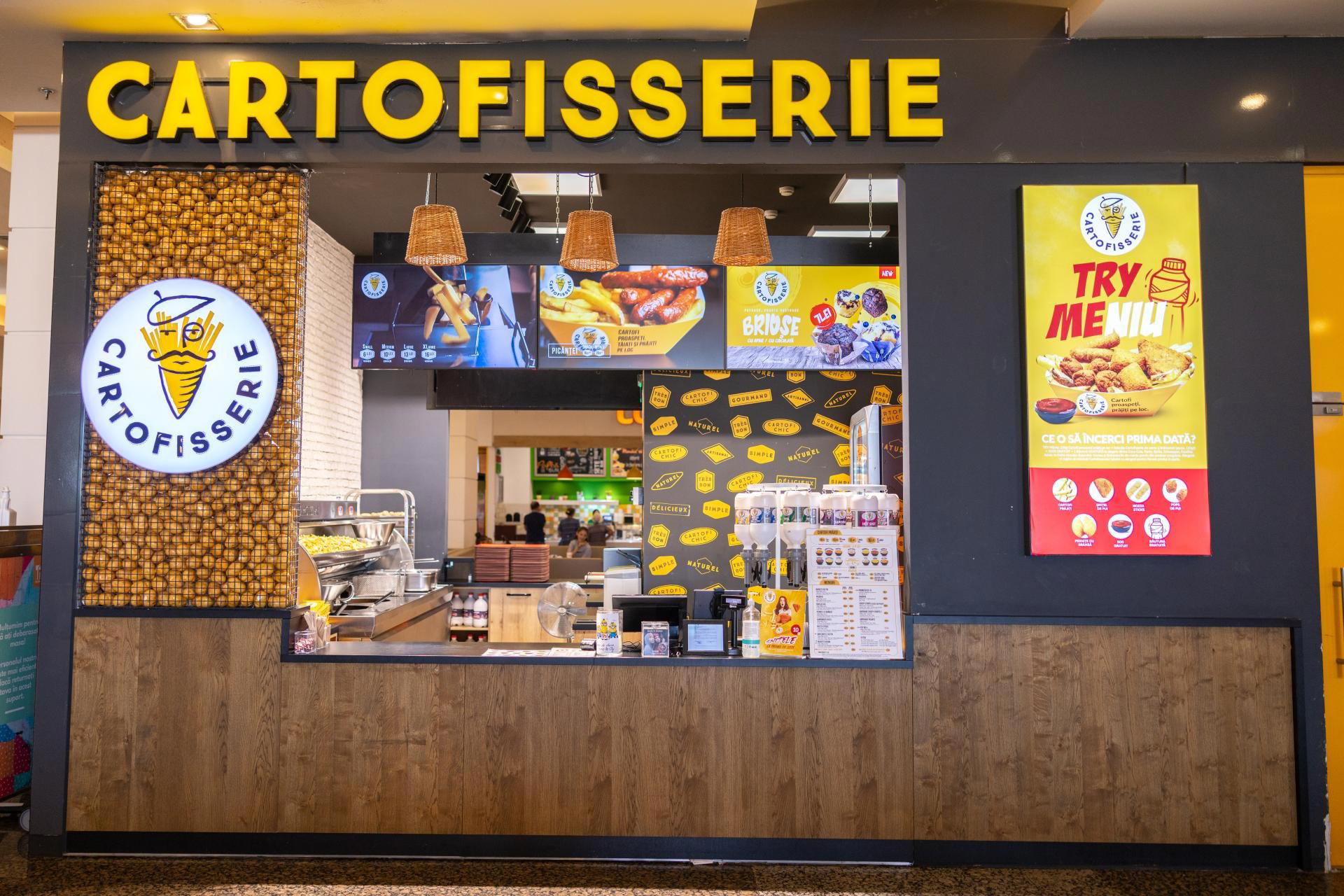
Arriving on Strada Gheorghe Șincai, the scale is immediately domestic. This is not a main boulevard or a tourist-facing commercial strip. The buildings are mid-rise, residential in character, and the pedestrian rhythm is slower than the avenues closer to Piața Unirii. For a city that has seen considerable commercial development around its shopping centres, venues like Cartofisserie Iulius Mall represent that mall-anchored category, a street address of this kind marks a deliberate choice. It positions the venue inside the neighbourhood rather than above it.
That positioning matters in a city where authenticity, or at least the performance of it, has become a meaningful differentiator. Cluj-Napoca's more design-conscious café openings of recent years have tended to seek out exactly these kinds of addresses: close enough to the centre to draw visitors, grounded enough in residential context to feel like a discovery rather than a destination. Whether Cofeels fully inhabits that role is something that becomes clear only through the visit itself, but the address makes the intention legible.
Romanian Café Tradition and the Cultural Frame
To understand what a venue like Cofeels is working within, it helps to understand what Romanian café culture has historically been and where it is going. The kafenion tradition that spread through the Balkans and into Transylvania during the Ottoman and Austro-Hungarian periods left a legacy of slow consumption, long table times, and the café as a social institution rather than a transactional stop. Cluj-Napoca, with its complex multicultural history, Romanian, Hungarian, Saxon, and Jewish communities all left marks on its built environment and food culture, inherited that tradition in a particular form.
The mid-century socialist period suppressed much of the independent café sector, and the years after 1989 saw a gradual rebuilding of urban hospitality, often initially through Western-format chains and then, more recently, through independently owned spaces that looked more carefully at both local tradition and international coffee culture. The third-wave coffee movement arrived in Romanian cities later than in Western Europe but moved quickly once established. Bucharest led, as it usually does, but Cluj-Napoca followed with enough momentum to develop a distinct character of its own.
Cofeels, in naming itself around the sensory and emotional register of coffee, situates itself inside that third-wave cultural moment. The name is in English, which is itself a signal: venues targeting a local-only clientele rarely choose English-language branding. The choice suggests awareness of a broader, tourist-adjacent audience, or at minimum a younger demographic that moves fluidly between Romanian and English in daily life.
Peer Context: Where Cofeels Sits in the City's Range
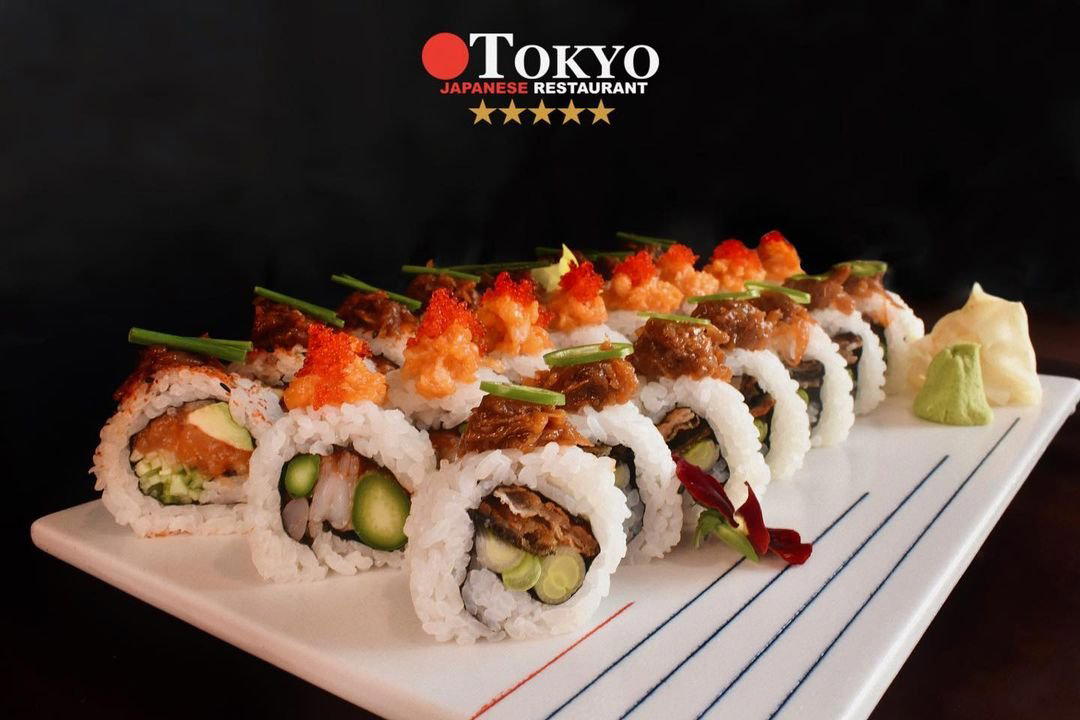
Cluj-Napoca's current hospitality scene is wide enough that positioning matters. At the more specialised end, Tokyo Japanese Restaurant represents the city's ambitions in international cuisine. At the casual, accessible end, the Cartofisserie format, present both in Cluj and in Suceava and Timisoara, shows how a simple, well-executed concept can scale across Romanian cities. Cofeels occupies a different register from both: neither specialised cuisine nor a scalable fast-casual format, but a neighbourhood space where the atmosphere is the primary offer.
That category of venue is common in cities with a strong café culture, think of the mid-tier independent operators in Bucharest's Floreasca district or the courtyard cafes of Brasov's old town, a type well-illustrated by Artegianale in Brasov. In the Romanian context, this tier tends to attract loyal local regulars while also drawing visitors who want something less scripted than a hotel café or a chain format. The model works when the space itself is well-considered and the quality of the core offer, usually coffee, sometimes light food, is consistent enough to justify return visits.
For comparison, venues like Andalu Gastrobar in Iasi show how Romanian cities are developing more sophisticated casual formats, while STUP in Simon demonstrates the rural-facing end of the same cultural impulse toward considered, atmosphere-led hospitality. Further afield, L'ATELIER in Bucharest shows what the format looks like when it sharpens into a more formal offer. Internationally, the contrast with tightly structured experiences like Lazy Bear in San Francisco or Le Bernardin in New York City underlines how far the casual neighbourhood café sits from the destination-dining tier in terms of both format and expectation.
Planning a Visit
Cofeels is at Strada Gheorghe Șincai 9, Cluj-Napoca 400004. The address is walkable from the city centre, making it a reasonable addition to a day that already includes the historic core. Cofeels is open Monday through Friday from 7:30 AM to 5:30 PM, and on Saturday and Sunday from 9 AM to 4 PM.
The surrounding area offers a broader context for the visit. The historic centre's cafe and dining scene includes venues across several price tiers and formats, and for anyone planning a longer stay, exploring the full range, from the wine-focused programming at Kupaj to the international formats on the main squares, gives a more complete picture of what Cluj-Napoca's hospitality sector currently looks like. Venues like Cafeneaua Nației in Ploiesti and Bistro Caffe Moțu in Baia Sprie offer useful regional comparisons for visitors interested in how café culture varies across Romanian cities.
Price Lens
Comparable venues nearby, for context on price, style, and recognition.
| Venue | Cuisine | Price | Notes |
|---|---|---|---|
| CofeelsThis venue — the venue you are viewing | Not listed | $$ | Not listed |
| Tokyo Japanese Restaurant | Not listed | $$$ | Zorilor, Authentic Japanese Sushi and Ramen |
| Kupaj Gourmet | Not listed | $$$ | Centru, Fusion Gourmet Tapas & Fine Wines |
| Kupaj Fine Wines and Gourmet Tapas | Centru, Gourmet Tapas & Fine Wines | $$$ | Not listed |
| Cartofisserie Iulius Mall | Marasti, Belgian-French Loaded Fries | $ | Not listed |
| Rockstadt | central Brasov, Rock Bar Snacks | $$ | Not listed |
Continue exploring
More in Cluj-Napoca
Restaurants in Cluj-Napoca
Browse all →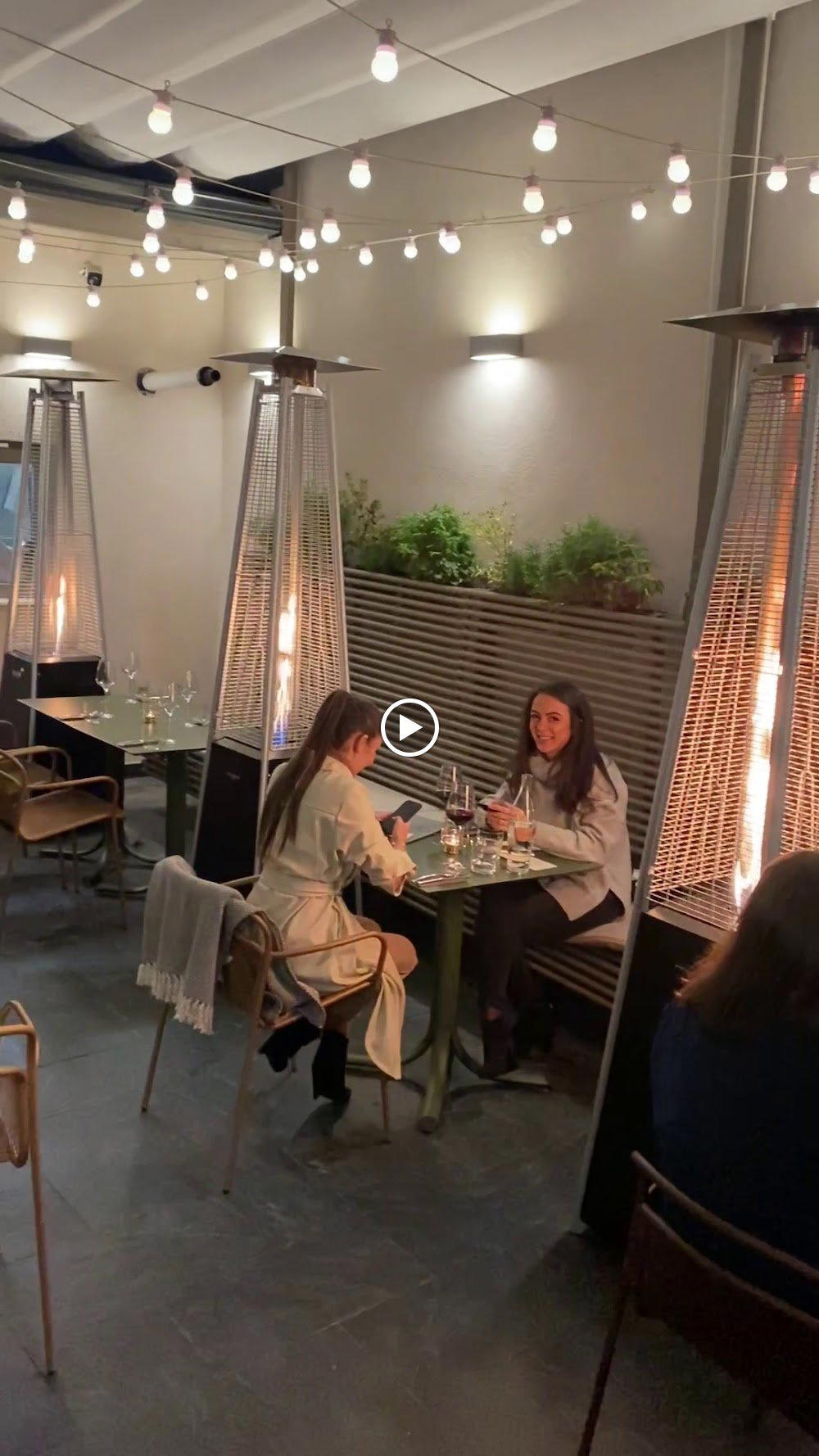
Hotels in Cluj-Napoca
Browse all →
At a Glance
- Cozy
- Modern
- Quiet
- Casual Hangout
- Solo
- After Work
- Brunch
- Standalone
- Local Sourcing
Current opening hours
- Monday
- 7:30 AM–5:30 PM
- Tuesday
- 7:30 AM–5:30 PM
- Wednesday
- 7:30 AM–5:30 PM
- Thursday
- 7:30 AM–5:30 PM
- Friday
- 7:30 AM–5:30 PM
- Saturday
- 9 AM–4 PM
- Sunday
- 9 AM–4 PM
Hours can change for holidays and private events. Last verified .
Cozy and inviting atmosphere that feels like home, with friendly staff and a calm, welcoming environment well-suited for relaxation or focused work.