Cocolo Ramen on Gipsstraße sits inside Berlin's Mitte neighbourhood, where a compact, counter-forward format and focused bowl menu have made it a consistent draw among the city's ramen options. The kitchen operates within a tradition where pacing, broth discipline, and simplicity of service define the experience as much as the food itself.
Pearl is the En Primeur Club membership app — saves, bookings, and concierge access live there. Same editors, same standards.
- Address
- Gipsstraße 3, 10119 Berlin, Germany
- Phone
- +49 30 98339073
- Website
- kuchi.de
- Directions
- Get directions
 Saves & bookings on Pearl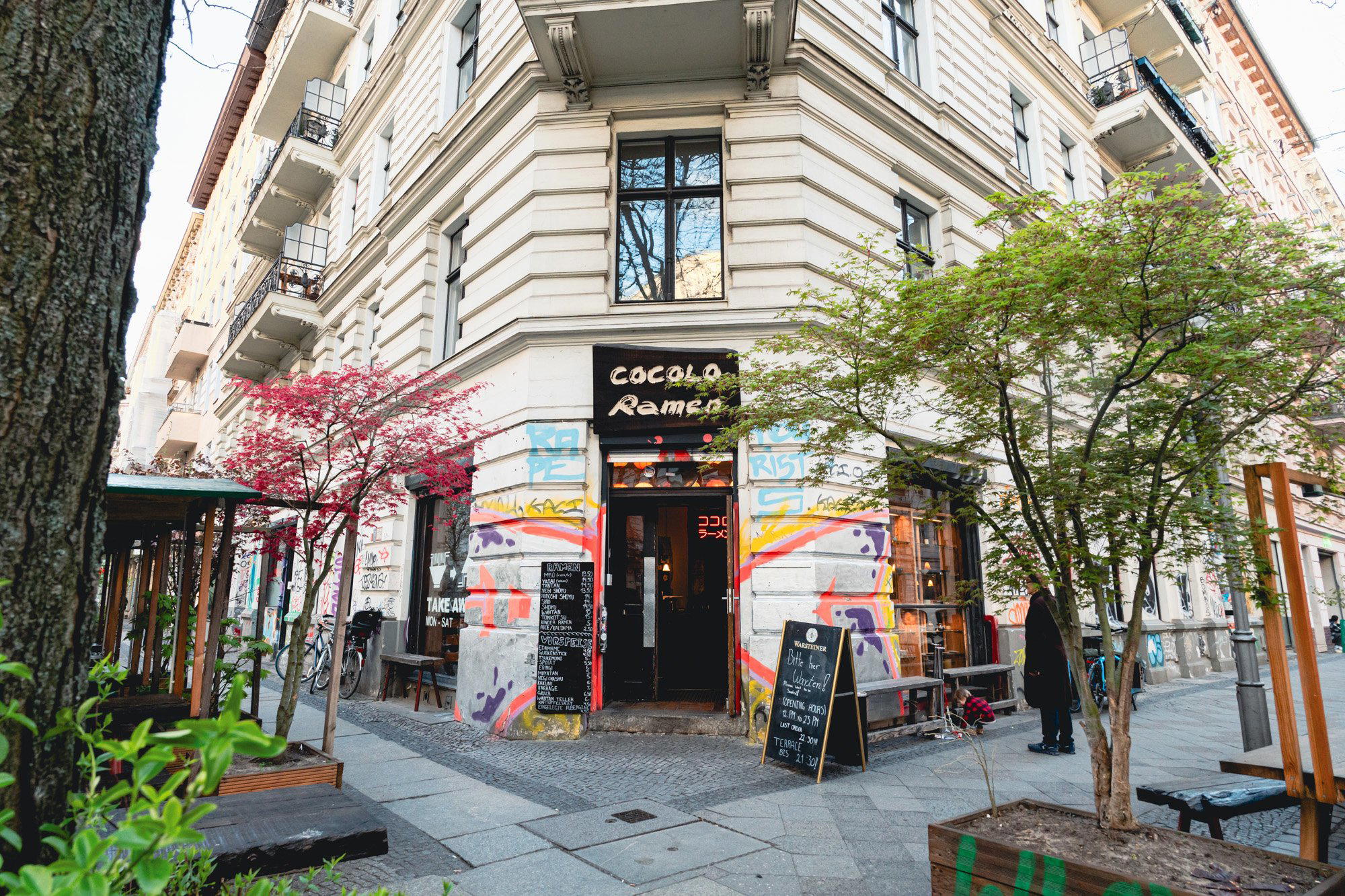
The Ramen Counter as Ritual Space
Berlin's ramen scene has matured considerably over the past decade, moving from novelty import to a genuinely competitive category with its own internal hierarchy. At the accessible end of that spectrum, the format is almost universally the same: a compact room, a focused menu of four to eight bowls, a queue or a short wait, and a meal that is finished in under an hour. What separates the stronger entries from the mediocre ones is not theatrics but discipline, broth clarity, noodle texture, tare balance, and the pacing of a bowl that arrives at the right temperature and asks to be eaten without interruption.
Cocolo Ramen is a casual Authentic Japanese Ramen restaurant at Gipsstraße 3, 10119 Berlin, Germany. The address places it in one of the more pedestrian-dense corridors of central Berlin, a neighbourhood that absorbs tourists, locals, and creative workers in roughly equal measure. The room itself reflects the functional clarity that serious ramen shops have in common: no extensive décor ambition, no long wine list, no tasting menu logic. The experience is organised around the bowl, and the service pace reflects that priority.
What the Bowl Demands of the Diner
The dining ritual at a ramen counter is more prescribed than it first appears. In the Japanese tradition from which the format derives, ramen is not a slow meal. The broth is calibrated to be consumed at temperature, the noodles begin to soften the moment they hit the soup, and the toppings are arranged to be incorporated progressively rather than left to the side. Eating ramen correctly means eating it promptly, not as a rule imposed by the kitchen, but as a consequence of how the dish is constructed.
At counters operating in this tradition, the service model reinforces that rhythm. Orders are taken quickly, bowls arrive without lengthy interval, and refills or additions are handled efficiently. This is not inattention; it is the service logic appropriate to the format. Diners who approach ramen with the pacing of a three-course European meal will find the experience slightly resistant. Those who understand the compressed timeline, order, receive, eat, finish, find it satisfying precisely because of its focus.
This discipline is what gives the better ramen shops in any Western city their credibility. Berlin's ramen offerings span everything from convenience approximations to kitchens that take broth seriously enough to run long simmers and source noodles with attention to hydration ratio. Cocolo Ramen has occupied Gipsstraße long enough to have built a consistent local reputation, which in a city where restaurant turnover is high counts as its own form of validation.
Berlin's Position in the European Ramen Conversation
Across Europe, the cities with particularly developed ramen cultures, London, Paris, Amsterdam, share a common pattern: a first wave of Japanese-operated shops establishing the format, a second wave of local operators learning the technique, and a third wave of hybrid approaches that adapt broth styles to local ingredients or market preferences. Berlin arrived at this sequence somewhat later than London but has accumulated a reasonable density of options across Mitte, Prenzlauer Berg, and Kreuzberg.
The city's broader restaurant identity is shaped by a tension between its well-documented fine dining tier, where venues like Nobelhart & Schmutzig, Rutz, and FACIL represent the Michelin-recognised upper bracket, and a deeply embedded casualness that resists premium pricing as a default. CODA Dessert Dining and Restaurant Tim Raue occupy the city's most ambitious register, but the majority of Berlin's dining culture exists at price points well below the €€€€ tier. Ramen sits comfortably in that everyday-serious category: unpretentious in format, demanding in technique.
Compared to the starred programmes at restaurants like Schwarzwaldstube in Baiersbronn, Aqua in Wolfsburg, or JAN in Munich, ramen counters operate on entirely different terms, faster, cheaper, and with a kitchen logic rooted in craft repetition rather than creative invention. That is not a lesser ambition; it is a different one. The same applies when setting Cocolo alongside Germany's destination fine dining tier, which includes Vendôme in Bergisch Gladbach, Victor's Fine Dining in Perl, and ES:SENZ in Grassau. The comparison is instructive not because ramen competes with those formats, but because understanding where each sits clarifies what you are choosing when you choose one over the other.
Mitte as Context
The Gipsstraße address situates Cocolo Ramen within easy reach of the Hackescher Markt area, which draws a consistent flow of visitors and residents throughout the week. The neighbourhood has a higher tourist density than, say, Neukölln or the quieter reaches of Prenzlauer Berg, which affects the composition of any room at any given service. For a ramen counter operating without reservations, which is standard at this format level, that foot traffic is both an asset and a variable: busy at predictable hours, quicker to turn over at others.
For those building a wider Berlin dining itinerary, the city's fuller picture is covered in our full Berlin restaurants guide. Internationally, the ramen counter format shares structural DNA with other precision-focused, counter-led formats: the communal-table service at Lazy Bear in San Francisco and the rigorous kitchen discipline evident at Le Bernardin in New York City both reflect, in different registers, the same underlying principle that the meal's pacing and structure are as important as the food itself.
Planning Your Visit
The restaurant's Mitte location on Gipsstraße 3 is reachable on foot from Hackescher Markt S-Bahn station or the Weinmeisterstraße U-Bahn stop. Given the format and neighbourhood, walk-in is the expected mode of arrival; peak lunch and early dinner hours in a high-traffic Mitte corridor typically mean short queues. Arriving slightly before or after the main service rush, mid-afternoon, or later in the evening if hours permit, is the practical approach at counters of this type.
Cuisine and Credentials
Comparable venues nearby, for context on price, style, and recognition.
| Venue | Cuisine | Price | Notes |
|---|---|---|---|
| Cocolo RamenThis venue — the venue you are viewing | Authentic Japanese Ramen | $$ | Not listed |
| Hachiko | Japanese Ramen & Sushi | $$ | Schoneberg |
| Sasaya | Traditional Japanese Sushi | $$ | Prenzlauer Berg |
| Tsu Tsu | Japanese Karaage (Vegan Options) | $$ | Kreuzberg |
| Iimori Ramen | Japanese Ramen | $$ | Mitte |
| DASHI | Asian Diner Fusion | $$ | Mitte |
Continue exploring
More in Berlin
Restaurants in Berlin
Browse all →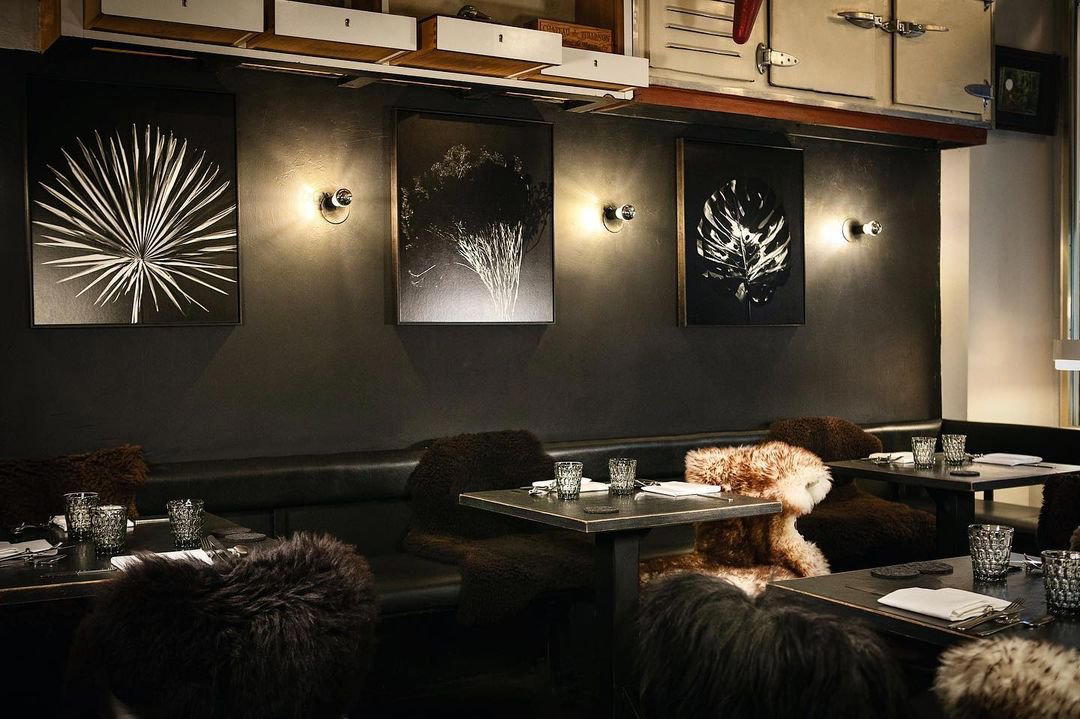
Bars in Berlin
Browse all →
Hotels in Berlin
Browse all →

Wineries in Berlin
Browse all →

At a Glance
- Cozy
- Trendy
- Industrial
- Casual Hangout
- After Work
- Late Night
- Open Kitchen
- Sake Program
- Street Scene
Cozy yet stylish space with open kitchen counter seating where diners watch chefs prepare food amid steaming broth cauldrons.