Coconut Terrace
Where Palau's Waters Meet the Table Ngerekebesang sits on a small island connected to Koror by a short causeway, and the geography here is inseparable from what ends up on any plate worth ordering. The waters surrounding this part of Palau form...
Pearl is the En Primeur Club membership app — saves, bookings, and concierge access live there. Same editors, same standards.
- Address
- Ngerekebesang, Palau
- Website
- palauppr.com
- Directions
- Get directions
 Saves & bookings on Pearl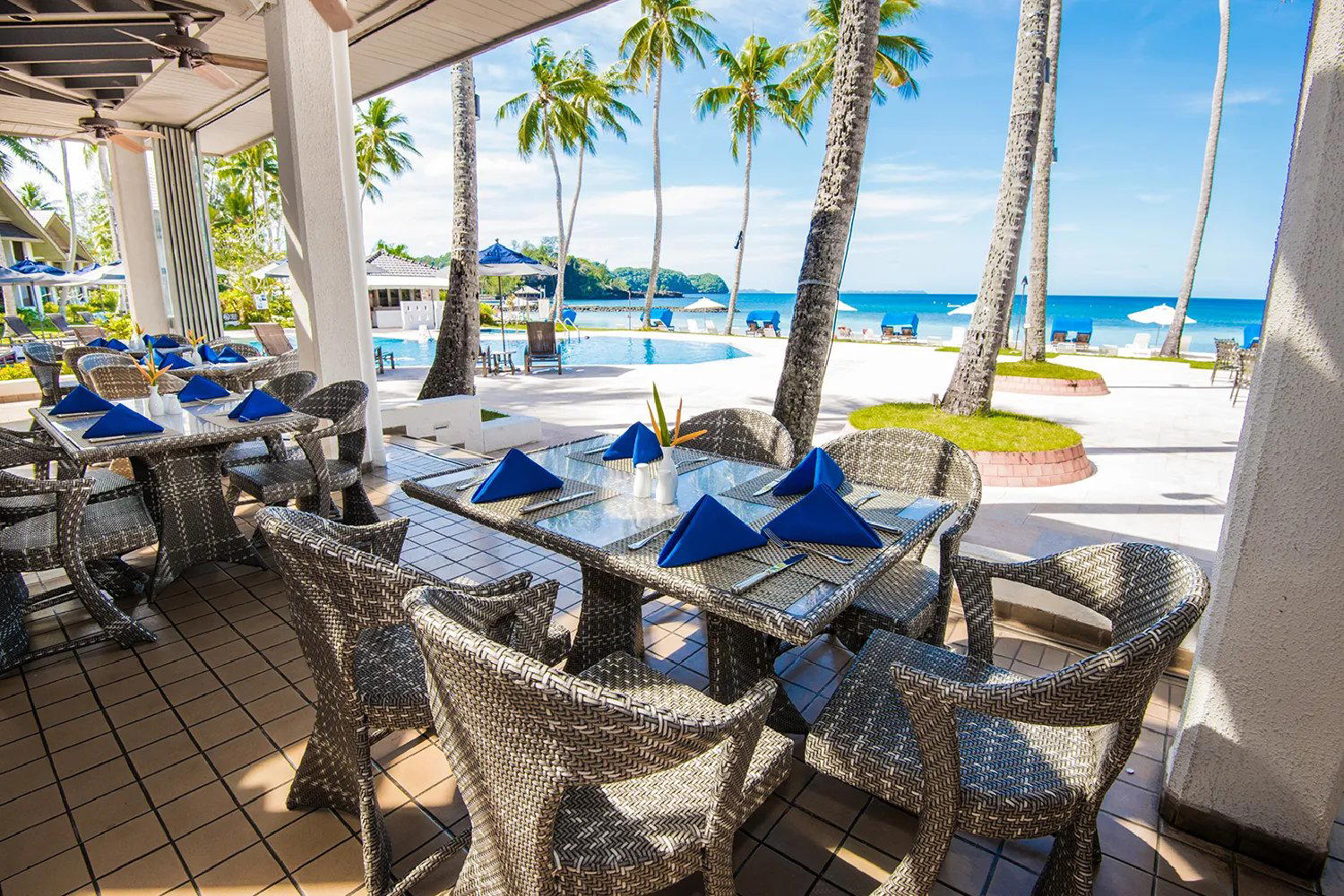
Where Palau's Waters Meet the Table
Ngerekebesang sits on a small island connected to Koror by a short causeway, and the geography here is inseparable from what ends up on any plate worth ordering. The waters surrounding this part of Palau form one of the most biologically dense marine environments in the Pacific — coral systems that have survived while others collapsed, fish populations that reflect genuine ecosystem health rather than aquaculture workarounds. Dining on Ngerekebesang is, at its most direct, an exercise in proximity: between the reef and the kitchen, the distance is rarely more than a few hours.
Coconut Terrace sits within this context. The name signals something before you arrive — an outdoor orientation, a relationship with the plant life that defines island cooking across Micronesia, and a pace that resists the pressured formality of continental fine dining. The coconut palm is not decorative here. Across Pacific island cuisines, it functions as fat, liquid, sweetener, and vessel, and any kitchen in this part of the world that takes its sourcing seriously will treat it accordingly.
Ingredient Geography: Why Provenance Matters in Micronesia
The sourcing logic of Palauan cooking is determined by what the ocean gives and what the land can sustain. Palau's marine protected areas, covering a substantial portion of its waters since the 2015 marine sanctuary designation, have made a measurable difference to fish quality and availability near Koror and Ngerekebesang. Restaurants working with local fishermen operate inside a supply chain that is, by structural necessity, short. There are no distribution warehouses between the reef and the pan.
This matters editorially because it places venues like Coconut Terrace in a category that large-footprint restaurants in major cities spend considerable marketing effort trying to simulate. In Ngerekebesang, the hyperlocal sourcing model is not a positioning choice, it is the operating reality. What varies between venues is how deliberately and skillfully that reality is expressed on the menu.
Taro, breadfruit, and coconut form the starch and fat backbone of traditional Palauan cuisine, supplemented by reef fish, shellfish, and occasional freshwater species from the island's rock island lakes. Restaurants that engage these ingredients honestly, rather than defaulting to imported proteins and generic Pacific-rim styling, occupy a more interesting culinary position, and typically a more loyal local following. For a comparative sense of how coastal ingredient sourcing drives kitchen philosophy at the highest tier, Uliassi in Senigallia and Quattro Passi in Marina del Cantone offer useful reference points from the Adriatic and Mediterranean coasts respectively, where proximity to the sea shapes menus in structurally similar ways.
The Terrace Setting and What It Implies
Open-air dining in this part of Palau carries a specific atmosphere. The humidity off the water is constant but rarely oppressive in the evening hours, and the ambient sound landscape, water, birds, the faint activity of a working waterfront, is the kind that no interior design budget can replicate. A terrace in Ngerekebesang is not a compromise for lack of a proper dining room; it is the point.
This format places Coconut Terrace within a category of Pacific dining that prioritises environmental immersion over controlled interior experience. Across island hospitality circuits, from the Maldives to Fiji to Micronesia, the open-air venue has become both a practical and philosophical choice. The kitchen must work with what the outdoor environment allows, which reinforces, rather than undermines, the sourcing-first approach that defines cooking in this region.
Venues across Palau operating in this format share a common challenge: the expectations of international visitors conditioned by resort dining, against the reality of an ingredient palette that is genuinely local and sometimes unfamiliar. The better kitchens use that gap productively, treating it as an opportunity to introduce diners to Micronesian produce and preparation methods rather than retreating to a generic international menu. For kitchens that have made hyper-regional identity the core of their offer, albeit in very different settings, Atelier Moessmer Norbert Niederkofler in Brunico and Reale in Castel di Sangro illustrate how rooted sourcing can become a restaurant's clearest competitive signal.
Ngerekebesang in the Wider Palau Dining Picture
Koror remains the commercial and culinary centre of Palau, and most visitors eating well in the archipelago do so within its boundaries or on the connected island of Ngerekebesang. The dining range runs from casual local canteens serving rice-based Palauan staples to mid-range restaurants targeting the significant dive-tourism market that passes through on the way to Jellyfish Lake and the rock islands.
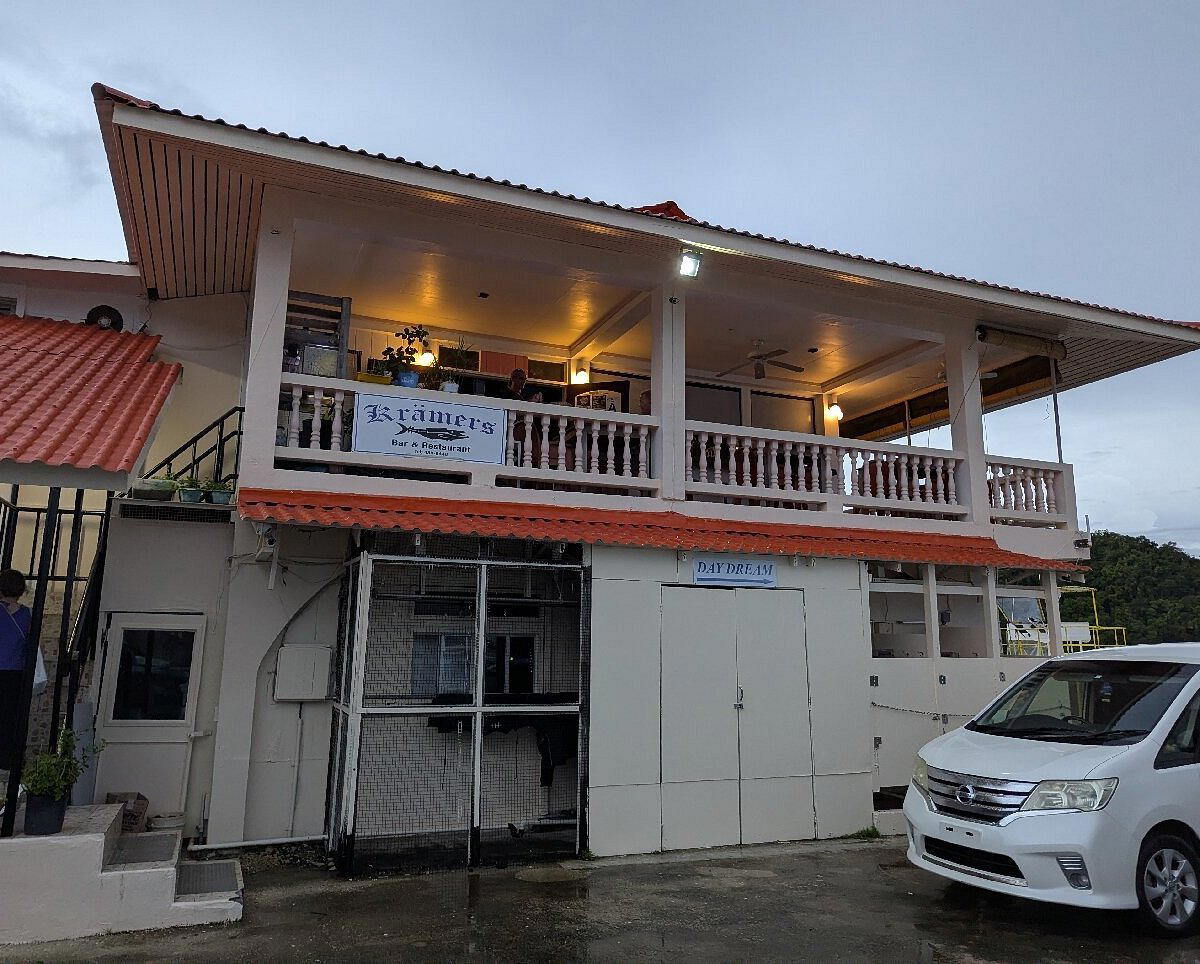
Coconut Terrace occupies this milieu, alongside Kramer's in Koror State and Seafood House in Palau, which represent different points on the local dining spectrum. Our full Ngerekebesang restaurants guide maps the area's options in more detail. The question for any visitor choosing between venues is less about formality tier, the range here is narrower than in a major Pacific city, and more about what kind of cooking relationship each kitchen has with its local supply chain.
For comparison at the far end of the sourcing-as-identity spectrum, Jordnær in Gentofte has built a reputation on Nordic coastal provenance with verifiable rigour; Le Bernardin in New York City operates at the opposite scale, demonstrating what happens when seafood-forward kitchens industrialise without losing technical precision. Neither is a direct peer of a terrace restaurant in Ngerekebesang, but both frame the axis on which seafood-led venues are usefully assessed.
Planning Your Visit
Ngerekebesang is accessible from Koror in under ten minutes by road across the causeway, making it a practical dinner choice for visitors based anywhere in the Koror cluster. Palau's peak tourist season runs roughly November through April, when diving conditions are at their most consistent and visitor numbers at their highest, which means venue availability at this end of the island can tighten. Specific booking methods, hours, and pricing for Coconut Terrace are not published in verifiable form at the time of writing, so contacting the venue directly or checking current local listings is the practical approach before arrival. For regional context on seafood-led dining at different formality levels, HAJIME in Osaka and Dal Pescatore in Runate sit at points further along the formality spectrum, useful for calibrating expectations before a Pacific island trip.
Comparison Snapshot
| Venue | Cuisine |
|---|---|
| Coconut TerraceThis venue — the venue you are viewing | This venue |
Continue exploring
More in Ngerekebesang
Restaurants in Ngerekebesang
Browse all →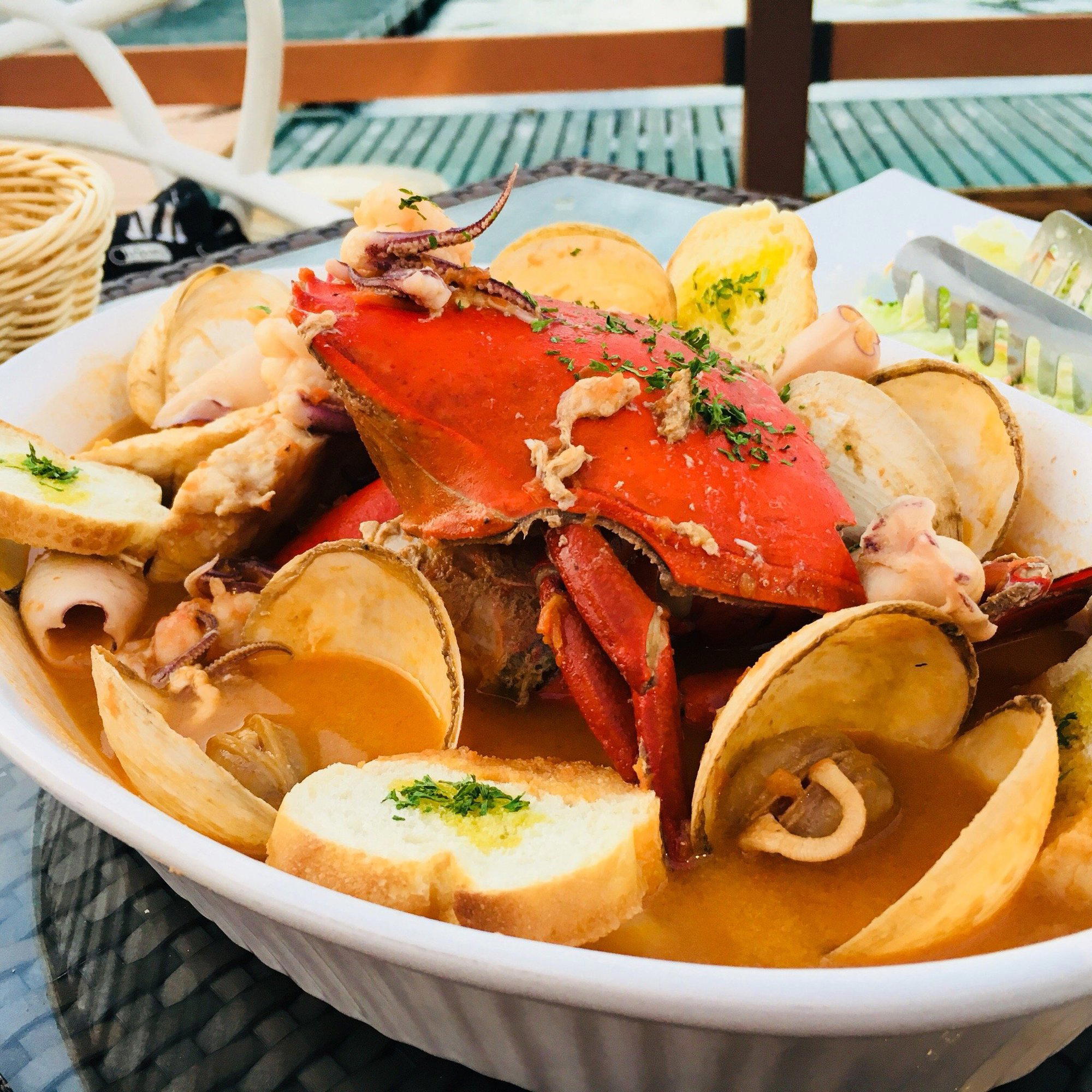
At a Glance
- Scenic
- Elegant
- Date Night
- Celebration
- Family
- Terrace
- Waterfront
- Hotel Restaurant
- Waterfront
Relaxed beachfront terrace atmosphere with ocean views.