Our verdict
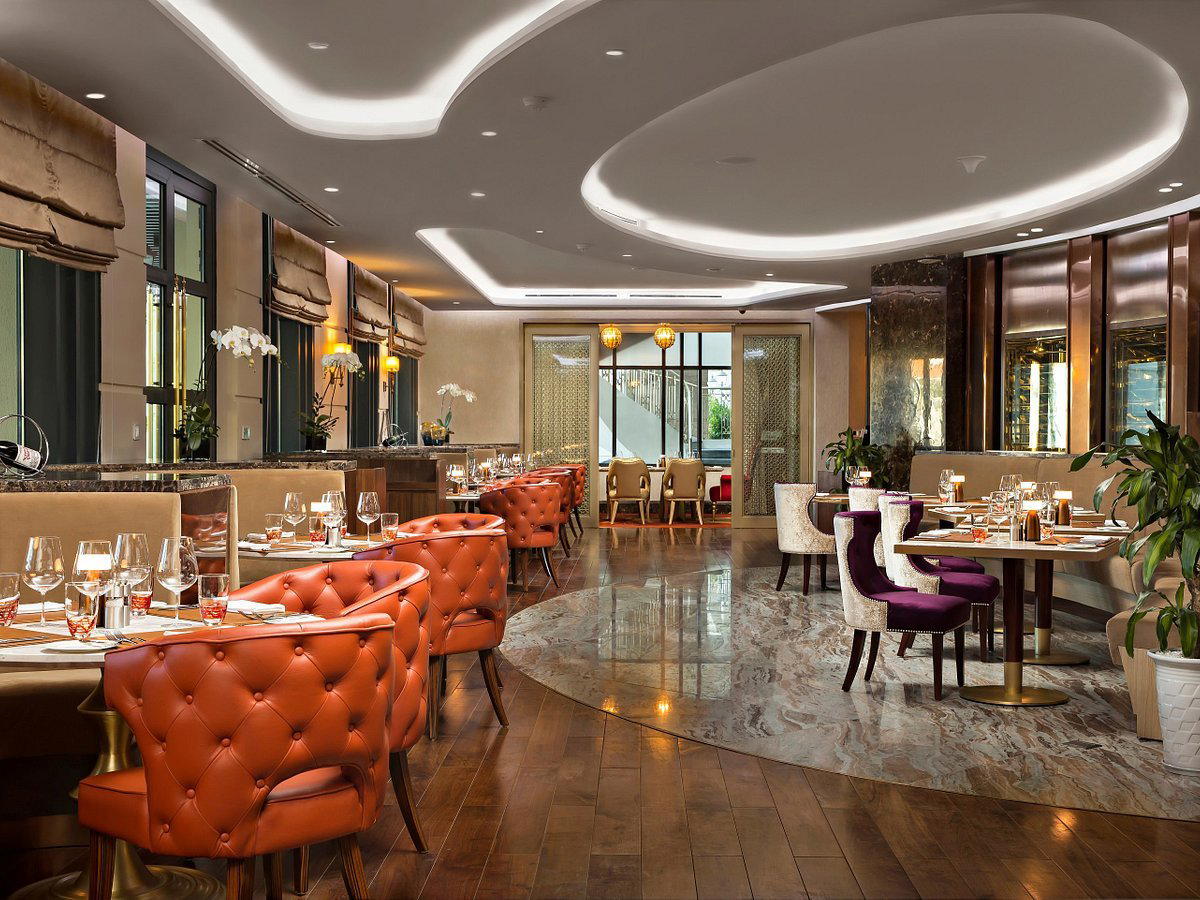
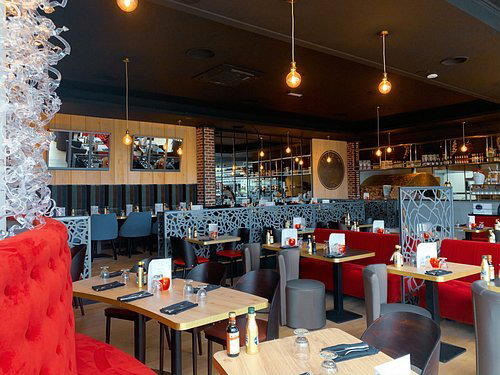
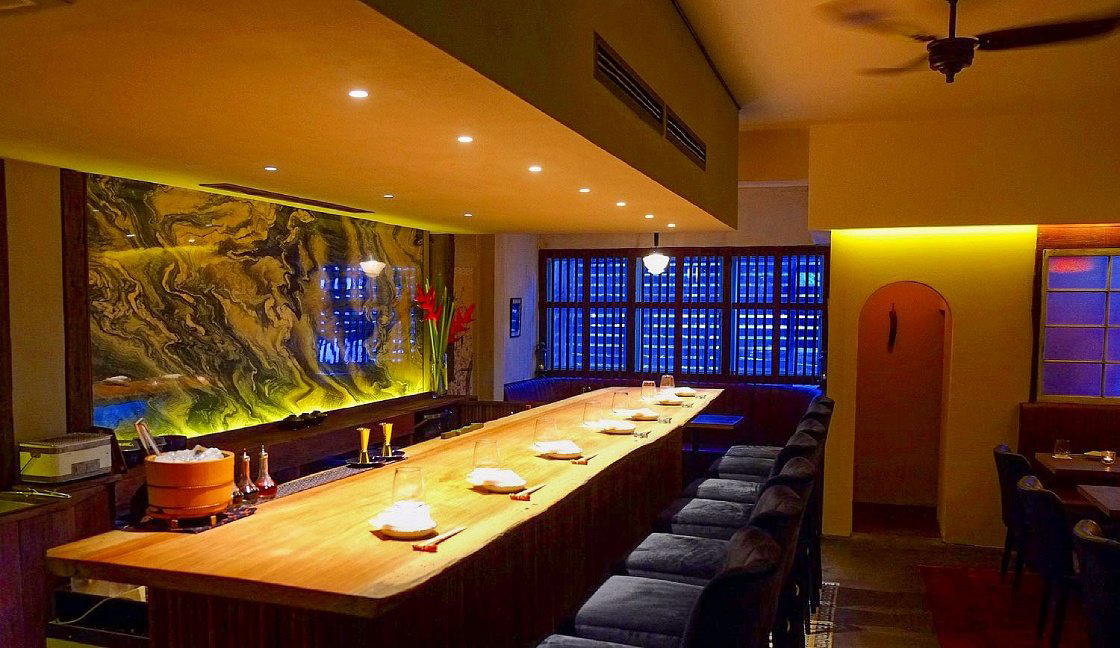
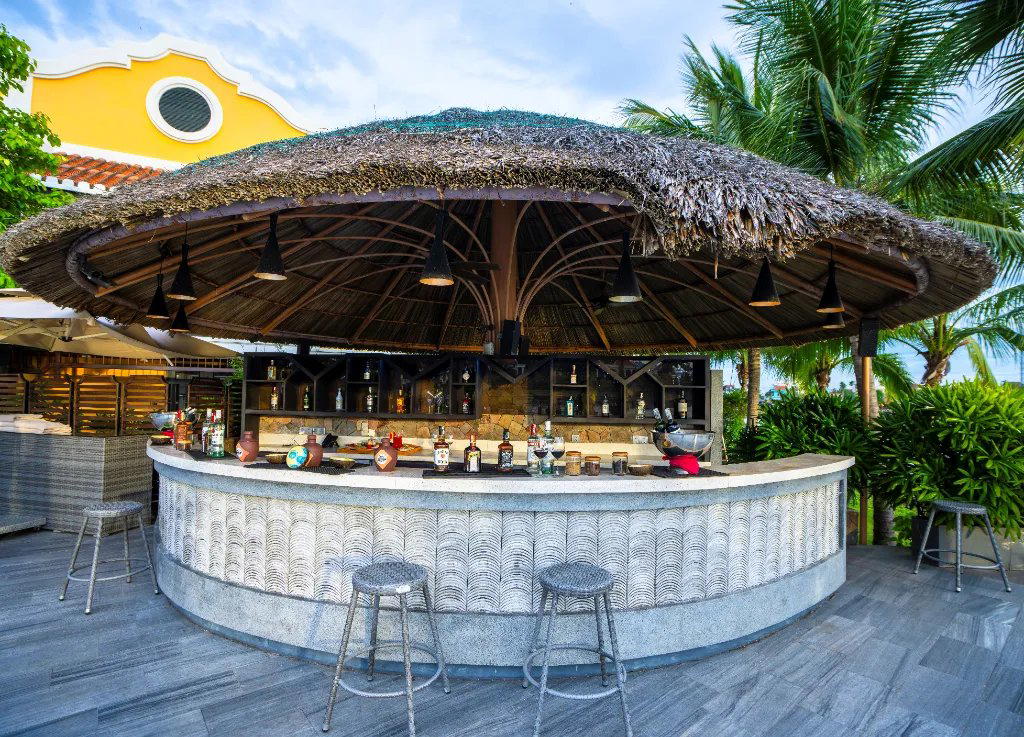
Coco Corner belongs to Hoi An’s casual coastal dining orbit, where the value of a meal often depends less on ceremony than on produce, heat, herbs, and the rhythm of the beachside neighbourhoods. With no public awards or chef-led tasting-menu apparatus attached, it reads as a local-format stop for travellers comparing An Bang-side informality with the more polished dining rooms closer to the Ancient Town.

Pearl is the En Primeur Club membership app — saves, bookings, and concierge access live there. Same editors, same standards.
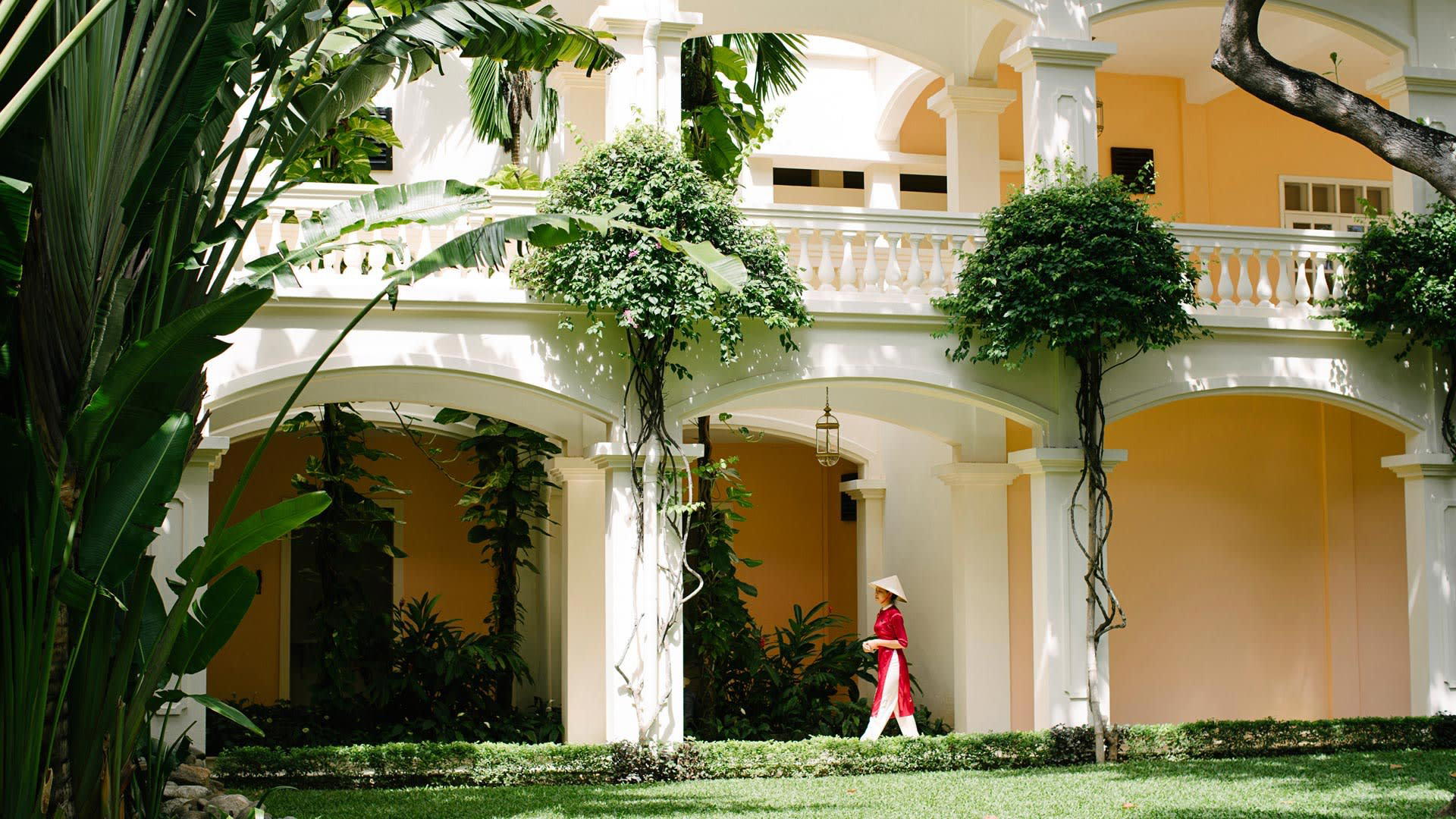
Approaching Hoi An shifts the city’s dining grammar. The lantern-lit centre trades in heritage architecture and tourist footfall; elsewhere, restaurants tend to work from a looser register, with beach traffic, family groups, cold drinks, everyday meals, and a more relaxed rhythm doing more of the heavy lifting. Coco Corner sits inside that second Hoi An: less ceremonial than the Ancient Town circuit, more useful for reading how the city feeds people when the evening is not built around a tasting menu.
Coastal Hoi An cooking is judged by supply, not spectacle
The more interesting question here is not whether a small Hoi An restaurant can mimic a metropolitan dining room. It is whether the kitchen understands its setting well enough to let the meal feel legible without overstatement. In Hoi An, that can mean paying attention to season, appetite, weather, and the practical expectations of travellers who want dinner to feel connected to the place rather than detached from it. A restaurant in this part of the city has to be assessed against that ecology: proximity to visitor demand, day-to-day availability, and the expectation that food should arrive without excessive staging.
That puts Coco Corner in a different lane from Hoi An rooms built around design, wine service, or formal pacing. Areca Restaurant and Art Space speak to other versions of the city’s dining economy, while other Hoi An dining rooms pull attention back toward the denser central grid. Coco Corner’s relevance is in the counterpoint: the meal as a local-area decision rather than a destination performance.
The useful comparison is between Hoi An ease and Ancient Town density
Hoi An rewards travellers who separate dining by setting rather than by generic cuisine labels. The Ancient Town and its immediate edges compress heritage, souvenir commerce, cooking schools, and high visitor volume into a small area. Other parts of Hoi An work at a different tempo, especially around early evening, when the heat drops and groups drift between sand, scooters, and casual tables. That shift matters because restaurants away from the most compressed visitor circuits can lean into immediacy: simpler pacing, fewer theatrical flourishes, and menus that make sense after an unhurried afternoon rather than after a museum circuit.
The public record around Coco Corner is limited, and that restraint is useful context rather than a flaw. Hoi An’s dining scene is not only a medals table. It also runs on small addresses that help visitors understand what casual eating feels like outside the heavily photographed core. For a sharper map of the city, pair this kind of stop with other Hoi An dining, then compare the broader spread in Our full Hoi An restaurants guide.
How to place it within a Vietnam itinerary
Coco Corner makes the most sense for travellers already spending time in Hoi An rather than those crossing town for a single trophy booking. That is a different kind of value: low-friction, local-area dining in a city where over-planning can flatten the pleasure of the evening. Visitors building a wider Vietnam food route can contrast Hoi An’s easygoing dining rhythm with restaurants in Da Nang, Hanoi, Ho Chi Minh City, Vung Tau, Phu Quoc, and Lăng Cô.
The wider planning layer matters in Hoi An because meals are tied closely to where a traveller sleeps, drinks, and spends the afternoon. Use Our full Hoi An hotels guide to decide which part of the city should anchor the stay, then cross-check evening options through Our full Hoi An bars guide, Our full Hoi An wineries guide, and Our full Hoi An experiences guide. For a broader international contrast in casual ingredient-led formats, other dining rooms abroad show how informality changes once it leaves Vietnam’s market-driven context.
Frequently asked questions
Is Coco Corner child-friendly?
Coco Corner is a practical stop for families spending time in Hoi An. The details provided here do not specify a child policy, so the safest approach is to plan around the city setting and the party’s own schedule. Check the venue's official channels for the latest details.
Is Coco Corner better for a quiet night or a lively one?
Coco Corner is better read as a local-area stop than a destination for high drama. For travellers prioritising a calmer evening in Hoi An, the setting works naturally within the wider rhythm of the city.
Where is Coco Corner in Hoi An?
Hoi An.
What's the best way to book Coco Corner?
The details provided here do not specify a booking method for Coco Corner. For visitors already staying in Hoi An, a direct enquiry is the most sensible route. Check the venue's official channels for the latest details.
What's Coco Corner best at?
Coco Corner's clearest strength is its place within Hoi An, which suits travellers focused on a low-friction local meal. Beyond that, the details provided here give no chef or cuisine type, so the city context is the main anchor. Check the venue's official channels for the latest details.
Do they accommodate allergies at Coco Corner?
The details provided here do not specify an allergy policy for Coco Corner in Hoi An. Guests with dietary restrictions should confirm directly before ordering, since no menu structure is provided here to reference. Check the venue's official channels for the latest details.
Continue exploring