Coco Pazzo
Coco Pazzo serves Authentic Sicilian Osteria cooking on Diesterstraat in Sint-Truiden, with an extensive wine list and a quiet, leisurely pace.
Pearl is the En Primeur Club membership app — saves, bookings, and concierge access live there. Same editors, same standards.
- Address
- Diesterstraat 44, 3800 Sint-Truiden, Belgium
- Phone
- +3211881018
- Website
- cocopazzo.be
- Directions
- Get directions
 Saves & bookings on Pearl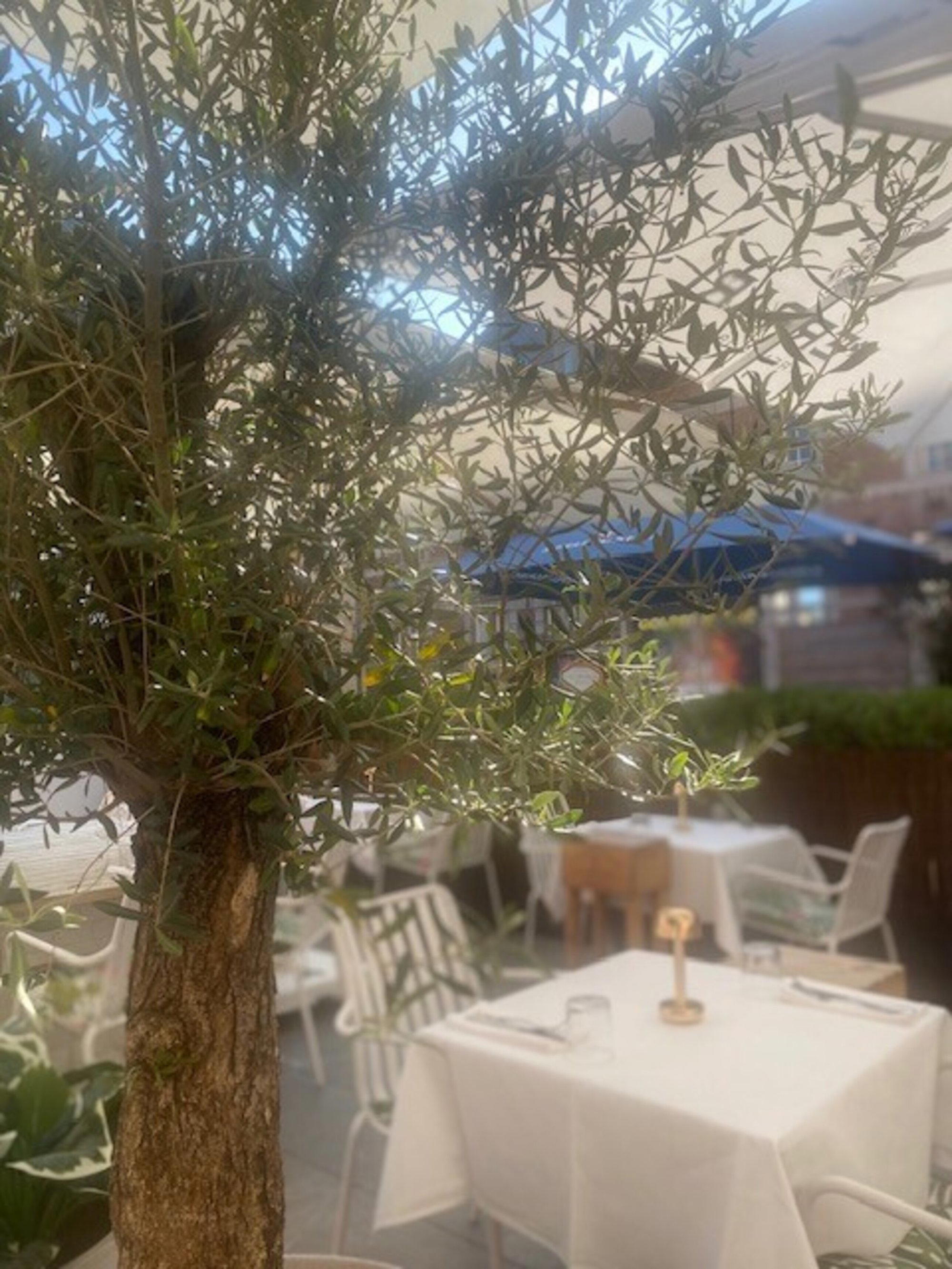
Diesterstraat After Dark: Reading a Sint-Truiden Street Through Its Tables
Diesterstraat 44 sits on one of Sint-Truiden’s older commercial arteries, a street that mixes everyday retail with the occasional dining room that rewards attention. In a Flemish Brabant town better known for its fruit orchards and the Romanesque bulk of its abbey tower than for restaurant culture, the presence of an Italian-named address on this particular block signals something worth pausing over. The name Coco Pazzo, borrowed from the Italian for “crazy cook,” carries a lightness of register that many Belgian neighbourhood restaurants avoid. It suggests a kitchen that would rather feed you well than impress you on paper.
Sint-Truiden sits roughly equidistant between Hasselt and Liège, which puts it in a dining corridor that includes some of Belgium’s more serious tables. Venues like Hof van Cleve - Floris Van Der Veken in Kruishoutem and Boury in Roeselare define what the regional fine-dining ceiling looks like. Sint-Truiden itself operates a tier or two below that ceiling, and the town’s dining scene is correspondingly more grounded: local, accessible, and shaped by the rhythms of a small Flemish community rather than by destination-restaurant economics. Within that context, Coco Pazzo occupies its address as part of a compact but considered local dining circuit that includes 3Sense, Bistro Zutt, Chez Prospère, Het Hooghuys, and Hoeve Roosbeek. Each of these represents a distinct approach to feeding the town, and the range between them tells you more about Sint-Truiden’s appetite than any single venue could on its own. The full picture is available in our full Sint Truiden restaurants guide.
The Ritual of the Neighbourhood Meal in Flemish Belgium
In small Belgian towns, dining out carries a particular set of customs that differ from the theatrical pacing of destination restaurants. The meal is not auditioned. There is no tasting-menu countdown, no amuse-bouche sequence to decode. Instead, the rhythm is set by the room: by the arrival of neighbours, the steady filling of tables, the unhurried movement between courses. This is a tradition with deep roots in Flemish civic life, where the restaurant functions as an extension of communal space rather than as a stage for culinary performance.
Italian restaurant culture, at its finest, maps onto this tradition without friction. The Italian approach to hospitality, particularly in neighbourhood trattorie and brasserie-weight formats, shares Belgium’s preference for a meal that accumulates pleasure gradually rather than delivering it in precisely timed increments. When an Italian-named kitchen operates in a Flemish town, the question is always whether the register holds in translation. The name Coco Pazzo, with its wink at kitchen irreverence, suggests the kitchen is not trying to resolve that question too seriously, which is often the right instinct. Zilte in Antwerp and Vrijmoed in Gent represent what happens when Belgian kitchens operate at peak ambition; Coco Pazzo, by contrast, occupies the quieter middle register where most people actually eat on a given Tuesday or Saturday night.
That middle register has its own discipline. Consistency across services, an honest relationship between price and plate, and a room that knows when to leave you alone: these are harder to maintain than any tasting-menu format, because there is nowhere to hide behind spectacle. The leading neighbourhood restaurants in Belgium, from La Durée in Izegem to Cuchara in Lommel, succeed precisely because they treat the ordinary service as the real test, not the special occasion.
Placing Coco Pazzo in the Broader Belgian Dining Conversation
Belgium’s restaurant culture has long been underread by international visitors who use Brussels as their only reference point. The provinces carry a different kind of eating, shaped by proximity to agricultural supply chains, by smaller populations with strong local loyalty, and by a preference for substance over statement. Bozar Restaurant in Brussels and its peers operate inside a capital city’s logic of visibility and prestige. Addresses like Coco Pazzo operate inside a different logic entirely, one where the regular diner matters more than the travelling critic.
That provincial seriousness is not a consolation prize. Some of Belgium’s most focused cooking happens in towns that international guides barely register. Ralf Berendsen in Neerharen and d’Eugénie à Emilie in Baudour are examples of serious kitchens working outside the expected geography. Sint-Truiden’s dining scene is less formally ambitious than either of those, but it shares the same orientation toward the local diner as the primary constituency. Coco Pazzo, on Diesterstraat, is part of that orientation.
For readers coming from further afield, the comparison point is not the Michelin-starred corridor. It is closer to the kind of neighbourhood Italian that cities like New York have spent decades arguing over: is it about the technique, the product, or the room? Le Bernardin in New York City and Lazy Bear in San Francisco sit at the far end of the intention spectrum. Coco Pazzo sits somewhere else entirely, which is not a criticism. Most good meals happen somewhere else entirely.
Planning a Visit: What to Know Before You Go
Sint-Truiden is reached by rail from both Brussels and Liège, with the station a walkable distance from the town centre and Diesterstraat within that same radius. For visitors using the broader Limburg and Flemish Brabant restaurant circuit, Sint-Truiden pairs naturally with a stop in Hasselt, which carries a denser concentration of dining options and a useful hotel infrastructure. Willem Hiele in Oudenburg demonstrates that destination-level cooking exists across the Flemish provinces; Sint-Truiden’s offer is more modest, but the town itself repays an afternoon of exploration before dinner.
Because the venue database holds no current data on hours, booking policy, or pricing for Coco Pazzo, readers planning a visit should confirm operational details directly before travelling. For a town of Sint-Truiden’s size, evening services typically run Thursday through Sunday, but this should be verified. Belgian neighbourhood restaurants at this tier often close for extended periods in August and over the Christmas-New Year window, which is worth checking in advance if travel dates fall near either.
How Coco Pazzo Sint-Truiden compares with similar nearby venues.
| Venue | Cuisine | Price |
|---|---|---|
| De Stadt van Luijck | Modern Flemish, Modern Cuisine | €€€€ |
Continue exploring
More in Sint-Truiden
Restaurants in Sint-Truiden
Browse all →
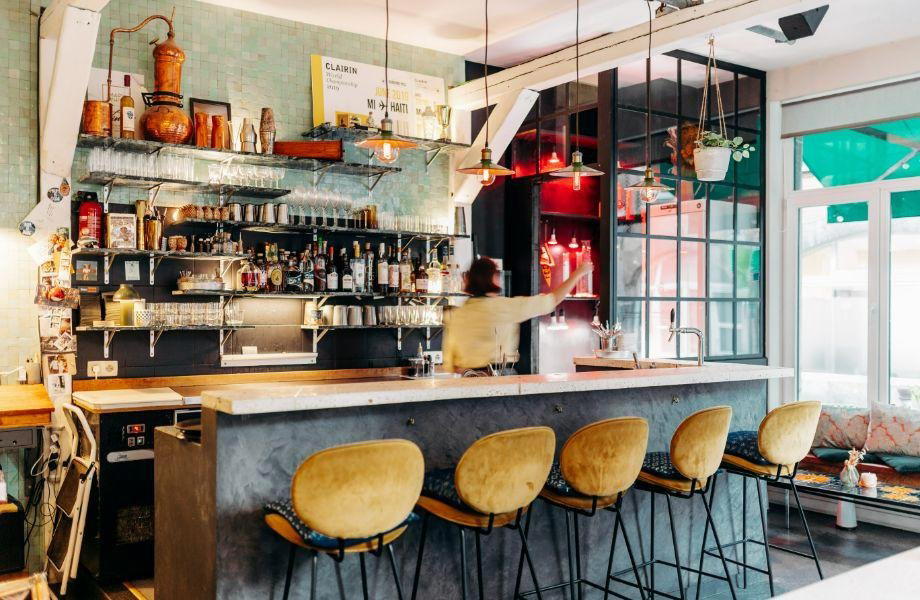
Bars in Sint-Truiden
Browse all →

Hotels in Sint-Truiden
Browse all →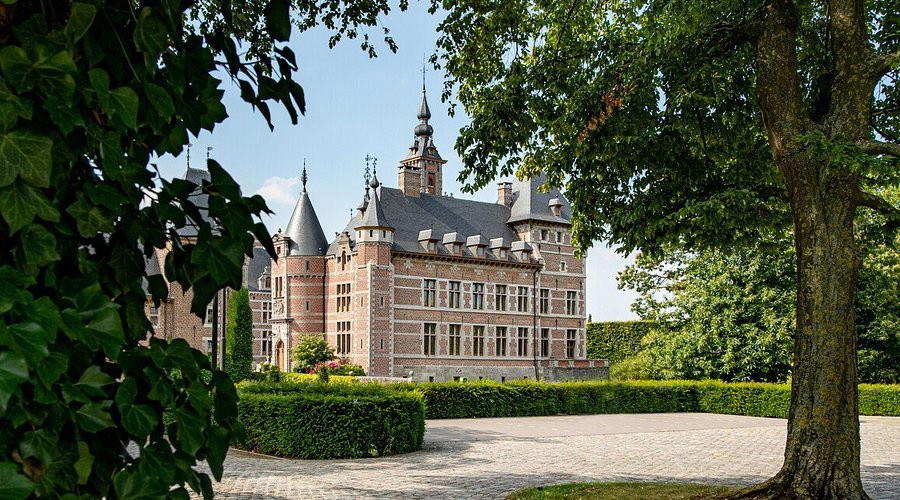
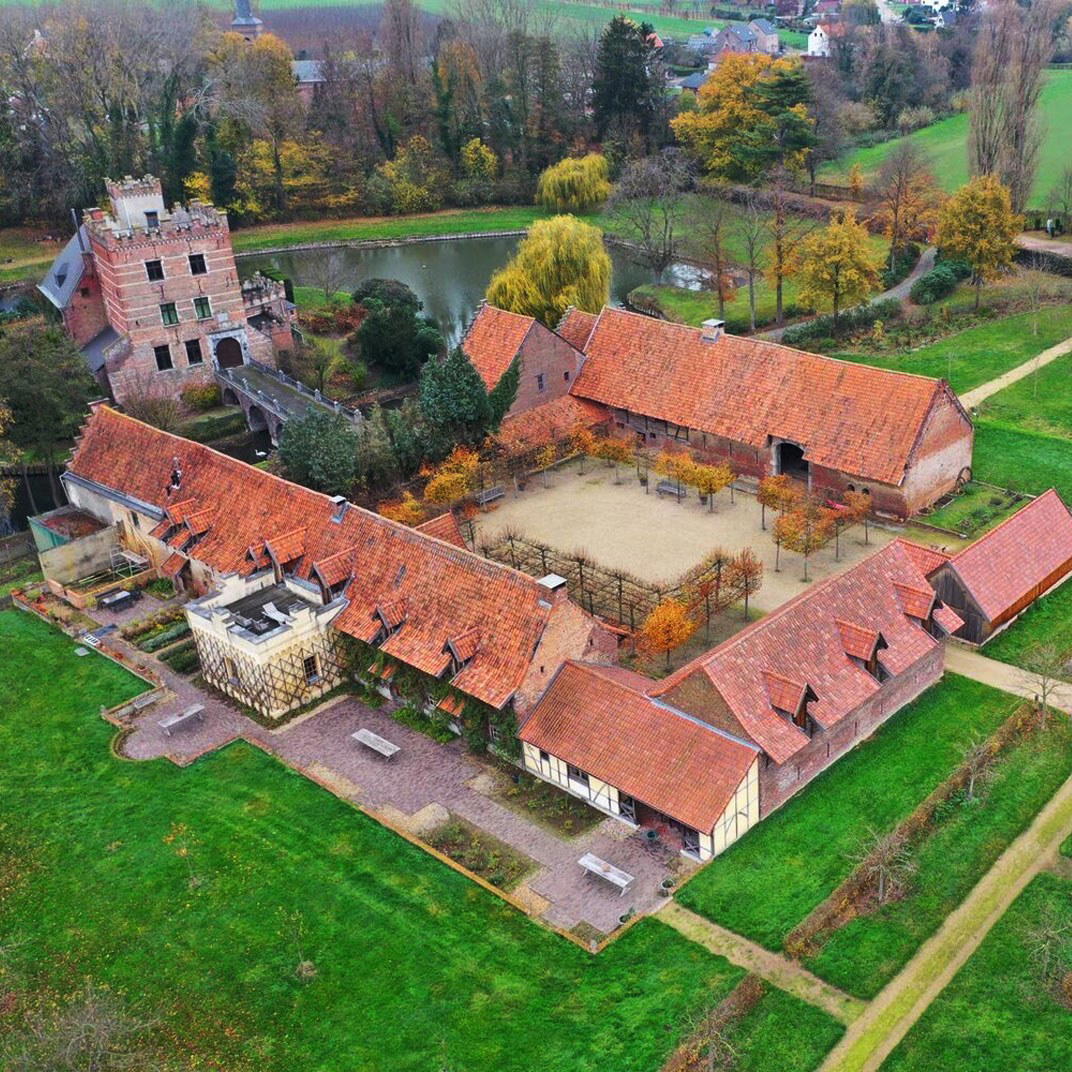
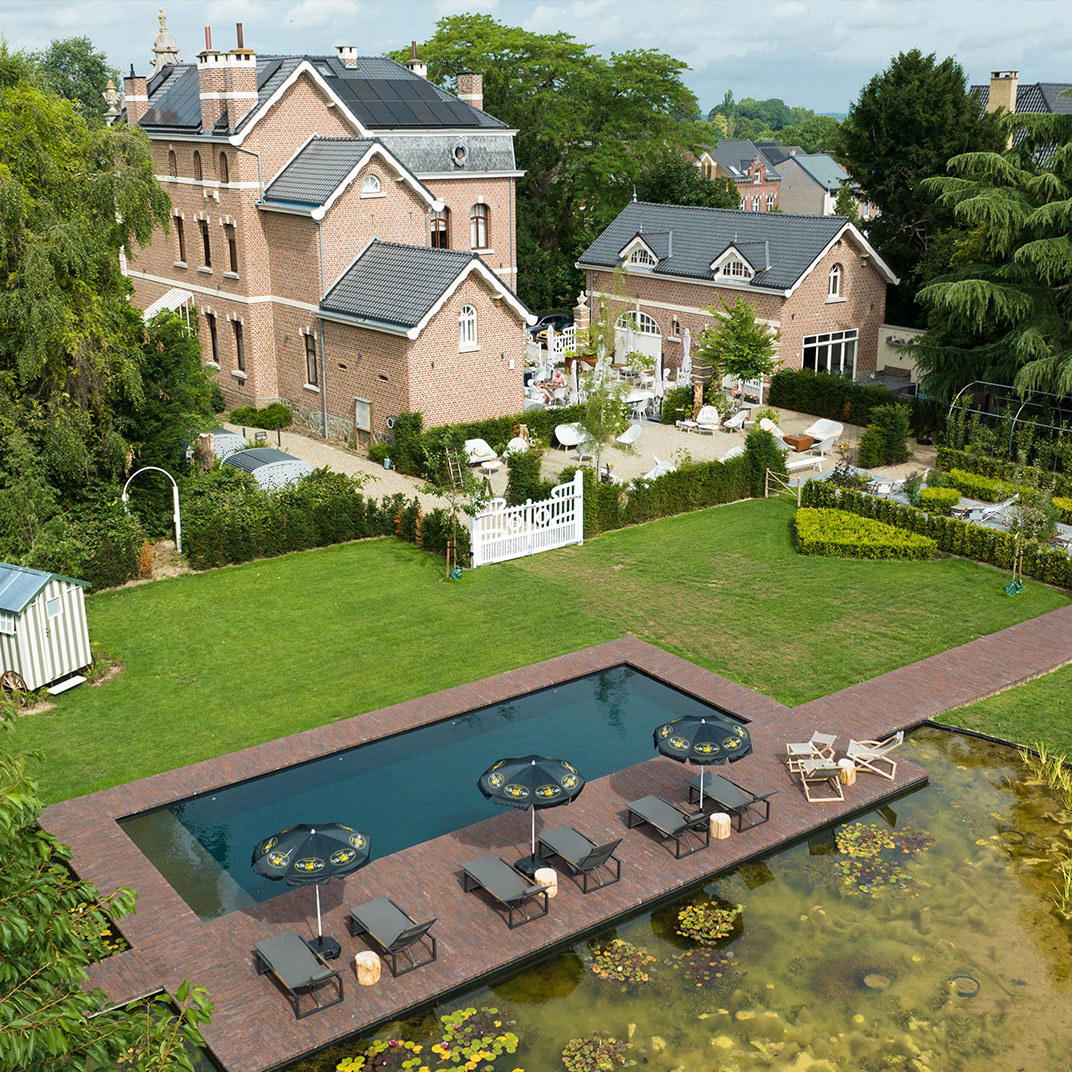
Wineries in Sint-Truiden
Browse all →
At a Glance
- Romantic
- Cozy
- Elegant
- Intimate
- Rustic
- Date Night
- Special Occasion
- Historic Building
- Terrace
- Open Kitchen
- Extensive Wine List
- Street Scene
Current opening hours
- Monday
- Closed
- Tuesday
- 6–9:30 PM
- Wednesday
- 6–9:30 PM
- Thursday
- 6–9:30 PM
- Friday
- 6–9:30 PM
- Saturday
- 6–9:30 PM
- Sunday
- Closed
Hours can change for holidays and private events. Last verified .
Cozy and romantic atmosphere in historic vaulted cellar with characterful stone arches, original fireplace, and warm lighting.
Know Before You Go
- Getting there
- Diesterstraat 44, 3800 Sint-Truiden, Belgium