Cococo
Cococo occupies a considered address on Voznesensky Prospekt in St Petersburg, placing it within the city's upper tier of contemporary Russian cuisine. The space frames the food as much as the kitchen does, with an interior architecture that signals intent before a dish arrives. Among the city's more serious dining rooms, it draws a crowd that books ahead and comes with expectations.
Pearl is the En Primeur Club membership app — saves, bookings, and concierge access live there. Same editors, same standards.
- Address
- Вознесенский просп., 6, 190000, Санкт-Петербург
- Directions
- Get directions
 Saves & bookings on Pearl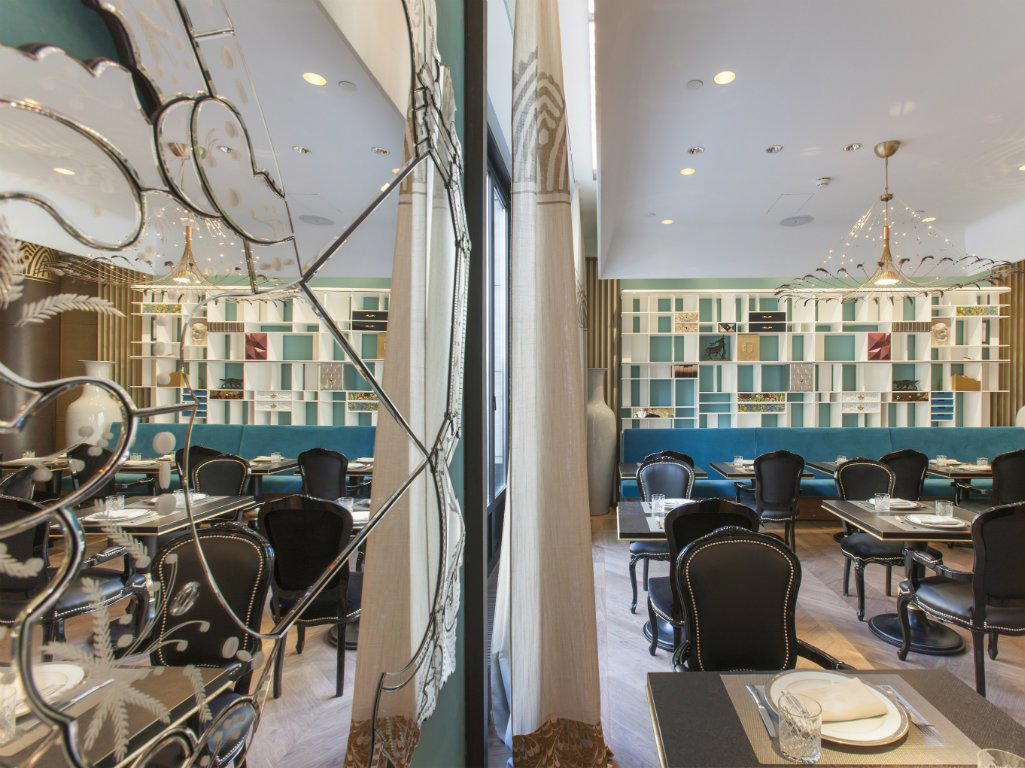
The Room Before the Meal
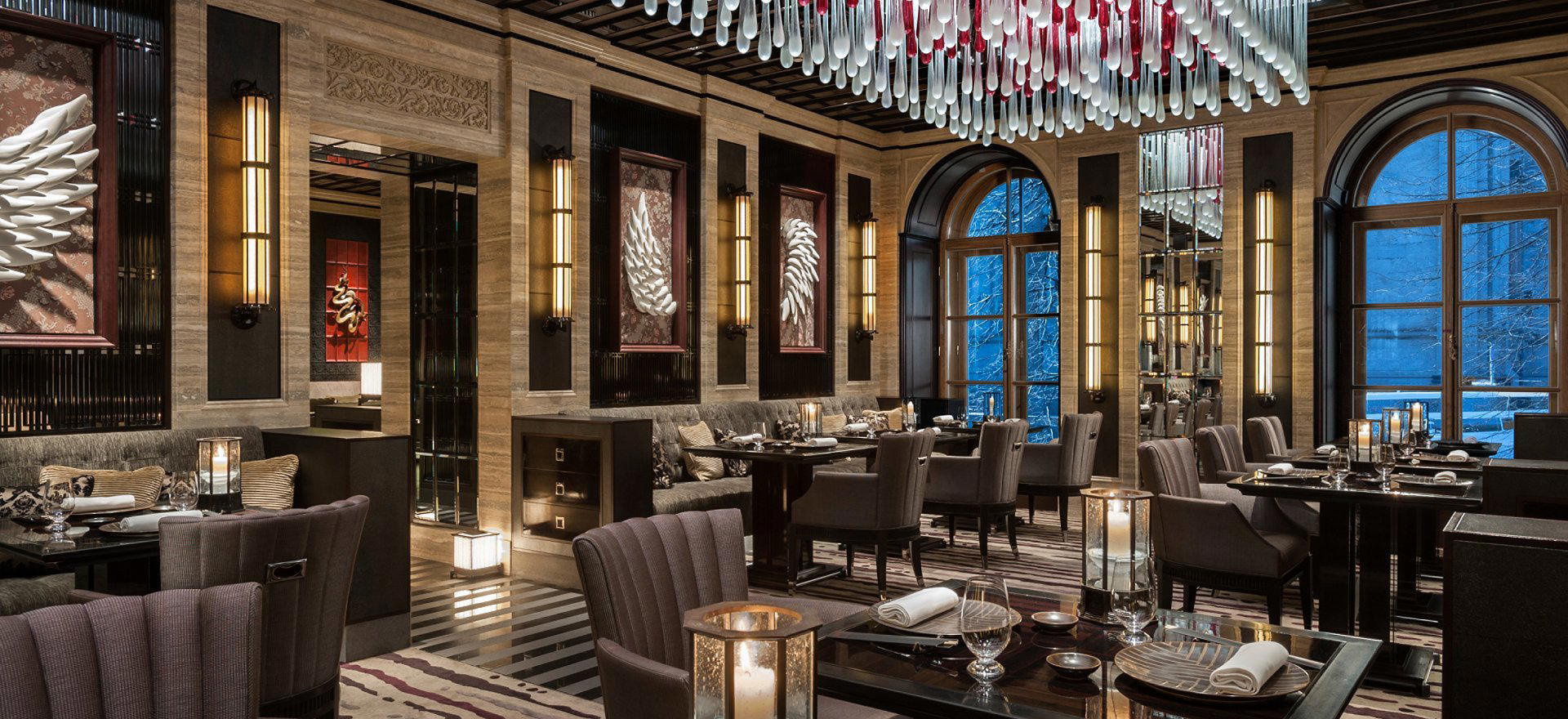
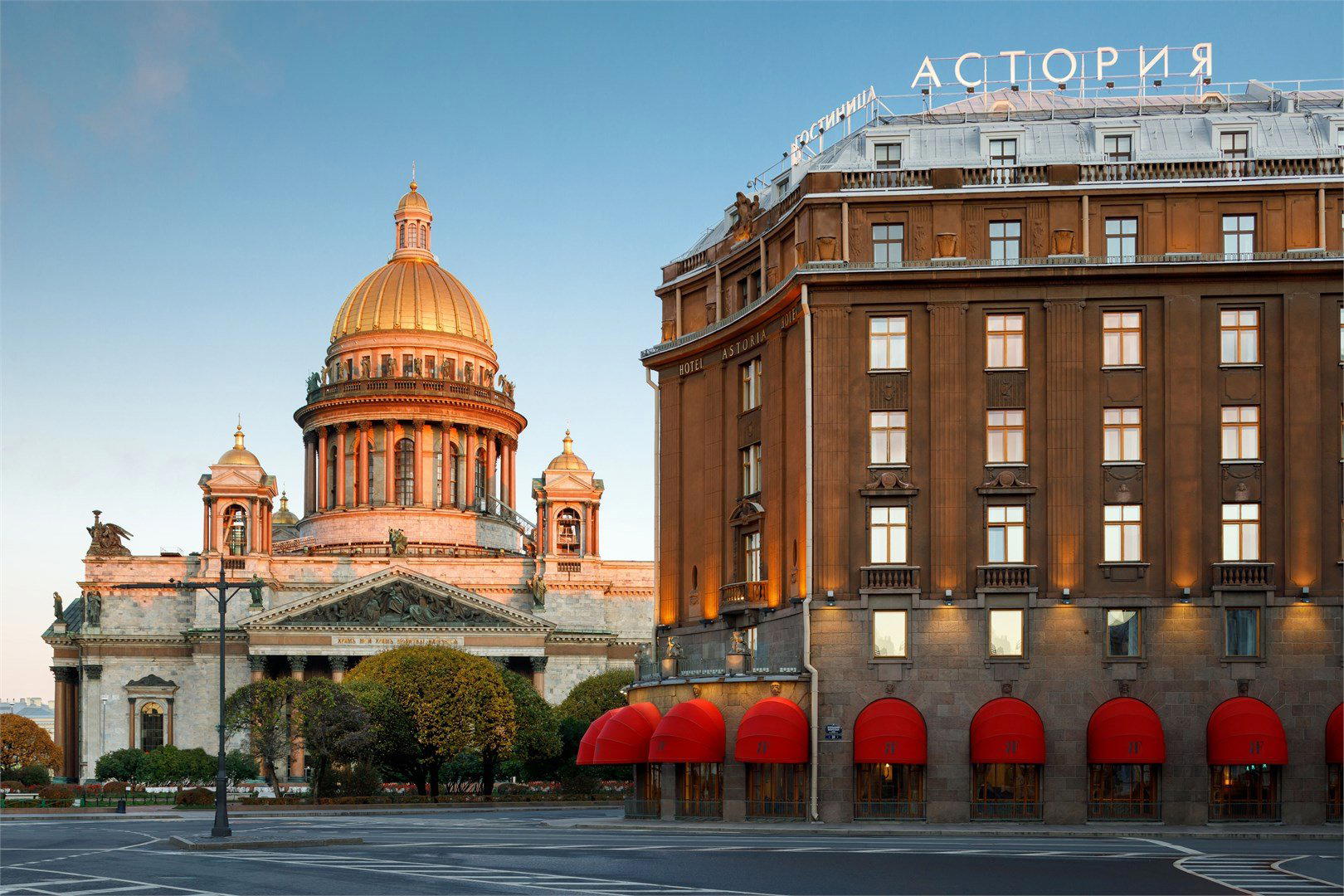
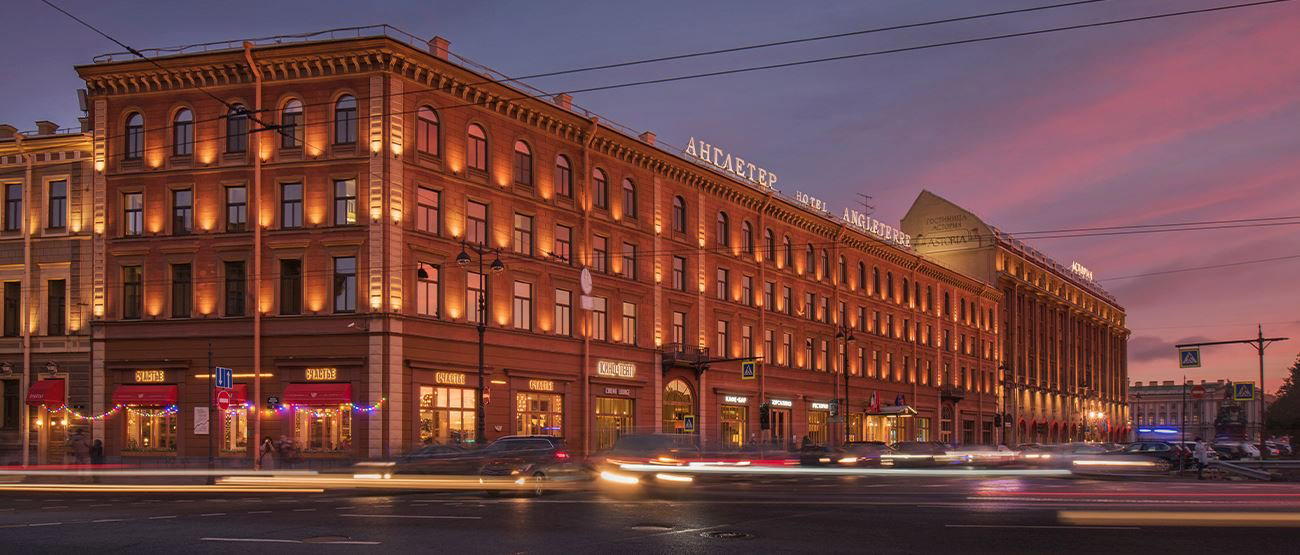
Cococo is a restaurant in St Petersburg serving Modern Russian Fine Dining at Voznesensky Prospekt 6. The address sits in one of St Petersburg's more composed stretches of neoclassical streetscape, a neighbourhood where the built environment carries weight before you step inside anywhere. That context matters for understanding what Cococo is trying to do: the restaurant belongs to a cohort of St Petersburg dining rooms where the room is part of the experience.
Interior architecture in this tier of Russian fine dining has moved decisively away from the gilded maximalism that once defined prestige signalling in the city. What replaced it at Cococo and elsewhere across the historic centre is a more measured aesthetic: considered material choices, controlled lighting, and seating arrangements that create a sense of occasion without overstatement. The room functions as a frame, not a backdrop. That distinction separates the upper bracket of the city's contemporary dining scene from venues where decor competes with the food for attention.
This approach reflects a broader shift in Russian fine dining, where spatial design and cooking now work in tandem. The same shift produced Twins Garden in Moscow, which occupies a comparable position in the capital's contemporary scene. In St Petersburg, the conversation has its own character, shaped by the city's imperial architecture and its tradition of treating interior space as a statement of cultural seriousness.
Where Cococo Sits in the St Petersburg Dining Order
St Petersburg's upper-tier restaurant scene is smaller and more tightly contested than Moscow's. Cococo occupies a recognisable position in that comparable set: contemporary Russian cuisine, a historic-centre address, and a dining format that expects guests to arrive with some preparation rather than treating the meal as casual.
That positioning places it alongside Bourgeois Bohemians in Sankt-Peterburg, which operates in a similar register of considered informality over ceremony, and Birch in St. Petersburg, which takes a more austere Scandinavian-influenced approach to local produce. These venues share an editorial stance: Russian ingredients treated with technique that owes something to European fine dining without subordinating itself to it. Cococo is legible within that context rather than standing apart from it.
For visitors arriving from other Russian cities, the reference points shift. Restaurant Baran-Rapan in Sochi and Leo Wine & Kitchen in Rostov each anchor regional takes on contemporary Russian cooking. La Colline in Bolshoye Sareyevo and SEASONS in Kaliningrad extend that map further. Cococo, from its Voznesensky Prospekt address, functions as the St Petersburg data point in a national conversation about what serious Russian cooking looks like in the 2020s.
For visitors who want to understand how that conversation plays out across different format registers, COCOCO Bistro in Saint Petersburg City offers a lower-price-point entry into the same culinary thinking, and Primorskiy Prospekt, 72 in Staraya Derevnya moves the frame to the city's northern edge.
The Cuisine Framework
Contemporary Russian fine dining at the level Cococo occupies is a product of two decades of tension between European technique and the imperative to make something distinctly local. The resolution, for venues in this tier, has generally involved treating the Russian larder with the same seriousness that Nordic cooking brought to Scandinavian ingredients in the 2010s: fermentation, curing, foraging, and the rehabilitation of ingredients that Soviet-era catering had made unfashionable. The result is a cuisine that reads as European in its grammar but Russian in its vocabulary.
That framework rewards guests who come with some knowledge of what they are eating and why certain ingredients appear. For international visitors without that context, the cuisine at this tier can feel disorienting in a productive way, the same way a first encounter with Lazy Bear in San Francisco or Le Bernardin in New York City rewards guests who understand the culinary tradition the kitchen is in dialogue with.
Planning Your Visit
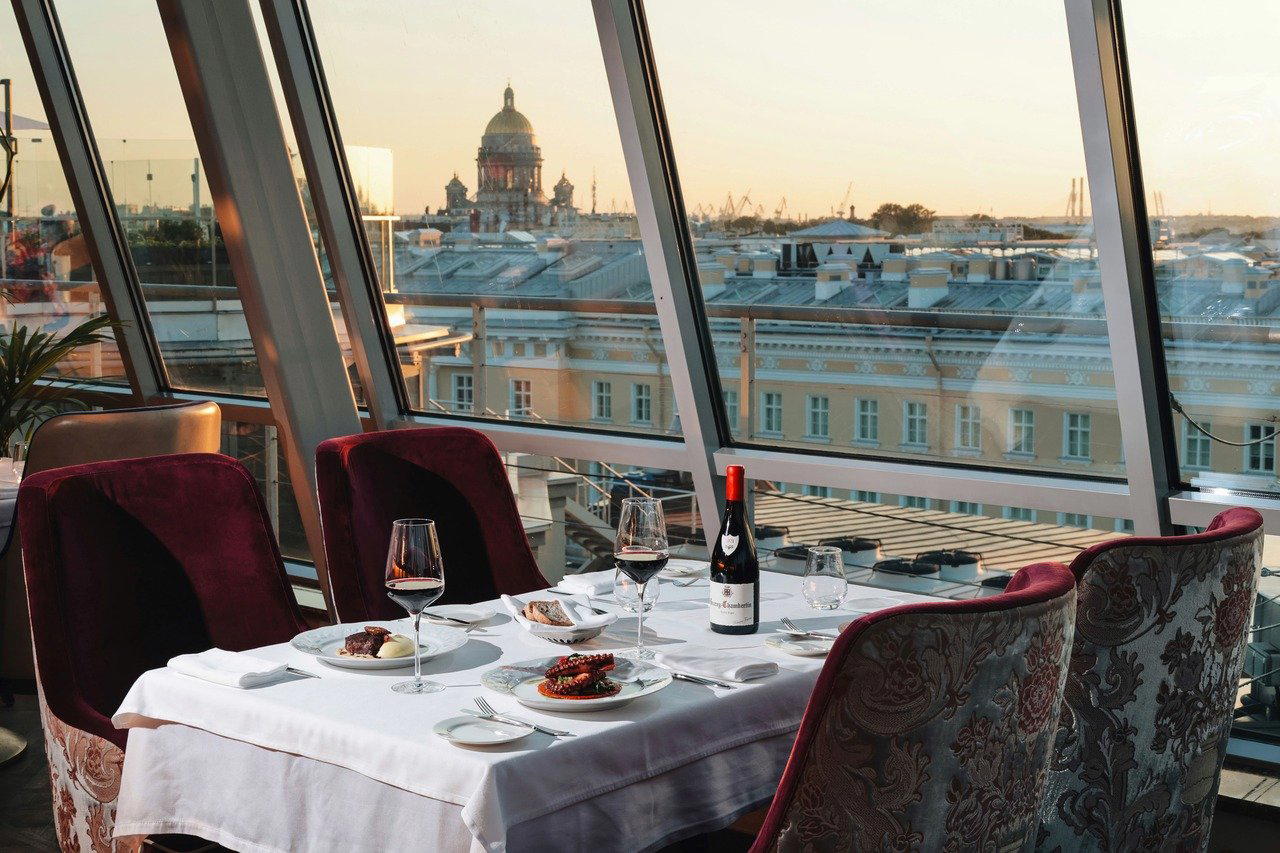
Voznesensky Prospekt 6 sits in the Admiralteysky district, walkable from the Sennaya Ploshchad metro station and within reasonable distance of the major historic-centre hotels. The neighbourhood is dense with cultural institutions, which means foot traffic is high during tourist season (May through August) and considerably quieter from November through March. Booking ahead is advisable for dinner in the summer months; the winter calendar tends to be more accessible.
For guests with more than one meal to plan, St Petersburg's dining scene offers range across format and price. Allelo and Birch & Vine occupy mid-market positions with strong local followings. bin6south takes a wine-forward approach that pairs well with a pre- or post-dinner programme. For a complete change of register, Bavaro's Pizza Napoletana & Pastaria and Beau & Mo's Italian Steakhouse offer direct Italian-American alternatives that serve a different function in a longer dining schedule.
The Essentials
Comparable venues nearby, for context on price, style, and recognition.
| Venue | Cuisine | Price | Notes |
|---|---|---|---|
| CococoThis venue — the venue you are viewing | Not listed | $$$ | Not listed |
| Harvest | Petrogradsky, Vegetable-Focused European | $$$ | Not listed |
| Korean BBQ гриль | Not listed | $$ | Northwestern District, Korean Table-Top BBQ Grill |
| Made in China | Admiralteisky, Modern Asian Café & Bar | $$ | Not listed |
| Jack & Chan | Nevskiy, Pan-Asian Fusion | $$ | Not listed |
| Wong Kar Wine | Not listed | $$ | Liteyny, Contemporary Asian (Thai) with Natural Wines |
Continue exploring
More in Saint Petersburg
Restaurants in Saint Petersburg
Browse all →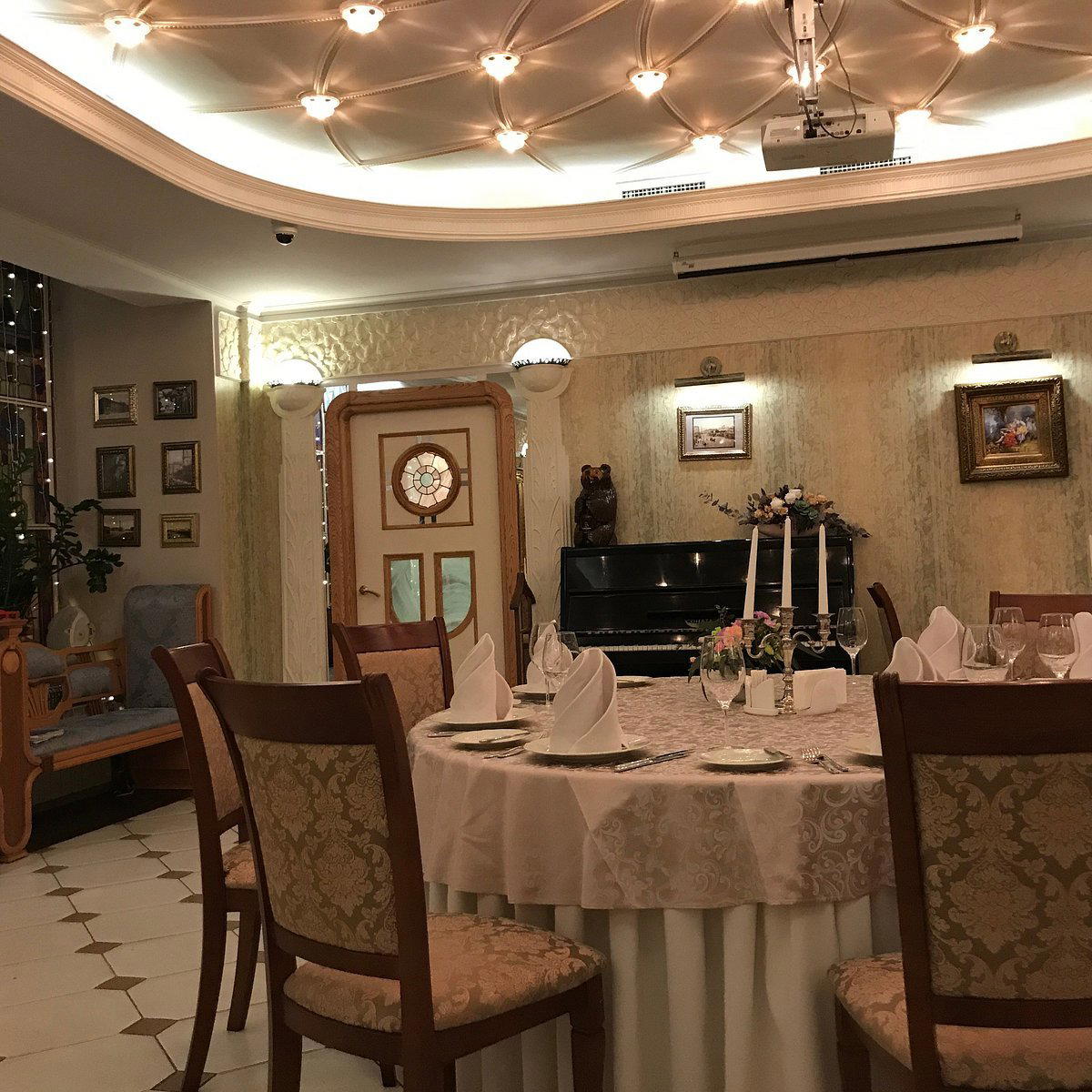
Bars in Saint Petersburg
Browse all →




At a Glance
- Modern
- Elegant
- Sophisticated
- Date Night
- Special Occasion
- Open Kitchen
- Local Sourcing
- Farm To Table
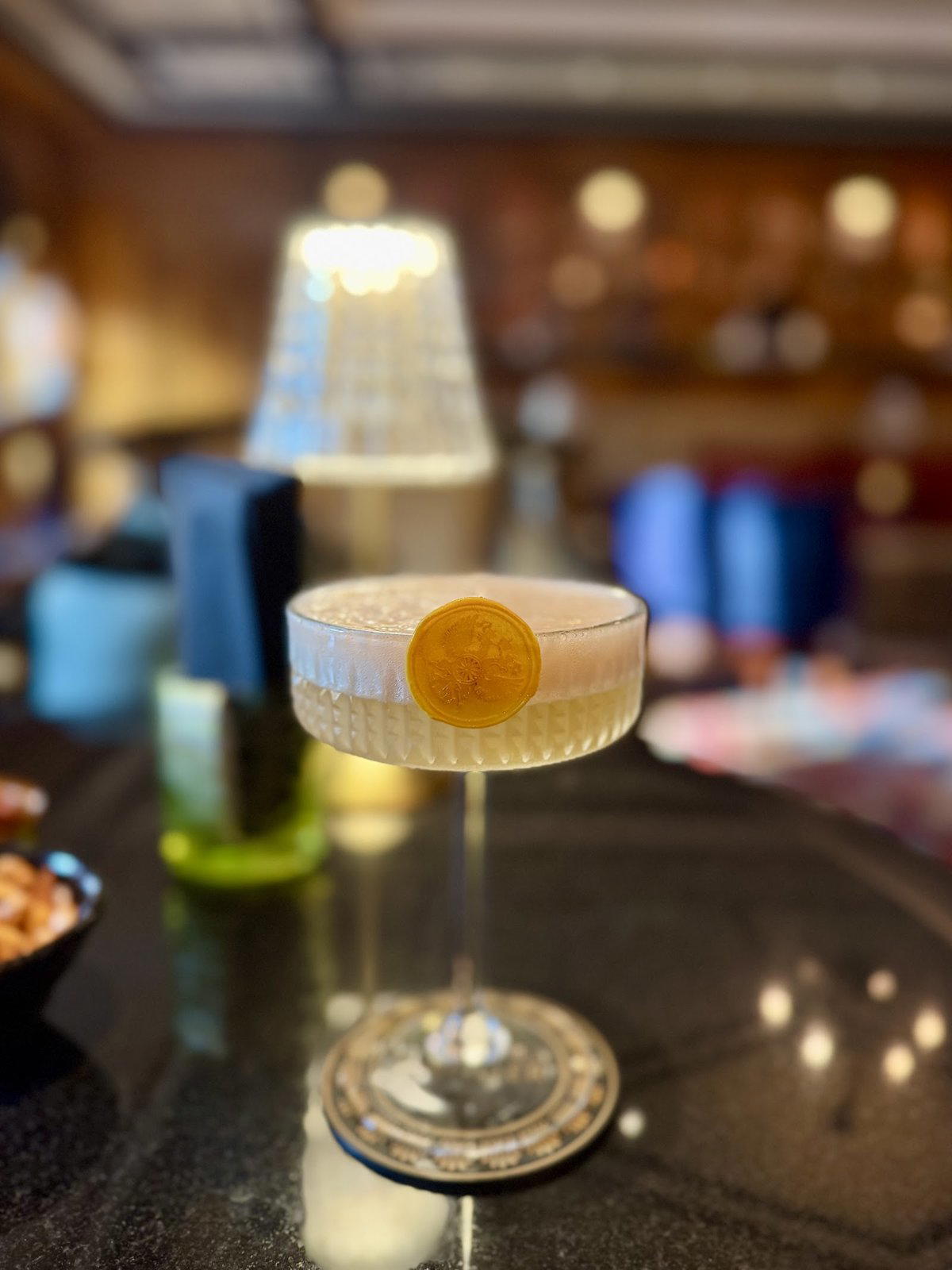
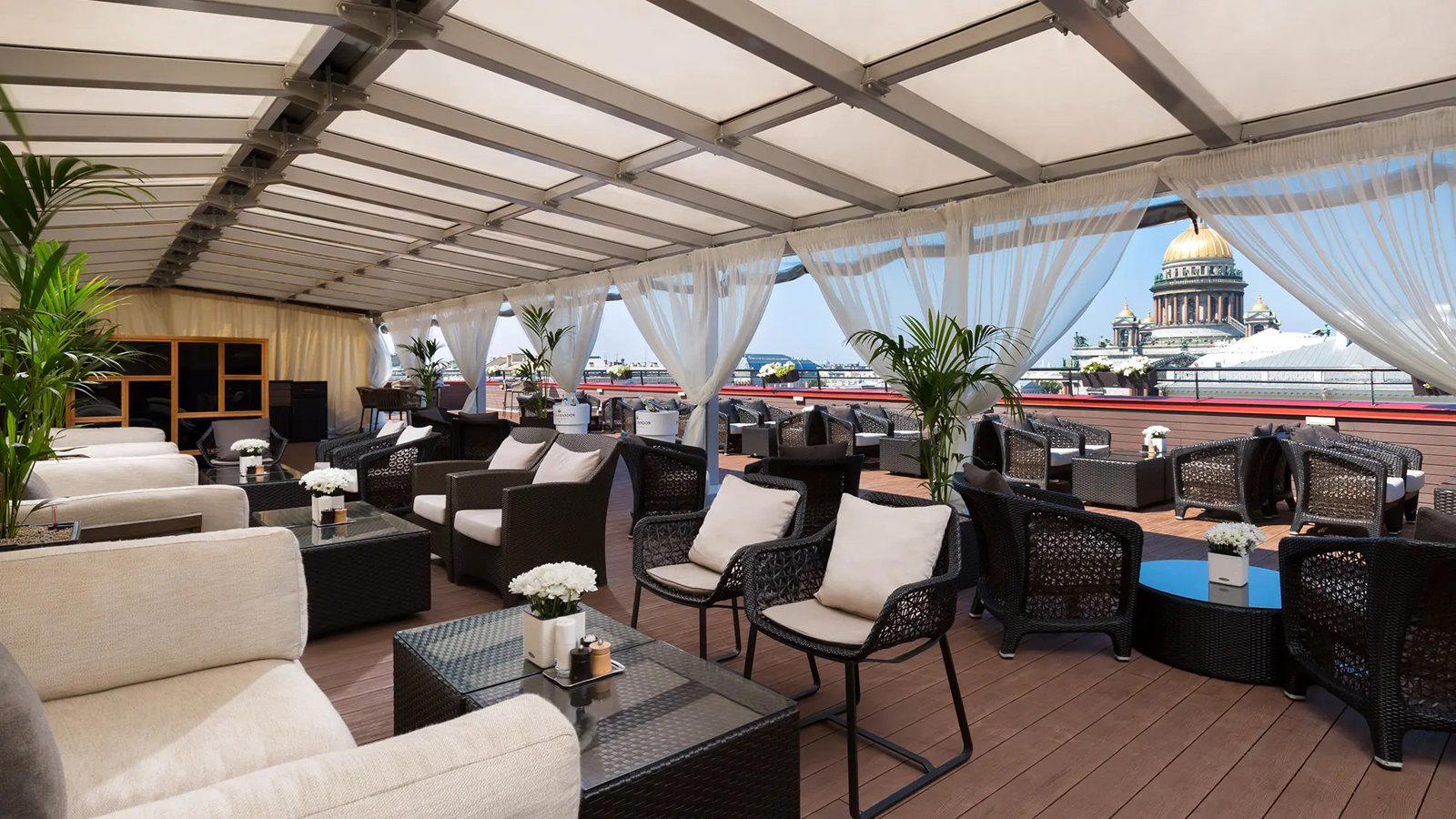
Elegant luxury interior blending modern design with historical Russian glamour and ornate atmosphere.