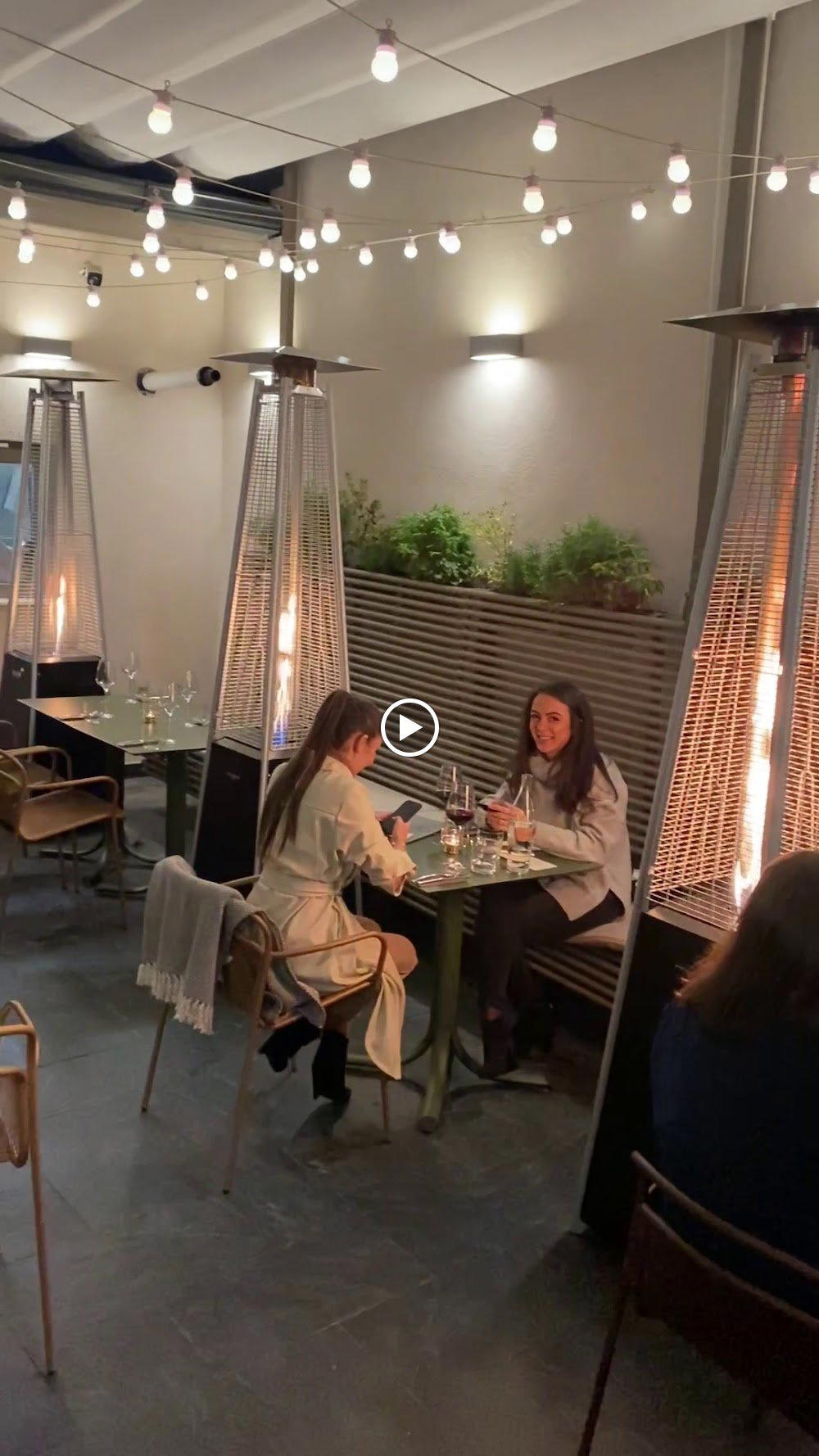
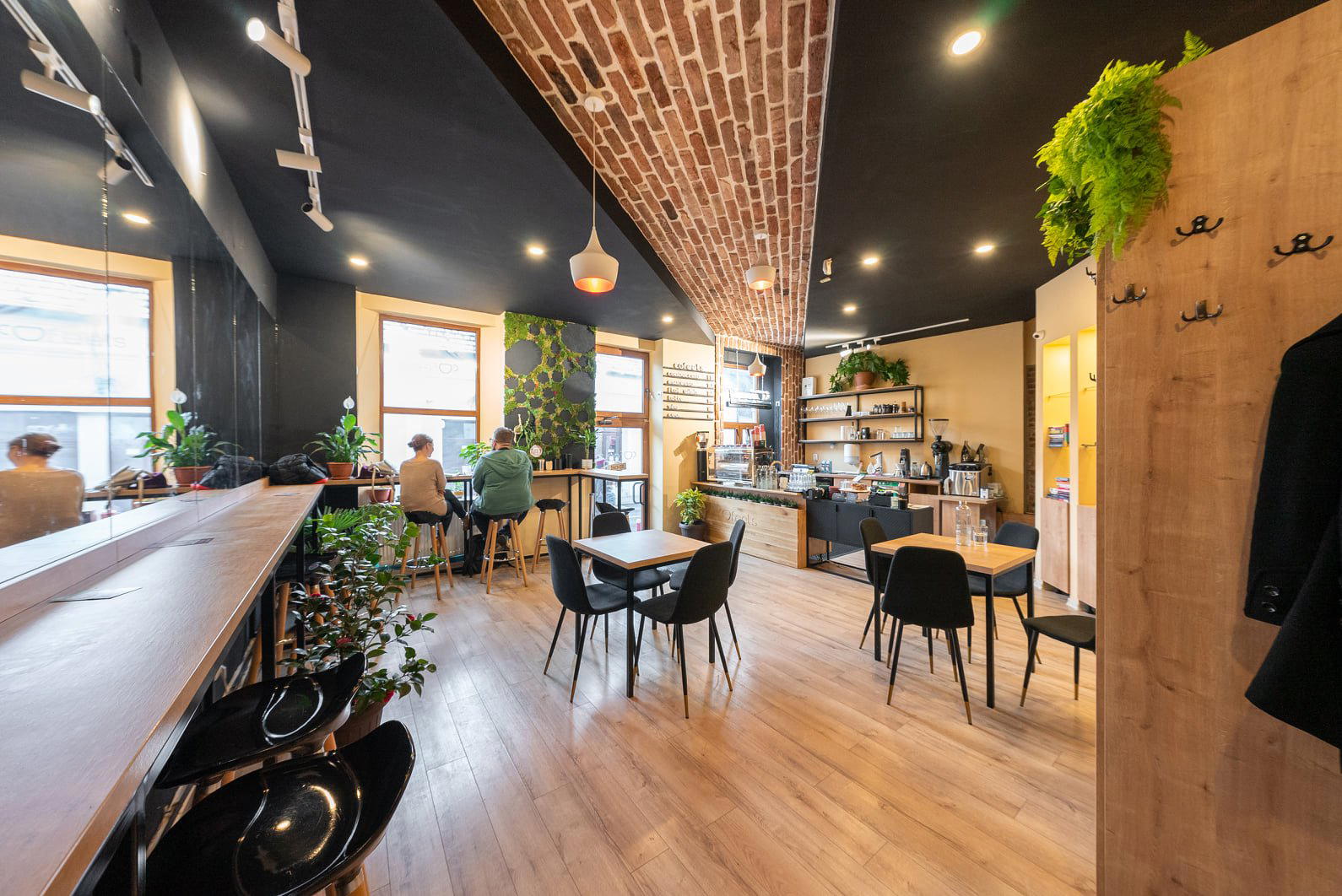
Cocteleria Urban Garden serves craft cocktails in Florești, with terrace seating, garden views and a casual, conversational setup for dinner.
Pearl is the En Primeur Club membership app — saves, bookings, and concierge access live there. Same editors, same standards.
- Address
- Strada Abatorului 1a, Florești 407280, Romania
- Phone
- +40774063638
- Website
- facebook.com
- Directions
- Get directions
 Saves & bookings on Pearl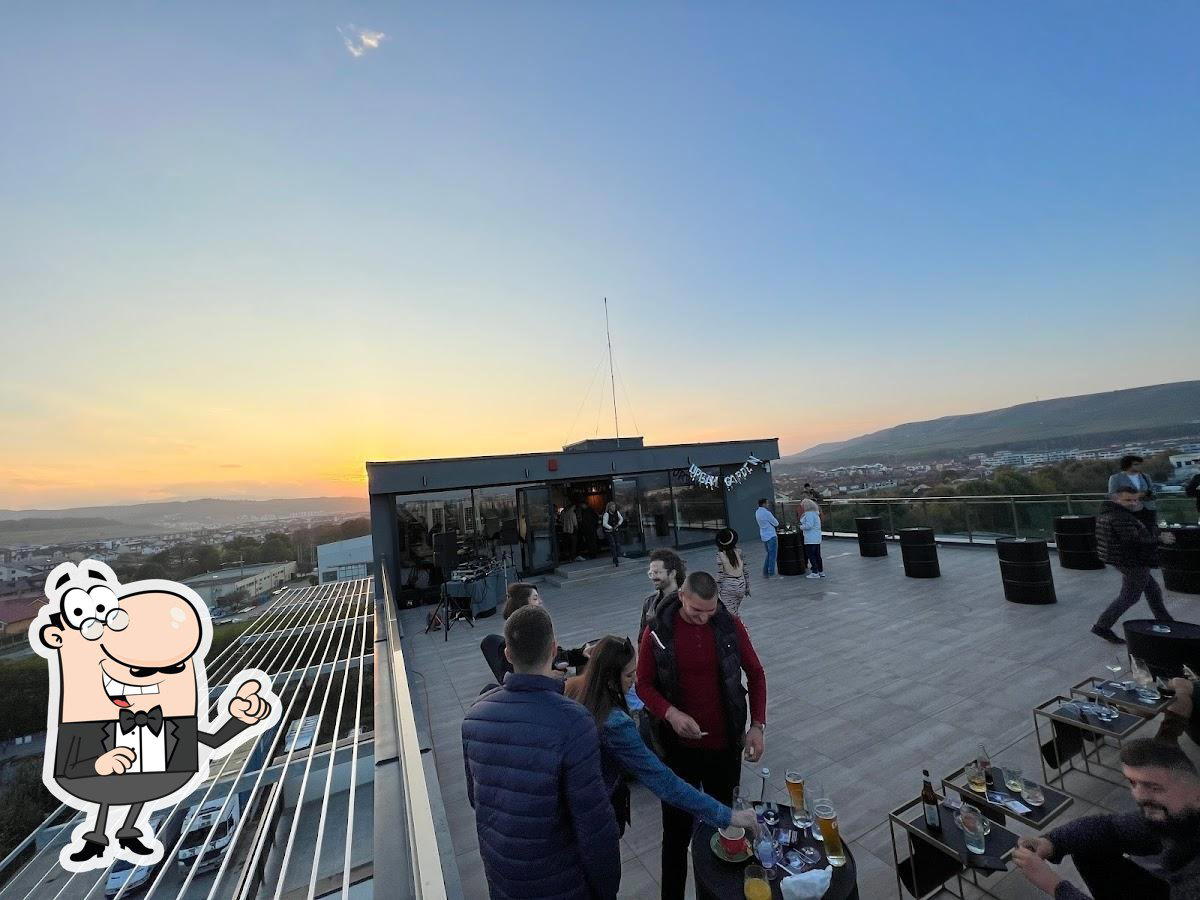
A Green Corner in Romania's Fast-Growing Commuter Belt
Cocteleria Urban Garden is a cocktail bar in Florești, Romania. Florești sits immediately northwest of Cluj-Napoca, and its growth over the past decade has been among the more discussed urban phenomena in Transylvania. What was a quiet commune has become a dense residential zone populated largely by young professionals who work in Cluj but have moved out for space and lower costs. The dining scene has followed that demographic shift: venues that open here are increasingly expected to deliver something beyond basic convenience, competing for an audience that commutes to one of Romania's most active food cities and expects comparable quality closer to home. Cocteleria Urban Garden, on Strada Abatorului, occupies a position in that context worth examining.
In Romanian bar culture, the cocktail category has grown sharply since the early 2010s, with Cluj-Napoca leading much of that expansion alongside Bucharest. Florești's proximity to Cluj means its bar venues draw from the same talent pool and, to a degree, the same ingredient networks. The address on Strada Abatorului places it away from the main retail corridors, in a location that suggests the venue relies on reputation and repeat custom rather than foot traffic.
The Garden Premise and What It Implies About Sourcing
In contemporary Romanian bar culture, the word "garden" attached to a cocktail venue carries specific weight. It tends to signal one of a few commitments: fresh herbs grown or sourced locally, seasonal menus tied to what's available from nearby producers, or an outdoor terrace format that defines the experience as much as the drinks list. Romania's cocktail scene has been shaped, partly, by a broader European movement toward ingredient specificity, where the quality of a shrub, a house-made syrup, or a fresh botanical becomes the talking point rather than the base spirit alone.
Florești and its surrounding Transylvanian countryside offer a genuine advantage on that front. The Cluj county agricultural belt produces herbs, soft fruits, and vegetables on a scale that urban bars in Bucharest frequently have to work harder to access. A bar in Florești that chooses to engage with that supply network is operating in a position that equivalents in Romania's capital rarely have.
The Cocteleria Format in Romania's Expanding Bar Scene
Romania's bar scene in mid-sized and peri-urban settings has followed a pattern visible elsewhere in Central and Eastern Europe. The initial phase brought imported cocktail formats, international spirit brands, and menus that looked cosmopolitan but sourced little locally. The second phase, which Cluj-Napoca entered earlier than most Romanian cities, involved local bartenders who had trained abroad returning with a different philosophy: emphasis on technique, seasonal rotation, and a tighter relationship between the bar and its ingredient suppliers.
A cocktail bar that positions itself as an "urban garden" in this environment is making a statement about which phase it belongs to. The format signals alignment with the second wave rather than the first. That has practical implications: menus change more frequently, the offer tends to be smaller but more considered, and the venue depends more heavily on the expertise of the people behind the bar than on brand partnerships or a long standard list. In Romania, this type of operation often commands higher prices than its surroundings expect, which can create tension in a market like Florești where the customer base is broad.
For comparative reference on how similar bar-forward formats have developed in Romanian cities, Andalu Gastrobar in Iasi and Artegianale in Brasov both reflect the broader movement toward gastrobar formats that take drinks as seriously as food. Internationally, the shift from volume-led bar programs to technically driven, sourcing-conscious operations is documented through examples like Le Bernardin in New York City and Lazy Bear in San Francisco, where the relationship between ingredient provenance and the final product in the glass or on the plate has become a structural commitment rather than a marketing note.
Planning a Visit
Cocteleria Urban Garden is located at Strada Abatorului 1a, Florești 407280, Romania. Florești is accessible by car from central Cluj-Napoca in under twenty minutes under normal traffic conditions, and local bus connections also run regularly between the two. Given the venue's off-main-road position, arriving by car or rideshare is one practical option. Current hours are Wednesday 3-10:30 PM, Thursday 3-10:30 PM, Friday 3 PM-12 AM, Saturday 12 PM-12 AM, and Sunday 12-10:30 PM. The venue is closed Monday and Tuesday.
Florești's dining scene spans everything from fast-casual to more considered formats. For those who want to combine a visit here with dining in nearby Cluj or further into Romania, L'ATELIER in Bucharest represents the direction Romanian modern cuisine is heading at the upper end, while Epoca Steak house in Craiova and Kombinat Gastro-Brewery in Sibiu show different versions of what the contemporary Romanian dining-out experience looks like across different cities and formats.
Comparable Spots, Quickly
Comparable venues nearby, for context on price, style, and recognition.
| Venue | Cuisine | Price | Notes |
|---|---|---|---|
| Cocteleria Urban GardenThis venue — the venue you are viewing | Cocktail Bar | Not listed | Not listed |
| Caru' cu bere | Traditional Romanian | $$ | Old Town |
| Rockstadt | Rock Bar Snacks | $$ | central Brasov |
| Casa Baimareana | Authentic Romanian | $$ | central |
| Restaurant Savarin | International & Modern Romanian | $$ | CFR |
| La Boheme Noblesse | Event Venue | $$$ | Bascov |
At a Glance
- Casual Hangout
- Terrace
- Craft Cocktails
- Garden
Current opening hours
- Monday
- Closed
- Tuesday
- Closed
- Wednesday
- 3–10:30 PM
- Thursday
- 3–10:30 PM
- Friday
- 3 PM–12 AM
- Saturday
- 12 PM–12 AM
- Sunday
- 12–10:30 PM
Hours can change for holidays and private events. Last verified .
Welcoming with great service and terrace atmosphere