On Praterstraße in Vienna's 2nd district, Coconut Curry occupies a stretch of the city where affordable ethnic restaurants sit alongside wine bars and neighbourhood bistros. The name signals a kitchen oriented around South or Southeast Asian flavour profiles, placing it in a different tier from the €€€€ creative Austrian counters that dominate Vienna's fine-dining conversation. For visitors cross-referencing the city's curry options, it serves as a practical counterpoint to the formal tasting-menu circuit.
Pearl is the En Primeur Club membership app — saves, bookings, and concierge access live there. Same editors, same standards.
- Address
- Praterstraße 53, 1020 Wien, Austria
- Phone
- +434312197411
- Website
- coconut-curry.at
- Directions
- Get directions
 Saves & bookings on Pearl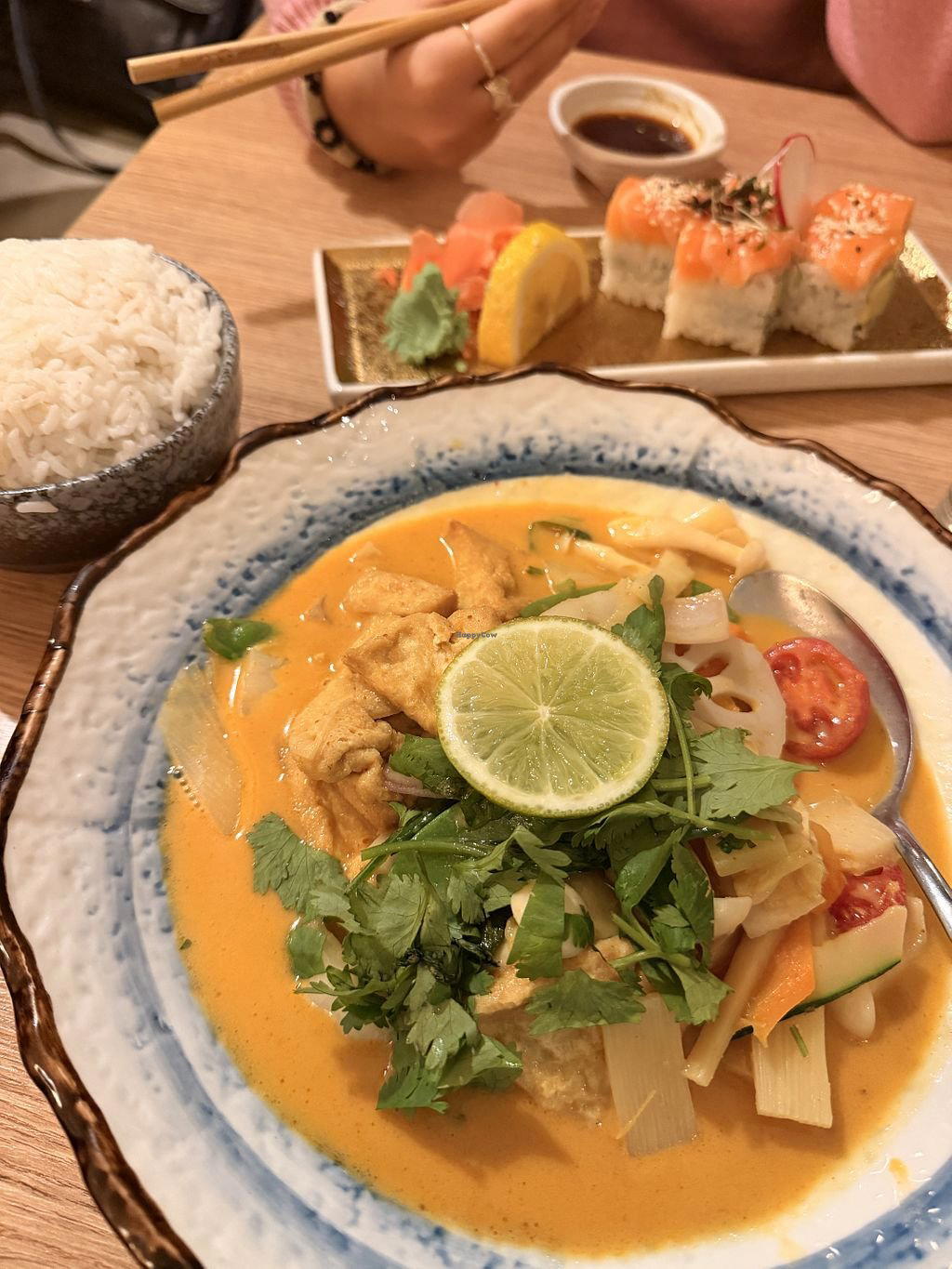
Praterstraße and the Affordable Asian Dining Tier
Vienna's 2nd district, the Leopoldstadt, has spent the past decade shifting from its historically working-class and market-oriented character toward something more mixed: independent coffee shops, natural wine bars, and a growing spread of casual international kitchens now occupy stretches of Praterstraße alongside older neighbourhood stalwarts. Coconut Curry, at number 53, sits in this middle layer of the district's food scene, where price accessibility and regional specificity matter more than tasting-menu ambition. It is a useful marker for understanding how Vienna's affordable dining has expanded beyond Schnitzel and Gulasch into cuisines that were far less visible in the city two decades ago.
That shift is not distinctive to Vienna. Across Central European capitals, a generation of South and Southeast Asian restaurants moved from takeaway-only formats into seated, more considered dining rooms during the 2010s, and a second wave has since begun operating with greater kitchen confidence and sourcing intention. Its address on a street that now sees genuine foot traffic from residents rather than tourists gives it a neighbourhood legitimacy that purely tourist-facing kitchens rarely hold.
The Name as a Menu Signal
A restaurant named Coconut Curry announces its priorities without ambiguity. The coconut-based curry format spans several distinct regional traditions: Thai green and red curries built on fresh chilli pastes and lemongrass, South Indian preparations where coconut milk tempers tamarind and mustard seed, Sri Lankan curries that layer in pandan and curry leaf, and Singaporean or Malaysian hybrids that reflect centuries of trade-route influence. The name alone does not resolve which tradition anchors the kitchen, but it does position the restaurant in the comfort-forward, sauce-led end of the spice-cuisine spectrum, as opposed to the dry-heat or fermented-paste traditions that tend to attract a narrower audience.
In Vienna's context, that positioning matters. The city's fine-dining rooms, from Steirereck im Stadtpark to Amador and Konstantin Filippou, operate in the €€€€ bracket with tasting menus that run to dozens of courses and multi-hour sittings. Mraz & Sohn and Doubek fill adjacent creative niches. None of these address the appetite for coconut-forward Asian cooking. Coconut Curry operates in a space those restaurants have no interest in occupying, which gives it a practical relevance that is structural rather than accidental.
How the Casual Asian Dining Format Has Evolved
The editorial angle worth tracking here is not the restaurant itself but the format it represents and how that format has changed. A decade ago, the default model for South or Southeast Asian restaurants in mid-sized European cities was high turnover, low margin, and limited menu investment. Dishes arrived quickly, portions were generous, and the cooking was reliable if rarely distinctive. The competitive pressure came from other kitchens in the same ethnic category, not from European or fine-dining establishments.
That model has been quietly renegotiated. Kitchens in this tier have begun paying closer attention to paste quality, spice sourcing, and coconut product selection, distinctions that are invisible on a menu but detectable on the plate. The leading versions of this evolution are happening in cities with larger South and Southeast Asian diaspora populations that sustain supplier relationships and hold kitchens to a higher regional standard. Vienna's diaspora communities are smaller than those in London or Amsterdam, which means the pressure to authenticity is lower but also that the ceiling for what a kitchen can achieve is partly set by ingredient access.
Austria's broader restaurant scene illustrates the range of ambition possible across price points. Regional destination kitchens like Döllerer in Golling an der Salzach, Obauer in Werfen, and Landhaus Bacher in Mautern an der Donau anchor their identities in Austrian produce and regional technique. At the other end of the geographic and format spectrum, places like Ois in Neufelden, Gourmetrestaurant Tannenhof in Sankt Anton am Arlberg, Stüva in Ischgl, Kräuterreich by Vitus Winkler in Sankt Veit im Pongau, Schwarzer Adler in Hall in Tirol, Restaurant 141 by Joachim Jaud in Mieming, and Taubenkobel in Schützen am Gebirge show how ambition distributes across the country's towns and alpine villages. The restaurant belongs to none of these traditions, which is precisely the point: it represents a different chapter in how Vienna eats.
Internationally, the arc from casual to considered Asian cooking has produced genuinely significant kitchens. The progression that saw American cities develop serious Thai and Indian dining programs, culminating in restaurants that compete on the same critical terms as French or Japanese fine dining, is documented at institutions as different as Le Bernardin in New York City and format innovators like Lazy Bear in San Francisco. Vienna's version of that story is still early, which means the restaurants currently occupying the affordable Asian tier will either evolve with the market or be replaced by kitchens that push further.
Planning Your Visit
The restaurant is located at Praterstraße 53 in Vienna's 2nd district, reachable from the city centre in under fifteen minutes by U-Bahn or on foot across the Danube Canal. The address places it in a walkable stretch of Leopoldstadt with several other independent restaurants nearby. Open Monday through Friday and Sunday from 11 AM to 11 PM, closed Saturday; reservations are recommended, and the price point is about $20 per person.
| Venue | Cuisine Tier | Price Range | Booking Needed |
|---|---|---|---|
| The restaurant | Casual / neighbourhood | $20 per person | Likely walk-in friendly |
| Steirereck im Stadtpark | Fine dining / creative Austrian | €€€€ | Weeks to months ahead |
| Konstantin Filippou | Fine dining / modern European | €€€€ | Weeks ahead |
| Mraz & Sohn | Fine dining / modern Austrian | €€€€ | Weeks ahead |
Awards and Standing
Comparable venues nearby, for context on price, style, and recognition.
| Venue | Cuisine | Price | Notes |
|---|---|---|---|
| Coconut CurryThis venue — the venue you are viewing | Asian Fusion (Thai, Sushi, Vietnamese) | $$ | Not listed |
| Thailanna | Authentic Thai | $$ | Stadlau |
| Mamamon Thai Eatery | Authentic Home-Style Thai | $$ | Josefstadt |
| Café Ansari | Georgian-Mediterranean Fusion | $$ | Praterstern Wien Nord |
| Schönscharf | Authentic Thai Curries | $ | Innere Stadt |
| Donnersmarkt | Modern Austrian Alpine Plant-Forward | $$ | Staatsoper |
Continue exploring
More in Vienna
Restaurants in Vienna
Browse all →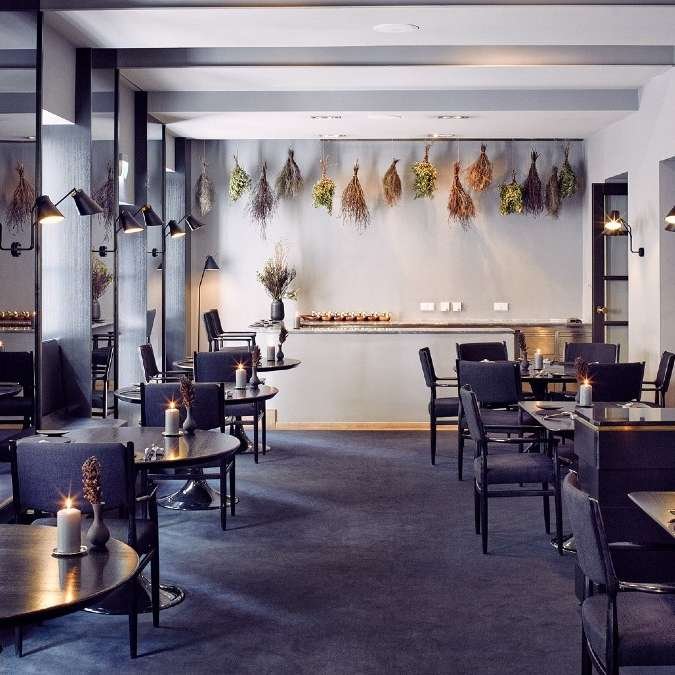

Bars in Vienna
Browse all →
Hotels in Vienna
Browse all →


At a Glance
- Lively
- Trendy
- Casual Hangout
- Group Dining
- Open Kitchen
- Beer Program
Current opening hours
- Monday
- 11 AM–11 PM
- Tuesday
- 11 AM–11 PM
- Wednesday
- 11 AM–11 PM
- Thursday
- 11 AM–11 PM
- Friday
- 11 AM–11 PM
- Saturday
- Closed
- Sunday
- 11 AM–11 PM
Hours can change for holidays and private events. Last verified .
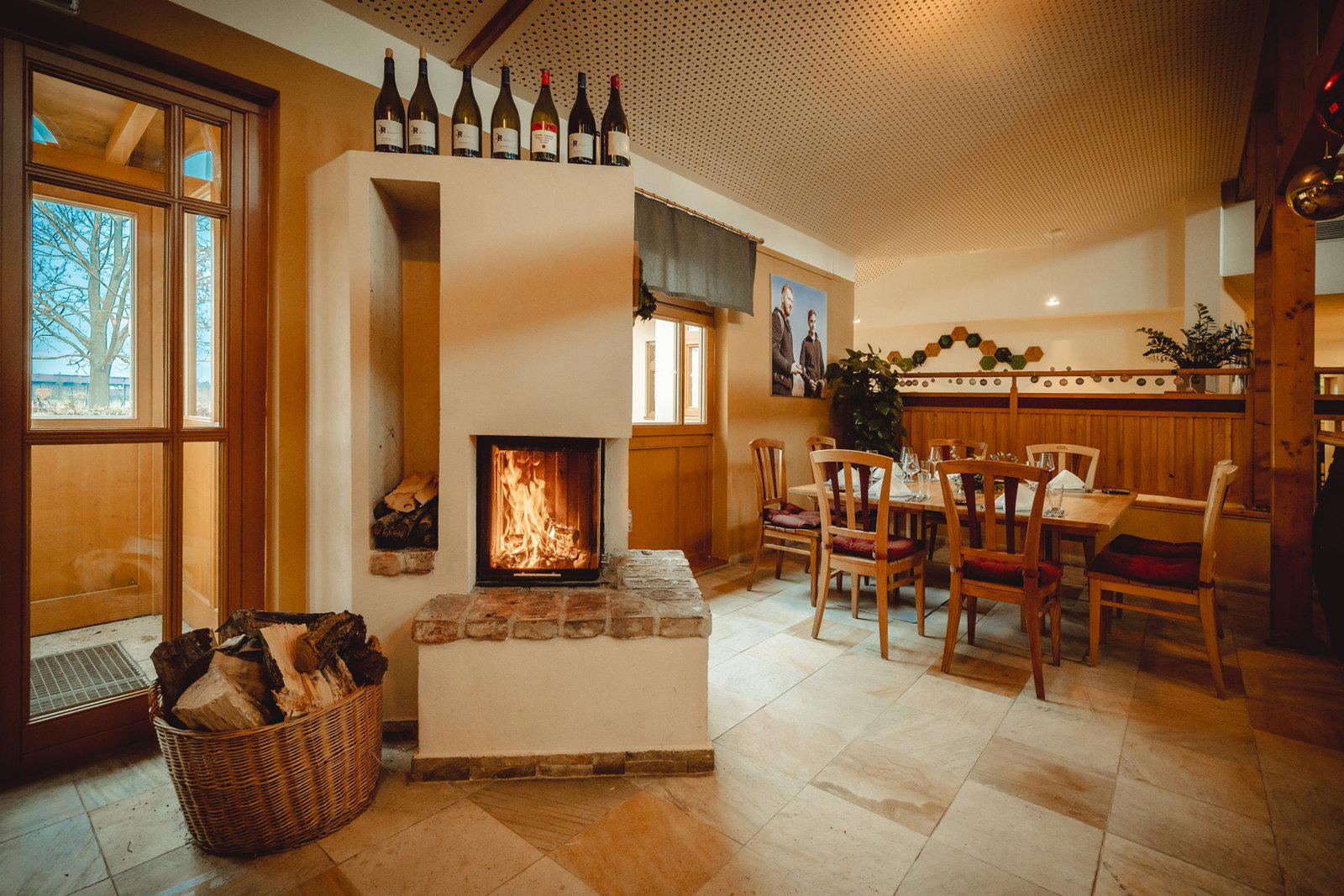
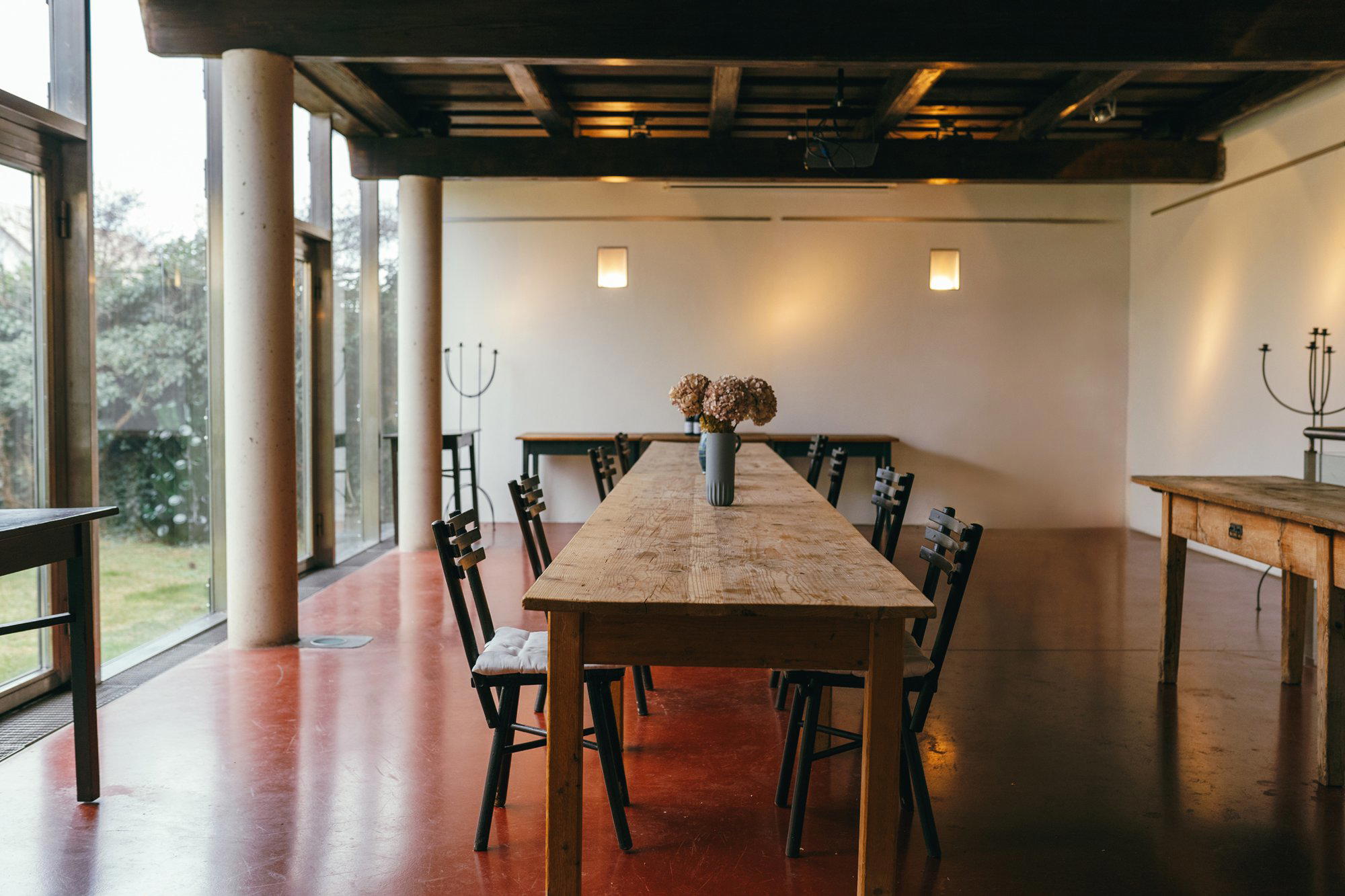
Buzzy and friendly with open kitchen hustle, popular and often crowded.