On Rue Saint-Marc in Paris's 2nd arrondissement, Cocoricains occupies a corner of the city where the old brasserie tradition and a newer, more relaxed Parisian dining sensibility meet. The address sits close to the Grands Boulevards, a neighbourhood that has quietly accumulated a range of serious casual tables alongside its theatre crowds. An address worth tracking for anyone building a considered Paris itinerary.
Pearl is the En Primeur Club membership app — saves, bookings, and concierge access live there. Same editors, same standards.
- Address
- 6 Rue Saint-Marc, 75002 Paris, France
- Phone
- +33974641369
- Website
- cocoricains.com
- Directions
- Get directions
 Saves & bookings on Pearl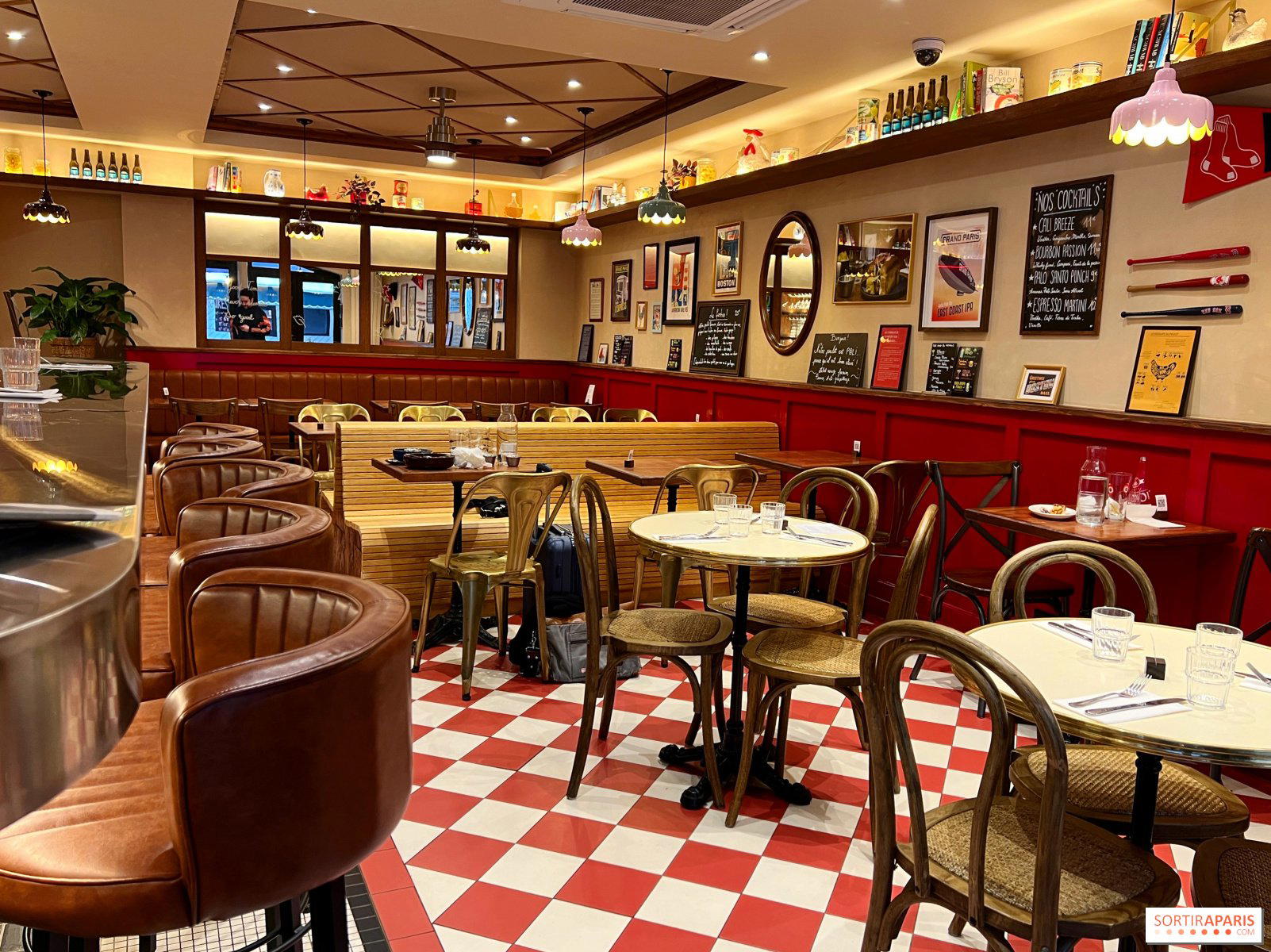
Where the Grands Boulevards Slow Down
Paris's 2nd arrondissement has never been the city's most celebrated dining district. The Grands Boulevards draw theatre-goers, tourists, and office workers in roughly equal measure, and the restaurants that serve them have historically ranged from reliable brasseries to unremarkable tourist traps. What has shifted in recent years is the arrival of a different kind of table in this neighbourhood: smaller, less formal, and more focused on what is actually on the plate than on the grandeur of the room. Cocoricains, at 6 Rue Saint-Marc, sits within that pattern. The address alone tells part of the story: a quiet street just off the Boulevard Montmartre, close enough to the theatre crowds to benefit from their energy but set back enough to feel like a deliberate choice rather than a default option.
For a broader map of where this address fits within Paris's full range of serious tables, from the three-star formality of L'Ambroisie (French, Classic Cuisine) to the creative ambition of Alléno Paris au Pavillon Ledoyen (Creative), see our full Paris restaurants guide.
The Ritual of the Parisian Casual Meal
French dining culture has long distinguished between the grande table and the table ordinaire, but that binary has grown more complicated. The meal that matters in contemporary Paris is often neither: it is a middle register that takes cooking seriously without enforcing a dress code or a three-hour commitment. This is the tradition Cocoricains inhabits, and understanding that register is the first step to reading the experience correctly.
At this kind of address, the ritual is not the procession of courses that defines a tasting menu at Kei (Contemporary French, Modern Cuisine) or the tableside theatre you find at Le Cinq - Four Seasons Hôtel George V (French, Modern Cuisine). Instead, the rhythm is set by the menu's structure: a few starters, a handful of mains, a selection of desserts, and a wine list that rewards attention without requiring expertise. The pacing is largely in the hands of the diner. You can linger over a carafe and a first course for half an hour, or move efficiently through a two-course lunch. Neither is wrong. That flexibility is, in its way, a form of hospitality that the grander rooms in the city cannot offer.
The neighbourhood context reinforces this. The 2nd arrondissement, unlike the 6th or the 8th, does not carry the weight of expectation. There are no celebrated three-star addresses within a short walk to create a competitive pressure. Tables like Cocoricains operate in a less scrutinised environment, which can be either a liability or a freedom, depending on what the kitchen does with it.
The Address in Context
Rue Saint-Marc is a short street, and its character is shaped by proximity to several distinct Parisian micro-environments: the covered passages of the Vivienne and Colbert galleries to the west, the financial district around the Bourse to the north, and the denser tourist corridor of the Grands Boulevards a block south. This mixture of foot traffic produces a dining room that, on any given evening, might contain a post-theatre couple, a group of local office workers extending a lunch, and a pair of visitors working through a neighbourhood recommendation. The room holds that diversity without strain, which is itself a kind of design achievement in a city where restaurants often signal quite precisely who they are for.
For comparison, the grandes maisons outside Paris that define the upper register of French dining heritage, such as Troisgros - Le Bois sans Feuilles in Ouches, Paul Bocuse - L'Auberge du Pont de Collonges in Collonges-au-Mont-d'Or, and Auberge de l'Ill in Illhaeusern, each carry a different kind of ritual gravity. The meal there is an event structured around the institution itself. What a neighbourhood address in the 2nd offers is the inverse: the cooking is the reason to come, and everything else is kept out of the way.
How This Compares to the Broader French Table
The tradition of the serious neighbourhood restaurant is well established across provincial France. Addresses like Bras in Laguiole, Flocons de Sel in Megève, and Les Prés d'Eugénie - Michel Guérard in Eugénie-les-Bains have built their reputations around place and produce as much as around formal technique. In Paris, that tradition has historically been harder to sustain: rents are higher, the competitive pressure from starred restaurants is more visible, and diners often arrive with a clearer sense of hierarchy. The casual but serious table has to work against the assumption that the leading meal in Paris must also be especially expensive or the decorated.
What has shifted is a broader willingness among Parisian diners to separate quality from formality. The same shift has played out in other cities, including New York, where a table like Le Bernardin in New York City represents one pole of French-influenced precision, and more relaxed formats occupy an increasingly credible middle ground. Lazy Bear in San Francisco represents yet another model, where the communal format itself becomes part of the proposition. The neighbourhood table in Paris sits apart from both: it is neither a tasting-menu event nor a shared-format experiment, but a quiet argument that the leading version of a meal is often the one you can repeat without planning months in advance.
Planning Your Visit
Cocoricains is located at 6 Rue Saint-Marc in the 2nd arrondissement, close to the Bourse and Grands Boulevards Métro stations. The address is walkable from the covered passages of the Palais-Royal district and within easy reach of the Marais. Given the neighbourhood's theatre and evening traffic, arriving early in service tends to produce a more relaxed experience. For other addresses that round out the upper end of Paris dining, Arpège (Creative), Georges Blanc in Vonnas, La Table du Castellet in Le Castellet, Auberge du Vieux Puits in Fontjoncouse, and Mirazur in Menton each represent different points on the spectrum from neighbourhood seriousness to destination formality.
Continue exploring
More in Paris
Restaurants in Paris
Browse all →
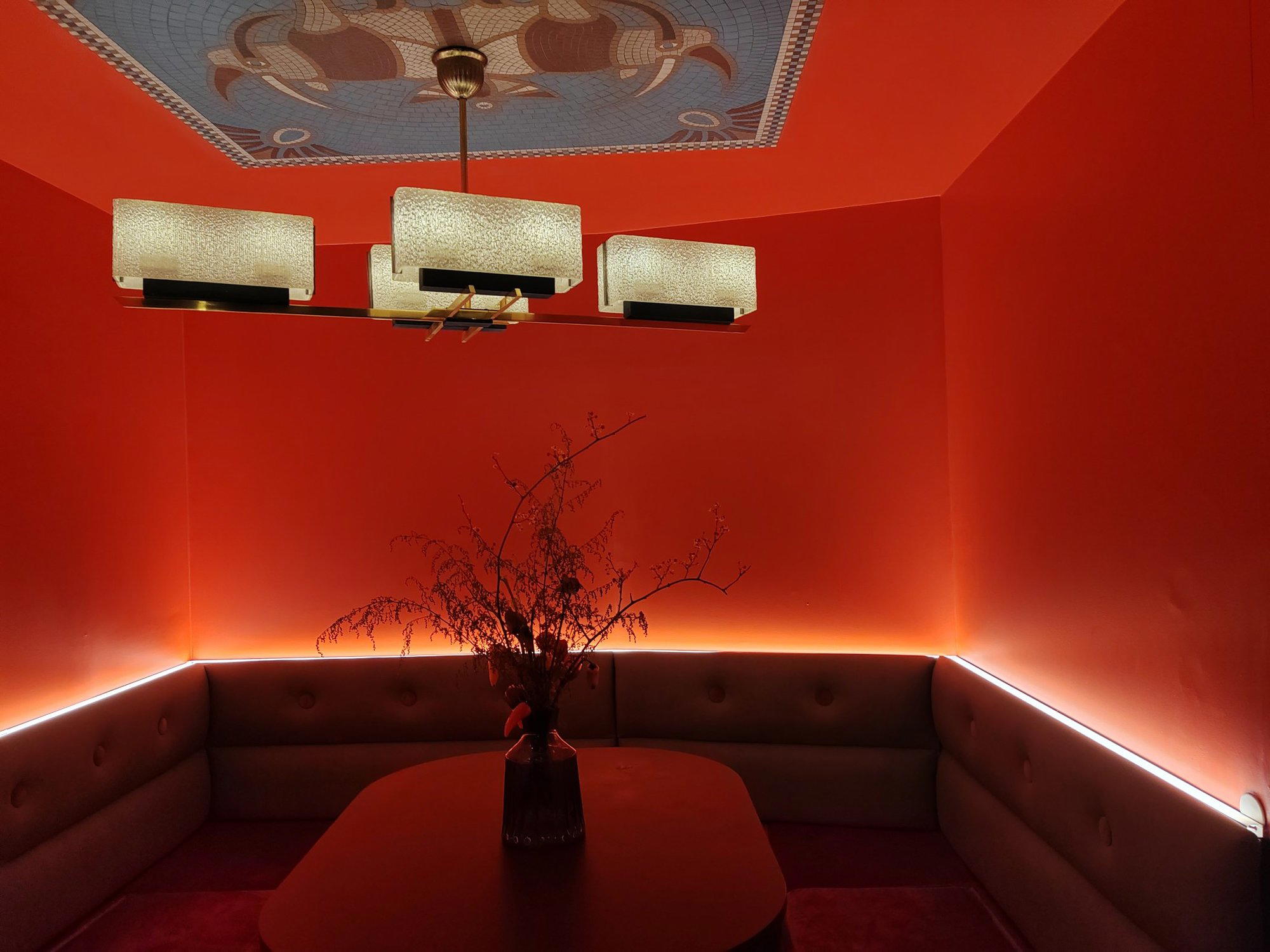
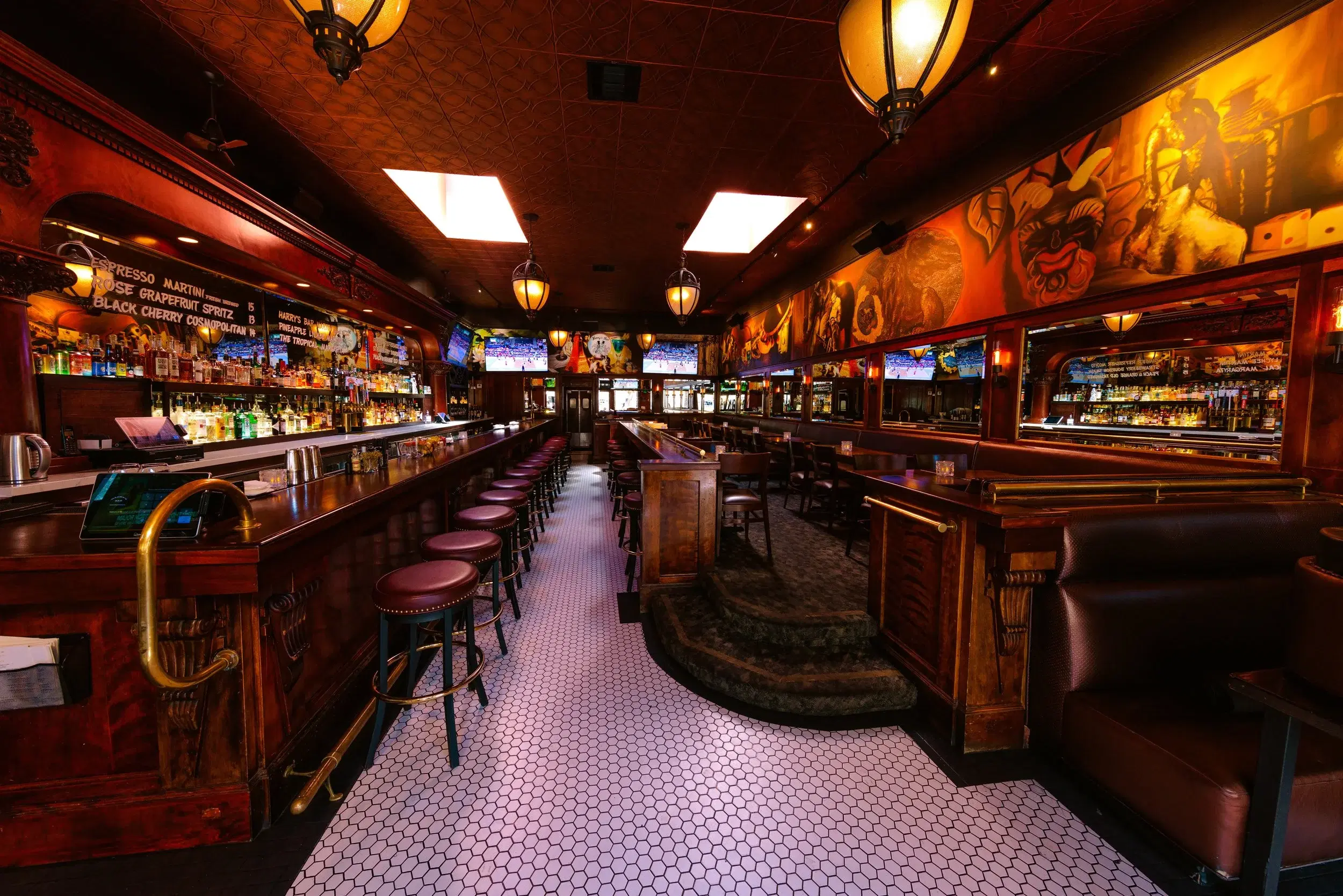
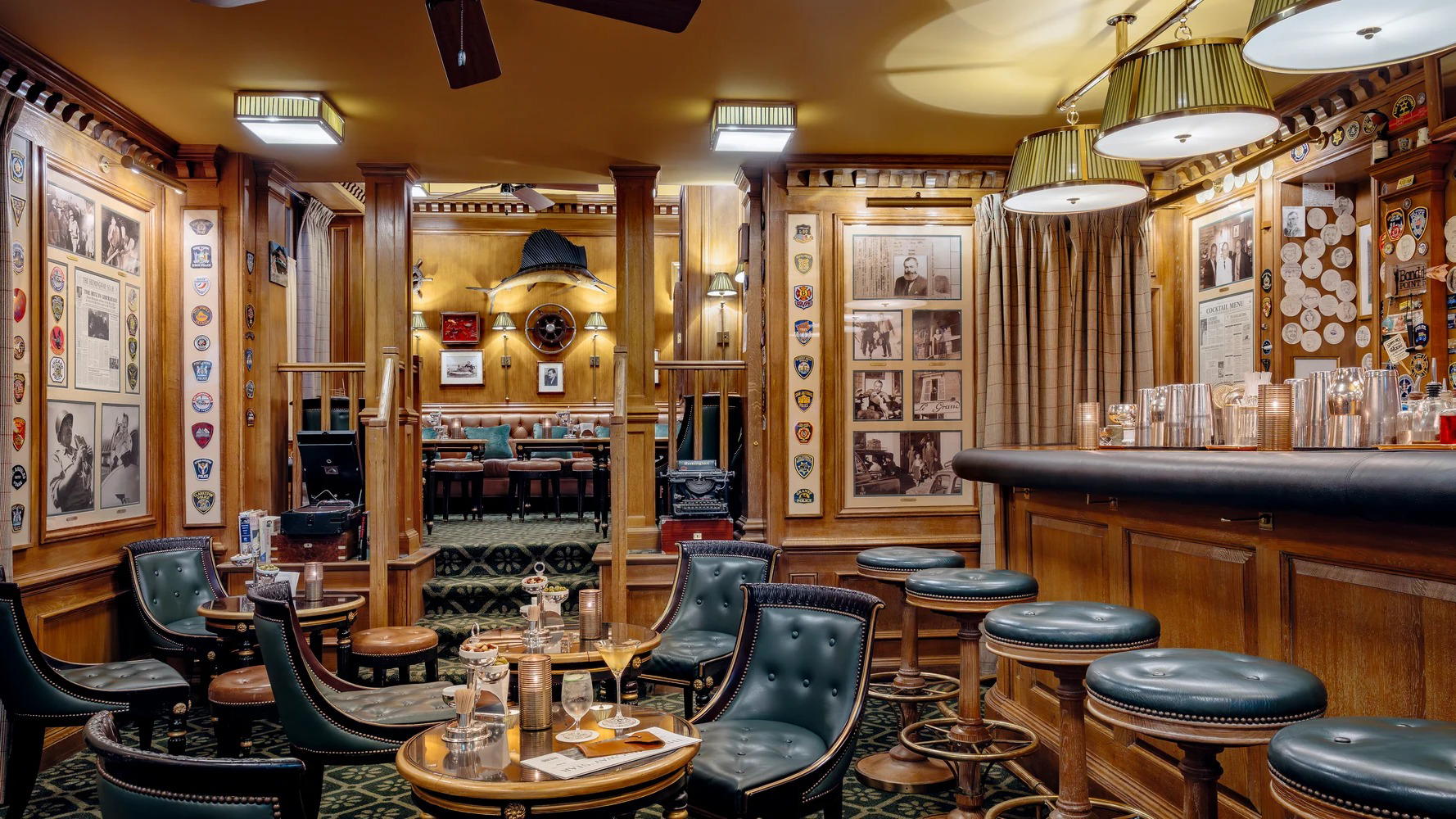
Bars in Paris
Browse all →
Hotels in Paris
Browse all →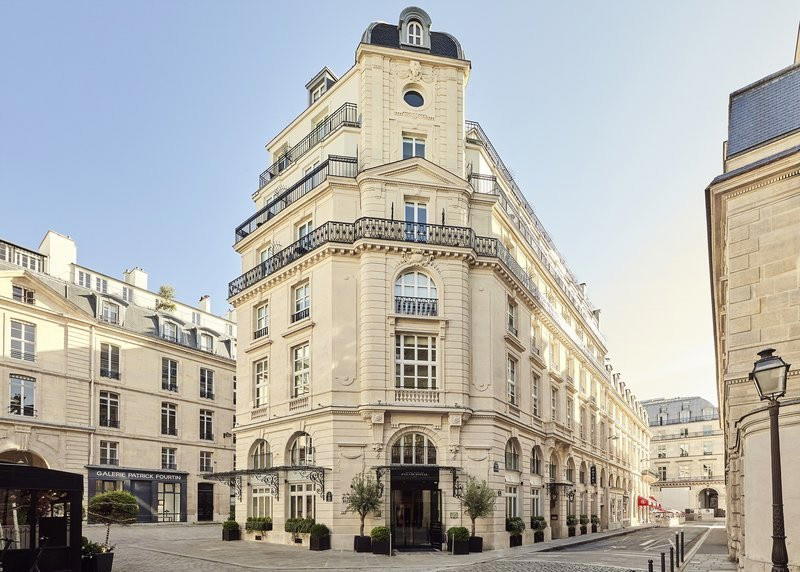



At a Glance
- Cozy
- Lively
- Classic
- Group Dining
- Casual Hangout
- Brunch
- Open Kitchen
- Local Sourcing
Current opening hours
- Monday
- 12–3 PM
- Tuesday
- 12–3 PM
- Wednesday
- 12–3 PM
- Thursday
- 12–3 PM
- Friday
- 12–3 PM
- Saturday
- Closed
- Sunday
- Closed
Hours can change for holidays and private events. Last verified .
Chaleureuse and convivial atmosphere blending Parisian bistro elegance with nostalgic American diner friendliness.