Coda Restaurant
Situated within the Royal Albert Hall in South Kensington, Coda Restaurant occupies one of London's most architecturally commanding settings. The venue draws a loyal crowd for whom the Victorian concert hall's curved galleries and red-brick grandeur are as much the point as the food. For the South Kensington dining scene, it represents a particular kind of occasion eating, where address and atmosphere carry as much weight as the plate.
Pearl is the En Primeur Club membership app — saves, bookings, and concierge access live there. Same editors, same standards.
- Address
- Royal Albert Hall, Kensington Gore, South Kensington, London SW7 2AP, United Kingdom
- Phone
- +442075898212
- Website
- royalalberthall.com
- Directions
- Get directions
 Saves & bookings on Pearl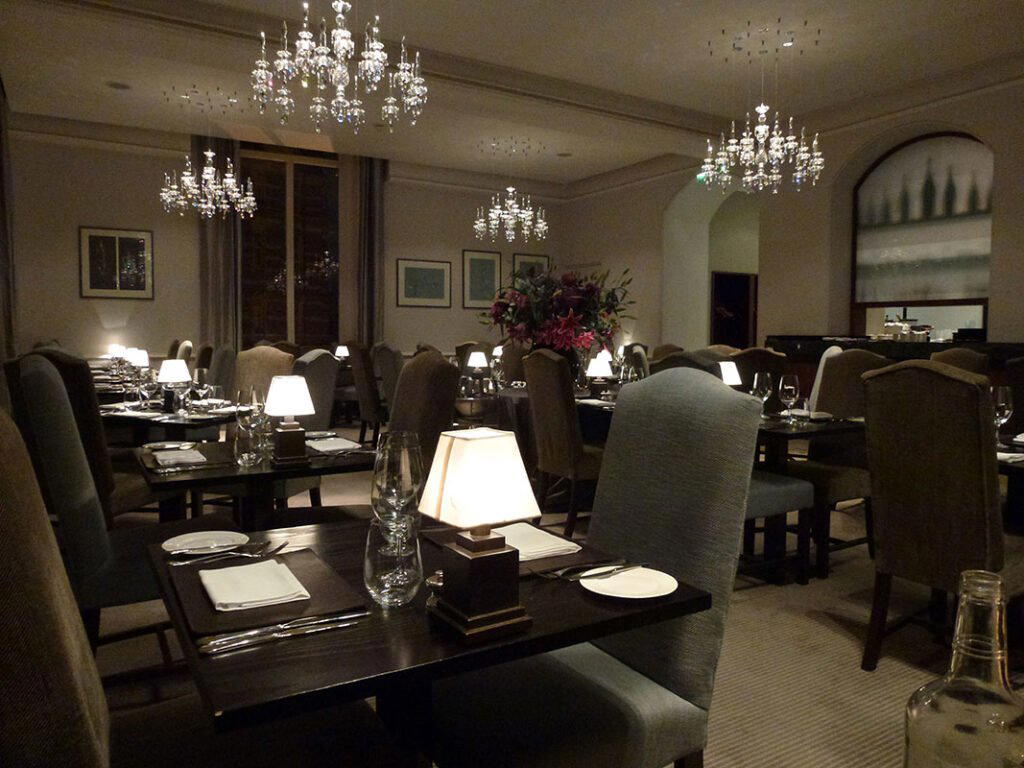
Dining Inside a Monument: South Kensington's Concert Hall Table
There are restaurants where the room explains the meal, and Coda Restaurant is particularly literal example London has to offer. Coda Restaurant sits within one of the city's most recognisable Victorian structures, a building whose curved red-brick exterior and terracotta frieze have framed South Kensington since 1871. Arriving here is not the same experience as walking into a freestanding dining room. The building's scale and cultural weight arrive before the menu does, and for the regulars who return to this address, that is precisely the point.
South Kensington as a dining district occupies an unusual position. Anchored by three of the world's major museum collections within a short walk, the neighbourhood attracts a crowd that treats eating as an extension of the day's programme rather than its centrepiece. Pre- and post-concert dining here is not incidental. It is a format in its own right, one that rewards restaurants able to match the pace and mood of their neighbours on the programme. Coda sits squarely in that format, calibrated for audiences attending performances in the hall itself.
What the Regulars Come Back For
In venues attached to performance spaces, the transient audience tends to dominate, but the more interesting question is always about the local loyalists. At Coda, the returning diner is typically someone for whom the Royal Albert Hall is already part of a seasonal rhythm, concert subscribers and South Kensington residents who have worked out the logistics of making the restaurant part of a larger ritual rather than a one-off occasion. That kind of repeat behaviour shapes a room differently from tourist traffic. The expectation is reliability and calibration to a specific timeline rather than novelty, and the service format at a venue embedded in a performance institution is necessarily built around those pressures.
While CORE by Clare Smyth and The Ledbury occupy the upper tier of London's destination dining, Coda operates on a different axis, one where institutional setting, cultural programming, and predictable service timing are the primary competitive variables. The closer comparable set is venues like the dining rooms attached to major concert halls or galleries elsewhere in the world, where the architecture does structural work that no kitchen can replicate.
For those who have attended a Proms season or a string of autumn concerts, the pre-performance dinner at Coda becomes as much a part of the evening as the programme notes. There is an unwritten cadence to these meals: arrive with enough time to settle, eat without rushing, and leave with the hall's atmosphere already priming you for what follows. That compression of experience, food, building, and performance, is what keeps people coming back rather than defaulting to the restaurants on Exhibition Road or Cromwell Road.
Setting and Architecture as Editorial Fact
The Royal Albert Hall is among the few buildings in London that require no critical qualification. Opened in 1871 and dedicated to Prince Albert, it has housed performances ranging from the annual BBC Proms to boxing world championship bouts. Its interior, with the famous doughnut-shaped auditorium and the surrounding galleries, creates a spatial environment unlike anything in a purpose-built restaurant strip. Dining inside the building means operating within a Grade I listed structure, which places architectural constraints on how any venue here can configure itself.
That context matters for anyone comparing Coda to London's other high-end occasion restaurants. Dinner by Heston Blumenthal at the Mandarin Oriental occupies the institutional hotel format. Sketch, The Lecture Room and Library in Mayfair works within a Georgian townhouse. Restaurant Gordon Ramsay on Royal Hospital Road is a standalone fine-dining room with no competing ambient programme. Coda's physical context is categorically different from all of them, shaped by a living concert institution rather than by hospitality design alone.
The Broader Occasion Dining Category
Occasion dining attached to cultural institutions has grown as a category across Europe and North America over the past two decades. Venues at the Paris Opéra, Vienna's Musikverein, and New York's Lincoln Center have all invested in dining formats that treat the restaurant as part of the cultural experience rather than a practical necessity. Le Bernardin in New York City and Lazy Bear in San Francisco demonstrate how different cities approach the relationship between highly intentional cooking and a specific audience context. London's version of that category is spread across institutions, but the Royal Albert Hall, with its year-round programme and international name recognition, gives Coda a platform that most venue-attached restaurants in the city do not have.
For those exploring the wider spectrum of British fine dining beyond London, the contrast is instructive. Country house restaurants like Waterside Inn in Bray, L'Enclume in Cartmel, and Moor Hall in Aughton compete on produce, technique, and setting in a quieter register. Regional fine dining at Gidleigh Park in Chagford, Midsummer House in Cambridge, Opheem in Birmingham, Ynyshir Hall in Machynlleth, and Restaurant Andrew Fairlie in Auchterarder each serves a local audience with its own set of expectations. The urban institution-attached format that Coda represents is a distinct sub-category, one that the country house model rarely addresses. Venues like Hand and Flowers in Marlow and hide and fox in Saltwood illustrate how the casual-to-formal spectrum plays out outside the capital, where the relationship between setting and expectation operates differently.
Planning Your Visit
Reputation First
Comparable venues nearby, for context on price, style, and recognition.
| Venue | Cuisine | Price | Notes |
|---|---|---|---|
| Coda RestaurantThis venue — the venue you are viewing | Modern French Fine Dining | $$$$ | Not listed |
| Chez Roux | Classic French Bistro | $$$$ | Marylebone |
| Alex Webb On Park Lane | Modern French with British Ingredients | $$$$ | Mayfair |
| Bob Bob Cite | French Brasserie | $$$$ | Bishopsgate |
| Bonheur | Modern French Fine Dining | $$$$ | Mayfair |
| Orrery | Modern French Fine Dining | $$$$ | Marylebone |
Continue exploring
More in London
Restaurants in London
Browse all →
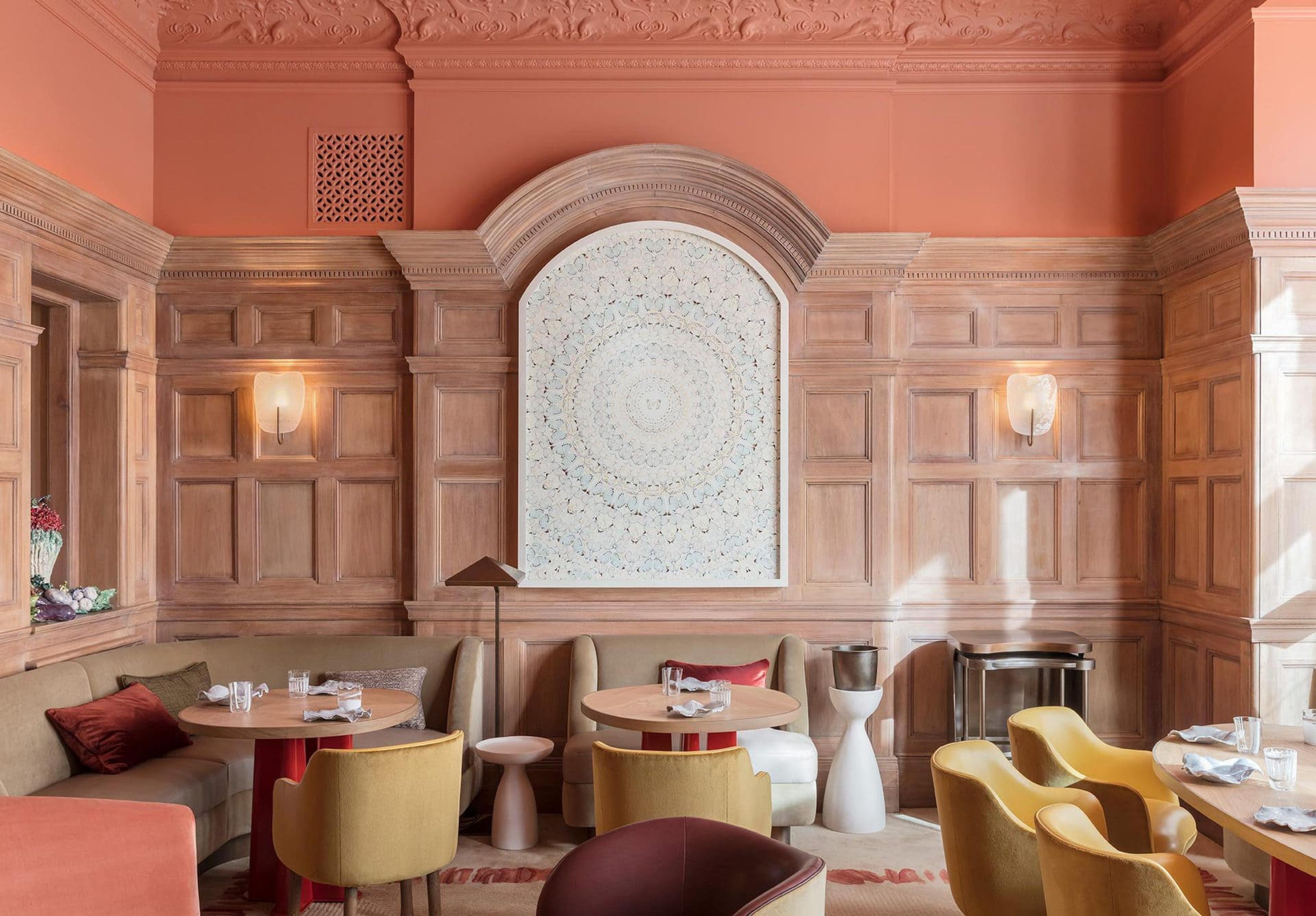
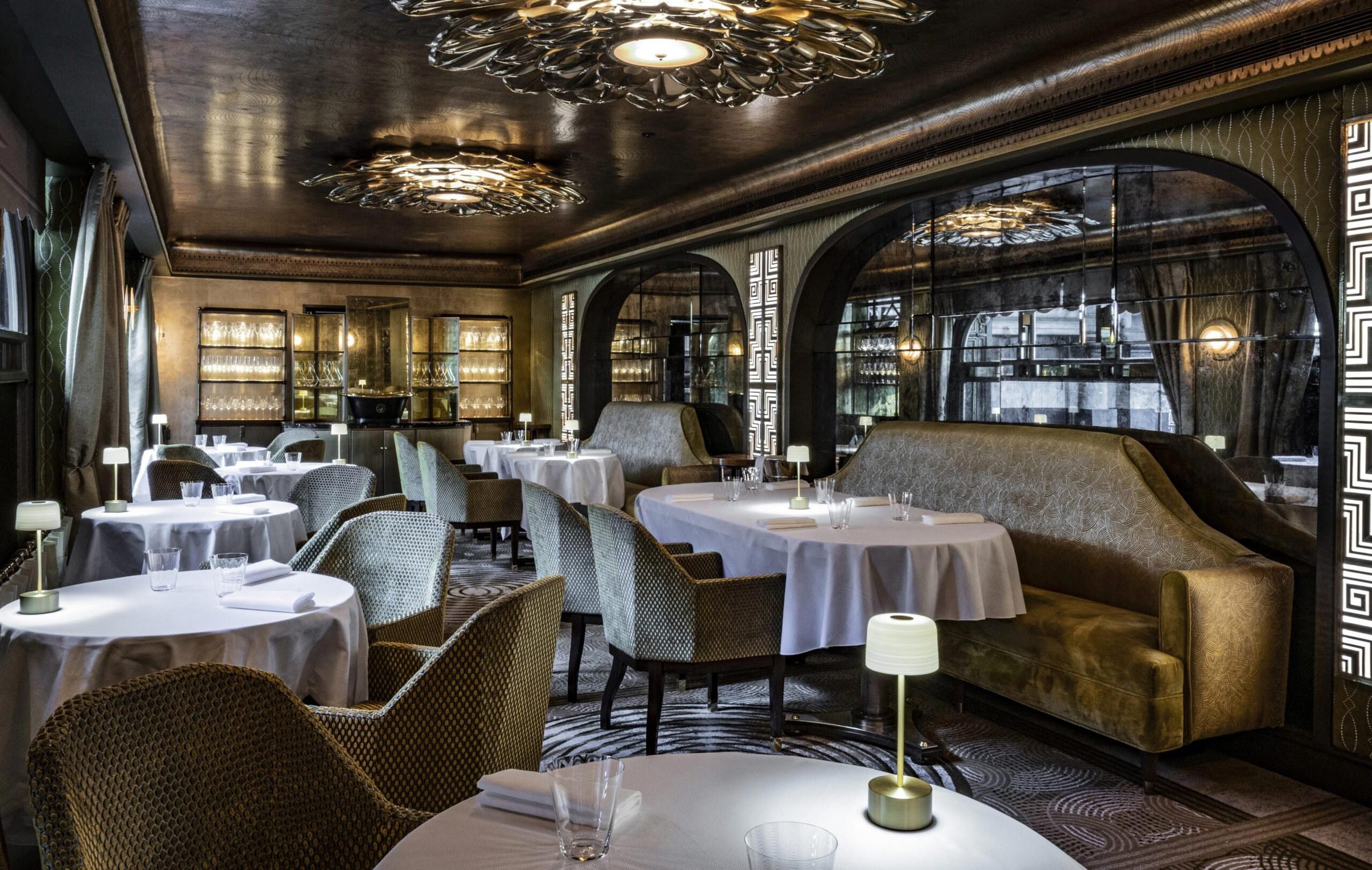
Bars in London
Browse all →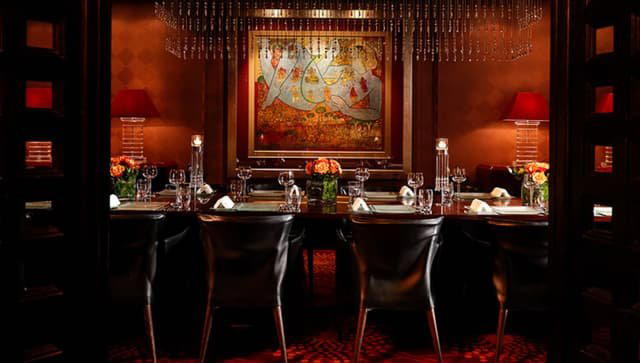
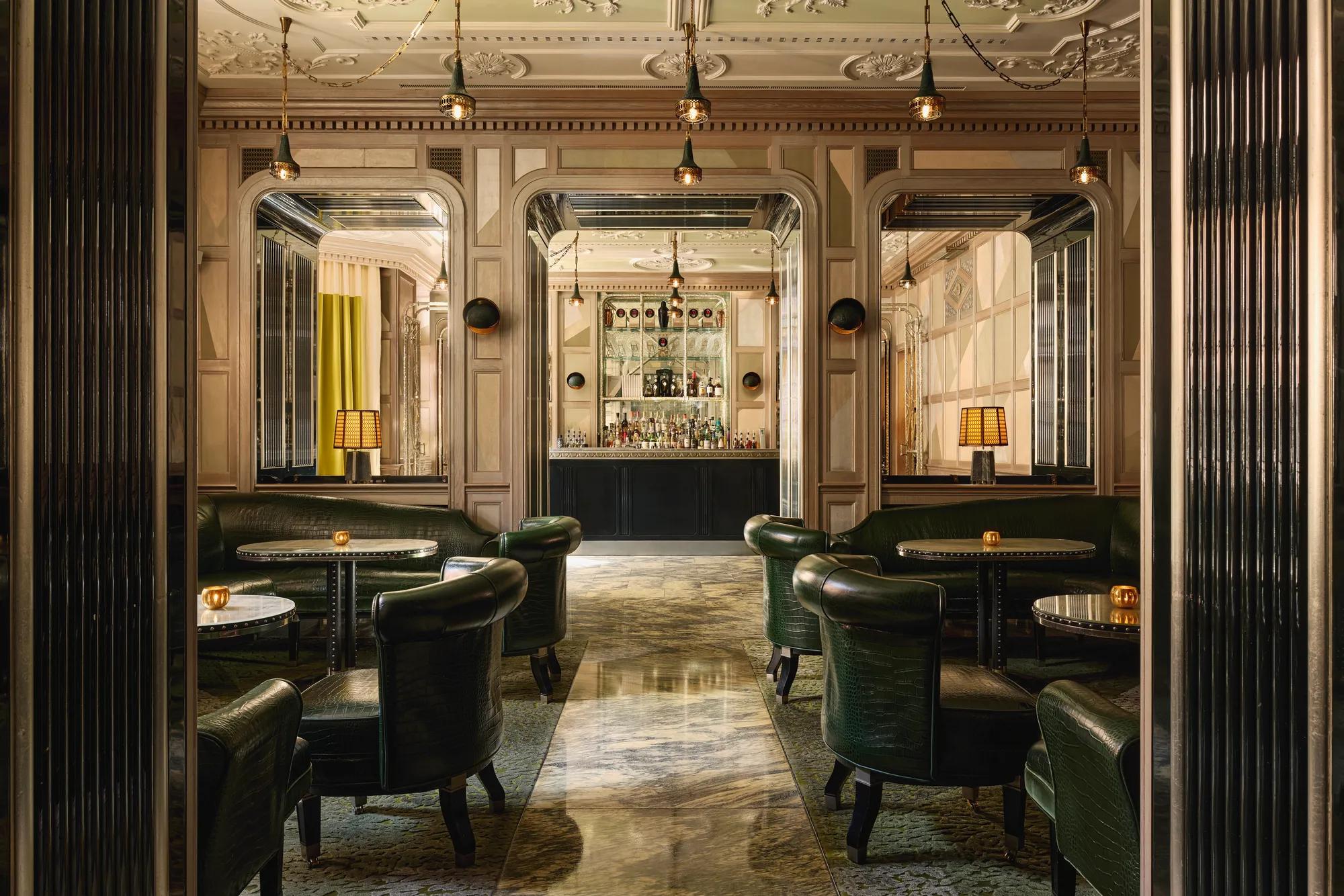
Hotels in London
Browse all →

At a Glance
- Elegant
- Sophisticated
- Modern
- Intimate
- Date Night
- Special Occasion
- Business Dinner
- Hotel Restaurant
- Open Kitchen
Current opening hours
- Monday
- 5–10 PM
- Tuesday
- 5–10 PM
- Wednesday
- 5–10 PM
- Thursday
- 5–10 PM
- Friday
- 5–10 PM
- Saturday
- 5–10 PM
- Sunday
- 5–10 PM
Hours can change for holidays and private events. Last verified .
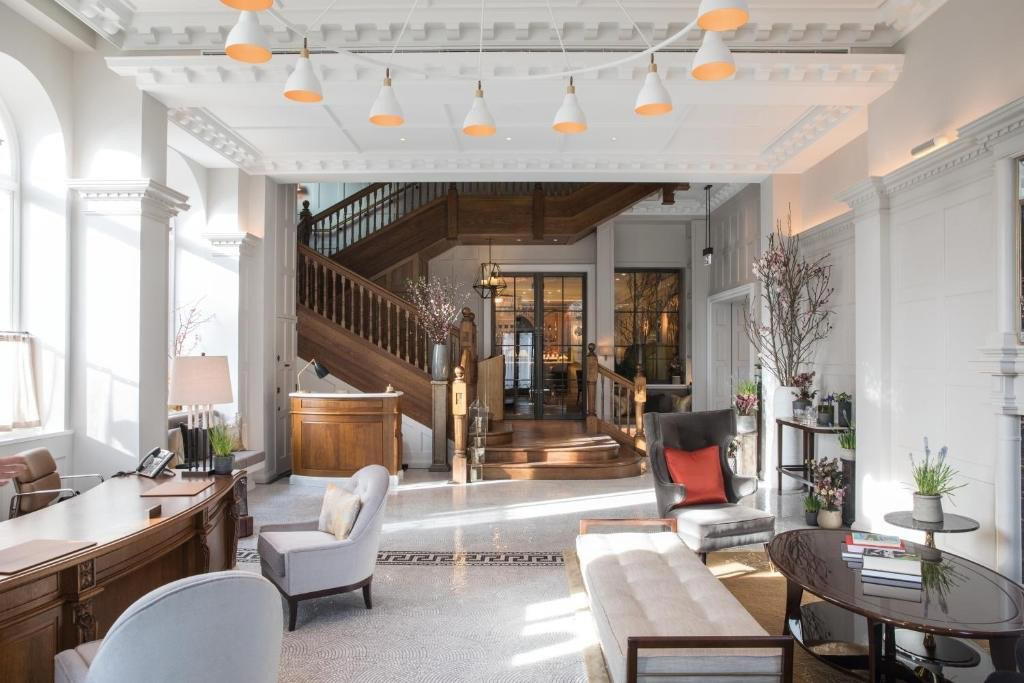
Chic and sophisticated atmosphere with elegant decor highlighted by Swarovski chandeliers, providing a luxurious backdrop enhanced by polished service.