Coco Deck Lahaina
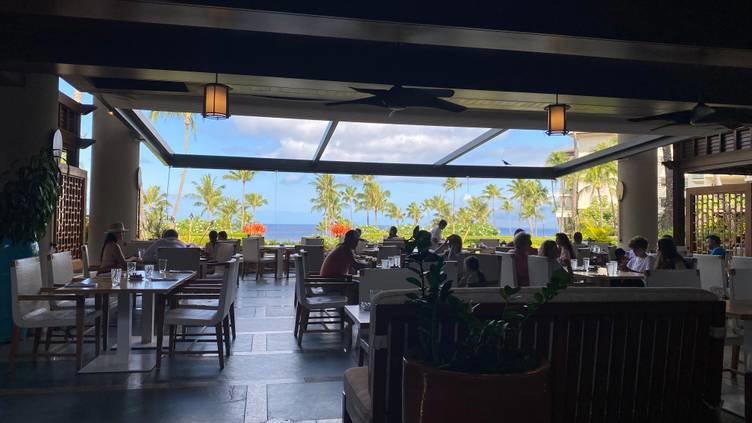
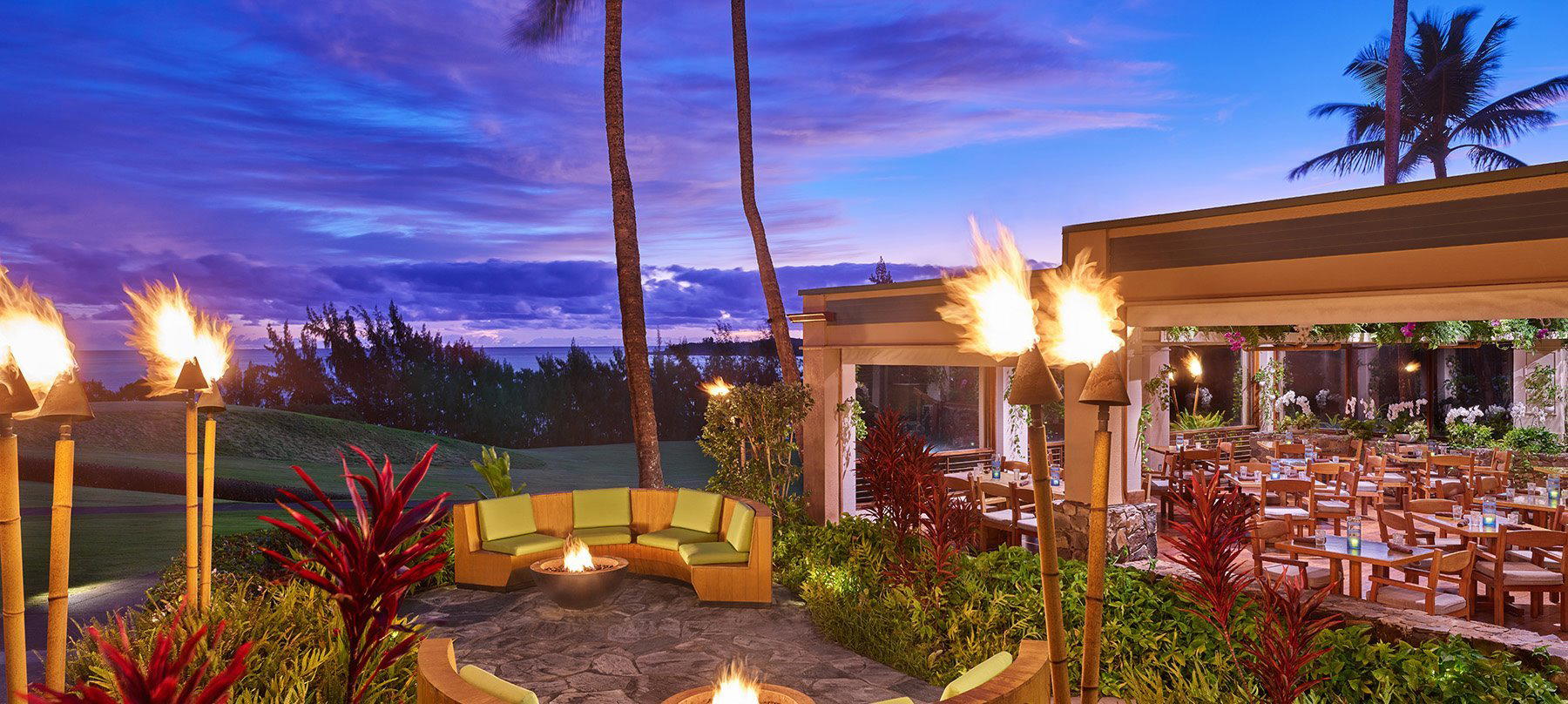
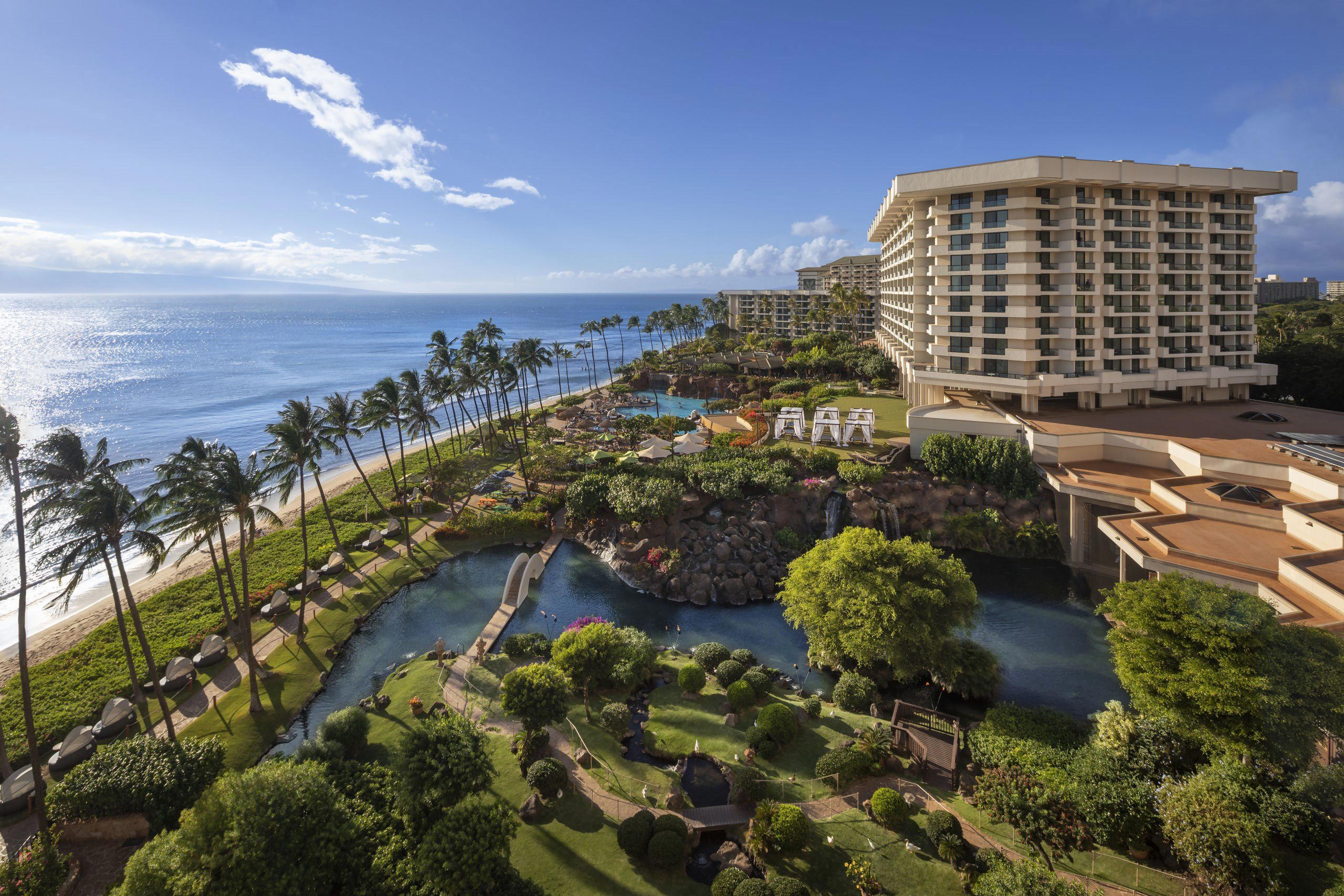
Coco Deck Lahaina sits on Front Street in Lahaina, Maui, where the open-air deck format places it squarely in a West Maui dining tradition built around ocean views and casual-to-mid-range hospitality. It occupies a stretch of coastline that has defined Hawaiian beach dining for decades, drawing both local regulars and visitors working through the full range of Lahaina's waterfront options.
Pearl is the En Primeur Club membership app — saves, bookings, and concierge access live there. Same editors, same standards.
- Address
- 1312 Front St, Lahaina, HI 96761
- Phone
- +18084512778
- Website
- cocodecklahaina.com
- Directions
- Get directions
 Saves & bookings on Pearl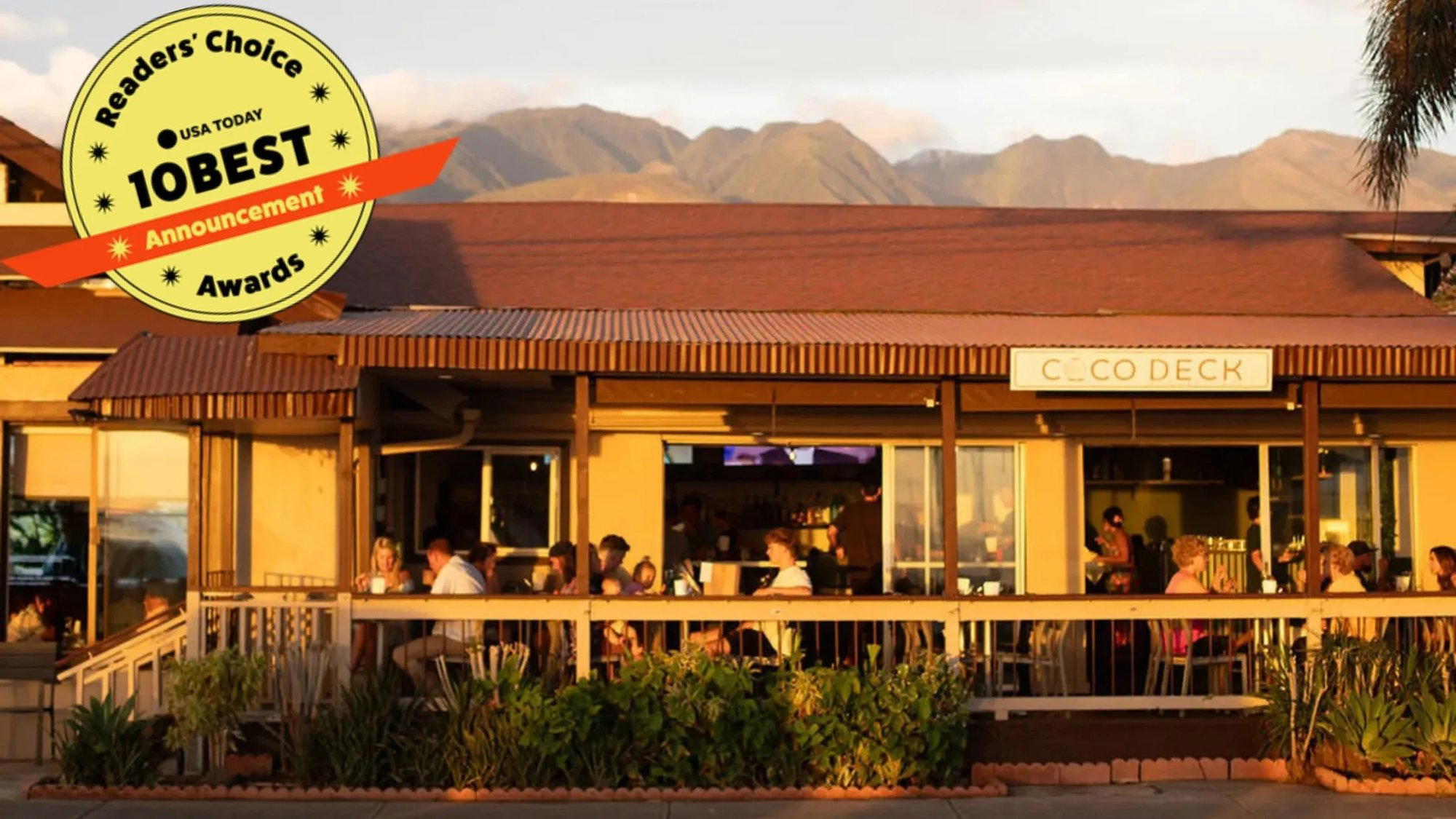
Front Street and the Water's Edge: Where Lahaina's Dining Character Begins
Front Street in Lahaina has long functioned as a kind of index for West Maui's dining culture. The strip runs along the Pacific with enough consistency that the ocean is always present as a backdrop, a breeze, or a noise floor. Restaurants here compete less on cuisine category distinctions and more on how well they translate the waterfront setting into an actual dining experience. Coco Deck Lahaina, at 1312 Front St, occupies this contested but historically anchored stretch of coastline, where the open-air deck format is not a novelty but a baseline expectation.
West Maui's beachfront restaurant tier separates quickly into a few distinct types: the heritage spots that have been part of the Lahaina fabric for twenty or thirty years, the mid-market casual operations built primarily around proximity to water, and the more considered kitchens that use local sourcing and island cuisine traditions to earn a second visit. Coco Deck reads most naturally in the second category, where the setting does significant work and the food and service are the variable that determines whether a guest returns or moves down the strip. For a broader map of how Lahaina's restaurant scene organizes itself, the full Lahaina restaurants guide is the most useful starting point.
The Deck as Dining Format: What Open-Air Service Demands of a Team
Open-air deck dining on a Hawaiian waterfront is not a low-complexity service format. Wind affects temperature, noise levels shift with the time of day, light changes from the hard afternoon glare to the more forgiving hour before sunset, and a kitchen working without full climate control faces a different set of consistency challenges than an enclosed room. The collaboration between kitchen output, floor management, and the physical environment is more exposed here than in a conventional restaurant interior. A dish that lands well in a controlled dining room may need different timing and plating logic when it travels ten seconds across an open-air deck in a salt-air breeze.
This dynamic is what separates the more considered waterfront operations from those coasting on location. At venues where the team has calibrated to the deck format, the front-of-house tends to develop a particular attentiveness to table conditions that indoor service doesn't require: shade positioning, wind-side awareness, the timing of courses relative to the light. Among Lahaina's waterfront set, this kind of service intelligence is the variable most visible to a regular visitor. Comparison venues like Castaway Cafe and Betty's Beach Cafe operate in related territory on the same coastline, and each has developed its own approach to the same environmental constraints.
Lahaina's Hawaiian Dining Tradition: Context Before the Plate
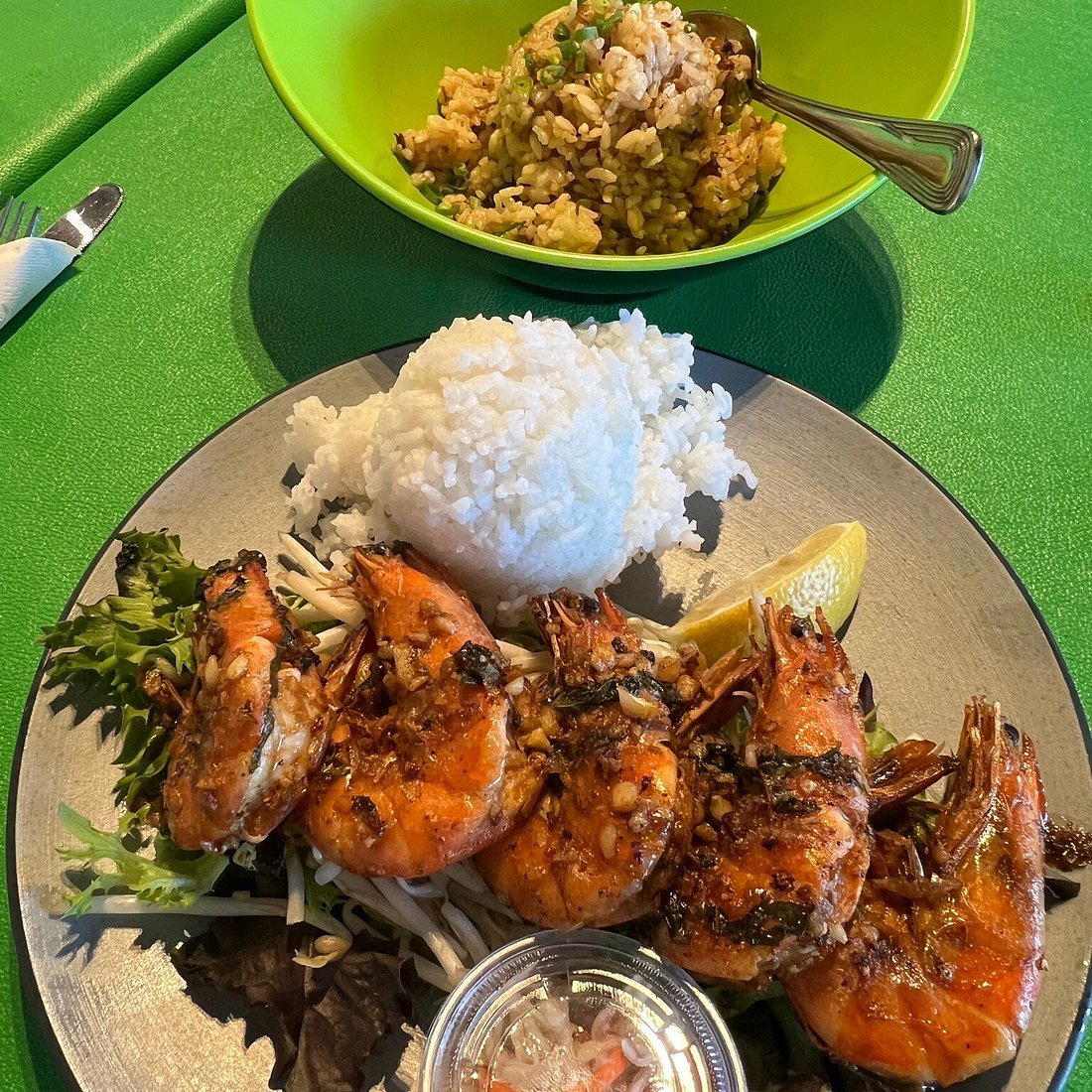
Hawaiian cuisine as served in Lahaina's mid-market tier draws from several overlapping traditions. The plate lunch format, popularized by plantation-era workers and now a signature of local casual dining, coexists with Polynesian-influenced preparations, fresh Pacific catch served in a range of registers, and the newer wave of farm-to-table inflected cooking that has moved through Hawaii's more serious kitchens over the past fifteen years. Venues like Aloha Mixed Plate lean hard into the plate lunch tradition, while Cane & Canoe (Polynesian Fusion) works at a higher price point with more explicit Polynesian sourcing and technique. Star Noodle and Monkeypod Kitchen represent adjacent positions in the local dining ecosystem, each with a different take on how Hawaiian identity translates to a dining format.
Coco Deck operates in the space between heritage casual and aspirational local: a waterfront deck that draws on the relaxed energy of Lahaina's beach dining culture without necessarily committing to the cuisine depth of the island's more ambitious kitchens. This is a legitimate and well-populated position in any coastal resort town. The question a visitor needs to answer is whether they are looking for the setting first and the food second, or whether the inverse is true. For the former, Front Street deck dining is purpose-built. For the latter, venues like Banyan Tree and the more destination-oriented kitchens in the region merit consideration.
Where Coco Deck Sits in the Broader American Coastal Dining Picture
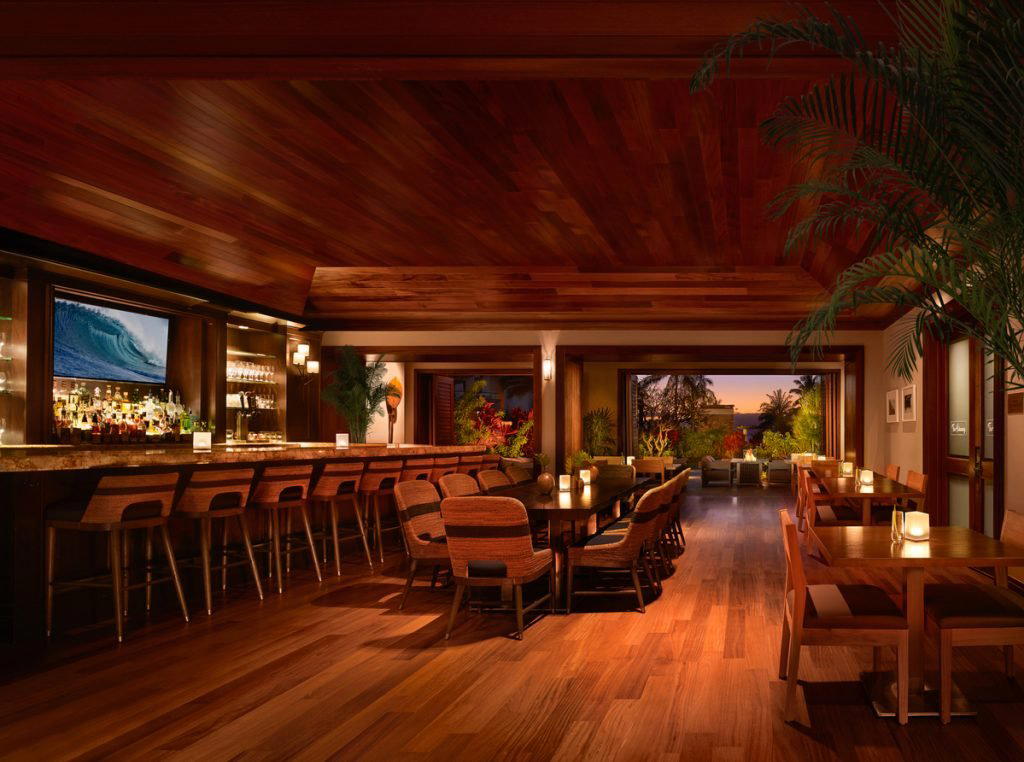
American coastal dining at the casual-to-mid-market level has developed a fairly consistent set of conventions: local seafood as the anchor, a drinks program weighted toward cocktails and cold beer, an open-air or semi-open format when geography allows, and a service culture that reads as approachable rather than formal. The leading versions of this format manage to feel genuinely local rather than generically beachy. Nationally, this tier is well-represented by venues that have built a distinct identity on top of the coastal casual baseline, from Hawaii's own serious-end kitchens to mainland counterparts like Providence in Los Angeles at the refined end, or Emeril's in New Orleans as an example of how a casual-rooted coastal city can develop serious dining gravity over time.
Lahaina's position within this national picture is complicated by the 2023 wildfire, which destroyed significant portions of the town including sections of Front Street. The recovery and rebuilding of Lahaina's dining scene is ongoing, and venues operating in the area now do so in a context that is still being restructured. The community dimension of eating in Lahaina carries more weight than it did before 2023, and visitors who choose to support local businesses along Front Street are participating in a recovery effort, not just a meal.
Planning a Visit: What to Know Before You Go
Coco Deck Lahaina's Front Street address places it on the western waterfront of Maui, accessible from Ka'anapali and the resort corridor to the north, and from the broader Lahaina town area. For visitors comparing across the full West Maui waterfront dining set, timing matters: the late afternoon window before sunset is the most sought-after deck seating period on this coastline, and operations that manage that transition well tend to fill their outdoor capacity by 5:30 or 6pm. Contact and hours should be confirmed directly given the ongoing changes to the area's hospitality infrastructure since 2023. The venue's specific booking arrangements, dress code, and current operational status are leading verified through current local sources.
Visitors who want to work through the full range of Lahaina's waterfront options in a single trip will find the density of Front Street efficient for comparison dining: Castaway Cafe, Betty's Beach Cafe, and Aloha Mixed Plate all operate within a short distance, each representing a slightly different point on the local casual dining spectrum. The full Lahaina restaurants guide maps these relationships in detail and is the most practical resource for planning across multiple meals.
Price Lens
| Venue | Price |
|---|---|
| Coco Deck LahainaThis venue — the venue you are viewing | This venue |
| Yakitori Hachibei | Yakitori |
| Star Noodle | Hawaiian |
| Cane & Canoe | Polynesian Fusion |
| Monkeypod Kitchen | New American |
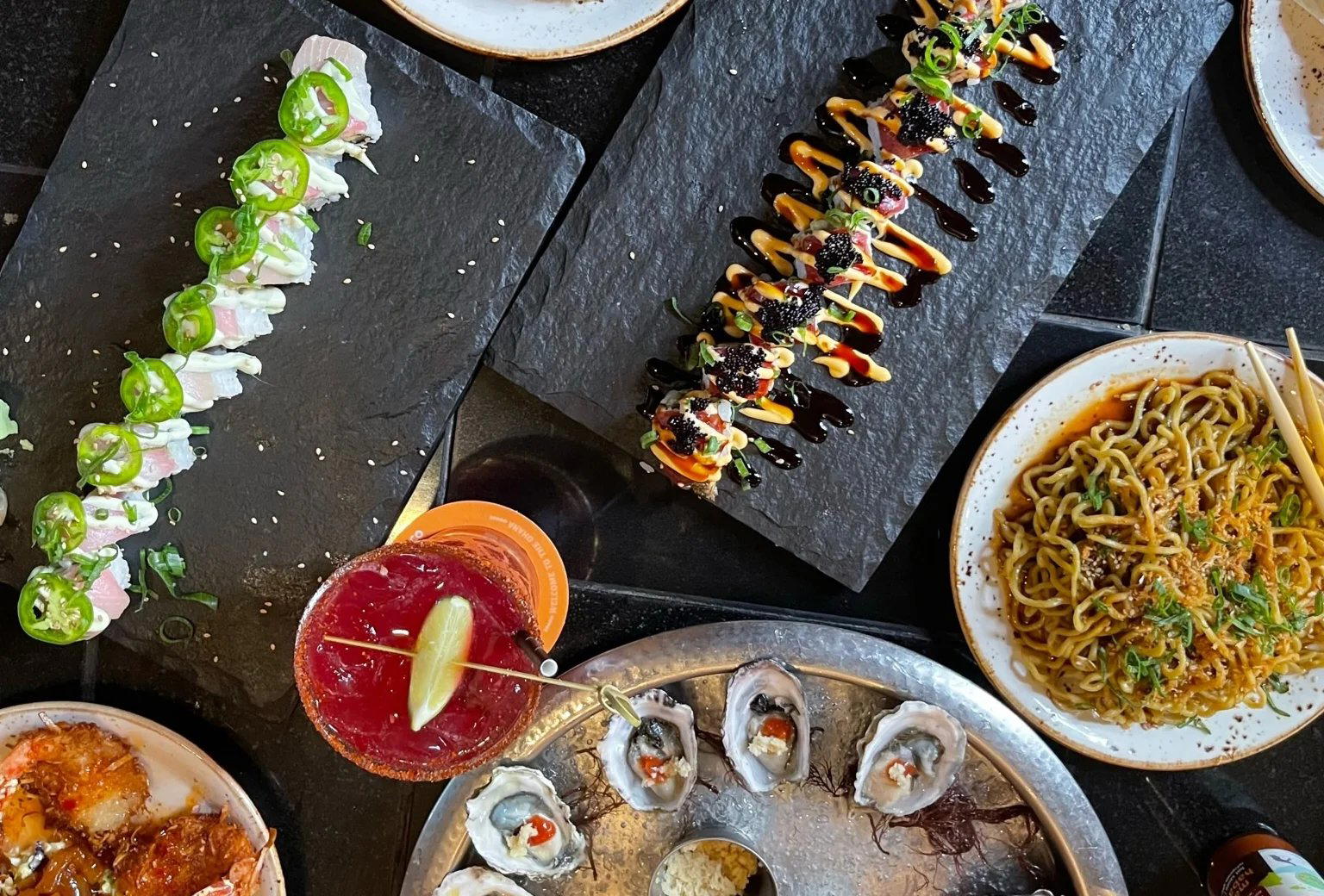
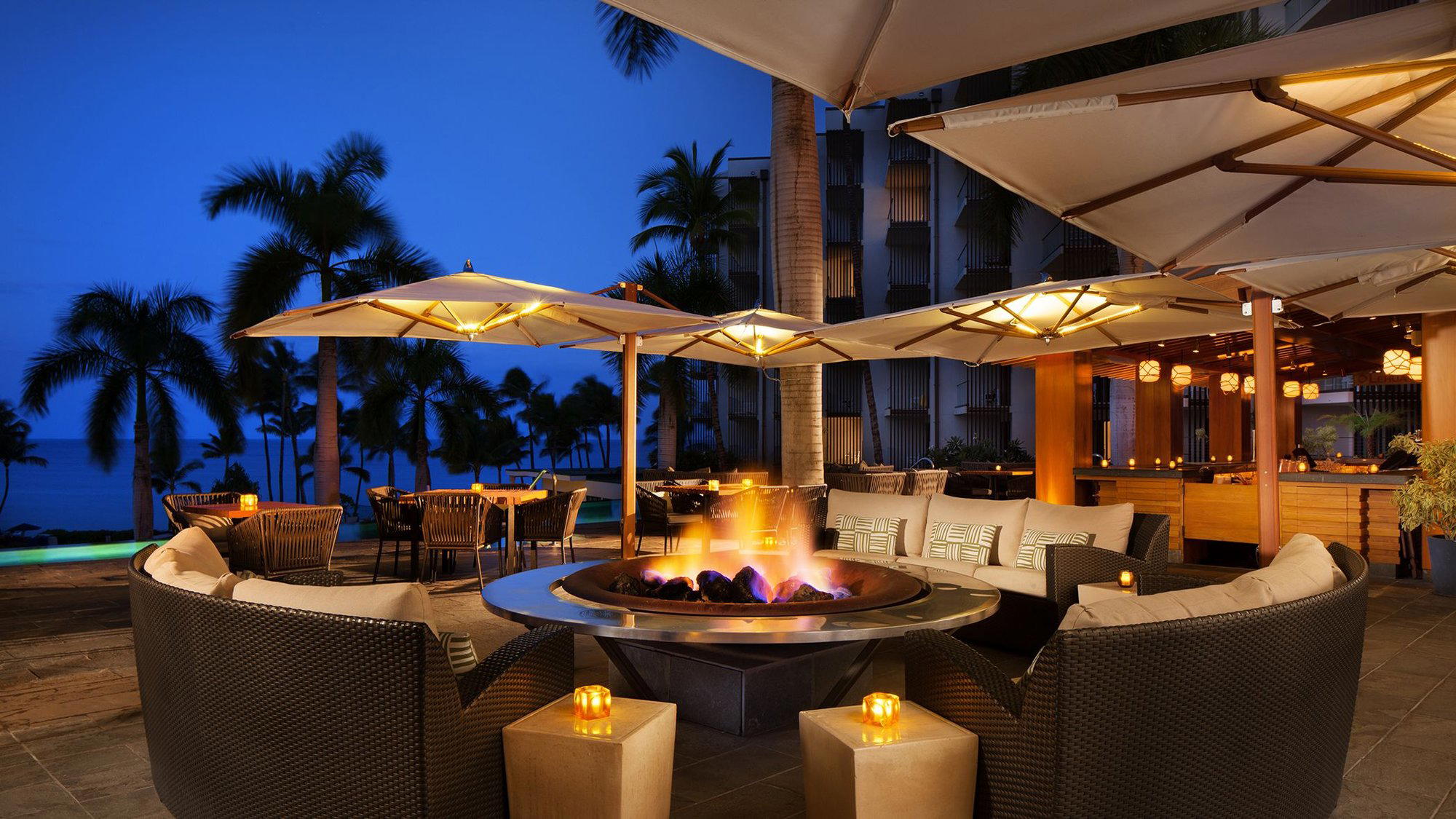
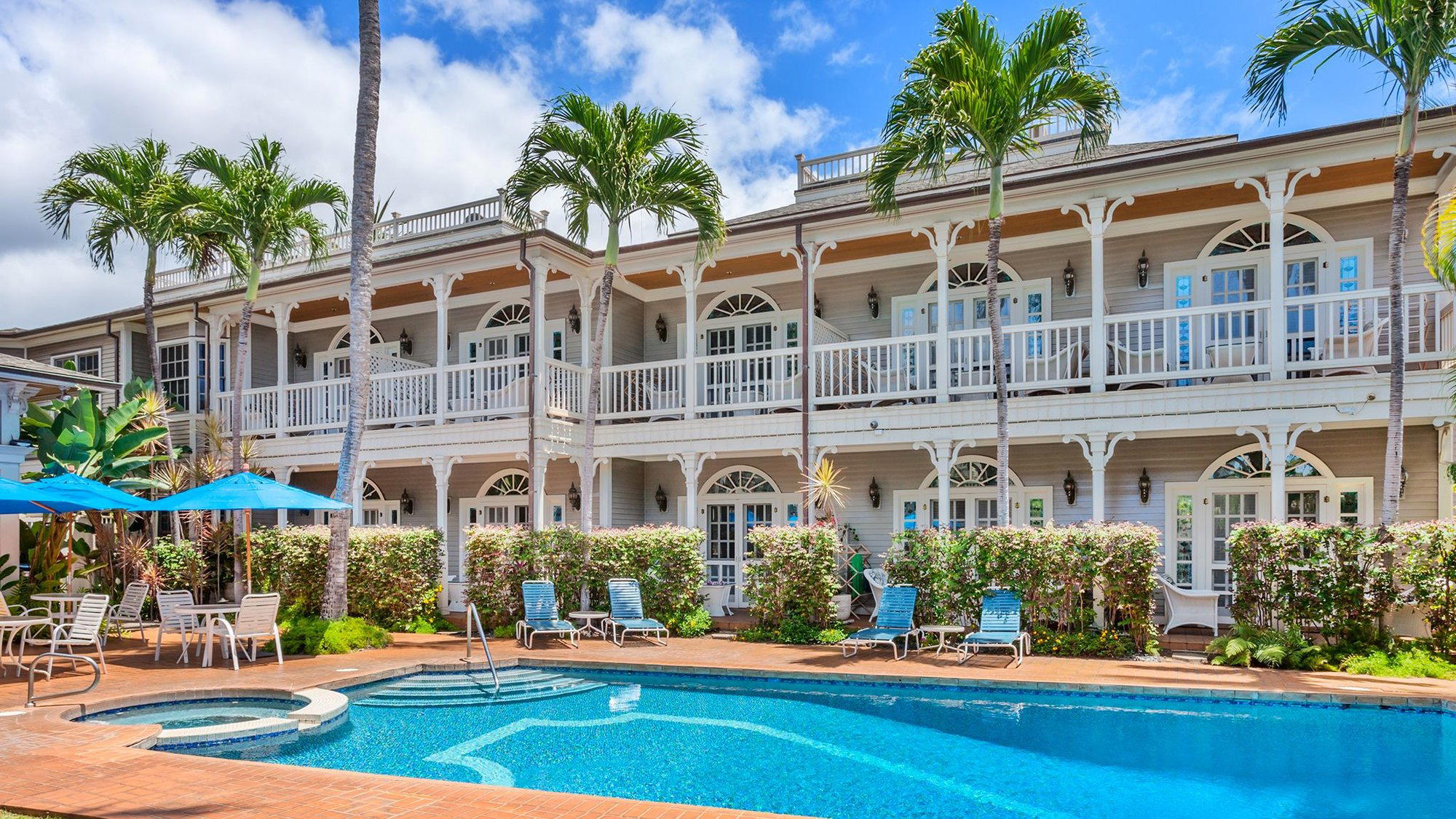
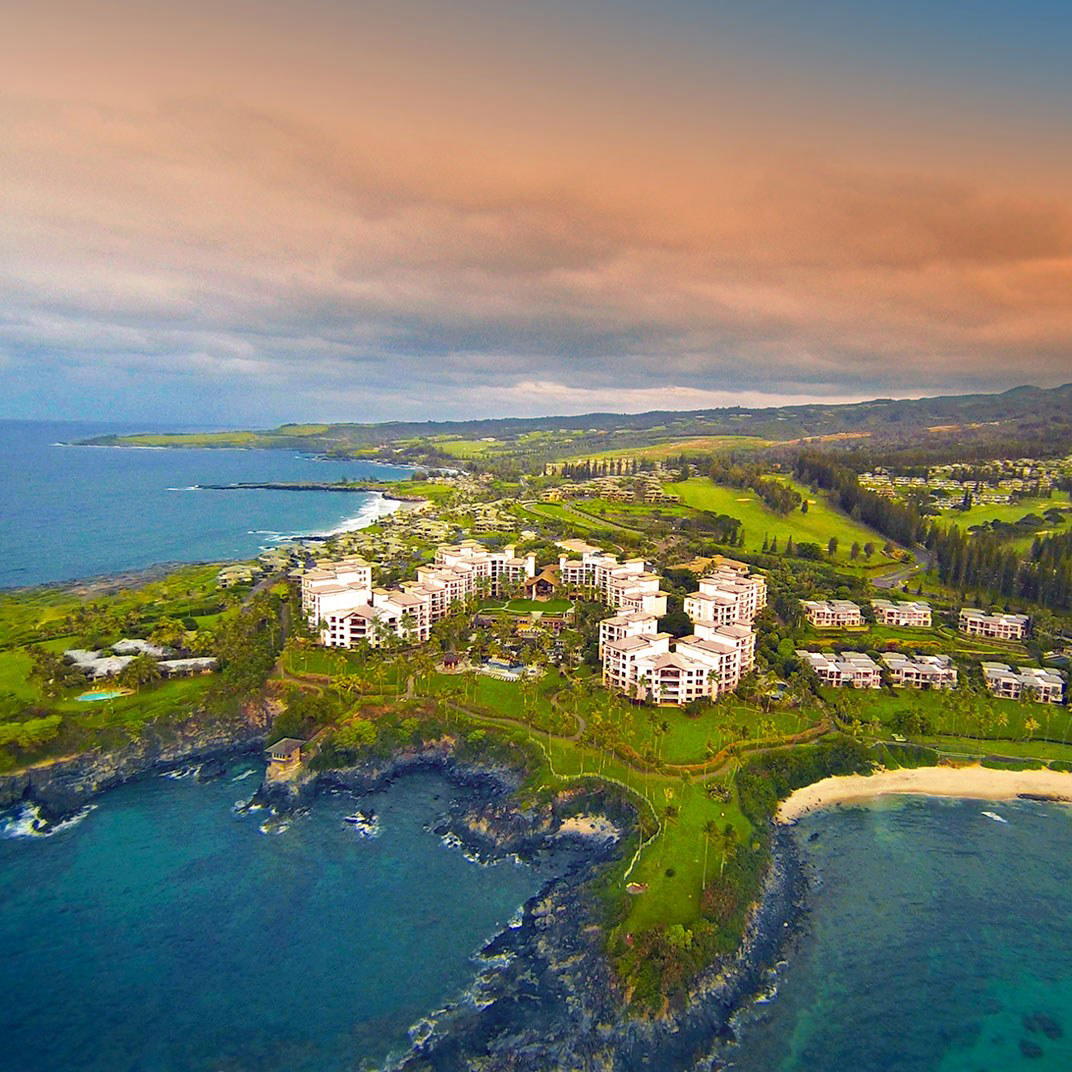
At a Glance
- Lively
- Casual
- Family
- Casual Hangout
- Group Dining
- Waterfront
- Terrace
- Craft Cocktails
- Local Sourcing
- Waterfront
Current opening hours
- Monday
- 11 AM–9 PM
- Tuesday
- 11 AM–9 PM
- Wednesday
- 11 AM–9 PM
- Thursday
- 11 AM–9 PM
- Friday
- 11 AM–9 PM
- Saturday
- 11 AM–9 PM
- Sunday
- 11 AM–9 PM
Hours can change for holidays and private events. Last verified .
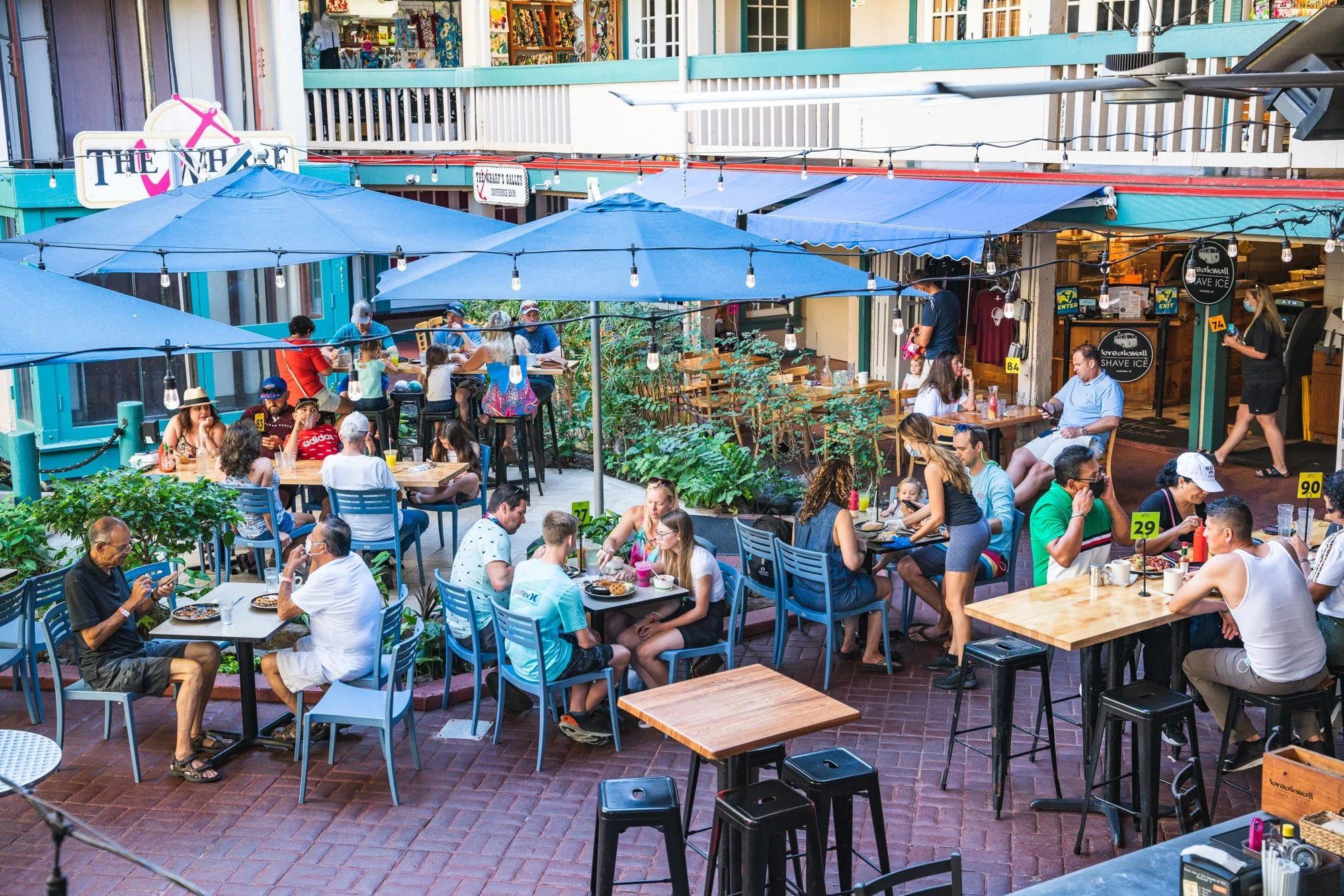
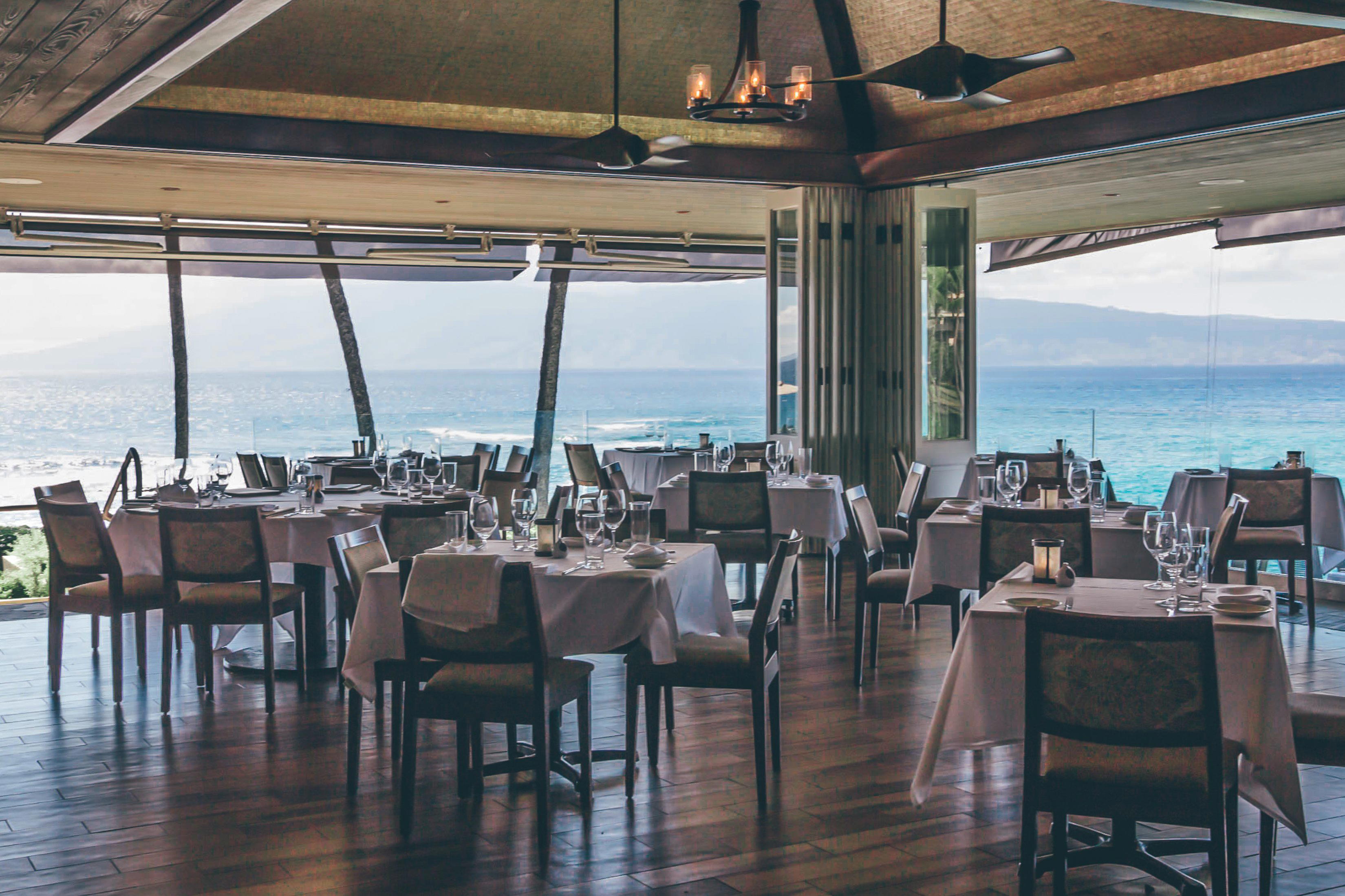
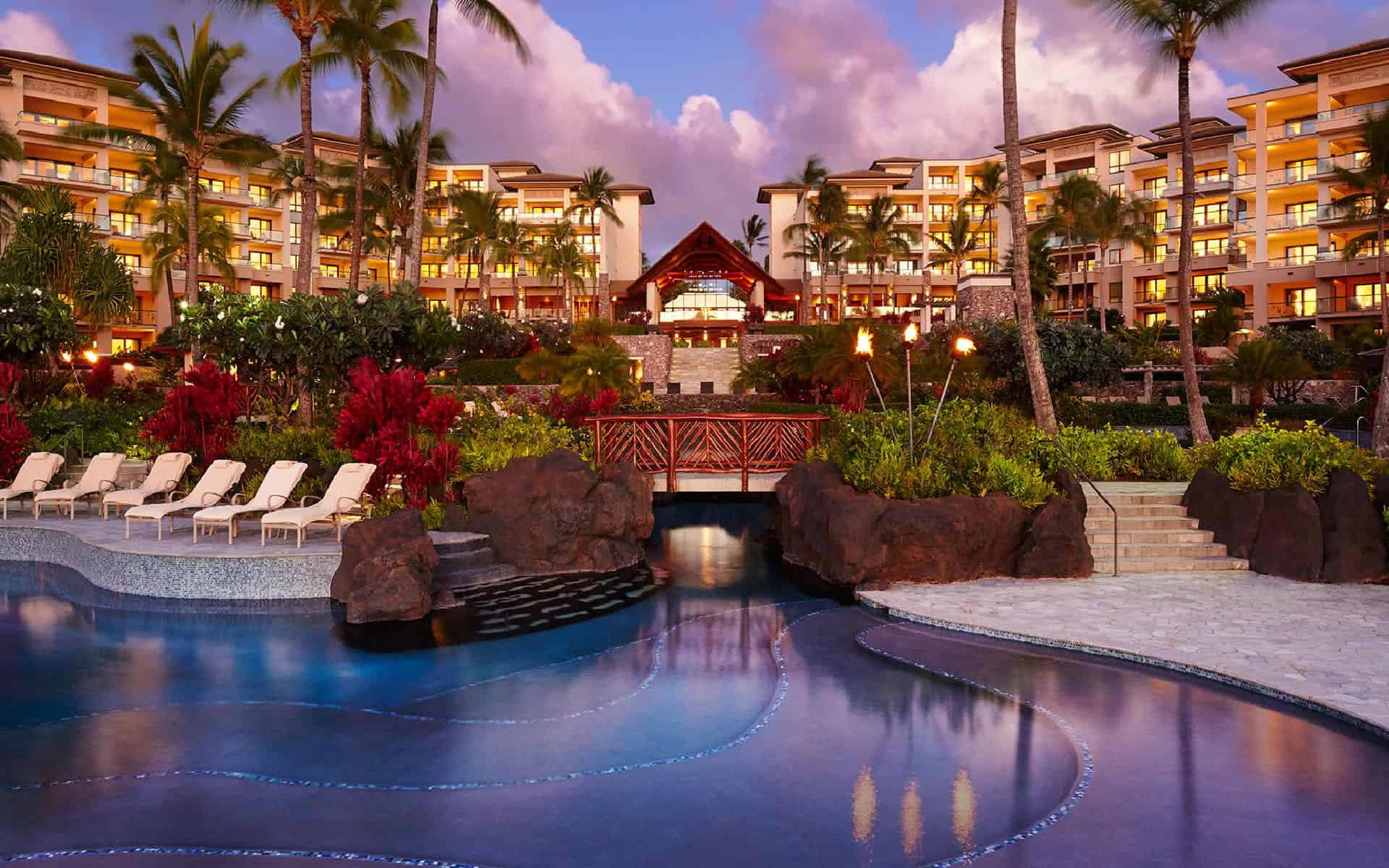
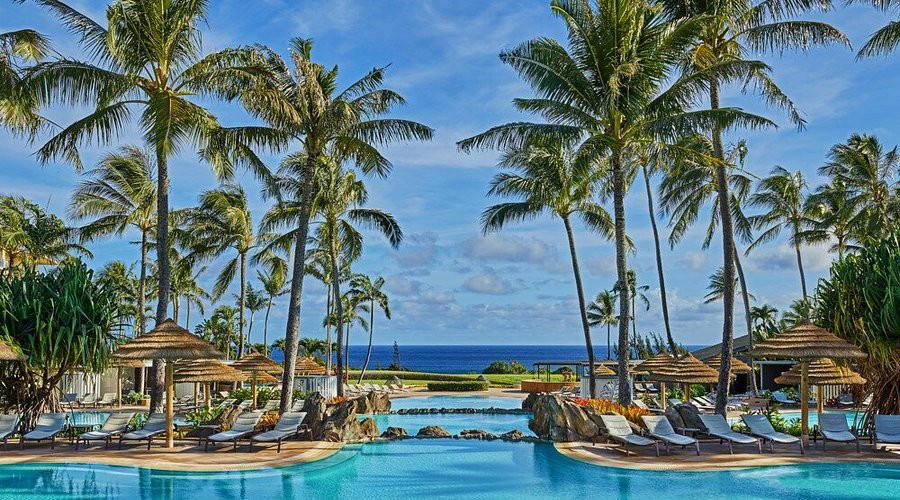
Laid-back and lively with ocean views, warm casual setting, and lively atmosphere suitable for families and kids.
Know Before You Go
- Getting there
- 1312 Front St, Lahaina, HI 96761