Codex
Our verdict
On Granby Street in downtown Norfolk, Codex occupies a position that the city's dining scene has been building toward for years: a serious, ingredient-focused restaurant where sourcing decisions drive the menu rather than decorate it. Norfolk's proximity to the Chesapeake Bay and the farms of the Virginia coastal plain gives a kitchen with this orientation real material to work with. For diners used to mid-Atlantic coastal dining at its most considered, Codex is worth understanding before you book.

Pearl is the En Primeur Club membership app — saves, bookings, and concierge access live there. Same editors, same standards.
- Address
- 429 Granby St, Norfolk, VA 23510
- Phone
- (757) 904-6546
- Hours
- Mon ClosedTue–Thu 5–9 PMFri–Sat 5–10 PMSun Closed
- Website
- codexva.com
- Directions
- Get directions
- Booking
- Book on Resy
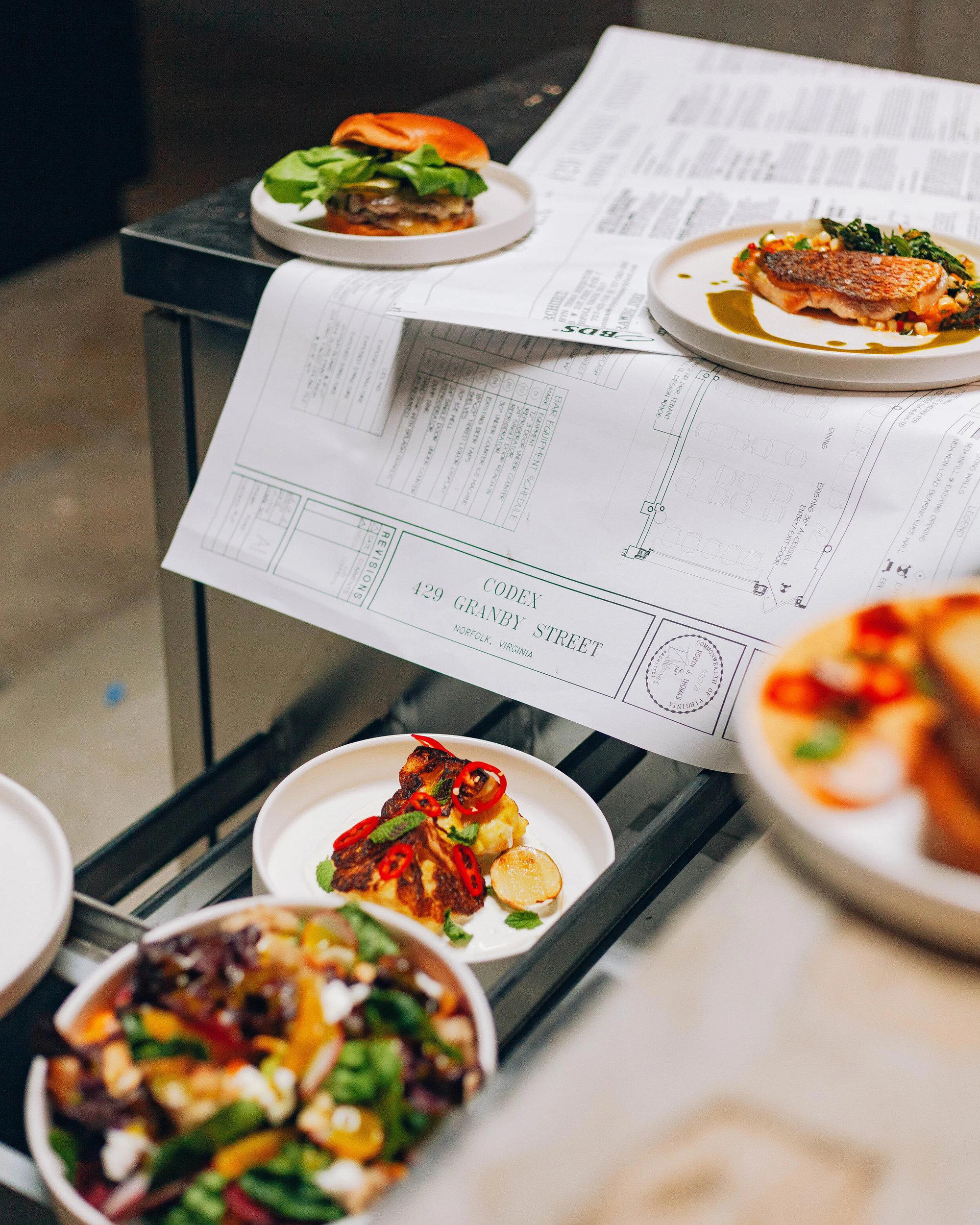
The menu
What to order
- Chicken Liver Tart
- Hanger Steak
- Duck Breast
- Crispy Brussels Sprouts
- Sticky Toffee Pudding
Granby Street and the Direction of Norfolk Dining
Downtown Norfolk's dining corridor along Granby Street has undergone a quiet but measurable shift over the past decade. What was once a street defined by accessible neighborhood staples has added a tier of more deliberate, produce-driven restaurants that treat the mid-Atlantic pantry as something worth examining closely rather than taking for granted. Codex, at 429 Granby St, sits within that tier. Its address places it within walking distance of the waterfront district and the cluster of restaurants that define the city's more serious dining options, from the polished steakhouse format at Byrd & Baldwin Bros. Steakhouse to the coastal-focused menu at 456 Fish.
The name itself signals something about the restaurant's orientation. A codex is an early bound manuscript, a format that replaced the scroll by making information more navigable. In a dining context, the word suggests organization, intention, and the idea that a menu is something authored rather than assembled. Whether that framing is earned depends on what arrives at the table, but the ambition is legible from the start.
Ingredient Sourcing in the Mid-Atlantic Context
Norfolk's geography makes it one of the more interesting sourcing environments on the East Coast. The Chesapeake Bay remains one of the most productive estuaries in North America despite decades of environmental pressure, and the Virginia coastal plain supports a range of small-scale farms growing produce suited to the humid, temperate climate. Oysters from the lower bay, blue crab, rockfish, and a rotating cast of bivalves form the backbone of what a kitchen here can work with at its most local. Further inland, Virginia's agricultural counties produce heritage pork, poultry, and a growing range of specialty vegetables that have found their way into the menus of restaurants paying attention.
This is the sourcing environment that restaurants like Single Thread Farm in Healdsburg and Blue Hill at Stone Barns in Tarrytown have made the organizing principle of serious American cooking at the highest level. At Codex, the logic is similar but grounded in a regional pantry that doesn't yet carry the same national profile. That gap between resource richness and recognition is what gives a sourcing-led restaurant in Norfolk its particular opportunity. The Chesapeake is not the Hudson Valley in terms of culinary mythology, but as a larder it is comparably serious.
For diners accustomed to the fully integrated farm-to-table model at restaurants like Smyth in Chicago or Addison in San Diego, the question at a regional restaurant like Codex is always the same: does the sourcing discipline extend to the way ingredients are handled, or does it stop at the origin story? The distinction matters because provenance without technique produces expensive produce, not good cooking. A kitchen that sources well and cooks with equal precision is a different thing entirely.
Where Codex Sits in the Norfolk Scene
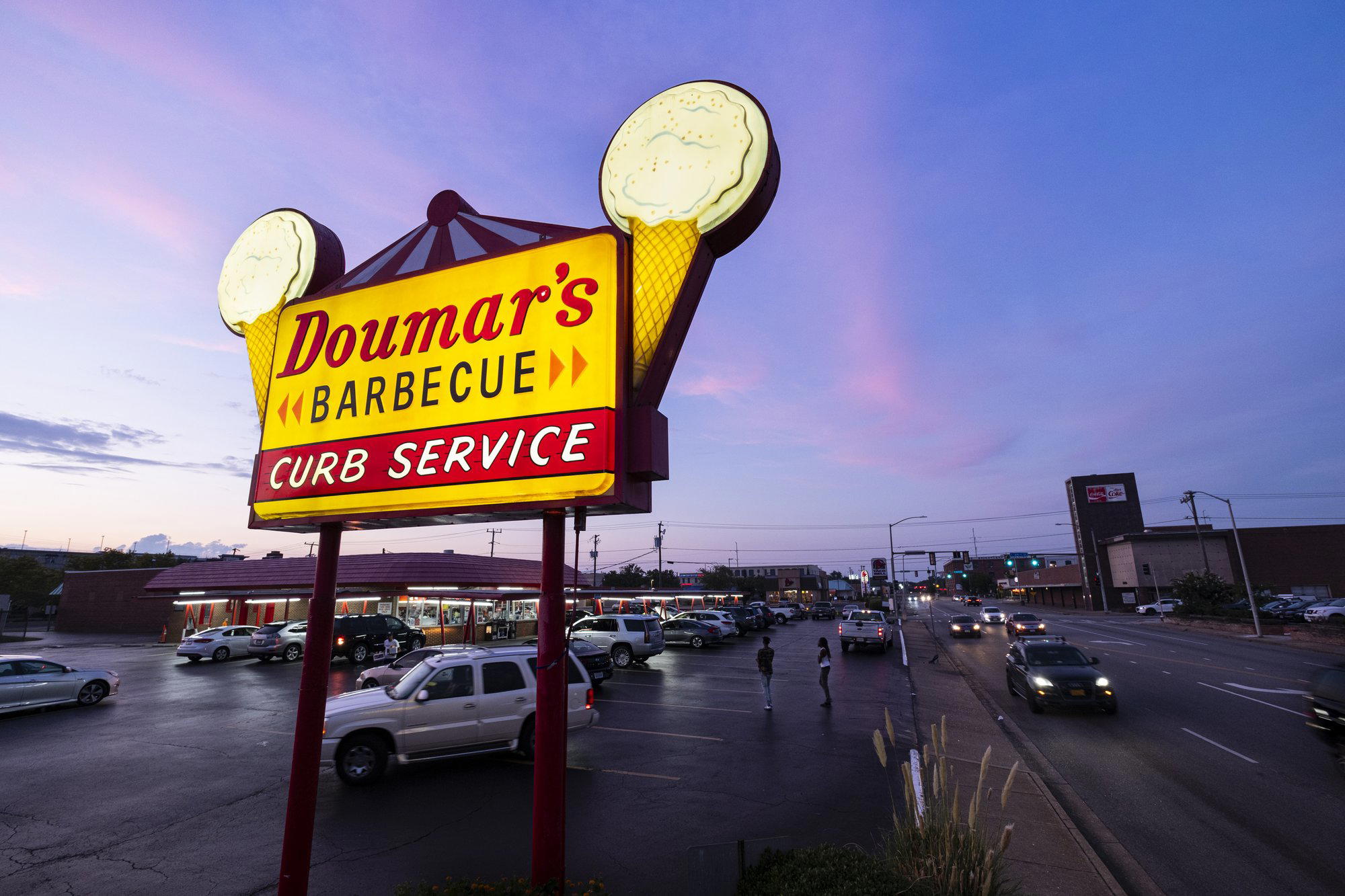
Norfolk's restaurant scene is more layered than the city's national profile would suggest. Alongside the longstanding neighborhood institution Doumar's Cones & Barbecue, which has operated in some form since the early twentieth century, the city now supports a range of contemporary formats. Glass Light Restaurant and ilo bistro represent different points in the spectrum of serious dining, each with its own approach to the Virginia ingredient set.
Codex occupies a position in that spectrum that tilts toward the deliberate and the composed. It is not a casual drop-in, nor does it aim for the theatrical register that American fine dining sometimes defaults to. The comparison set is closer to restaurants that treat the dining room as a space for close attention rather than spectacle, which puts it in a different category from the grand-gesture model exemplified nationally by The French Laundry in Napa or Le Bernardin in New York City. The scale is smaller, the context regional, and the ambition calibrated to match.
That calibration is worth taking seriously. Some of the most interesting American restaurant cooking of the past decade has come from mid-scale, regionally grounded operations that are not chasing national awards but are paying genuine attention to what grows and swims nearby. Emeril's in New Orleans made a version of this argument for Gulf Coast ingredients years before regional sourcing became a standard talking point. More recently, Providence in Los Angeles and Atomix in New York City have demonstrated what happens when a kitchen applies sustained rigor to a specific ingredient tradition. Codex is working in that current, even if it is doing so from a city that hasn't yet made the national shortlist.
The Broader Tradition This Fits Into
Ingredient-led cooking as a formal restaurant philosophy has European antecedents that stretch back through the nouvelle cuisine movement to older ideas about seasonality and place. In the American context, it gained institutional weight with the farm-to-table generation and has since bifurcated into two distinct modes: the fully integrated agricultural model, where the restaurant controls or co-owns the farm, and the sourcing-relationship model, where a kitchen builds direct supplier networks with existing farms and fisheries. The Inn at Little Washington and Lazy Bear in San Francisco represent sophisticated versions of this approach in the mid-Atlantic and West Coast contexts respectively. The principle connecting them, and connecting the leading ingredient-led cooking internationally (consider Atelier Moessmer Norbert Niederkofler in Brunico as a European benchmark), is that the menu follows the season and the supplier rather than the other way around.
For Granby Street and the broader Norfolk dining scene, a restaurant operating with that discipline creates a different kind of anchor. It is less about destination dining in the traditional sense and more about what a city's cuisine looks like when its cooks take the local pantry seriously. Our full Norfolk restaurants guide maps this pattern across the city's wider dining options.
Planning a Visit
Codex is located at 429 Granby St in downtown Norfolk, accessible on foot from most of the city's central hotels and within easy reach of the waterfront. For a restaurant at this level of intention, booking ahead is advisable rather than optional; ingredient-led kitchens that source daily or weekly often run at closer to capacity than their square footage would imply, because the menu is constrained by what arrived from the supplier that morning. Arriving without a reservation on a weekend is a calculated risk. The Granby Street corridor is walkable and well-served by the city's light rail line, which connects downtown to the broader Norfolk metro area.
Frequently asked questions
Where is Codex located?
Codex is located at 429 Granby St, Norfolk, VA 23510, Norfolk.
How does Codex's location on Granby Street affect the dining experience?
Codex sits at 429 Granby St in downtown Norfolk, placing it at the center of the city's most active dining corridor and within walking distance of Norfolk's central hotel district and waterfront. That proximity to the waterfront is more than geographic convenience: the Chesapeake Bay, which frames this part of coastal Virginia, is one of the East Coast's most productive shellfish and blue crab environments, and it directly informs the sourcing approach that defines the kitchen's identity.
What's the signature dish at Codex?
Codex operates with a rotating menu tied to what the Chesapeake Bay and Virginia's broader mid-Atlantic larder are producing at a given moment, which means no single dish defines the kitchen year-round. That approach is a deliberate one: ingredient-driven restaurants of this format typically change their centerpiece preparations seasonally or more frequently. The most reliable constant is the sourcing philosophy itself, not any fixed plate. For current offerings, checking directly with the restaurant before visiting is the practical approach.
Can I walk in to Codex?
Walk-in availability at Codex depends heavily on the night and the season. Downtown Norfolk's Granby Street corridor draws a consistent local crowd, and restaurants operating at this level of deliberateness tend to fill their better tables through reservations. Arriving early on a weeknight gives the best chance of securing a seat without one, but a reservation is the safer bet if you have a specific evening in mind.
Fast Comparison
Comparable venues nearby, for context on price, style, and recognition.
| Venue | Cuisine | Price | Awards | Notes |
|---|---|---|---|---|
| CodexThis venue — the venue you are viewing | Modern American Farm-to-Table | $50–100 | Not listed | Not listed |
| Todd Jurich's Bistro | American Bistro with French Influences | $50–100 | Not listed | Downtown |
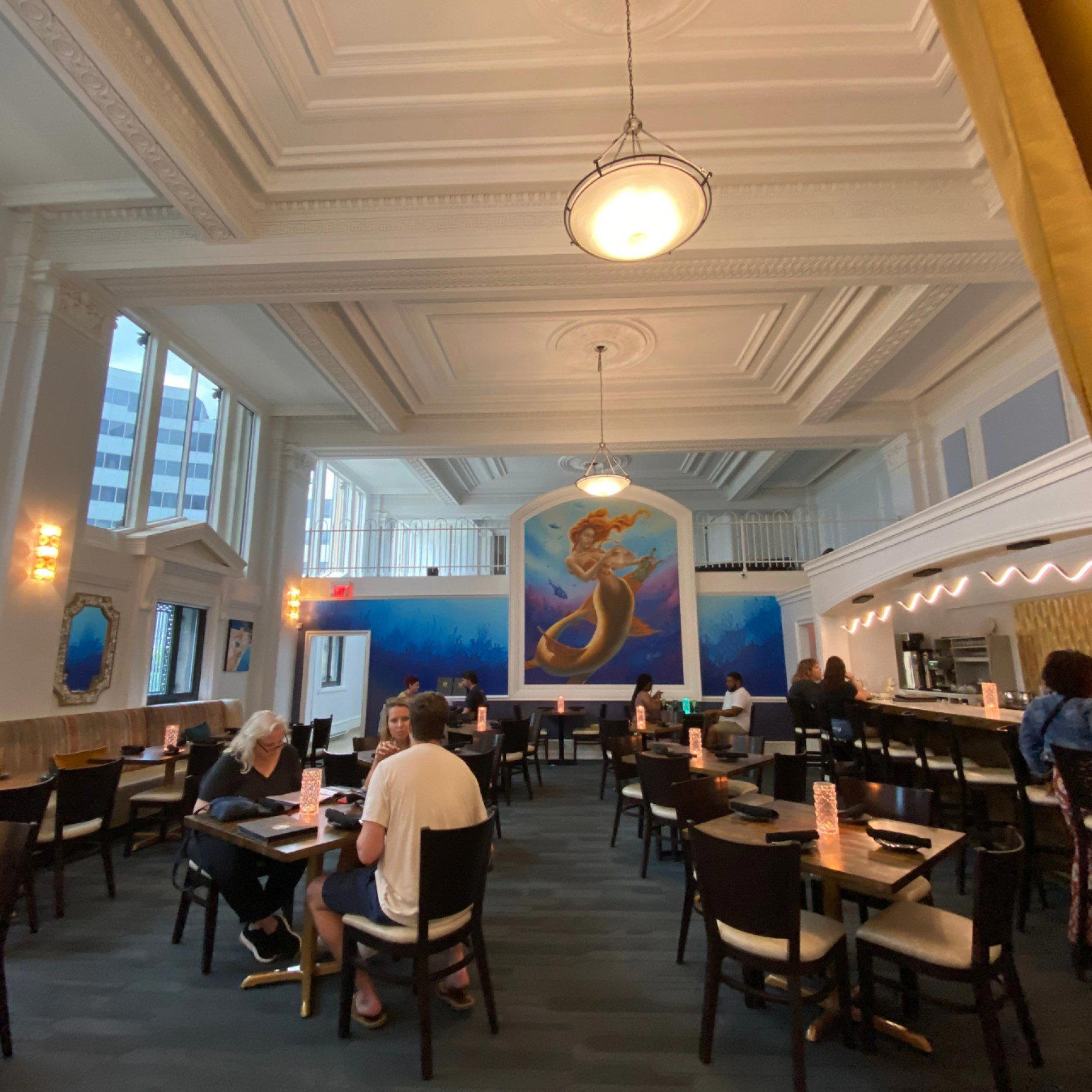
| Glass Light Restaurant | French-inspired New American | $50–100 | Not listed | Downtown |
| Luna Maya | Bolivian-Mexican Fusion | $20–30 | Not listed | Ghent |
| Nawab Indian Cuisine | North Indian Cuisine | $20–30 | Not listed | Military Highway |
| Byrd & Baldwin Bros. Steakhouse | Classic Steakhouse | $50–100 | Wine Spectator Best of Award of Excellence · World's Best Wine Lists Awards WBWL 1-Star | Downtown Norfolk |
Continue exploring
More in Norfolk
Restaurants in Norfolk
Browse all →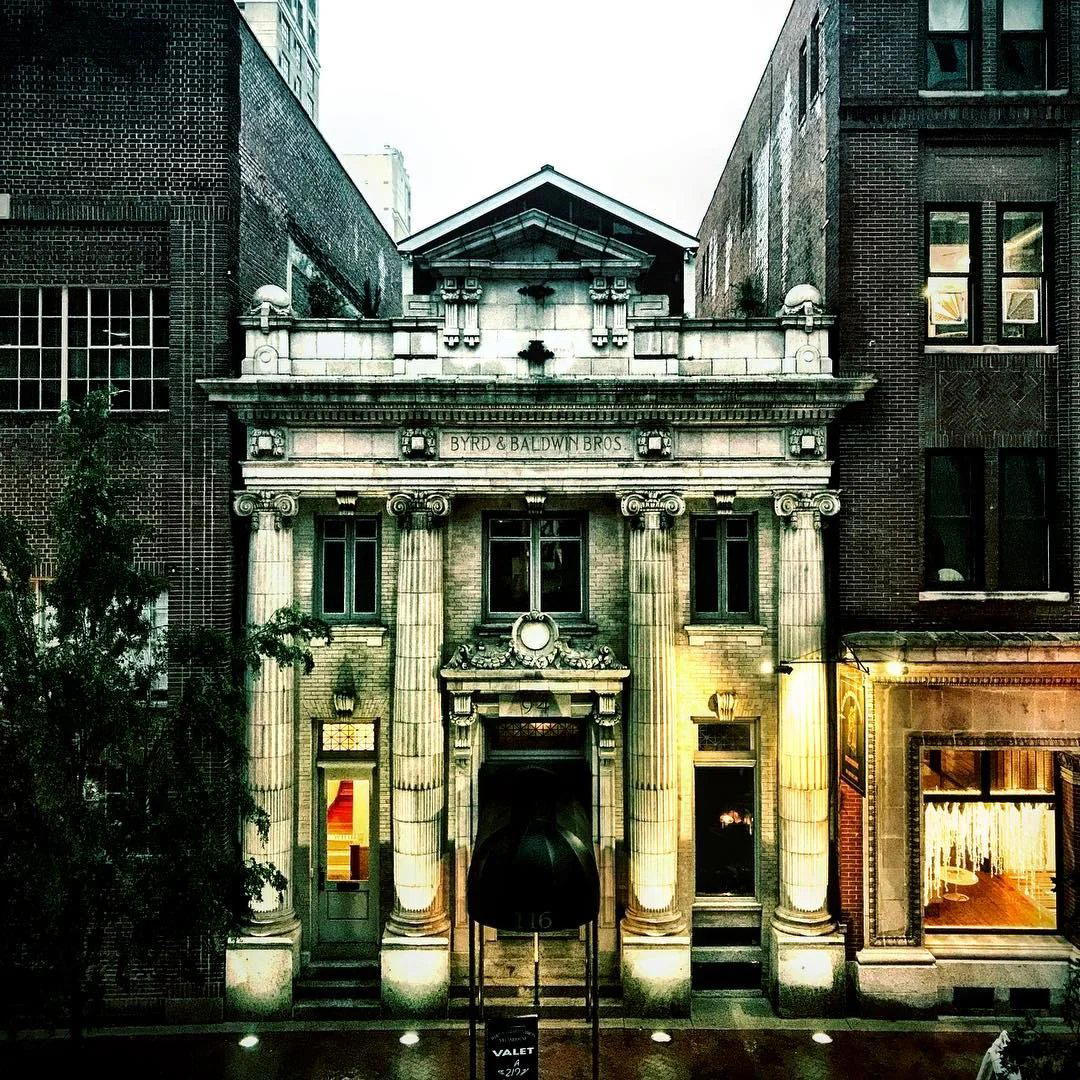
Bars in Norfolk
Browse all →
Hotels in Norfolk
Browse all →

Wineries in Norfolk
Browse all →
Details
- Modern
- Intimate
- Elegant
- Minimalist
- Romantic
- Date Night
- Special Occasion
- Business Dinner
- Historic Building
- Design Destination
- Open Kitchen
- Craft Cocktails
- Beer Program
- Farm To Table
- Local Sourcing
- A La Carte
- Family Style
- Craft Cocktails
- Craft Beer
- Wine
- Vegetarian Friendly
- Allergy Accommodating
Current opening hours
- Monday
- Closed
- Tuesday
- 5–9 PM
- Wednesday
- 5–9 PM
- Thursday
- 5–9 PM
- Friday
- 5–10 PM
- Saturday
- 5–10 PM
- Sunday
- Closed
Hours can change for holidays and private events. Last verified .
Warm and sophisticated with minimalist design, crimson-colored walls, wood floors, tall windows, and carefully curated ambient music creating a quiet, cozy atmosphere suited for adults.