Cocotte et Vins
Our verdict
A neighbourhood wine bar and kitchen in the riverside suburb of La Varenne, Cocotte et Vins sits at the quieter end of the Paris commuter belt where bistro culture runs closer to the original than anything you'll find inside the Périphérique. The format pairs market-led cooking with a considered wine list, the kind of address the area's residents return to rather than stumble upon.

Pearl is the En Primeur Club membership app — saves, bookings, and concierge access live there. Same editors, same standards.
- Address
- 1 Rue Fulton, 94100 Saint-Maur-des-Fossés, France
- Phone
- +33143972198
- Hours
- Mon ClosedTue–Sat 11 AM–2 PM, 7:30–10 PMSun Closed
- Website
- cocotteetvins.com
- Directions
- Get directions
- Booking
- Book on the venue's website
The menu
What to order
- Ris de veau
- Filet de boeuf flambé
- Paris-Brest
La Varenne's Bistro Register
The suburban communes that string along the Marne east of Paris have always supported a particular kind of French restaurant: unpretentious by design, loyal to seasonal produce, and oriented toward the regular rather than the tourist. La Varenne-Saint-Hilaire, part of Saint-Maur-des-Fossés, fits that profile squarely. Its restaurant scene does not chase Michelin validation the way addresses in the 7th or 8th arrondissement do, and that absence of trophy-hunting produces a different kind of eating — more grounded, less performative. Cocotte et Vins, at 1 Rue Fulton, occupies this territory with a name that signals its priorities plainly: the cocotte, a cast-iron workhorse of French domestic cooking, paired directly with wine.
That pairing, cocotte cooking alongside a wine focus, sits within a broader current in French provincial dining. Over the past decade, the bistrot à vins format has migrated outward from Paris's inner arrondissements into the suburbs and smaller cities, where lower rents allow operators to maintain tighter, more personal wine lists without the volume pressure of a city-centre room. In these outer addresses, the cooking tends to lean on the same principle: short menus, market availability, and techniques that foreground the ingredient rather than the chef's intervention. For context on how France's most decorated kitchens handle ingredient sourcing at the other end of the price scale, kitchens like Flocons de Sel in Megève or Bras in Laguiole have built entire reputations on hyper-local sourcing at the three-star level. The bistrot à vins model applies a version of the same logic at a fraction of the formality and price.
The Scene at Rue Fulton
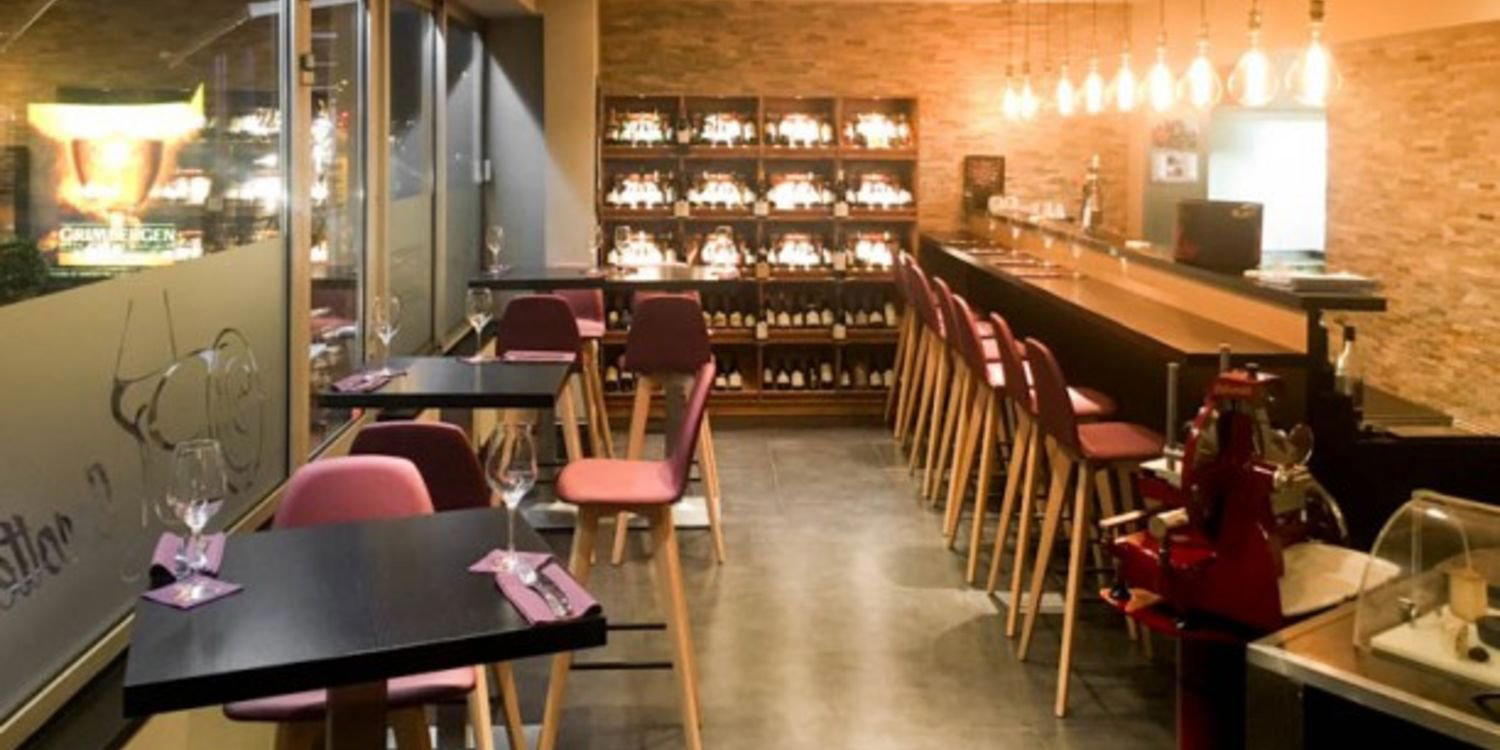
Rue Fulton is a residential street in character, and an address there carries none of the theatrics associated with destination dining. What that means in practice is an environment shaped by the neighbourhood rather than by a design brief: natural light during lunch service, a room that operates at conversation volume rather than performance volume, and a clientele that mostly lives within a short walk. The cocotte, as a cooking vessel and as a concept, suits this setting. Braises, slow-cooked cuts, and oven-finished preparations are not dishes that require tableside ceremony; they are served and eaten, and the attention moves to the glass.
Wine bars of this type in the Paris suburbs tend to draw from natural and low-intervention producers, sourcing from smaller négociants and domaines that do not have the distribution reach of the large Loire or Burgundy houses. This is partly economic — smaller producers offer better margins to smaller operators, and partly philosophical, reflecting a preference for wines that behave in a way consistent with unmanipulated cooking.
Sourcing and Seasonality in the Marne Valley
The Île-de-France region sits at the confluence of several of France's productive agricultural zones. The Brie plateau to the east produces cheese and grain; market gardens around the Marne supply vegetables to the Paris metropolitan area; and the city's wholesale market at Rungis, the largest food market in the world by turnover, gives any serious kitchen in the greater Paris area access to produce quality that would be difficult to replicate in more remote locations. For a neighbourhood restaurant working a short menu, proximity to Rungis is a genuine operational advantage, enabling daily purchasing rather than bulk orders.
This sourcing infrastructure is what makes seasonal cooking credible in the Paris suburbs in a way that it is not always credible in cities further from major markets. A restaurant naming itself after the cocotte is, implicitly, committing to the kind of cooking that only works when the base ingredients are good: braised chicken, slow-cooked vegetables, reductions that concentrate rather than mask. The gap between this approach and the composed plates of a kitchen like Alléno Paris au Pavillon Ledoyen or Mirazur in Menton is enormous in terms of budget, team size, and format, but the underlying commitment to the ingredient as starting point is shared.
Closer to home, Le Brouard represents another angle on La Varenne's dining options, and the two addresses together give a picture of what the suburb offers across different registers. Our full La Varenne restaurants guide maps the broader scene for visitors planning an extended visit to the area.
For those measuring La Varenne against France's wider fine dining benchmarks, the comparison set is instructive. Institutions such as Auberge de l'Ill in Illhaeusern, Paul Bocuse in Collonges-au-Mont-d'Or, Maison Lameloise in Chagny, Georges Blanc in Vonnas, Troisgros in Ouches, Auberge du Vieux Puits in Fontjoncouse, Les Prés d'Eugénie in Eugénie-les-Bains, La Table du Castellet in Le Castellet, and L'Oustau de Baumanière in Les Baux define the upper tier of French provincial dining with multi-generational reputations and Michelin histories. Cocotte et Vins operates in a completely different register, neighbourhood scale, neighbourhood pricing, neighbourhood pace, and that is not a deficiency. The two ends of the French restaurant spectrum serve different functions, and the bistrot à vins format serves its function well when executed with honesty. International reference points such as Le Bernardin in New York City, Lazy Bear in San Francisco, and Le 1947 à Cheval Blanc in Courchevel sit further still from the neighbourhood wine bar category, but they help frame how far ingredient sourcing and format discipline extend across global dining.
Planning Your Visit
Cocotte et Vins is at 1 Rue Fulton, 94100 Saint-Maur-des-Fossés, reachable from central Paris via RER A to Le Perreux-Nogent station, which puts the restaurant within a short walk. This is not an address that requires significant advance planning of the kind that a tasting-menu kitchen demands, but the neighbourhood nature of the room means that weekend lunch services in particular tend to fill with regulars. Arriving with a reservation is sensible.
Frequently asked questions
Can I bring kids to Cocotte et Vins?
The address on Rue Fulton is a residential street in Saint-Maur-des-Fossés, and the bistro register that characterises La Varenne's dining scene tends toward relaxed, community-facing rooms where families are a natural fit.
What is the atmosphere like at Cocotte et Vins?
Rue Fulton is residential in character, which sets the tone: this is neighbourhood dining rather than destination theatre. La Varenne's bistro tradition east of Paris runs toward unpretentious rooms where the cooking does the work, and Cocotte et Vins sits squarely within that register. Expect a local crowd over a tourist one.
How do I get to Cocotte et Vins from central Paris by public transport?
Cocotte et Vins is at 1 Rue Fulton, 94100 Saint-Maur-des-Fossés, reachable via RER A to Le Perreux-Nogent station, which places the restaurant within a short walk of the platform. The journey from central Paris on the RER A takes roughly 25 minutes from Châtelet-Les Halles, making this a practical option for an evening out without a car.
What should I order at Cocotte et Vins?
The name pairs two French dining staples: the cocotte, a slow-braised preparation associated with rustic bistro cooking, and wine, which signals a list built for the table rather than the trophy cabinet. The Île-de-France region draws produce from the Brie plateau and the Marne Valley, so seasonal and regional sourcing shapes what lands on the plate. Specific dish details are best confirmed with the restaurant directly.
What's Cocotte et Vins's location?
Cocotte et Vins is located at 1 Rue Fulton, 94100 Saint-Maur-des-Fossés, France, La Varenne.
Do they take walk-ins at Cocotte et Vins?
No booking policy is documented for Cocotte et Vins at 1 Rue Fulton. Neighbourhood bistros in the Saint-Maur-des-Fossés commune often accommodate walk-ins on quieter weekday services, but weekend covers at well-regarded local addresses fill early. Arriving with a reservation is the safer approach.
Comparable Venues
Comparable venues nearby, for context on price, style, and recognition.
| Venue | Cuisine | Price | Notes |
|---|---|---|---|
| Cocotte et VinsThis venue — the venue you are viewing | French Bistronomic Cocotte | $30–50 | Not listed |
| Le Brouard | Bistronomie Rustique | $30–50 | Saint-Maur-des-Fossés |
| Dans le Noir | Modern French Sensory Bistronomic | $50–100 | Saint-Merri |
| Nonos & comestibles | Modern French Brasserie & Grill | $50–100 | 8th arrondissement |
| Le Vieux Crapaud | Classic French Bistro | $50–100 | Passy |
| Fleur de Sel | Modern French Bistro | $30–50 | La Garenne-Colombes |
Continue exploring
More in La Varenne
Restaurants in La Varenne
Browse all →
Bars in La Varenne
Browse all →
Hotels in La Varenne
Browse all →



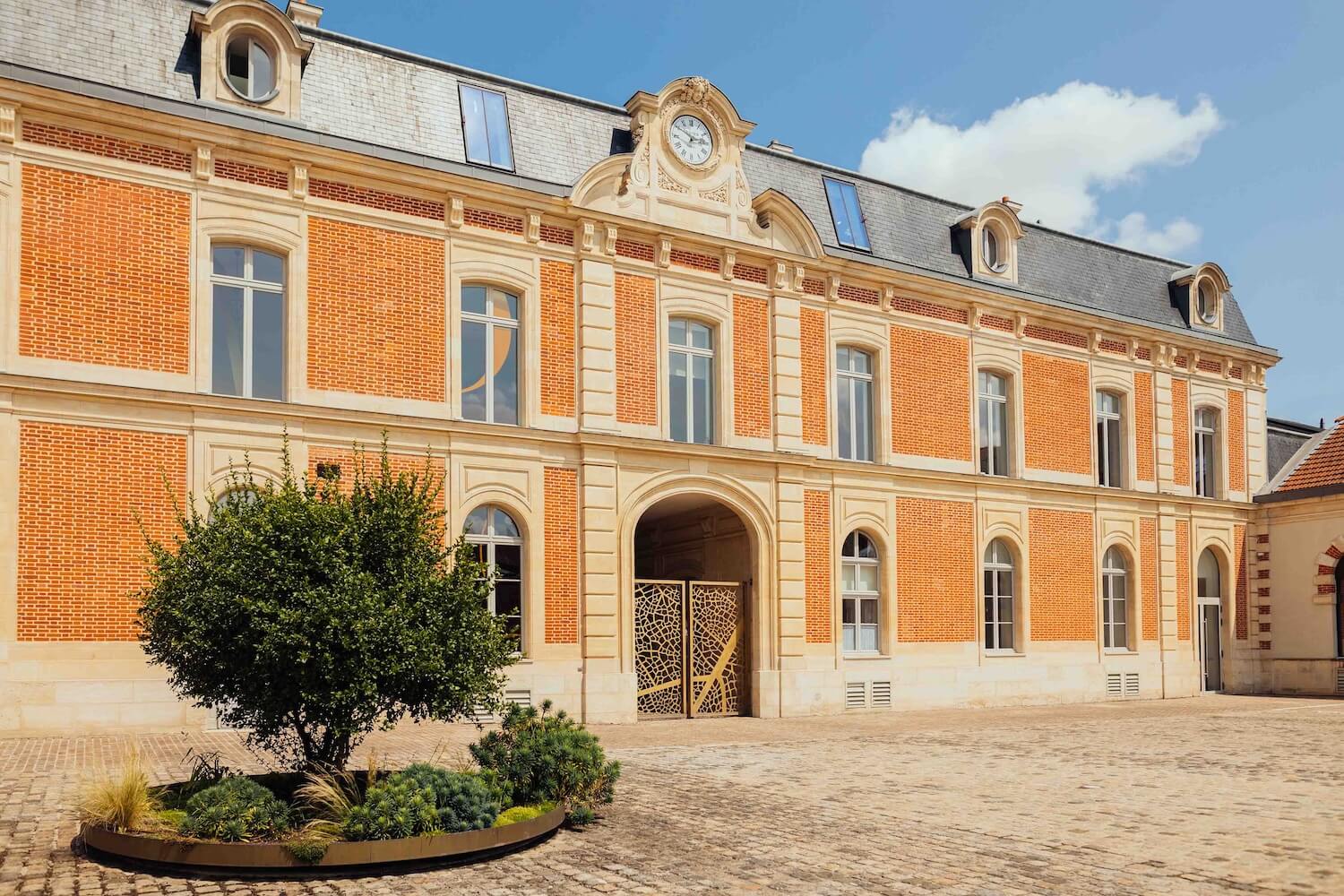
Cocotte et Vins
The wine
- Wine program
- Curated wine list
- Extensive wine list
Details
- Cozy
- Lively
- Intimate
- Classic
- Date Night
- Casual Hangout
- Wine Cellar
- Open Kitchen
- Extensive Wine List
- Local Sourcing
- A La Carte
- Wine
- Vegetarian Friendly
Current opening hours
- Monday
- Closed
- Tuesday
- 11 AM–2 PM, 7:30–10 PM
- Wednesday
- 11 AM–2 PM, 7:30–10 PM
- Thursday
- 11 AM–2 PM, 7:30–10 PM
- Friday
- 11 AM–2 PM, 7:30–10 PM
- Saturday
- 11 AM–2 PM, 7:30–10 PM
- Sunday
- Closed
Hours can change for holidays and private events. Last verified .
Cozy bistro atmosphere with convivial seating at high tables and bar counter, warm welcome, and comfortable setting.