Coda
A Thai tasting menu in the heart of Malá Strana, Coda brings a decade of Australian culinary experience to bear on regional Thai traditions. The kitchen works within a concise format, building menus around modern technique and layered seasoning inside an elegant, high-ceilinged dining room on Tržiště. For Prague, where the fine-dining conversation is largely Central European, this is a genuinely different point of reference.
Pearl is the En Primeur Club membership app — saves, bookings, and concierge access live there. Same editors, same standards.
- Address
- Tržiště 368/9, 118 00 Malá Strana, Czechia
- Phone
- +420 225 334 761
- Website
- codarestaurant.cz
- Directions
- Get directions
 Saves & bookings on Pearl
High Ceilings, Considered Plates: The Space That Shapes the Meal
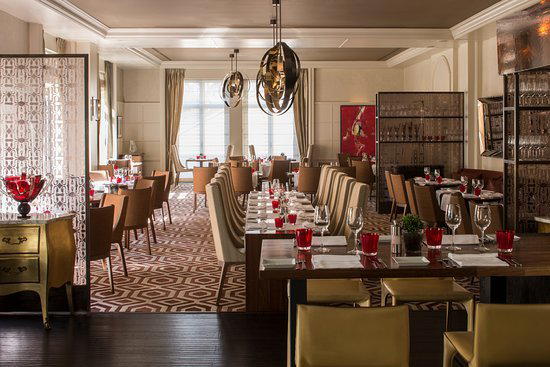
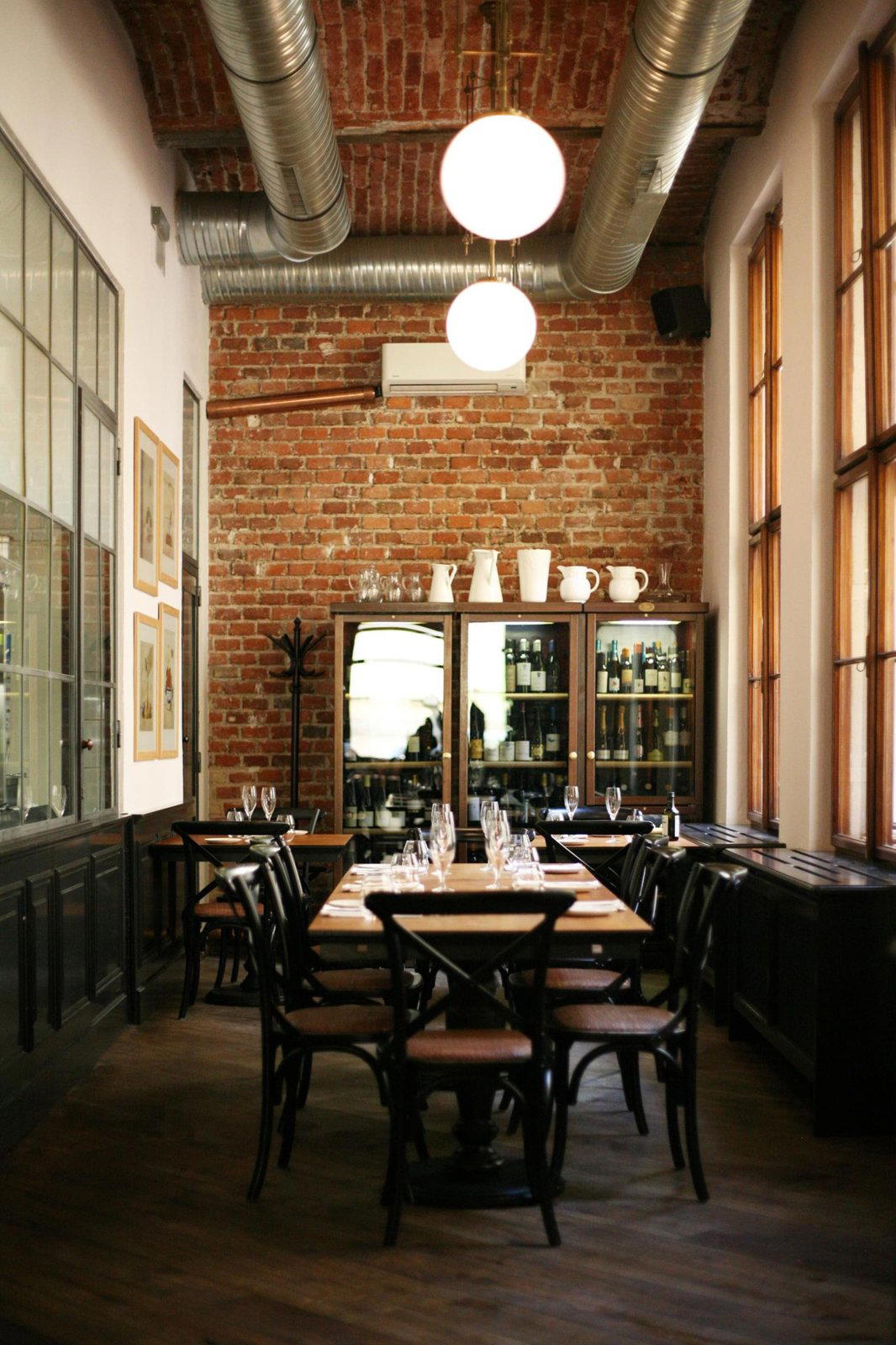
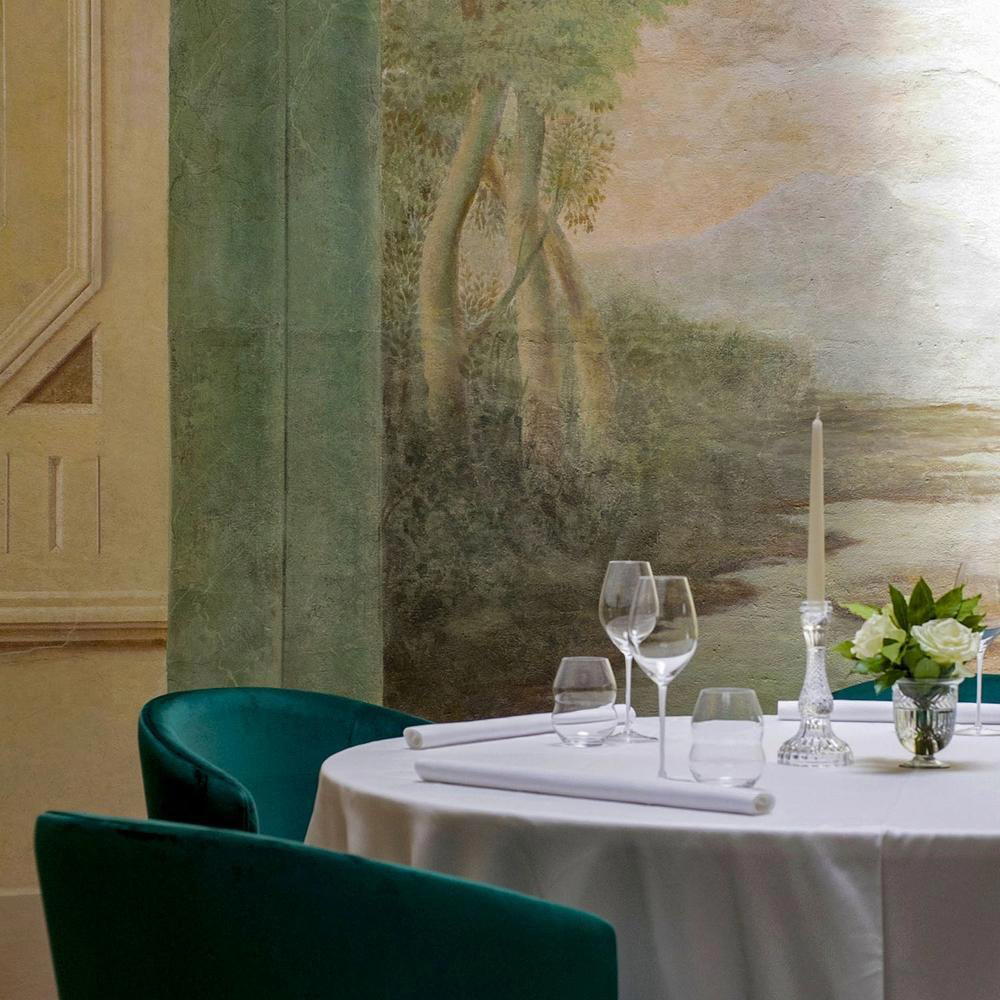
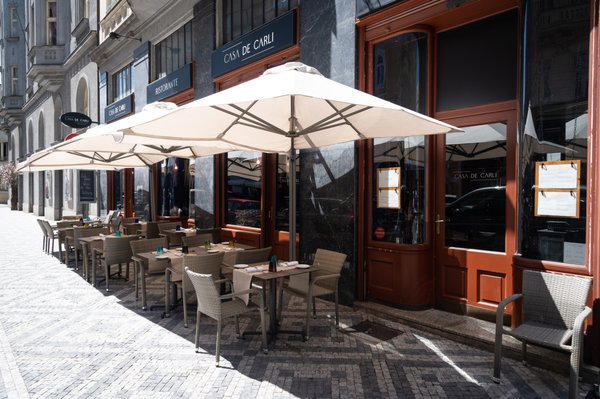
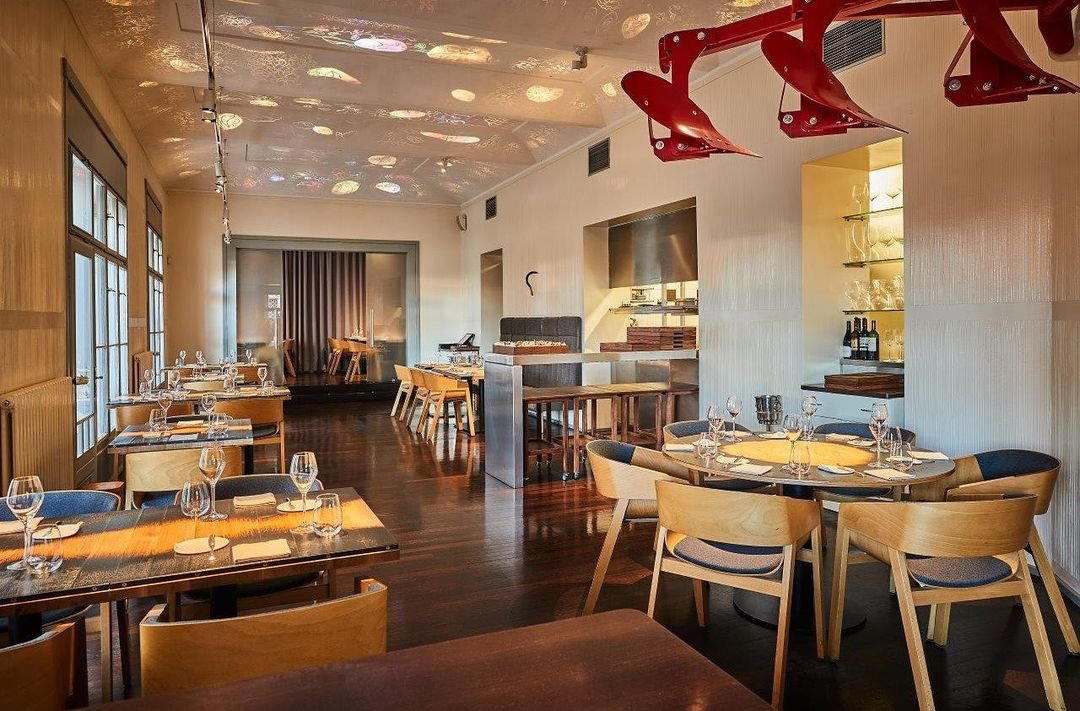
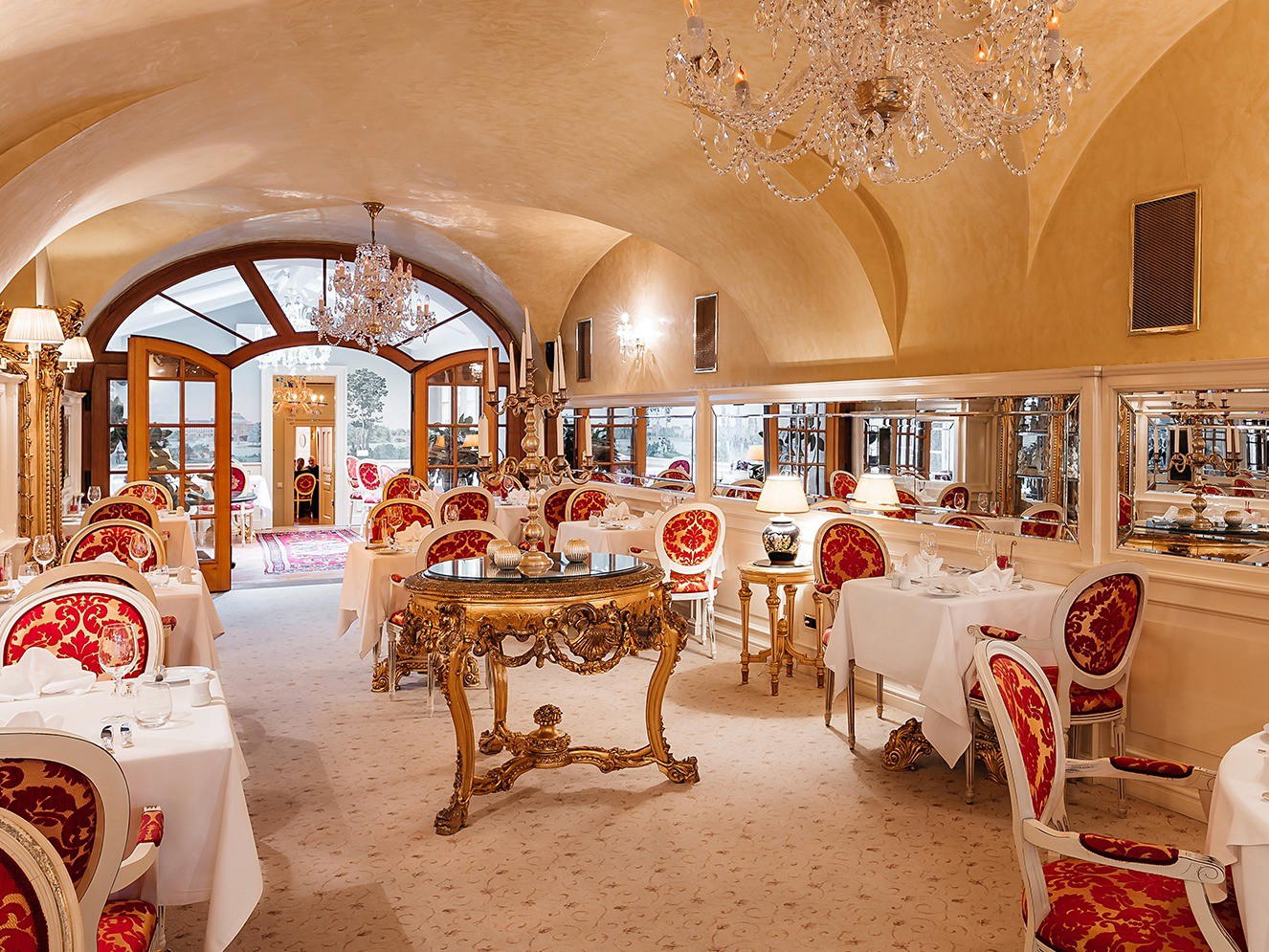
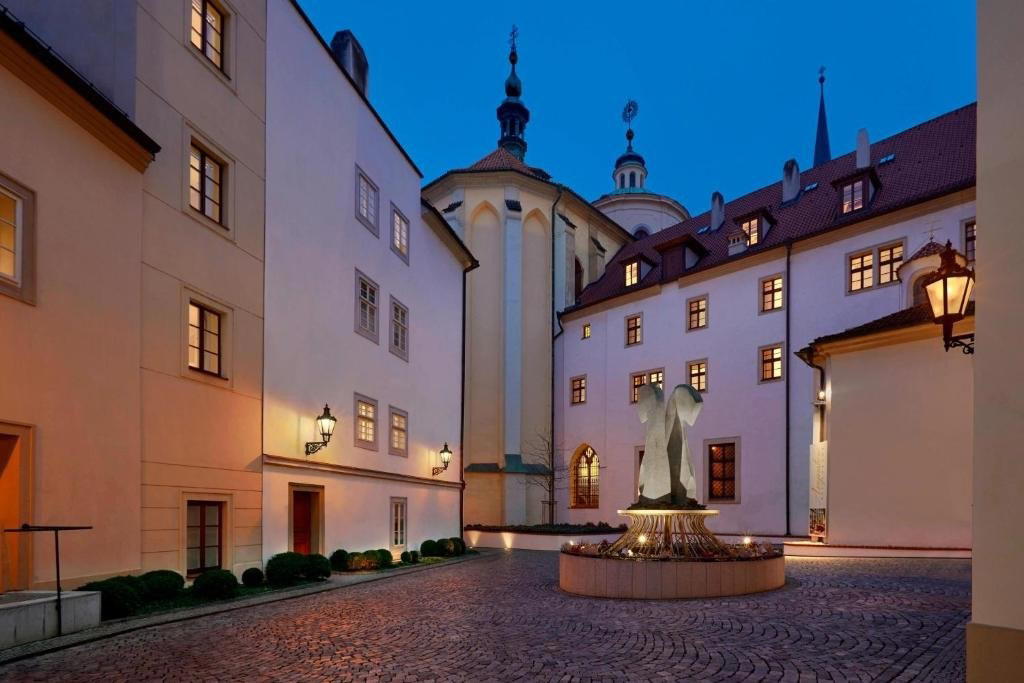
Coda is a one-Michelin-star restaurant in Prague's Malá Strana, serving a modern Czech and European fine-dining menu at about $120 per person. Malá Strana does not lack for atmospheric dining rooms. The district's Baroque streetscapes and converted townhouses have long drawn restaurateurs who understand that the physical container is half the proposition. On Tržiště, Coda occupies a room with high ceilings that immediately separate it from the low, candlelit vaulted spaces that characterise much of the neighbourhood's fine dining. The verticality matters: it creates a formal calm rather than a cloistered intimacy, a setting that reads as modern European in its restraint rather than heritage-Bohemian in its theatrics.
That architectural decision sets the tone for everything that follows. A room with high ceilings and a deliberate lack of visual clutter signals that the focus will land on the table, on what arrives from the kitchen, on the sequence of courses rather than the décor. Prague's better tasting-menu rooms have understood this for some time, La Degustation Bohême Bourgeoise builds a different kind of formality through antique-inflected interiors, while Alcron works within the compressed elegance of its Art Deco shell. Coda's approach is quieter and more contemporary, allowing the cuisine, which arrives from a different culinary tradition, to provide the drama.
A Thai Kitchen in a Czech Context
Prague's fine-dining circuit is, by international standards, Central European in its DNA. Michelin recognition here has gone to a small number of modern European and French-Czech formats; the city's full restaurant scene reflects that bias strongly. Coda sits outside that consensus. Its kitchen is rooted in regional Thai cuisine, operated by a chef who spent a decade working in Australia before returning to a home-country culinary tradition. That biographical trajectory, international technique, Thai sensibility, is common in Sydney and Melbourne, where Australian-Thai cooking has its own serious critical conversation. In Prague, it is considerably rarer.
The effect is a tasting menu that reads as Thai in its seasoning logic, the balance of sour, sweet, salt, and heat that defines regional Thai cooking, but modern in its precision and format. Concise menus that run through a fixed sequence of courses, each one sharply seasoned and structurally deliberate, represent a different value system from, say, the elaborate Central European larder approach you encounter at 420 Restaurant or the produce-forward Italian register at Alma. Coda is not translating Thai street food into a fine-dining idiom for novelty's sake; the format suggests a kitchen that has thought seriously about how to honour regional Thai traditions within a tasting-menu structure that Central European diners will recognise.
The Tasting Menu Format and What It Implies
A concise tasting menu is, by definition, an argument about editing. It says that the kitchen believes in restraint over volume, that each course should carry enough weight to justify its place in the sequence. In cities with deep tasting-menu cultures, Tokyo, Copenhagen, New York's Atomix or Le Bernardin, that editing discipline is the baseline expectation. In Prague, where the category is still developing its own critical vocabulary, a kitchen that commits to a tight sequence of regional Thai dishes is making a more exposed bet.
The venue's own description emphasises that flavours are delicate yet richly layered, a pairing that defines good Thai cooking more accurately than most short descriptions manage. Thai cuisine at its most considered is not about heat as spectacle; it is about the accumulation of contrasting elements within a single dish, each one registering separately before the whole resolves. Translating that logic into a sequential tasting format, where each course must also work as a standalone moment, requires real technical fluency. The Australian decade the chef brings to this kitchen is relevant context: Australian fine dining has produced some of the more rigorous modern-Asian tasting menus of the past fifteen years, and the methodology travels.
Where Coda Sits in the Prague Fine-Dining Set
Prague's upper-end restaurants operate in a market that is still calibrating its identity. The city has Michelin-starred French-Czech cooking, a handful of serious modern European rooms, and a growing tier of independently minded kitchens. Czech diners who follow the fine-dining circuit have access to a range of formats, but genuinely Asian-rooted tasting menus at this level of formality are not a crowded category locally. For international visitors accustomed to the depth of Asian fine dining in London or Sydney, Coda represents something the city does not otherwise readily offer.
Comparable ambitions show up in other Czech cities, Cattaleya in Čeladná and Chapelle in Písek signal that serious fine-dining projects are not confined to Prague. Within the capital's Malá Strana neighbourhood specifically, Coda's modern high-ceilinged room and Thai-rooted menu carve out a position that its Baroque-district neighbours do not occupy. For visitors exploring the broader Czech restaurant scene, the picture extends further: ARRIGŌ in Děčín, ATELIER in Brno, Babiččina zahrada in Průhonice, and Bohém in Litomyšl each occupy their own regional niches, while back in Prague, Amano represents a different strand of the city's evolving dining conversation.
Planning Your Visit
Coda is located at Tržiště 368/9 in Malá Strana, a short walk from Malostranské náměstí and easily reached from the city centre. For a tasting-menu format at this level, booking ahead is advisable; rooms designed around a fixed sequence of courses tend to require advance booking, and Prague's better fine-dining tables rarely sit empty on weekends. Given the concise menu structure, the kitchen can usually accommodate dietary requirements with advance notice.
Awards and Standing
Comparable venues nearby, for context on price, style, and recognition.
| Venue | Cuisine | Price | Awards | Notes |
|---|---|---|---|---|
| CodaThis venue — the venue you are viewing | Modern Czech & European Fine Dining | $$$$ | MICHELIN Selected | Not listed |
| Štangl | Modern Czech Seasonal | $$$$ | Michelin 1 Star | Karlin |
| LEVITATE | Asian-Scandinavian Fusion Fine Dining | $$$$ | Michelin 1 Star | Vinohrady |
| Field Restaurant | Modern European Fine Dining | $$$$ | Michelin 1 Star | Josefov |
| Divinis | Northern Italian Seasonal | $$$ | Bib Gourmand | Josefov |
| Benjamin | Modern Czech Tasting Menu | $$$$ | Michelin Plate | Vrsovice |

At a Glance
- Romantic
- Elegant
- Sophisticated
- Intimate
- Date Night
- Celebration
- Special Occasion
- Business Dinner
- Rooftop
- Live Music
- Panoramic View
- Private Dining
- Terrace
- Hotel Restaurant
- Design Destination
- Extensive Wine List
- Sommelier Led
- Craft Cocktails
- Local Sourcing
- Farm To Table
- Skyline
Current opening hours
- Monday
- 7 AM–11 PM
- Tuesday
- 7 AM–11 PM
- Wednesday
- 7 AM–11 PM
- Thursday
- 7 AM–11 PM
- Friday
- 7 AM–11 PM
- Saturday
- 7 AM–11 PM
- Sunday
- 7 AM–11 PM
Hours can change for holidays and private events. Last verified .
Classic elegance with Art Deco styling, herringbone floorboards, chandeliers, and a musical theme throughout. Soft lighting enhanced by live piano music creates a refined, romantic atmosphere.