Cocoa Café
Our verdict
Cocoa Café brings a Parisian café sensibility to Casablanca's morning and aperitif hours, occupying the quieter, more considered end of the city's daytime dining scene. The format, breakfast through early evening, with a European-inflected approach to sourcing and preparation, positions it as a counterpoint to Morocco's grander, more ceremony-heavy dining institutions. For visitors calibrating their time between the medina and the Corniche, it offers a reliable mid-register pause.

Pearl is the En Primeur Club membership app, where members save venues, book tables and use the concierge.
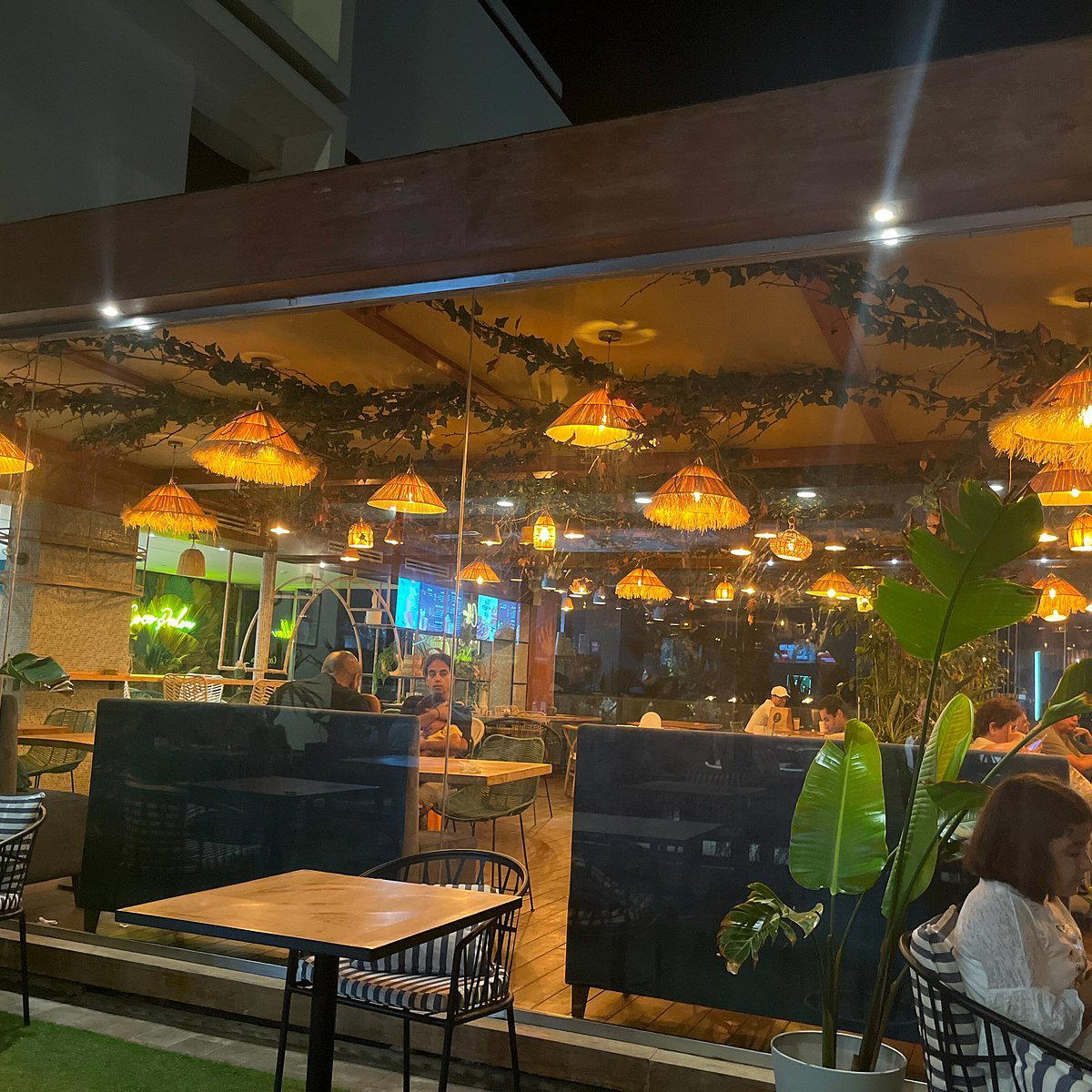
Where Casablanca Slows Down
Casablanca does not lack for ambition at the table. At the formal end of the city's dining register, venues like La Grande Table Marocaine at Royal Mansour Casablanca and Hôtel Le Doge stage Moroccan and French cuisine with the full weight of fine-dining ceremony. At the neighbourhood end, places like La Sqala anchor themselves in the city's historic fabric. Between those poles, the daytime café category plays a quieter but genuinely useful role: a place to begin the morning with something considered, or to hold the hour before dinner without retreating to a hotel lobby. Cocoa Café works in exactly that space, drawing its reference points from Parisian café culture rather than Moroccan dining tradition.
The Parisian café template has proven adaptable across North Africa's coastal cities. In its classic form, it prioritises quality of product over ceremony of service, treating breakfast not as a prologue to a bigger meal but as a complete event in its own right: bread that has been made with attention, coffee that has been sourced with some care, an environment that is designed for sitting rather than passing through. Casablanca's commercial districts and residential quartiers have absorbed this format gradually, and Cocoa Café represents one expression of it in the city's current daytime scene.
The Sourcing Logic Behind a Breakfast Format
What separates a Parisian-style café from a generic breakfast counter, in Casablanca as much as in Paris itself, is the discipline applied to ingredients at the sourcing stage. The croissant question is always instructive: is the butter European-grade, is the lamination done in-house, does the kitchen track provenance at all? Morocco's own agricultural production has become increasingly relevant to this conversation. The country's northern and coastal regions produce good dairy, and its market culture, present in every city from Fes to Tangier, gives kitchens direct access to seasonal produce without the supply-chain friction common in landlocked European cities.
Casablanca's geography reinforces this. The city sits on the Atlantic coast, which shapes both its climate and its market supply. Atlantic-caught fish appears on Casablanca tables at a freshness that inland cities cannot replicate. Local olive oil, honey from the Middle Atlas, and preserved citrus have long been staples of the Moroccan pantry, and they translate naturally into café formats when a kitchen is paying attention. For comparison, L'Oliveraie in El Hajeb, in the shadow of the Atlas Mountains, has built its entire identity around proximity to the olive groves that supply its table. The same logic applies at a smaller scale anywhere a café takes ingredient sourcing seriously.
Cocoa Café's orientation toward breakfast and aperitifs places it in a format where these sourcing decisions are most visible. Breakfast menus have nowhere to hide: the quality of the egg, the bread, the preserve, and the coffee are the entire story. The aperitif hour, meanwhile, has its own logic in a city with a historically French-inflected café culture, where the late-afternoon drink functions as a social institution rather than simply a prelude to eating.
Casablanca's Café Culture in Context
Morocco's café scene is one of the most socially embedded in the Mediterranean world. The institution of the café is older than the country's French protectorate period, but that era deepened the European influence on the format in cities like Casablanca and Rabat. The result is a café culture that operates on two tracks simultaneously: the traditional Moroccan café, built around mint tea, communal seating, and an almost entirely male social ritual; and the European-facing café, built around espresso, pastry, and a mixed clientele. Cocoa Café sits in the second tradition, as do a number of the city's newer breakfast-focused addresses.
That positioning carries a certain demographic specificity. The Parisian-café format in Casablanca tends to draw professional residents, the expatriate community, and international visitors who want something calibrated to European morning habits without flying entirely free of the local context. It is a smaller, more defined audience than the broadscale Moroccan dining that Dar El Kaid or Iloli address, but it is a consistent one.
Across Morocco, the café format has found its own regional expressions. Le Salon Oriental in Essaouira works a different register, one rooted in the medina's artisanal character. Amal Gueliz Center in Marrakech uses a café-adjacent format to serve an entirely different social function. In Fes, Gayza has carved a niche in the city's evolving daytime dining scene. Each reflects the particular character of its city. Casablanca's version, with its commercial energy and its Atlantic-facing openness, produces a café culture that is somewhat faster and more international than what you encounter in the imperial cities.
Placing Cocoa Café in the City's Wider Offer
For visitors spending time across Morocco's dining spectrum, the daytime café functions as connective tissue between the more event-like meals. A morning at Cocoa Café, an afternoon at the souks, an evening at a Moroccan-French table such as Hôtel Le Doge or Iloli: that is roughly how a well-paced day in Casablanca arranges itself. The café does not compete with the fine-dining institutions in the city's portfolio; it occupies an earlier, lighter part of the schedule. Context is everything here. A breakfast café in Casablanca is not the same proposition as the tasting-menu experience at La Grande Table Marocaine in Marrakesh, nor should it be compared to the format discipline of a counter like Le Bernardin in New York City or the community-driven event model of Lazy Bear in San Francisco. The measure of a café is narrower: does it do breakfast well, is the coffee worth returning for, does the room make an hour feel spent rather than killed?
For a broader view of how Cocoa Café sits within Casablanca's full dining offer, the EP Club Casablanca restaurants guide maps the city's key addresses across format and price tier. See also how Morocco's winemaking has developed alongside its dining culture at Château Roslane in Icr Iqaddar, or how the coastal resort format operates further south at Hyatt Place Taghazout Bay in Agadir. And for anyone planning a broader Moroccan itinerary around the outdoor dining tradition, BÔ ZIN in Tassoultante offers a useful point of comparison on atmosphere and format.
Planning a Visit
Cocoa Café operates in the daytime window, built around breakfast and the aperitif hour, which in Casablanca tends to run from late afternoon through early evening. Specific booking requirements, hours, and pricing were not available at the time of publication; given the café format and its daytime orientation, walk-in visits are the norm for this category across Casablanca. The city's café culture is generally accessible without advance planning, though the more popular addresses in commercial districts fill quickly on weekday mornings.
Frequently asked questions
How does Cocoa Café's Parisian café format translate in a Casablanca context?
Casablanca has a longer relationship with European café culture than most Moroccan cities, shaped by its commercial history and its dense concentration of international business activity. Cocoa Café applies the Parisian café format, structured around breakfast service and the aperitif hour, to that context, sitting closer to the city's European-facing daytime offer than to the medina tea-house tradition found in Fes or Marrakech. The dual focus on morning and late-afternoon service reflects how Casablanca's café-going tends to cluster around the edges of the working day.
What do people recommend at Cocoa Café?
Cocoa Café draws its menu framework from the Parisian café tradition, placing emphasis on breakfast items and aperitif-hour offerings rather than a full multi-course format. In that style, the focus falls on pastries, coffee preparations, and early-evening drinks rather than cooked mains. Given the café's Casablanca setting, expect the kind of relaxed counter order that suits both a morning coffee stop and a late-afternoon wind-down.
Is Cocoa Café reservation-only?
Café-format venues in Casablanca operating in the breakfast and aperitif tier almost universally run on a walk-in basis, and Cocoa Café fits that model. There is no publicly documented booking requirement. Arriving during peak morning hours or at the start of the aperitif window, roughly late afternoon, is the practical way to manage timing.
How It Stacks Up
Comparable venues nearby, for context on price, style, and recognition.
| Venue | Cuisine | Price | Awards | Notes |
|---|---|---|---|---|
| Cocoa CaféThis venue (the venue you are viewing) | Parisian-Style Café | Not listed | Not listed | Not listed |
| Le Jasmine | Traditional Moroccan Fine Dining | Not listed | La Liste Top Restaurants · Relais Chateaux Award | City Center |
| Hôtel Le Doge | Traditional Moroccan & Mediterranean | Not listed | Relais Chateaux Award | Art Deco District |
| NIYA | Modern Vegan Mediterranean | $20–30 | Not listed | Gauthier |
| Dar El Kaid | Traditional Moroccan | $20–30 | Not listed | Medina |
| La Sqala | Traditional Moroccan | $10–20 | Not listed | Medina |
Continue exploring
More in Casablanca
Restaurants in Casablanca
All restaurants in Casablanca →
Bars in Casablanca
All bars in Casablanca →
Details
- Cozy
- Elegant
- Casual Hangout
- Brunch
- Hotel Restaurant
- A La Carte
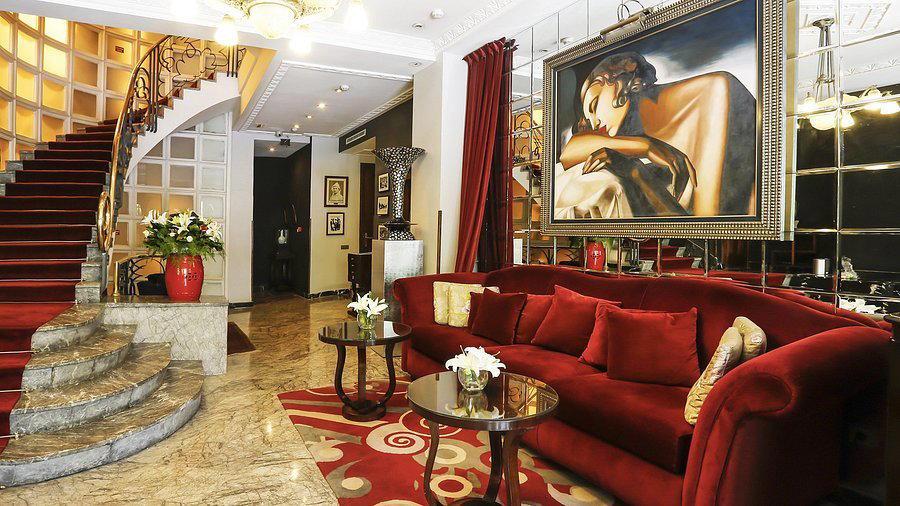
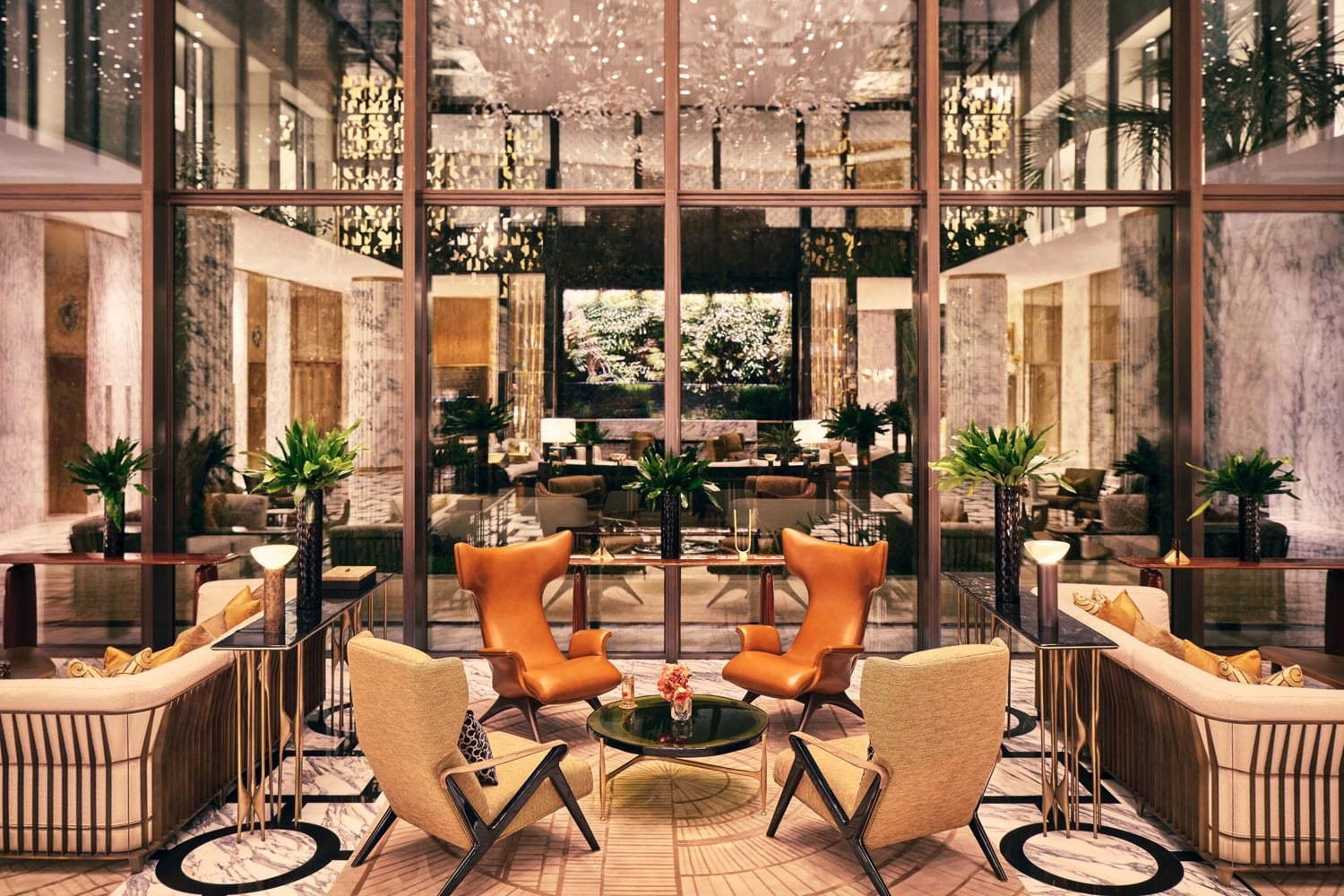
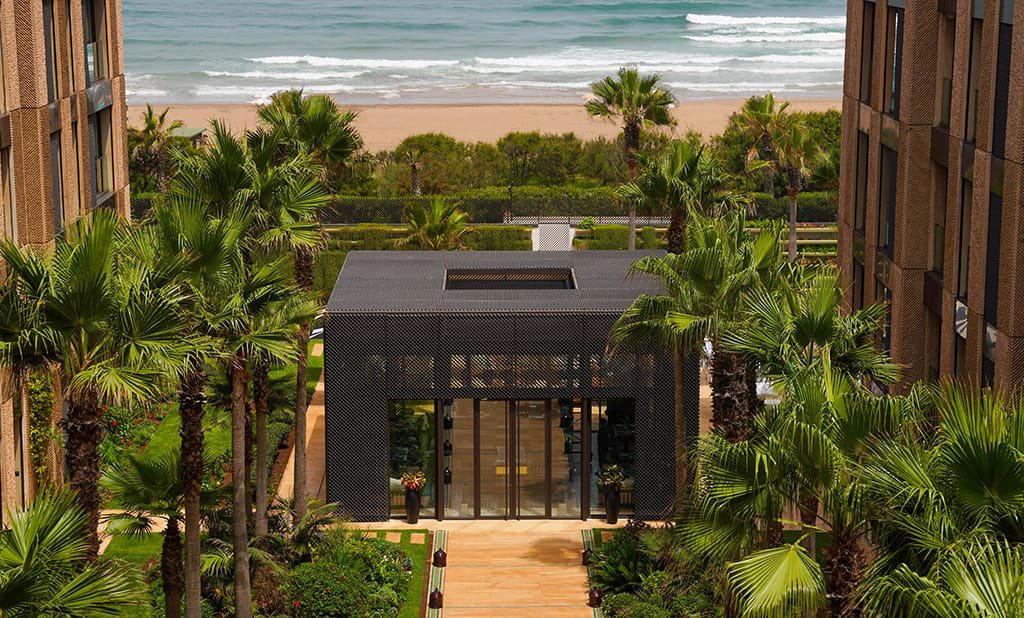
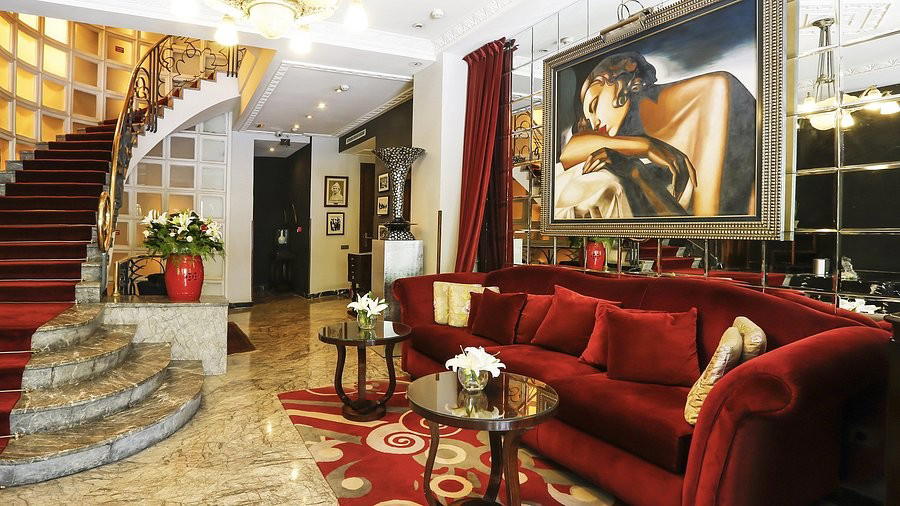
Timeless Parisian café elegance with a sensory journey blending tradition and design.