Col Tempo occupies a quiet address at 4 Rue Saint-Jean in Bastia's historic centre, where Corsican dining has long operated at the intersection of French technique and island tradition. The restaurant sits within a city that rewards those willing to look past the port-facing terraces and into the older streets behind them. For visitors building a serious Bastia itinerary, it belongs on the shortlist alongside the city's more documented addresses.
Pearl is the En Primeur Club membership app — saves, bookings, and concierge access live there. Same editors, same standards.
- Address
- 4 Rue Saint-Jean, 20200 Bastia, France
- Phone
- +33495581422
- Website
- facebook.com
- Directions
- Get directions
 Saves & bookings on Pearl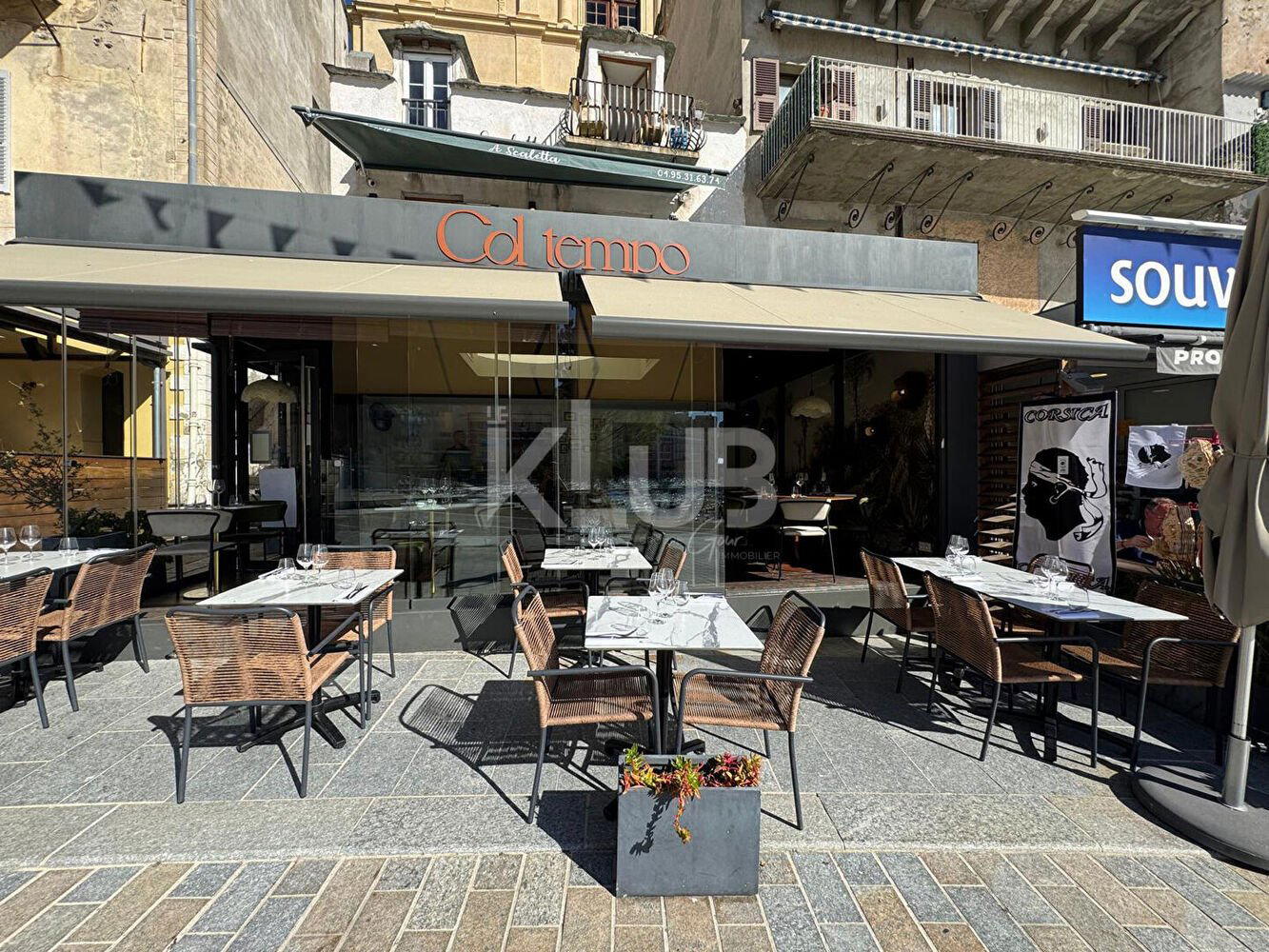
Bastia's Old Quarter and the Restaurants That Define It
Rue Saint-Jean runs through the part of Bastia that most ferry passengers never reach. The port is the first impression the city offers, and for many visitors it doubles as the last: a coffee on the quay, a glance at the citadel walls, then back on the boat. Those who push inland into the tangle of streets behind the Vieux-Port find a different register entirely. The architecture here is Genoese in origin, the light filtered, the pace slower than the harbourfront suggests. Col Tempo is a restaurant at 4 Rue Saint-Jean in Bastia, serving Modern French Market Cuisine at an average spend of about $67 per person.
This matters as context because Bastia's restaurant scene has developed along two distinct tracks. One is the tourist-facing circuit, concentrated along the port and oriented toward seafood terraces with broad menus and broad appeal. The other is a tighter network of places embedded in the residential and historic fabric of the city, where the cooking tends to reflect a more considered relationship with Corsican ingredients and technique. Col Tempo occupies the second track, at an address that signals intent before a dish is served.
Corsican Cuisine as a Cultural Proposition
To understand what a restaurant like Col Tempo is working within, it helps to understand what Corsican cuisine actually is, and what it is not. It is not simply French food prepared on an island. The island's culinary identity draws from a longer and more complicated history: Genoese occupation, pastoral transhumance, chestnut cultivation in the interior highlands, and a coastal fishing tradition that differs from both the Provence and Italian models it superficially resembles. The result is a table that prizes ingredients with specific geographic origin: charcuterie from pigs raised on acorns and chestnuts in the interior, brocciu cheese made from sheep and goat whey, clementines from the Plaine Orientale, and fish from waters that remain less commercially pressured than much of the Mediterranean.
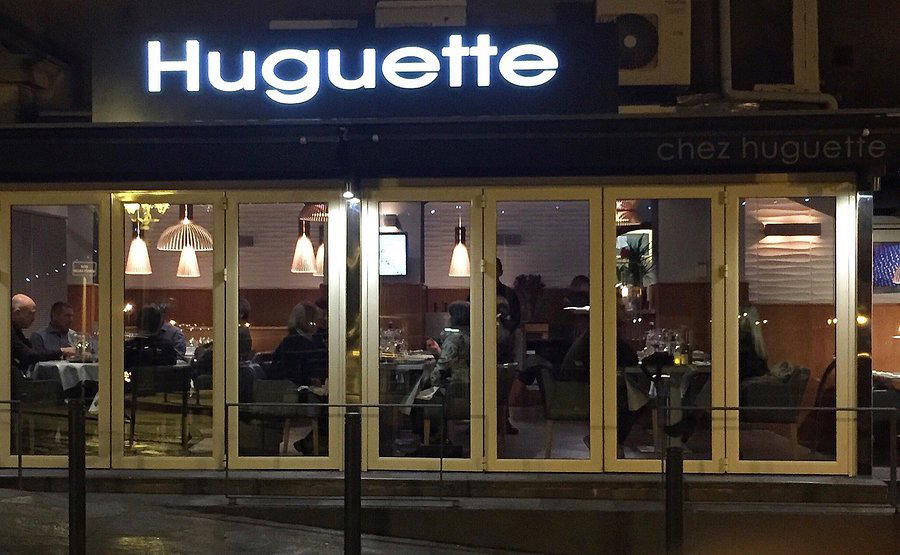
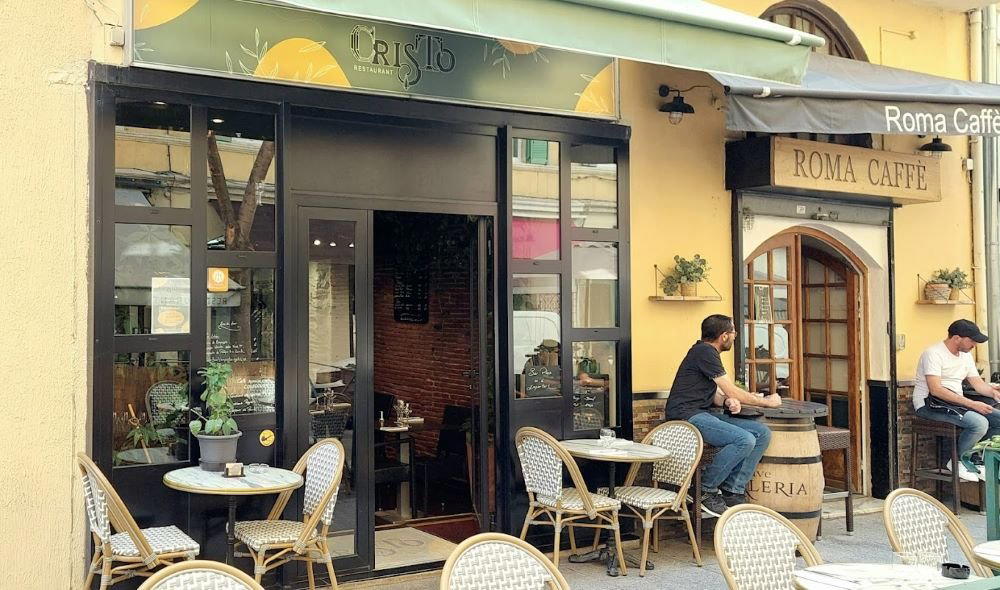
The better restaurants in Bastia use these ingredients not as decorative local colour but as the structural logic of their menus. The comparison set matters here. ADN approaches Corsican produce with a contemporary technical frame. Chez Huguette has built a long-standing reputation around seafood that speaks directly to the port tradition. Cristo and La Table de Mare & Gustu each occupy different positions within the city's dining range. Radiche has attracted attention for its approach to island roots. The restaurant's position within this set is shaped by its address and its evident focus on the older quarter's local audience.
For those building a broader picture of serious French regional cooking, the Corsican model sits at an interesting remove from the mainland tradition. The grandes maisons of metropolitan France, from Alléno Paris au Pavillon Ledoyen in Paris to Troisgros - Le Bois sans Feuilles in Ouches, operate within a codified classical and post-classical lineage. Corsican cooking, by contrast, has preserved a stronger strand of pastoral and artisanal identity.
What the Address Tells You
The physical setting of a restaurant in Bastia's historic centre comes with its own set of constraints and advantages. The streets here are narrow, the buildings old, and the dining rooms tend to be compact by the standards of port-facing establishments. This affects everything from noise levels to service rhythm. A smaller room in a Genoese-era building operates differently from a terrace table facing the ferry terminal: the pacing is more contained, the ambient sound lower, the sense of being inside the city rather than adjacent to it more pronounced.
The restaurant's placement at this address puts it within walking distance of the citadel and the Terra Vecchia neighbourhood, both of which concentrate the older residential life of the city. This is not a location that depends on passing tourist traffic. Restaurants in this position either build a loyal local following or they do not survive.
Planning Your Visit
Bastia is accessible by ferry from Nice, Marseille, Genoa, and Livorno, or by air into Bastia Poretta Airport. The old quarter where the restaurant is located is walkable from the Vieux-Port area, and the streets are better navigated on foot than by car given their width and the limited parking in the immediate vicinity. For those travelling from elsewhere in France and cross-referencing against the country's more formally documented dining addresses, the southern coastal route also connects to La Table du Castellet in Le Castellet, while the broader French fine dining constellation includes addresses as distinct as Flocons de Sel in Megève, Bras in Laguiole, Auberge de l'Ill in Illhaeusern, Les Prés d'Eugénie - Michel Guérard in Eugénie-les-Bains, Georges Blanc in Vonnas, Paul Bocuse - L'Auberge du Pont de Collonges in Collonges-au-Mont-d'Or, and Mirazur in Menton. International visitors arriving via transatlantic routes might also note EP Club's coverage of Le Bernardin in New York City and Lazy Bear in San Francisco for comparison of format and approach across different national traditions.
Cost and Credentials
Comparable venues nearby, for context on price, style, and recognition.
| Venue | Cuisine | Price | Awards | Notes |
|---|---|---|---|---|
| Col TempoThis venue — the venue you are viewing | Vieux-Port, Modern French Market Cuisine | $$$ | Not listed | Not listed |
| U Paisanu | Vieux-Port, Authentic Corsican | $$ | Not listed | Not listed |
| La Table de Mare & Gustu | Not listed | $$$ | Not listed | Vieux-Port, Corsican Mediterranean Seafood |
| Cristo | Not listed | $$$ | Not listed | centre ville, Modern French Bistro with Vegan Options |
| Radiche | Old Town, Modern Corsican | $$$ | Michelin Plate | Not listed |
| Chez Huguette | Vieux Port, Corsican Seafood | $$$$ | Not listed | Not listed |
Continue exploring
More in Bastia
Restaurants in Bastia
Browse all →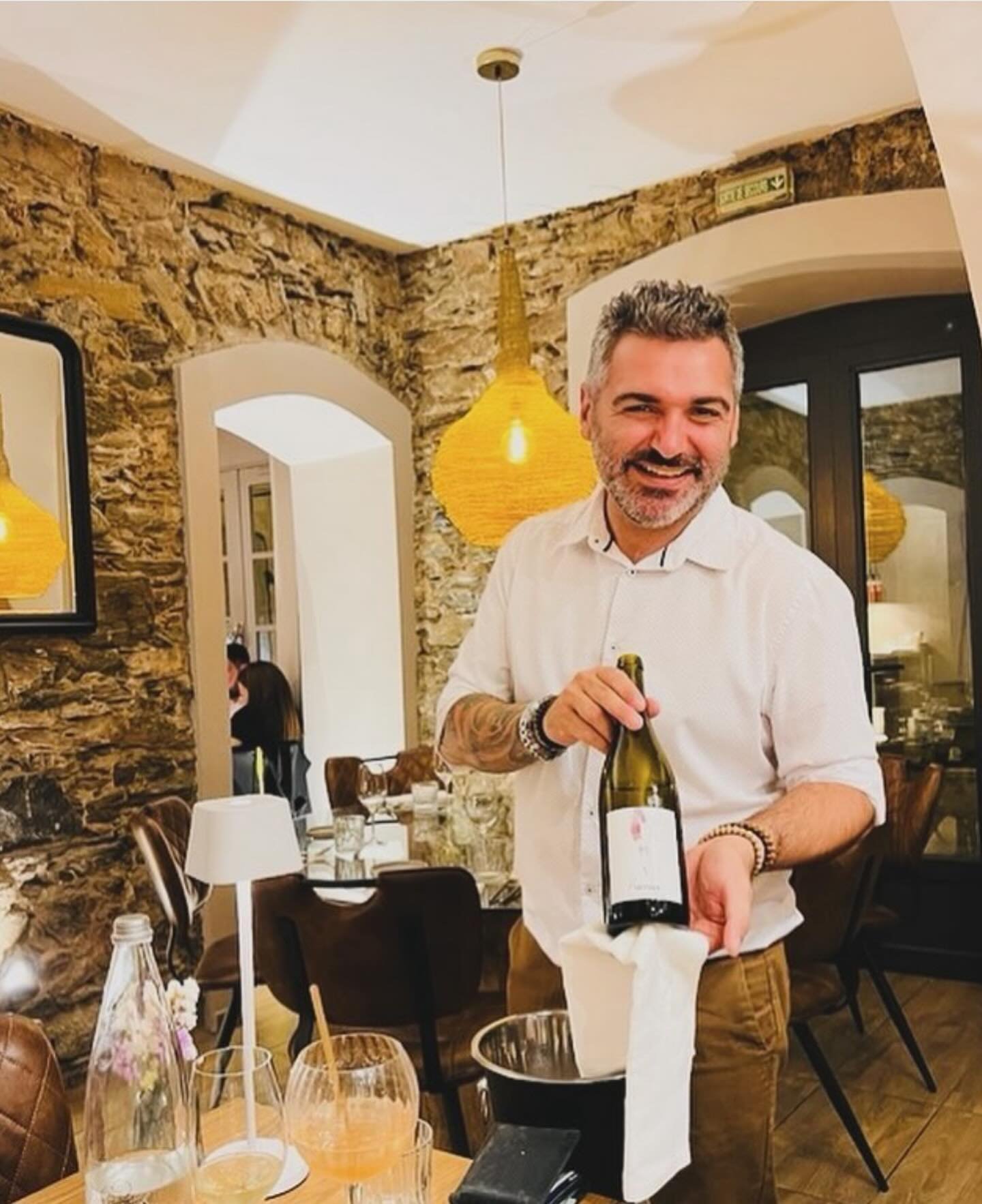
Hotels in Bastia
Browse all →
Wineries in Bastia
Browse all →
At a Glance
- Intimate
- Elegant
- Modern
- Romantic
- Date Night
- Special Occasion
- Waterfront
- Open Kitchen
- Terrace
- Sommelier Led
- Local Sourcing
- Farm To Table
- Waterfront
Current opening hours
- Monday
- Closed
- Tuesday
- 12–3 PM, 6–11 PM
- Wednesday
- 12–3 PM, 6–11 PM
- Thursday
- 12–3 PM, 6–11 PM
- Friday
- 12–3 PM, 6–11 PM
- Saturday
- 12–3 PM, 6–11 PM
- Sunday
- Closed
Hours can change for holidays and private events. Last verified .
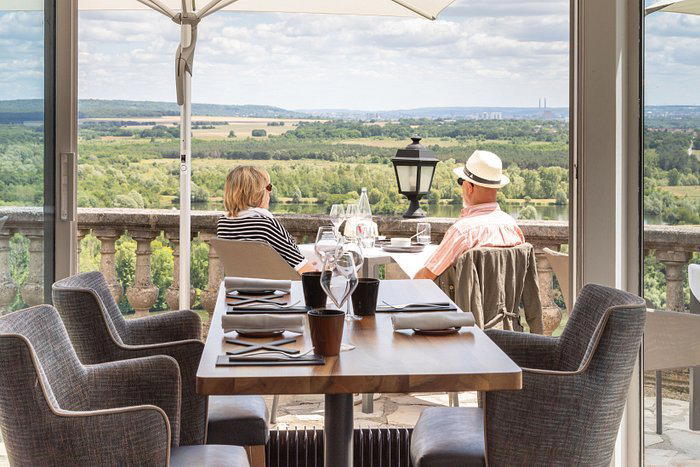
Contemporary and intimate setting with large upholstered armchairs, glassed-in air-conditioned terrace overlooking the old port, and an open kitchen allowing diners to appreciate the chef's work.