Our verdict
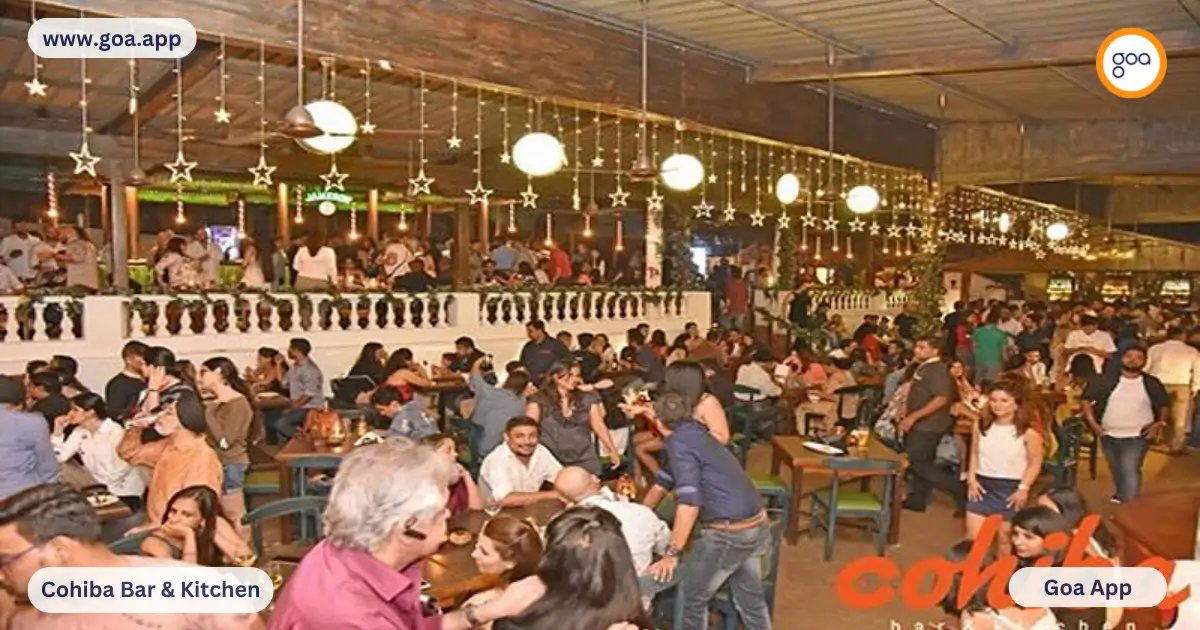
Positioned along the Aguada-Siolim Road near Candolim, Cohiba sits within reach of the north Goa coastline and the layered hospitality scene that has grown around Aguada Fort. The setting places it in a category of Goa restaurants where location does much of the editorial work, drawing from both the fort area's visitor traffic and the resident crowd that has gravitated to this stretch over the past decade.

Pearl is the En Primeur Club membership app — saves, bookings, and concierge access live there. Same editors, same standards.
- Address
- Aguada - Siolim Rd, Sinqurim, Aguada Fort Area, Candolim, Goa 403515, India
- Phone
- +917722031222
- Hours
- Mon 6 PM–2 AMTue ClosedWed 6 PM–4 AMThu 6 PM–2 AMFri–Sat 6 PM–4 AMSun 6 PM–2 AM
- Website
- zomato.com
- Directions
- Get directions
- Booking
- Book on the venue's website
The Aguada Corridor and What It Asks of a Restaurant
North Goa's restaurant density along the Aguada-Siolim Road has shifted considerably over the past fifteen years. What was once a strip defined by beach shacks and hotel dining rooms now holds a more varied set of options, from destination cocktail bars to kitchens with serious sourcing programs. Cohiba, addressed to the Sinqurim stretch near Aguada Fort Area in Candolim, sits within this corridor at a point where the coastal tourist trade and a more settled residential dining culture intersect. That positioning matters: restaurants here serve two distinct audiences, and the ones that hold attention over seasons tend to be those that give the local crowd a reason to return beyond the view.
The fort area itself carries a historical weight that few other parts of Goa can claim. Aguada Fort, built by the Portuguese in the seventeenth century, anchors the headland, and the hospitality infrastructure that has grown around it reflects Goa's longer arc from colonial trading post to international leisure destination. Dining in this zone is never entirely separate from that context, and the better kitchens in the area tend to work with it rather than against it, drawing on Goa's layered culinary inheritance rather than defaulting to generic pan-Indian or Western resort menus.
Sourcing in Goa: What the Terrain Offers
Goa's ingredient geography is one of the more compelling cases in Indian coastal cooking. The Arabian Sea delivers a consistent supply of kingfish, pomfret, tiger prawns, and clams that have anchored the local table for centuries. Inland, the laterite plateau supports cashew cultivation at scale, produces kokum and raw mango in season, and feeds the vinegar fermentation traditions that give Goan recheado and balchão their acidity. Coconut, in multiple forms, runs through the cuisine as both fat and flavoring in a way that has no close parallel in northern Indian cooking.
Restaurants in the Candolim and Sinqurim belt that take sourcing seriously work within this system rather than bypassing it for imported produce. The question worth asking of any kitchen in this corridor is how far up the supply chain it reaches: whether fish comes from the Mapusa market that morning, whether the chillies are sourced from specific farms in the Goa hinterland, and whether the kitchen uses palm vinegar or the cheaper synthetic alternative. These details rarely appear on menus but show up clearly on the plate. For context on what sourcing-led kitchens can look like at the national level, Farmlore in Bangalore has built its entire format around documented provenance, while Kappa Chakka Kandhari in Chennai demonstrates how hyperlocal ingredient focus can anchor a restaurant's identity across multiple years.
The north Goa restaurant scene has fragmented into fairly distinct tiers. At one end are the shack operations along Calangute and Baga that serve a high-volume tourist clientele with standardized Goan-Indian menus. At the other are a smaller number of kitchens that have built genuine followings among the long-stay and repeat-visitor crowd, including properties in Anjuna and Assagao that treat the dining room as a destination in its own right. Cohiba's position on the Aguada-Siolim Road places it geographically between these poles, in an area that skews toward the mid-to-upper range of the market given the hotel infrastructure nearby.
Within Mapusa's broader restaurant context, the comparison set is instructive. Gunpowder and Hideaway represent different editorial positions in the same geography, while Hosa adds another point of reference for how kitchens in this part of Goa are approaching the relationship between local tradition and contemporary format. Bomras in Anjuna offers a useful parallel from a nearby district: a kitchen that has built recognition through a specific cuisine perspective rather than through location alone. The full picture of what this dining region offers is mapped in our full Mapusa restaurants guide.
Across India, the restaurants that tend to hold critical attention are those that commit to a specific culinary argument rather than spreading across multiple cuisine categories. Inja in New Delhi, Naar in Kasauli, and Adaa at Falaknuma Palace in Hyderabad each demonstrate how a defined point of view translates into sustained recognition. Closer in geography, Americano in Mumbai and Leela Kerala Terrace in Trivandrum show different approaches to coastal Indian dining within the broader western-seaboard context. For those planning wider itineraries, heritage dining formats at Ran Baas The Palace in Qila Mubarak, Dining Tent in Jaisalmer, Neel in Patiala, and Palaash in Yavatmal extend the conversation about place-specific Indian cooking beyond the coastal belt.
Planning a Visit to This Part of Goa
The Candolim and Sinqurim stretch is most accessible during the dry season, which runs from November through February and represents the peak of Goa's visitor calendar. During these months, the Aguada Fort Road carries significant traffic in the evenings, and restaurants in the area fill quickly after sundown. Approaching from Panaji, the drive along the coastal road takes roughly twenty to twenty-five minutes depending on conditions; from the Calangute market area, Sinqurim is a shorter distance heading south toward the fort. Arriving before the evening rush and confirming arrangements in advance is the practical approach for any restaurant in this corridor during peak season.
Outside of peak season, particularly in the shoulder months of October and March, the dynamic shifts considerably: fewer visitors, more attentive service ratios, and a dining room that skews toward the resident and long-stay crowd. This is when the kitchens that rely on local sourcing tend to show their character most clearly, since the produce arriving from the Mapusa market and the coastal catch reflect the seasonal transition rather than the standardized supply chains that serve high-volume tourist operations year-round. For international comparison on what serious sourcing programs look like at fully documented venues, Le Bernardin in New York City and Lazy Bear in San Francisco represent the upper end of the provenance-focused format in their respective cities.
Frequently asked questions
Does Cohiba work for a family meal?
Cohiba's location along the Aguada-Siolim Road in Candolim places it within one of north Goa's more established dining corridors, where restaurants typically accommodate mixed groups. The Sinqurim and Candolim stretch is a practical base for families staying in the Aguada Fort area.
What's the overall feel of Cohiba?
Cohiba sits in the Aguada Fort area of Candolim, a stretch of north Goa that has moved well past its beach-shack origins into more considered dining territory. The Aguada-Siolim Road address puts it in the company of restaurants serving both the resort crowd and longer-term visitors who know the area. The setting leans into the coastal Goa atmosphere that defines this part of the state between November and February.
Is Cohiba a good option for visitors staying near Aguada Fort during peak season?
Cohiba's address on Aguada-Siolim Road in the Aguada Fort area places it squarely in the zone that sees the heaviest visitor traffic between November and February, when the dry season draws the largest concentration of travellers to Candolim and Sinqurim. Its position in this corridor makes it a practical choice for guests at nearby properties without needing significant travel. Reservations during peak weeks are worth arranging in advance given the seasonal demand across all restaurants in this stretch of north Goa.
How do I find Cohiba?
Cohiba is located at Aguada - Siolim Rd, Sinqurim, Aguada Fort Area, Candolim, Goa 403515, India, Mapusa.
Side-by-Side Snapshot
Continue exploring
More in Mapusa
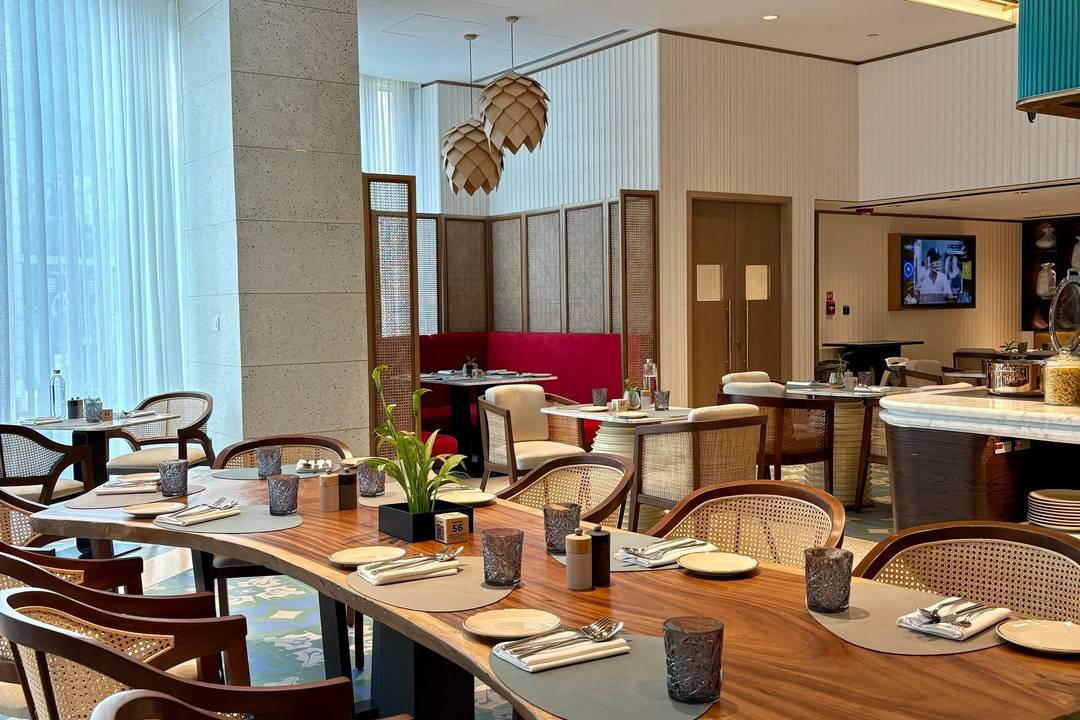
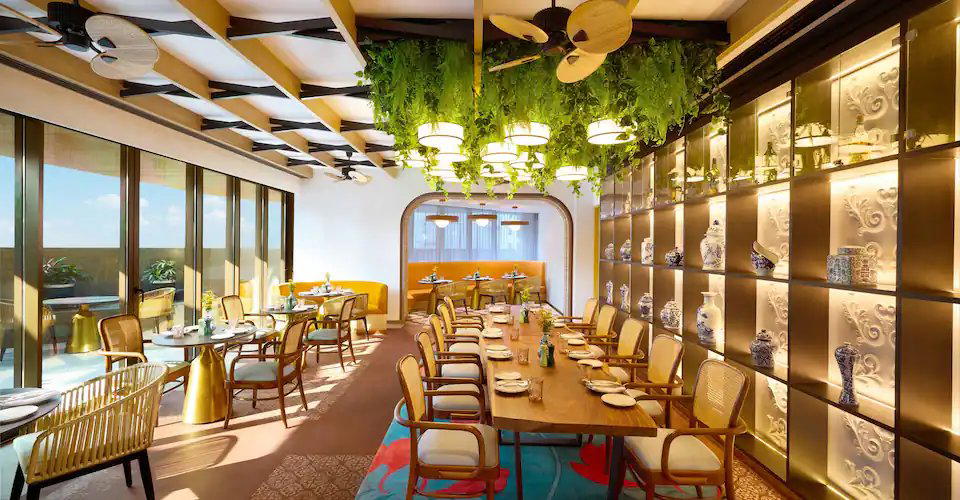
Restaurants in Mapusa
Browse all →
Bars in Mapusa
Browse all →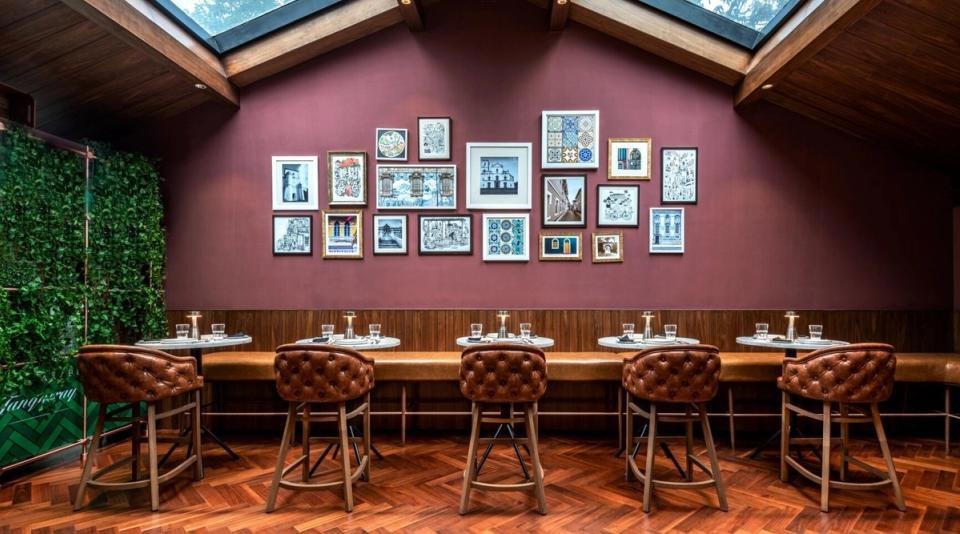
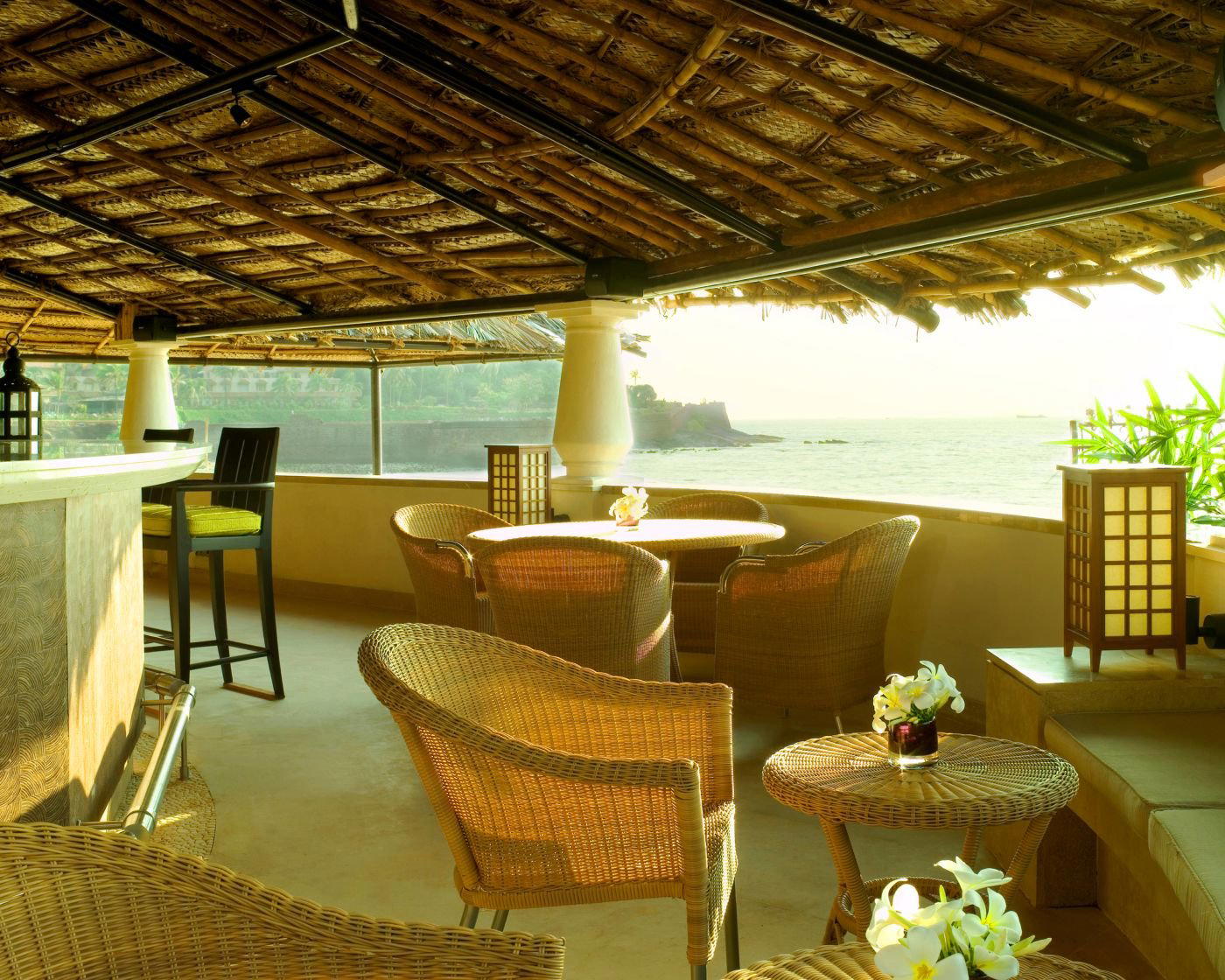
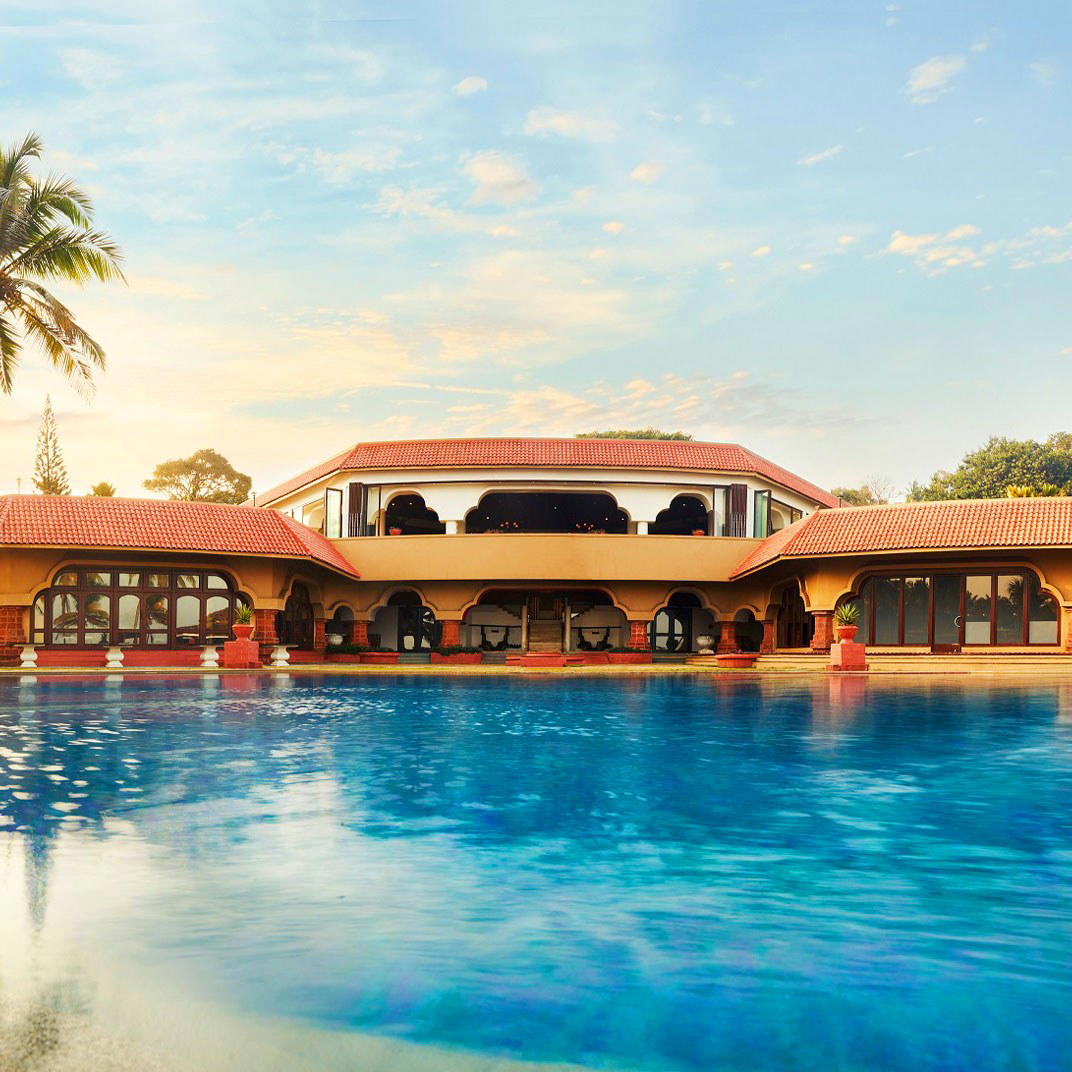
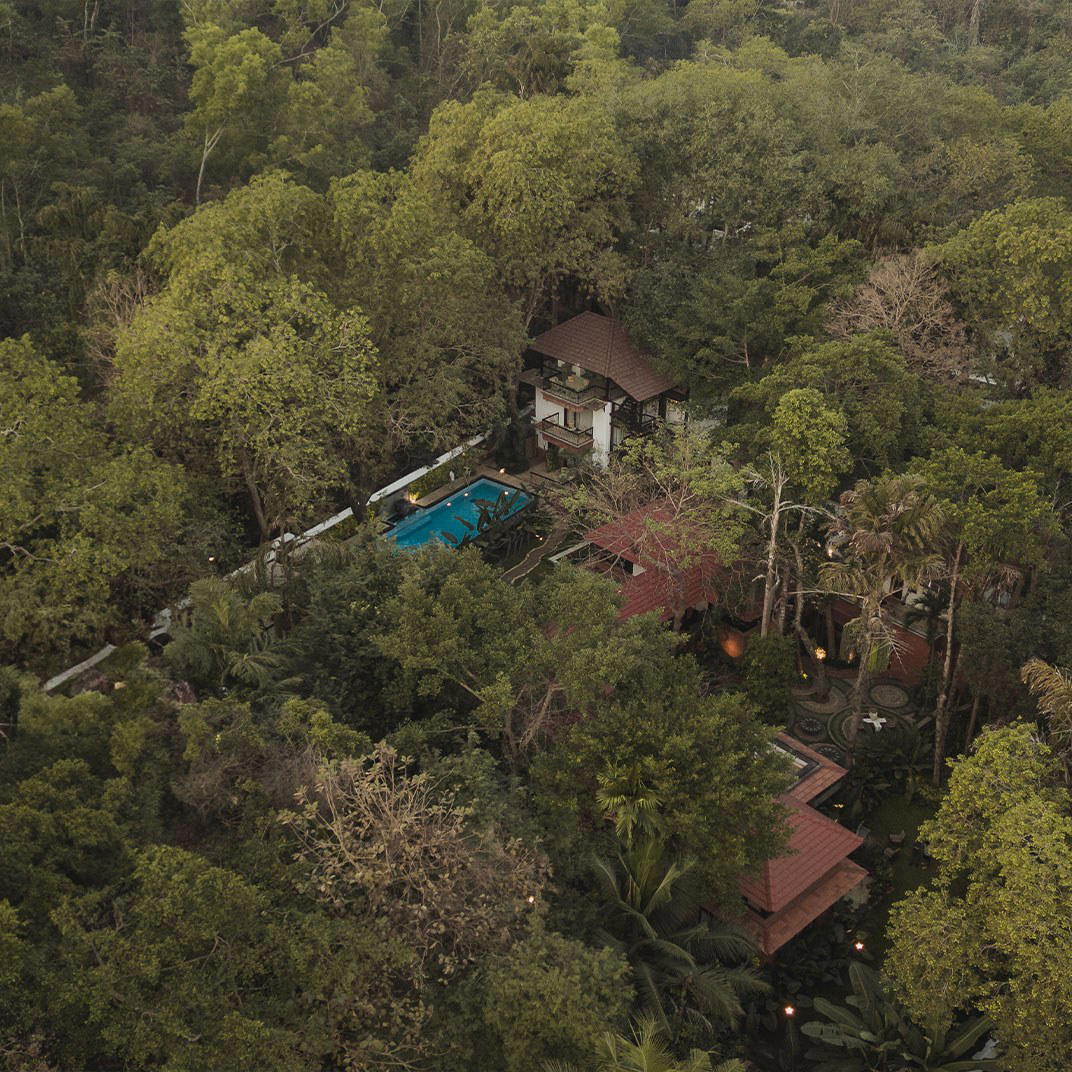
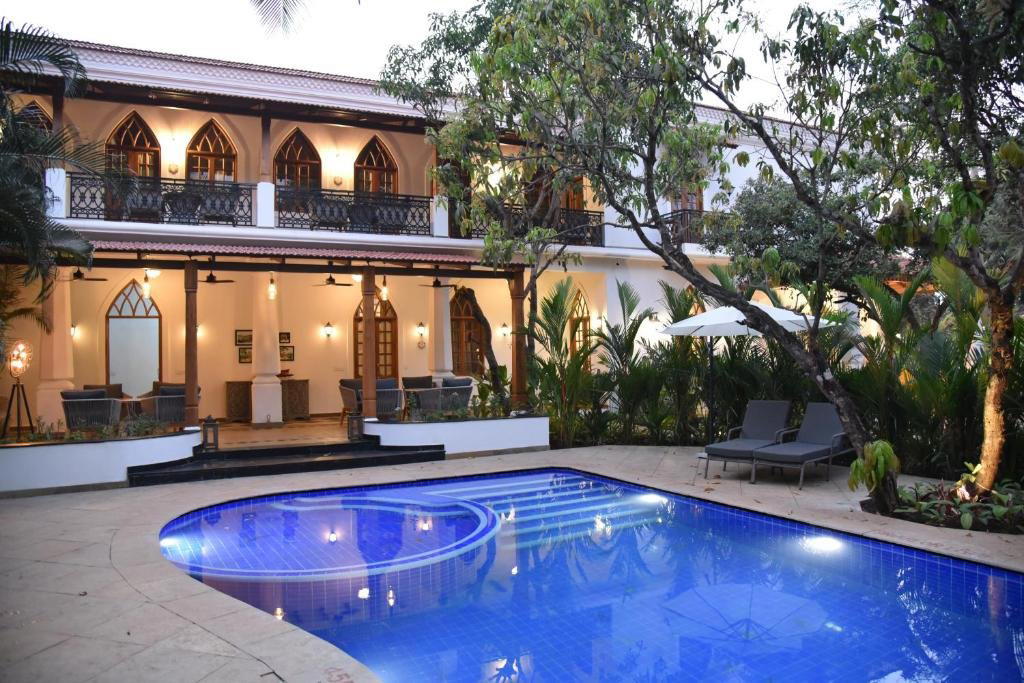
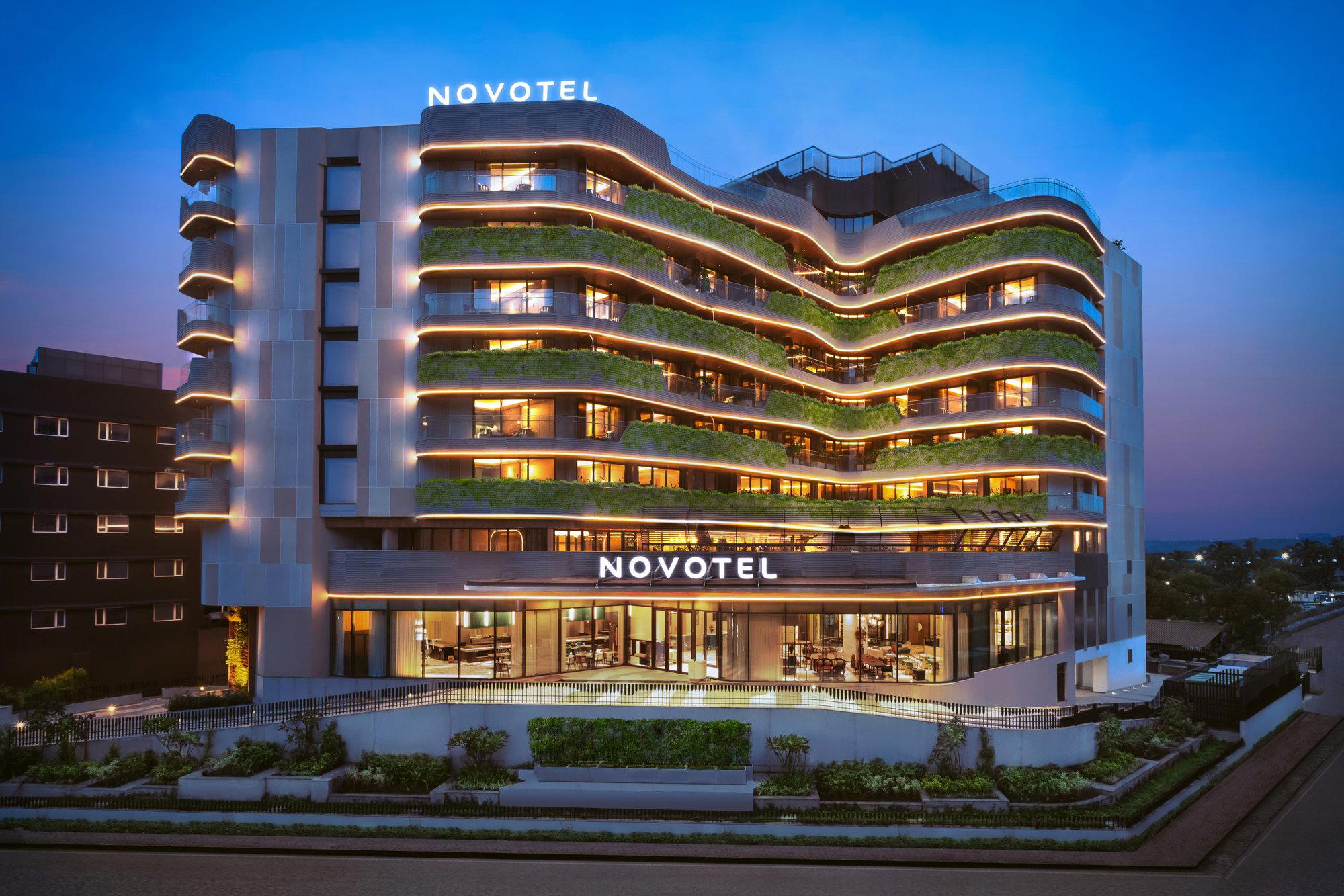
Hotels in Mapusa
Browse all →
Wineries in Mapusa
Browse all →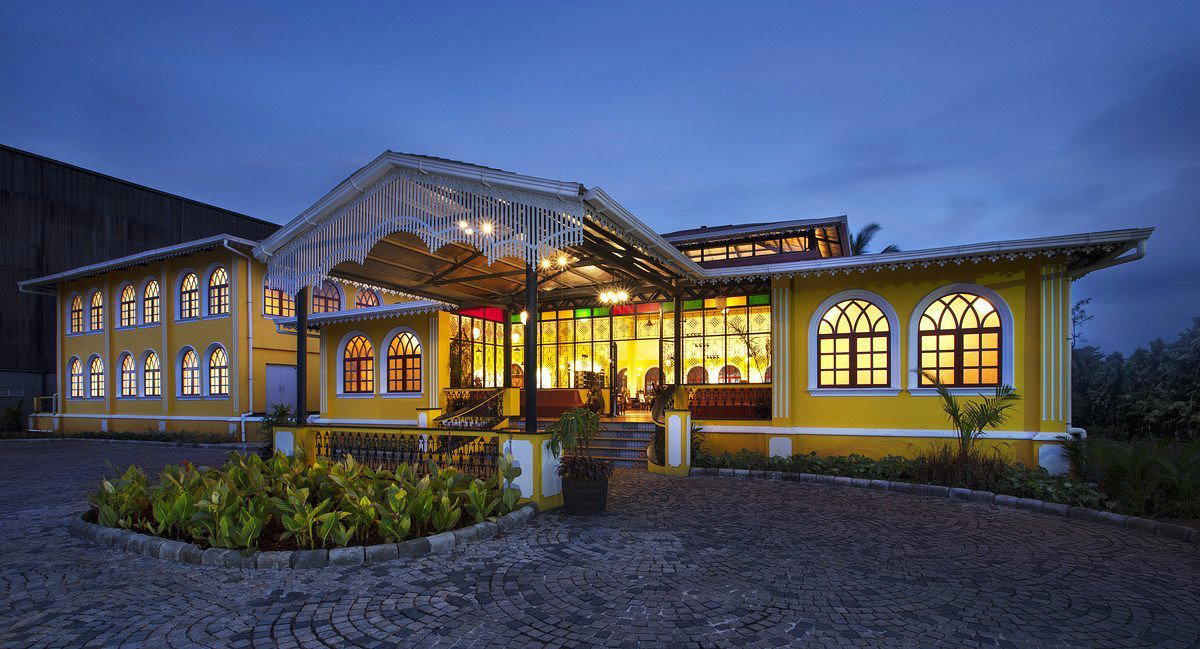
Details
- Lively
- Energetic
- Group Dining
- Casual Hangout
- Live Music
- Craft Cocktails
- A La Carte
Current opening hours
- Monday
- 6 PM–2 AM
- Tuesday
- Closed
- Wednesday
- 6 PM–4 AM
- Thursday
- 6 PM–2 AM
- Friday
- 6 PM–4 AM
- Saturday
- 6 PM–4 AM
- Sunday
- 6 PM–2 AM
Hours can change for holidays and private events. Last verified .
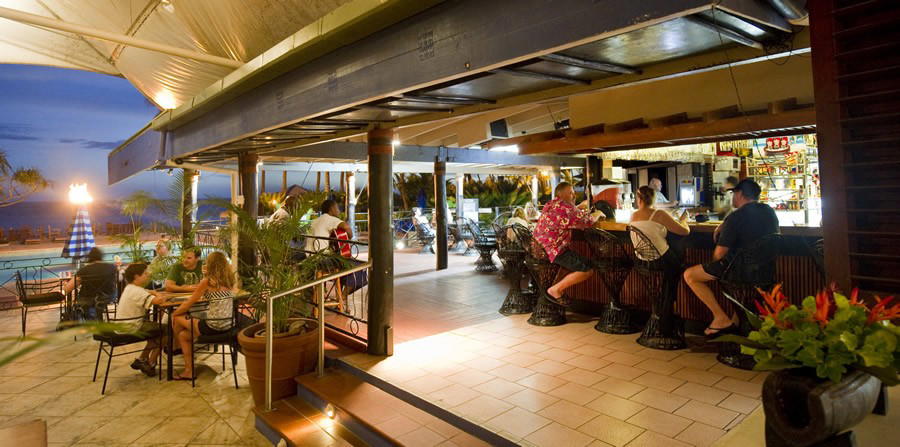
Chill evening atmosphere with live music