
1
Bonnieux, France
Le P’tit coin des gourmands
Current identity verified as Le P’tit coin des gourmands.
Results
Bonnieux, France
Current identity verified as Le P’tit coin des gourmands.

Bormes-les-Mimosas, France
Le PàpaGàllo sits on the Quai d'Honneur in Bormes-les-Mimosas, placing it directly within the port's working rhythm of arriving boats and salt-aired terraces that define dining along this stretch of the Var coast. The address alone sets expectations: this is harbour-side eating in a town where the Côte d'Azur trades its glamour for something quieter and more local in character.
Namur, Belgium
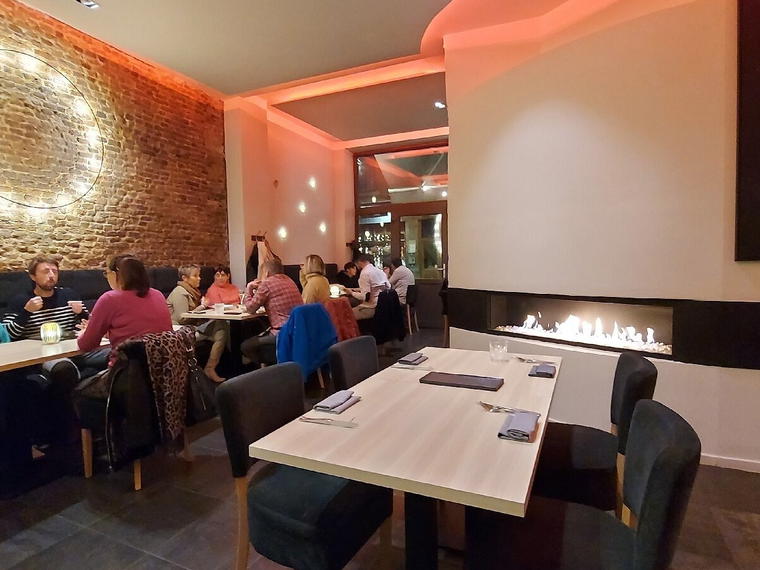
On Place Chanoine Descamps in central Namur, Le Pâtanthrope occupies a square that sits at the intersection of the city's civic and gastronomic life. Among Namur's mid-to-upper dining tier — alongside creative addresses like Attablez-vous and modern kitchens such as L'Espièglerie — it holds a distinct position worth understanding before you book.

Lyon, France
On Rue des Remparts d'Ainay in Lyon's 2nd arrondissement, Le Poêlon d'Or occupies a place in the city's long tradition of neighbourhood restaurants that resist reinvention for its own sake. The address sits within walking distance of the Presqu'île's bouchon circuit, positioning it between the casual and the considered — a register Lyon has always done well.

Le Pian Medoc, France
Le Pont Bernet serves traditional French regional cuisine with an extensive, sommelier-led wine list, and its terrace and garden suit a slower lunch or dinner in smart casual.

Beauraing, Belgium
Le Pont des Anges occupies a quiet address on Rue de l'Aubépine in Beauraing, a small Walloon town that sits well outside Belgium's main fine-dining circuits. The restaurant's position in a region defined by agricultural land and forest edges suggests a kitchen with direct access to the kind of local supply chains that urban restaurants spend considerable effort replicating. For travellers willing to leave the Brussels-Ghent axis, it offers a different register of Belgian dining.
Fribourg, Switzerland
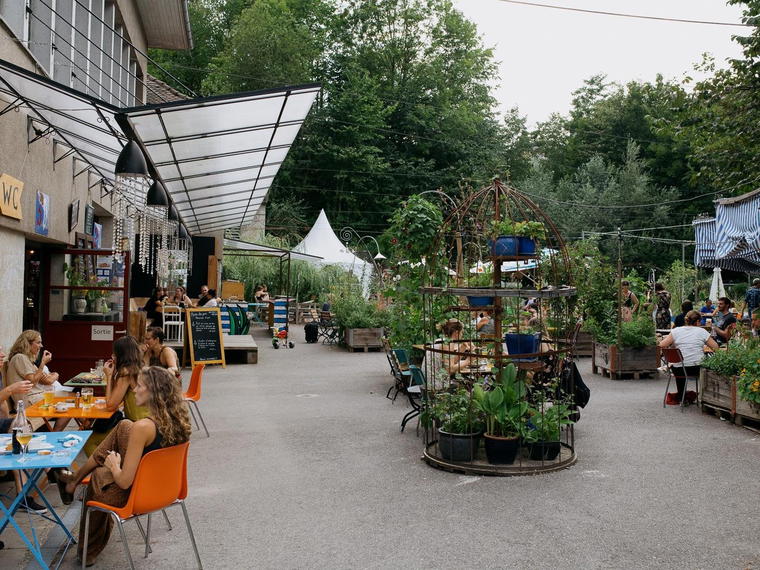
Le Port de Fribourg occupies one of the city's most storied riverside addresses on Planche-Inférieure, where the Sarine curves beneath medieval sandstone towers. The setting positions it within Fribourg's compact but serious dining scene, operating at a different register from the formal French tables higher in the upper town. For visitors oriented toward place as much as plate, the address alone is an argument.
Bages, France
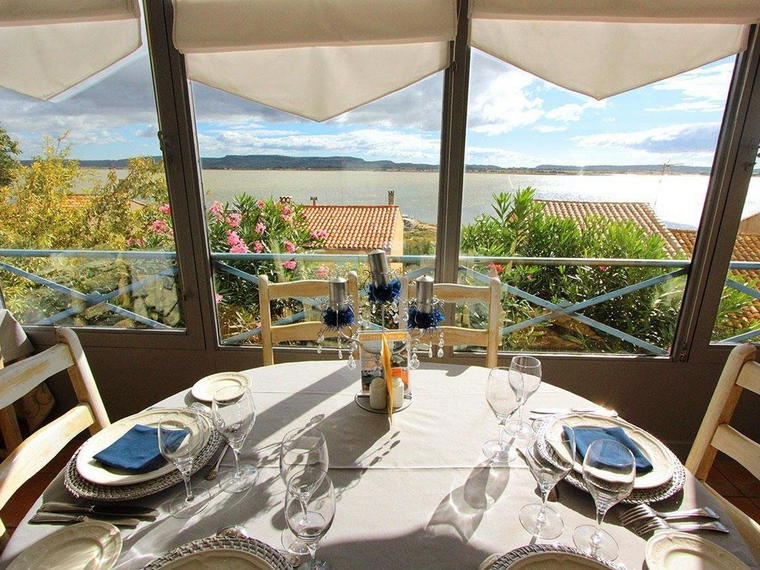
Le Portanel sits on the narrow waterfront passage of Bages, a medieval fishing village on the Étang de Bages-Sigean that has become one of the Aude's most closely watched dining addresses. The restaurant draws directly from the lagoon and surrounding Corbières countryside, placing southern French ingredient sourcing at the centre of its kitchen logic. For anyone tracing serious regional cooking in Languedoc-Roussillon, this address belongs on the itinerary.

Saint Just, France
Le Pòtafin occupies a quietly compelling position in Saint-Just, a commune in the Hérault department where southern French produce sets the terms of the table rather than kitchen theatrics. The address on Avenue Gabriel Péri places it within reach of the Languedoc's farming and wine-growing hinterland, making ingredient provenance the natural editorial frame for understanding what happens here. For visitors building a southern France itinerary, it warrants a place in the planning conversation alongside the region's better-documented stops.
Le Pre Saint Gervais, France
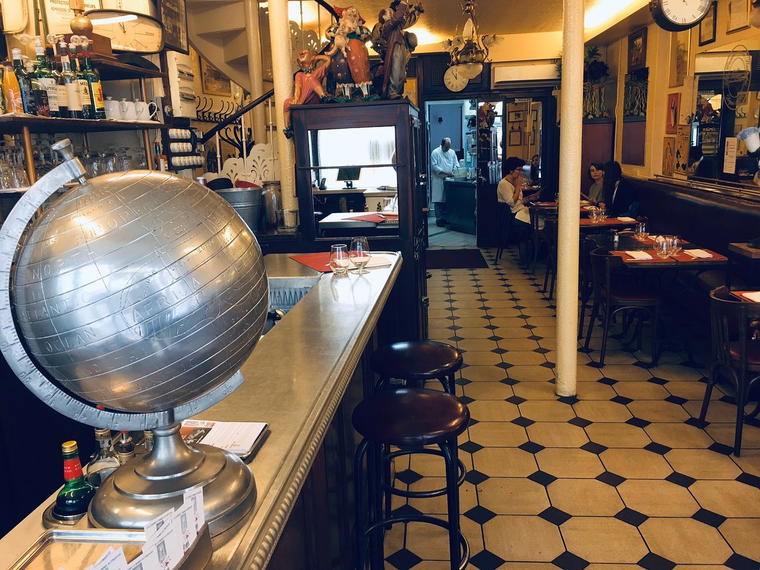
Le Pouilly-Reuilly occupies a particular place in the inner Paris orbit: a neighbourhood bistro in Le Pré-Saint-Gervais that operates on the logic of the classic French zinc counter rather than the destination-restaurant circuit. For visitors willing to cross the périphérique, it offers a version of Parisian bistro culture largely unchanged by the pressures of tourism or trend.

Paris, France
Le Poulpry occupies a quietly serious address at 12 Rue de Poitiers in the 7th arrondissement, a neighbourhood where the density of serious French dining is matched only by the weight of its institutional architecture. The restaurant positions itself within Paris's upper tier of classical dining, where wine-led hospitality and the depth of the cellar often define the room as much as what arrives on the plate.

Hyères, France
Le Pradeau Plage sits along Hyères' coastline at 1420 Avenue des Arbanais, placing it within the Var's broader tradition of beach dining that runs from salt-flat-edged estuary to open Mediterranean shore. For visitors tracing the southern French coast's plage restaurant circuit, it represents a stop on a stretch where the cooking is shaped as much by geography as by kitchen ambition.
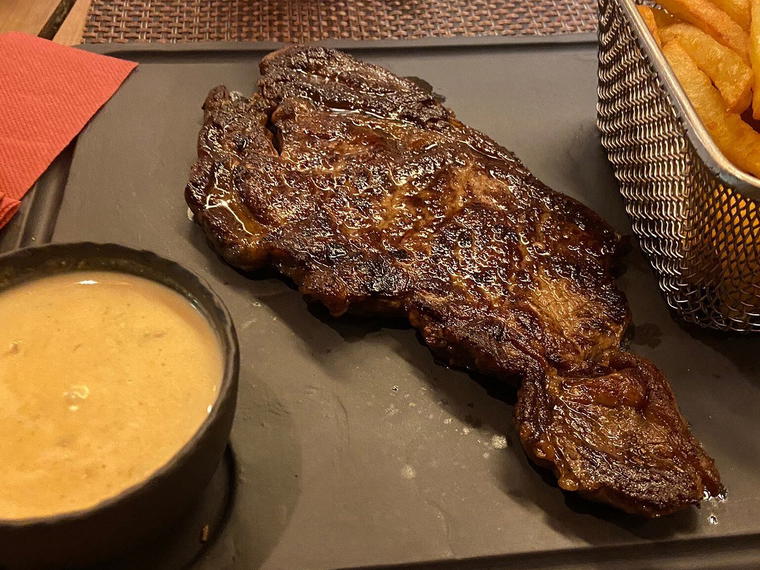
Praz-sur-Arly, France
In the quiet village of Praz-sur-Arly, Le Pralin occupies the kind of address that rewards those who seek out the smaller Alpine dining rooms over the valley's more publicized tables. The kitchen draws on the mountain's immediate larder, placing it within a French regional tradition that values proximity over prestige. For visitors to the Aravis range, it offers a grounded alternative to the Megève circuit.

Dijon, France
On Place de la Libération, Dijon's grandest civic square, Le Pré aux Clercs occupies a setting that frames the meal before a dish arrives. The restaurant sits within a dining culture defined by Burgundy's produce traditions and a strong local appetite for classical French technique, placing it among the addresses that anchor the city's more formal restaurant tier.

Paris, France
At 30 Rue Bonaparte in Saint-Germain-des-Prés, Le Pré aux Clercs occupies one of Paris's most storied dining addresses, where the sixth arrondissement's literary café culture meets the expectations of a contemporary French table. The restaurant sits in a neighbourhood that has shaped and reshaped itself across generations, making it a lens through which to read how classic Parisian dining continues to evolve.

Le Mont Saint Michel, France
Le Pré Salé sits on the approach road to Le Mont Saint-Michel, placing it squarely in the tradition of Norman coastal dining built around the bay's most celebrated product: salt-meadow lamb. The restaurant draws on the particular terroir of the tidal flats where sheep graze on halophyte grasses, producing meat with a mineral salinity that no inland rearing can replicate. For visitors arriving at one of France's most visited landmarks, it offers a grounded, ingredient-led meal before or after the pilgrimage up the rock.

Aups, France
On Aups's central square, Le Provençal occupies a position that puts it at the heart of one of the Var's most produce-rich market towns. The restaurant draws on the agricultural abundance of the Haut-Var — truffles, olives, lavender-country vegetables — and sits alongside a small cohort of neighbourhood tables that together define what eating in this corner of Provence actually looks like.
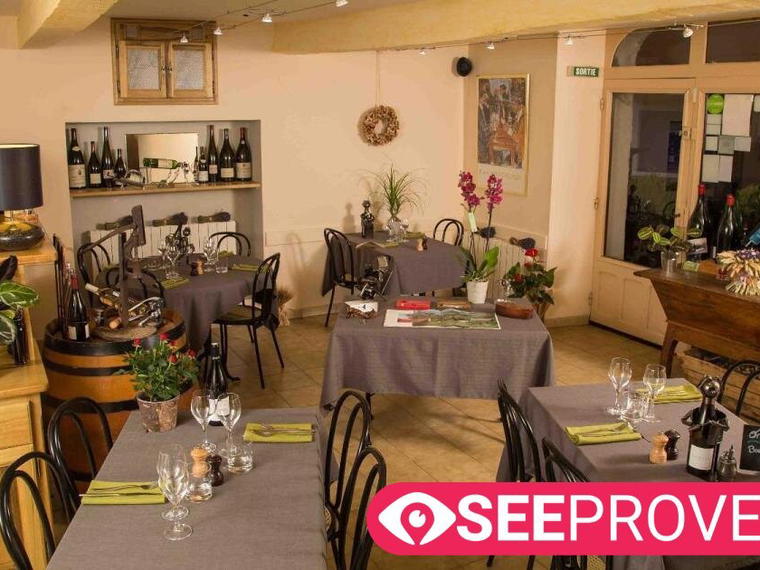
Sault, France
Le Provençal serves Traditional Provençal French in Sault, with an extensive wine list and a terrace for leisurely lunch or dinner.

Dunkirk, France
On the Quai de la Citadelle, Le Puzzle occupies a stretch of Dunkirk's working harbour where the North Sea's influence on the table is felt rather than performed. The address places it within the city's emerging quayside dining strip, a short walk from the old citadel walls, among a small cluster of restaurants redefining what northern French cooking looks like at the water's edge.

Châteauroux, France
Le Pym's occupies a quietly considered address on Rue Jean-Jacques Rousseau in central Châteauroux, placing it within a small tier of restaurants working at a more ambitious register than the city's broader dining offer. Specific details on format, pricing, and current kitchen direction are best confirmed directly with the venue before visiting.

Luxembourg, Luxembourg
Le Q dans le Beurre operates from a residential address in Bouneweg-Süd, a southern district of Luxembourg City that sits outside the main restaurant orbit of the capital. The name, a play on a French idiom meaning to find oneself in a position of ease, signals a kitchen oriented toward comfort and generosity rather than formal ceremony. Its position in the city's quieter south places it in the company of neighbourhood-anchored tables that build reputation through regulars rather than press cycles.
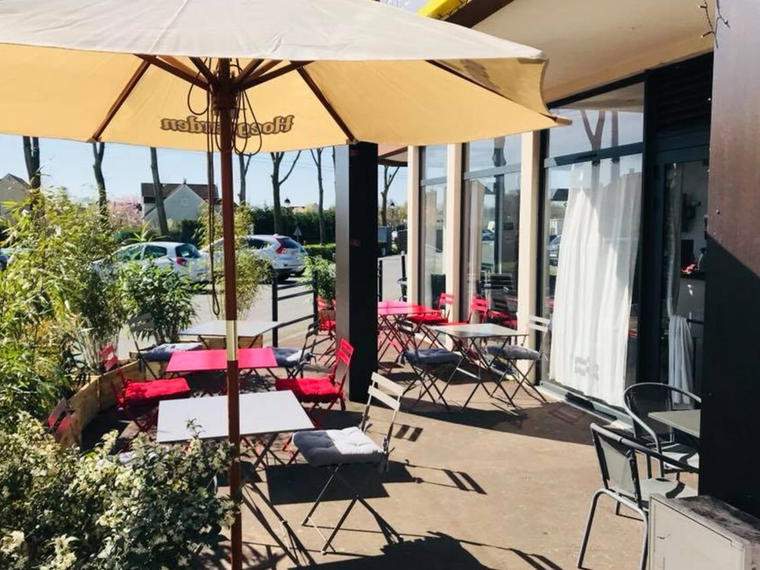
Lesigny, France
Le QG sits at 2 Rue du Petit Parc in Lésigny, a small commune roughly 25 kilometres southeast of Paris in Seine-et-Marne. The address places it within the quieter residential fringe of the Île-de-France region, offering an alternative to the density of central Paris dining. Visitors looking for a neighbourhood anchor in this part of the Seine-et-Marne corridor will find Le QG worth considering.

Lambersart, France
Le Quai sits on Avenue Hippolyte Peslin in Lambersart, the quietly residential commune that borders Lille to the northwest. In a city-region where serious cooking tends to cluster around Lille's historic centre, this address represents the kind of neighbourhood table that rewards locals who know where to look. Consult our full Lambersart restaurants guide for the broader dining context before booking.
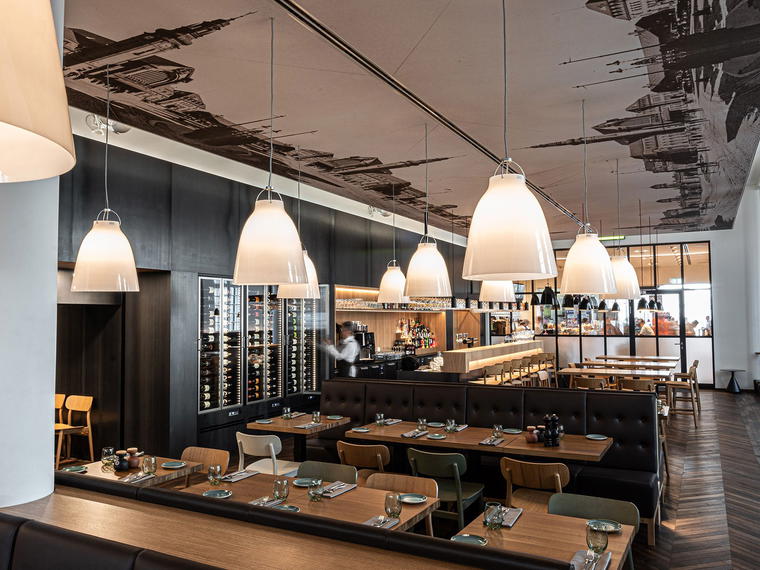
Luxembourg, Luxembourg
Le Quai Steffen sits at Place de la Gare in Luxembourg City, positioning it at the convergence of the capital's rail district and its broader dining scene. The address places it within reach of both local regulars and travellers moving through the country's main transit hub, a combination that shapes the rhythm and character of the room as much as any kitchen philosophy does.

Jakarta, Indonesia
Le Quartier occupies a corner of Kebayoran Baru's Jl. Gunawarman strip, where South Jakarta's French-leaning café and bistro tradition finds one of its more settled addresses. The Selong neighbourhood draws a crowd that moves between design studios, boutiques, and serious lunch tables, making the area one of the city's more coherent pockets for mid-afternoon dining.

Laval, Canada
Le Quartz sits along the Laurentian Autoroute corridor in Laval, positioning itself within a Quebec dining scene that rewards careful menu-reading as much as destination travel. The address places it in the suburban tier north of Montreal, where a small number of restaurants operate with genuine ambition. Details on pricing, format, and current kitchen leadership are best confirmed directly before visiting.
Montpellier, France
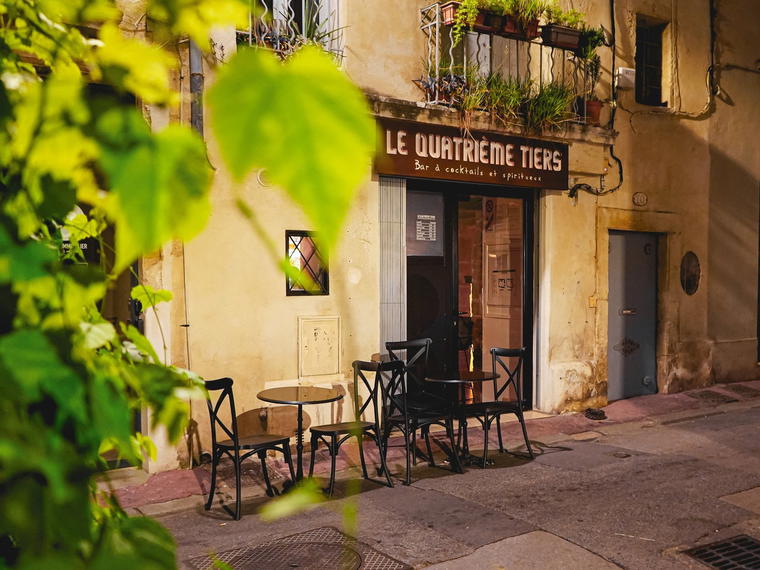
Le Quatrième Tiers occupies a measured position in Montpellier's mid-to-upper dining tier, drawing on the city's strong tradition of market-driven French cooking. Situated on Rue Roucher in the historic centre, it represents the kind of address where the neighbourhood does much of the contextual work, placing the restaurant within walking distance of the city's most serious dining conversations. For visitors orienting around Montpellier's restaurant scene, it warrants attention alongside the city's other credentialed kitchens.
Le Havre, France
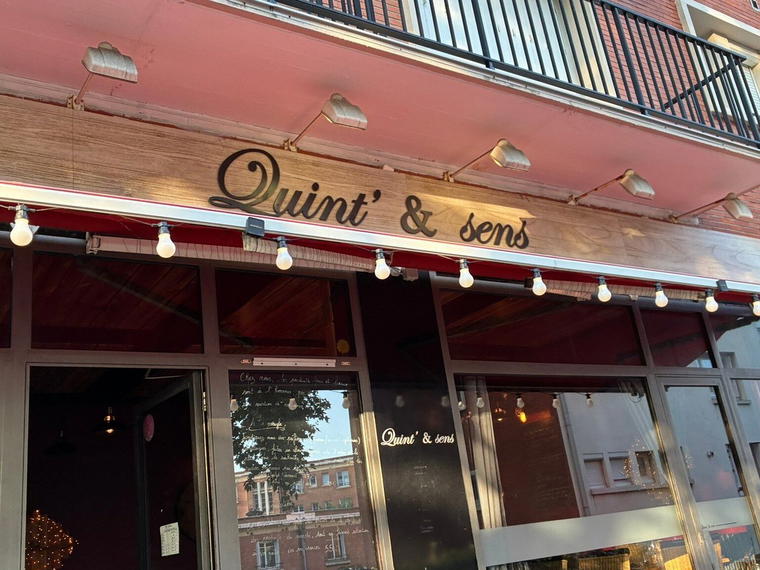
Le Quint&Sens occupies a distinctive position in Le Havre's dining scene, operating at 98 Rue Président Wilson in a city better known for its UNESCO-listed modernist architecture than its restaurant culture.

Sao Jose Dos Campos, Brazil
Reservation-Only Dining in São José dos Campos: What the Format Signals São José dos Campos sits roughly 90 kilometres northeast of São Paulo in the Paraíba Valley, a city shaped more by aerospace industry and technology campuses than by a...

Banyuls-sur-Mer, France
In a small fishing port at the foot of the Pyrenees, Le Quintessence operates where the Mediterranean's most southerly French coastline meets centuries of Catalan culinary tradition. The address alone — Banyuls-sur-Mer, a town better known for its fortified wines than its restaurant scene — signals a kitchen that draws meaning from proximity to land and sea rather than metropolitan prestige.

Les Deux-Alpes, France
In Les Deux-Alpes, where most dining decisions default to post-ski convenience, Le Raisin d'Ours on Avenue de la Muzelle occupies a different register. The name alone — the bear's grape — signals something rooted in the Alpine tradition of foraging and seasonal proximity that defines serious mountain cooking in the French Alps. For those moving beyond the resort's standard fare, it merits attention.
Aix-en-Provence, France
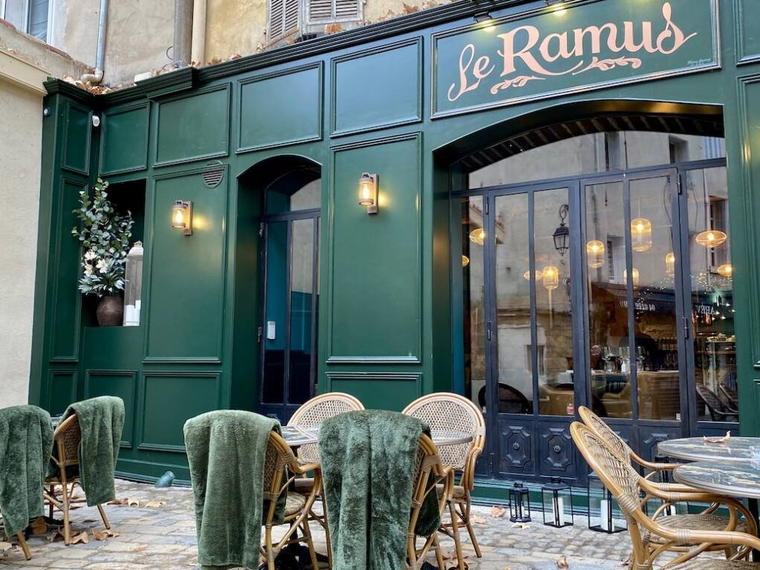
Place Ramus sits at the quieter edge of Aix-en-Provence's old town, where the city's Provençal dining traditions feel less performed and more embedded in daily life. Le Ramus occupies that same register: a neighbourhood address that rewards visitors who look beyond the Cours Mirabeau circuit. For those tracing the city's less-trafficked dining options, it merits serious consideration alongside the broader Aix restaurant scene.

Carnac, France
Le Ratelier sits on the Chemin du Douet in Carnac, a town where Breton dining tradition runs as deep as the megalithic alignments that define the surrounding landscape. The address places it inside a local restaurant circuit where seafood-led cooking and regional produce form the common thread. For visitors making their way through southern Morbihan, it belongs on the same itinerary as the area's better-documented tables.
Paris, France
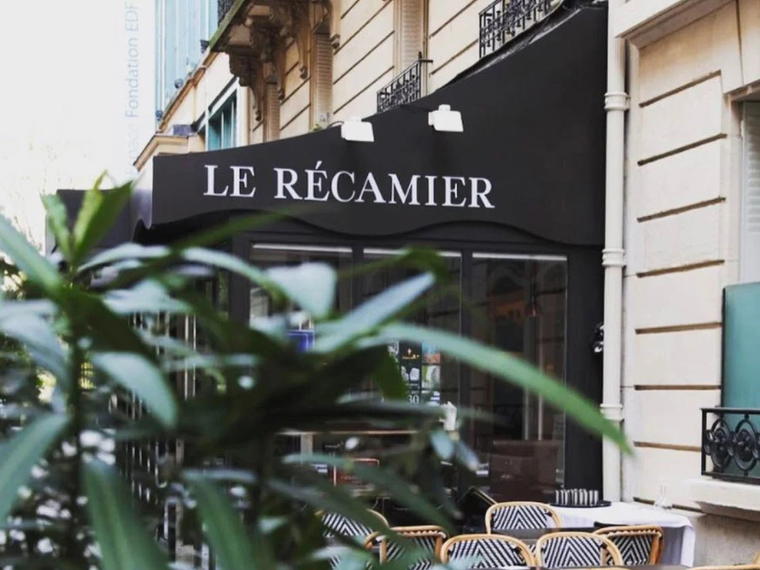
Le Récamier occupies a quieter register in the 7th arrondissement, where the tradition of serious French bourgeois cooking still holds ground against the city's more conspicuous dining trends. Positioned among Saint-Germain's established addresses, it draws a clientele that prioritises substance over spectacle, making it a reliable reference point for classic Parisian table culture.

Nantes, France
Le Reflet occupies a considered address on Rue des Trois Croissants in central Nantes, a city whose restaurant scene has grown steadily more ambitious over the past decade. Set against a Loire-Atlantic food culture with deep roots in Atlantic seafood and regional produce, Le Reflet enters that conversation with a profile suited to diners tracking where Nantes dining is heading rather than where it has been.
Alexandria, United States
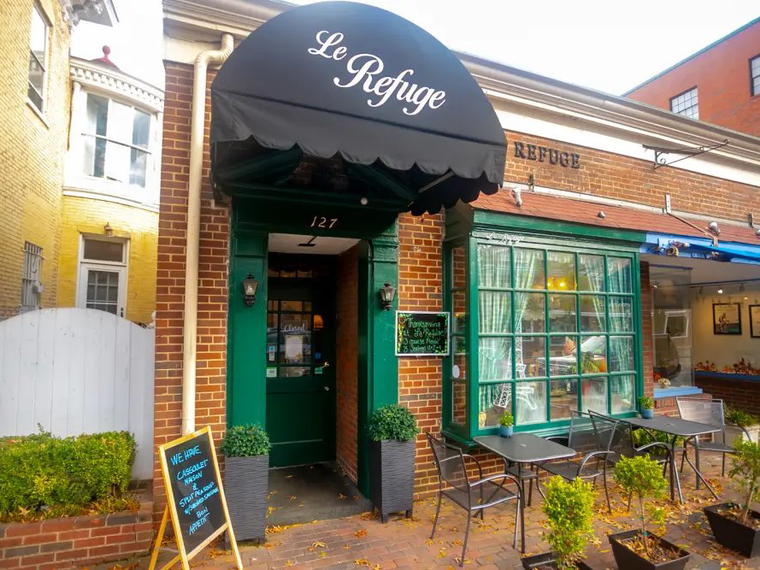
Le Refuge at 127 N Washington Street occupies a corner of Old Town Alexandria where French provincial cooking has anchored the neighbourhood dining scene for decades. The room carries the particular weight of a restaurant that has outlasted trends rather than chased them, drawing regulars who return for the kind of cooking that rewards attention rather than spectacle.

Val-d'Isère, France
Le Refuge de Solaise serves Traditional Savoyard Mountain Cuisine with a mountain view, terrace seating, craft cocktails, and a leisurely pace.

Bordeaux, France
Le Regallien occupies a quiet address on Rue du Palais Gallien, one of Bordeaux's most historically layered streets, sitting close to the ruins of the ancient Roman amphitheatre that gives the road its name. The restaurant operates in a part of the city where the restaurant density is lower and the atmosphere more residential, placing it at a different register from the high-traffic dining corridor around the Grand Théâtre.

Capbreton, France
On Capbreton's Quai Bonamour, Le Regalty occupies a waterfront position that places it squarely inside the Landes coast's argument for seafood-forward dining done without artifice. The address alone signals proximity to the catch: the harbour mouth is steps away, and the kitchen's sourcing reflects that geography. Among Capbreton's dining options, Le Regalty earns attention for its grounding in local supply chains rather than resort-town convenience.
Peyre En Aubrac, France
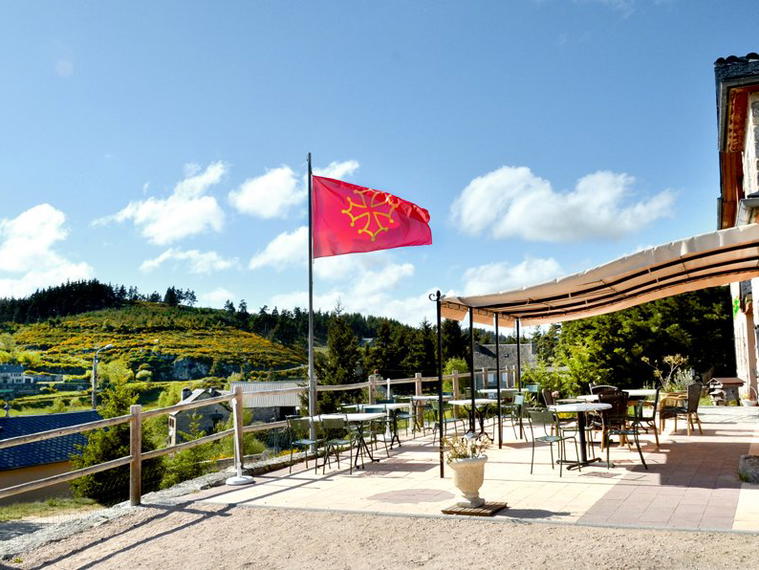
Le Regimbal sits in Peyre en Aubrac, a village on the volcanic plateau of Lozère where altitude, climate, and land-use tradition have shaped a distinct regional larder for centuries. This is Aubrac country: cattle, wild herbs, and the kind of ingredient provenance that French regional cooking was built on. For the traveller willing to make the drive into the southern Massif Central, the address rewards serious attention.

Angers, France
Le Relais occupies a central address on Rue de la Gare in Angers, placing it within easy reach of the Loire Valley's most productive growing territories. In a city where the local food culture draws directly from surrounding farmland and river fisheries, the restaurant fits a pattern common to the region's more grounded dining rooms: ingredient provenance as the quiet organising principle behind what appears on the plate.
Louisville, United States
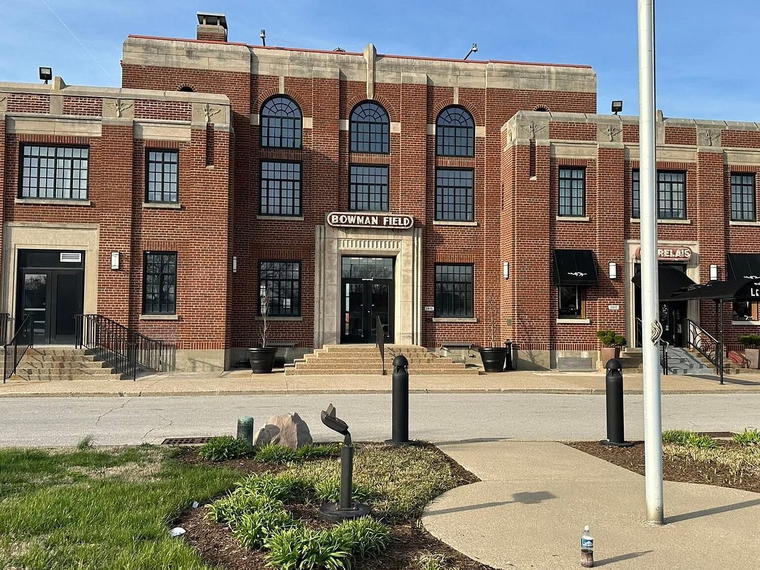
Le Relais occupies a quietly respected position in Louisville's dining conversation, situated on Taylorsville Road in the Highlands corridor where the city's appetite for serious, unhurried meals has long found a home. The room draws a clientele that returns by habit rather than novelty, the kind of regularity that tells you more about a restaurant than any award citation. For visitors building a Louisville itinerary around food, it belongs on the same shortlist as the city's better-known destinations.

Brout Vernet, France
Le Relais Bourbonnais sits along the D2009 road in Brout Vernet, a small commune in the Allier département of the Auvergne-Rhône-Alpes region. In a part of France where agricultural tradition and local produce define what ends up on the plate, this roadside relais represents a category of rural French dining that urban restaurant culture rarely replicates. A stop worth factoring into any itinerary through the Bourbonnais heartland.

Marseille, France
Le Relais Corse on Avenue du Prado brings Corsican cooking to one of Marseille's most travelled southern boulevards, positioning itself in a city where Mediterranean identity runs deep but island-specific cuisine remains relatively rare. The address places it within reach of the 13006 arrondissement's residential dining circuit, distinct from the tourist-facing harbour strip. Booking ahead is advisable, particularly for evening service.
London, United Kingdom
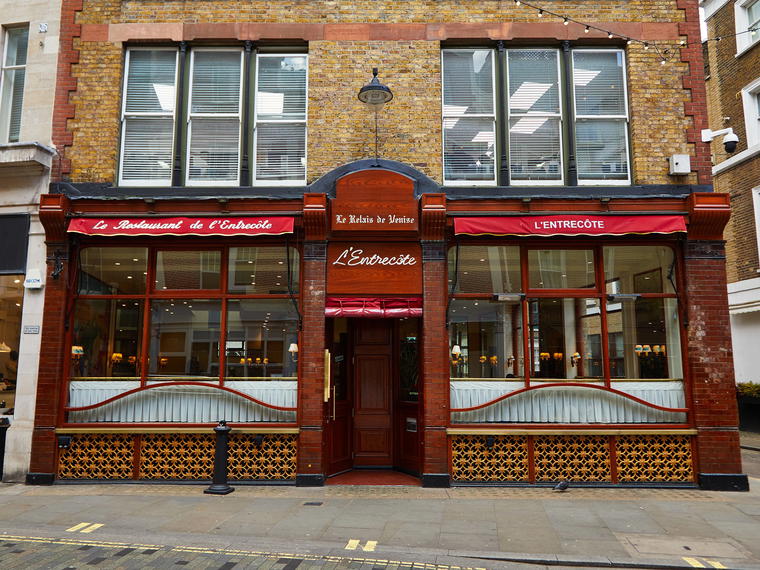
Le Relais de Venise L'Entrecote on Marylebone Lane operates on a format that most London restaurants abandoned decades ago: a single-item menu of steak and frites, served in two courses with a secret walnut butter sauce. In a neighbourhood where tasting menus and à la carte flexibility dominate, this Parisian-export model holds its own through repetition, precision, and near-zero decision fatigue.
Gramat, France
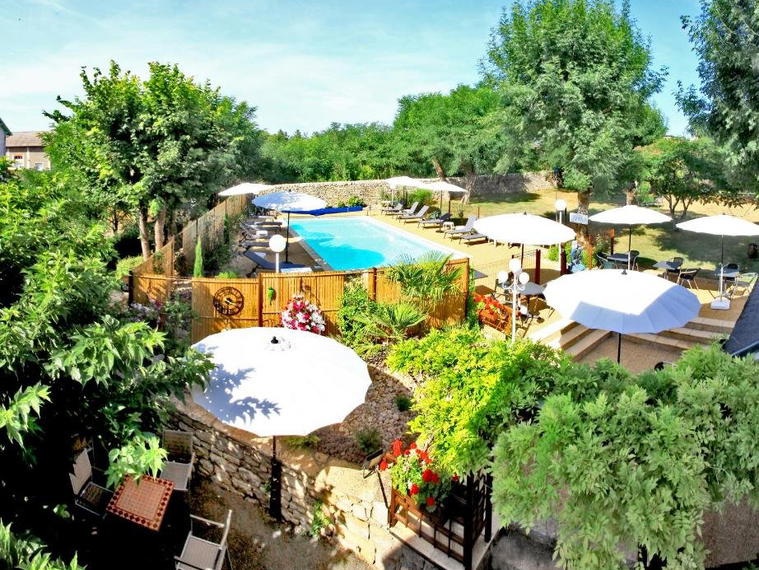
Le Relais des Gourmands occupies a particular position in Gramat's dining scene: a traditional French restaurant address on the Avenue de la Gare that draws on the Lot's larder of black truffles, walnuts, and duck in a region where ingredient provenance shapes everything on the plate. For travellers crossing the Quercy Blanc or visiting the Gouffre de Padirac, it represents a grounded, regional stopping point rather than a destination in isolation.
Avallon, France
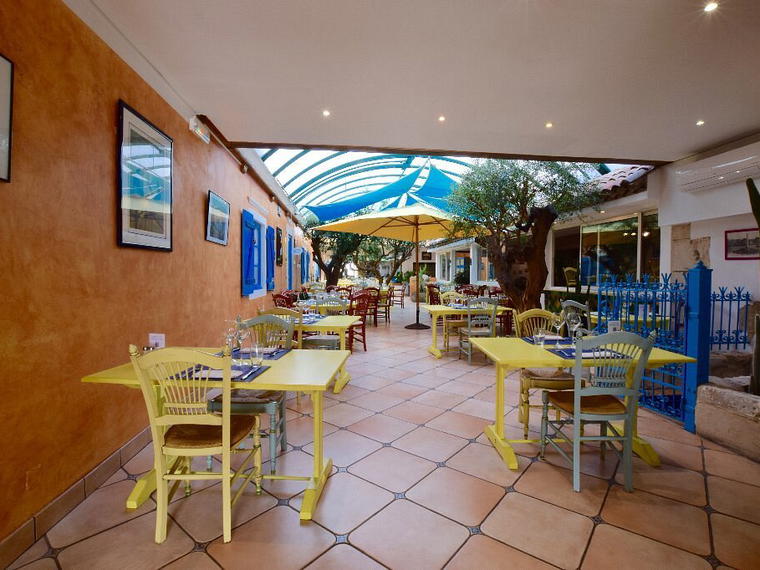
Le Relais des Gourmets occupies a quietly serious position in Avallon's dining scene, drawing on Burgundy's larder tradition at 47 Rue de Paris. For travellers crossing the Yonne on their way south, it represents the kind of regional French table that prioritises produce provenance over theatrical presentation. Booking ahead is advisable for anyone passing through this underserved stretch of the Morvan edge.
Aze, France
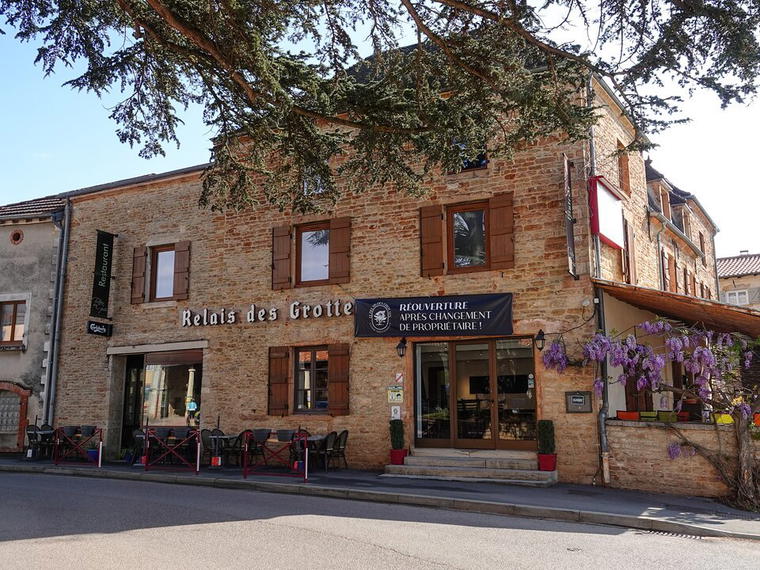
In the village of Azé in southern Burgundy, Le Relais des Grottes sits close to the prehistoric caves that define this corner of the Mâconnais. The restaurant draws on the agricultural produce and wine culture of a region that has quietly sustained serious French cooking for generations — a place where the sourcing story is embedded in the terrain itself. For travellers moving through this stretch between Lyon and Beaune, it occupies a distinct position in Azé's limited dining offer.
Piace, France
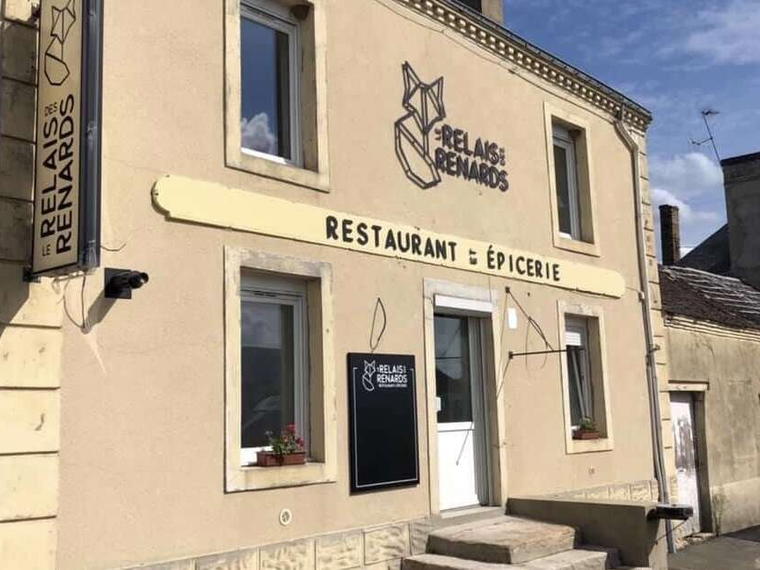
Le Relais des Renards sits along the Route Nationale in Piacé, a small commune in the Sarthe department of the Pays de la Loire. The address places it squarely in rural French auberge territory, where proximity to local producers and agricultural land shapes the kitchen's approach more than any urban trend. For travellers tracing France's regional dining traditions beyond the major cities, this is the kind of address that rewards the detour.

Paris, France
On Rue Saint-Denis in the 1st arrondissement, Le Relais Du Vin occupies a stretch of Paris that has long balanced the commercial and the convivial. Compared to the formal French dining rooms operating nearby at €€€€ price points, this address signals a different register — one where regulars return on instinct rather than occasion, and the wine list does more conversational work than the décor.

Viviers, France
Le Relais du Vivarais is a Traditional French Bistro in Viviers with a terrace, garden views, local sourcing, and a quiet, leisurely dining pace.

Paris, France
On Boulevard Haussmann in Paris's 8th arrondissement, Le Relais Haussmann occupies one of the capital's most historically layered dining addresses. The 8th's restaurant tier spans everything from grand hotel dining rooms to neighbourhood bistros with serious wine programs, and this address sits within that continuum as a reference point for regulars who return on rhythm rather than occasion. A considered choice for those familiar with Paris's right-bank dining circuit.

Ventes Saint Remy, France
Le Relais Saint-Hubert serves Traditional French Bistro cooking with local sourcing, a quiet atmosphere, and smart casual dress for lunch or dinner.

Paris, France
Le Reminet occupies a narrow room on Rue des Grands Degrés in the 5th arrondissement, a street that runs between the Seine and the foot of Notre-Dame. The address places it inside one of Paris's most historically dense dining corridors, where the French bistro tradition has survived alongside tourist pressure for decades. For visitors tracking ingredient-led cooking in an unfussy room, it sits within reach of the Latin Quarter's quieter residential pockets.

Ciney, Belgium
Le Rempart occupies a place in Ciney's dining scene that reflects the broader character of Wallonian provincial dining: rooted in place, unhurried in pace, and operating at a remove from the award-circuit noise of Brussels or Bruges. Concrete details on format, pricing, and chef remain limited, making a direct booking inquiry a reliable first step for visitors to this part of the Namur province.

Son Tra, Vietnam
French dining has established a modest but committed foothold in Da Nang's Son Tra district, and Le Rendez Vous sits within that small cohort of European-format restaurants operating at a remove from the city's dominant seafood and Vietnamese street-food circuits. The address on Nguyễn Cao Luyện places it in An Hải, a quieter residential quarter that rewards the deliberate visitor rather than the passing crowd.

Tucson, United States
Le Rendez-vous occupies a quiet stretch of East Fort Lowell Road in midtown Tucson, a city whose dining identity has been shaped as much by Sonoran proximity as by American Southwest convention.

Beuil, France
Le Restaurant serves Italian Pizza & French Bistro in Beuil, with mountain views and wood-fired pizza; casual service and conversational pacing suit lunch or dinner.

Toulouse, France
On Rue Peyrolières in central Toulouse, Le Restaurant occupies a street that has quietly anchored the city's serious dining conversation for years. Booking directly and arriving with context is the right approach here.

Reims, France
Le Riad occupies a quiet address on Rue de Tambour in central Reims, where the city's Champagne-country formality meets a name that signals something distinctly cross-cultural. With Reims's fine-dining scene dominated by French classicism, Le Riad offers a different register — one worth understanding in the context of what the city's restaurant map currently lacks and what it is slowly beginning to include.

Vosne-Romanée, France
Le Richebourg sits on the Rue du Pont in Vosne-Romanée, one of Burgundy's most concentrated addresses for serious dining and wine. The village that lends its name to a Grand Cru vineyard makes an appropriate setting for a restaurant drawing on the region's agricultural depth. For visitors already tracing the Côte de Nuits, it occupies a logical place in the itinerary.
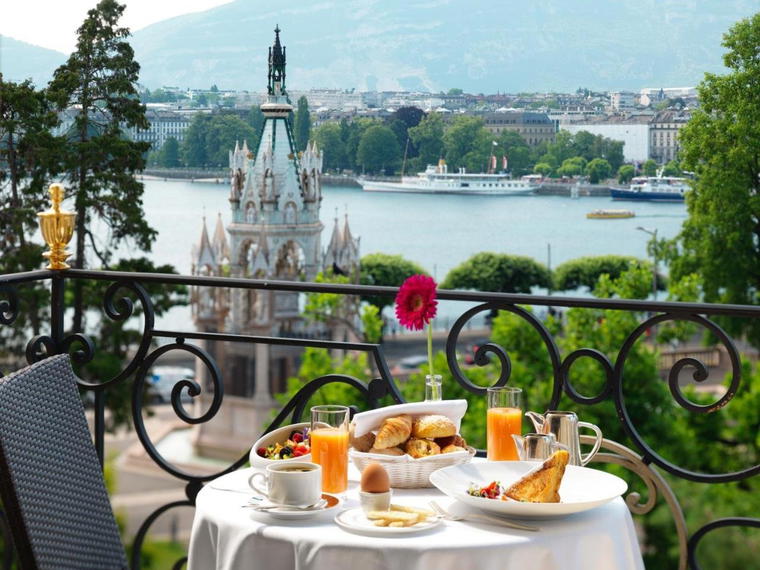
Geneva, Switzerland
Le Richemond sits on the Rue Adhémar-Fabri, facing the Rhône just east of the Mont-Blanc bridge, in a building that has anchored Geneva's luxury hotel corridor for well over a century. The address places it within the city's tightest concentration of grand-hotel dining, where the ritual of the meal carries as much weight as the food on the plate. For travellers who treat the hotel table as an extension of the itinerary rather than a fallback, this is a serious consideration.

Montréal, Canada
Le Richmond occupies a converted industrial space on Rue Richmond in Saint-Henri, one of Montreal's most consequential neighbourhood transformations of the past decade. The venue sits at the intersection of heritage architecture and contemporary hospitality, making it a reference point for understanding how the city's dining scene has moved beyond the Plateau. For visitors calibrating their Montreal itinerary, it belongs in the same planning tier as the city's other address-driven experiences.

Sainte Agnes, France
The restaurant occupies among the more dramatically positioned dining rooms on the Côte d'Azur, where proximity to both mountain terrain and coastal producers shapes what ends up on the plate. For travellers exploring the region beyond Nice and Menton, it represents a less-trafficked point of entry into Provençal cuisine at altitude.

New York City, United States
Le Rivage has anchored the Theatre District's French dining scene from its address on West 46th Street's Restaurant Row for decades. In a neighbourhood where pre-theatre convenience often dictates the menu, this room operates on a different frequency — classical French cooking delivered with the kind of quiet consistency that keeps regulars returning long after the curtain has risen elsewhere.

Gosnay, France
Le Robert II sits on the Rue de Fouquières in Gosnay, a quiet corner of the Pas-de-Calais that rewards deliberate travel. The address places it within France's northern agricultural heartland, where proximity to the fields and farms of Artois shapes the kind of cooking that starts with sourcing rather than technique. For a region often bypassed in favour of Paris or the Côte d'Opale, this is a serious dining proposition.
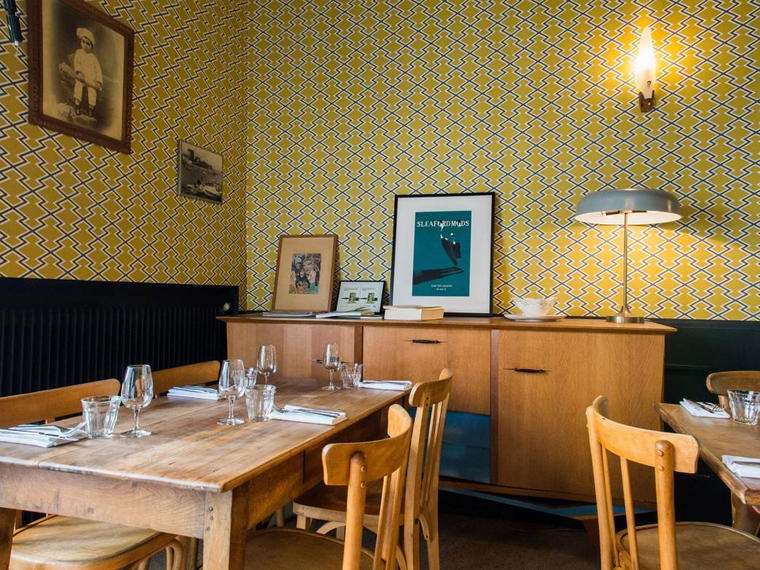
Toulouse, France
Le Rocher serves Traditional French Bistro cooking at 4 Pl. de Damloup, with pan-fried foie gras, entrecôte rossini, and a beer program for dinner.

Troyes, France
Le Rocher sits on Rue Jules Lebocey in the heart of medieval Troyes, a city whose half-timbered streets produce a dining scene that trades on regional identity and honest produce rather than Michelin prestige. Positioned among a compact cluster of neighbourhood restaurants, Le Rocher draws from the same tradition-forward current that defines eating well in the Aube. Consider it alongside the city's broader table before booking elsewhere.
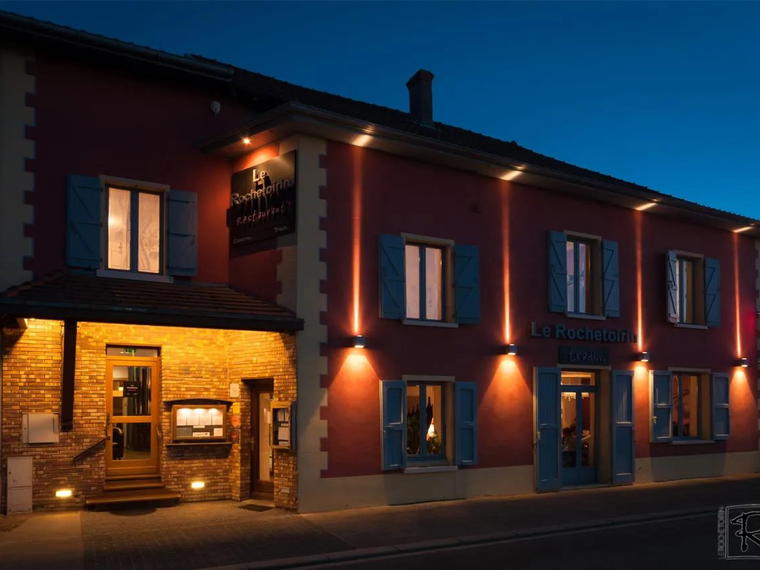
Rochetoirin, France
Le Rochetoirin focuses on seasonal French gastro-brasserie cooking, with cuisses de grenouilles and pâté en croûte on the menu, plus a terrace and mountain views.
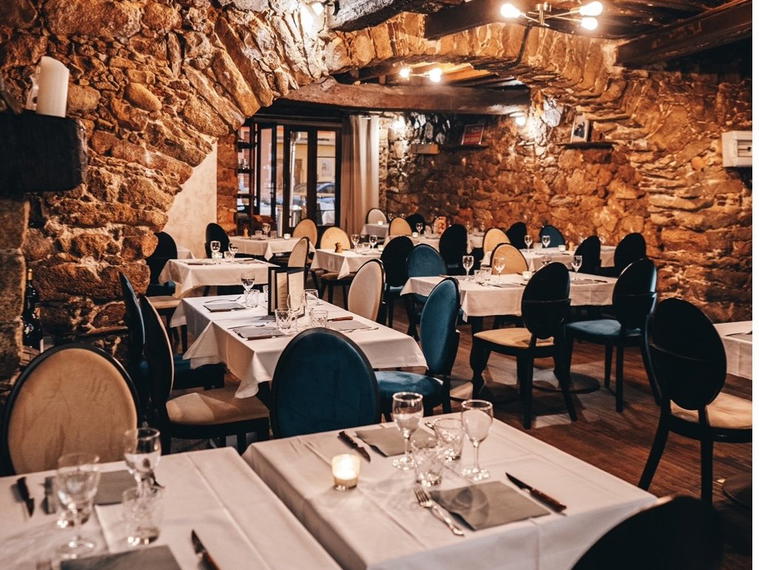
Ajaccio, France
On a street named for Napoleon's ill-fated heir, Le Roi de Rome occupies a specific address in Ajaccio's dining fabric — one that invites curiosity about how Corsican culinary tradition plays out in the island's capital. The restaurant sits within walking distance of the city's historic centre, where the line between French mainland influence and distinctly local cooking has always been contested and creative.

Cannes, France
Le Roof occupies an address on Rue Notre Dame in Cannes, positioning itself within the city's mid-to-upper dining tier. Set against the backdrop of a Riviera city that hosts one of the world's most-watched film festivals, it draws a crowd with expectations calibrated by the surrounding scene. Practical details including booking and pricing are best confirmed directly with the venue.
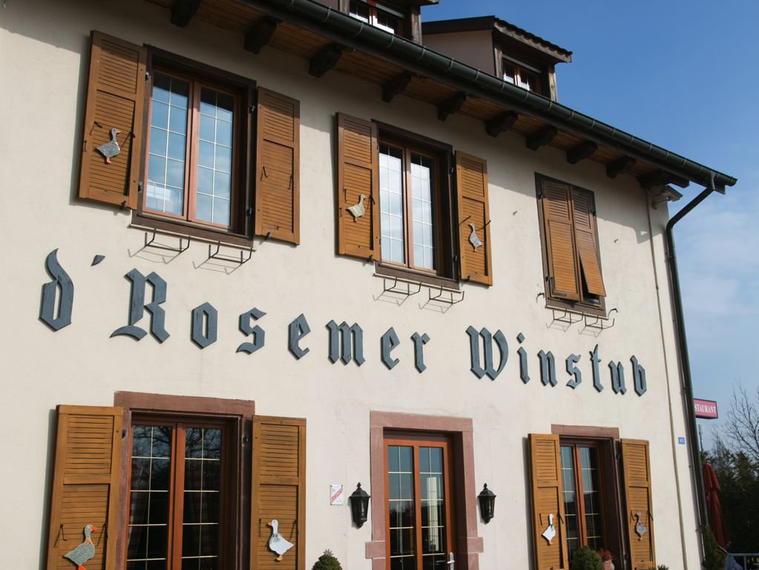
Rosheim, France
Le Rosenmeer sits on the Avenue de la Gare in Rosheim, a small Alsatian town where the broader regional tradition of rooting serious cooking in local terroir runs deep. The restaurant operates within a French provincial fine-dining context that prizes ingredient provenance as the foundation of the menu, placing it alongside a cohort of destination restaurants that treat the surrounding landscape as a larder rather than a backdrop. For visitors to Alsace, it represents a more intimate alternative to the larger Strasbourg institutions.
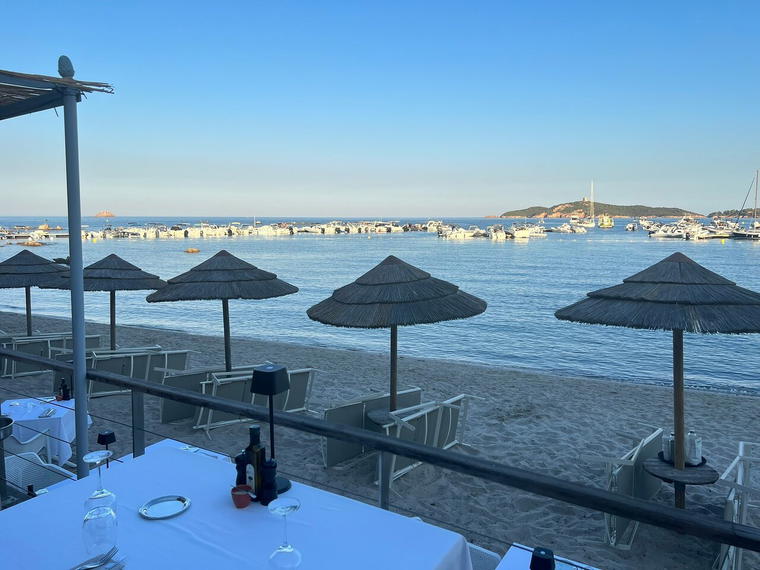
Zonza, France
Le Rouf sits along the Pinarello road in the Alta Rocca territory of southern Corsica, where the island's interior pine forests meet the coastal maquis. It occupies a distinct position among Zonza's dining addresses, drawing on the ingredient traditions that define this corner of France's most geographically distinct island. For travellers using the Alta Rocca as a base, it is a practical and considered stop.

Verbier, Switzerland
Le Rouge on Rue de Ransou sits within Verbier's compact dining circuit, where alpine altitude and a short growing season push kitchens toward sourcing discipline. The address places it among a small tier of Verbier restaurants where ingredient provenance and mountain-attuned cooking matter as much as the room itself. For a resort town, that focus is rarer than it should be.

Namur, Belgium
Le Royal occupies a prominent address on Namur's Place du Théâtre, placing it at the intersection of the city's civic and dining life. The restaurant sits within a competitive local tier that includes creative French and modern Belgian tables, making it a reference point for visitors assessing Namur's more serious dining options. Confirm current hours and booking requirements directly before visiting.

Roye, France
Le Roye Gourmet occupies a central position on Roye's Place de la République, placing it at the civic and culinary heart of this Somme market town. In a region where northern French cooking draws on wheat-country produce and proximity to the Channel, the restaurant represents a considered local option for travellers passing through Picardy on the A1 corridor between Paris and Calais.
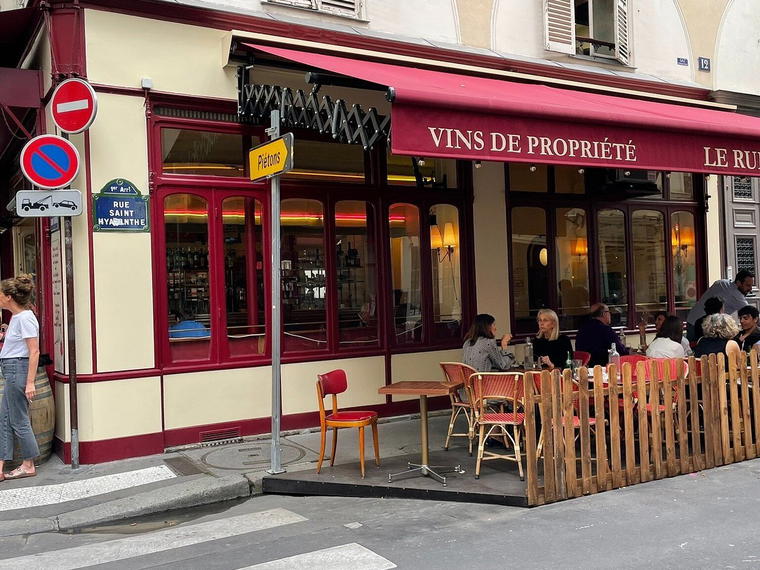
Paris, France
Le Rubis occupies a particular corner of the 1st arrondissement wine bar tradition, where bare zinc counters and shoulder-to-shoulder standing room define the format as much as what's poured. Located steps from the Marché Saint-Honoré, it belongs to a category of Parisian establishment where the physical container — tiled floors, tobacco-stained ceilings — carries as much meaning as the list.

Levallois Perret, France
Le Sabodet occupies a quietly residential stretch of Levallois-Perret, the inner-ring commune that sits just beyond Paris's 17th arrondissement boundary. The restaurant's name signals its culinary allegiance: sabodet is a Lyonnais sausage, the kind that anchors bouchon cooking and points directly toward France's larder-driven heartland. For diners crossing the Périphérique in search of something less performative than central Paris dining, it offers a grounded alternative.

Nice, France
Le Safari occupies a front-row position on the Cours Saleya, Nice's open-air market square, where the boundary between terrace and street dissolves entirely. The address has long anchored the Vieille Ville dining scene, tracking the slow shift in Niçoise cooking from purely traditional to something more considered. For a read on how the old town feeds itself, this is a reliable starting point.
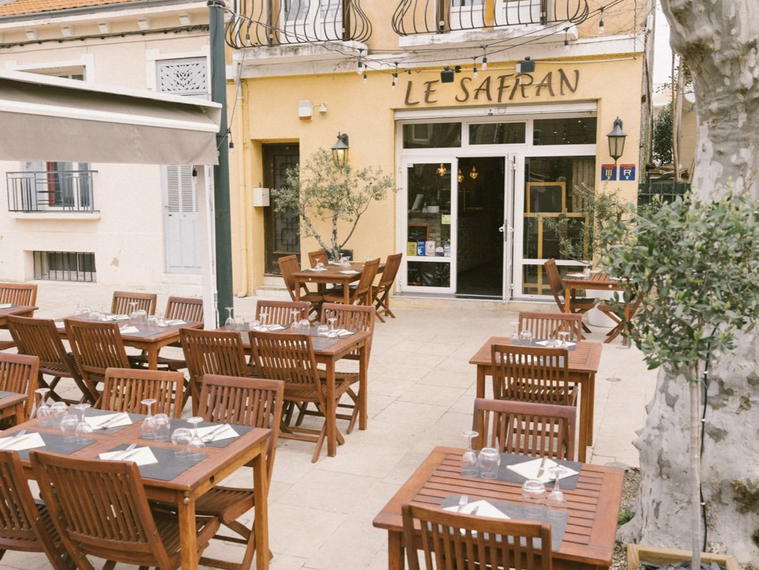
Trets, France
Le Safran occupies a spot on Avenue Mirabeau in Trets, a small Provençal town southeast of Aix-en-Provence where the Sainte-Victoire massif shapes both the horizon and the local agricultural identity. Provence's ingredient culture — lavender, saffron, olives, stone-fruit orchards — provides the raw material that defines cooking at this address. For the full picture of what Trets offers, see our full Trets restaurants guide.