Our verdict
Le Rouf sits along the Pinarello road in the Alta Rocca territory of southern Corsica, where the island's interior pine forests meet the coastal maquis. It occupies a distinct position among Zonza's dining addresses, drawing on the ingredient traditions that define this corner of France's most geographically distinct island. For travellers using the Alta Rocca as a base, it is a practical and considered stop.

Pearl is the En Primeur Club membership app, where members save venues, book tables and use the concierge.
The menu
What to order
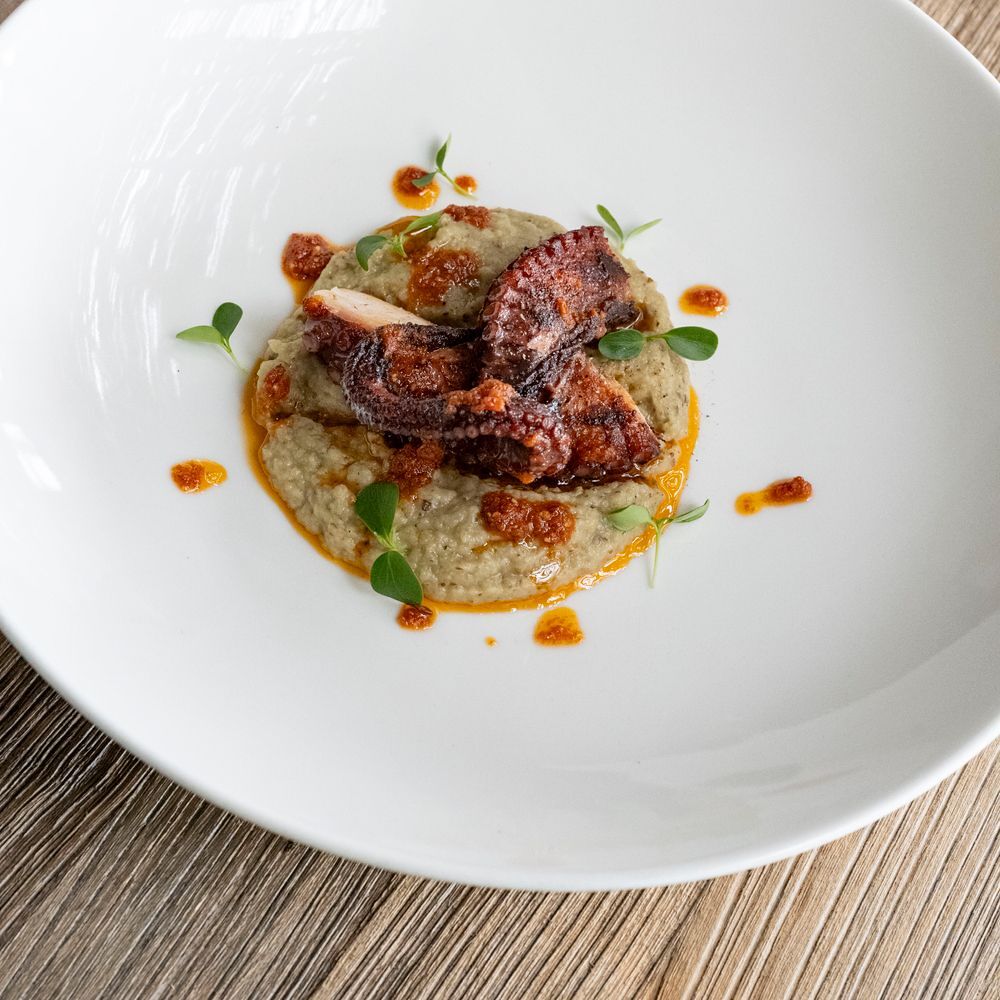
- Paëlla Maison pour 2 Personnes
- Bouillabaisse Maison
- Risotto aux Gambas
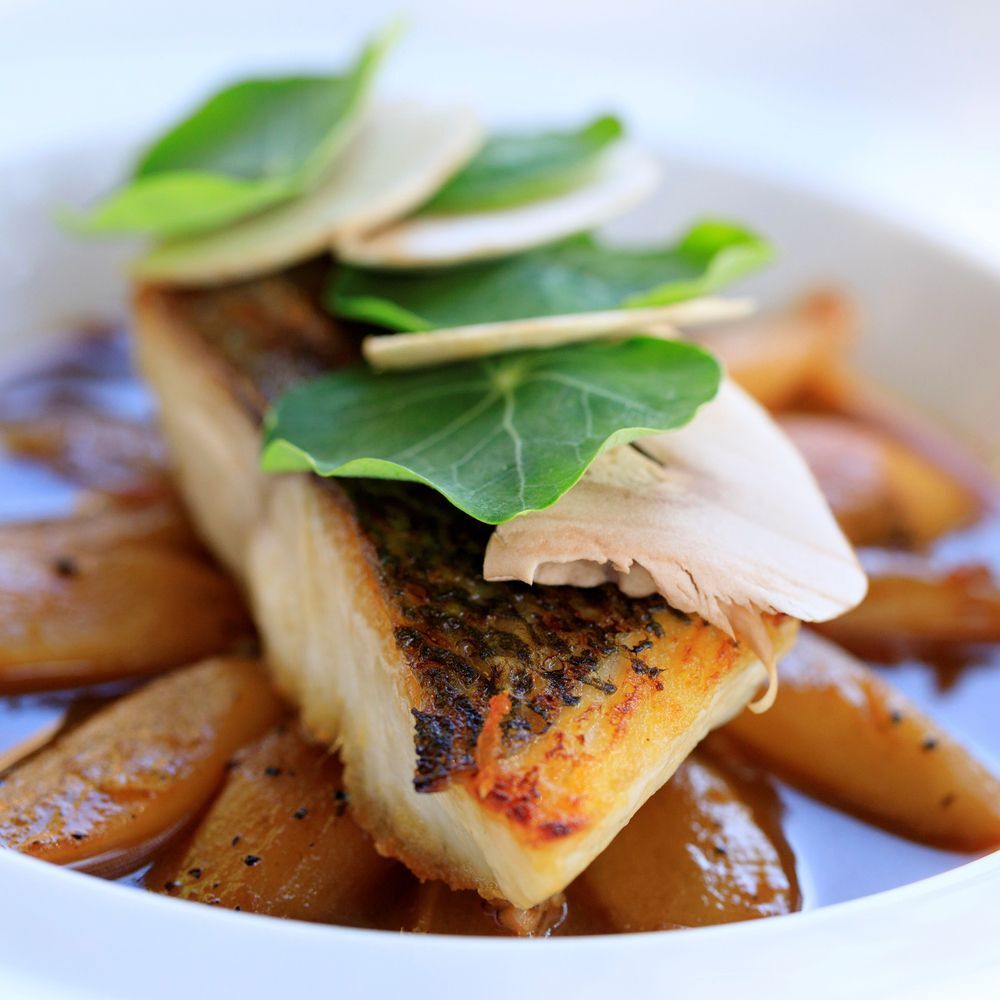
- Pavé de Loup
Where the Maquis Meets the Table
Southern Corsica has a particular relationship with its own larder. The Alta Rocca, the mountainous interior that wraps around Zonza and descends toward the Gulf of Porto-Vecchio, produces ingredients that don't travel far before they arrive at a kitchen: chestnut flour milled in village cooperatives, brocciu cheese made from the whey of sheep that graze the high pastures, cured meats from pigs raised on forest acorns and chestnuts, and fish pulled from the clean waters of the Tyrrhenian littoral just kilometres below the granite ridgeline. Restaurants that work within this geography don't need to construct a sourcing narrative, the supply chain is simply the landscape they operate inside. Le Rouf, addressed on the Strada di Pinarello in Sainte-Lucie-de-Porto-Vecchio, sits at a junction point between those two worlds: the forested interior and the coastal margin.
That position matters more than it might first appear. Corsican cooking at its most coherent is not a synthesis of French and Italian influences, though both are present in the island's history. It is something narrower and more specific: a cuisine built around the preservation and direct use of a small number of intensely flavoured local ingredients. Chestnut, pork, sheep's milk, and wild herbs, particularly nepita, the island's native mint-like herb, form the backbone of what appears on plates across the Alta Rocca. The leading tables in this zone treat those ingredients as primary and technique as secondary, a priority inversion that distinguishes them from mainland French kitchens working in a similar price register.
The Pinarello Road and Its Dining Context
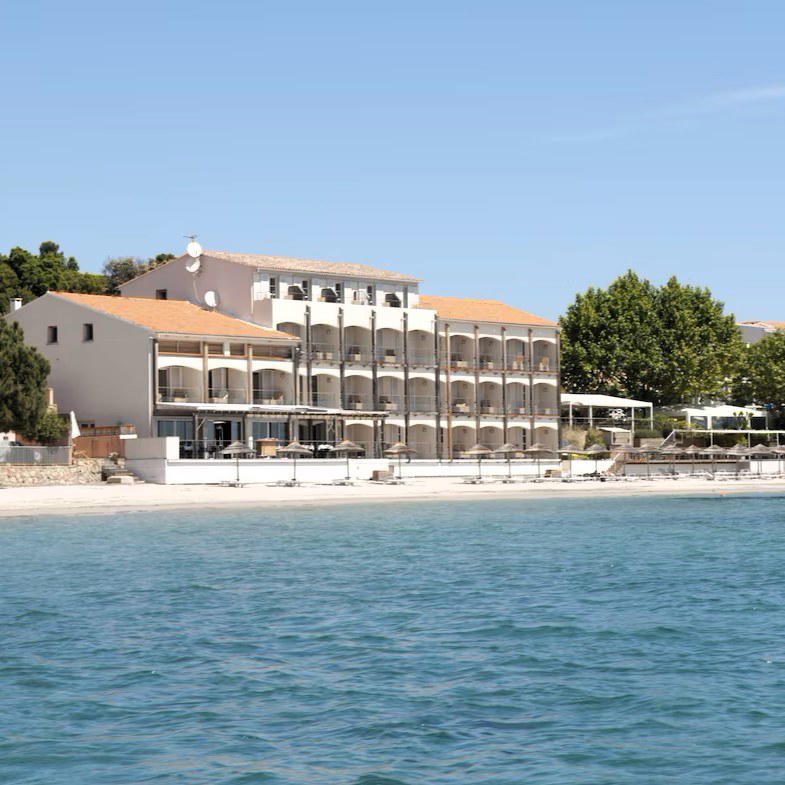
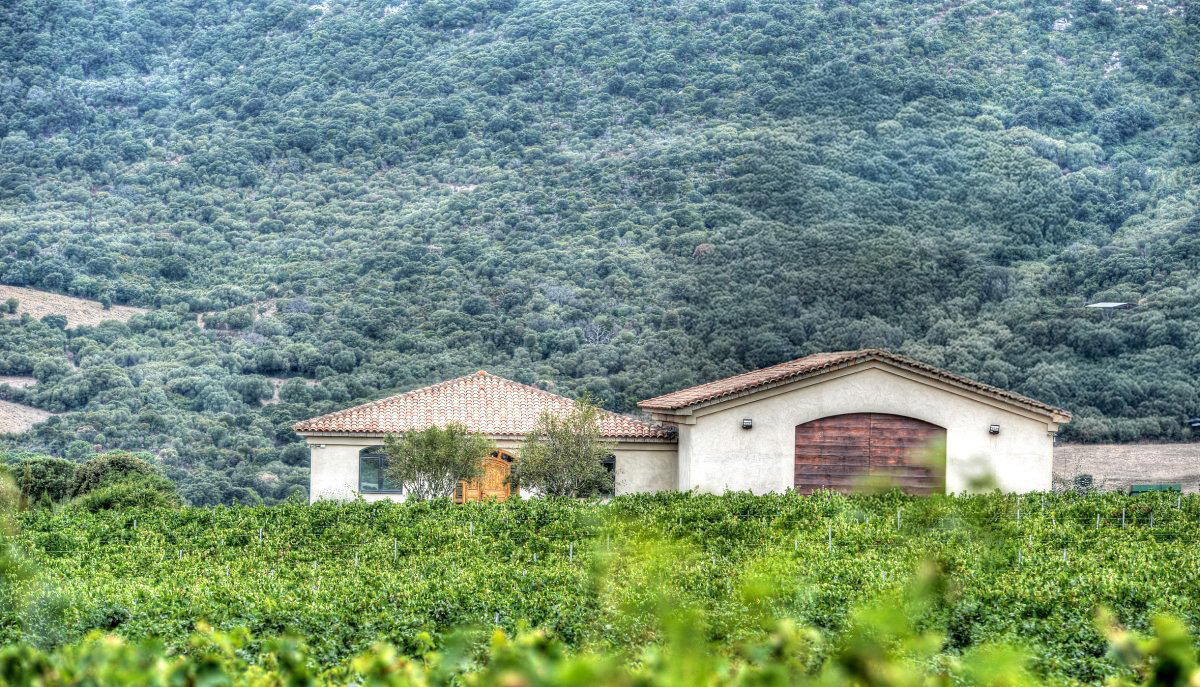
The road between Zonza and Pinarello is one of southern Corsica's more scenic drives, dropping from the chestnut forests of the Alta Rocca through granite outcroppings toward the sea. Dining along this corridor is spread thin, the area is not densely populated with restaurant options, which concentrates attention on the addresses that do operate here. Le Rouf at address 3725 Strada di Pinarello functions as a point of orientation for this stretch, accessible to travellers based either in Zonza's village or in the beach-adjacent accommodation that clusters around Pinarello's small bay.
Within Zonza itself, the restaurant scene is limited in scale but defined in character. Domaine Le Mouflon d'Or anchors the village's Corsican traditional end, with a format and ingredient vocabulary that reflects long-standing Alta Rocca cooking conventions. Hôtel Restaurant de La Terrasse and Le Patio extend the options in the village proper, while L'Eternisula and La Table du Pinarello cover the coastal approach. Le Rouf's address on the Pinarello road places it geographically between these two clusters, which makes it a useful option for travellers who want proximity to the coast without fully leaving the character of the interior behind. See the full Zonza restaurants guide for a complete map of the area's options.
Ingredient Sourcing in Alta Rocca Cooking
Understanding what makes Corsican sourcing distinctive requires a brief detour into the island's agricultural structure. Corsica is not a place of large-scale industrial farming. The interior is too mountainous, the terrain too fragmented, and the population too dispersed for that model to have taken hold. What exists instead is a network of small producers, often family operations that have worked the same land across generations, supplying a local market that has remained relatively insulated from the supply chains that define mainland French gastronomy.
The practical result is that ingredients arriving at Alta Rocca kitchens are often shorter-chained and less processed than equivalent products in Paris or Lyon. Charcuterie made from Corsican pigs (classified under the Label Rouge and AOP designations that govern products like lonzu, coppa di Corsica, and prisuttu) represents perhaps the most formally protected of these ingredient categories. The AOP system, applied to Corsican pork products since the early 2000s, mandates specific breed requirements, feeding protocols, and production zones, the kind of regulatory structure that, in effect, encodes a sourcing standard into law. Restaurants in the Alta Rocca that source from within these designations are, by definition, working with ingredients that carry verifiable provenance.
Brocciu, the island's only cheese to hold AOP status, follows a similar logic. Made from the whey of Corsican ewes or goats, it is a seasonal product, available fresh from November through June, whose qualities shift across those months as the herds move between pastures. A kitchen attentive to those shifts will present a different product in January than in May, and that temporal specificity is one of the markers that separates serious Corsican cooking from its more generic regional counterparts.
Placing Le Rouf in a Broader French Context
The dining culture that Le Rouf operates within is remote from the France of starred urban kitchens. The country's formal fine-dining axis runs through addresses like Alléno Paris au Pavillon Ledoyen, Assiette Champenoise in Reims, and Au Crocodile in Strasbourg, while destination kitchens at a regional scale include Flocons de Sel in Megève, Mirazur in Menton, and Bras in Laguiole. The last of those is a useful reference point: Bras operates in the Aubrac, another mountainous French interior with a strong local ingredient identity, and has spent decades arguing for the gastronomic validity of terrain that would otherwise be overlooked by critics focused on urban centres. Corsica's Alta Rocca makes a parallel case, without the same formal recognition infrastructure.
That gap in formal recognition is partly structural, Corsica's restaurant density is too low to generate the kind of critical mass that attracts sustained Michelin attention, and partly a function of the island's position as a summer destination, where evaluation cycles tend to compress into peak-season visits. Kitchens like those at Troisgros in Ouches, Paul Bocuse in Collonges-au-Mont-d'Or, or Auberge de l'Ill in Illhaeusern built their reputations over decades of year-round operation and consistent critical exposure. Corsican tables work on different rhythms. Internationally, the same sourcing-led argument has found more formal recognition at restaurants like AM par Alexandre Mazzia in Marseille, where hyper-local Mediterranean ingredients anchor a technically complex format, or at counters as different in register as Le Bernardin in New York and Atomix, both of which treat sourcing transparency as a baseline expectation rather than a point of differentiation.
Planning a Visit
Le Rouf is located at 3725 Strada di Pinarello, Sainte-Lucie-de-Porto-Vecchio, in the commune that lies between Zonza's altitude and the Pinarello coast. Access is by car; the road is well-surfaced but narrow in sections, and distances in this part of Corsica tend to take longer than maps suggest due to terrain. The summer months, July and August, concentrate the island's visitor population, and the smaller the restaurant, the more acutely that seasonal pressure is felt. Travellers arriving outside peak season, particularly in late spring or early autumn, will find the Alta Rocca corridor quieter and, in the case of ingredients like fresh brocciu, potentially at a more interesting seasonal point.
Frequently asked questions
What part of town is Le Rouf in?
Le Rouf is located at 3725 Strada di, Pinarello, 20144 Sainte-Lucie-de-Porto-Vecchio, France, Zonza.
Is Le Rouf worth visiting as a standalone destination, or is it better combined with the Pinarello coast?
Le Rouf sits at the junction of two experiences: the Alta Rocca mountain interior around Zonza and the beach access at Pinarello, making it a practical midpoint stop on the scenic descent from the chestnut forests to the coast. Treating it as a standalone destination is plausible for visitors based in the Porto-Vecchio area, roughly the nearest significant town. The road itself between Zonza and Sainte-Lucie-de-Porto-Vecchio is one of southern Corsica's more considered drives, which gives the meal geographic context beyond the plate.
What dish is Le Rouf famous for?
No single dish has been publicly documented as a signature at Le Rouf. The kitchen operates within the Alta Rocca tradition, which draws on Corsica's interior larder: chestnut, pork, local cheese, and herbs from the maquis. Any specific dish claims would be speculative without current menu confirmation.
Should I book Le Rouf in advance?
Le Rouf is located on the road between Zonza and Pinarello at 3725 Strada di Pinarello, Sainte-Lucie-de-Porto-Vecchio, an area that draws coastal visitors in summer and sees thinner traffic off-season. Contact details are not publicly listed, so visiting the venue directly or asking your accommodation to make enquiries is the practical approach. Advance planning is advisable during July and August when the Pinarello coast is at peak capacity.
What's the defining dish or idea at Le Rouf?
The defining idea is place-specific sourcing from the Alta Rocca interior rather than a single dish. Southern Corsica's agricultural structure produces small-scale, island-raised ingredients, chestnut flour, free-range pork, brocciu, that give the regional table a character distinct from mainland French cooking. Le Rouf operates within that tradition, between the altitude of Zonza and the Pinarello coastline.
At-a-Glance Comparison
Comparable venues nearby, for context on price, style, and recognition.
| Venue | Cuisine | Price | Awards | Notes |
|---|---|---|---|---|
| Le RoufThis venue (the venue you are viewing) | Mediterranean Brasserie with Corsican Influences | $50–100 | Not listed | Not listed |
| La Table du Pinarello | Refined French-Mediterranean | Not listed | Not listed | Sainte-Lucie-de-Porto-Vecchio |
| Le Patio | Authentic Corsican | Not listed | Not listed | Zonza |
| L'Eternisula | Corsican Café-Deli | $20–30 | Not listed | Zonza |
| Hôtel Restaurant de La Terrasse | Traditional Corsican Cuisine | $20–30 | Not listed | Village |
| Domaine Le Mouflon d'Or | Mediterranean Fine Dining | $150–200 | Relais Chateaux Award | Alta Rocca, Zonza |
Continue exploring
More in Zonza
Restaurants in Zonza
All restaurants in Zonza →
Bars in Zonza
Browse all →

Le Rouf
The wine
- Wine program
- Deep wine list
- Extensive wine list
- Sommelier-led
Details
- Romantic
- Scenic
- Elegant
- Sophisticated
- Date Night
- Group Dining
- Celebration
- Special Occasion
- Waterfront
- Terrace
- Panoramic View
- Extensive Wine List
- Sommelier Led
- Local Sourcing
- Waterfront
- A La Carte
- Small Plates
- Corsican Wine
- Craft Cocktails
- Pescatarian Friendly
- Allergy Accommodating
Current opening hours
- Monday
- Closed
- Tuesday
- 7–9 PM
- Wednesday
- 7–9 PM
- Thursday
- 7–9 PM
- Friday
- 7–9 PM
- Saturday
- 12–2:30 PM, 7–9:30 PM
- Sunday
- 12–2:30 PM, 7–9 PM
Hours can change for holidays and private events. Hours as of .
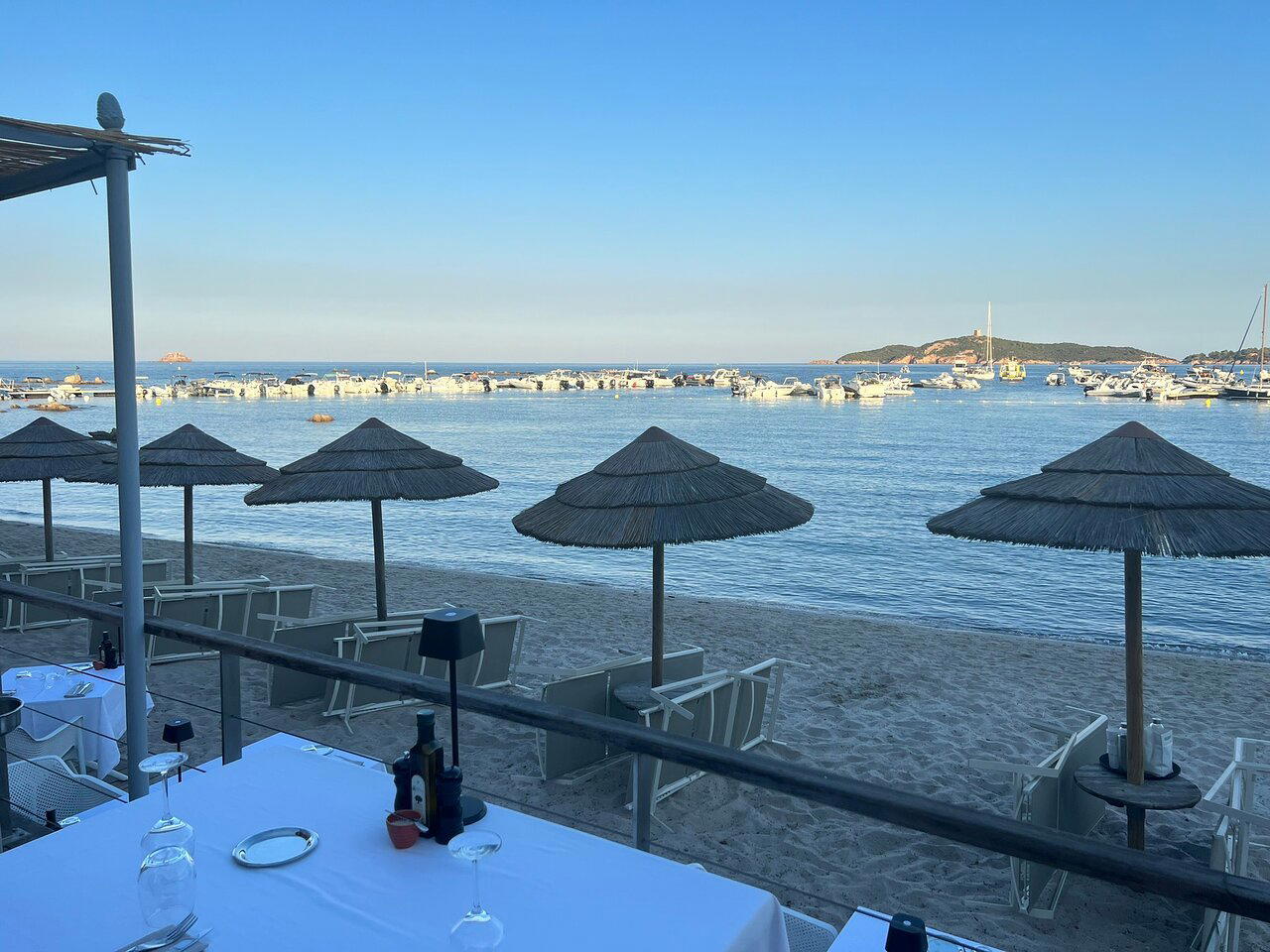
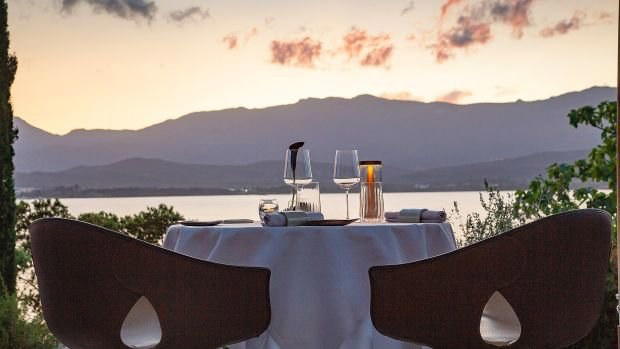
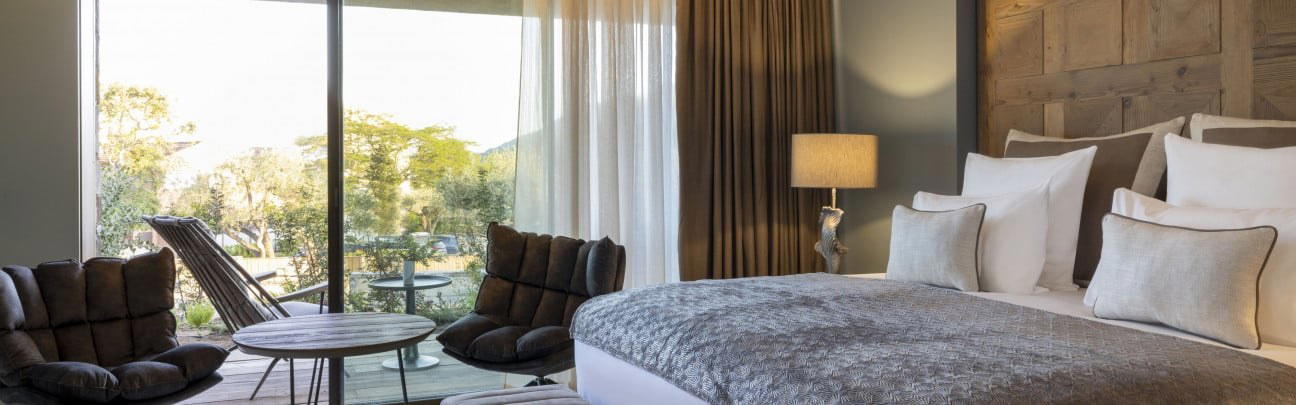
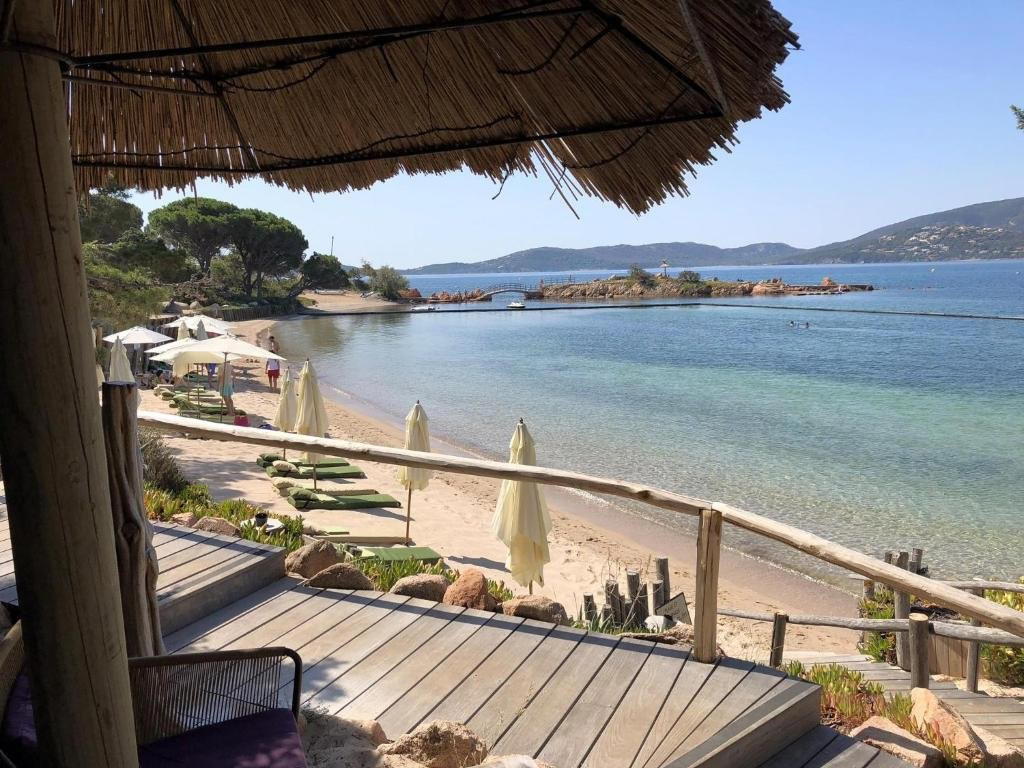
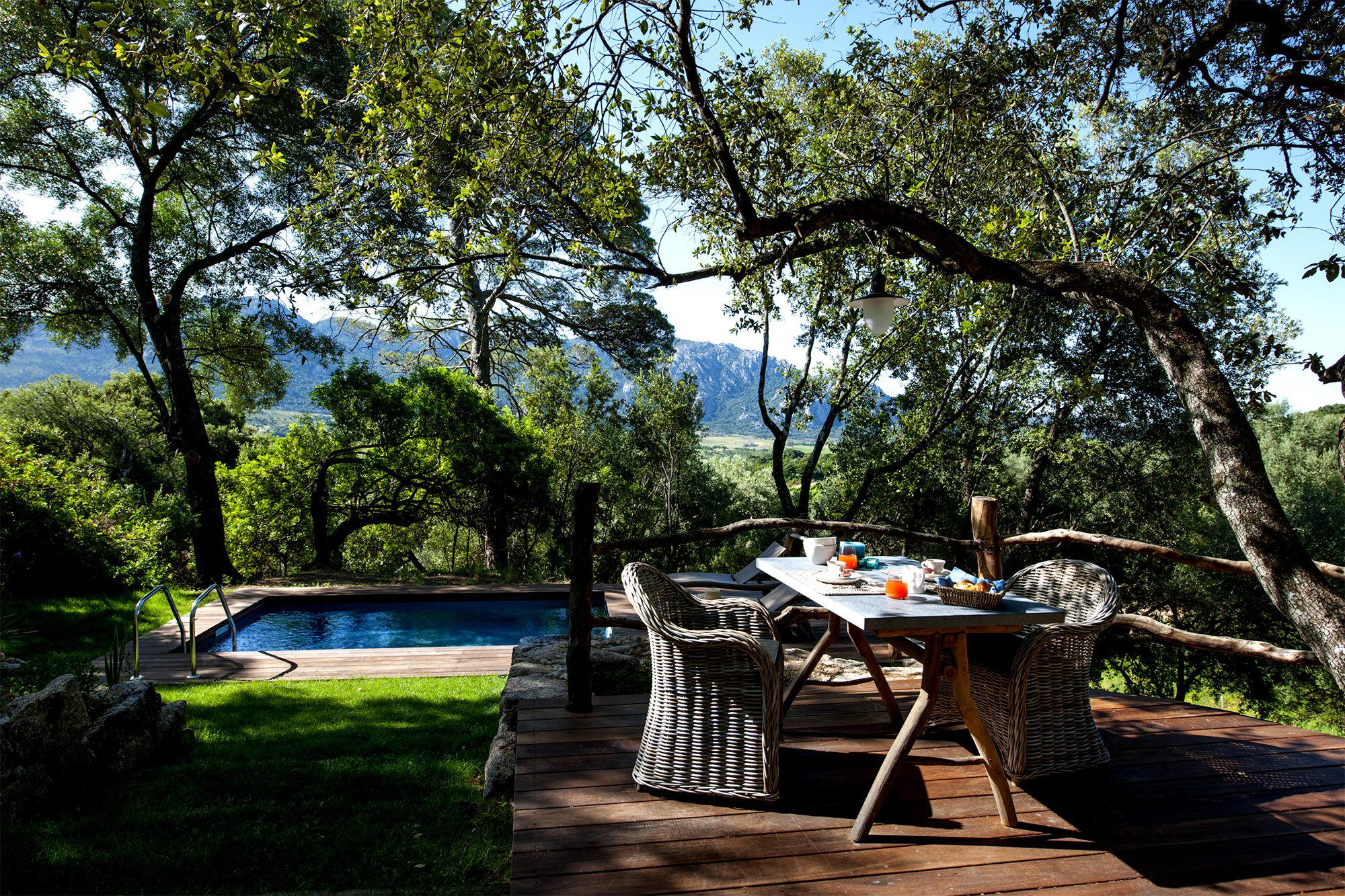
Elegant and relaxed atmosphere with soothing views of the bay and boats; warm, welcoming service in a refined yet approachable setting.