Le Rubis occupies a particular corner of the 1st arrondissement wine bar tradition, where bare zinc counters and shoulder-to-shoulder standing room define the format as much as what's poured. Located steps from the Marché Saint-Honoré, it belongs to a category of Parisian establishment where the physical container — tiled floors, tobacco-stained ceilings — carries as much meaning as the list.
Pearl is the En Primeur Club membership app — saves, bookings, and concierge access live there. Same editors, same standards.
- Address
- 10 Rue du Marché Saint-Honoré, 75001 Paris, France
- Phone
- +33142610334
- Website
- facebook.com
- Directions
- Get directions
 Saves & bookings on Pearl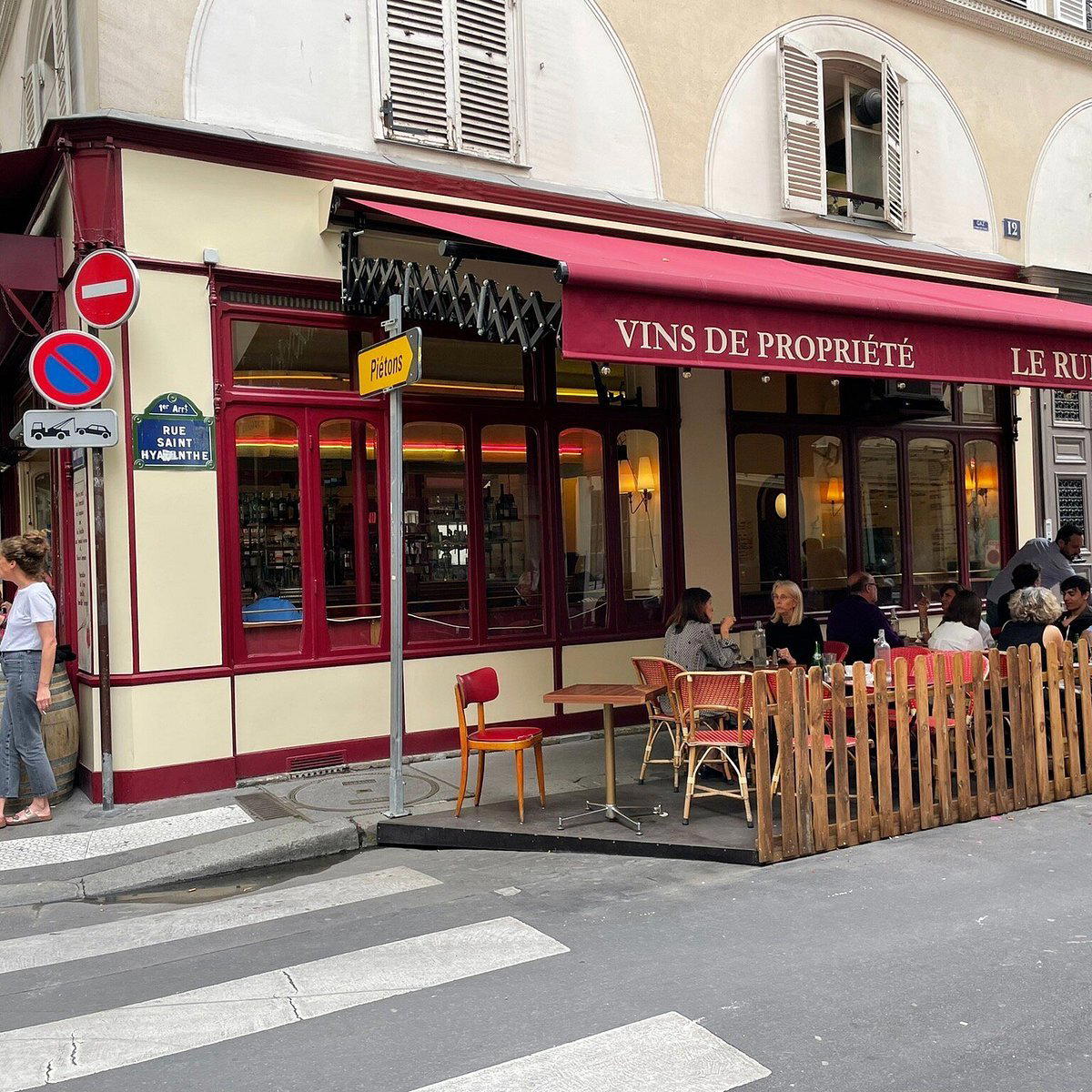
The Architecture of the Old Paris Wine Bar
The wine bar as a Parisian institution has two different faces. One is the contemporary natural wine salon, all exposed brick, chalkboard SKUs, and deliberate restraint. The other is older and less curated: zinc-topped bars worn smooth by decades of elbows, ceramic tiles that absorbed a century of cigarette smoke before the ban, and a format where the distance between drinker and bottle is measured in centimetres rather than ceremony. Le Rubis, at 10 Rue du Marché Saint-Honoré in the 1st arrondissement, belongs emphatically to the second tradition.
The physical space here is doing most of the editorial work. In a neighbourhood that has spent the last two decades converting itself into a zone of international retail and hotel bars, a standing-room wine bar with this level of patina is a counterargument by existence alone. The interior follows the logic of the classic Parisian bistrot à vins: tight quarters, no reservation, no elaborate presentation ritual, and a relationship between regulars and the counter that looks less like hospitality and more like habit.
This matters as a design point because the format is inseparable from the experience. The physical compression of the room — small tables, counter seating, and the inevitable standing crowd at peak hours — produces a specific kind of social encounter that larger, more designed spaces cannot replicate. Paris has exported its grand dining rooms to the global hotel circuit (Le Cinq at the Four Seasons George V being the clearest local example), but the wine bar in this register has remained stubbornly local, stubbornly small, and stubbornly indifferent to global legibility.
Location and the Saint-Honoré Context
The Marché Saint-Honoré sits between the Opéra district and the Tuileries, in an area that functions as a working quarter for the French fashion and finance industries during the day and clears rapidly in the evening. That demographic context shapes the rhythm of a place like Le Rubis: the midday crush is workers from nearby offices, the aperitif hour draws those lingering before the commute, and the format accommodates both without needing to pivot between them. The address puts it within a short walk of the Pyramides and Tuileries Métro stations, which makes it accessible without being on any obvious tourist circuit.
For comparison, the major institutional dining addresses of the 1st arrondissement, L'Ambroisie on the Place des Vosges and Kei nearby on the Rue Coq Héron, operate at a price point and formality level that positions them for special-occasion bookings weeks in advance. Le Rubis operates in a different register entirely: a drop-in format, a neighbourhood-scale price point, and a physical setting that removes any possibility of spectacle dining. These are not competing options; they address completely different reader decisions.
The Bistrot à Vins Tradition in Paris
The bistrot à vins format that Le Rubis represents has its roots in the post-war Parisian drinking culture, when the line between wine merchant and bar was deliberately blurred. Historically, these establishments served as retail outlets where customers could drink on-site what they might also buy to take away, which produced the characteristically unpretentious relationship with wine that distinguishes them from the contemporary wine bar. The list skews toward conventional French producers rather than the natural wine movement that defines many newer addresses, and the food offer typically runs to simple charcuterie and cheese rather than anything requiring a kitchen pass.
This places Le Rubis in an interesting position relative to newer Parisian wine venues. Across the city, the natural wine movement has produced a generation of bars that treat the list as a statement of values, with producers selected for farming philosophy and minimal intervention credentials. The bistrot à vins tradition predates this framework entirely. The selection logic is older, more regional, and less ideologically freighted. Neither approach is superior; they answer different questions about what a wine bar is for.
For readers oriented toward the broader French dining spectrum, the contrast extends beyond Paris. The same tension between formality and informality plays out at every scale of French hospitality, from the approachable mountain setting of Flocons de Sel in Megève to the grand multi-generational institution of Auberge de l'Ill in Illhaeusern. The restaurant occupies the opposite pole of that spectrum: no tablecloths, no tasting menu, no staff choreography.
Peer Context: Paris Wine Bars by Format
Paris wine bars currently divide into three broad tiers. The first is the contemporary natural wine bar, typically in the 11th or 10th arrondissement, with curated by-the-glass programs and food that takes the kitchen seriously. The second is the hotel wine lounge, which has expanded significantly as properties like the George V have invested in their cellar programs. The third is the traditional bistrot à vins, of which genuine surviving examples in the 1st arrondissement are fewer than they were a generation ago. The restaurant operates in this third tier, with the physical character of the space functioning as the primary differentiator. Comparable creative and institutional addresses across Paris, including Alléno Paris au Pavillon Ledoyen, occupy an entirely different tier and competitive set.
Readers planning a Paris itinerary with serious dining ambitions might cross-reference our full Paris restaurants guide, which maps the city's dining options across formats and price points. A place like Le Rubis functions leading as a contextual counterpoint within a broader trip: the unreserved, unprogrammed hours between the tasting menus and the gallery visits, where the city's working rhythms become briefly legible.
Planning Your Visit
| Venue | Format | Price Tier | Booking | Leading For |
|---|---|---|---|---|
| The restaurant | Standing wine bar / bistrot à vins | Low (wine bar) | Walk-in | Midday or aperitif, no agenda |
| Kei | Seated tasting menu | €€€€ | Reserve in advance | Special occasion, modern Franco-Japanese |
| L'Ambroisie | Formal seated service | €€€€ | Reserve weeks ahead | Classic haute cuisine benchmark |
| Le Cinq | Grand hotel dining room | €€€€ | Reserve in advance | Occasion dining with grand setting |
The address at 10 Rue du Marché Saint-Honoré puts the restaurant within a short walk of Pyramides (lines 7 and 14) and Tuileries (line 1). Midday on weekdays is the period most consistent with the venue's historical identity. Evening hours follow the logic of the neighbourhood: early footfall from nearby offices, quieter after 8pm as the quartier empties.
How Le Rubis Paris compares with similar nearby venues.
| Venue | Cuisine |
|---|---|
| Cédric Grolet Opéra | Patisserie |
Continue exploring
More in Paris
Restaurants in Paris
Browse all →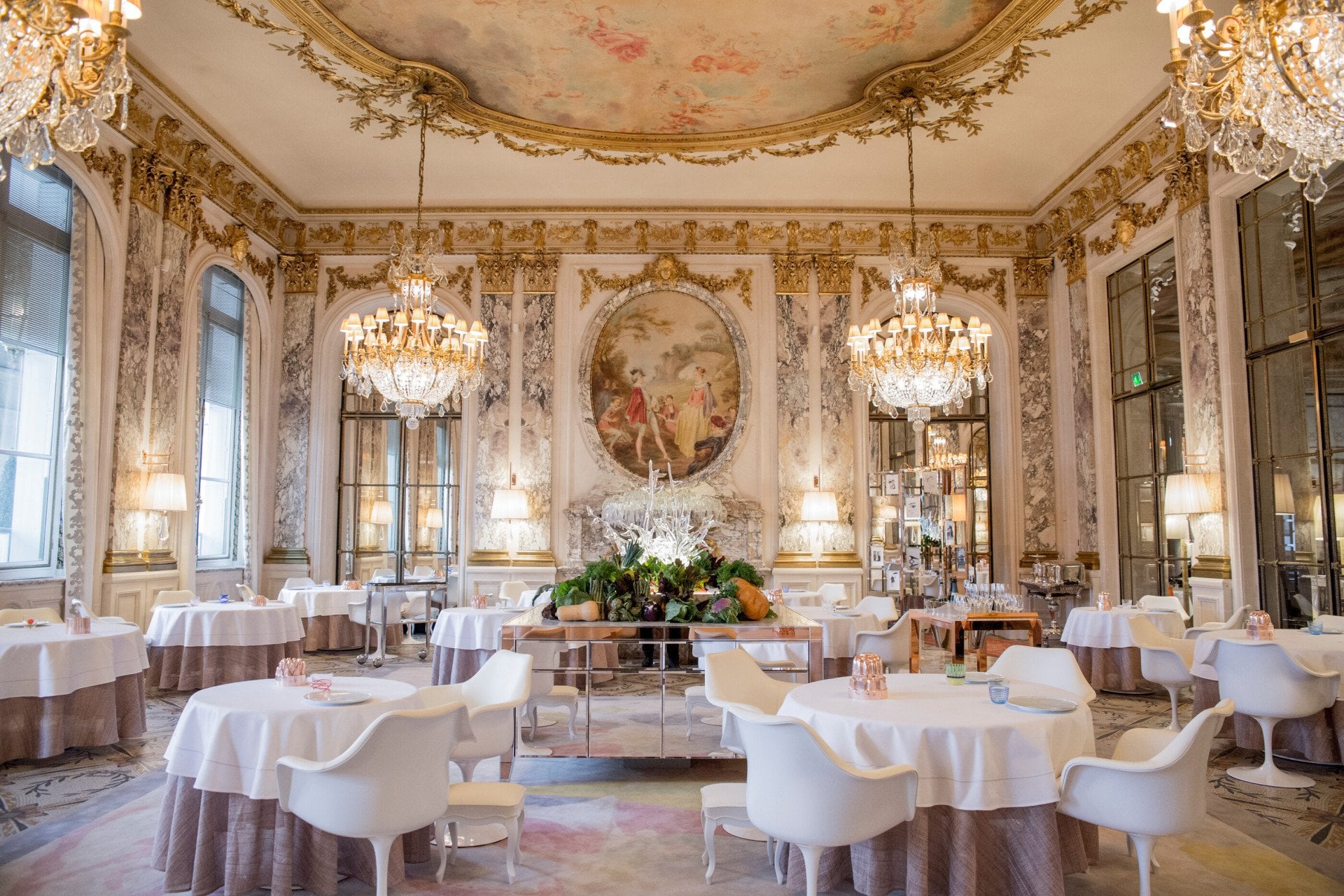
Bars in Paris
Browse all →
Hotels in Paris
Browse all →



At a Glance
- Cozy
- Classic
- Casual Hangout
- After Work
- Natural Wine
- Organic
Current opening hours
- Monday
- 8 AM–1 AM
- Tuesday
- 8 AM–1 AM
- Wednesday
- 8 AM–1 AM
- Thursday
- 8 AM–1 AM
- Friday
- 8 AM–1 AM
- Saturday
- 10 AM–12 AM
- Sunday
- Closed
Hours can change for holidays and private events. Last verified .