Our verdict
Le Safari occupies a front-row position on the Cours Saleya, Nice's open-air market square, where the boundary between terrace and street dissolves entirely. The address has long anchored the Vieille Ville dining scene, tracking the slow shift in Niçoise cooking from purely traditional to something more considered. For a read on how the old town feeds itself, this is a reliable starting point.

Pearl is the En Primeur Club membership app, where members save venues, book tables and use the concierge.

The menu
What to order
- Niçoise salad
- Daube Niçoise
- Pissaladière
- Bagna cauda
- Petit Farci
Cours Saleya and the Table It Defines
The Cours Saleya is not a backdrop. It is the reason the old town of Nice has a dining culture at all. Every morning, the square runs as one of the Côte d'Azur's most active flower and produce markets; by midday, the stalls fold away and the restaurant terraces expand into the vacated space. Le Safari sits at the edge of that transition, at 1 Cours Saleya, positioned where the market noise gives way to the low hum of lunch service. The address has been part of the square's rhythm long enough that regulars tend to treat it less as a restaurant choice and more as a fixed point in a familiar routine.
That kind of durability is worth examining. On the Cours Saleya, restaurants turn over with some regularity, caught between the economics of high-footfall tourist trade and the expectations of a local clientele that treats the square as its own. Le Safari has outlasted that cycle across multiple decades, which places it in a different category from the neighbourhood openings that come and go with seasonal confidence.
How the Old Town's Dining Character Has Shifted
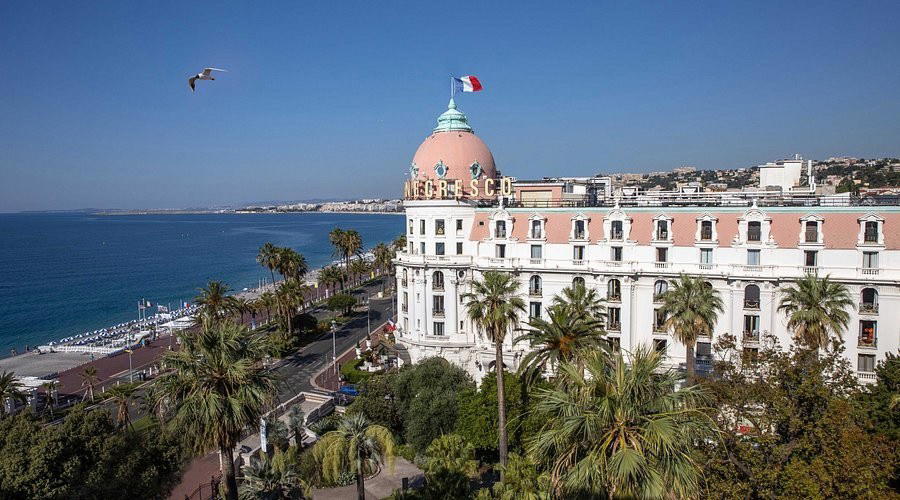
Nice's restaurant culture has reorganized itself considerably over the past fifteen years. The upper tier now includes addresses like Flaveur and L'Aromate, both running serious modern French programs at the €€€€ price point, and newer creative formats like Les Agitateurs and ONICE that push the city's cooking ambitions further still. At the same time, the traditional Niçoise tier, socca, daube, pissaladière, petits farcis, has held its ground in a handful of addresses that resisted reinvention. Le Chantecler, operating from inside the Hôtel Negresco, occupies its own separate register entirely.
Le Safari's evolution has tracked a path between those poles. Where once the Cours Saleya restaurants operated almost exclusively in a traditional Niçoise mode, Le Safari's current direction reads as a practical reconciliation: the regional dishes remain present, but the kitchen has absorbed enough of the city's broader shifts to avoid feeling static. That is a meaningful distinction in a square where some addresses have calcified entirely around visitor expectations and others have overcorrected toward a modishness that sits uneasily with the location's market-town character.
The Place in Its Regional Frame
Nice sits between two very different gravitational pulls in French dining. To the west, Marseille's AM par Alexandre Mazzia represents the Mediterranean's most intellectually ambitious cooking at the three-Michelin-star level. To the east, Mirazur in Menton has repositioned the Riviera in the global imagination since its ascent to number one on the World's 50 Best list in 2019. Further afield, the reference points for serious French cooking span from Alléno Paris au Pavillon Ledoyen and Flocons de Sel in Megève to the deep-rooted institutional weight of Auberge de l'Ill, Bras, Paul Bocuse, and Troisgros. Assiette Champenoise in Reims and Au Crocodile in Strasbourg anchor the broader national map. Internationally, three-star seafood precision at Le Bernardin in New York and the tasting-menu rigour of Atomix represent what the upper tier of formal dining now looks like elsewhere.
Le Safari does not compete in any of those registers, nor does it try to. Its frame of reference is the square itself, the produce market that supplies it each morning, and the tradition of Niçoise cooking that treats the olive, the anchovy, the courgette flower, and the chickpea as structural ingredients rather than garnish. In that narrower frame, the address carries weight that formal accolades do not always capture.
Reading the Evolution
The most instructive thing about Le Safari's trajectory is what it chose not to become. The Cours Saleya has attracted formats chasing the tourist spend, broad menus, high covers, the kind of operational efficiency that produces reliable mediocrity at scale. Le Safari's persistence suggests a different calculation: that the square's long-term regulars, the Nice residents who use the market weekly and the seasonal returnees who have been coming to the same table for years, represent a more durable foundation than the transient footfall the address could theoretically chase.
That orientation shows in the kitchen's continued engagement with Niçoise specificity. The dishes associated with this cooking tradition are not especially glamorous by contemporary standards: slow-braised meats, olive-oil-dressed vegetables, anchoiade, stockfish prepared in the Niçois manner. These are not presentations built for social media. They are the product of a regional pantry and a cooking logic that predates the modernist vocabulary that now dominates the aspirational tier. The fact that they remain on tables along the Cours Saleya at all, rather than being displaced entirely by pizza and salade niçoise for export, owes something to addresses that held the line through the square's more turbulent commercial periods.
Planning Your Visit
Le Safari is located at 1 Cours Saleya in the Vieille Ville, walkable from the Promenade des Anglais and directly accessible from the old town's main pedestrian axes. The Cours Saleya market runs on Tuesday through Sunday mornings, which means early-week lunch sees the most natural transition from market to table. Terrace seating fills quickly in the warmer months, and the square's evening atmosphere shifts noticeably after the market crowd gives way to dinner service, making timing a genuine consideration rather than a minor logistical footnote. For a broader picture of where Le Safari sits within Nice's full restaurant range, see our full Nice restaurants guide.
Frequently asked questions
What is Le Safari known for?
Le Safari is associated with the Cours Saleya dining tradition in Nice's Vieille Ville, where proximity to the daily produce and flower market has long shaped the kitchen's approach. The address is one of the square's long-standing fixtures, with a reputation built on Niçoise and Provençal cooking rather than the modern French formats that define the city's higher-accolade tier. For comparison, Flaveur and L'Aromate represent Nice's creative modern end.
What's the must-try dish at Le Safari?
The Niçoise and Provençal tradition that anchors the Cours Saleya addresses typically centres on regional preparations: daube, petits farcis, anchoiade, and stockfish in the local style. These dishes reflect the market square's produce supply rather than a modernist tasting format. Checking the current menu directly with the venue will give the most accurate picture. For the city's more formally documented cooking, Le Chantecler represents Nice's highest-accolade address.
Is Le Safari reservation-only?
Given the Cours Saleya's popularity during the summer season and at peak market days (Tuesday through Sunday), securing a table in advance is a practical precaution for terrace seating in particular. Nice's dining scene at the €€€€ tier, including addresses like Les Agitateurs, typically requires advance booking; Cours Saleya addresses at a more accessible price point may have greater walk-in availability, but this should be confirmed directly.
Is Le Safari good for vegetarians?
Niçoise cuisine has a naturally vegetable-forward component, courgette flowers, ratatouille, socca, and olive-dressed salads appear regularly in this tradition, though the classic menu also leans on anchovy, stockfish, and braised meats. Contacting the venue directly is the practical step, particularly if dietary needs are specific. Nice's broader dining scene offers a range of formats across price points if alternatives are needed.
Does Le Safari's position on the Cours Saleya affect what it serves?
The Cours Saleya hosts one of the Côte d'Azur's most active morning markets, and restaurants at this address have historically drawn directly from that supply. The market's seasonal produce, courgettes, tomatoes, herbs, flowers, maps closely onto the Niçoise cooking tradition that defines the square's culinary character. That physical relationship between market and kitchen is part of what distinguishes Cours Saleya dining from restaurants operating in other Nice neighbourhoods, and it remains one of the area's clearest points of culinary identity.
Cuisine Lens
Comparable venues nearby, for context on price, style, and recognition.
| Venue | Cuisine | Price | Notes |
|---|---|---|---|
| Le SafariThis venue (the venue you are viewing) | Authentic Niçoise Cuisine | $30–50 | Not listed |
| Chez Thérésa | Traditional Niçoise | $10–20 | Nice Historique |
| Franchin | Classic French Bistro | $30–50 | Cœur de Nice |
| L'Ovale | Southwest French Brasserie | $20–30 | Cœur de Nice |
| La Petite Maison | Authentic Niçoise Mediterranean | $50–100 | Nice Historique |
| Chez Acchiardo | Traditional Niçoise Bistro | $20–30 | Nice Historique |
Continue exploring
More in Nice
Restaurants in Nice
All restaurants in Nice →
Bars in Nice
All bars in Nice →

Details
- Lively
- Classic
- Rustic
- Well Known
- Casual Hangout
- Group Dining
- Family
- Standalone
- Historic Building
- Local Sourcing
- Street Scene
- A La Carte
- Set Menu
- Vegetarian Friendly
- Pescatarian Friendly
Current opening hours
- Monday
- 12–10:50 PM
- Tuesday
- 12–10:50 PM
- Wednesday
- 12–10:50 PM
- Thursday
- 12–10:50 PM
- Friday
- 12–10:50 PM
- Saturday
- 12–10:50 PM
- Sunday
- 12–10:50 PM
Hours can change for holidays and private events. Hours as of .
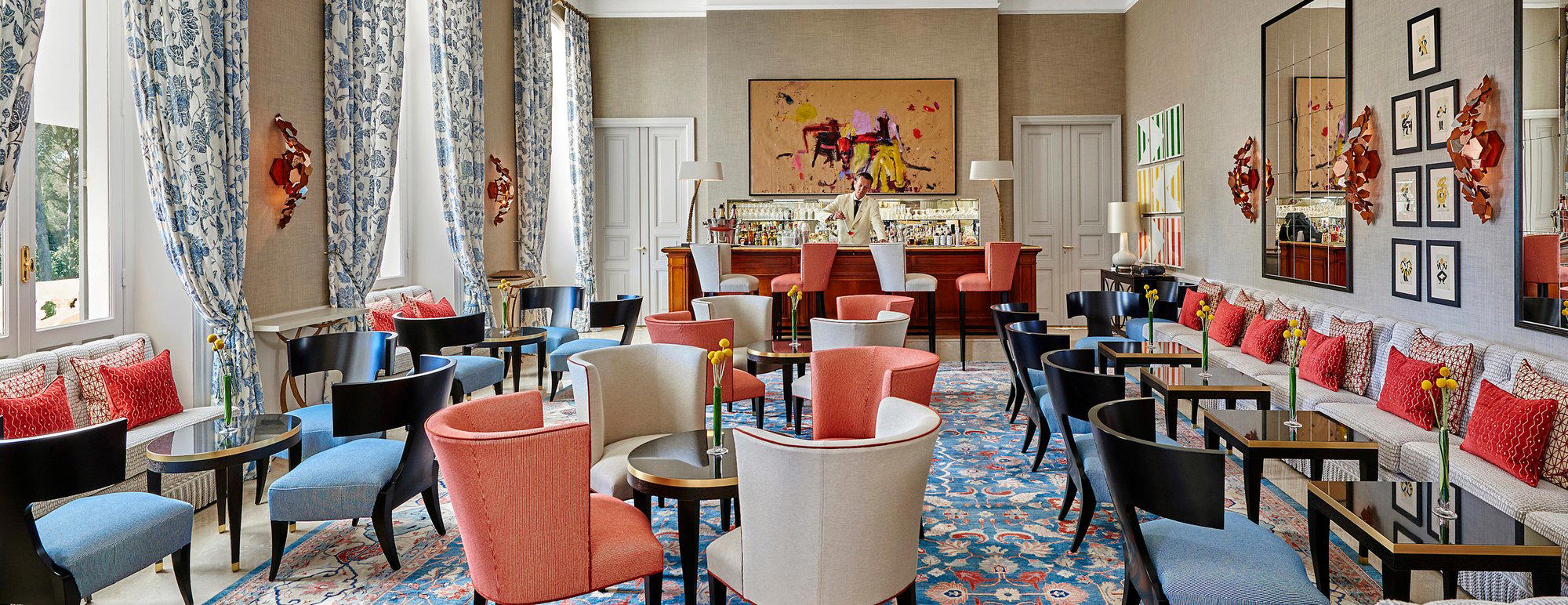
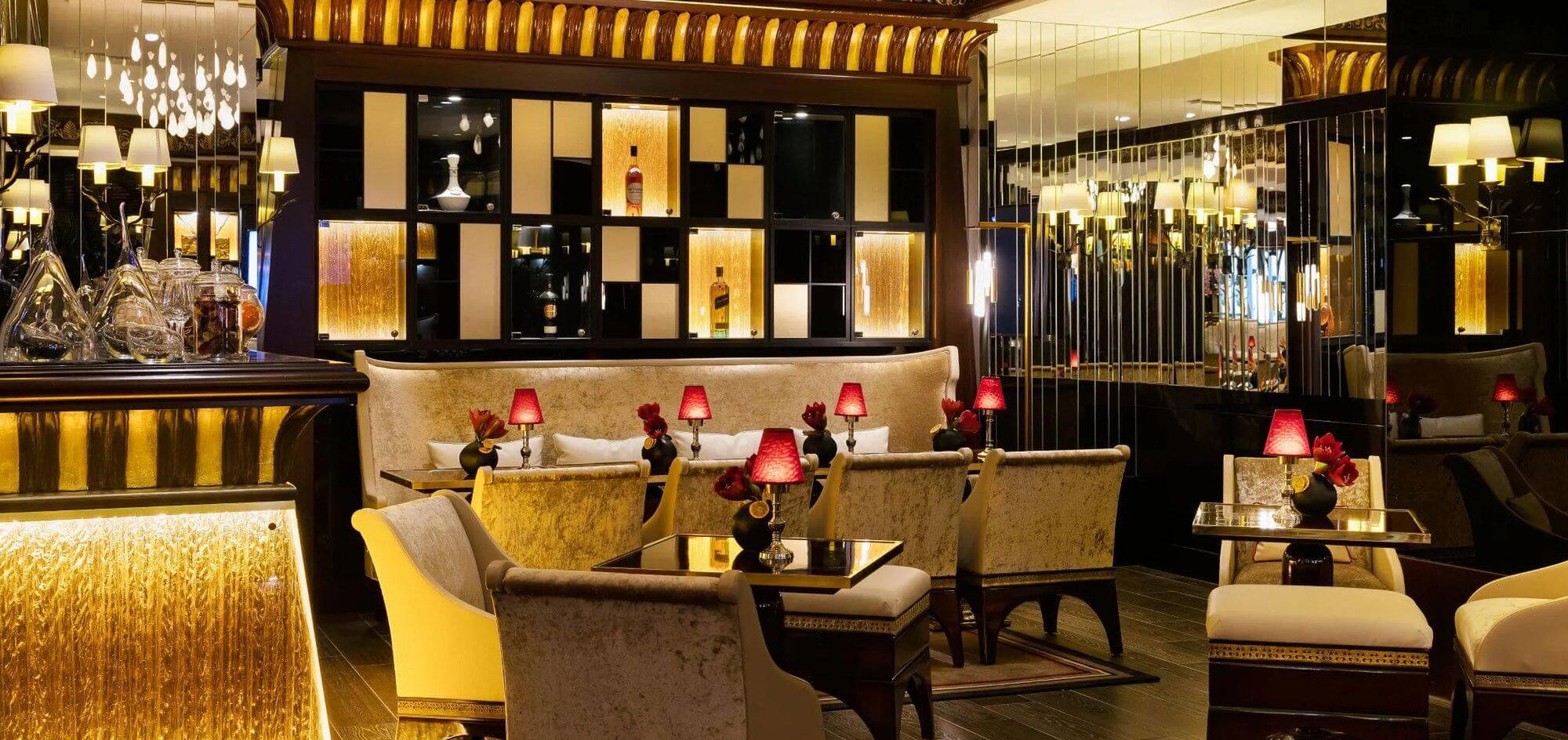
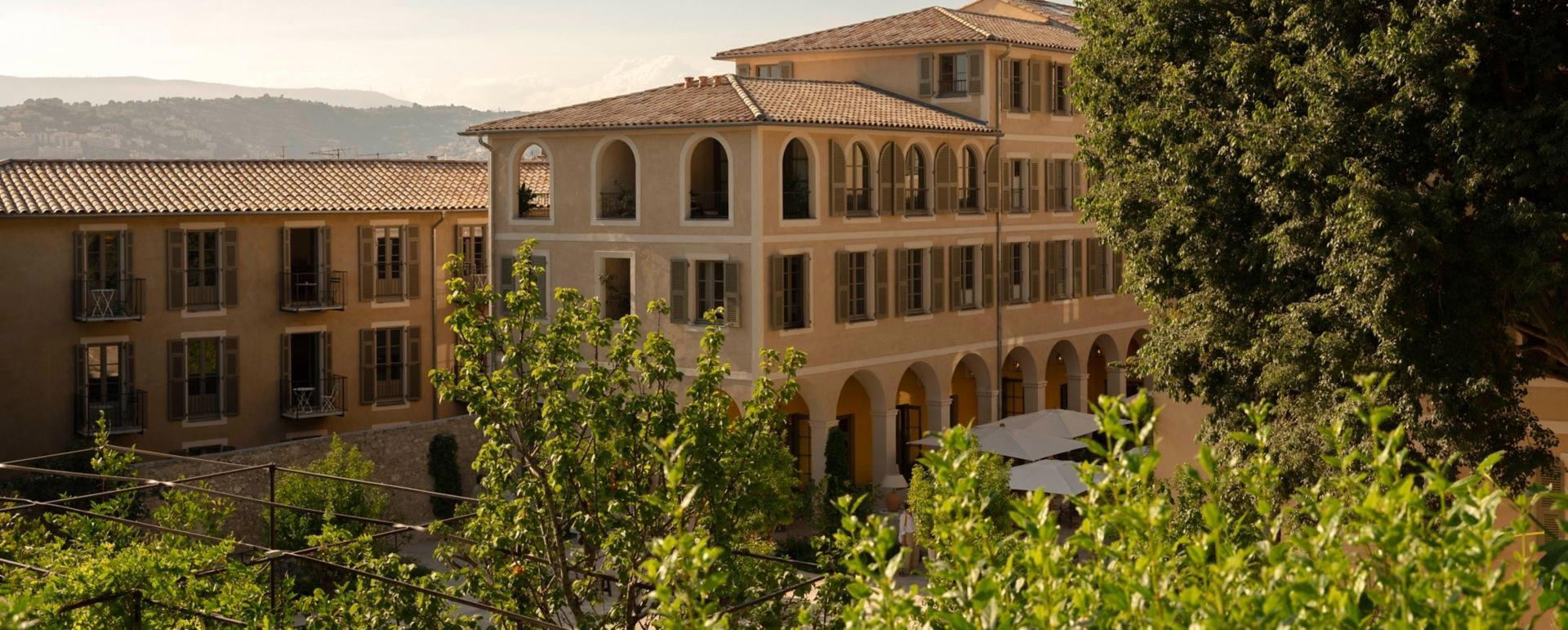
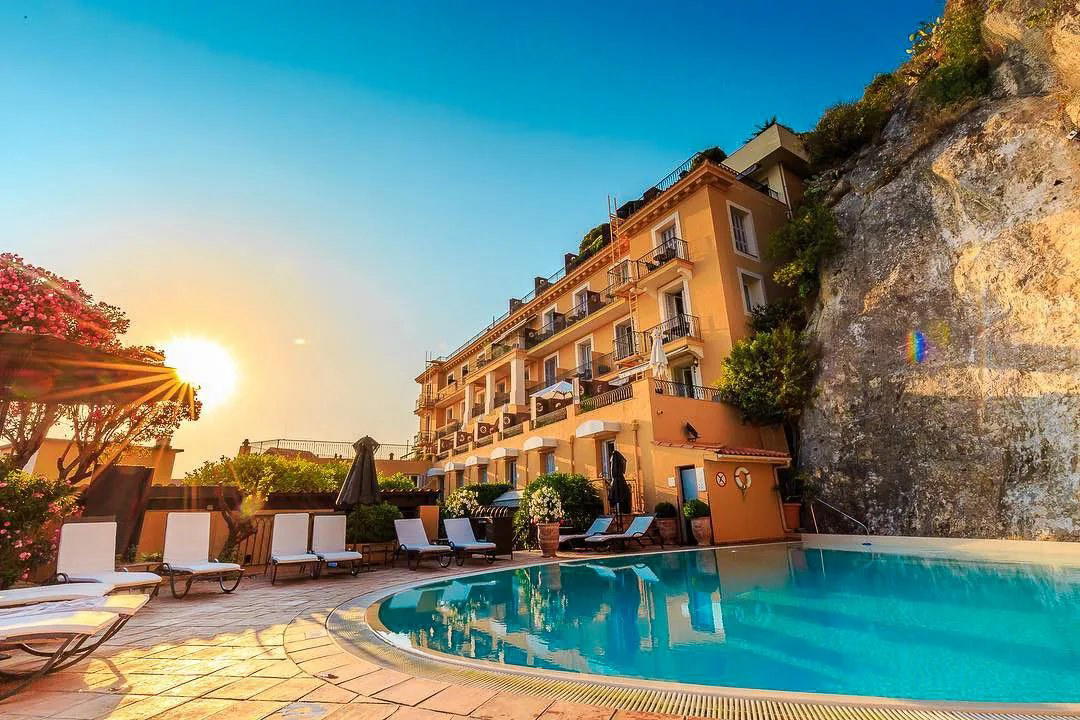
Lively and convivial with a casual, bustling energy reflecting its location in the heart of Nice's famous market. Warm and welcoming atmosphere without artifice, featuring traditional décor that captures the essence of the Riviera.