Le Richebourg
Le Richebourg sits on the Rue du Pont in Vosne-Romanée, one of Burgundy's most concentrated addresses for serious dining and wine. The village that lends its name to a Grand Cru vineyard makes an appropriate setting for a restaurant drawing on the region's agricultural depth. For visitors already tracing the Côte de Nuits, it occupies a logical place in the itinerary.
Pearl is the En Primeur Club membership app — saves, bookings, and concierge access live there. Same editors, same standards.
- Address
- Rle du Pont, 21700 Vosne-Romanée, France
- Phone
- +33380615959
- Website
- hotel-lerichebourg.com
- Directions
- Get directions
 Saves & bookings on Pearl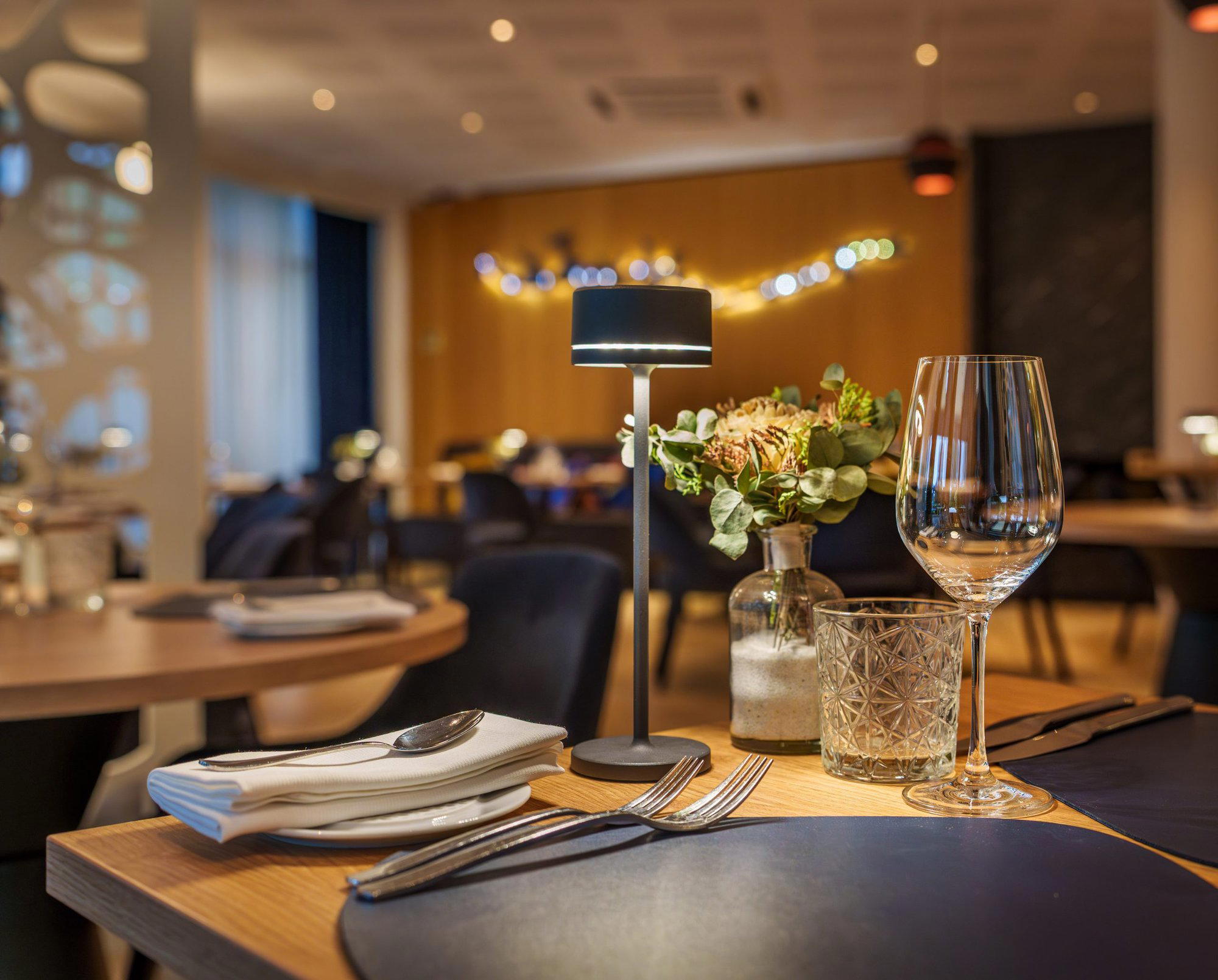
Arriving in Vosne-Romanée: What the Village Tells You First
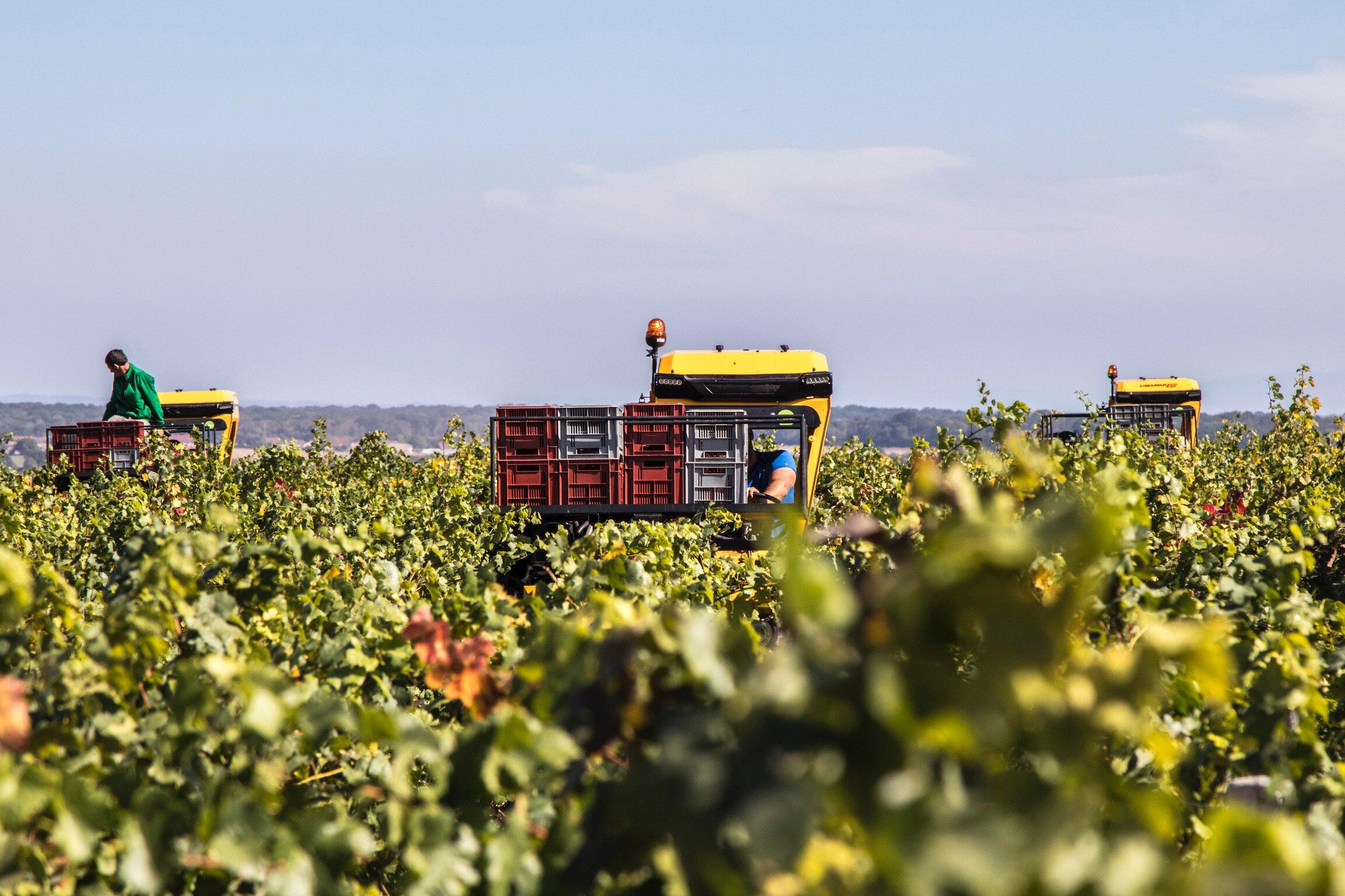
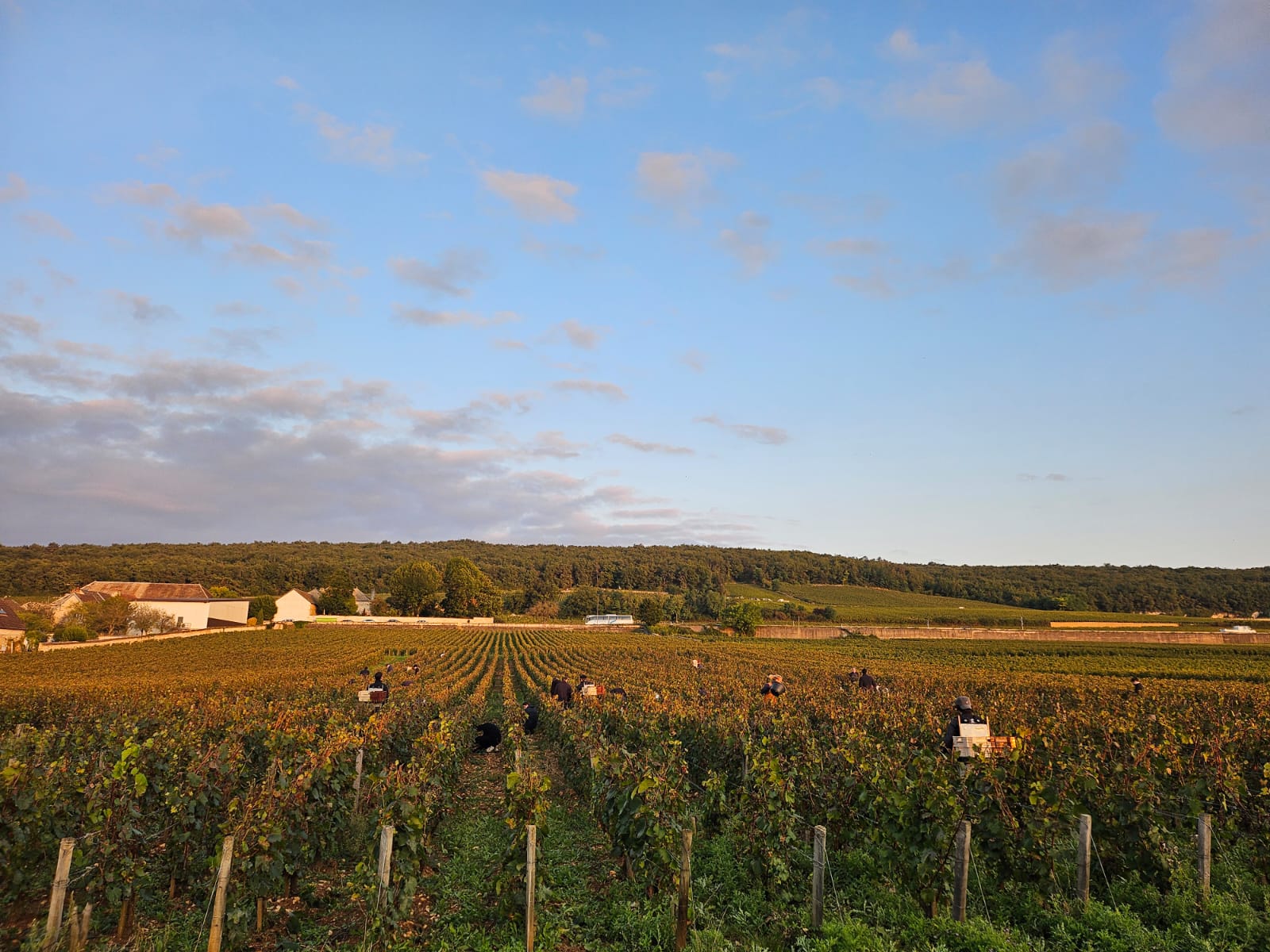
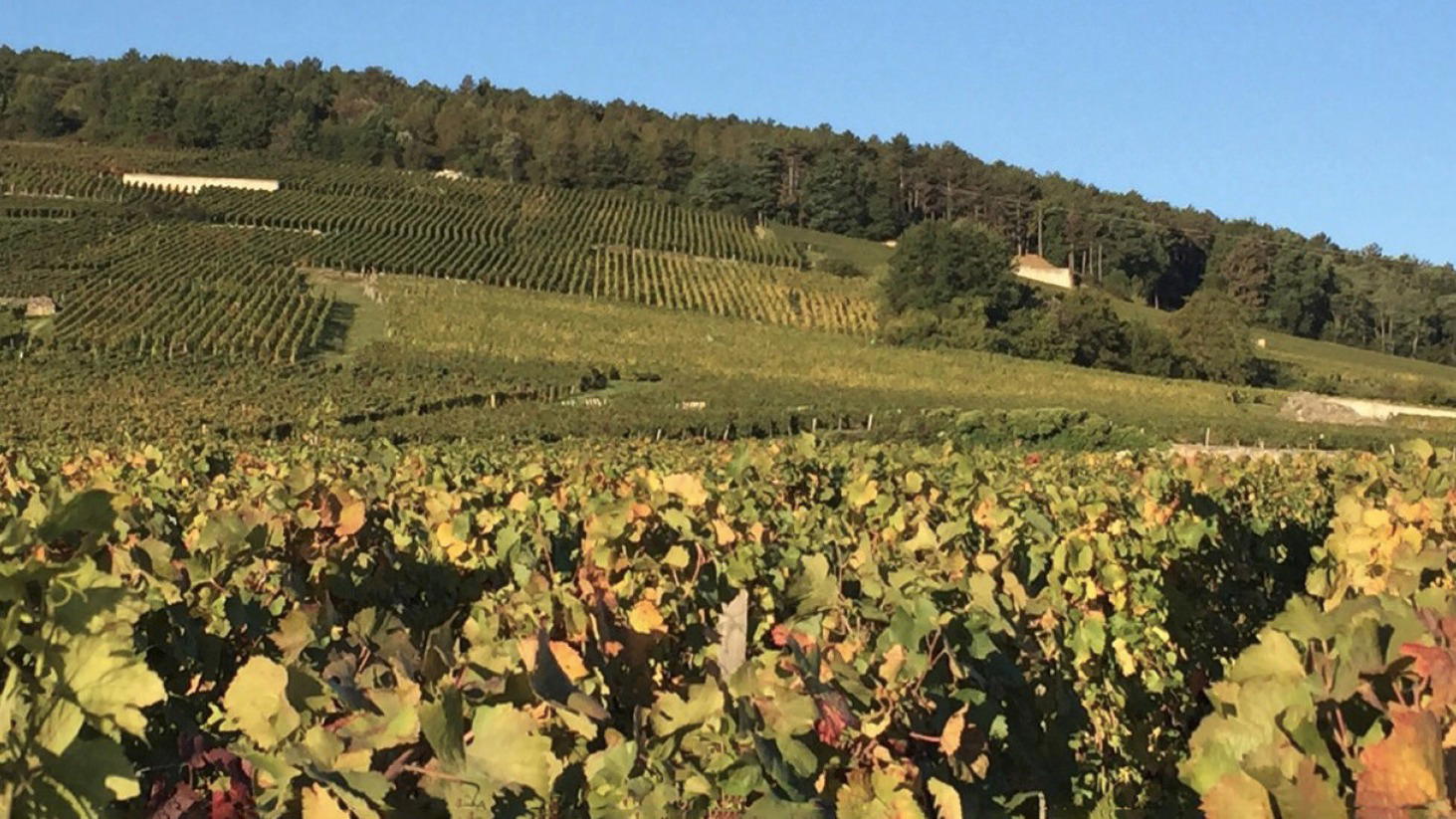
Vosne-Romanée does not announce itself loudly. Approaching from Nuits-Saint-Georges or Vougeot along the D974, the village appears modest, a compact cluster of stone buildings between vineyards that carry particularly expensive agricultural land in the world. The Grand Cru appellations, Romanée-Conti, La Tâche, Richebourg, Grands Échézeaux, ring the village on three sides. Dining here means eating within metres of parcels that define the global reference point for Pinot Noir. That proximity is not incidental to how restaurants in this appellation position themselves; it shapes ingredient sourcing, wine list construction, and the expectations visitors arrive with.
Le Richebourg takes its name directly from one of those Grand Cru sites, the 7.9-hectare Richebourg vineyard whose produce has benchmarked Burgundy's upper tier for centuries. An address on Rle du Pont places the restaurant within the village's compact core.
What Sourcing Means in This Part of Burgundy
The Côte de Nuits sits inside a broader Burgundian food culture that has always treated provenance as primary. This is not the farm-to-table framing that became a marketing device elsewhere; in villages like Vosne-Romanée, the short supply chain is a structural reality. Bresse poultry, carrying AOC status since 1957, comes from farms sixty kilometres west. Charolais beef is raised within the region. Époisses, the pungent washed-rind cheese that remains one of Burgundy's defining dairy products, is produced in the village of the same name roughly forty kilometres north. These are not specialty imports in this context; they are the standard regional pantry.
Restaurants working in this tradition do not need to foreground sourcing as a concept because it is assumed. What distinguishes one kitchen from another at this level is how those materials are handled: whether the cooking amplifies local character or imposes technique over it. The leading kitchens in Burgundy treat their sourcing as evidence rather than argument, letting the quality of a Charolais cut or a late-season cepe make the case without additional framing. For visitors coming to Vosne-Romanée specifically for the wine, this alignment between what is grown or raised nearby and what arrives on the plate matters more than decorative menu language.
Across Burgundy's premium dining tier, wine and food sourcing are treated as a single editorial decision. A restaurant in Vosne-Romanée that lists Domaine wines from immediate neighbours is making a geographic argument about coherence, the same terroir that produces the wine also produces or informs the food. La Cuverie by Comte Liger-Belair in Vosne-Romanée operates within this same framework, where estate credentials extend from the cellar into the dining room.
The Wider French Fine Dining Reference Frame
To understand where a restaurant in Vosne-Romanée sits in the French dining hierarchy, it helps to map the broader field. France's most-discussed fine dining addresses span multiple formats and geographies. Alléno Paris au Pavillon Ledoyen operates at the creative apex of Parisian cooking, technically complex and ingredient-driven at a different scale. Mirazur in Menton has built its reputation on coastal sourcing and garden produce, a different regional argument from Burgundy's but equally terroir-rooted. Flocons de Sel in Megève occupies the Alpine end of regional luxury dining, while Bras in Laguiole has spent decades defining Aubrac cuisine as a distinct identity. Troisgros in Ouches and Paul Bocuse in Collonges-au-Mont-d'Or anchor the Lyonnais tradition that Burgundy's own cooking orbits historically.
What separates Burgundy's village dining from these urban or destination formats is scale and context. A restaurant in Vosne-Romanée is not competing with Paris or Lyon for operational complexity; it is offering something those cities cannot replicate: physical proximity to the scrutinized wine terroir in France. That positioning dictates a different value proposition. Other notable French addresses worth tracking for comparable regional seriousness include Auberge de l'Ill in Illhaeusern, Auberge du Vieux Puits in Fontjoncouse, Assiette Champenoise in Reims, Christopher Coutanceau in La Rochelle, Georges Blanc in Vonnas, L'Oustau de Baumanière in Les Baux, Au Crocodile in Strasbourg, and AM par Alexandre Mazzia in Marseille, each working within a distinct regional grammar.
Planning a Visit to Vosne-Romanée
Vosne-Romanée sits roughly twenty kilometres south of Dijon, which has direct TGV connections to Paris Gare de Lyon in under two hours. Most visitors to the Côte de Nuits base themselves in Beaune, which has more accommodation options and a direct connection to the village via the D974. Harvest season, running roughly from mid-September into October depending on the year, brings the highest visitor concentration to the village. Late spring and early summer offer a quieter window with longer daylight hours for vineyard walking. Visiting in either period means the wine calendar shapes dining availability in the village, so booking ahead is advisable for any serious dinner, regardless of the restaurant's apparent scale.
For those extending a French itinerary beyond Burgundy, the reference frame broadens considerably. Le Bernardin in New York City and Atomix in New York City represent what rigorous sourcing and technique look like in a transatlantic context, useful comparison points for understanding how Burgundian regional cooking relates to global fine dining norms.
Comparison Snapshot
Comparable venues nearby, for context on price, style, and recognition.
| Venue | Cuisine | Price | Notes |
|---|---|---|---|
| Le RichebourgThis venue — the venue you are viewing | Modern Burgundian French | $$$$ | Not listed |
| La Cuverie by Comte Liger-Belair | Burgundian Wine Bar | $$$$ | Vosne-Romanée |
| La Cuverie by Comte Liger-Belair | wine_bar | $$$ | Vosne-Romanée |
| Alain Passard's Garden | Vegetable-Focused Fine Dining | $$$$ | Bois Giroult |
| Comme chez moi | Seasonal French Bistro | $$$ | Meursault |
| 21 Boulevard | Traditional Burgundian French | $$$ | Beaune center |
Continue exploring
More in Vosne-Romanée
Restaurants in Vosne-Romanée
Browse all →
Bars in Vosne-Romanée
Browse all →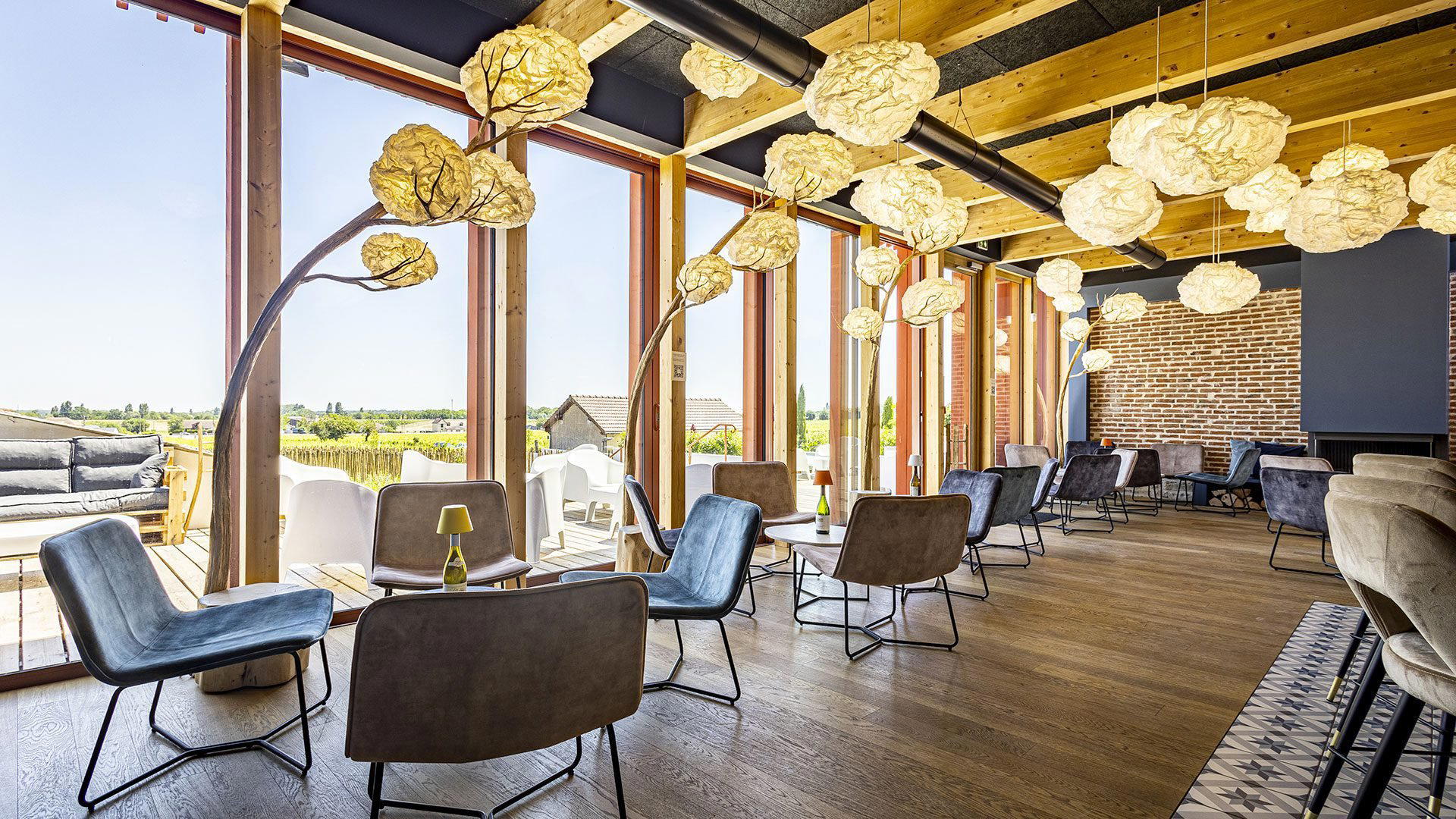
Hotels in Vosne-Romanée
Browse all →
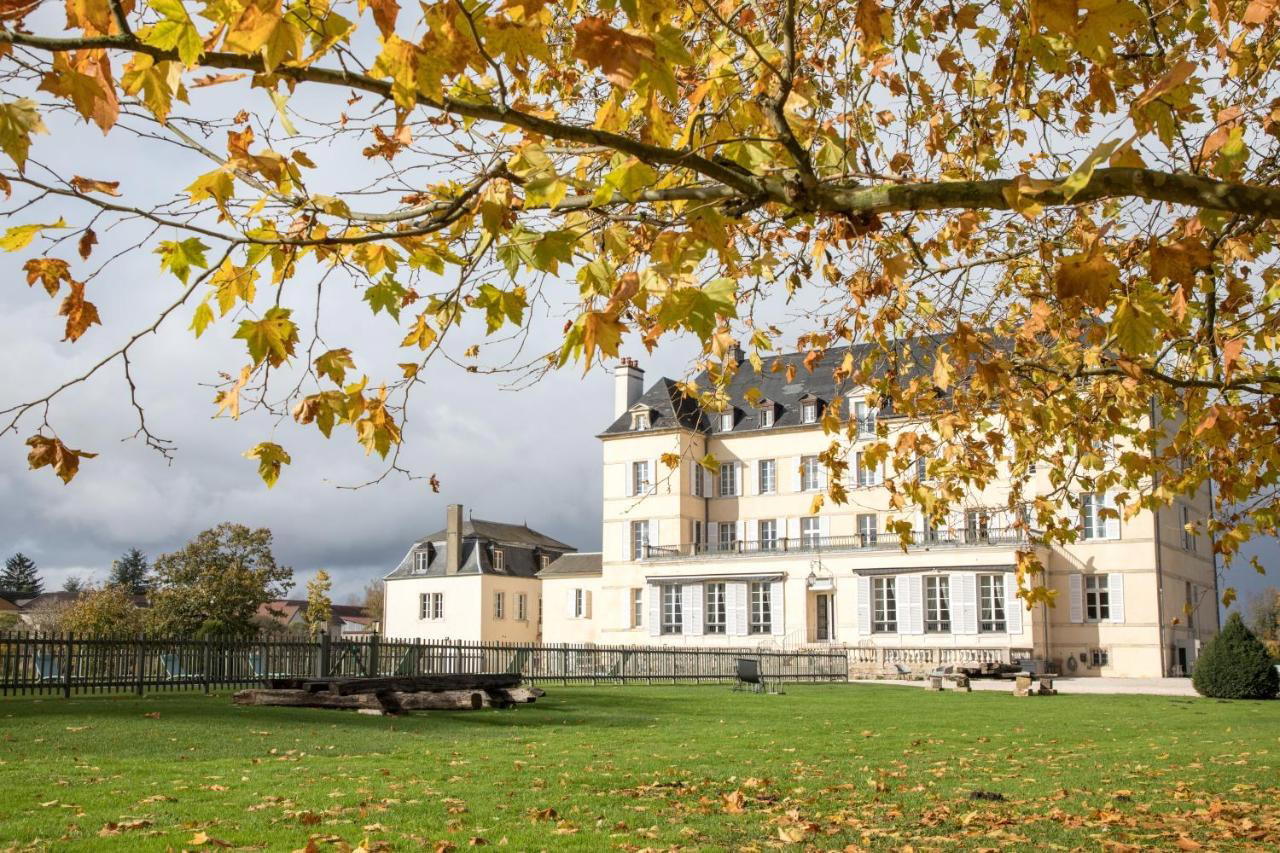
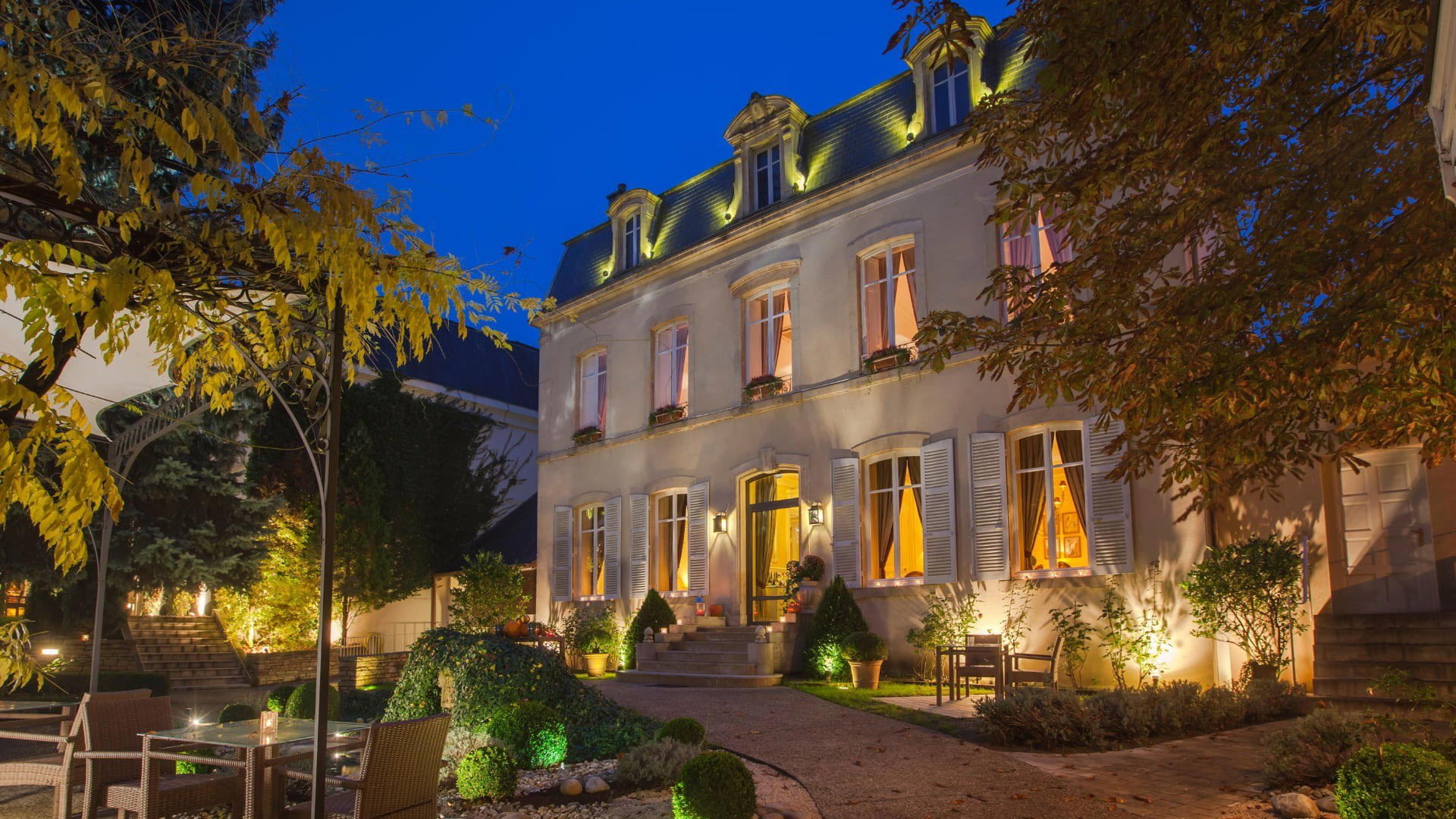
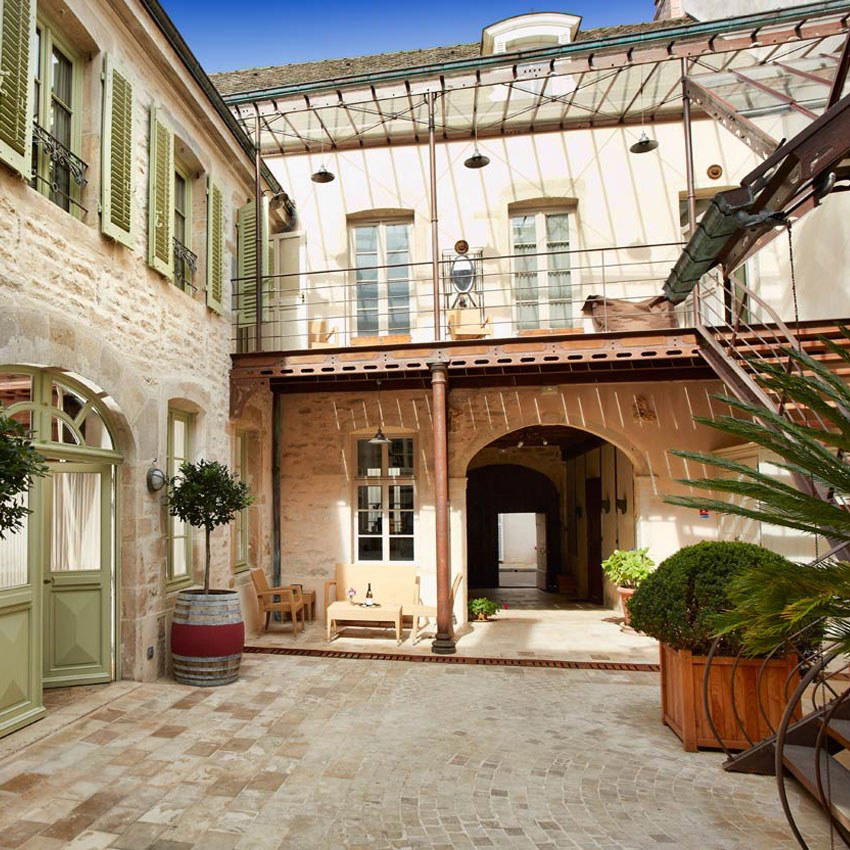
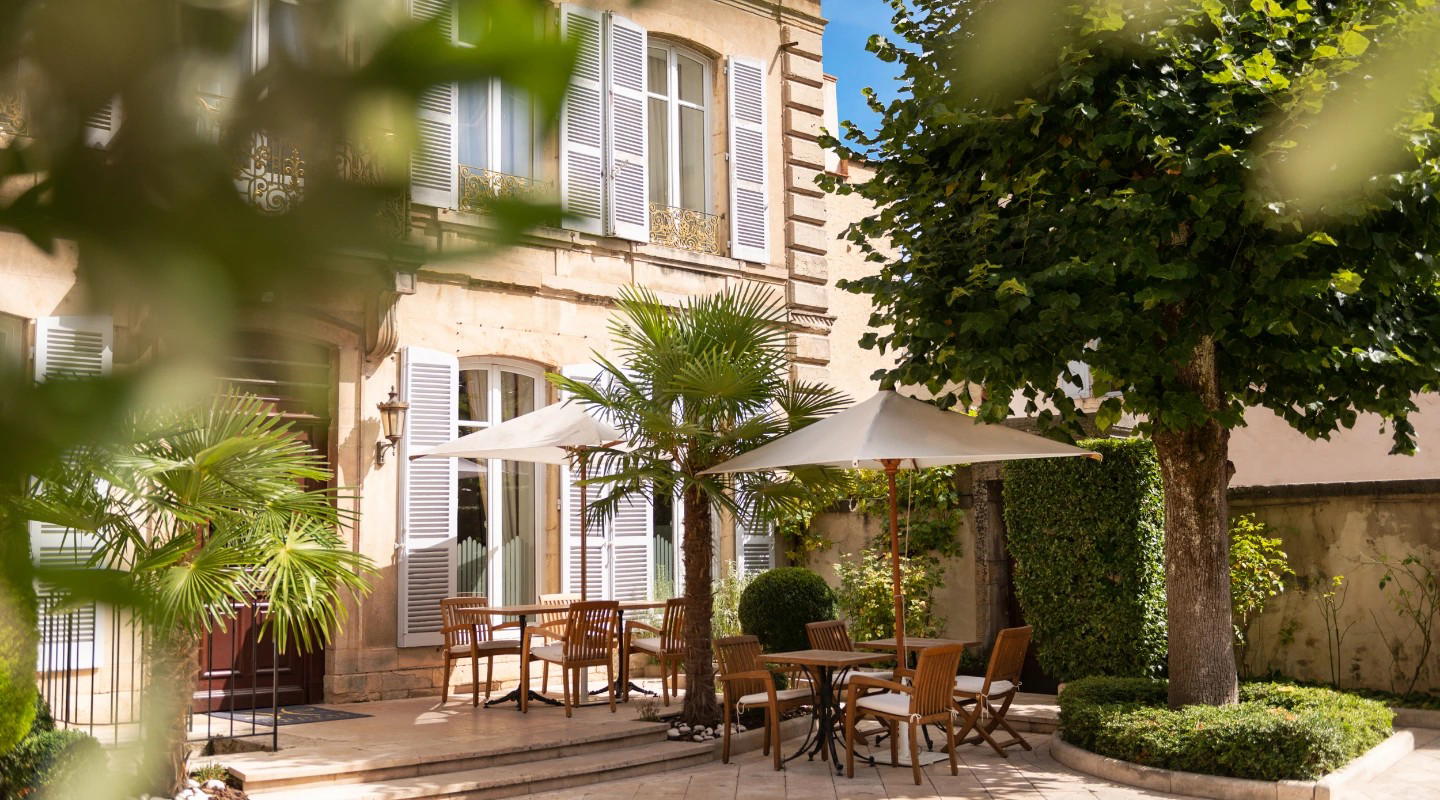
At a Glance
- Elegant
- Sophisticated
- Romantic
- Date Night
- Special Occasion
- Terrace
- Garden
- Hotel Restaurant
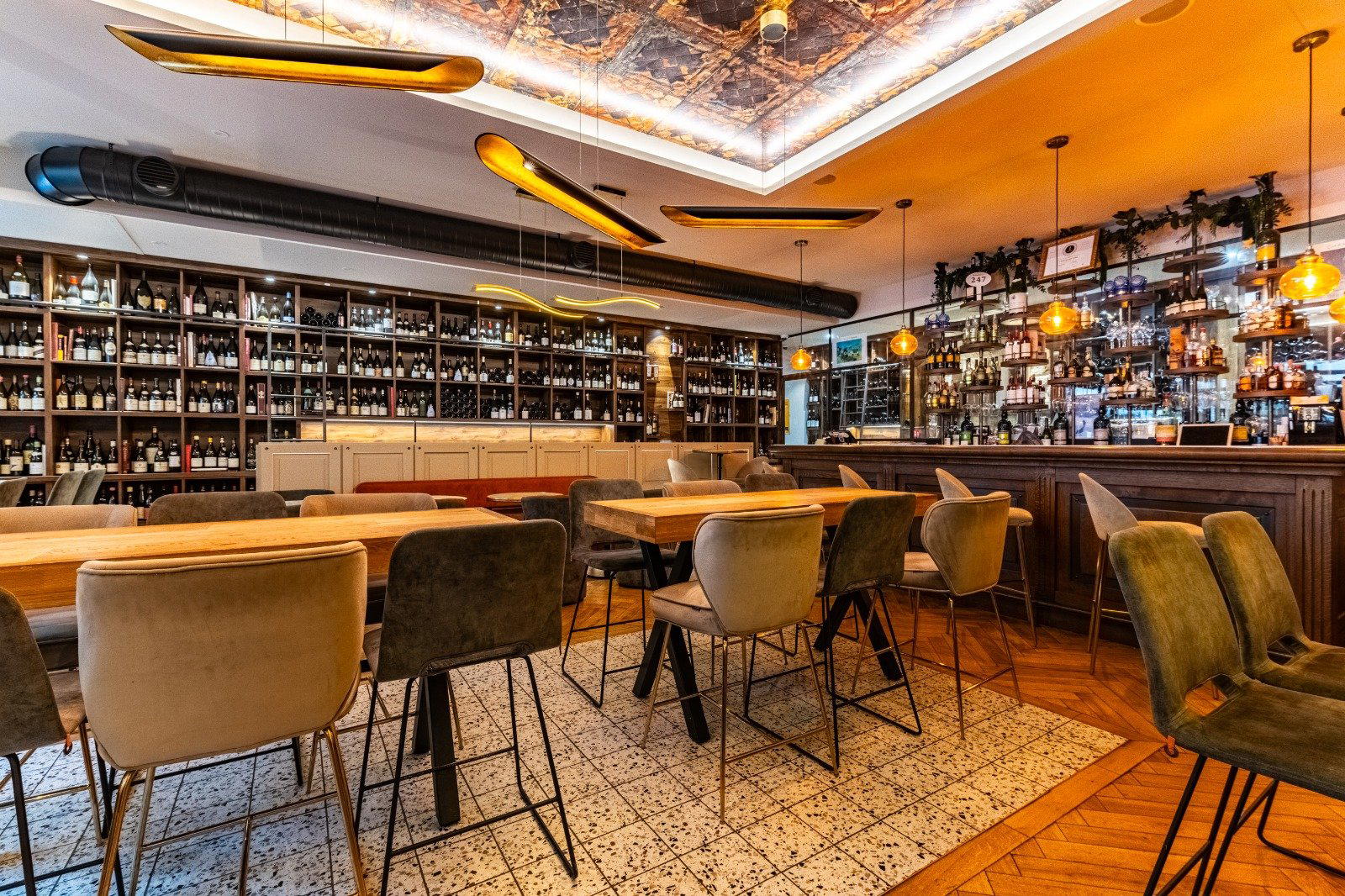
- Extensive Wine List
- Sommelier Led
- Local Sourcing
- Garden
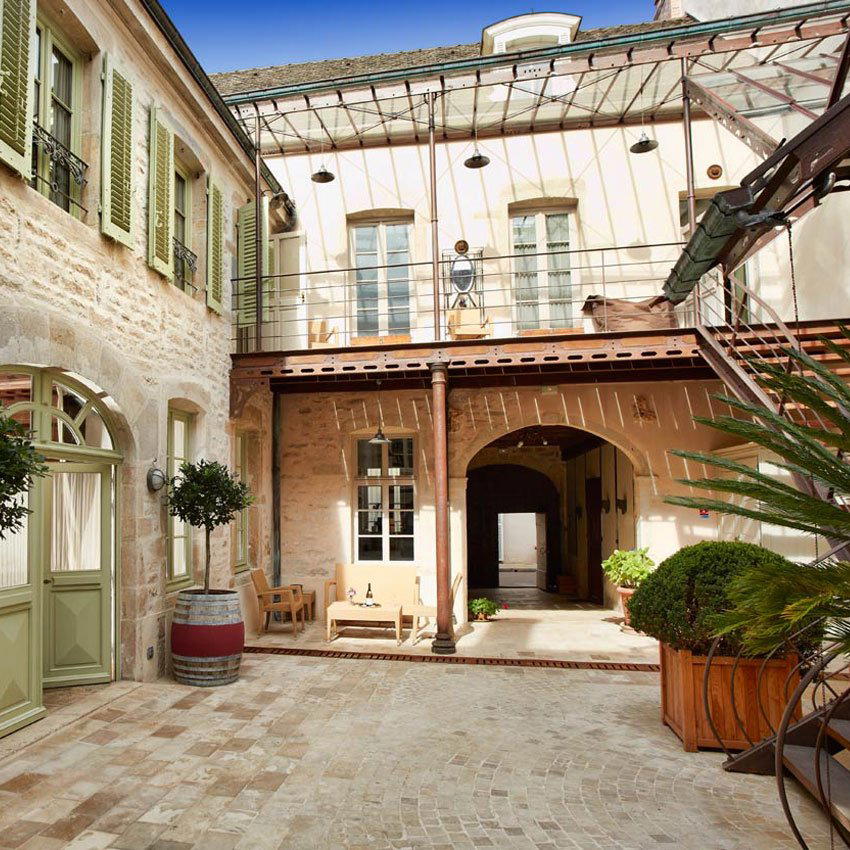
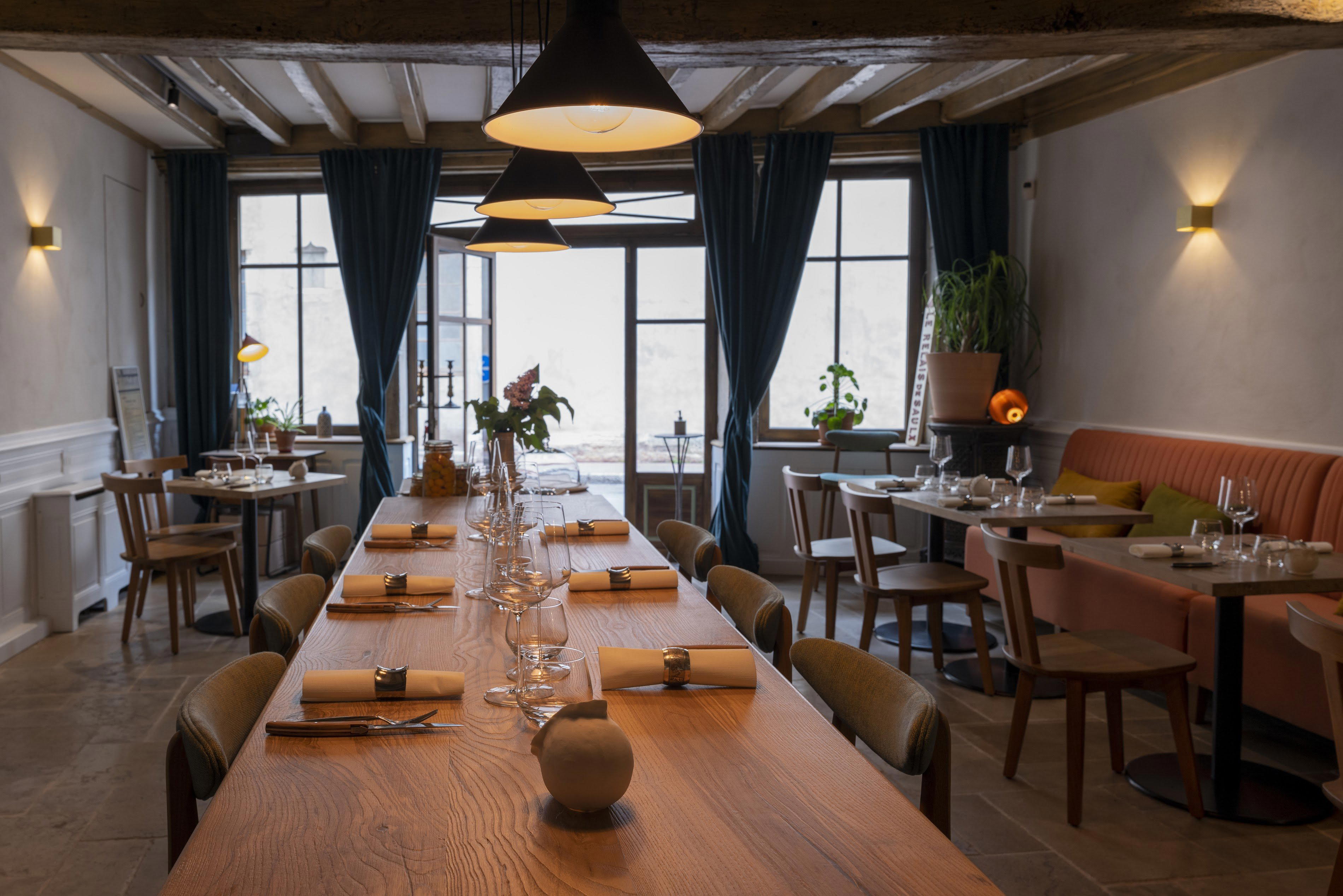
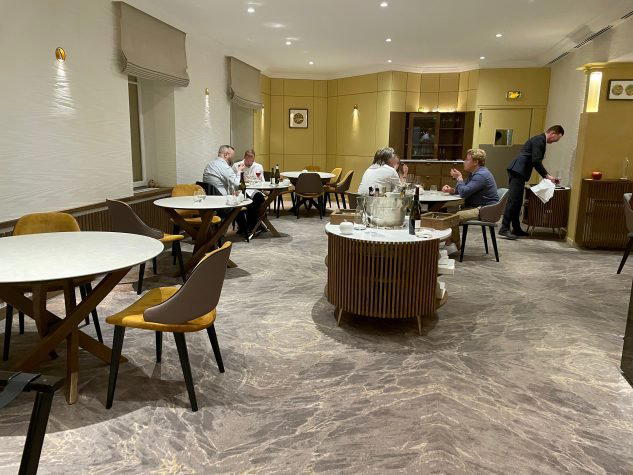
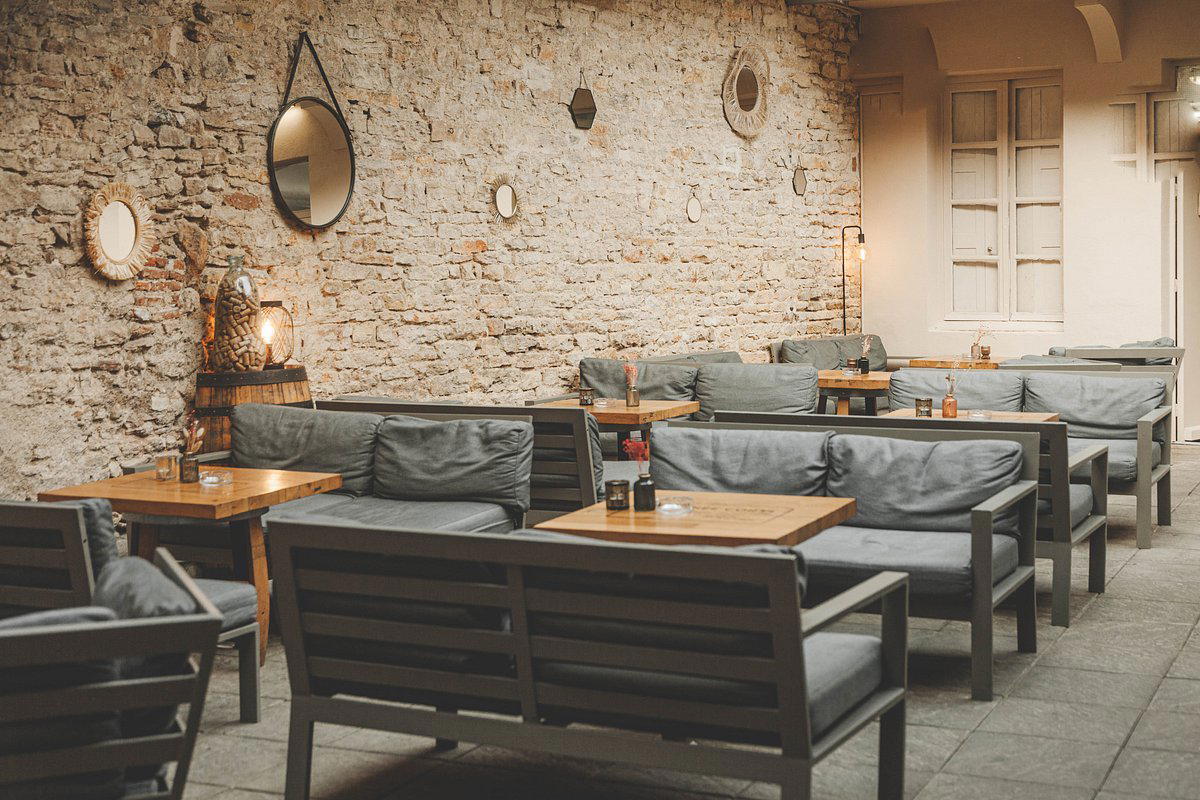
Modern and warm atmosphere with large glass windows offering panoramic views of the terrace and potager garden.