Our verdict
On Capbreton's Quai Bonamour, Le Regalty occupies a waterfront position that places it squarely inside the Landes coast's argument for seafood-forward dining done without artifice. The address alone signals proximity to the catch: the harbour mouth is steps away, and the kitchen's sourcing reflects that geography. Among Capbreton's dining options, Le Regalty earns attention for its grounding in local supply chains rather than resort-town convenience.

Pearl is the En Primeur Club membership app — saves, bookings, and concierge access live there. Same editors, same standards.
- Address
- 322 Quai Bonamour, 40130 Capbreton, France
- Phone
- +33558722280
- Hours
- Mon 12–1:30 PM, 7–9:30 PMTue–Wed ClosedThu–Sun 12–1:30 PM, 7–9:30 PM
- Website
- leregalty.fr
- Directions
- Get directions
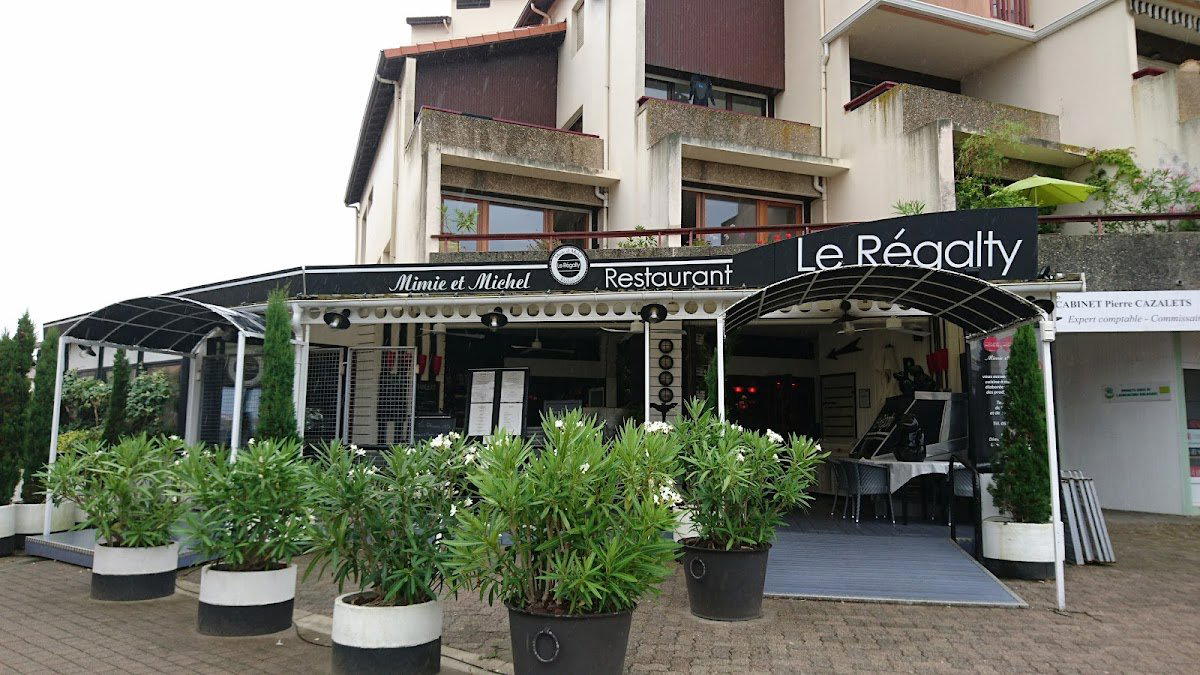
Where the Quay Determines the Menu
Capbreton is not a city that asks you to search for its seafood. The Atlantic comes to you: through the smell of salt and iodine off the harbour, through the working boats visible from the quayside tables, through the simple fact that this stretch of the Landes coast has been landing fish since the Basque whalers used it as a base centuries ago. Restaurants positioned on Quai Bonamour operate inside that logic whether they choose to or not. Le Regalty, at number 322, sits close enough to the water that the sourcing question answers itself before you've looked at a menu.
This is a meaningful distinction along the Capbreton waterfront, where the gap between restaurants using the harbour as backdrop and those actually buying from it can be substantial. The Landes coast — running between the Gironde estuary to the north and the Basque country to the south — supports a modest but serious fishing economy, with Capbreton's natural harbour, the Boucarot channel, functioning as one of the few protected ports along this otherwise open stretch of Atlantic coastline. What lands there includes sole, bar (sea bass), turbot, and various shellfish, depending on season and sea conditions. A kitchen that tracks those landings rather than relying on consolidated wholesale supply is making a different kind of restaurant, even if the dining room looks similar from the outside.
The Sourcing Argument on the Landes Coast
Ingredient provenance has become a standard talking point in French fine dining, but the coastal variant carries its own specific pressures. At restaurants like Mirazur in Menton or Bras in Laguiole, the sourcing story is built over decades and backed by documented supplier relationships. Along a less-celebrated stretch like the Landes Atlantic front, the sourcing claim is harder to verify from outside but no less consequential to what arrives on the plate. Freshness here is not a menu flourish; it's a function of geography and the kitchen's willingness to adapt to what the harbour actually delivers on a given day.
The Capbreton dining scene reflects this tension across several addresses. Bonamour, which shares the quay's name, and Le Bon Cap both operate in proximity to the same supply. Inland, Goustut and La Cuisine approach modern Landes cooking from different angles, with La Petite Table offering a more compact format. Le Regalty's waterfront position puts it in direct competition with the quay-side tier, where the expectation is not just good fish but fish that demonstrates its provenance through timing and texture rather than through menu copy.
Atlantic Cooking and the French Provincial Tradition
The southwest Atlantic coast of France occupies an interesting position in the national dining conversation. It sits between two stronger regional identities: Basque country to the south, with its own assertive culinary vocabulary of piment d'Espelette, txangurro, and pintxos culture; and Bordeaux to the north, whose gravity pulls dining attention toward wine-country gastronomy. The Landes itself is known primarily for its landward products, duck confit, foie gras, and pine-forest asparagus, rather than its coastline. That imbalance means that serious seafood cooking here operates slightly under the radar compared with what you'd find in a more celebrated fishing port.
France's most-decorated seafood cooking happens largely elsewhere: Le Bernardin in New York City represents the French fish-kitchen tradition exported and refined over decades; Alléno Paris au Pavillon Ledoyen applies technique at a scale that coastal restaurants can't match. But the provincial seafood tradition, less formal, more responsive to the morning's catch, built around regional olive oils and local wines rather than grand cellar selections, has its own integrity. At its finest, it produces cooking that the most awarded kitchens in France actively reference. Auberge de l'Ill in Illhaeusern and Troisgros in Ouches both draw on provincial supply-chain thinking that began in kitchens much like those along the Capbreton quay.
Approaching Le Regalty: Practical Considerations
Le Regalty's address on Quai Bonamour places it in the most navigable part of Capbreton for visitors arriving by car from Bayonne or Biarritz, both roughly 20 to 30 kilometres to the south via the A63 motorway. The quayside itself has limited parking during peak summer months, July and August bring substantial tourist traffic to this stretch of coast, so arriving by foot or bicycle from within Capbreton is a practical alternative if your accommodation is central. The restaurant sits on the harbour-facing side of the quay, which means the approach on foot from the town centre takes you along the water rather than across it.
No booking data is currently available in the EP Club database for Le Regalty, which means reservation policies, hours of operation, and table availability rhythms are best confirmed directly before travelling. This applies particularly to shoulder-season visits in May, June, or September, when coastal restaurants in this region often maintain variable hours tied to fishing schedules and local demand rather than fixed tourist-season timetables. For the wider picture of what Capbreton's dining scene offers across price points and formats, our full Capbreton restaurants guide covers the town's options with sourcing and editorial context.
Dining at this address puts you in a tier defined by proximity to the harbour rather than by formal award recognition of the kind you'd associate with Flocons de Sel in Megève, Paul Bocuse in Collonges-au-Mont-d'Or, Assiette Champenoise in Reims, Au Crocodile in Strasbourg, or AM par Alexandre Mazzia in Marseille. Le Regalty is a waterfront address in a working harbour town, and that's a different value proposition: immediacy and geography over prestige architecture. For technically ambitious cooking with Korean-inflected precision at a similar remove from the Michelin mainframe, Atomix in New York City offers a useful contrast in how a restaurant can build authority outside the obvious centres.
Frequently asked questions
What's Le Regalty's location?
Le Regalty is located at 322 Quai Bonamour, 40130 Capbreton, France, Capbreton.
Is Le Regalty a good option for visitors travelling from Biarritz or Bayonne to eat on the Landes Coast?
Le Regalty on Quai Bonamour in Capbreton sits roughly between the Basque Country restaurant circuit centred on Biarritz and Bayonne and the quieter Landes interior, making it a natural stop for those exploring the southwest Atlantic coast by car. The quayside address is straightforward to reach from both cities, and the cooking draws on the specific Atlantic character of the Landes rather than the Basque culinary tradition that dominates further south. For visitors looking to understand what coastal French cooking looks like outside the Basque influence, Capbreton and Le Regalty offer a distinct reference point.
What dish is Le Regalty famous for?
The menu at Le Regalty follows the Atlantic catch arriving at Capbreton's harbour, so no single dish holds a permanent position on the menu. Seafood sourced directly from the quay at Quai Bonamour drives what appears on the plate day to day. Visitors report the kitchen's strength lies in fish prepared with restraint, letting the quality of the Landes Coast catch carry the work.
How hard is it to get a table at Le Regalty?
Le Regalty's position directly on Quai Bonamour makes it one of the more sought-after seats in Capbreton, particularly through the summer months when the harbour draws visitors from Biarritz and Bayonne. No booking lead time is publicly confirmed, but quayside restaurants of this standing on the Landes Coast typically fill quickly on weekends from June through September. Contacting the venue directly before your visit is advisable.
What's the standout thing about Le Regalty?
The address on Quai Bonamour is not incidental — it places the kitchen within the working rhythm of Capbreton's fishing harbour, where the catch dictates the menu rather than the other way around. That relationship between port and plate is less common than the broader French dining scene suggests, and it gives Le Regalty a specificity that menus built around fixed suppliers cannot replicate.
How It Stacks Up
Comparable venues nearby, for context on price, style, and recognition.
| Venue | Cuisine | Price | Awards | Notes |
|---|---|---|---|---|
| Le RegaltyThis venue — the venue you are viewing | Traditional French Seafood | $50–100 | Not listed | Not listed |
| Bonamour | Modern French Brasserie | Not listed | Not listed | Quai de la Pêcherie |
| Le Bon Cap | French Seafood Bistro | $20–30 | Not listed | Capbreton |
| La Petite Table | Modern French Bistronomique with Japanese Influences | $50–100 | Michelin Plate | Port de Capbreton |
| MB Restaurant | Modern French Fine Dining | $50–100 | Not listed | Capbreton |
| Monsieur Mouette | Modern French Fusion with Tapas | $30–50 | Not listed | Quai Notre Dame |
Continue exploring
More in Capbreton
Restaurants in Capbreton
Browse all →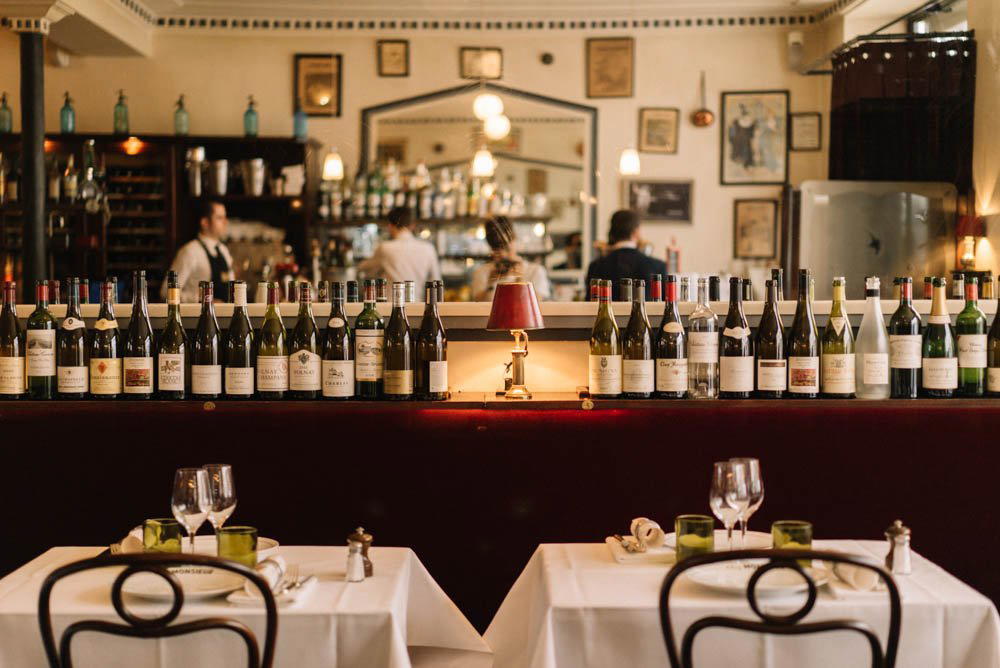
Bars in Capbreton
Browse all →
Details
- Elegant
- Cozy
- Sophisticated
- Date Night
- Special Occasion
- Waterfront
- Local Sourcing
- Waterfront
- A La Carte
- Vegetarian Friendly
Current opening hours
- Monday
- 12–1:30 PM, 7–9:30 PM
- Tuesday
- Closed
- Wednesday
- Closed
- Thursday
- 12–1:30 PM, 7–9:30 PM
- Friday
- 12–1:30 PM, 7–9:30 PM
- Saturday
- 12–1:30 PM, 7–9:30 PM
- Sunday
- 12–1:30 PM, 7–9:30 PM
Hours can change for holidays and private events. Last verified .
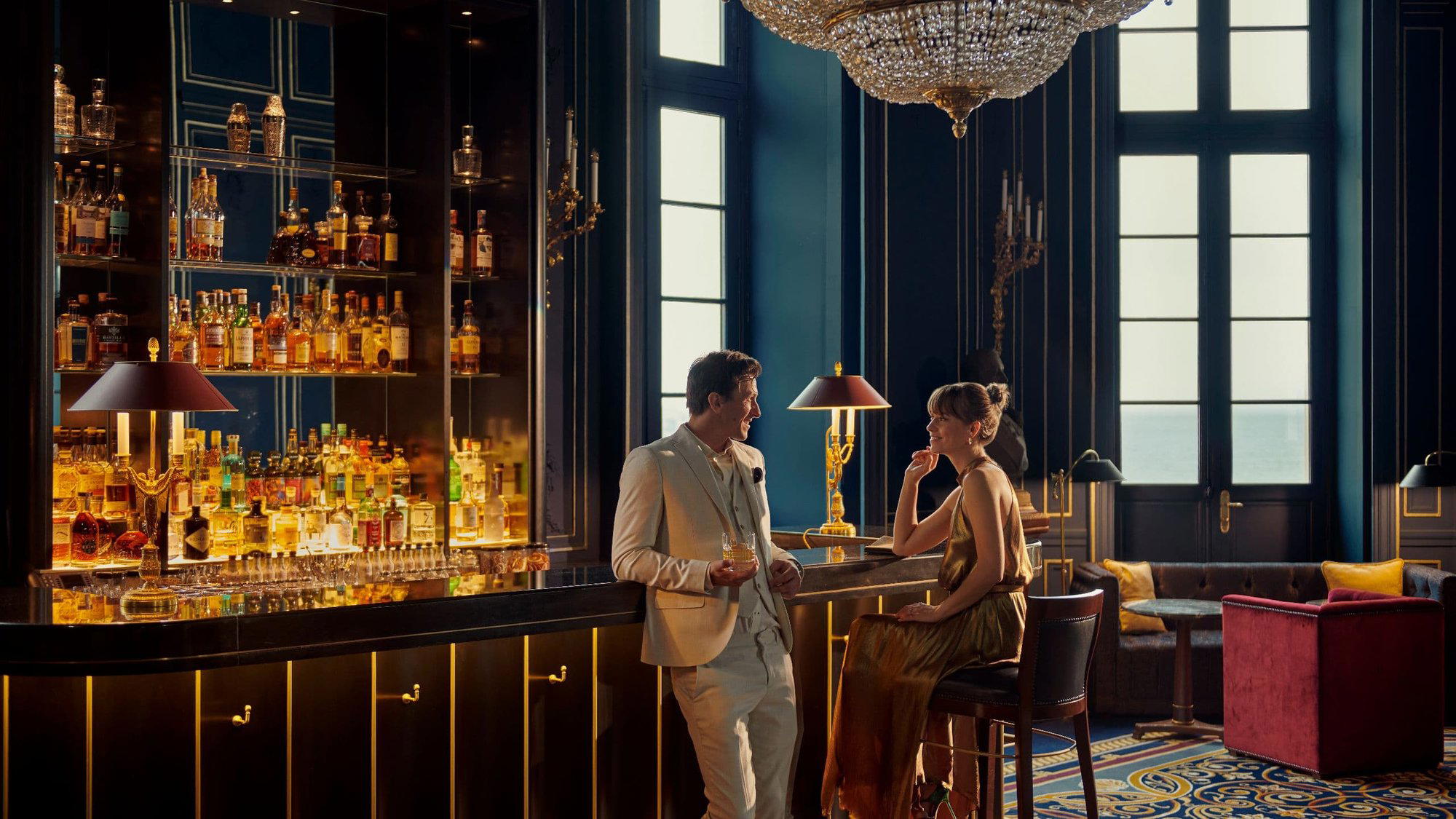
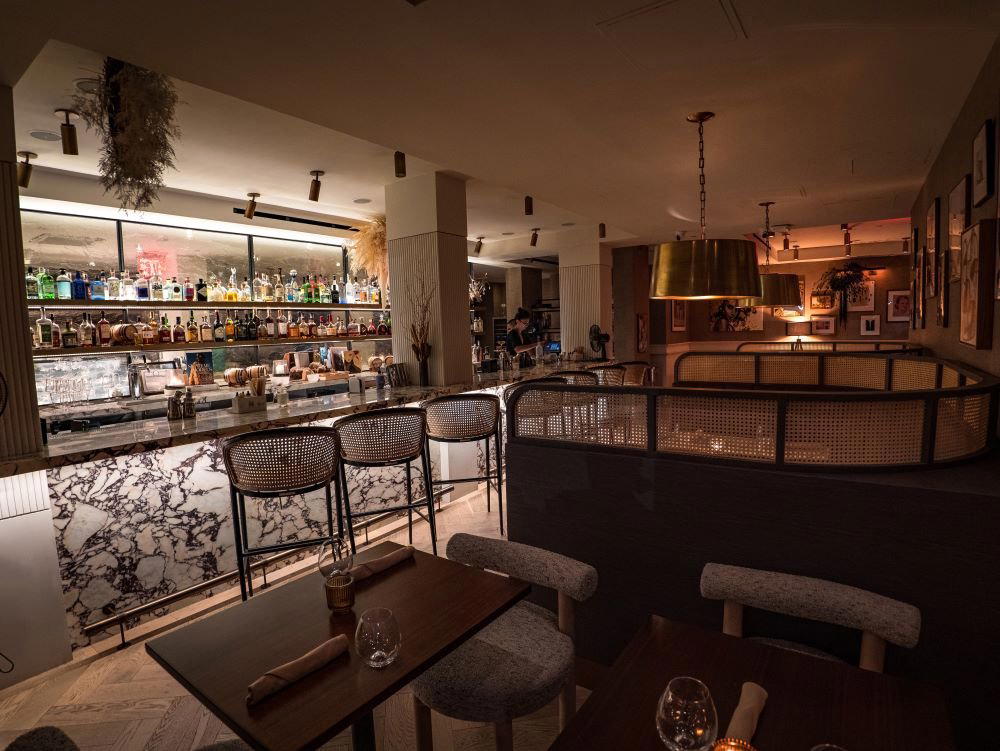
Elegant and warm atmosphere with mahogany wood decor reminiscent of transatlantic ships and yacht clubs, featuring woody, brown, and golden tones.