Le Quintessence
In a small fishing port at the foot of the Pyrenees, Le Quintessence operates where the Mediterranean's most southerly French coastline meets centuries of Catalan culinary tradition. The address alone, Banyuls-sur-Mer, a town better known for its fortified wines than its restaurant scene, signals a kitchen that draws meaning from proximity to land and sea rather than metropolitan prestige.
Pearl is the En Primeur Club membership app — saves, bookings, and concierge access live there. Same editors, same standards.
- Address
- 2 Rue Edouard Branly, 66650 Banyuls-sur-Mer, France
- Phone
- +33468829135
- Website
- menu-touch.fr
- Directions
- Get directions
 Saves & bookings on Pearl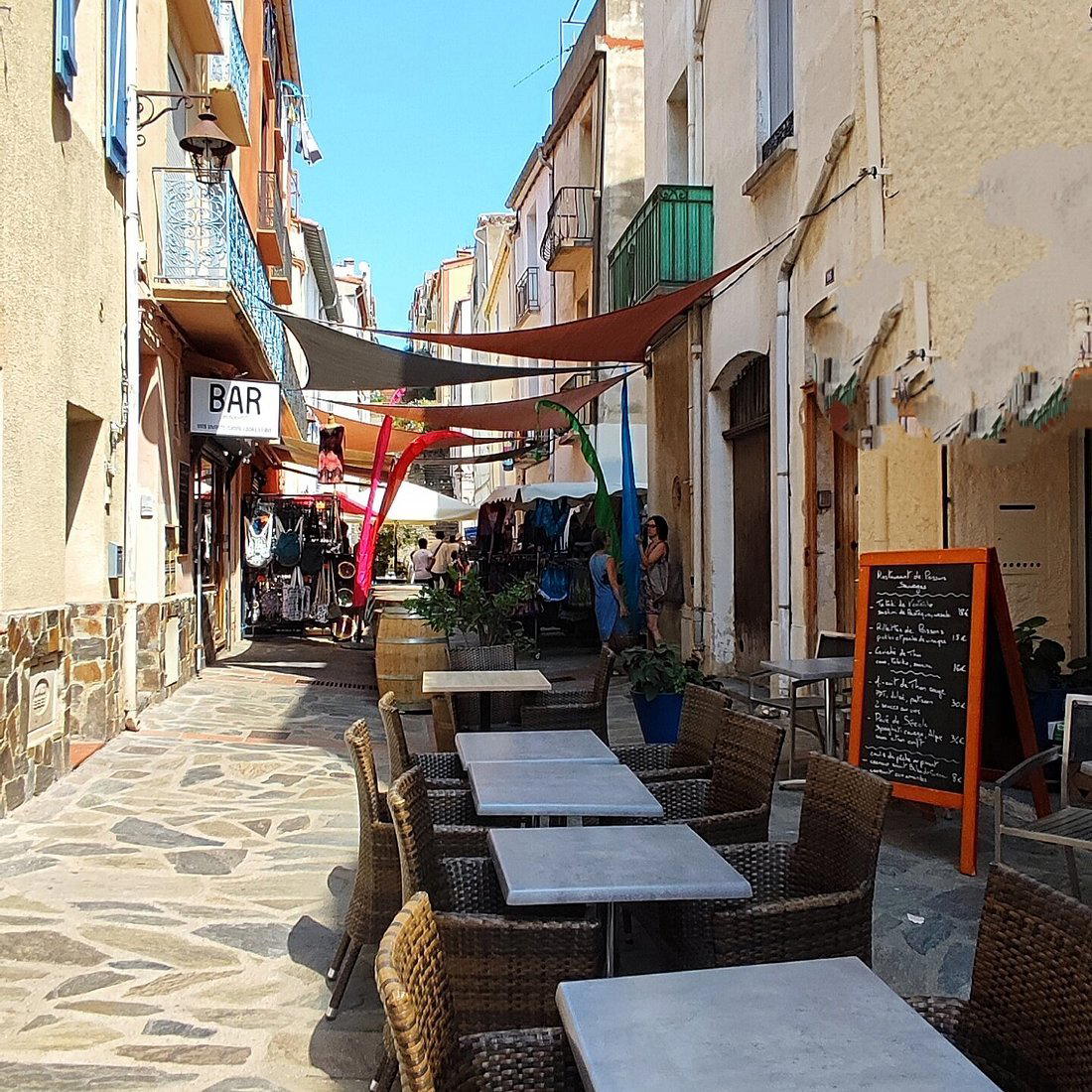
Where the Pyrenees Meet the Sea: Banyuls-sur-Mer's Dining Scene
Banyuls-sur-Mer sits at the precise point where the Pyrenees tumble into the Mediterranean, a geography that shapes everything about how the town eats. This is the southernmost wine appellation in metropolitan France, a place where Catalan identity runs deeper than French administrative boundaries, where fishermen still bring anchovy and sea urchin to the quay before most restaurants open their doors, and where the garrigue, the wild scrub of rosemary, thyme, and cistus, rolls down from the schist hills almost to the water's edge. Dining here is not about replicating what Paris or Lyon do. It is about what this specific coastline produces and how that production connects to a kitchen's choices.
Le Quintessence is a restaurant at 2 Rue Edouard Branly in Banyuls-sur-Mer, France, serving Modern French-Mediterranean cuisine at about $40 per person. The comparison set for a restaurant in this corner of Roussillon is not the grand three-star maisons of the north. It is, instead, the growing number of southern French addresses, from Auberge du Vieux Puits in Fontjoncouse to Mirazur in Menton, where the sourcing logic is hyperlocal and the cuisine reads as an argument for a specific terroir rather than a demonstration of classical French technique for its own sake.
The Ingredient Argument: Why Sourcing Defines This Address
The case for paying attention to Banyuls-sur-Mer's restaurants starts with the raw material. The Côte Vermeille, the stretch of coastline running south from Collioure through Banyuls to Cerbère, is one of the few parts of the French Mediterranean where artisanal fishing remains economically viable at small scale. Anchois, cured anchovies, salted in the Catalan tradition, come out of facilities that have operated in the area for generations. The rocky coastline supports shellfish and sea urchin populations that differ in character from those found on sandier stretches of coast further north. Inland, the schist soils of the Banyuls and Collioure appellations yield fruit, and not just Grenache for the region's famous fortified wine, with an intensity that reflects the near-constant sun and the severe drainage the terrain enforces.
A kitchen that takes this geography seriously has access to ingredients that do not travel to Paris or Lyon, because the volumes are too small and the products too fragile. That is precisely the supply chain dynamic that makes restaurants in towns like Banyuls-sur-Mer worth visiting on their own terms, rather than treating them as lesser alternatives to the grandes tables of the north. The logic mirrors what made Bras in Laguiole significant in Aubrac: the cuisine is inseparable from the specific ecosystem that surrounds it.
Le Quintessence operates within this framework. The address in a small Pyrenean port town carries an implicit supply-chain advantage: proximity to the fish market, to the producers of Banyuls vinegar and local olive oil, and to the wild herbs that define Roussillon's flavour register. These are ingredients that arrive at a table here fresher, and in more honest form, than they could at any restaurant more than a short drive away.
The Southern French Table: A Regional Framing
France's southern restaurant scene has developed its own internal logic over the past two decades, distinct from the classical hierarchies centred on Paris and Lyon. Addresses like AM par Alexandre Mazzia in Marseille have demonstrated that Mediterranean France can produce cooking of international significance without conforming to the Parisian template. Further north, the established grandeur of houses like Alléno Paris au Pavillon Ledoyen or the mountain refinement of Flocons de Sel in Megève represents a different tradition entirely, one where technique and prestige architecture carry as much weight as ingredient provenance.
What distinguishes the southern tier is a willingness to let the ingredient speak before the technique does. This is not anti-technique cooking; it is cooking where the selection of the raw material is treated as the primary creative act. In that sense, a small restaurant in Banyuls-sur-Mer making intelligent use of what the Côte Vermeille produces belongs to a meaningful tradition, even without the Michelin infrastructure that surrounds, say, Auberge de l'Ill in Illhaeusern or Paul Bocuse in Collonges-au-Mont-d'Or.
For visitors to Banyuls-sur-Mer, the local dining picture also includes La Littorine, which approaches the same coastal larder from a different angle. The town is small enough that comparing both addresses across a stay of two nights gives a reasonable read on what the local kitchen culture prioritises.
Situating Le Quintessence: What the Address Signals
Rue Edouard Branly sits close to the centre of Banyuls-sur-Mer, within walking distance of the seafront. In a town of this scale, that proximity to the port is a practical asset: the shortest distance between the fish market and the kitchen is a meaningful quality signal in a cuisine that depends on freshness. Coastal Roussillon restaurants that draw serious diners from Perpignan, Collioure, and across the Spanish border tend to be ones where the sourcing story is coherent and the regional identity is legible on the plate.
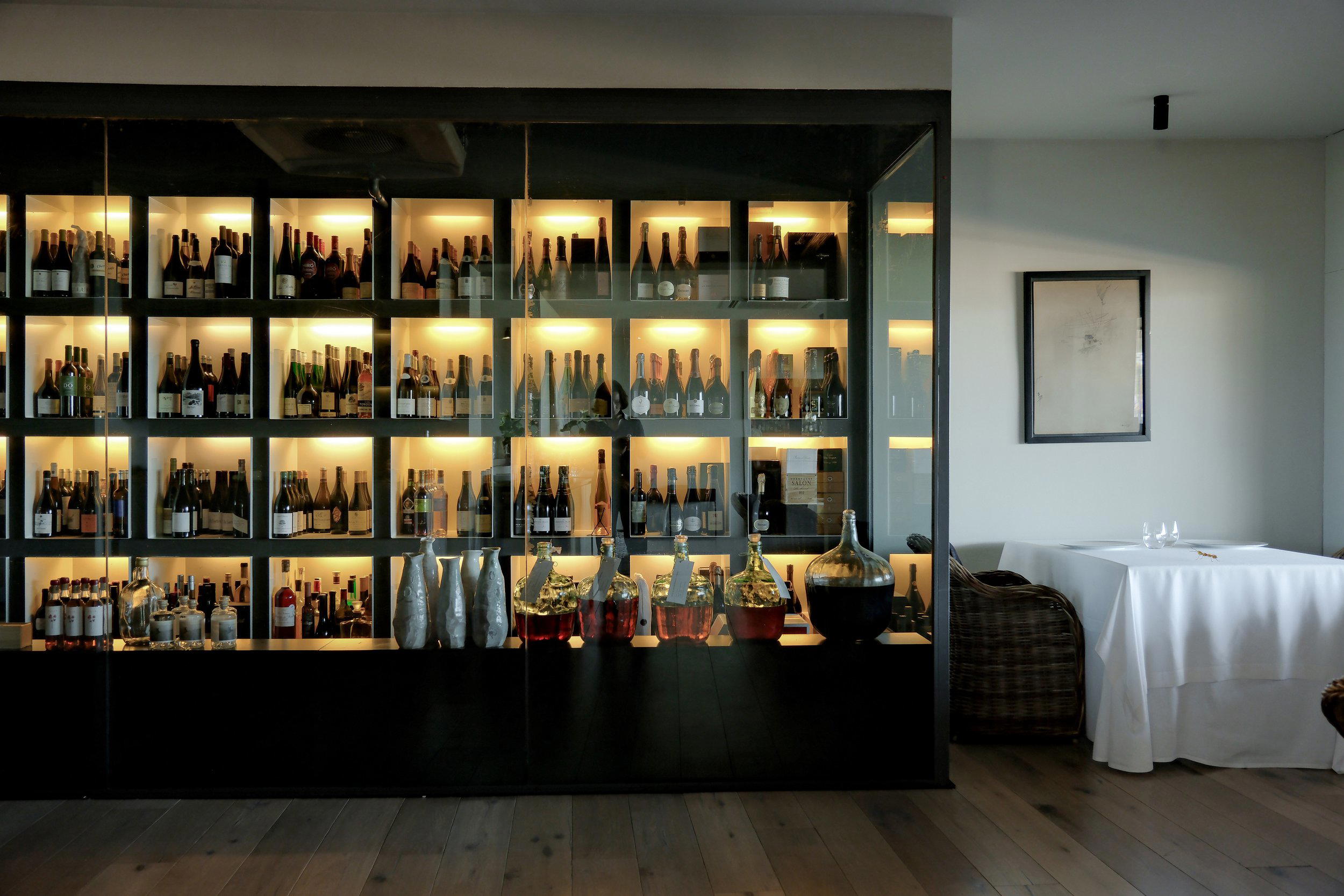
The wine pairing question at any serious Banyuls-sur-Mer table is unusually interesting. The appellation produces Banyuls Grand Cru and Collioure rouge alongside the fortified wines for which it is famous, and a kitchen confident in its regional identity will build its list around this unusual local production rather than defaulting to Burgundy or Bordeaux. Grenache-dominant reds from these schist hillsides carry a saline minerality that is difficult to source elsewhere in France, and they pair logically with the anchovy, the fish, and the wild herb preparations that characterise the local table.
Visitors arriving by train should note that Banyuls-sur-Mer is on the Perpignan-Cerbère line, a coastal route that gives a dramatic approach from the north. From Perpignan, the journey takes roughly 45 minutes. Road access from Collioure to the north or from the Spanish border at Cerbère to the south is direct, with the D914 coast road offering views of the vineyards running down to the sea.
Planning Your Visit
Banyuls-sur-Mer draws its most concentrated visitor attention in July and August, when the coastal towns of the Côte Vermeille operate at full capacity. For restaurants of Le Quintessence's type, the shoulder seasons, May, June, and September, tend to offer better availability and more relaxed service conditions. The Roussillon coast in late spring, with the garrigue in flower and the sea at a swimmable temperature by mid-June, is a different experience from the high-summer crowds. Securing a reservation in advance is advisable for any serious table in a town of this size, where the leading kitchens have limited covers and a loyal local clientele that fills seats mid-week.
Travellers moving along the Mediterranean arc might consider how it connects with larger reference points: Christopher Coutanceau in La Rochelle for coastal sourcing of a different register, or L'Oustau de Baumanière in Les Baux for Provençal terroir at a grander scale. Those curious about how other culinary traditions handle ingredient-first logic might also look to Atomix in New York City or Le Bernardin in New York City, where sourcing precision operates at a different price point and scale but with comparable philosophical intent.
Quick Comparison
Comparable venues nearby, for context on price, style, and recognition.
| Venue | Cuisine | Price | Awards | Notes |
|---|---|---|---|---|
| Le QuintessenceThis venue — the venue you are viewing | Modern French-Mediterranean | $$$ | Not listed | Not listed |
| La Littorine | Mediterranean Seafood Bistro | $$ | Not listed | Plage des Elmes |
| Le Fanal | Modern French Mediterranean Fine Dining | $$$ | Michelin Plate | Banyuls-sur-Mer |
| Les enfants terribles | French Mediterranean | $$$ | Not listed | Laroque des Alberes |
| Bienheureux | Modern French seasonal tasting menu | $$$ | Not listed | Wasquehal |
| Atelier de Candale | Seasonal French wine‑country restaurant in the vineyards | $$$ | Not listed | Saint-Laurent-des-Combes / Saint-Émilion vineyards |
Continue exploring
More in Banyuls-sur-Mer
Restaurants in Banyuls-sur-Mer
Browse all →
Bars in Banyuls-sur-Mer
Browse all →
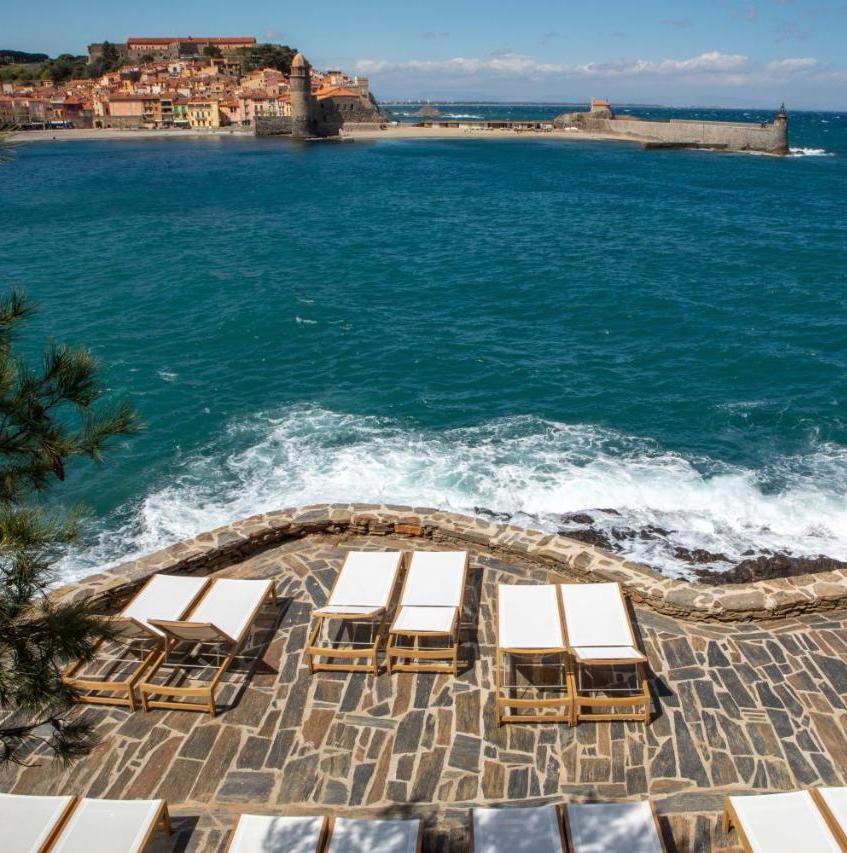
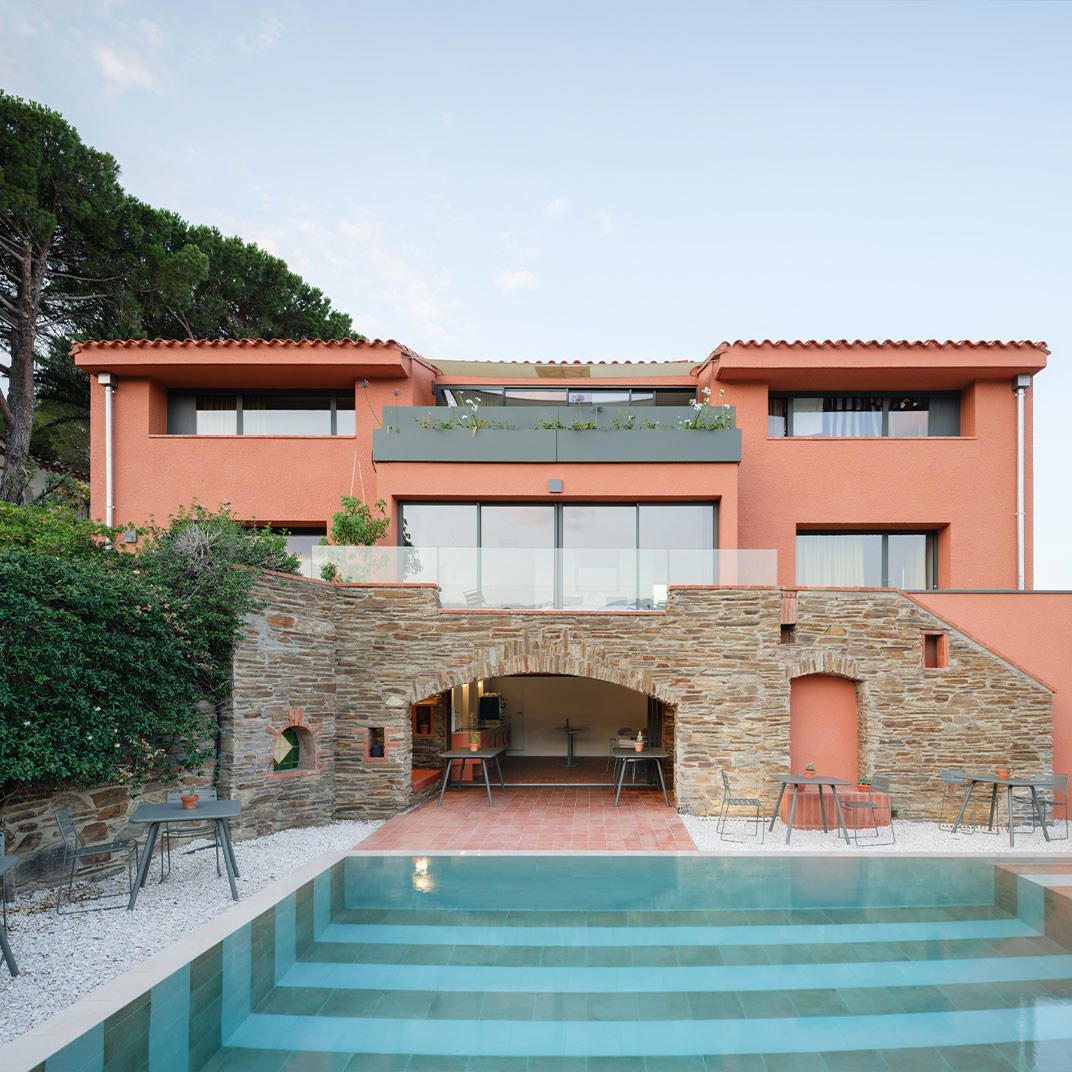
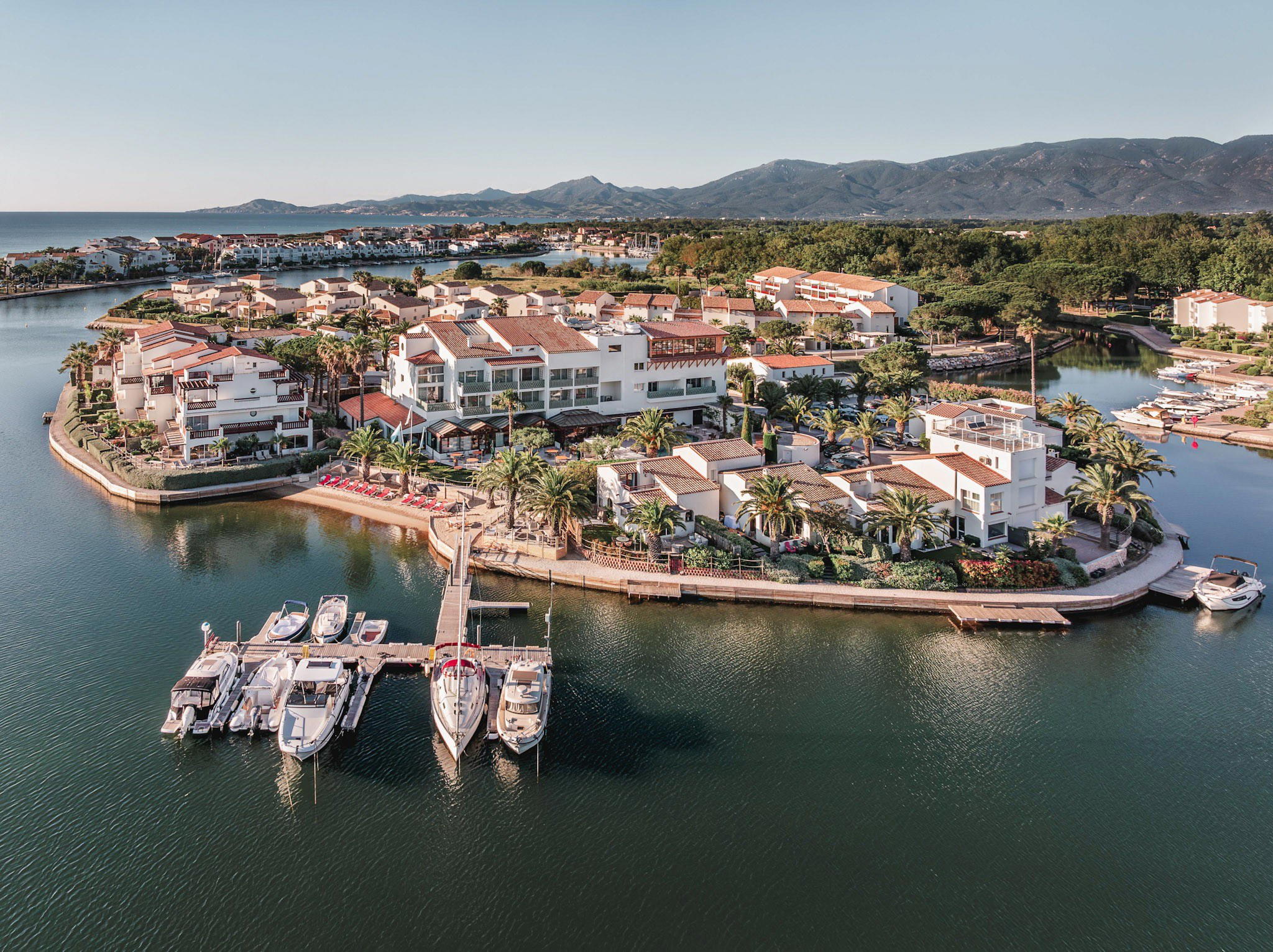
Hotels in Banyuls-sur-Mer
Browse all →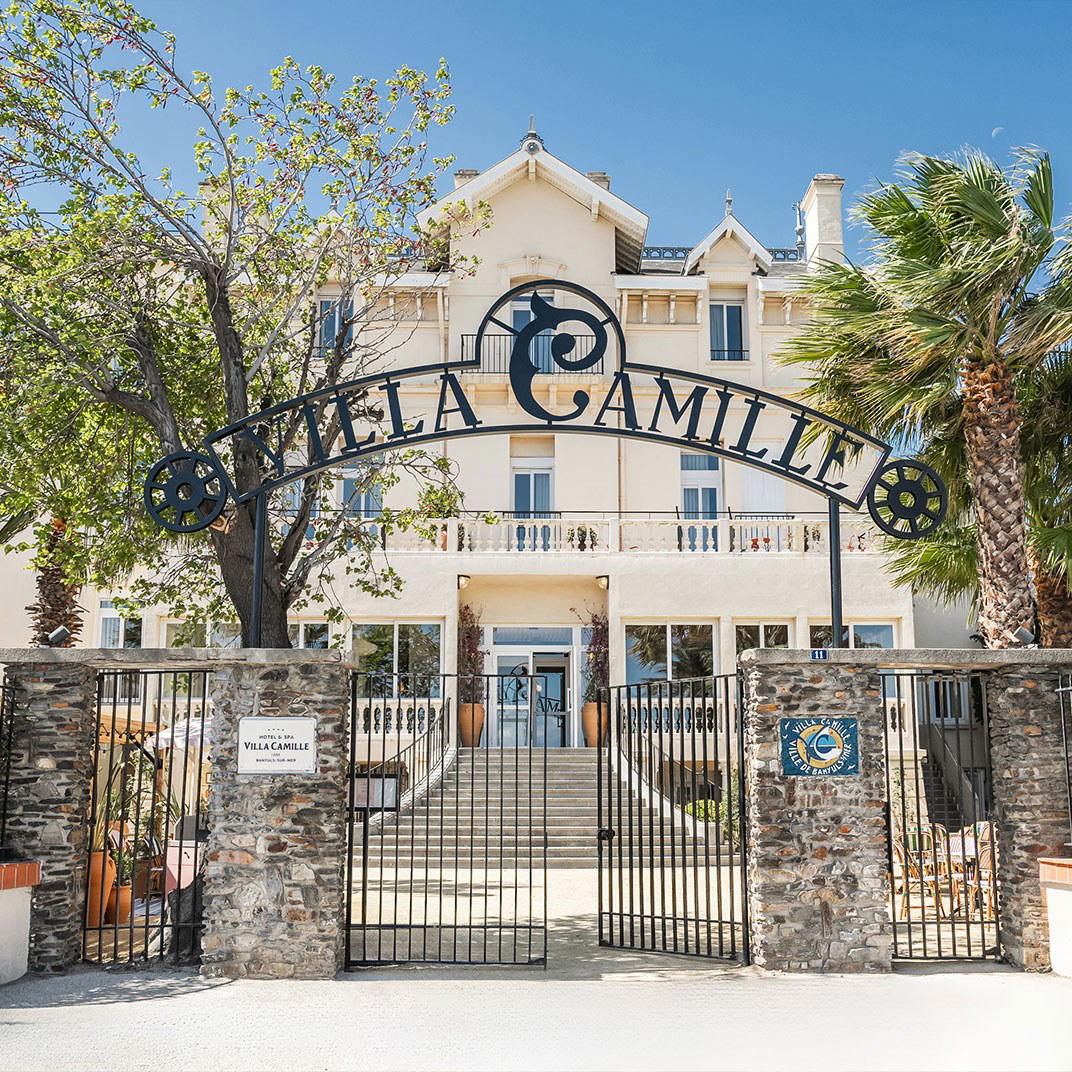
Wineries in Banyuls-sur-Mer
Browse all →
At a Glance
- Elegant
- Intimate
- Sophisticated
- Date Night
- Special Occasion
- Terrace
- Extensive Wine List
- Local Sourcing
Current opening hours
- Monday
- Closed
- Tuesday
- 12–2 PM, 7–9:30 PM
- Wednesday
- 12–1:30 PM, 7–9:30 PM
- Thursday
- Closed
- Friday
- 12–1:30 PM, 7–9:30 PM
- Saturday
- 12–1:30 PM, 7–9:30 PM
- Sunday
- 12–1:30 PM
Hours can change for holidays and private events. Last verified .
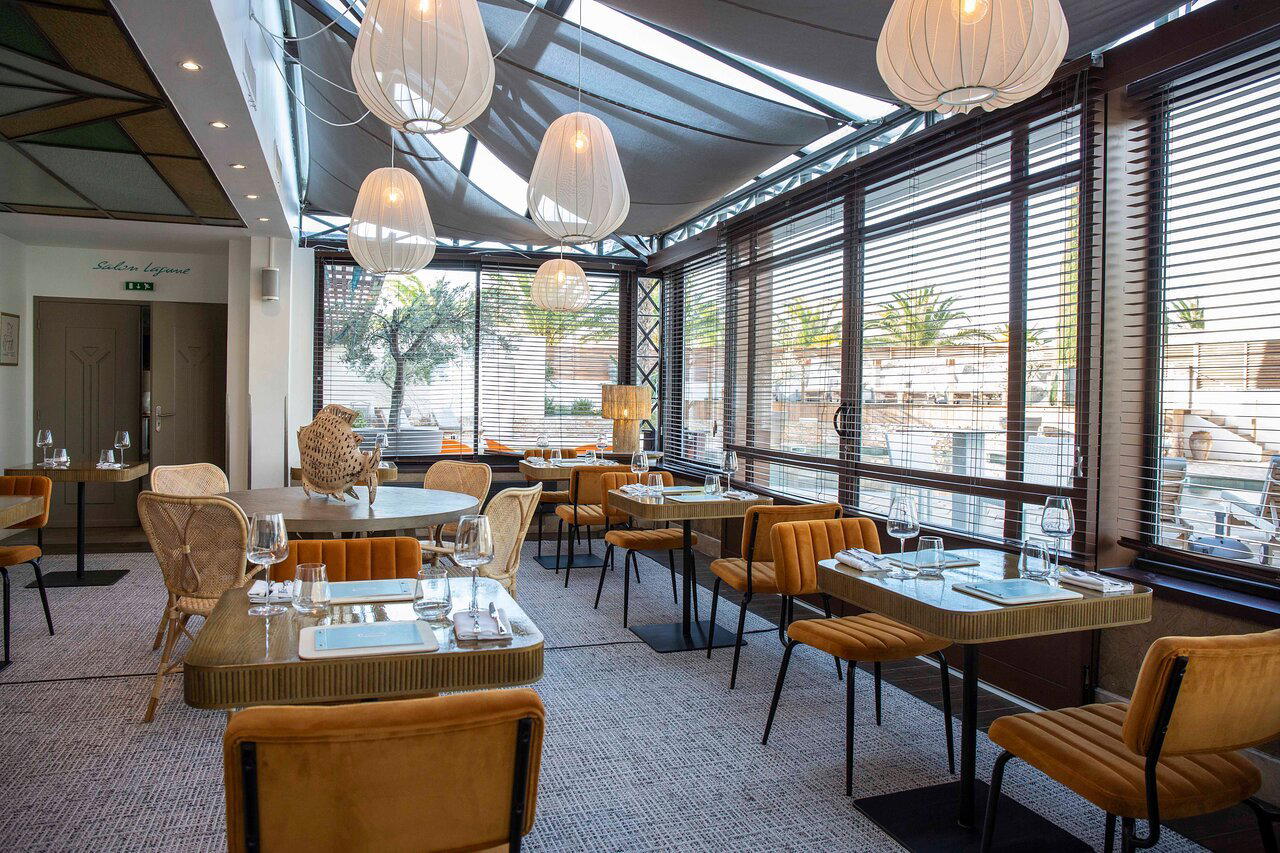
Warm and welcoming with a refined, intimate atmosphere in a pretty house on a pedestrian alley.