Le Poulpry occupies a quietly serious address at 12 Rue de Poitiers in the 7th arrondissement, a neighbourhood where the density of serious French dining is matched only by the weight of its institutional architecture. The restaurant positions itself within Paris's upper tier of classical dining, where wine-led hospitality and the depth of the cellar often define the room as much as what arrives on the plate.
Pearl is the En Primeur Club membership app — saves, bookings, and concierge access live there. Same editors, same standards.
- Address
- 12 Rue de Poitiers, 75007 Paris, France
- Phone
- +33149547454
- Website
- restaurant-lepoulpry.com
- Directions
- Get directions
 Saves & bookings on Pearl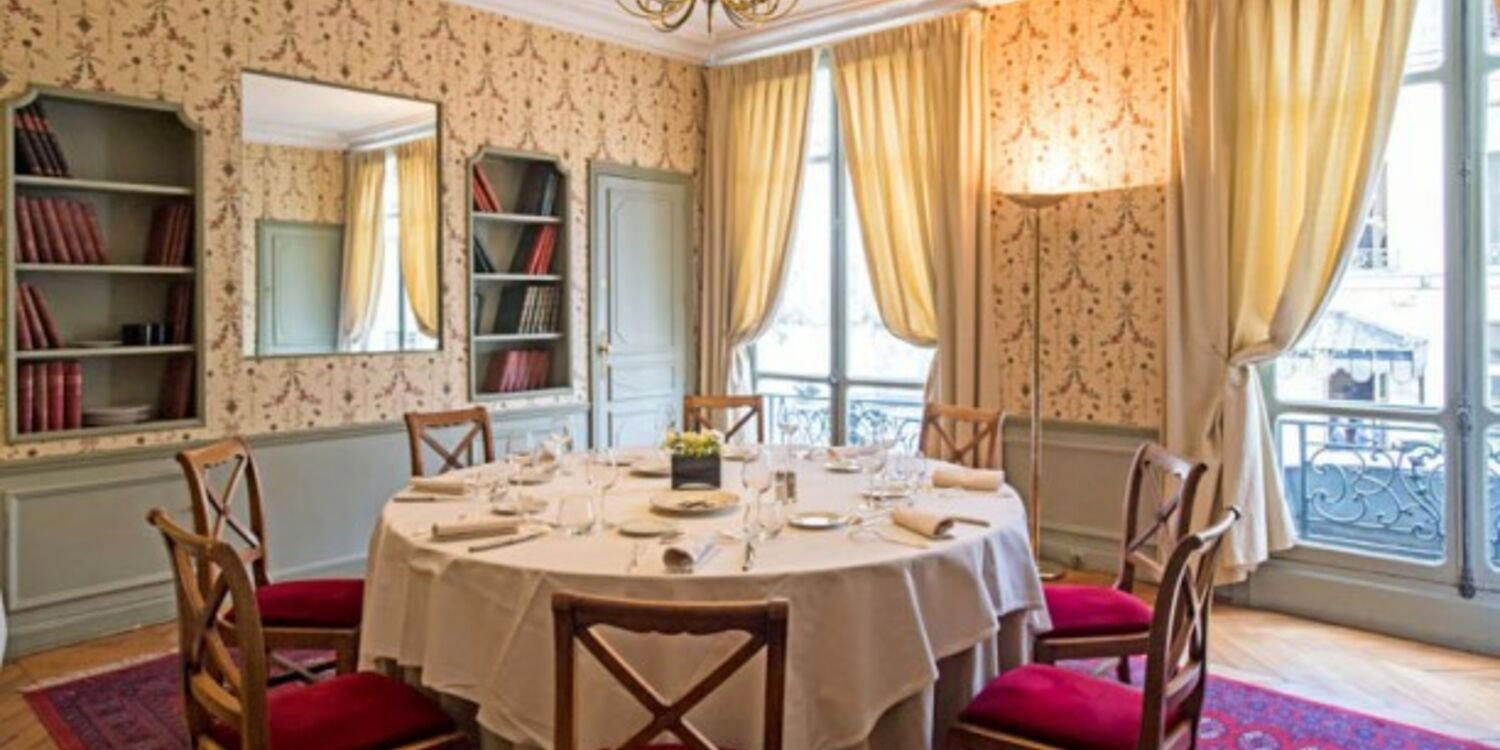
The 7th Arrondissement and the Grammar of Serious French Dining
Le Poulpry is a modern traditional French restaurant in Paris's 7th arrondissement. The streets between the Musée d'Orsay and the Assemblée Nationale move at a different pace from the restaurant-dense corridors of the 1st or 8th. Ministries, embassies, and Haussmann stone set the tone. Dining here has historically followed the same register: purposeful, assured, unlikely to announce itself loudly. Rue de Poitiers, where Le Poulpry sits at number 12, belongs to that pattern.
That geographical disposition matters because it shapes the competitive context. The 7th operates in the same conversation as Arpège, Alain Passard's long-running and technically demanding address on Rue de Varenne, and the more classically anchored houses that have defined this arrondissement's dining identity for decades. Proximity to institutions has long meant proximity to a clientele that expects rigour, correct service, and cellars built over time rather than assembled for effect.
The Wine as Architecture
In Paris's upper dining tier, the sommelier programme has become a primary differentiator. At many addresses in the €€€€ bracket, the kitchen's technical output is assumed; what separates one room from another is increasingly the intelligence applied to the glass. Le Poulpry operates within that framework, where the cellar is expected to function as a parallel argument to the menu rather than a support act.
The grandes maisons have always treated the cave as a statement of intent. What has shifted over the last decade is where that depth is expected to appear. Previously the domain of restaurant-hotels with long institutional histories, serious cellar work has migrated into smaller, more focused addresses across Paris. The logic is direct: a well-curated cellar held over time signals conviction, not just spending. It communicates that a house has a point of view about how wine and food should exist in the same room.
For a restaurant at this address and in this arrondissement, the wine programme is not optional infrastructure. It is part of the claim the restaurant makes about what kind of dining it offers. Burgundy-leaning lists, Loire depth, and the quiet presence of producers with small allocations rather than commercial volume all become legible signals to a diner who knows how to read them. These are the same signals at work across the French fine dining tier, from Auberge de l'Ill in Illhaeusern to Bras in Laguiole, houses where the cellar tells you something about the kitchen's sense of proportion before the first course arrives.
Placing Le Poulpry in the Parisian comparable set
Among Paris's upper-tier French restaurants, the operating distinctions are increasingly granular. Alléno Paris au Pavillon Ledoyen works in a register of technical provocation, extracting and concentrating flavour through processes borrowed as much from chemistry as from classical training. L'Ambroisie on the Place des Vosges is the clearest expression of French classical rigour still operating at full intensity, a room where nothing is explained because nothing needs to be. Le Cinq at the Four Seasons Hôtel George V operates in the grand hotel tradition, where the scale of the room and the breadth of the service format are inseparable from the experience. Kei occupies a more specific niche, applying Japanese precision to French classical structure in a way that remains singular within the city's Michelin tier.
The restaurant's position in this field is defined in part by its arrondissement. The 7th does not produce spectacle dining. It produces dining where correctness and depth are the primary currency. That places the restaurant in dialogue with the more considered, less theatrical end of the Paris upper tier, closer in register to houses that believe the room should feel complete rather than stagey.
Assiette Champenoise in Reims and Au Crocodile in Strasbourg represent the provincial expression of similar values: classical orientation, deep cellars, service that is formal without being cold. Auberge du Vieux Puits in Fontjoncouse and Flocons de Sel in Megève show how the same instincts operate when removed from metropolitan pressure entirely. In Paris, those instincts are filtered through the city's particular self-awareness about what French dining is supposed to mean.
International Reference Points
The Paris-New York axis in fine dining has never been closer in aspiration, even when it diverges in execution. Le Bernardin in New York City runs among the more closely managed wine programmes in that city, structured around the same principle that a serious cellar is an argument about the restaurant's values. Atomix, also in New York, takes a different approach entirely, where tasting menus are framed through cultural scholarship rather than classical French architecture. Both addresses confirm that at the highest tier of dining, the wine and the room are expected to carry as much intellectual weight as the plate.
Within France, Mirazur in Menton and Troisgros in Ouches represent different answers to the same question about what contemporary French fine dining should be doing. AM par Alexandre Mazzia in Marseille sits further from classical tradition, operating in a more instinctive register. Paul Bocuse's Auberge du Pont de Collonges remains one historically loaded address in French dining, a house where the weight of the past is the point. The restaurant in the 7th does not carry that kind of institutional history, but it operates in a city where institutional memory is always part of the dining conversation.
Planning Your Visit
| Venue | Location | Price Tier | Style |
|---|---|---|---|
| The restaurant | 7th arr., Paris | Not confirmed | Not confirmed |
| Arpège | 7th arr., Paris | €€€€ | Contemporary French |
| L'Ambroisie | 4th arr., Paris | €€€€ | Classic French |
| Le Cinq | 8th arr., Paris | €€€€ | Modern French |
| Kei | 1st arr., Paris | €€€€ | Contemporary French |
Comparison Snapshot
Comparable venues nearby, for context on price, style, and recognition.
| Venue | Cuisine | Price | Notes |
|---|---|---|---|
| Le PoulpryThis venue — the venue you are viewing | Modern Traditional French | $$$ | Not listed |
| La Boissonnerie | Modern French Bistro | $$$ | Saint-Germain-des-Prés |
| L'Ascension | Modern French Bistro | $$$ | Saint-Georges |
| Dans le Noir | Modern French Sensory Bistronomic | $$$ | Saint-Merri |
| Le Café des Ternes | Traditional French Brasserie | $$$ | Ternes |
| Au Boeuf Couronne | Traditional French Steakhouse | $$$ | La Villette |
Continue exploring
More in Paris
Restaurants in Paris
Browse all →
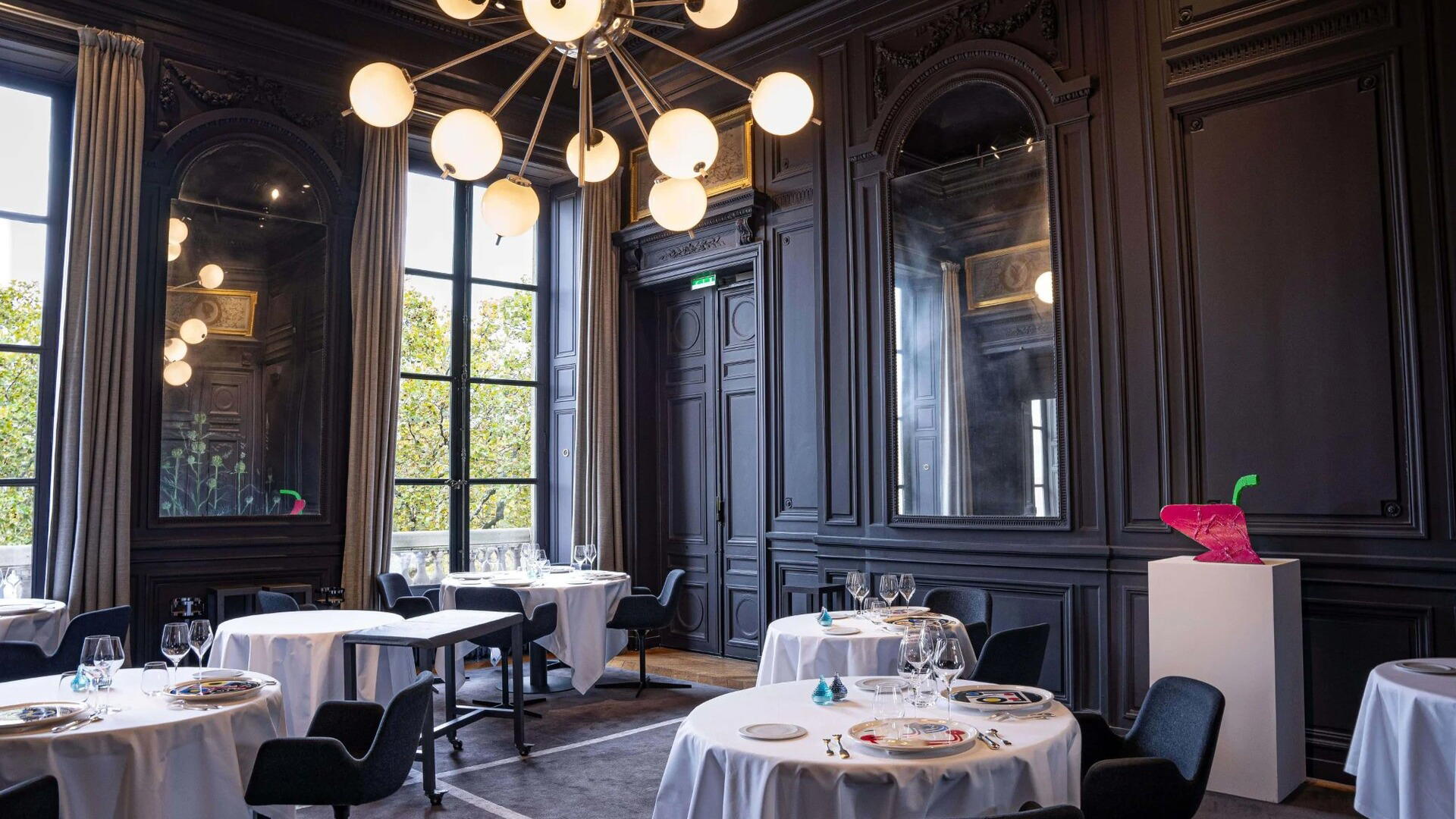
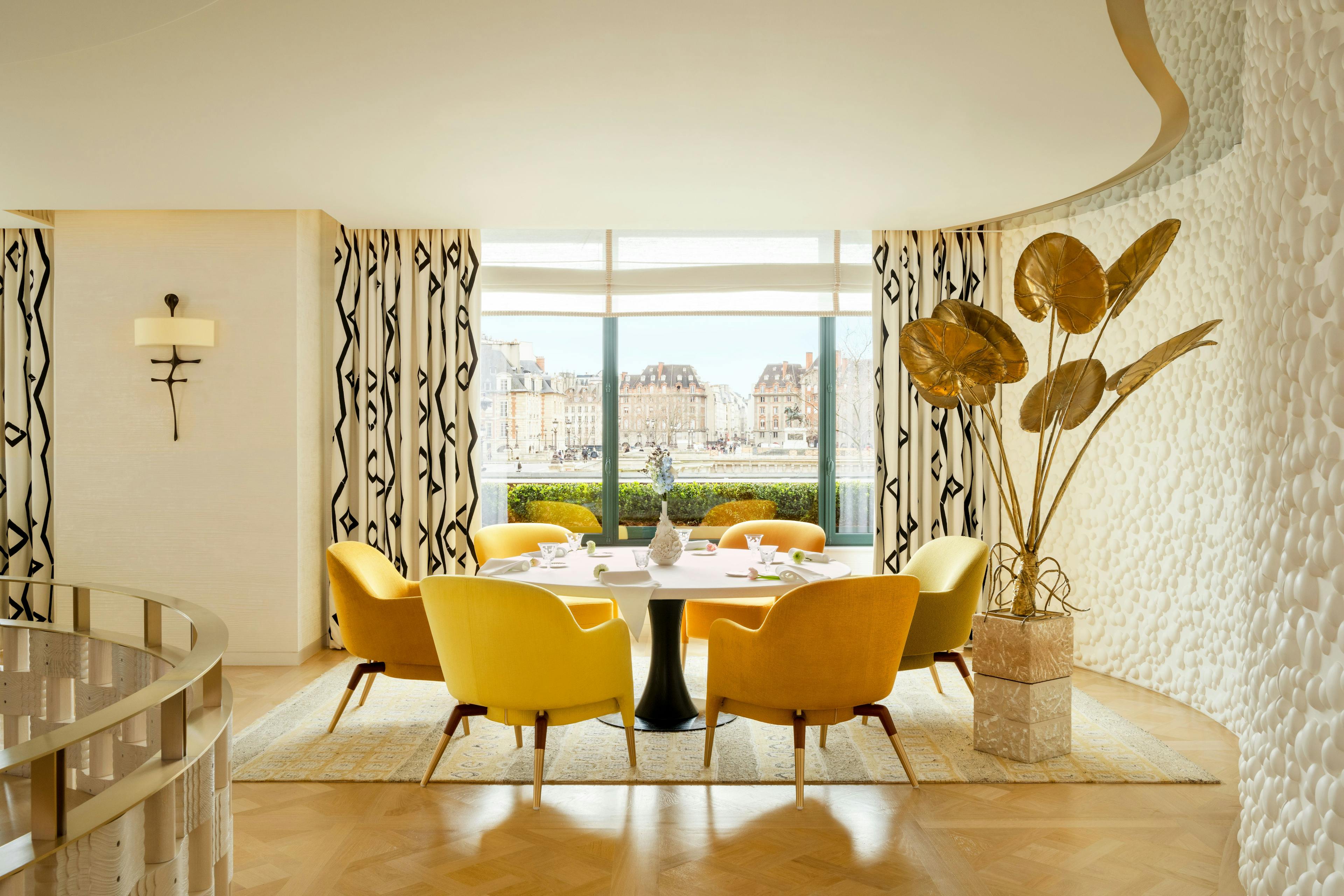
Bars in Paris
Browse all →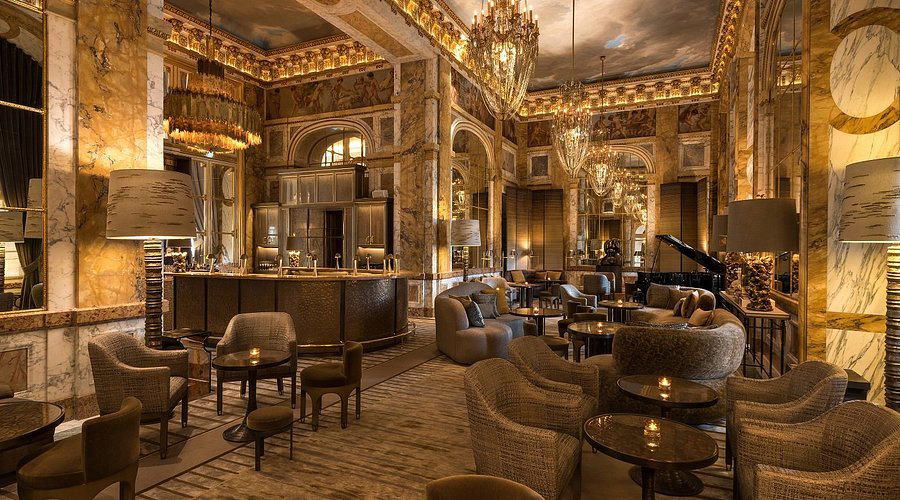
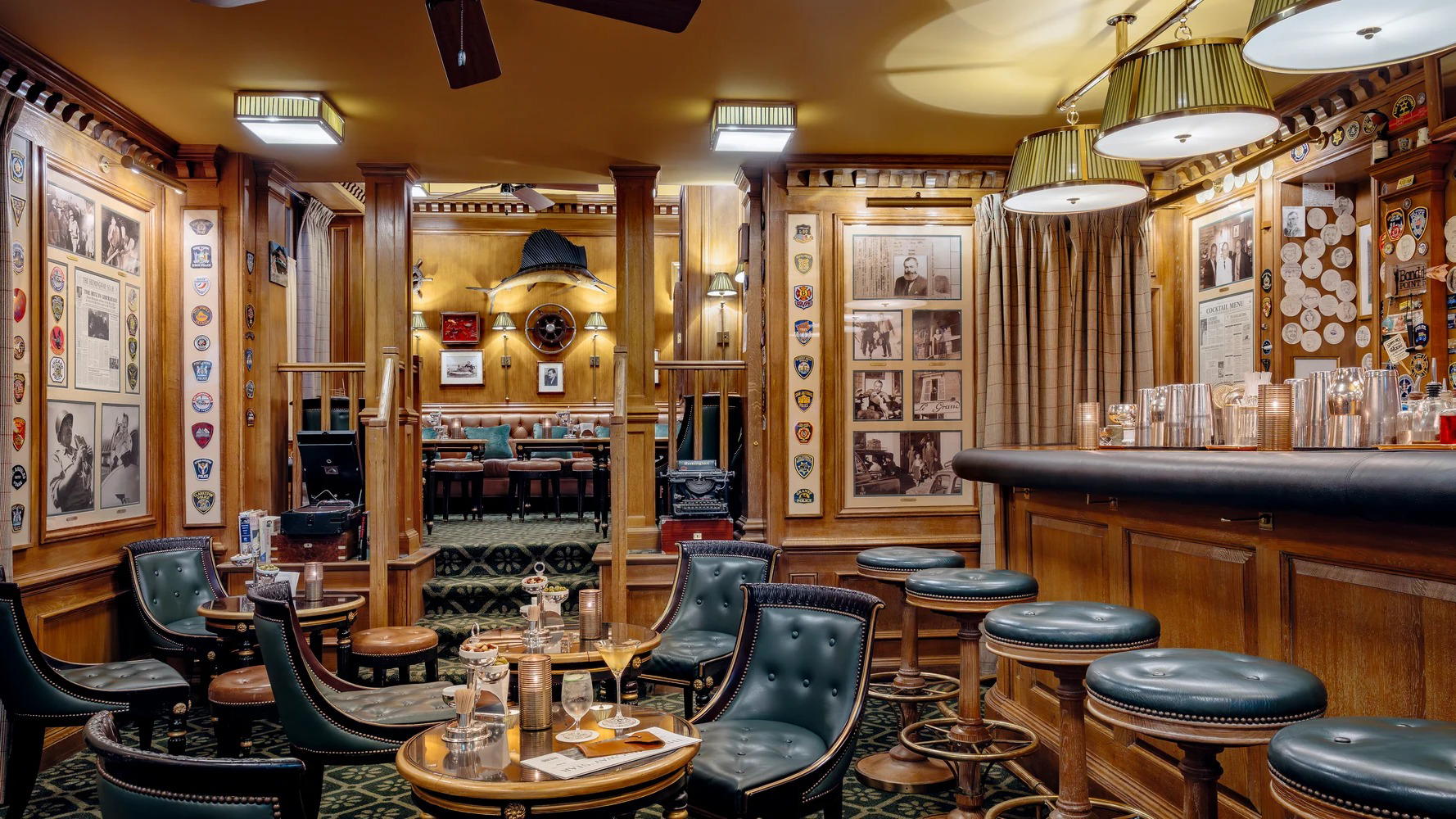
Hotels in Paris
Browse all →
At a Glance
- Intimate
- Elegant
- Cozy
- Sophisticated
- Business Dinner
- Date Night
- Special Occasion
- Private Event
- Private Dining
- Historic Building
Current opening hours
- Monday
- 12–2 PM, 7–9:30 PM
- Tuesday
- 12–2 PM, 7–9:30 PM
- Wednesday
- 12–2 PM, 7–9:30 PM
- Thursday
- 12–2 PM, 7–9:30 PM
- Friday
- 12–2 PM, 7–9:30 PM
- Saturday
- Closed
- Sunday
- Closed
Hours can change for holidays and private events. Last verified .
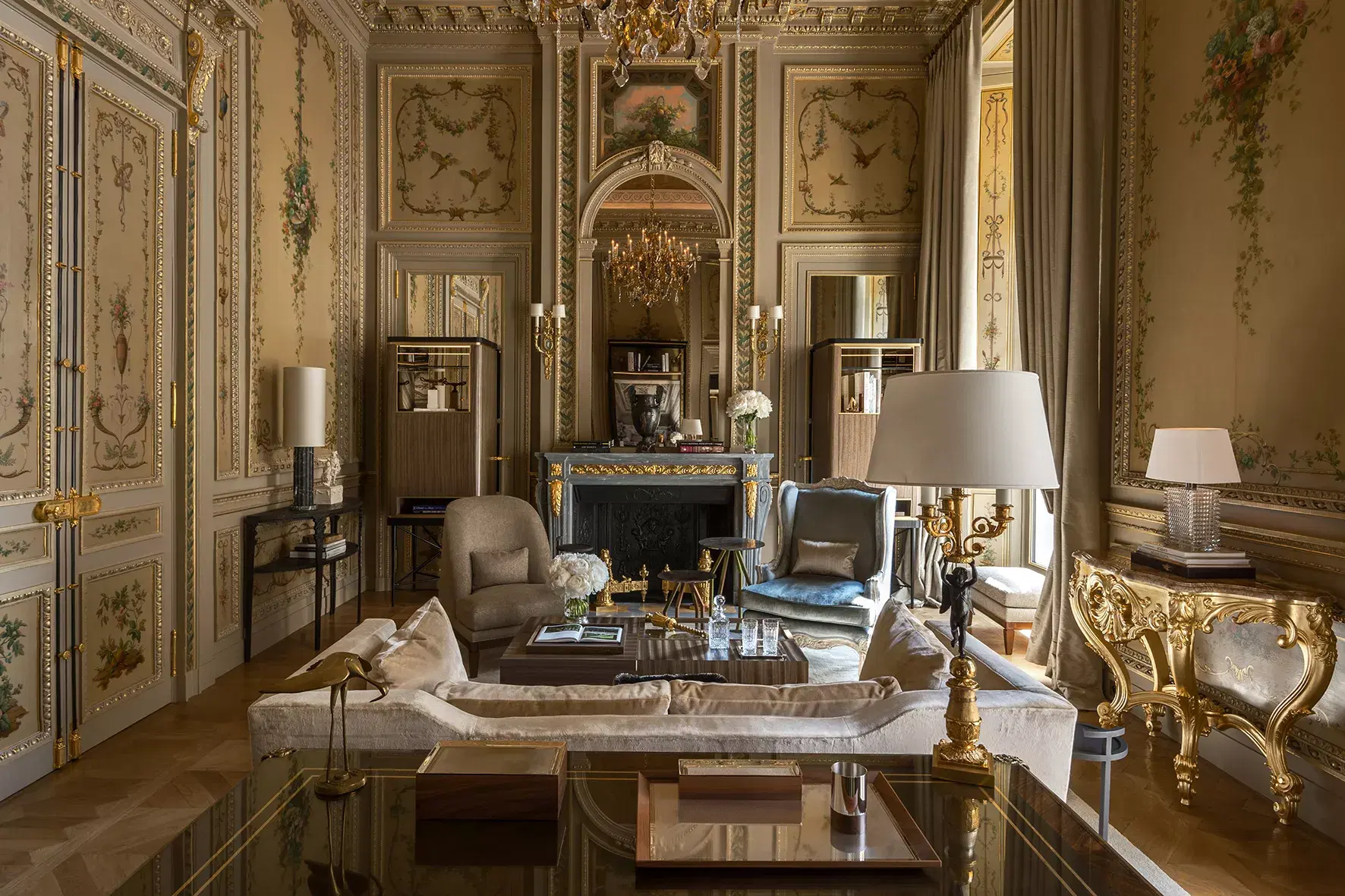
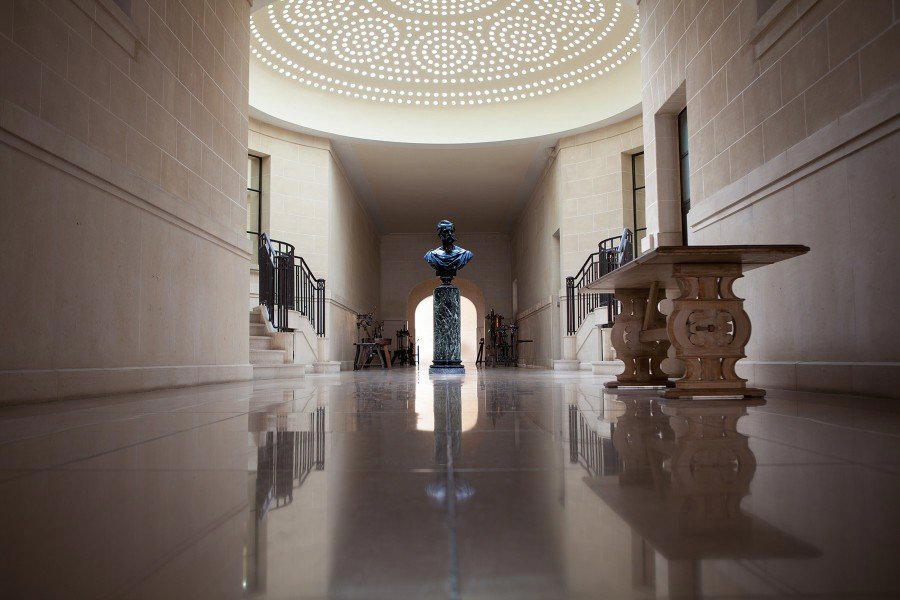
Feutrée (plush and muffled), discreet atmosphere in elegant private salons of a 300-year-old mansion, well-suited for business lunches or intimate family meals.