Le Récamier occupies a quieter register in the 7th arrondissement, where the tradition of serious French bourgeois cooking still holds ground against the city's more conspicuous dining trends. Positioned among Saint-Germain's established addresses, it draws a clientele that prioritises substance over spectacle, making it a reliable reference point for classic Parisian table culture.
Pearl is the En Primeur Club membership app — saves, bookings, and concierge access live there. Same editors, same standards.
- Address
- 4 Rue Juliette Récamier, 75007 Paris, France
- Phone
- +33145488658
- Website
- lerecamier.com
- Directions
- Get directions
 Saves & bookings on Pearl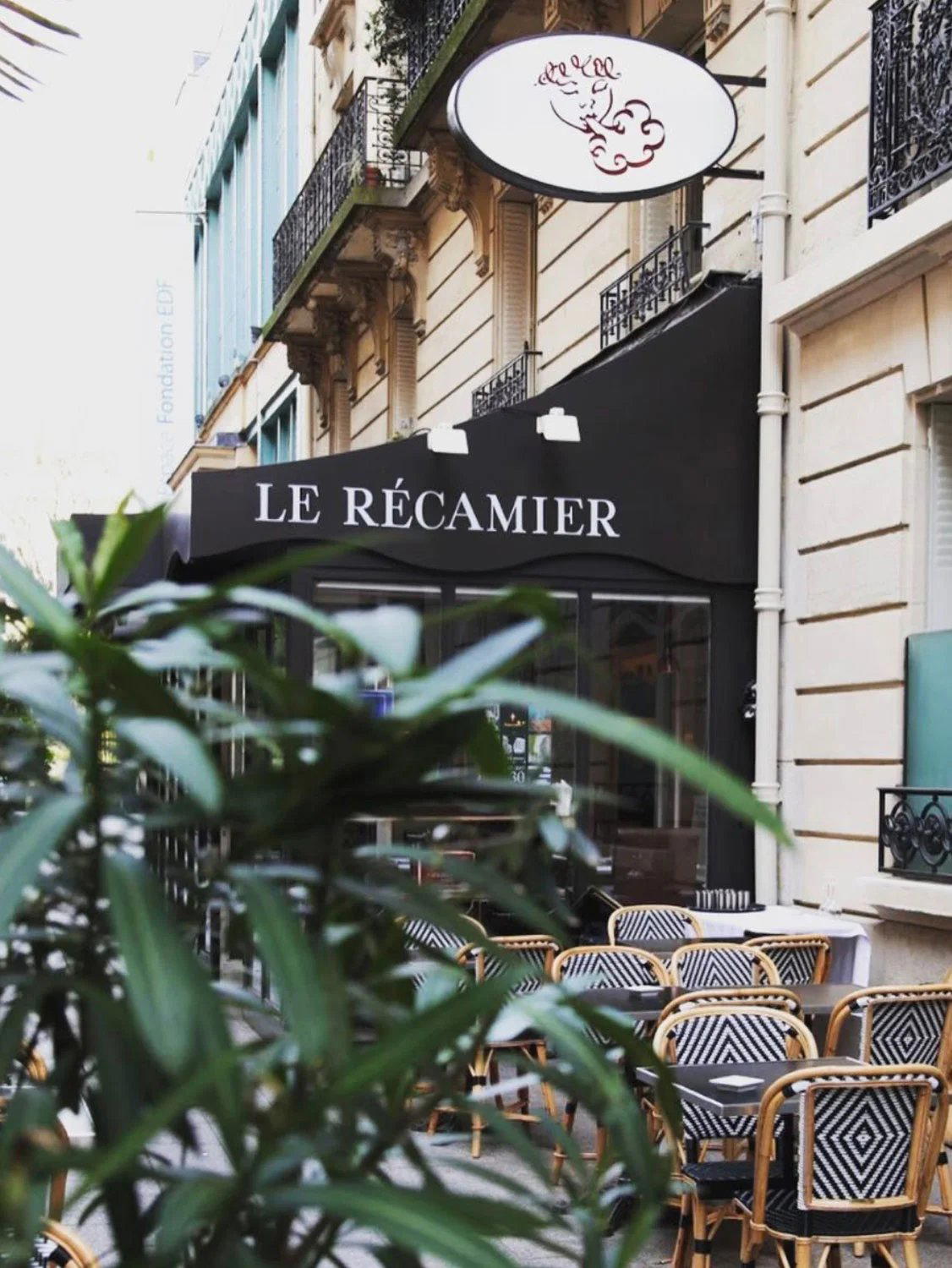
Saint-Germain's Quieter Register
The 7th arrondissement has long operated as a counterweight to the more theatrical ambitions of Paris dining. While the Right Bank's grand addresses, from Alléno Paris au Pavillon Ledoyen to Le Cinq at the Four Seasons George V, compete on spectacle and technical innovation, the Left Bank around Saint-Germain-des-Prés has preserved a different dining grammar: unhurried, classically inflected, and oriented toward a clientele that regards the table as a civic institution rather than a performance. Le Récamier sits squarely within that tradition, at 4 Rue Juliette Récamier in Paris's 7th arrondissement, a short pedestrian street just south of the Boulevard Raspail that feels removed from the neighbourhood's busier arteries even when the city around it is fully animated.
That physical remove matters. Paris dining at this tier tends to reward venues that have held a consistent position long enough to develop an identity distinct from wherever the broader conversation is heading. The addresses that endure in Saint-Germain do so not by chasing the creative frontier, that ground belongs to kitchens like Arpège or Kei, but by making a reliable argument for French cooking as it has historically understood itself: ingredient-led, seasonally governed, and wine-serious.
The Wine Argument Here
In Paris's classic restaurant tier, the wine list is often one honest indicator of a kitchen's seriousness. A cellar broad by appellation and thin by depth signals a room that treats wine as a commercial transaction. A cellar with genuine conviction tends to reflect a longer institutional memory: cellared vintages, Loire representation beyond Sancerre, Burgundy sourced from négociants and domaines rather than from the obvious names alone, and a Rhône section that acknowledges the appellations south of Hermitage.
Le Récamier's position in the 7th, among a neighbourhood cohort that has long attracted a professional and diplomatic clientele, suggests a wine program shaped by that audience's expectations. This is a part of Paris where the lunch table remains a working institution and where a Burgundy ordered mid-week by the bottle is not a special occasion but a reasoned choice. Comparable addresses in this arrondissement and the adjacent 6th have historically maintained cellars weighted toward Bordeaux and Burgundy's mid-century vintages, with Champagne by the glass as a matter of course rather than a selling point. Whether Le Récamier's current program reflects that tradition in full depth is a question leading answered by consulting the room directly, but the address and the clientele it draws create strong contextual pressure toward that standard.
For comparison, regional French restaurants that have built genuine cellar reputations, from Auberge de l'Ill in Illhaeusern to Flocons de Sel in Megève, demonstrate how seriously the French provinces take the pairing between regional terroir and regional wine. Paris's leading classic tables inherit that same logic: the wine list should make an argument about place and season, not simply provide a price-bracketed selection.
Where Le Récamier Sits in the Paris Picture
Paris's full-service classic French restaurants now occupy a defined middle ground between the multi-starred creative kitchens and the increasingly confident bistrot sector. The creative tier, represented by addresses like L'Ambroisie on the Place des Vosges, operates at price points and reservation pressures that place it in a category of its own. The bistrot tier, which has absorbed significant critical attention over the past decade, trades on informality and market-driven menus. Between those poles sit the classic bourgeois restaurants of the Left Bank, places that charge properly for their cooking and their cellars but do not position themselves as destination dining in the Instagram-driven sense.
The restaurant belongs to that middle cohort. Its address on a pedestrian street rather than a grand boulevard, its name drawn from a 19th-century French intellectual and salonnière, and its neighbourhood context all point toward a room that has calibrated itself to a specific Parisian archetype: the serious lunch, the quiet dinner, the conversation that unfolds over two hours rather than ninety minutes. That calibration is neither nostalgic nor reactionary; it reflects an understanding that not every dining occasion needs to resolve itself as an event.
The regional flagships, from Troisgros in Ouches to Bras in Laguiole, operate with a physical landscape that informs every element of the menu. Paris's classic addresses make a different argument: that tradition, cellared wine, and a practised dining room can constitute an equally coherent sense of place. The same logic applies internationally, at rooms like Le Bernardin in New York, where French technique sustains a long-term position without constant reinvention.
Reading the Room
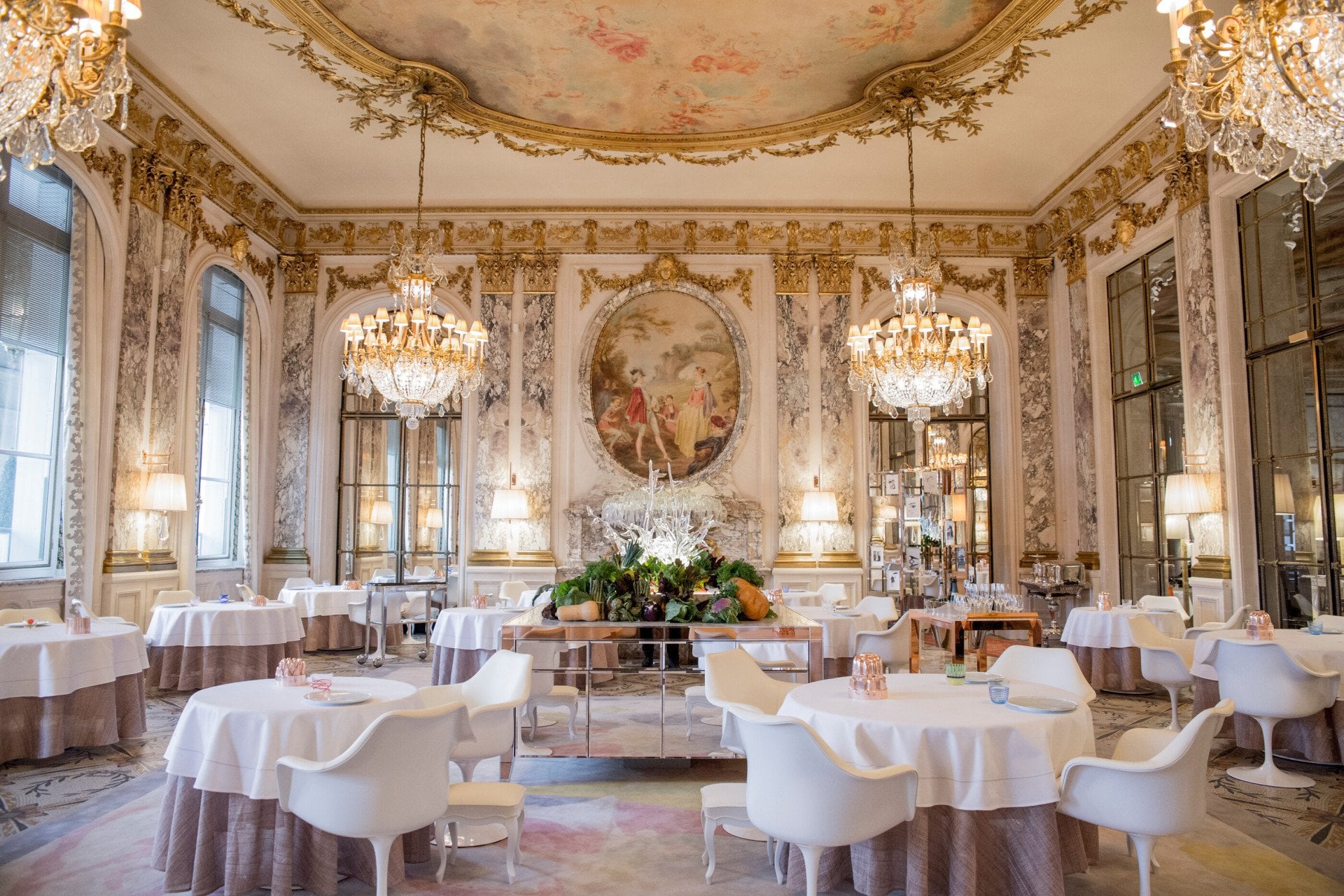
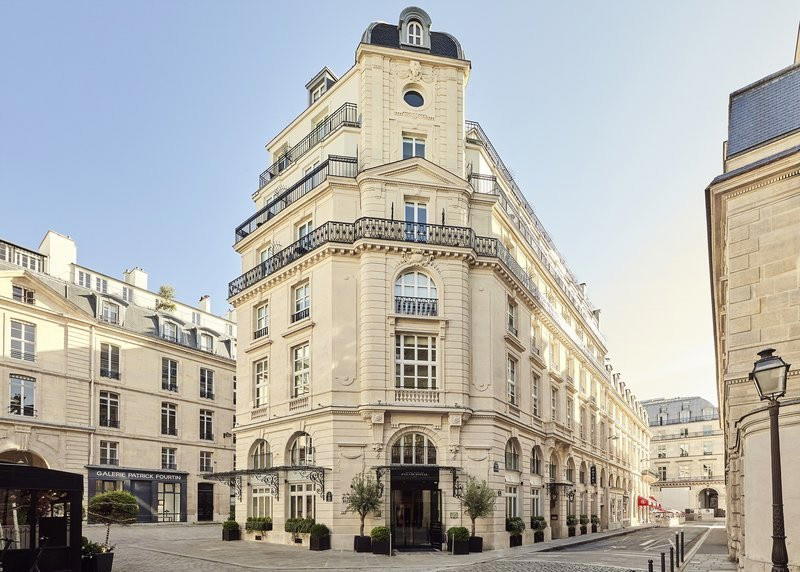
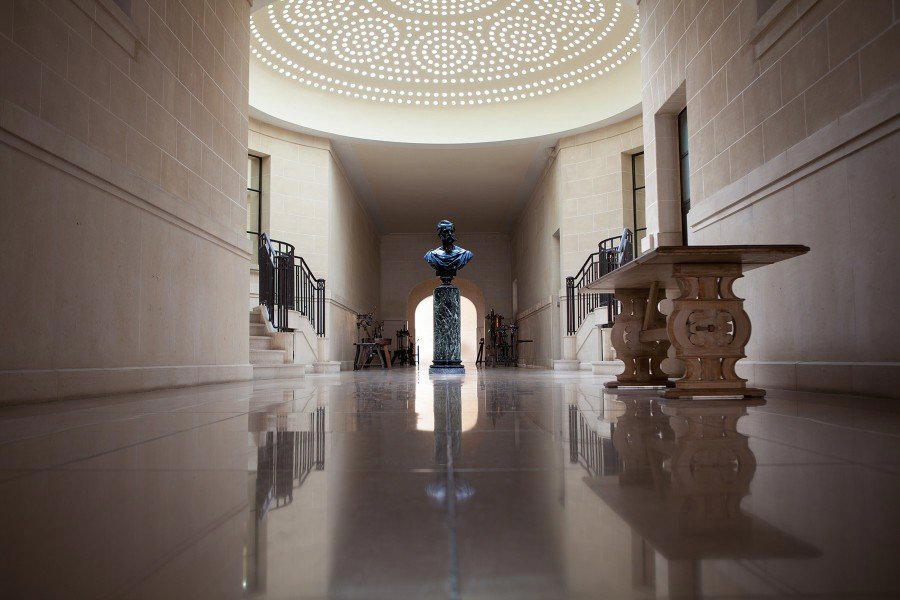
The physical environment of a classic Saint-Germain address tends to follow a recognisable pattern: neutral tones, tablecloths, sufficient space between tables for conversation, and service that reads the room rather than performing to it. The pedestrian Rue Juliette Récamier amplifies this: arrival is quieter than at boulevard-facing addresses, the transition from street to dining room more immediate. That adjacency between a calm exterior and a properly appointed interior is, in itself, a form of editorial statement about what the room values.
Paris dining rooms of this register typically seat a mix of long-standing regulars, business lunchers from the nearby ministries and publishing houses concentrated in the 7th, and visitors who have done enough research to seek out an address with genuine neighbourhood roots rather than a hotel dining room or a name that travels well on social media. That audience mix tends to produce a room with lower ambient noise and a higher average age than the city's more publicised openings, which is either an argument in its favour or a limitation, depending on what you are looking for.
For further context across France's broader fine dining map, Paul Bocuse's Auberge du Pont de Collonges, Assiette Champenoise in Reims, Au Crocodile in Strasbourg, Auberge du Vieux Puits in Fontjoncouse, AM par Alexandre Mazzia in Marseille, and Mirazur in Menton all illustrate how regional ambition and institutional memory shape French fine dining outside the capital. The restaurant makes the Paris case for the same values, longevity, seriousness, and a wine program worth the conversation, within walking distance of the Seine.
Know Before You Go
- Address: 4 Rue Juliette Récamier, 75007 Paris, France
- Neighbourhood: Saint-Germain-des-Prés, 7th arrondissement
- Getting there: Sèvres-Babylone (lines 10 and 12) is the nearest Metro station, approximately five minutes on foot
- Leading timing: Lunch in this neighbourhood draws a professional crowd mid-week; dinner tends toward a quieter, longer-table atmosphere
- Wine: Ask the room about cellar depth and current vintage availability, this is an address where that conversation is worth having
- Dietary requirements: Communicate allergies and dietary restrictions directly to the venue at the time of booking
At a Glance
Comparable venues nearby, for context on price, style, and recognition.
| Venue | Price | Notes |
|---|---|---|
| Le RécamierThis venue — the venue you are viewing | $$$ | Not listed |
| MAR'CO | $$$ | Louvre / Palais-Royal, Chic Modern French Bistro |
| Bistrot Vivienne | $$$ | 2nd arrondissement, Classic French Bistro |
| Le Flore en l'Île | $$$ | Île Saint-Louis, Traditional French Brasserie |
| Bien Élevé | $$$ | 9th Arr., French Steakhouse with Aged Meats |
| Le Bouclard | $$$ | 18th Arrondissement, Traditional French Bistro |
Continue exploring
More in Paris
Restaurants in Paris
Browse all →
Bars in Paris
Browse all →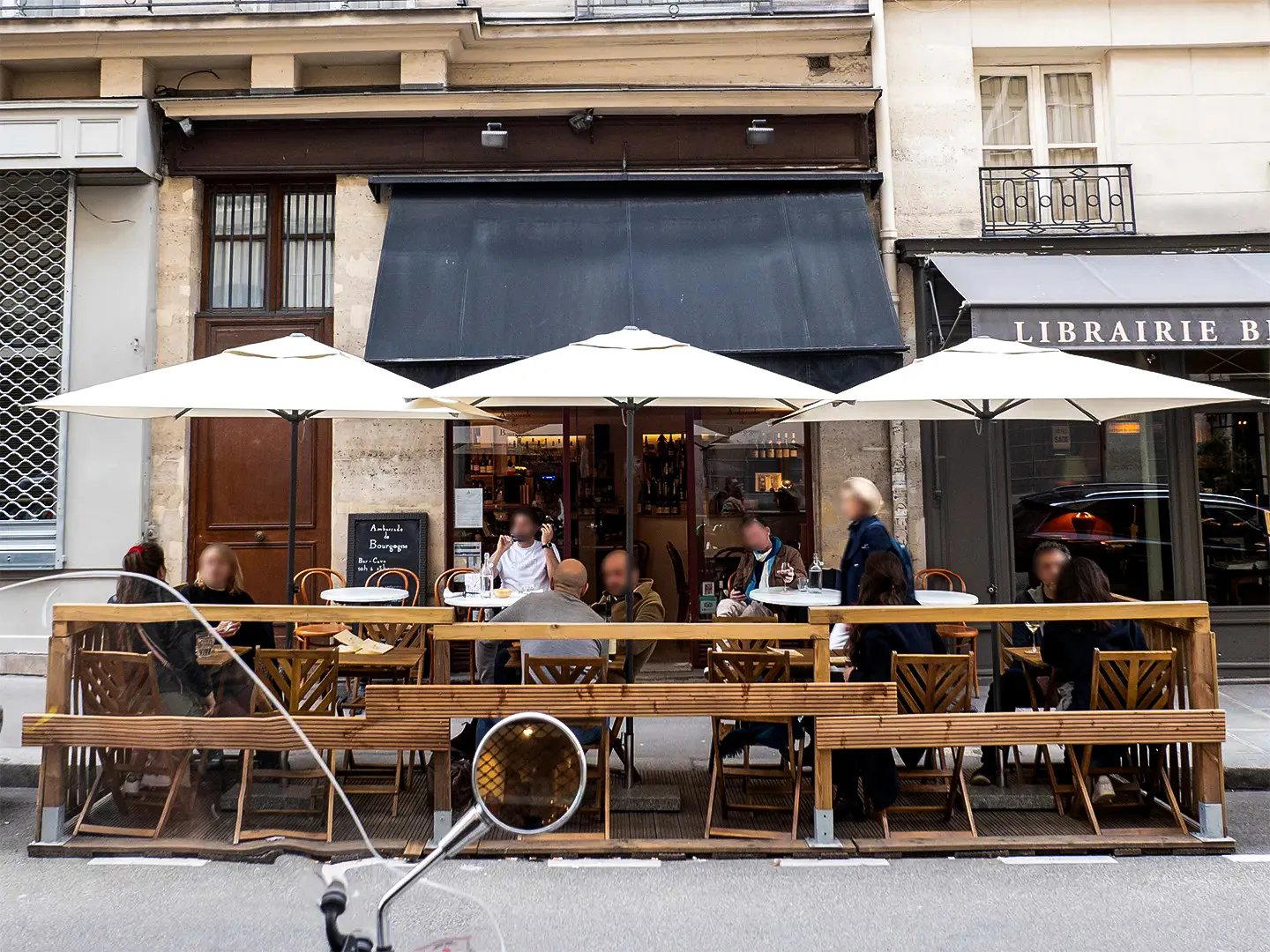
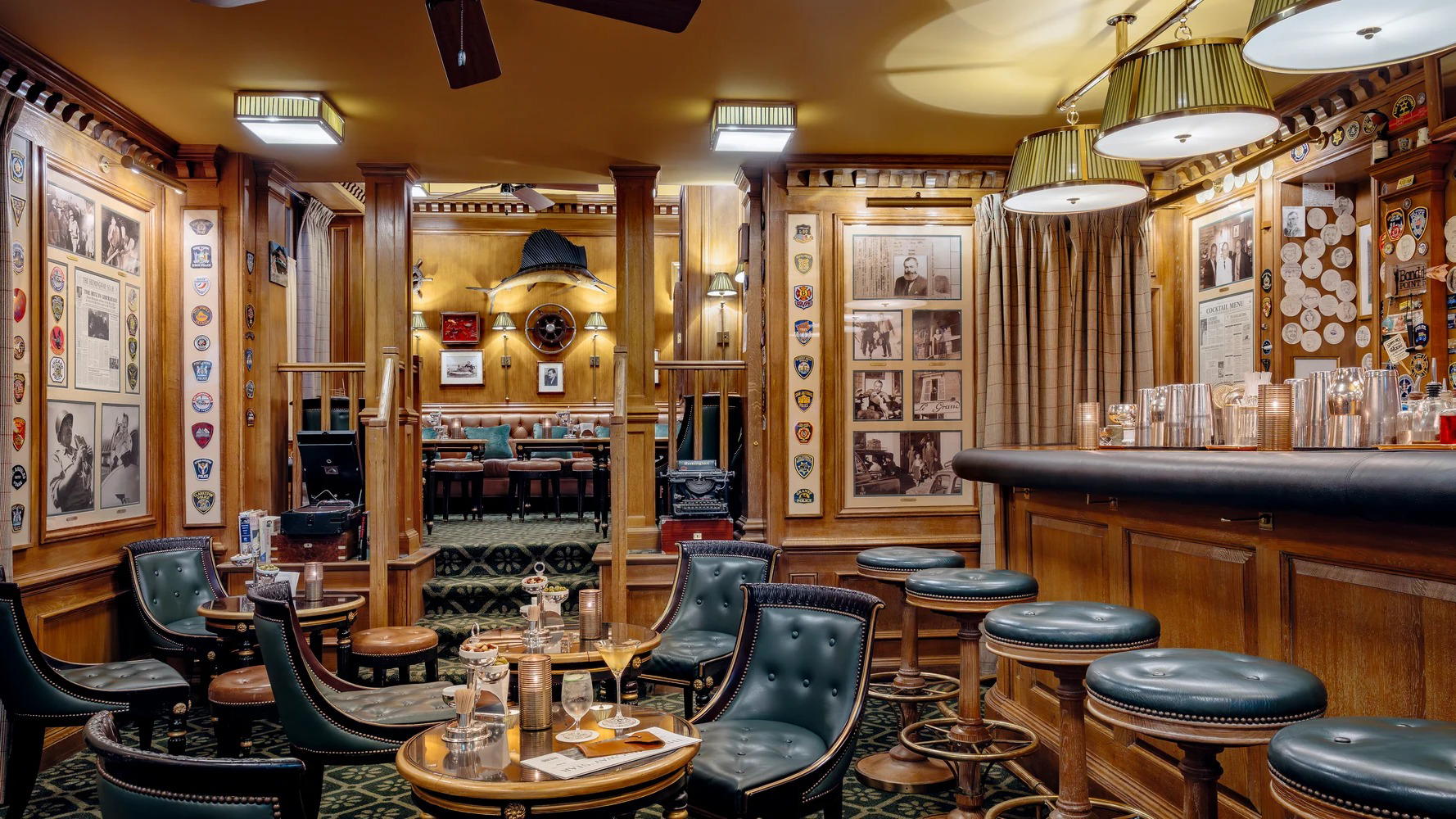
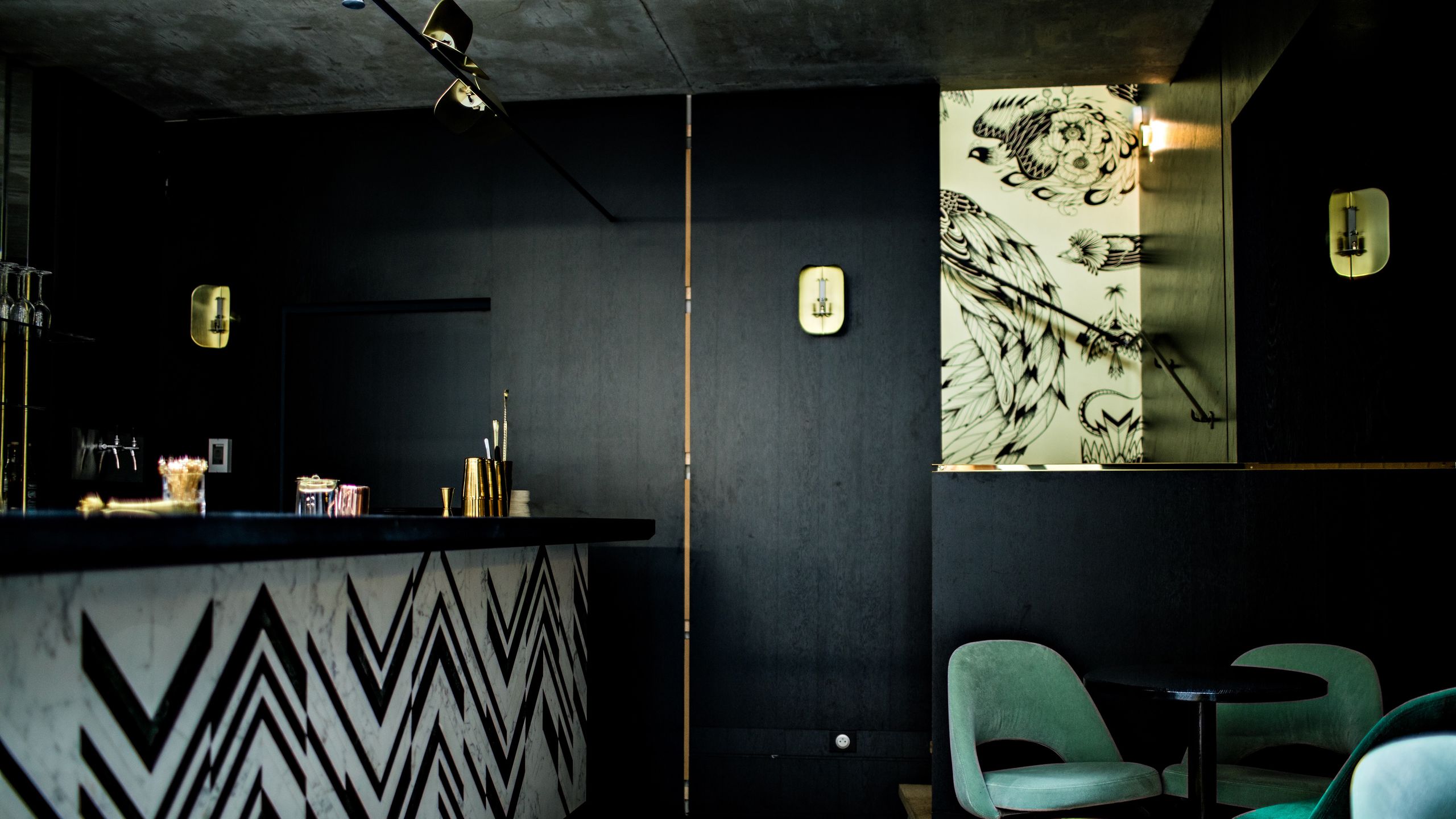
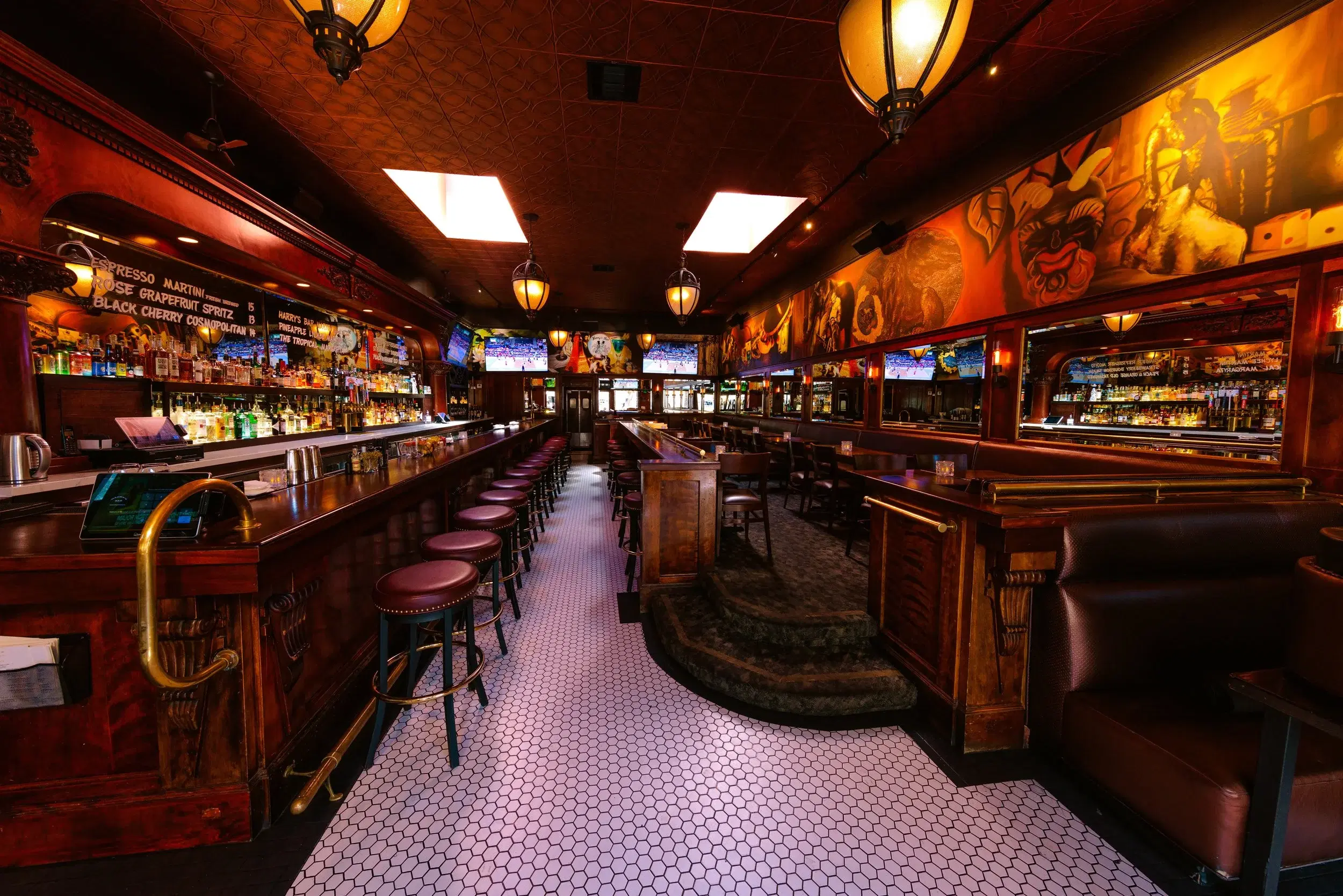
Hotels in Paris
Browse all →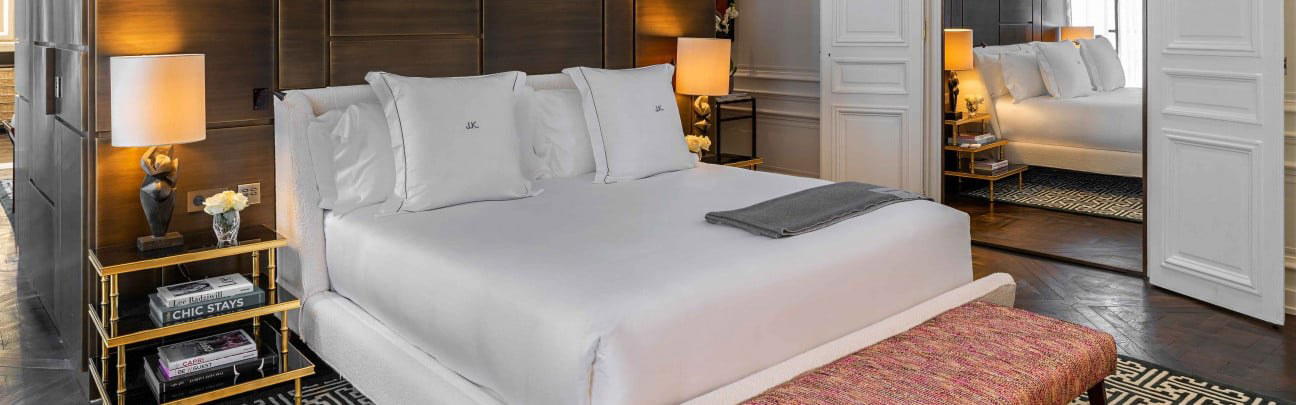



At a Glance
- Elegant
- Classic
- Intimate
- Sophisticated
- Date Night
- Business Dinner
- Special Occasion
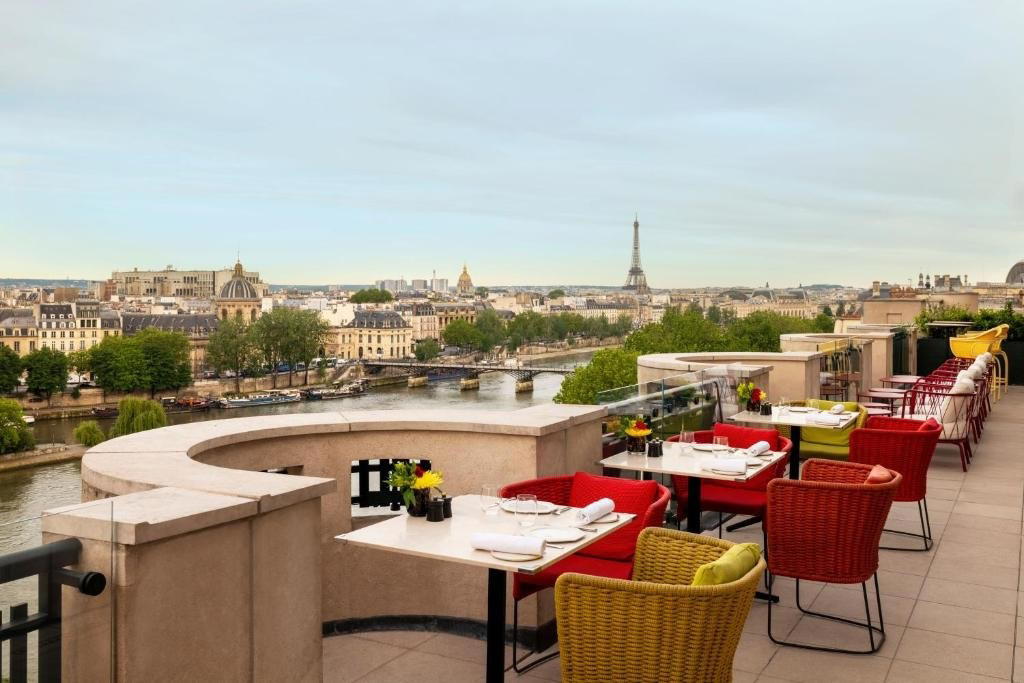
- Terrace
- Street Scene
Current opening hours
- Monday
- 12–4 PM, 6–10:30 PM
- Tuesday
- 12–4 PM, 6–10:30 PM
- Wednesday
- 12–4 PM, 6–10:30 PM
- Thursday
- 12–4 PM, 6–10:30 PM
- Friday
- 12–4 PM, 6–10:30 PM
- Saturday
- 12–4 PM, 6–10:30 PM
- Sunday
- 12–4 PM, 6–10:30 PM
Hours can change for holidays and private events. Last verified .
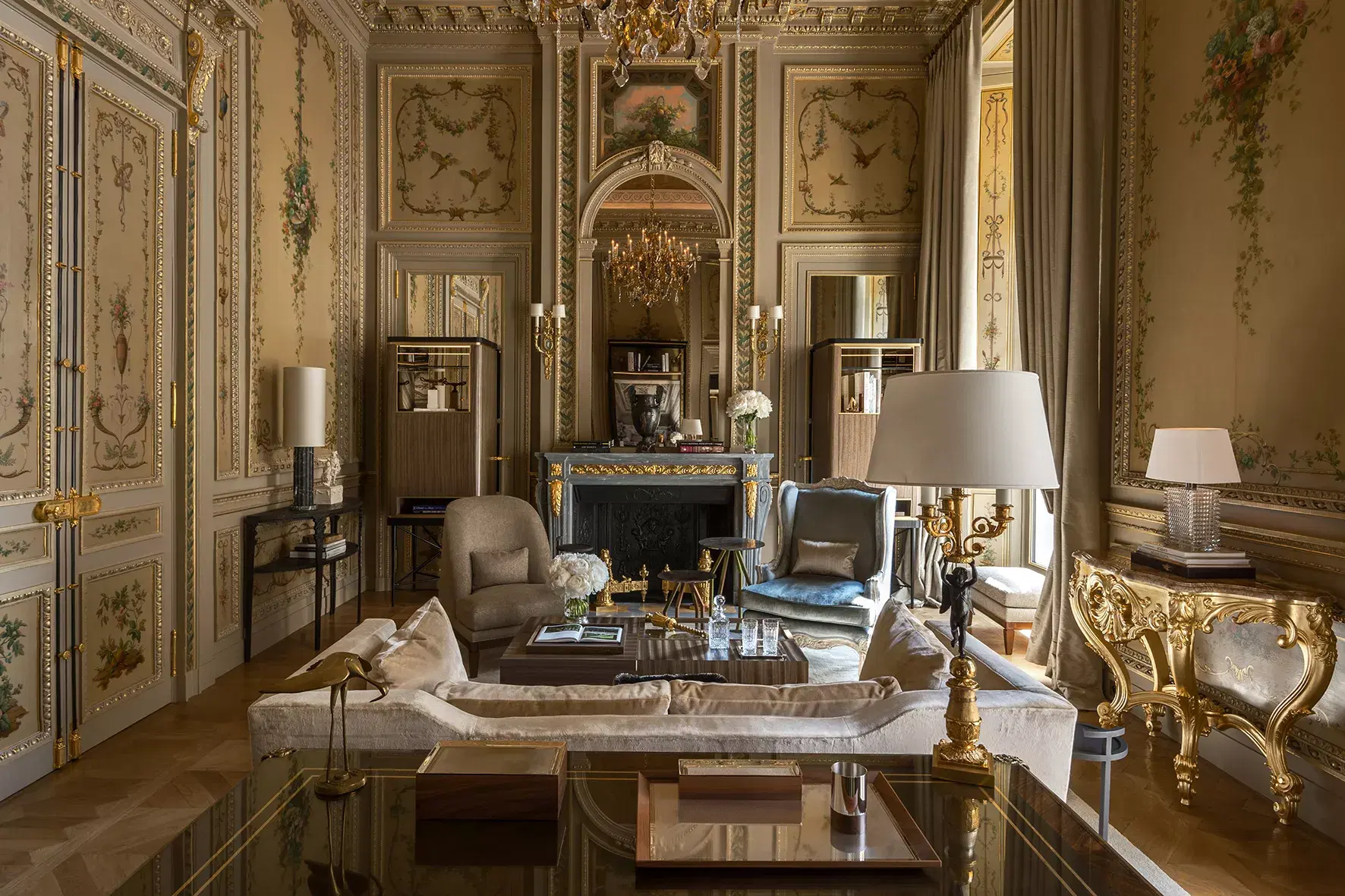
Refined and elegant atmosphere reminiscent of Madame Récamier's salon, with a peaceful terrace away from city bustle.