Le Relais Saint-Hubert
Our verdict
Le Relais Saint-Hubert serves Traditional French Bistro cooking with local sourcing, a quiet atmosphere, and smart casual dress for lunch or dinner.

Pearl is the En Primeur Club membership app — saves, bookings, and concierge access live there. Same editors, same standards.
- Address
- 1024 Rte de Pommeréval, 76680 Ventes-Saint-Rémy, France
- Phone
- +33235342738
- Hours
- Mon–Tue ClosedWed–Sat 12–1:30 PM, 7–9 PMSun 12–1:30 PM
- Website
- relais-saint-hubert.com
- Directions
- Get directions
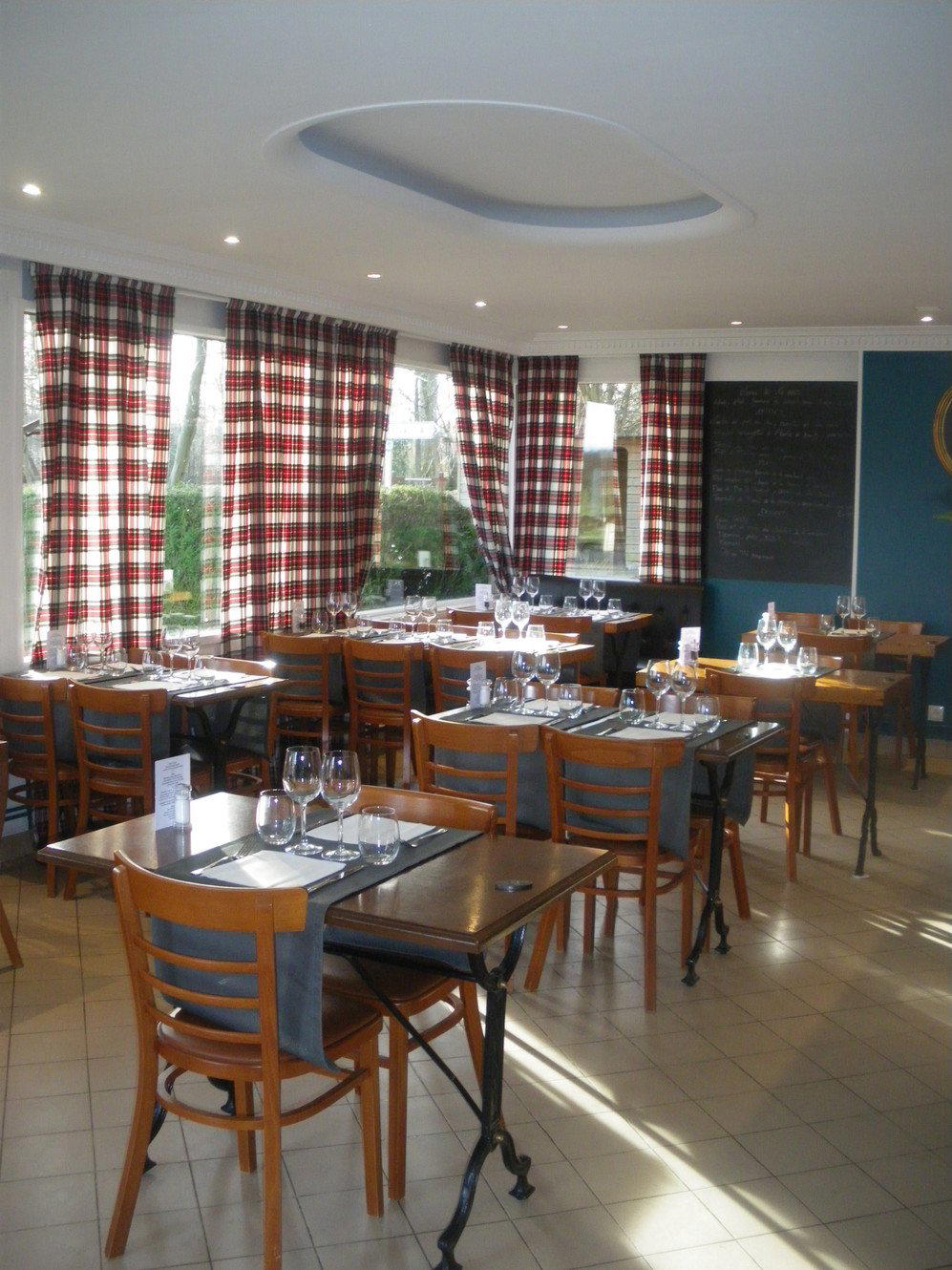
Where Normandy's Countryside Cooking Earns Its Credentials
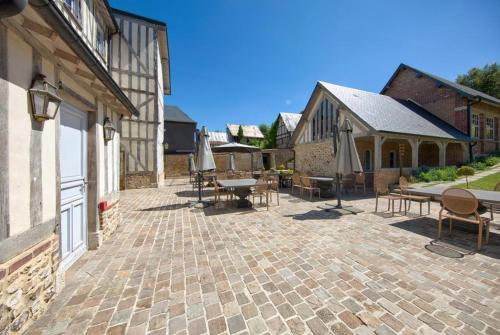
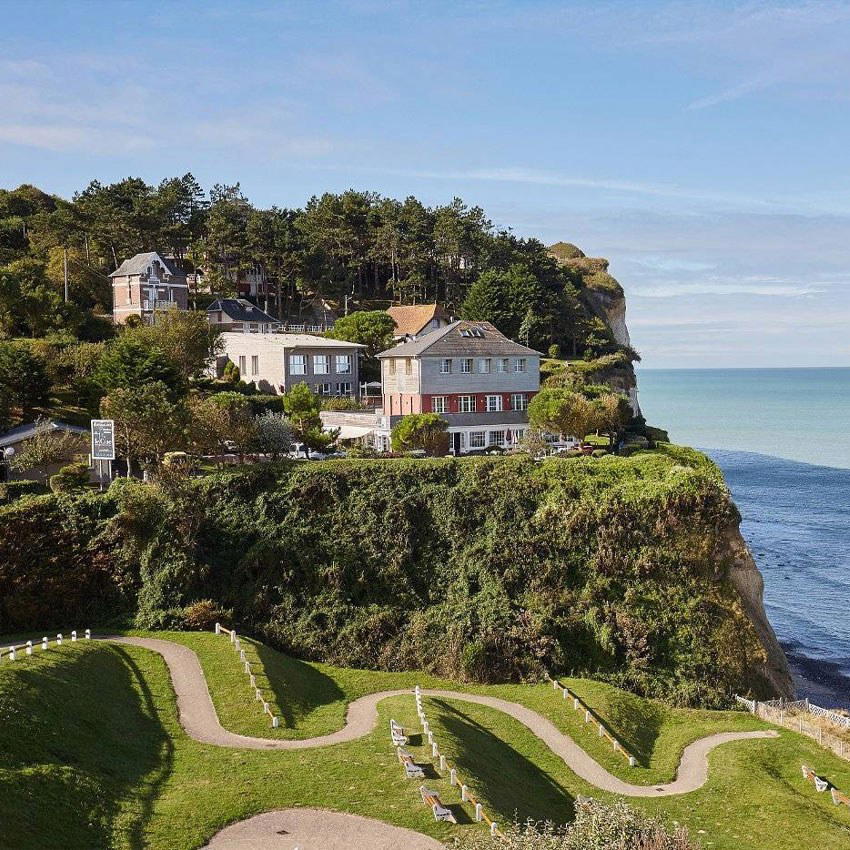
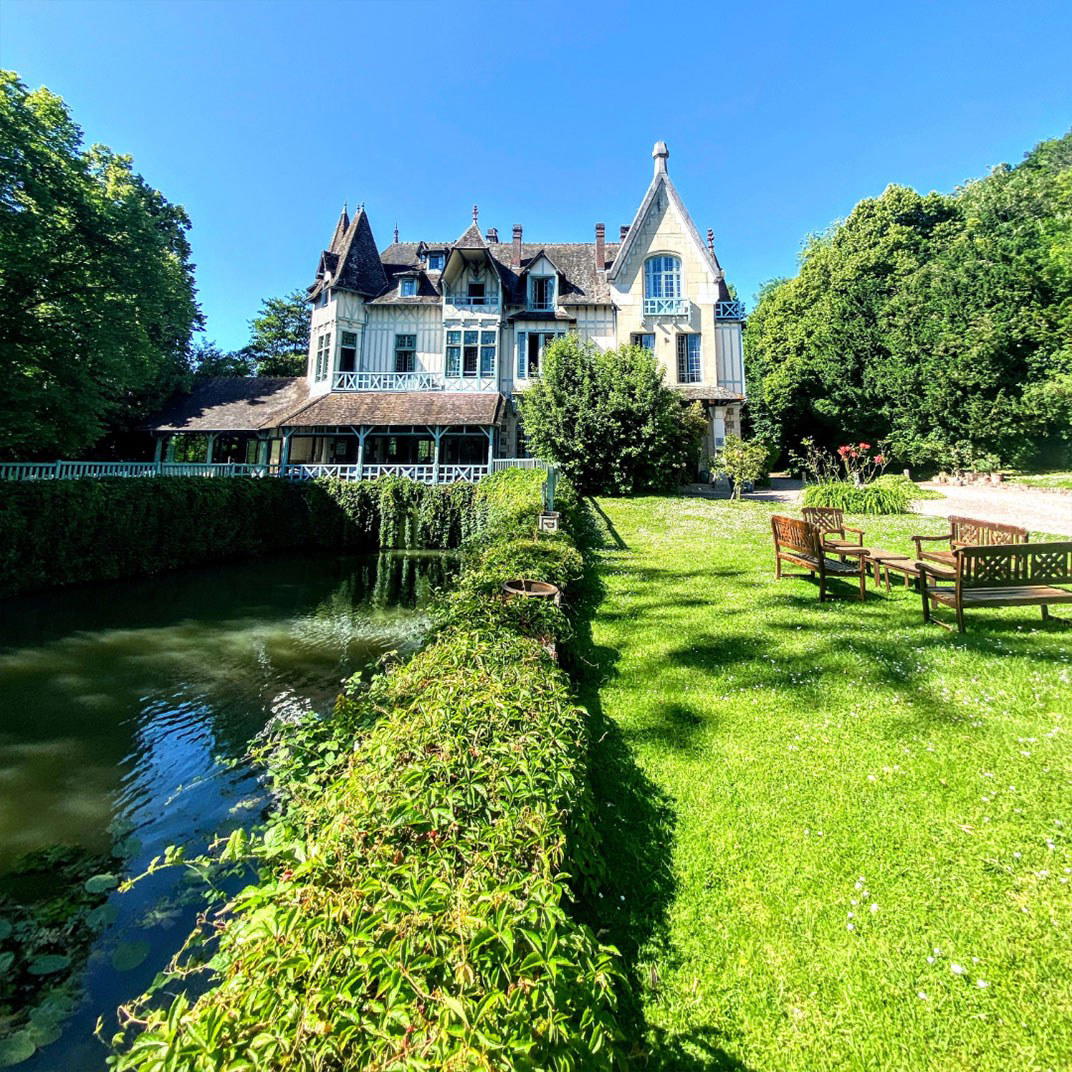
The road that leads to Ventes-Saint-Rémy doesn't announce itself with fanfare. This is the bocage country of upper Normandy, a range of hedged fields, apple orchards, and farms that have supplied regional tables for centuries. Arriving at Le Relais Saint-Hubert, set along the Route de Pomméréval, the building reads as the kind of address where the region's agricultural identity translates directly onto the plate. That relationship between land and kitchen, common to the great provincial French dining tradition, is the baseline expectation here. The question worth asking is how a restaurant in a village this small holds its position against the broader context of serious French regional cooking.
The Ingredient Argument for Eating in Small-Town Normandy
Normandy has a stronger claim than most French regions to ingredient-driven cooking. The logic is geographic: dairy cattle raised on pasture produce cream and butter that differ measurably from industrial equivalents; apple varieties grown in the region's orchards underpin both cidre and calvados, which appear as cooking liquids in the classics of the local repertoire; and the Seine-Maritime department, in which Ventes-Saint-Rémy sits, is close enough to the Channel coast that seafood supply chains remain short. These are not minor advantages. In an era when urban restaurants from Paris to New York spend significant energy sourcing what rural Norman kitchens have had access to by default, proximity to origin remains a structural asset.
That asset plays out differently depending on what a kitchen does with it. The most persuasive French regional restaurants, from Auberge de l'Ill in Illhaeusern to Bras in Laguiole, treat local supply not as a background condition but as an active editorial position, making sourcing decisions visible through the menu architecture itself. At its finest, this is what distinguishes provincial French cooking from its urban counterparts: the ingredients don't need to travel to reach their context.
The Norman Table: A Culinary Framework
Understanding what a restaurant like Le Relais Saint-Hubert represents requires placing it inside the Norman cooking tradition rather than evaluating it in isolation. The region's classical dishes, sole normande, canard à la rouennaise, tripes à la mode de Caen, are built around the same core materials: cream, butter, cider, and calvados, applied to protein that arrives from water or pasture nearby. This is not a cuisine of elaborate technique or imported luxury; it is a cuisine of coherent logic, where method amplifies material rather than masking it.
That logic connects Norman village cooking to a wider French provincial tradition that the country's most decorated restaurants frequently reference as a foundation. The approach at Troisgros - Le Bois sans Feuilles in Ouches, or the market-driven directness of Mirazur in Menton, share with rural Norman kitchens a fundamental preference for place-specific ingredients over globally sourced prestige products. The difference is one of register, not philosophy.
Eating at This Address: What the Setting Implies
A relais in the French sense occupies a specific category. Historically these were staging posts, places where travellers stopped, ate, and rested, and the leading ones developed a loyalty to the immediate territory because that was what they had. Le Relais Saint-Hubert carries that etymology forward. The saint after whom the restaurant is named is the patron of hunters, which in Norman context points toward game as a seasonal pillar of the menu, alongside the dairy and seafood traditions that define the region year-round.
The physical address, Route de Pomméréval in a commune with a population measured in hundreds, places this restaurant in the category of destination dining that requires deliberate effort to reach. This is not a drawback in the context of serious French provincial cooking; it is often a prerequisite. The restaurants that have shaped France's regional identity, Georges Blanc in Vonnas, Auberge du Vieux Puits in Fontjoncouse, L'Oustau de Baumanière in Les Baux, are all addresses that reward a drive. The willingness to travel is part of the contract.
Situating Le Relais Saint-Hubert in France's Broader Restaurant Hierarchy
France's dining hierarchy at the leading end concentrates around a small number of urban and near-urban addresses. Alléno Paris au Pavillon Ledoyen in Paris and Assiette Champenoise in Reims represent the tier where significant investment in technique, service infrastructure, and wine depth drives a particular kind of dining experience. Below that tier, and distinct from it in character rather than quality, sits a stratum of provincial addresses whose value lies precisely in their distance from urban dining conventions.
This is the bracket where Le Relais Saint-Hubert operates. Comparable positions in the French provincial framework include Christopher Coutanceau in La Rochelle, oriented around Atlantic seafood terroir, or La Marine in Noirmoutier-en-l'île, which uses island supply chains as its defining constraint. In each case, the restaurant's relationship to its immediate geography is the argument, not an incidental detail. Ventes-Saint-Rémy is a small commune, and a restaurant operating at this address is making a statement about rootedness by its location alone.
For comparison outside France, the logic of terroir-led cooking in rural settings finds its mirror in addresses like Paul Bocuse - L'Auberge du Pont de Collonges in Collonges-au-Mont-d'Or or, internationally, Le Bernardin in New York City, where the discipline applied to a single ingredient category, in Le Bernardin's case seafood, defines the restaurant's identity as completely as Norman dairy does in upper Normandy.
Planning a Visit
Ventes-Saint-Rémy sits in the Seine-Maritime department, accessible from Rouen in under an hour by road, making it a feasible day trip from Normandy's regional capital or a natural stop on a longer drive through the Pays de Bray. The address on the Route de Pomméréval is specific enough that GPS navigation is the practical approach. Given the limited data available through standard channels, contacting the restaurant directly for current hours, reservation requirements, and menu format is advisable before making the journey. For a fuller picture of dining options in the area, our full Ventes Saint Remy restaurants guide provides additional context. Those building an extended Norman itinerary might also consider Flocons de Sel in Megève or AM par Alexandre Mazzia in Marseille as reference points for what ambitious French regional cooking looks like in other geographic contexts, and Au Crocodile in Strasbourg or Atomix in New York City for the broader conversation about how regional identity shapes a kitchen's identity over time.
Frequently asked questions
Is Le Relais Saint-Hubert a family-friendly restaurant?
Rural relais in the Pays de Bray region tend toward relaxed, unpretentious service rather than the formality of Parisian fine dining, and the setting in Ventes-Saint-Rémy reinforces that character. The countryside address on the Route de Pommeréval suggests a room where long lunches with multiple generations are entirely in keeping. Confirm specific arrangements such as high chairs or children's menus directly with the restaurant before visiting.
What is the atmosphere like at Le Relais Saint-Hubert?
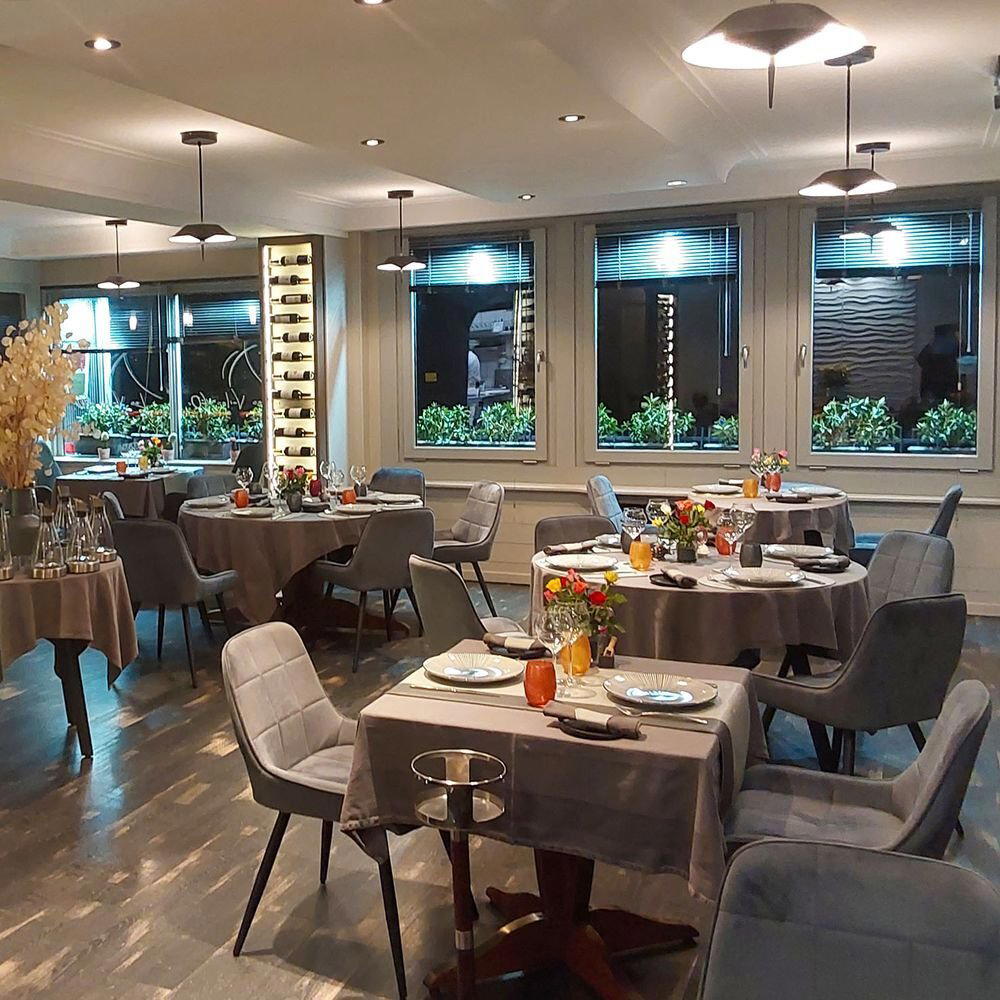
The name and address in bocage country point toward a traditional provincial room: hunting references in the decor, agricultural produce on the menu, and the unhurried tempo that defines eating well in rural Normandy. A relais by definition was a stopping place, and that sense of purposeful pause tends to shape the pace of service. Expect a room that takes its regional identity seriously rather than performing it for tourists.
Is Le Relais Saint-Hubert worth a detour from Rouen for a day trip lunch?
Ventes-Saint-Rémy sits in the Seine-Maritime department, reachable from Rouen in under an hour by road, which puts it within range as a dedicated lunch destination rather than an incidental stop. The Pays de Bray is one of upper Normandy's most productive dairy areas, meaning the ingredient argument for eating here is geographically grounded. For visitors already exploring the bocage country between Rouen and Dieppe, the detour requires minimal additional planning.
What's the best thing to order at Le Relais Saint-Hubert?
The Norman regional repertoire gives the clearest direction: cream and butter sauces built on Pays de Bray dairy, calvados as both a cooking ingredient and a digestif, and game dishes in season given the Saint-Hubert dedication (he is the patron saint of hunters). Seafood from the Normandy coast also appears regularly on menus of this type. Ordering against the season and the region will almost always outperform any dish that drifts from that framework.
Side-by-Side Snapshot
Comparable venues nearby, for context on price, style, and recognition.
| Venue | Cuisine | Price | Notes |
|---|---|---|---|
| Le Relais Saint-HubertThis venue — the venue you are viewing | Traditional French Bistro | $20–30 | Not listed |
| Le Turbot | Traditional French Seafood | $20–30 | Le Pollet |
| L’aventure | French Mountain Grill | $30–50 | Oz en Oisans |
| Le Grignot | Traditional French Brasserie & Seafood | $30–50 | Centre-ville Perret |
| Atelier du Marché | Traditional French Bistro | $30–50 | Ternes |
| Galinette Bistrot | French Bistro | $30–50 | 8ème arrondissement |
Continue exploring
More in Ventes Saint Remy
Restaurants in Ventes Saint Remy
Browse all →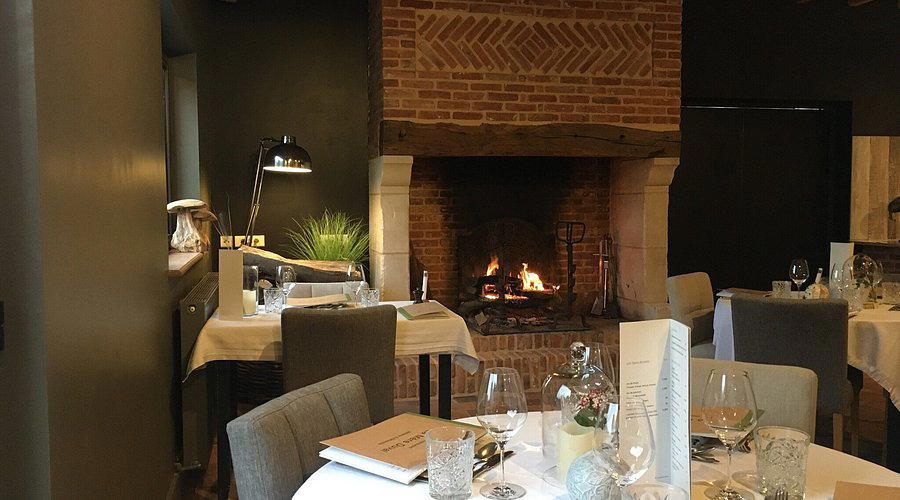
Details
- Cozy
- Classic
- Elegant
- Date Night
- Business Dinner
- Family
- Historic Building
- Local Sourcing
- A La Carte
Current opening hours
- Monday
- Closed
- Tuesday
- Closed
- Wednesday
- 12–1:30 PM, 7–9 PM
- Thursday
- 12–1:30 PM, 7–9 PM
- Friday
- 12–1:30 PM, 7–9 PM
- Saturday
- 12–1:30 PM, 7–9 PM
- Sunday
- 12–1:30 PM
Hours can change for holidays and private events. Last verified .
Chaleureux et accueillant with cordial service and a cozy rural charm.